
The Witchery by the Castle
Old Town, Edinburgh
Hotel in Edinburgh, United Kingdom
 Book with Pearl
The Read
Gothic Suite Theatrics
Why go
Book The Witchery by the Castle if the room is meant to be the event: romantic, atmospheric, and tied closely to Edinburgh's Old Town setting. It is less persuasive for business travelers or families who need predictability, where Cheval Old Town Chambers or Radisson Collection Hotel, Royal Mile Edinburgh will usually make more practical sense.
About The Witchery by the Castle
The Witchery by the Castle is an Edinburgh venue with limited public detail in this guide. The confirmed points are simple: the dress code is formal, and it appears in La Liste Top Hotels (2026) with a score of 90.5pts. Beyond that, this page should not be read as confirming specific room types, service style, pricing, facilities, dining format, or exact location details.
That makes the decision less about checking off a long list of amenities and more about whether the profile matches the kind of Edinburgh plan you are making. If formal presentation and a recognized hotel accolade matter to you, The Witchery by the Castle belongs on the shortlist. If you need certainty on practical details, confirm them directly before booking.
Book for a formal Edinburgh experience with recognition
The strongest confirmed reason to consider The Witchery by the Castle is its La Liste Top Hotels (2026) score of 90.5pts. That is a useful signal for travelers comparing options, but it should not be stretched into claims about specific services, room layouts, meals, booking difficulty, or value.
The formal dress code is also worth noting. If your trip involves a more polished setting, that may be a positive. If your priority is convenience, flexibility, or a highly predictable setup, compare details carefully before deciding.
How to compare it with other Edinburgh options
When cross-shopping, keep the comparison grounded in what is actually. The Witchery by the Castle has a formal dress code and La Liste Top Hotels (2026): 90.5pts. Other named options to compare include Virgin Hotels Edinburgh, Radisson Collection Hotel, Royal Mile Edinburgh, Cheval Old Town Chambers, Old Town Chambers, Autograph Collection, and 100 Princes Street.
For broader planning, use Pearl's Edinburgh hotels guide, then layer in Edinburgh restaurants, Edinburgh bars, and Edinburgh experiences around the stay.
The bottom line: consider The Witchery by the Castle if you want an Edinburgh venue with a formal dress code and a confirmed La Liste Top Hotels (2026) score. Confirm any practical requirements directly before booking.
Planning details
- Location
- Witchery by the Castle, 352 Castlehill, Edinburgh EH1 2NF
- Website
- thewitchery.com
The take
The Take
The Vibe
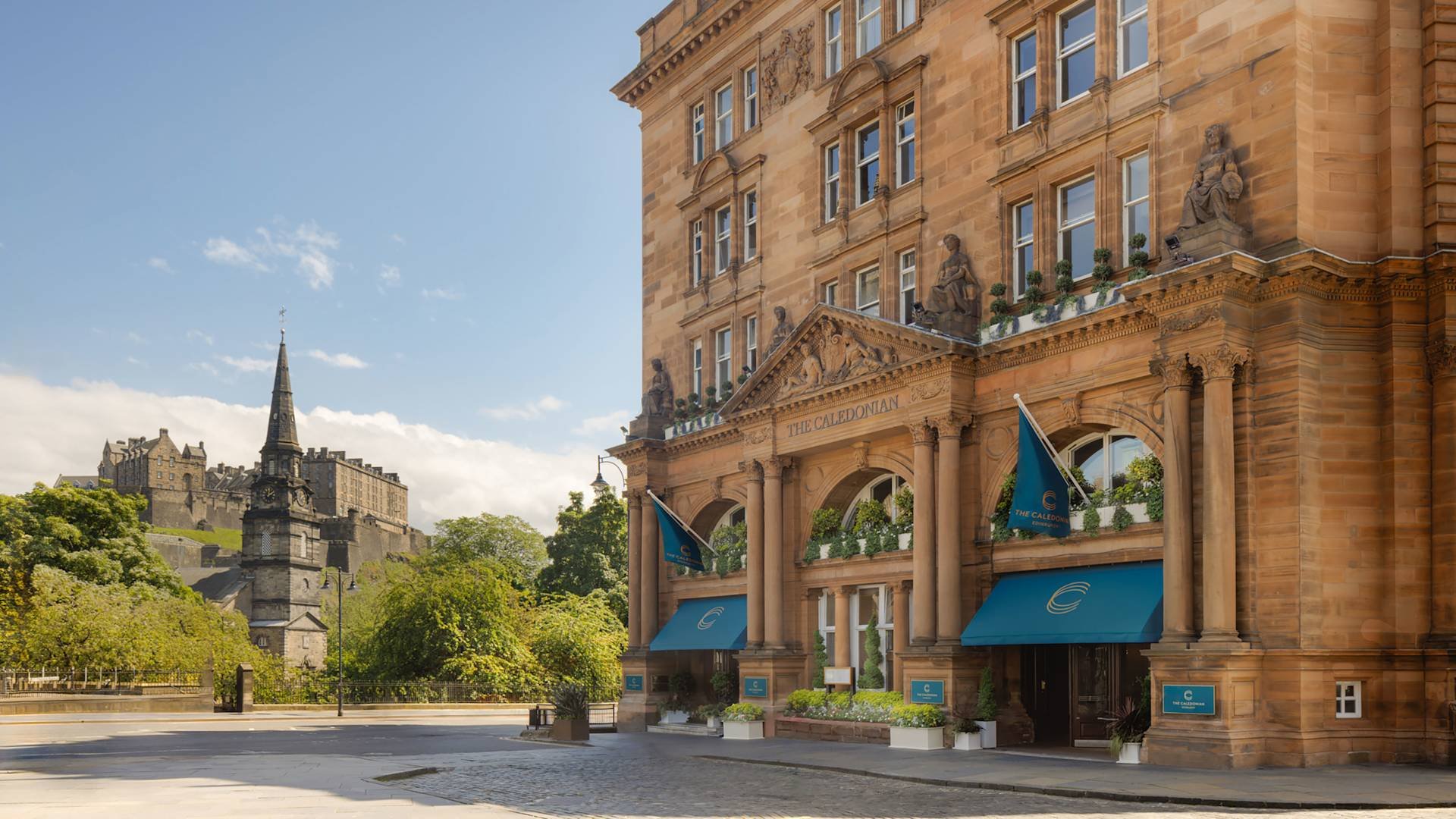
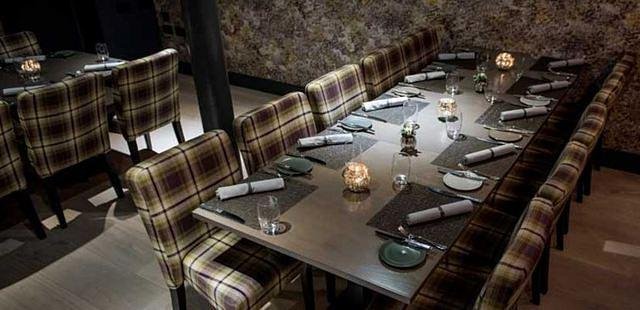
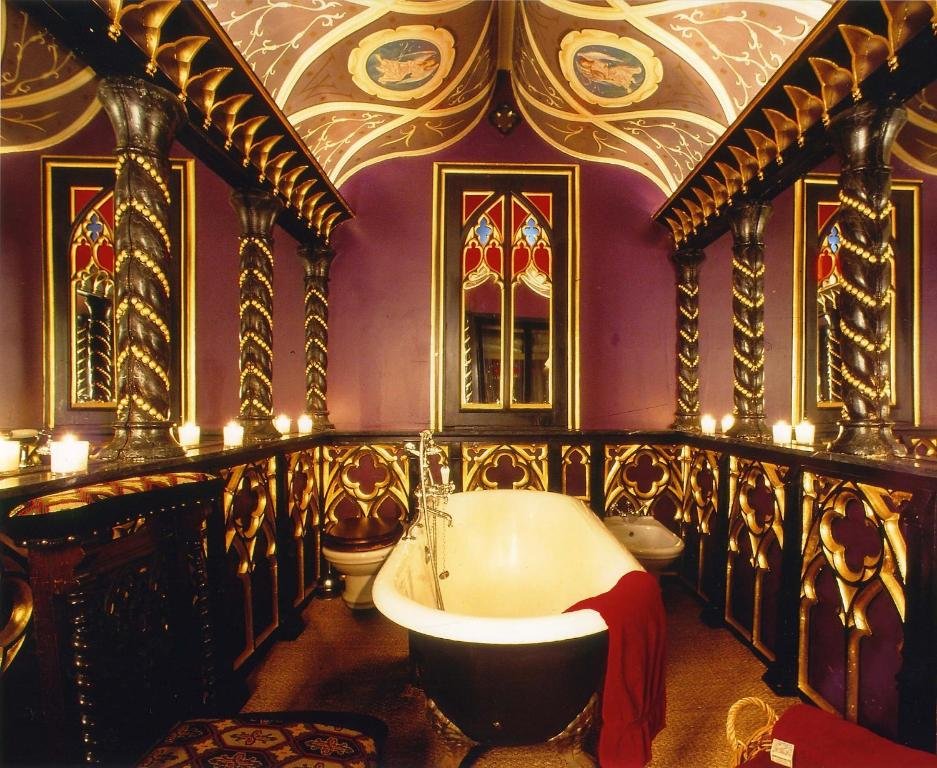
The Witchery by the Castle leans into its building as the principal design asset: 16th-century merchant walls, vaulted ceilings and carved oak panelling remain front and center. Antique tapestries, candlelight and Gothic ecclesiastical details create a densely historic interior that reads as conviction rather than décor. The result is a singular, site-specific hotel that feels both intimate and enveloping—a place where Edinburgh’s medieval fabric literally becomes the room. Visitors encounter a layered, atmospheric experience that privileges texture, history and careful curation over neutral contemporary minimalism.
Best For
This is a hotel built for close, intentional moments—romantic evenings, anniversaries and special-occasion dinners feel perfectly at home here. The candlelit rooms and compact, historically dense interiors suit two-person stays or small parties seeking atmosphere and ceremony rather than casual, high-energy socializing. Located on Castlehill at the top of the Royal Mile, it also works for visitors who want a uniquely Edinburgh stay anchored in Old Town character rather than a generic city-center chain property.
Stay Tips
The property positions its kitchen around Scottish ingredients and European technique, so lean into dishes that showcase local larder items when dining on-site. Ask about seasonality and offerings that foreground Scottish produce and seafood; the menu voice in the description suggests a kitchen shaped by provenance rather than trend-driven small plates. Given the hotel's intimate, candlelit environment, reserving an evening table and enquiring about set or signature options will help you make the most of the dining experience.
Venue details
Ambiance
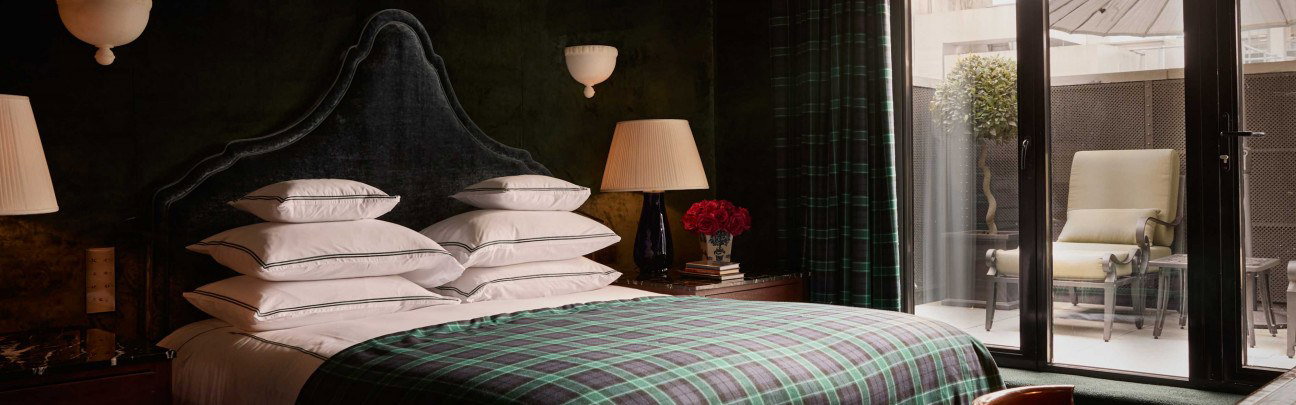
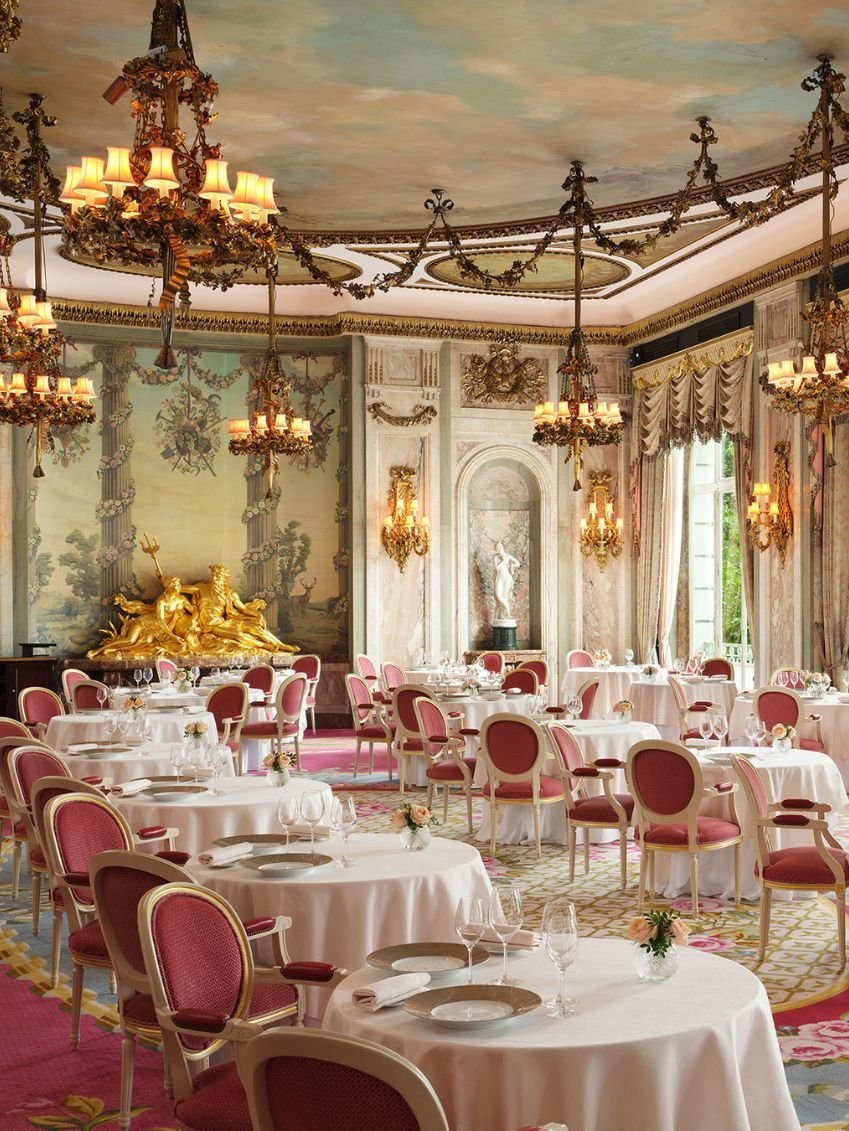
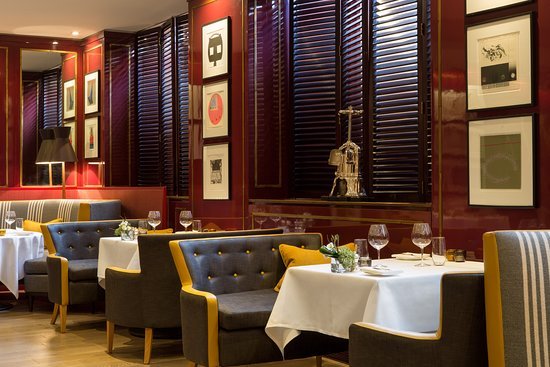
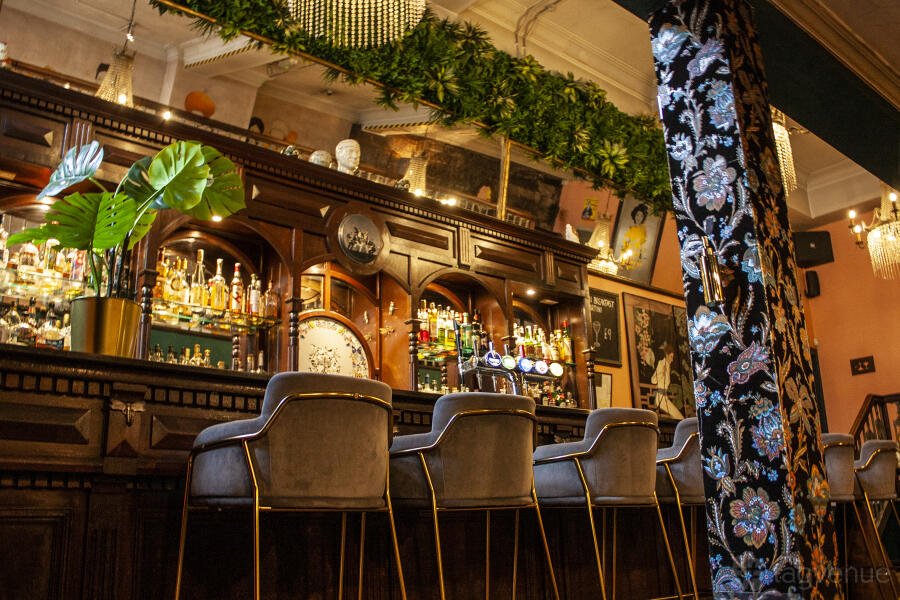
Candlelit, dark wood-panelled interiors with velvet drapes in ruby red and gold, gilded mirrors, and intricately carved ceilings creating an intimate, atmospheric 16th-century Gothic setting.
Tags
Vibe
Best For
Experience
Amenities
View
Accessibility
About the Stay
- Rooms
- 9
- Property Style
- Independent Luxury Heritage Property Positioned as a Theatrical Gothic Experience Rather Than a Traditional Hotel, Emphasizing Drama, History, and Romance.
- Design Style
- Maximalist Gothic with 16th Century Influences: Dark Wood Panelling, Velvet Furnishings in Deep Reds and Golds, Four Poster Beds, Antique Tapestries, Suits of Armor, Hidden Doors, and Candlelit Ambiance Throughout.
Know before you go
Know Before You Go
- Getting there
- Witchery by the Castle, 352 Castlehill, Edinburgh EH1 2NF
Planning details
Location
Witchery by the Castle, 352 Castlehill, Edinburgh EH1 2NF · Directions
Recognition and awards

Also consider
Where to Look If This Is Not the Right Fit
Choose Cheval Old Town Chambers if the trip needs more space, a longer-stay setup, or family-friendly flexibility. Choose 100 Princes Street if the priority is a more polished luxury-hotel feel rather than Old Town atmosphere.
Hotel context
How It Compares
The Witchery by the Castle is the atmosphere-first choice in this Edinburgh set. Pick it when the stay is a splurge-style occasion and the room character matters more than hotel-chain consistency. Virgin Hotels Edinburgh is the better call for a more modern, social hotel rhythm, while Radisson Collection Hotel, Royal Mile Edinburgh is the safer central option for travelers who want Old Town access with a more familiar setup.
For value and practicality, Cheval Old Town Chambers and Old Town Chambers, Autograph Collection are easier to recommend for longer stays, families, and guests who want more living space. They are less theatrical, but that trade is useful when the trip involves work, children, or multiple nights.
100 Princes Street is the cleaner luxury cross-shop if service polish and a grander hotel feel matter more than being wrapped in Old Town atmosphere. The Witchery is the narrower recommendation: stronger for romance and first-time Edinburgh drama, weaker for broad travel utility.
Explore Edinburgh
Around this place
Discover more on Pearl
Unlock the full The Witchery by the Castle guide in Pearl, including awards, comparisons, FAQs, planning details, and nearby places.
Compare The Witchery by the Castle
| Venue | Location | Awards |
|---|---|---|
| The Witchery by the Castle | Edinburgh | 2026 La Liste Top Hotels |
| Virgin Hotels Edinburgh | Edinburgh | 2025 Michelin Selected HotelsPreferred Hotels L.V.X. Collection 2025 |
| Radisson Collection Hotel, Royal Mile Edinburgh | Edinburgh | No published awards |
| Cheval Old Town Chambers | Edinburgh | 2026 La Liste Top Hotels2025 Michelin Selected Hotels |
| Old Town Chambers, Autograph Collection | Edinburgh | No published awards |
| 100 Princes Street | Edinburgh | 2026 Forbes 4-Star2026 Virtuoso Luxury Hotel Collection2026 Mr & Mrs Smith Luxury Hotels2025 Esquire Best New Hotels2025 Michelin 1 Key |






How The Witchery by the Castle Edinburgh compares with similar nearby venues.
FAQ
Frequently Asked Questions
Is The Witchery by the Castle good for business travel?
The Witchery by the Castle has La Liste Top Hotels (2026): 90.5pts and a formal dress code, but travelers should confirm practical requirements directly before booking. Radisson Collection Hotel, Royal Mile Edinburgh is another Edinburgh option to compare.
When is the best time to book The Witchery by the Castle?
If your Edinburgh dates are fixed, check availability directly. 100 Princes Street is another Edinburgh option to compare while planning.
What is check-in like at The Witchery by the Castle?
Treat The Witchery by the Castle as an Edinburgh venue with a formal dress code and confirmed La Liste Top Hotels (2026): 90.5pts, then confirm arrival details directly. Virgin Hotels Edinburgh is another Edinburgh option to compare.
Which room category is best at The Witchery by the Castle?
Choose only after checking the current options directly with The Witchery by the Castle. For comparison, Cheval Old Town Chambers and Old Town Chambers, Autograph Collection are also Edinburgh options to review.
How does The Witchery by the Castle compare to other Edinburgh options?
The comparison is limited: The Witchery by the Castle has a formal dress code and La Liste Top Hotels (2026): 90.5pts. Virgin Hotels Edinburgh, Radisson Collection Hotel, Royal Mile Edinburgh, 100 Princes Street, Cheval Old Town Chambers, and Old Town Chambers, Autograph Collection are other Edinburgh options to compare based on your own requirements.
Do loyalty programs work at The Witchery by the Castle?
Judge The Witchery by the Castle on confirmed details such as its formal dress code and La Liste Top Hotels (2026): 90.5pts, and confirm any loyalty questions directly. Old Town Chambers, Autograph Collection is another Edinburgh option to compare.
How is the location of The Witchery by the Castle?
The location information is Edinburgh. No specific street address or neighborhood detail is confirmed here. If exact arrival information matters, confirm it directly with The Witchery by the Castle before traveling.