
Vertigo Hotel
city center, Dijon
Hotel in Dijon, France
 Book with Pearl
Why go
A good Dijon pick if you want a design-led city base rather than a countryside Burgundy stay. Vertigo Hotel works best for short celebrations, business trips, and last-minute plans where an easy booking and central positioning matter more than resort atmosphere or formal grand-hotel service.
About Vertigo Hotel
Vertigo Hotel is a Dijon hotel listed as a 2026 Design Hotels Member. That makes it most relevant for travelers who want to consider a design-affiliated stay in Dijon, while keeping expectations focused on confirmed facts rather than assumptions about service style, amenities, room categories, dining, or location within the city.
The dress code is smart casual. Before booking, confirm practical details directly with the hotel, especially if your trip depends on amenities, arrival arrangements, loyalty benefits, dining plans, or a specific room setup.
Choose it for a design affiliation
The clearest reason to consider Vertigo Hotel is its 2026 Design Hotels Member status. That is a useful signal if the look and identity of the property matter to your Dijon stay. It should not be treated as proof of any particular service level, amenity set, restaurant program, or room format unless those details are confirmed directly with the hotel.
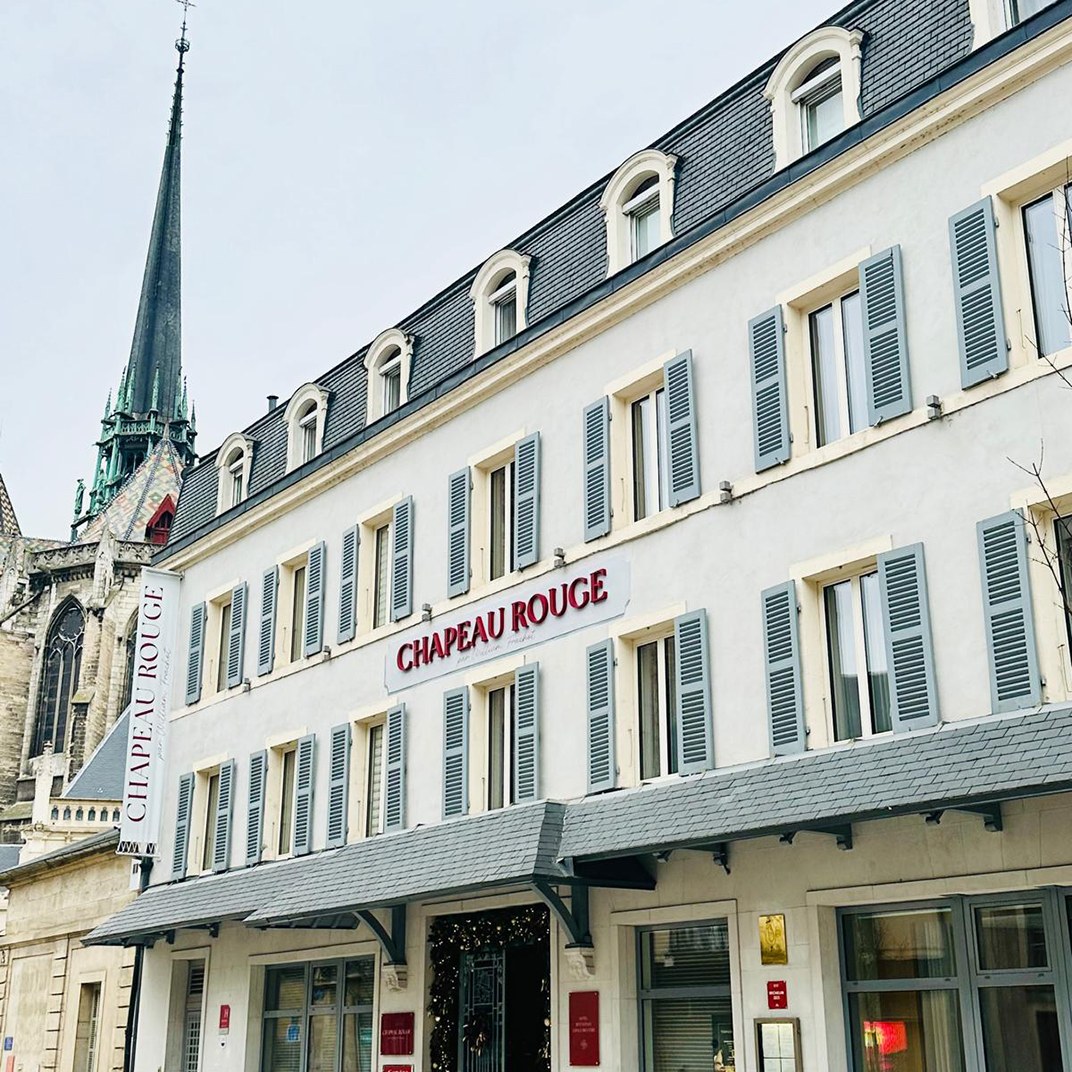
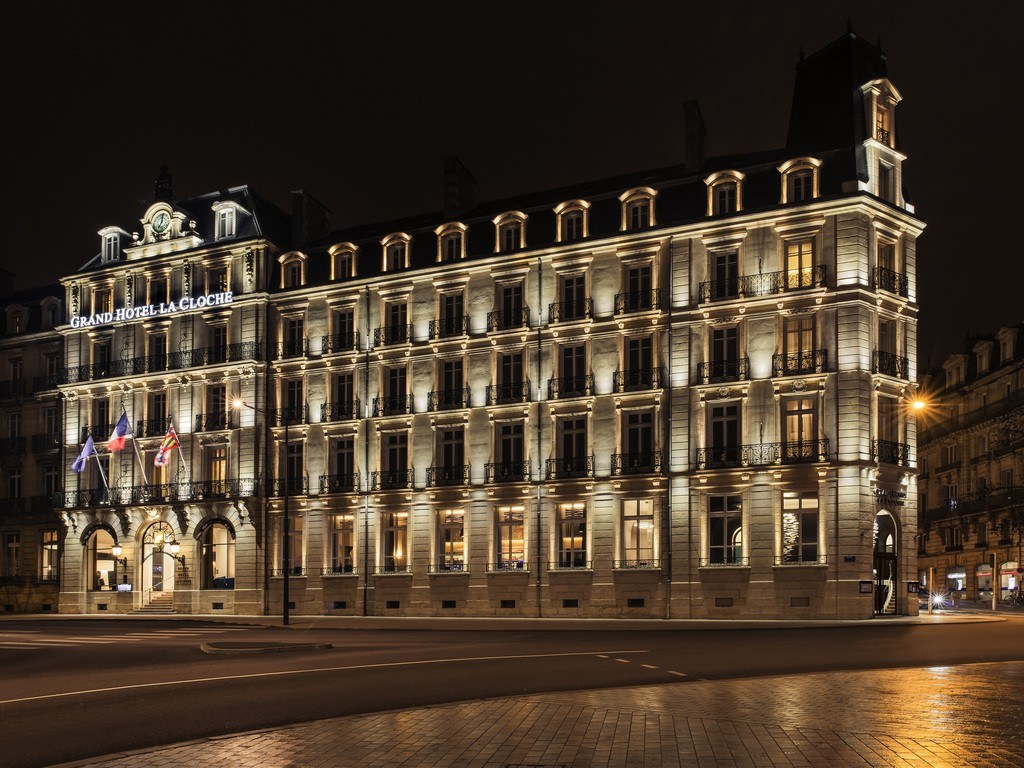
For travelers comparing stays in and around Dijon, keep the decision practical. Vertigo Hotel can be considered alongside Grand Hôtel La Cloche Dijon, Mama Shelter Dijon, Chapeau Rouge par William Frachot, Château de Saulon, and Les Sources de Vougeot. The best choice depends on the confirmed features, rates, and availability for your dates.
Where it fits in a Dijon short list
Use Vertigo Hotel as the design-affiliated Dijon option. If you are building a short list, compare the confirmed details for Vertigo Hotel with Chapeau Rouge par William Frachot, Grand Hôtel La Cloche Dijon, and Mama Shelter Dijon, then check which place best matches your trip's practical needs.
Château de Saulon and Les Sources de Vougeot can also be part of a wider Burgundy comparison set, but do not assume the same logistics or setting as a Dijon hotel without checking the details for your itinerary. For any special occasion, confirm the specifics that matter most before booking: arrival timing, room type, amenities, dining access, and any service requests.
For planning around the city, use Our full Dijon hotels guide alongside Our full Dijon restaurants guide, especially if the stay is built around a dinner reservation. Other Dijon dining and experiences should be checked directly against your dates and route.
Planning details
- Location
- 3 rue Devosge, Dijon 21000, France
- Website
- marriott.com/hotels/travel/DIJDS
The take
The Take
The Vibe
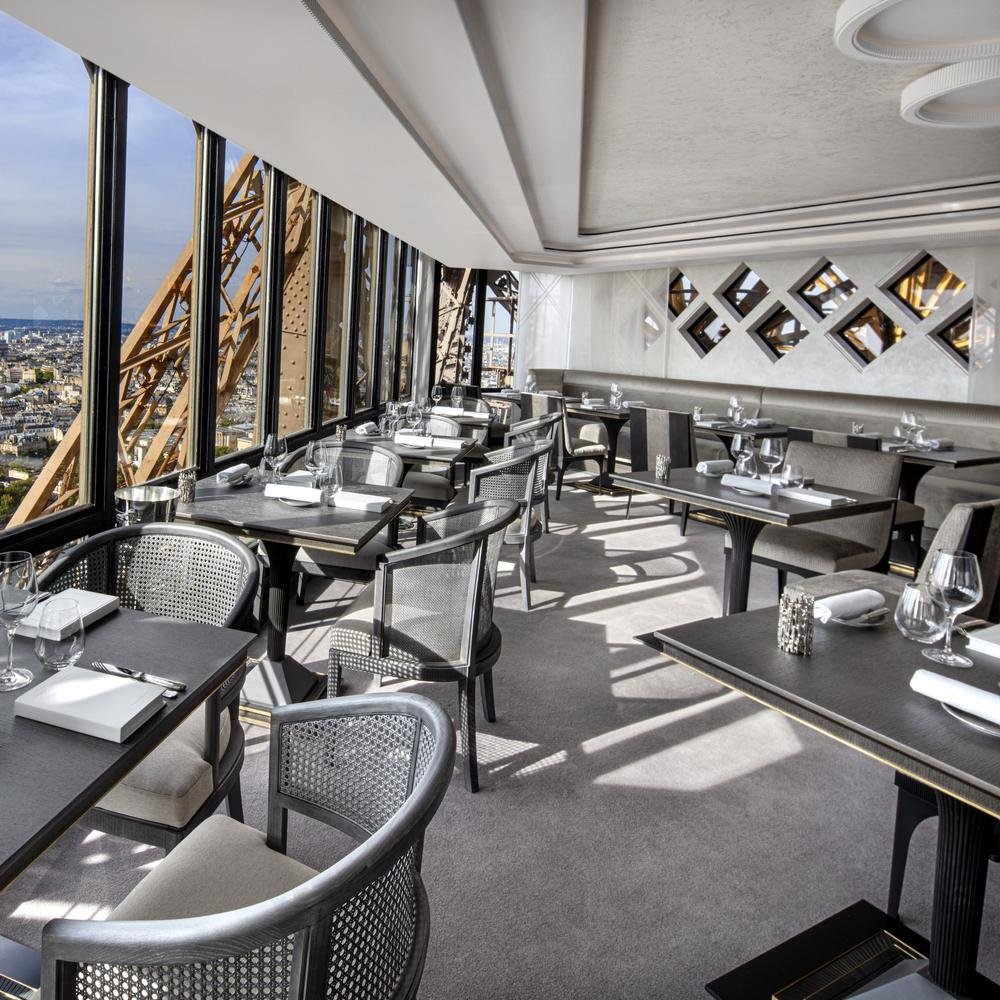
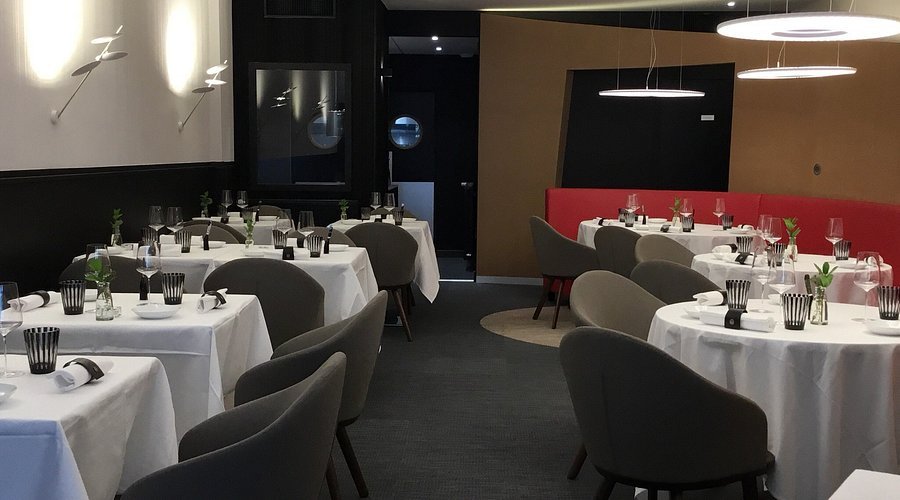
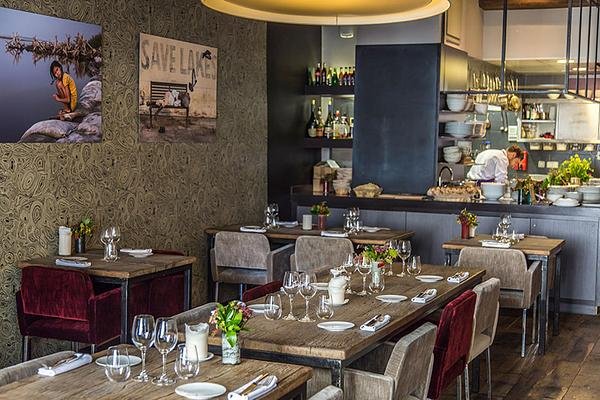
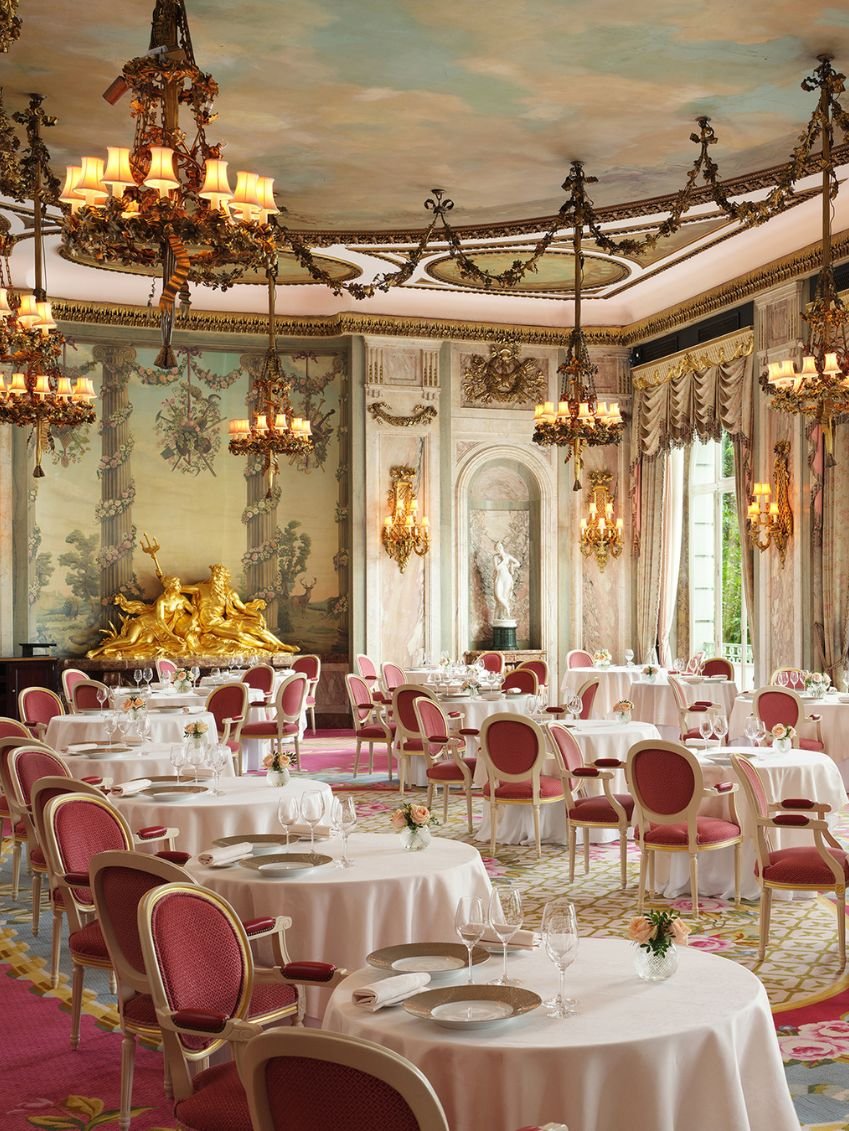
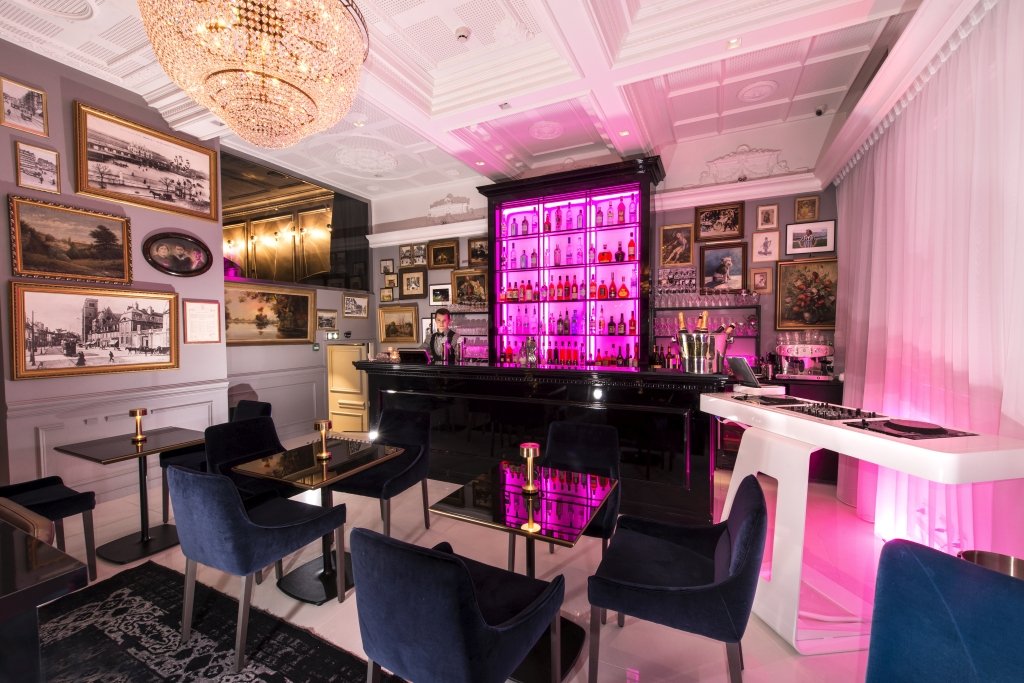
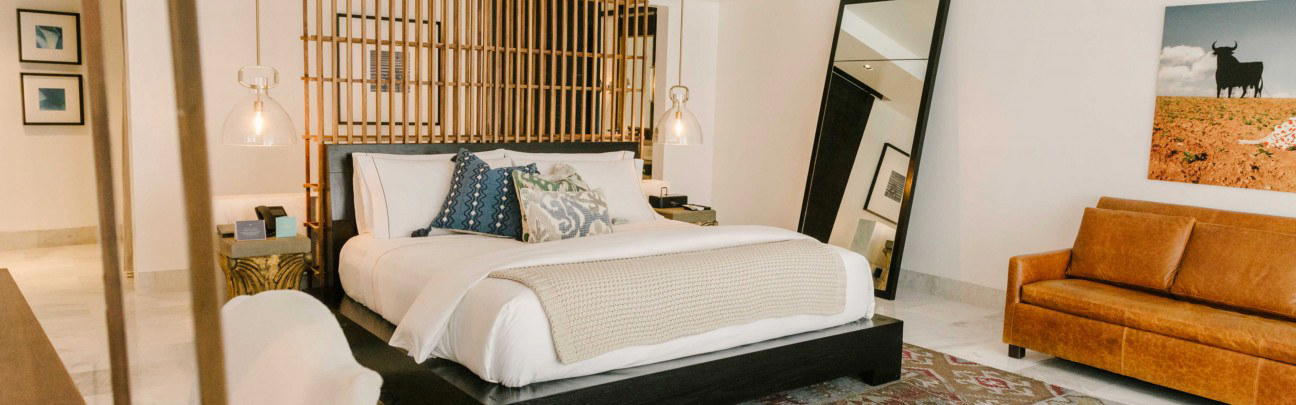
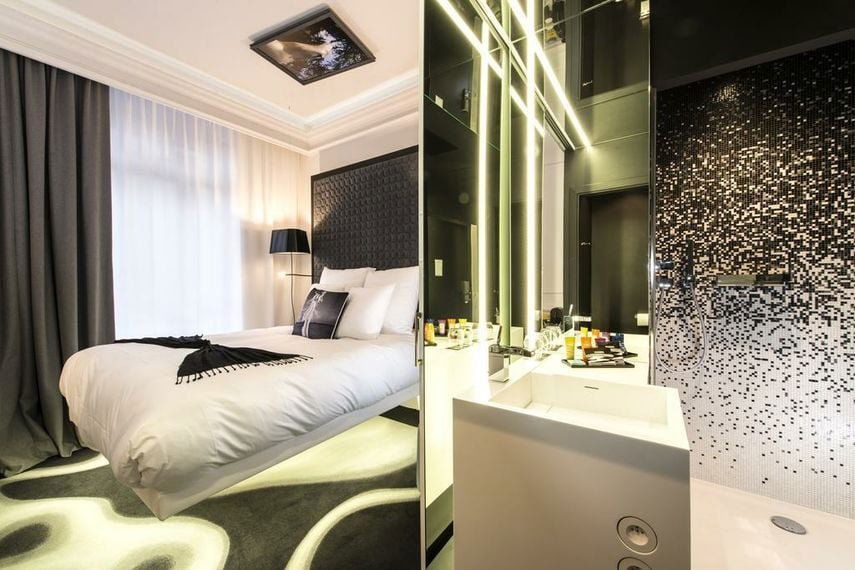
Vertigo Hotel pairs Haussmann-era architecture with contemporary interior choices, creating a quietly elegant, design-forward stay in Dijon's old centre. The property reads as a small, design-conscious address rather than a grand belle époque landmark; its lineage is visible in the building while furnishings and finishes register as modern and considered. The hotel leans into Burgundy’s wine culture, so the overall mood is cultured and intimate rather than flashy. Guests encounter a restrained blend of classic urban fabric and up-to-date design sensibility that suits visitors drawn to wine, food and the walkable city core.
Best For
Vertigo is best for travelers who want to base themselves in Dijon's compact cultural and culinary heart while exploring Burgundy’s wine routes. Its rue Devosge location places guests within easy walking distance of the Palais des Ducs and Les Halles, and it’s a short transfer from Dijon-Ville station, making it convenient for short stays. The property particularly suits wine-minded visitors who prefer design-forward small hotels to large historic institutions: it functions as a comfortable, well-located launching point for vineyard drives, market visits and city-centre dining.
Stay Tips
Because the hotel foregrounds wine as central to the stay, ask the front desk or hotel staff for bottle recommendations that highlight Côte de Nuits and Côte de Beaune producers. If you’re planning excursions, request suggestions for short drives to nearby appellations such as Gevrey-Chambertin and Nuits-Saint-Georges. When dining locally or at the hotel (if it offers on-site service), look for regional pairings and ask about Grand Cru options — the property’s positioning strongly implies a thoughtfully curated Burgundy list worth exploring with guidance from staff.
Venue details
Ambiance
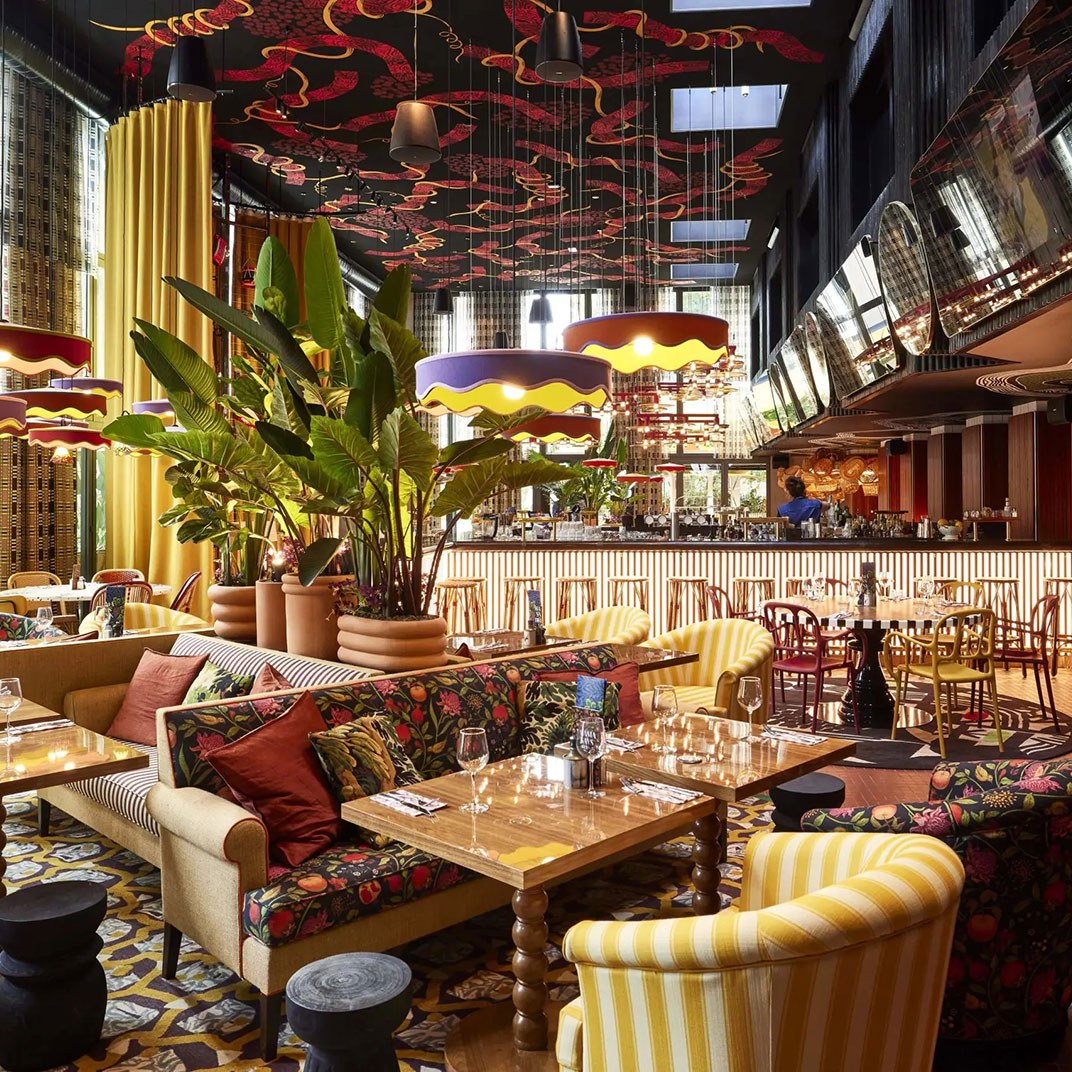
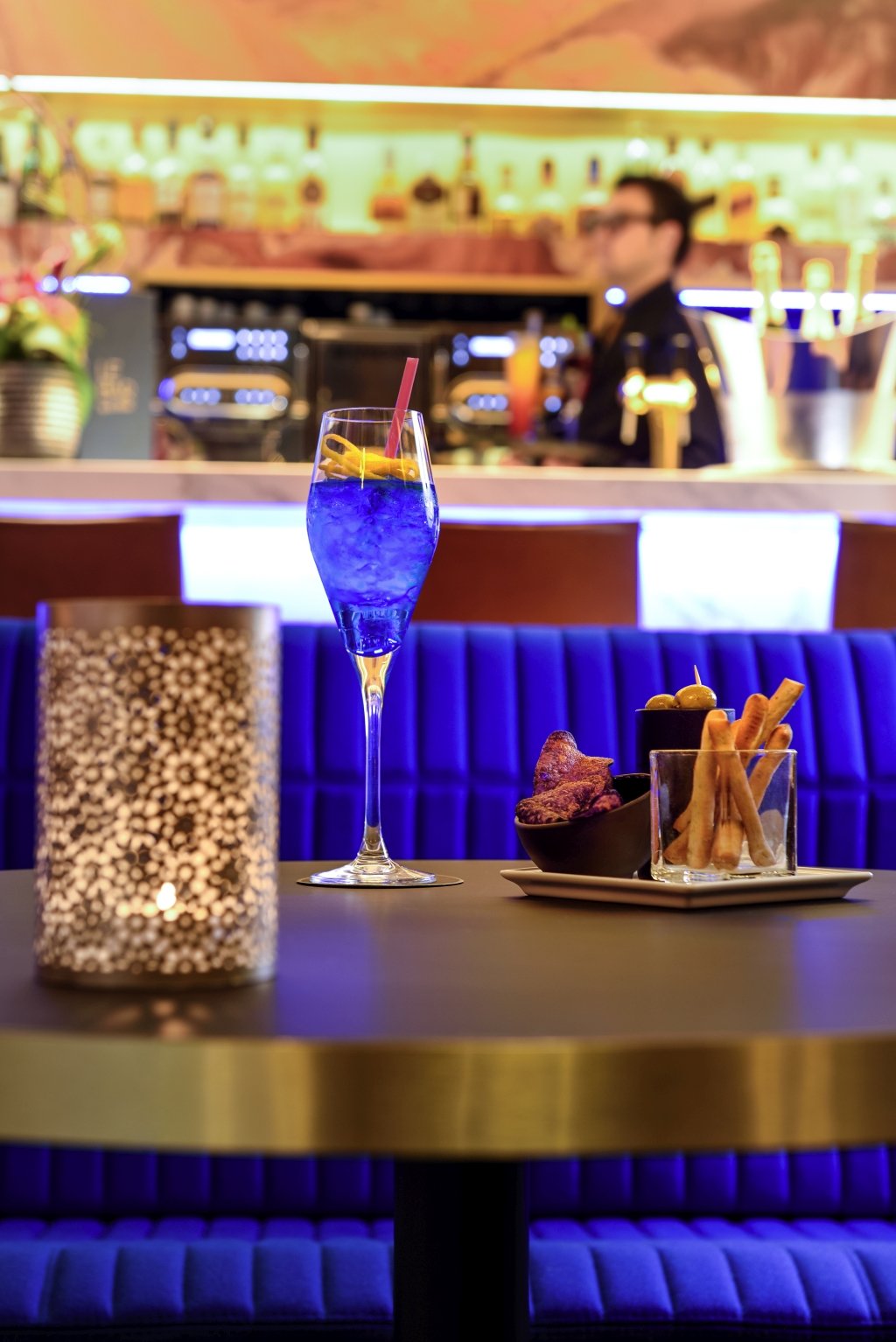
Sleek, contemporary atmosphere with carefully curated modern decor, ambient lighting in common areas, cozy bar, and peaceful soundproofed rooms praised for quiet comfort.
Tags
Vibe
Best For
Experience
Amenities
View
Accessibility
About the Stay
- Rooms
- 42
- Property Style
- Boutique Design Hotel Blending Historic Facade with Contemporary Luxury.
- Design Style
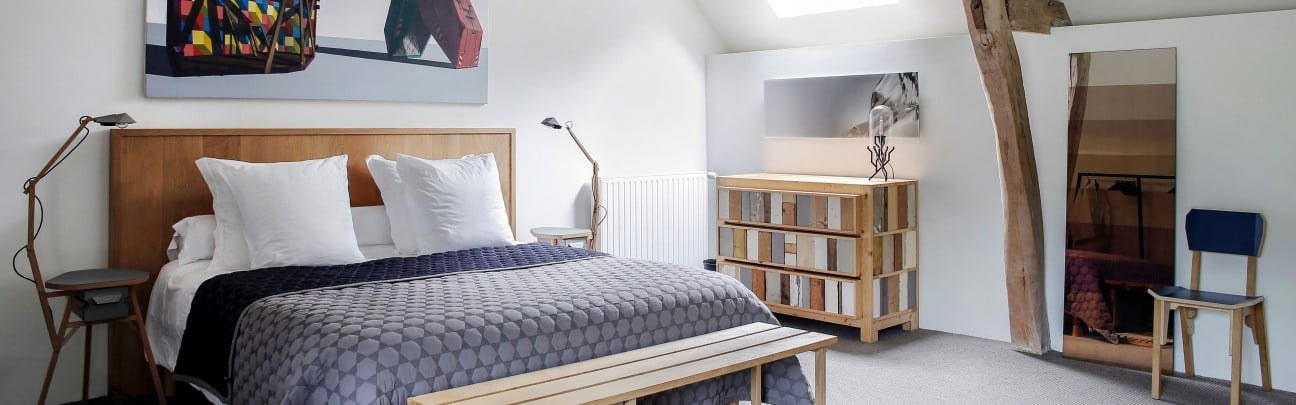
- Modern, Quirky, and Trendy with Individually Furnished Rooms and Sleek Interiors.
Know before you go
Know Before You Go
- Getting there
- 3 rue Devosge, Dijon 21000, France
Planning details
Location
3 rue Devosge, Dijon 21000, France · Directions
Recognition and awards
Also consider
Where to look if this is not the right fit
If the occasion needs more classic hotel ceremony, cross-shop Grand Hôtel La Cloche Dijon. If the trip is built around a major meal, look at Chapeau Rouge par William Frachot instead.
Hotel context
How Vertigo Hotel compares in Dijon
Vertigo Hotel is the design-led city option in this set. Choose it over Grand Hôtel La Cloche Dijon if you want a sharper contemporary feel and an easier booking path. Choose La Cloche instead if the trip calls for classic hotel ceremony and a more traditional sense of occasion.
Mama Shelter Dijon is the better cross-shop for casual groups and travelers who want a livelier, less formal base. Chapeau Rouge par William Frachot makes more sense when dining is the anchor of the trip and the hotel choice should support that plan.
Château de Saulon and Les Sources de Vougeot are not direct substitutes for a city stay. Pick them when Burgundy countryside atmosphere matters more than Dijon convenience; stay in town when restaurant access, train logistics, and short-stay efficiency are the priority.
Around this place
Discover more on Pearl
Unlock the full Vertigo Hotel guide in Pearl, including awards, comparisons, FAQs, planning details, and nearby places.
Compare Vertigo Hotel
| Venue | Location | Awards |
|---|---|---|
| Vertigo Hotel | Dijon | 2026 Design Hotels Collection |
| Grand Hôtel La Cloche Dijon | Dijon | 2025 Michelin Selected Hotels2025 Gault & Millau Exceptional Hotel |
| Mama Shelter Dijon | Dijon | No published awards |
| Chapeau Rouge par William Frachot | Dijon | No published awards |
| Château de Saulon | Saulon La Rue | No published awards |
| Les Sources de Vougeot | Bourgogne Franche Comte | No published awards |


How Vertigo Hotel Dijon compares with similar nearby venues.
FAQ
Frequently Asked Questions
Is Vertigo Hotel good for business travel?
It may be worth considering if you want a Dijon hotel with a design affiliation: 2026 Design Hotels Member. Specific business-travel details, such as work facilities, meeting support, or arrival logistics, are not confirmed, so check directly before booking. Chapeau Rouge par William Frachot can also be considered if your trip is closely tied to dining plans.
Do loyalty programs work at Vertigo Hotel?
Do not assume loyalty-program benefits. The clearest signal is the 2026 Design Hotels Member status. If loyalty benefits are important, ask Vertigo Hotel directly and compare the answer with Grand Hôtel La Cloche Dijon.
How does Vertigo Hotel compare to other options?
Vertigo Hotel is the design-affiliated Dijon option in this set, based on its 2026 Design Hotels Member status. You can compare it with Grand Hôtel La Cloche Dijon, Mama Shelter Dijon, and Chapeau Rouge par William Frachot, but confirm current amenities, room types, dining details, and rates directly before deciding.
When is the best time to book Vertigo Hotel?
Specific booking difficulty and seasonal demand are not available. If your dates are important, book once the hotel's current availability, rate, and cancellation terms meet your needs. Château de Saulon can also be considered as part of a wider Burgundy stay comparison.
Which room category is best at Vertigo Hotel?
Room-category guidance is not available. Choose only after checking the current room descriptions, size, amenities, and rate differences directly with Vertigo Hotel. If room setup is a major priority, compare the room details with Grand Hôtel La Cloche Dijon.
What is check-in like at Vertigo Hotel?
Specific check-in details are not available. Vertigo Hotel is in Dijon, and travelers should confirm arrival time, luggage handling, parking or transport needs, and any special requests directly with the hotel. If you are comparing a broader Burgundy itinerary, Les Sources de Vougeot may also be worth checking.