

The Tanneries Hotel & Spa
Chania Town, Crete
Hotel in Crete, Greece
 Book with Pearl
Why go
The Tanneries Hotel & Spa is a better fit for design-minded Chania travelers than for families seeking a full resort setup. Its Design Hotels membership and MICHELIN Guide hotel selection add confidence, but the stronger reason to book is its city-and-sea positioning for an exploratory Crete trip.
About The Tanneries Hotel & Spa
The Tanneries Hotel & Spa is best approached as a design-led hotel choice in Crete, not as a stay to evaluate through assumptions about restaurants, room types, family facilities, pools, or resort programming. Public signals are limited but useful: smart casual dress code, Design Hotels membership for 2026, and selection in the 2025 MICHELIN Guide hotel list.
That makes the planning logic simple. Consider it if you want a Crete hotel with design-hotel recognition, and verify current facilities, room details, and services directly before booking. If the trip depends on specific family amenities, dining formats, or activity programming, those details should be confirmed with the property rather than assumed.
A design-led Crete base, not a resort substitute
The main reason to consider The Tanneries Hotel & Spa is its external recognition. Its Design Hotels membership and MICHELIN Guide hotel selection give it third-party validation. The practical verdict: book for a design-minded hotel in Crete, but do not build the trip around assumptions about child-focused programming, dining, or leisure facilities.
The Explorer lens fits best when the hotel is treated as a base for a wider Crete itinerary. Travelers comparing alternatives can look at hotel options such as Casa Delfino Hotel & Spa, Domes Zeen Chania, Domes Zeen, A Luxury Collection Resort, Chania, Domus Blanc Boutique Hotel, Pepper Sea Club Hotel, and The Tanneries Hotel & Spa before committing.
Family suitability depends on needs
For couples or design-minded travelers, the appeal is its design-hotel signal and MICHELIN Guide selection. For families or multi-generation groups, the fit is more conditional because specific details about children's facilities, room configurations, pools, and activity programming are not available. Confirm those points directly if they are essential to the stay.
Dining is also not something to assume. Do not make the stay hinge on a specific restaurant program unless the property confirms current options. If meals matter most, treat other dining in Crete as part of the wider plan and verify opening times, dress expectations, and availability separately.
If you are comparing The Tanneries Hotel & Spa with other named options, keep the comparison focused on its positioning: Casa Delfino Hotel & Spa, Domes Zeen Chania, Domes Zeen, A Luxury Collection Resort, Chania, Domus Blanc Boutique Hotel, and Pepper Sea Club Hotel are useful reference points, while The Tanneries Hotel & Spa stands out for its Design Hotels membership and MICHELIN Guide hotel selection.
Planning details
- Location
- Vivilaki 19, Chania, Crete 731 33, Greece
- Website
- marriott.com/en-us/hotels/chqtt-the-tanneries-chania-a-member-of-design-hotels/overview
The take
The Take
The Vibe
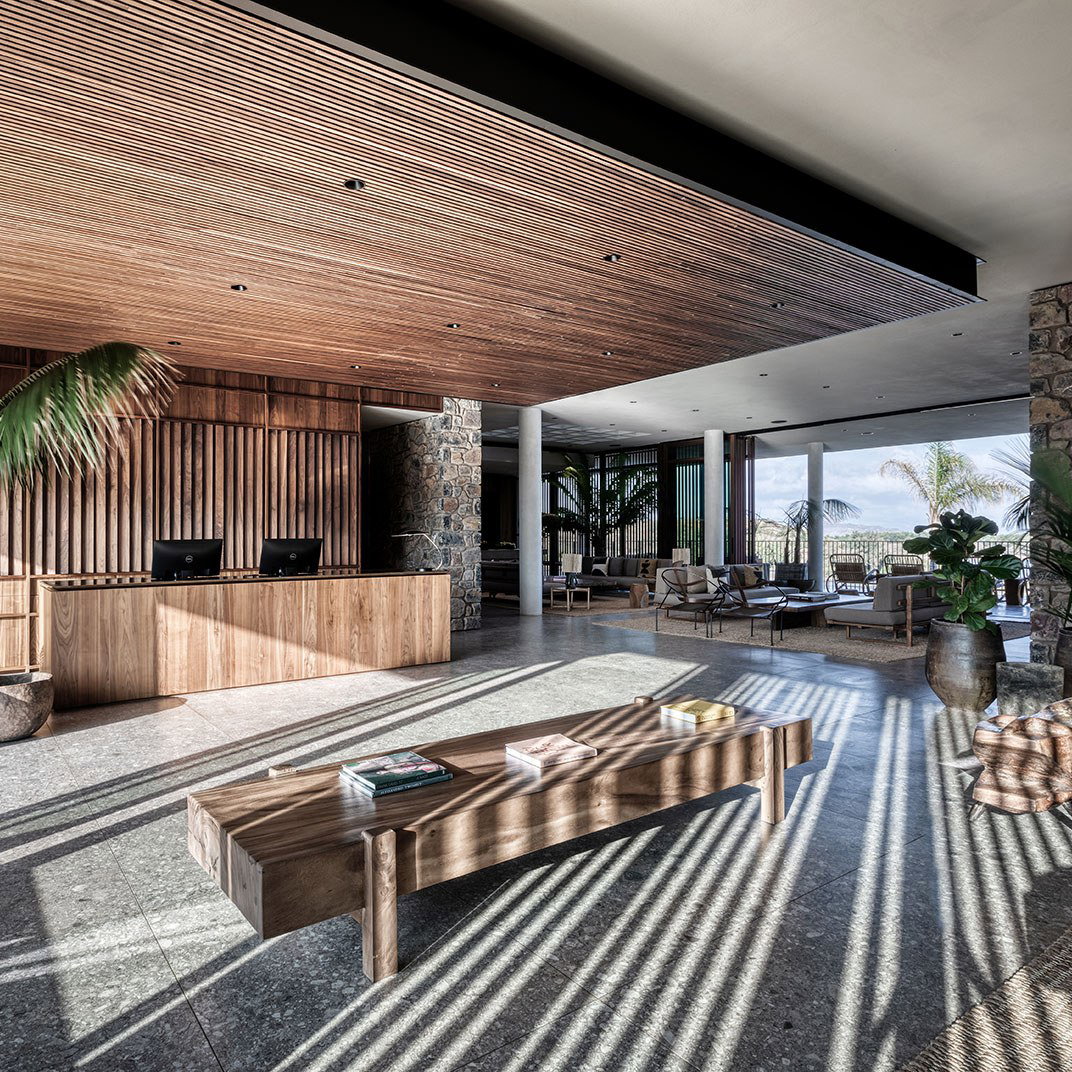
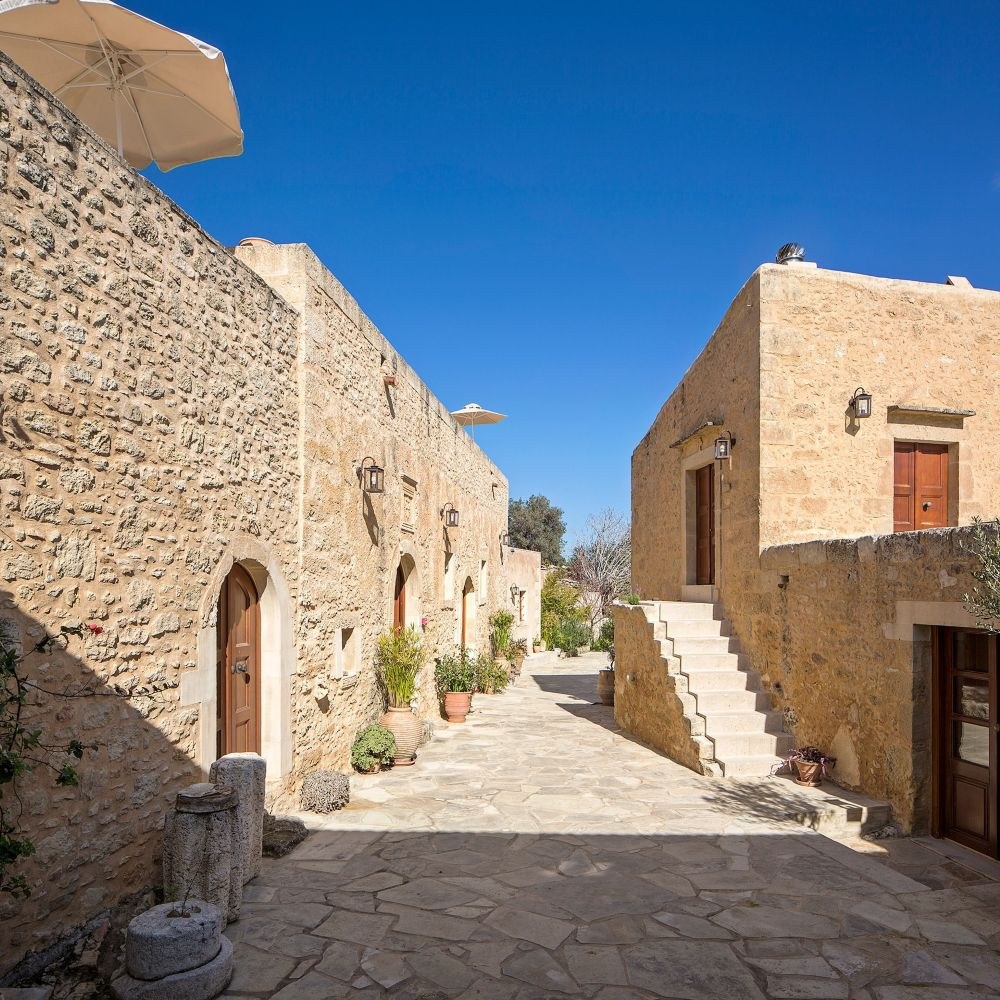
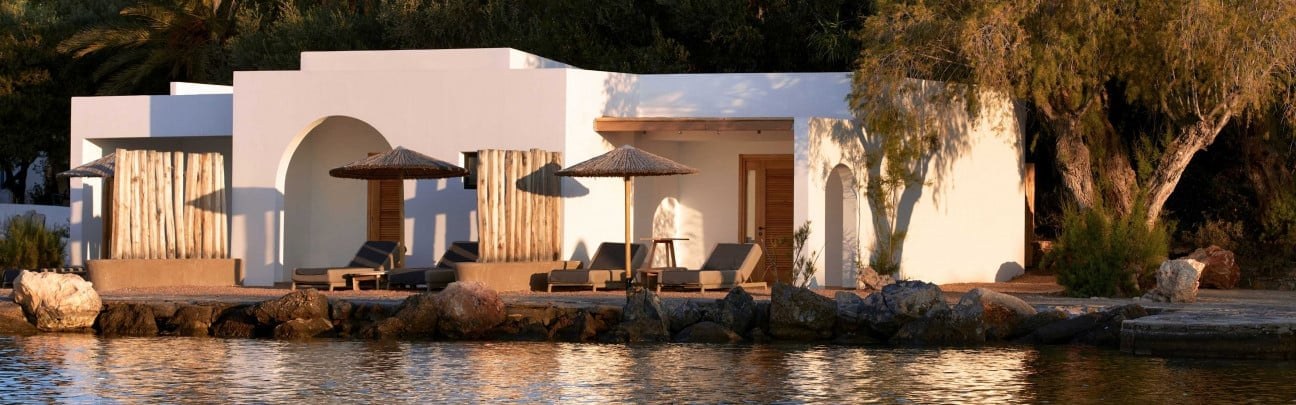
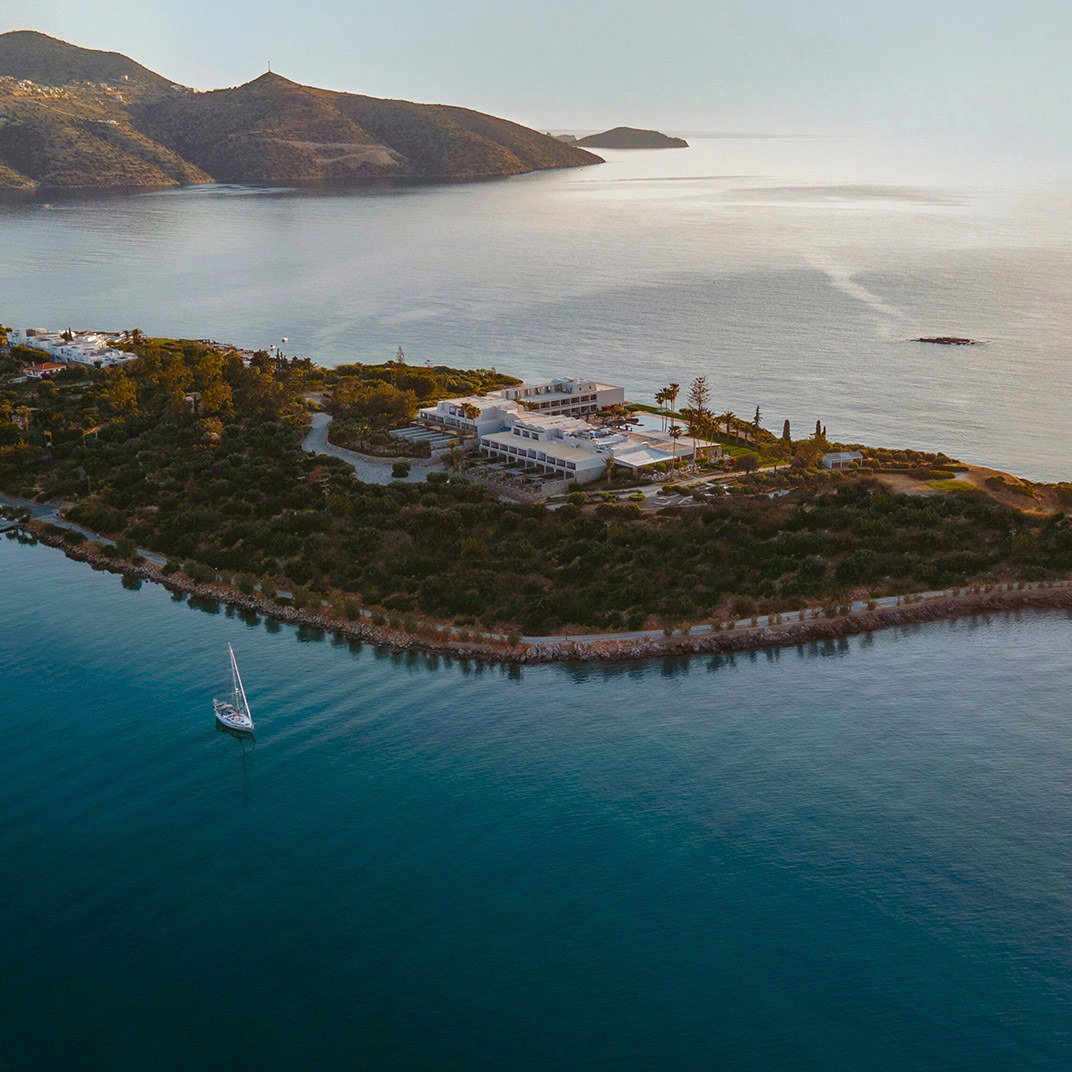
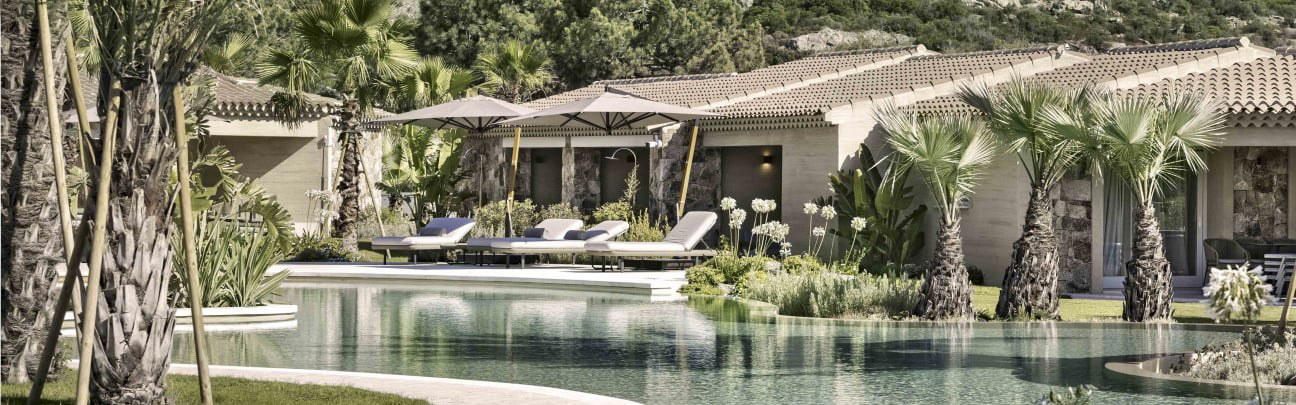
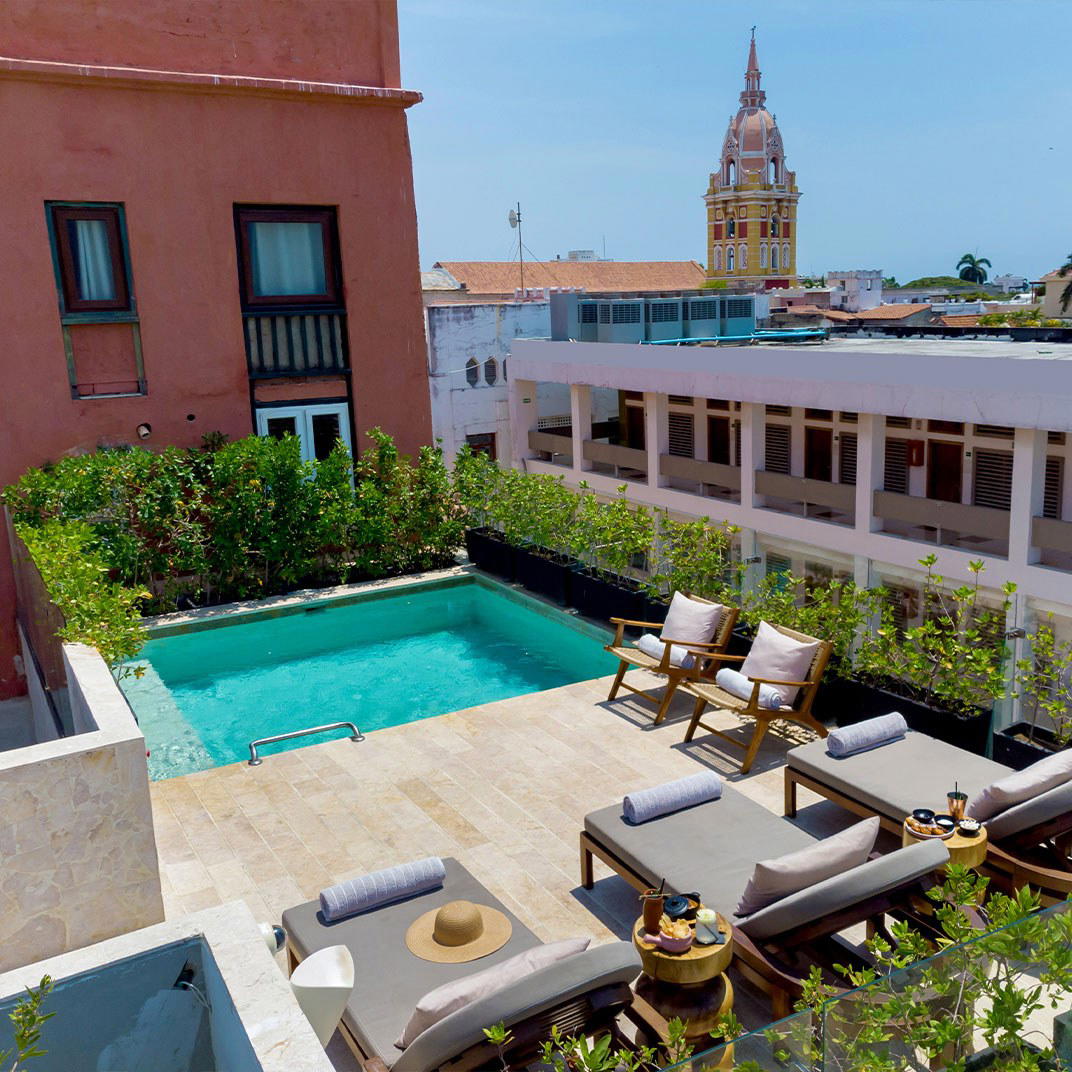
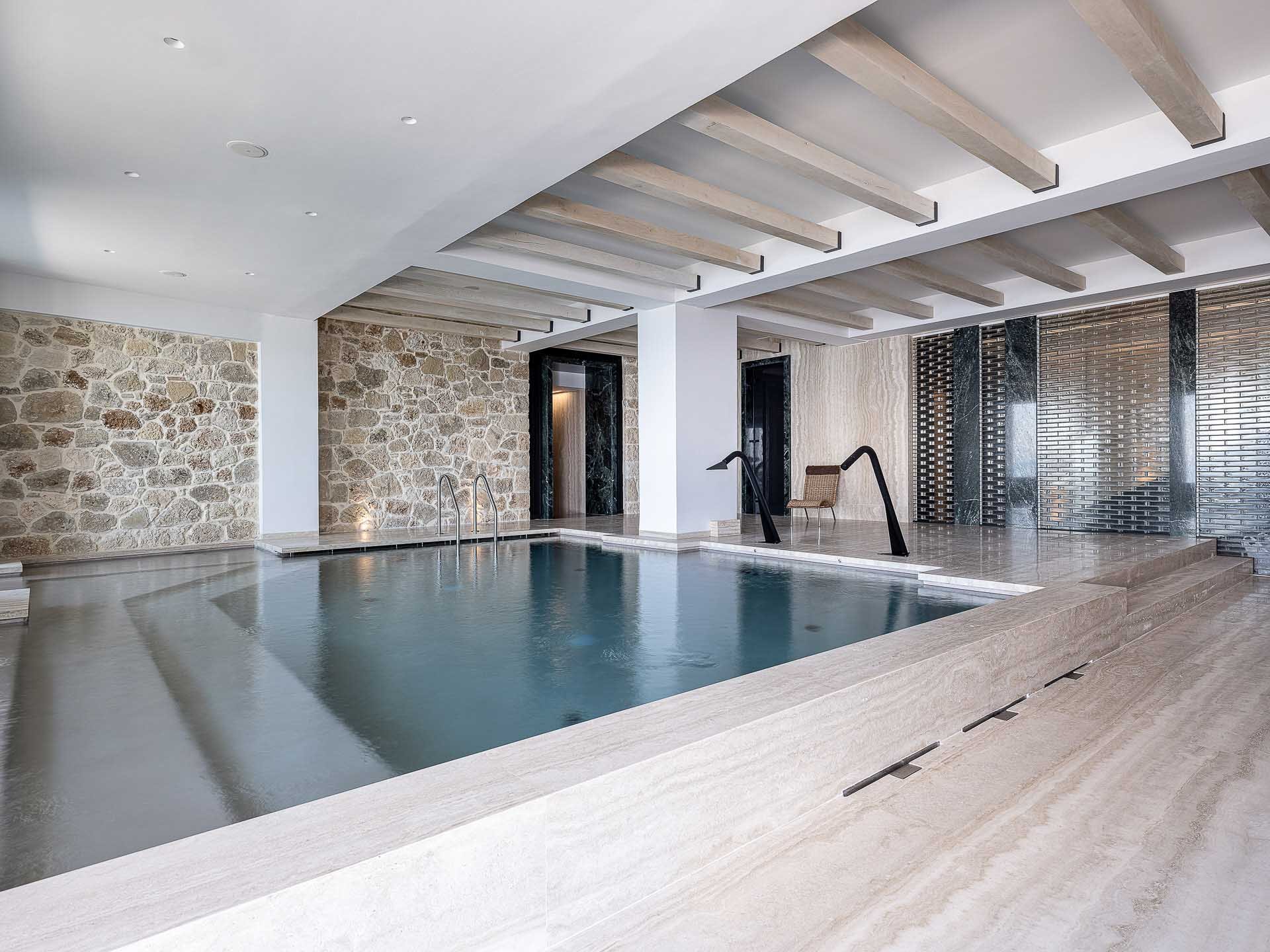
The Tanneries Hotel & Spa reads like an architectural argument: it preserves industrial traces rather than masking them, converting a working tannery into a boutique hotel that foregrounds history. The result is a restrained, design-conscious property that sits comfortably within Chania’s Old Town fabric. Concrete, original masonry and carefully curated interventions give the place an industrial-historic character that still feels approachable; the waterfront setting and measured modern touches temper the rawness, producing a quietly scenic, charming hideaway for travelers who appreciate robust context as much as contemporary comfort.
Best For
This hotel suits travelers who prize history, design and a waterside setting. It naturally appeals to couples seeking a romantic getaway or honeymoon in a boutique, historically rooted property, and to wellness-minded guests drawn by the spa offering. Design-forward visitors and those who prefer walkable Old Town locations benefit from its adaptive-reuse credentials and proximity to the Aegean. The Tanneries is less about resort spectacle and more about considered stays — quiet exploration, waterfront strolls and an intimate connection to Chania’s layered past.
Venue details
Ambiance
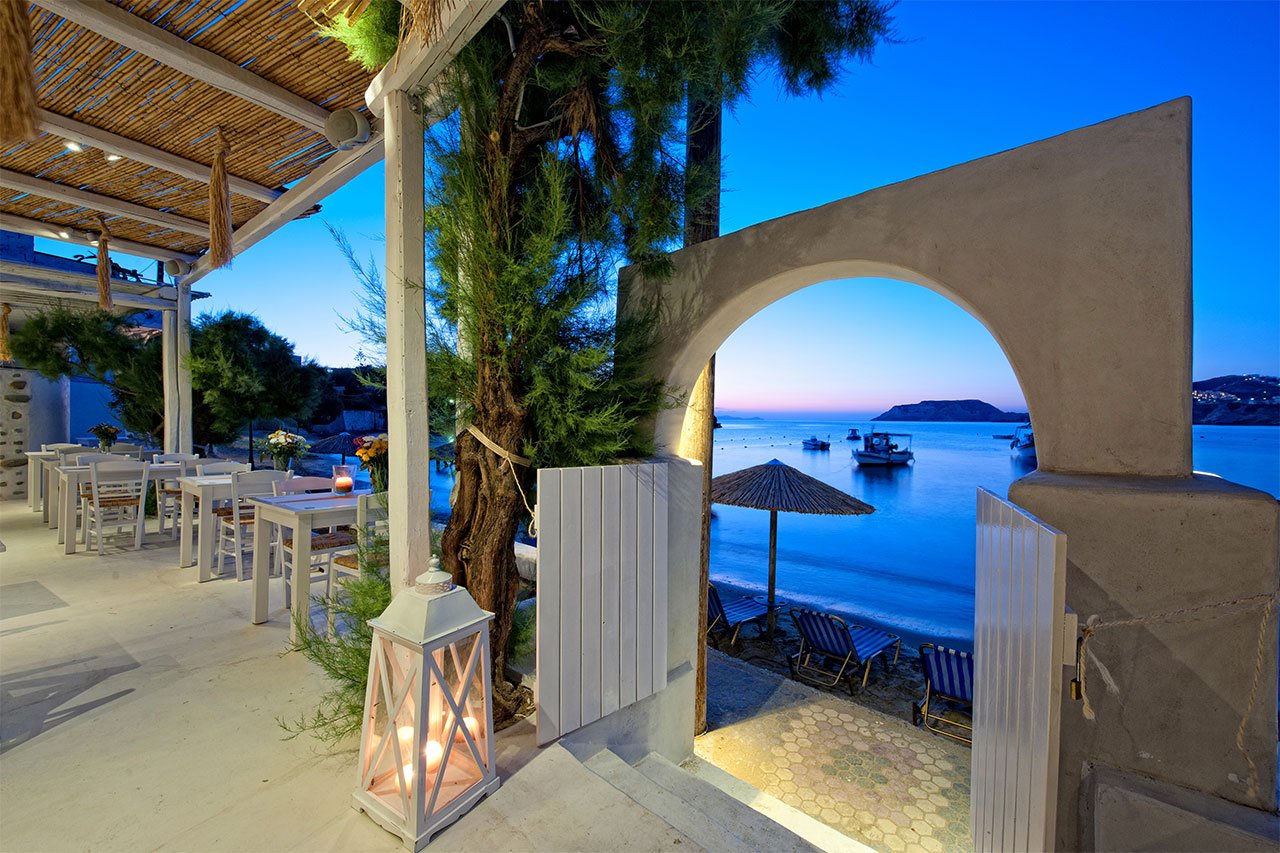
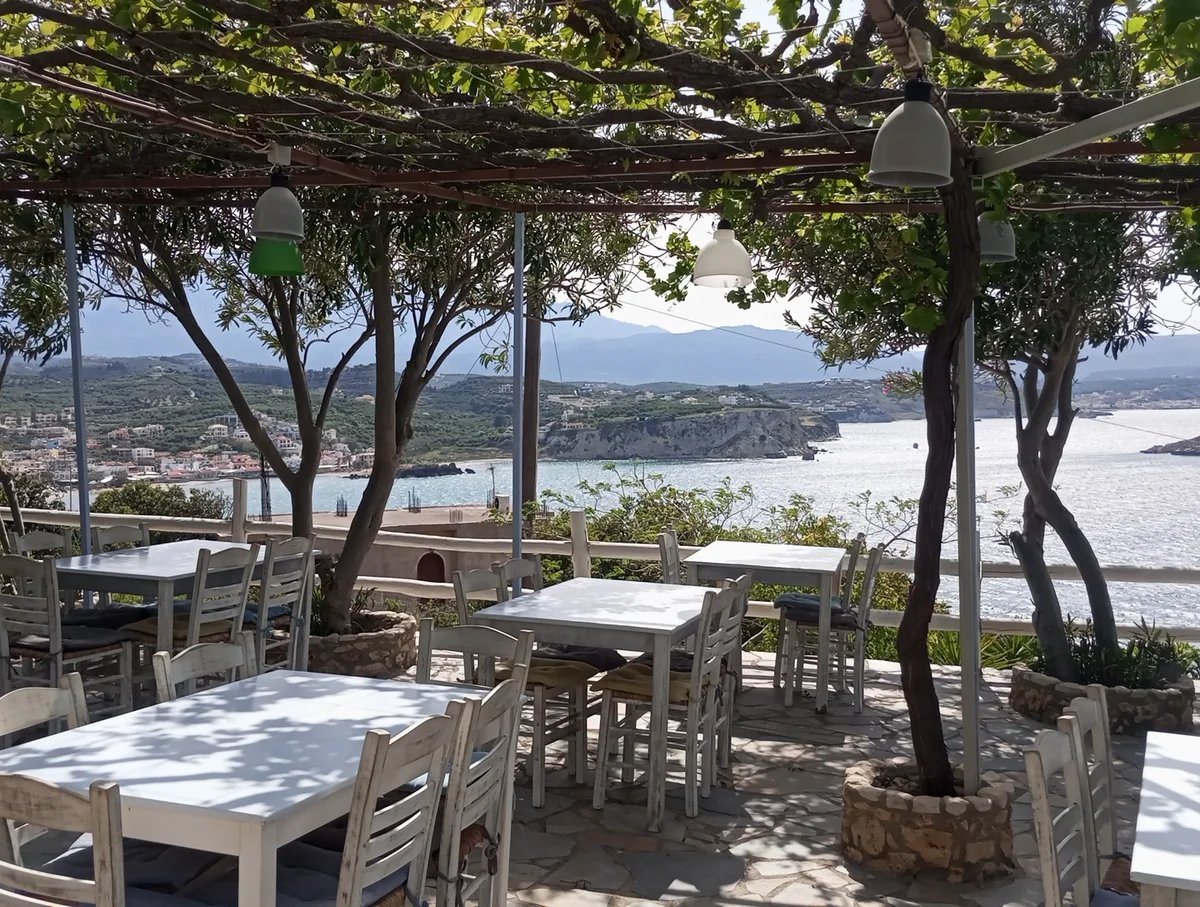
Quiet, peaceful minimalist atmosphere with natural materials, sea views, modern lighting, and relaxing spa areas.
Tags
Vibe
Best For
Experience
Amenities
View
Accessibility
About the Stay
- Rooms
- 20
- Check-in
- 15:00
- Check-out
- 11:00
- Property Style
- Minimalist Boutique in Renovated Historic Tanneries
- Design Style
- Industrial Minimalist with Natural Materials and Clean Lines
Know before you go
Know Before You Go
- Getting there
- Vivilaki 19, Chania, Crete 731 33, Greece
Planning details
Location
Vivilaki 19, Chania, Crete 731 33, Greece · Directions
marriott.com/en-us/hotels/chqtt-the-tanneries-chania-a-member-of-design-hotels/overview
Recognition and awards
Also consider
Where to look if this is not the right fit
For families who need a more resort-style setup, start with Domes Zeen, A Luxury Collection Resort, Chania or Domes Zeen Chania. They are better aligned with travelers who want the hotel itself to carry more of the day.
For a Chania alternative with a more classic boutique feel, compare Casa Delfino Hotel & Spa. For a simpler boutique cross-shop, use Domus Blanc Boutique Hotel.
Hotel context
How it compares in Crete
The Tanneries Hotel & Spa is the more design-led Chania choice if the trip is built around city access, restaurants, and a quieter hotel base. Domes Zeen, A Luxury Collection Resort, Chania and Domes Zeen Chania make more sense for travelers who want a resort-style stay with a broader leisure feel, especially families that need more built-in structure.
Casa Delfino Hotel & Spa is the closer cross-shop for a characterful Chania stay, while Domus Blanc Boutique Hotel reads as the simpler boutique alternative when value and ease matter more than design recognition. Pepper Sea Club Hotel is the better comparison for travelers willing to look outside the immediate Chania frame for a more holiday-forward mood.
Booking difficulty is listed as easy, so this is not the hotel to choose for scarcity value. Choose it because the format matches the trip: compact, design-conscious, and better for exploration than for staying put all day.
Explore Crete
Around this place
Discover more on Pearl
Unlock the full The Tanneries Hotel & Spa guide in Pearl, including awards, comparisons, FAQs, planning details, and nearby places.
Compare The Tanneries Hotel & Spa
| Venue | Location | Awards |
|---|---|---|
| The Tanneries Hotel & Spa | Crete | 2026 Design Hotels Collection2025 Michelin Selected Hotels |
| Domus Blanc Boutique Hotel | Crete | No published awards |
| Pepper Sea Club Hotel | Chania | No published awards |
| Domes Zeen, A Luxury Collection Resort, Chania | Chania | No published awards |
| Casa Delfino Hotel & Spa | Chania | Small Luxury Hotels Member 2025 |
| Domes Zeen Chania | Crete | No published awards |

How The Tanneries Hotel & Spa Crete compares with similar nearby venues.
FAQ
Frequently Asked Questions
How is the location of The Tanneries Hotel & Spa?
What is check-in like at The Tanneries Hotel & Spa?
Specific check-in details are not available. Use the hotel recognition as a signal of positioning, but confirm arrival times, procedures, and any special requirements directly with the property.
When is the best time to book The Tanneries Hotel & Spa?
Book early if you specifically want The Tanneries Hotel & Spa as a design-led Crete stay with Design Hotels membership and MICHELIN Guide hotel selection. For exact availability, rates, and seasonal policies, check directly with the hotel or your booking channel.
Which room category is best at The Tanneries Hotel & Spa?
Specific room-category details are not available. Choose based on the current room descriptions provided by the hotel, especially if space, view, accessibility, or configuration matters to your stay.
How does The Tanneries Hotel & Spa compare to other hotels?
The Tanneries Hotel & Spa has Design Hotels membership and MICHELIN Guide hotel selection. Casa Delfino Hotel & Spa, Domes Zeen Chania, Domes Zeen, A Luxury Collection Resort, Chania, Domus Blanc Boutique Hotel, and Pepper Sea Club Hotel are useful alternatives to compare, but verify each property's current facilities and style before deciding.