
Château de Creissels
Creissels
Hotel in Creissels, France
 Book with Pearl
Why go
Château de Creissels is the sensible Creissels choice for travelers who want château character without turning the hotel into the whole trip. Its 2025 MICHELIN Guide hotel selection gives it a stronger trust signal than many small rural stays, but value depends on using the location well rather than expecting a full resort setup.
About Château de Creissels
Is Château de Creissels worth choosing in Creissels? It can be, if the priority is a stay in Creissels with a clear quality signal. The hotel is in Creissels, has a smart-casual dress code, and holds MICHELIN Guide Hotels Selected recognition for 2025. For specifics such as facilities, dining, wellness, or business services, check directly with the property before booking.
That makes the decision direct: choose Château de Creissels when the name, location in Creissels, and MICHELIN hotel selection are enough to support the booking. Do not choose it on the assumption that it offers a particular room type, restaurant format, spa program, meeting setup, or resort rhythm unless those details are confirmed directly with the property before booking.
A Creissels base that makes sense when location matters more than facilities
The stay is easiest to understand as a Creissels-based option with MICHELIN Guide hotel recognition for 2025. That recognition is a useful quality signal, especially when comparing stays online, but it should not be read as proof of specific luxury facilities or a particular service style.
For travelers comparing hotels, the right expectation is a property to evaluate on its stated basics rather than assumptions. Château de Creissels may be a good fit if staying in Creissels is the point of the trip. It is less certain as a choice for guests who require meeting facilities, late-night services, a spa-led stay, or a dining-led itinerary, so confirm those needs directly before booking.
Who should choose it, and who should trade up
Choose Château de Creissels if you want to stay in Creissels and value its MICHELIN Guide Hotels Selected recognition for 2025. If you are still comparing, consider other options such as Souki - Lodges & Spa, Le Suquet, Sébastien Bras, Le Suquet, Château St Pierre de Serjac, or Chez Camillou based on the specific trip you are planning and the details each property confirms directly.
Quick reference: choose Château de Creissels for a Creissels stay with MICHELIN hotel recognition; compare other options if your decision depends on facilities, dining, wellness, room categories, or services that need to be confirmed before booking.
Planning details
- Location
- Pl. du Prieur, 12100 Creissels, France
- Website
- chateau-de-creissels.com
- Phone
- +33 5 65 60 16 59
The take
The Take
The Vibe
Château de Creissels reads as a genuine medieval stronghold repurposed for hospitality; its twelfth-century stonework and fortified silhouette remain central to the experience. The property resists heavy-handed modernization, allowing original materials to set the tone while introducing warmth through textiles and careful lighting. That restraint produces an atmosphere that feels authentic rather than theatrical: rooms carry the weight of history but are tempered by design choices that prioritize comfort without erasing character. The setting above the Tarn gorge and the château’s defensive form contribute to a quietly dramatic, historic ambiance that appeals to travelers seeking substance over style.
Best For
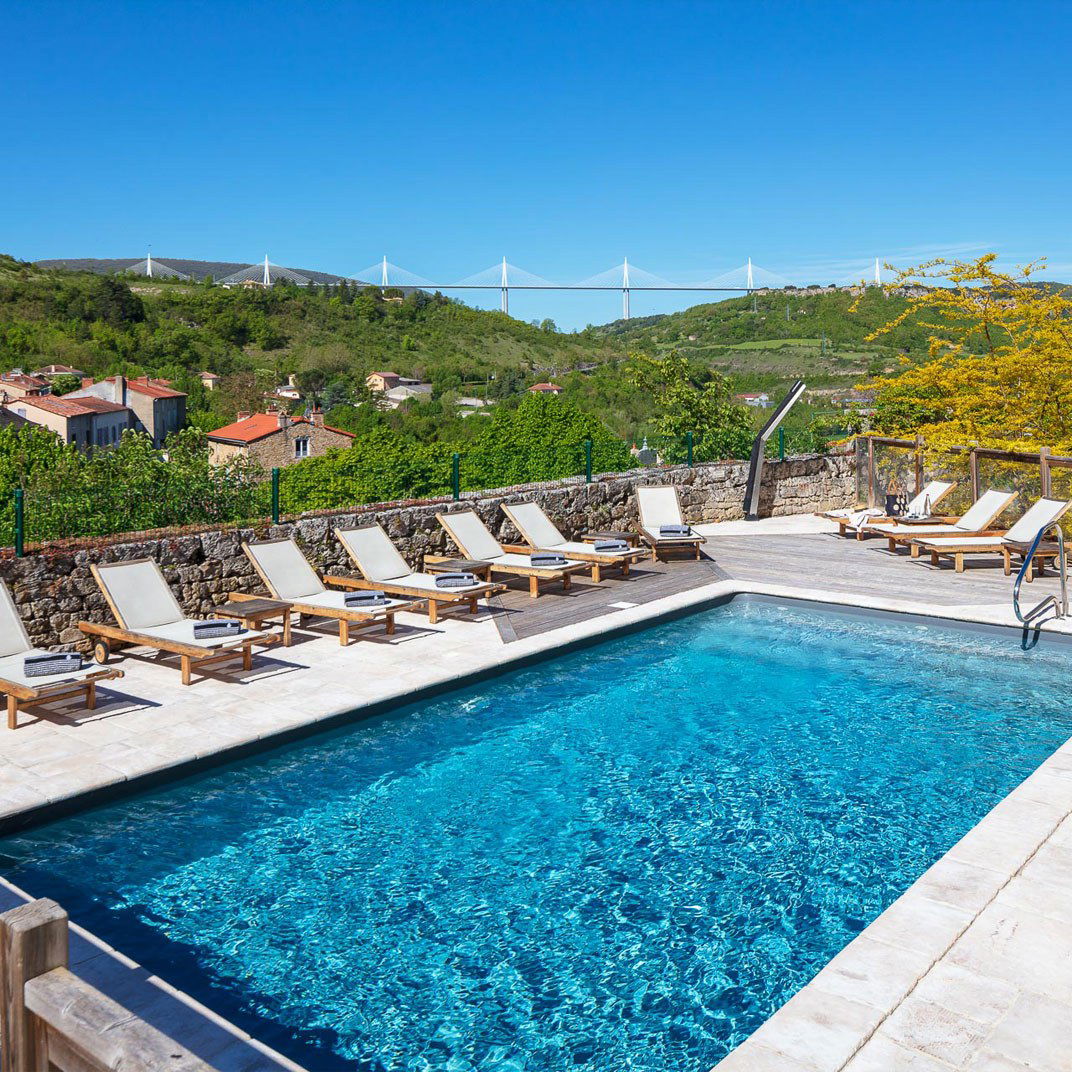
This is a stay for travelers who prize history and a contemplative setting. The château’s location above Creissels, with views toward the Tarn gorge and the southern Massif Central, makes it well suited to couples on a romantic getaway and visitors aiming to explore the regional landscape and nearby Millau. The hotel’s inclusion in the MICHELIN Selected Hotels guide signals a level of judged hospitality that also appeals to discerning weekend visitors. Guests looking for a restful, architecture-forward retreat—one that emphasizes authenticity and quietly curated comfort—will find this property particularly fitting.
Venue details
Ambiance
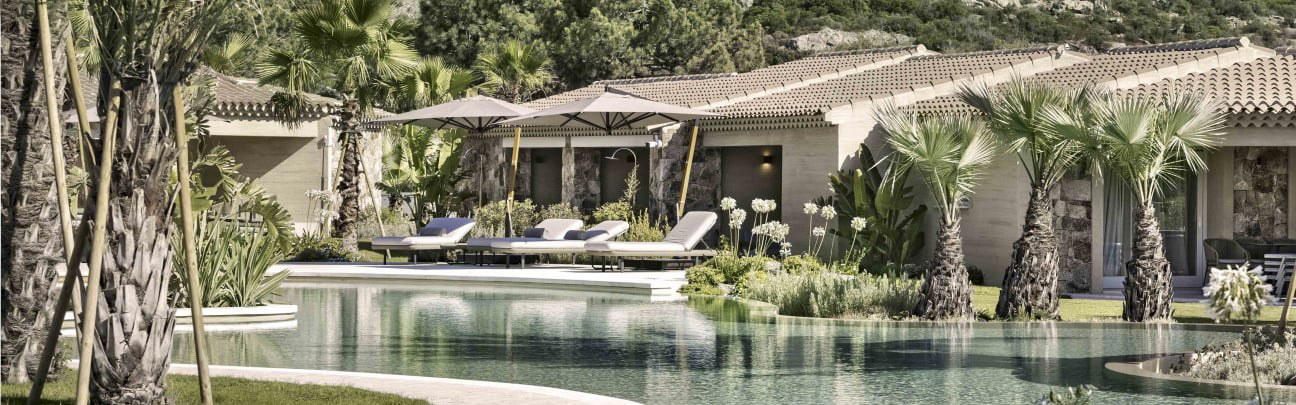
Historic charm blended with contemporary style, featuring carefully chosen antiques in modern boutique-like rooms, serene garden and terrace settings.
Tags
Vibe
Best For
Experience
Amenities
View
Accessibility
About the Stay
- Rooms
- 26
- Check-in
- 15:00
- Check-out
- 11:00
- Property Style
- 12th Century Castle Blending Historic Charm with Modern Comforts
- Design Style
- Contemporary Classic with Antiques
Know before you go
Know Before You Go
- Getting there
- Pl. du Prieur, 12100 Creissels, France
Planning details
Location
Recognition and awards
Also consider
Where to look if this is not the right fit
Choose Souki - Lodges & Spa if the trip needs a quieter retreat format with more emphasis on privacy and spa time. Choose Chez Camillou if predictability and a conventional hotel feel matter more than château character.
Hotel context
How it compares in and around Creissels
Château de Creissels is the pragmatic value pick if the plan is to stay close to Creissels and use the hotel as a comfortable base. Souki - Lodges & Spa is the better fit for travelers who want a more private, spa-leaning escape, but it reads as more trip-defining than basecamp. If the hotel budget needs to support sightseeing, work, or a short stopover, Château de Creissels is the cleaner choice.
Le Suquet, Sébastien Bras and Le Suquet make more sense when dining is the anchor and the hotel decision follows the restaurant plan. They are less direct substitutes for a Creissels stay and more of a trade-up for travelers building the itinerary around a food destination. Château de Creissels wins when location and ease matter more than a destination dining agenda.
Château St Pierre de Serjac is the stronger comparison for a broader château-holiday mood, while Chez Camillou is worth checking when the priority is a familiar hotel rhythm over château atmosphere. For booking difficulty, Château de Creissels should be less stressful than the more experience-led options, especially for travelers with flexible dates.
Explore Creissels
Around this place
Discover more on Pearl
Unlock the full Château de Creissels guide in Pearl, including awards, comparisons, FAQs, planning details, and nearby places.
Compare Château de Creissels
| Venue | Location | Awards |
|---|---|---|
| Château de Creissels | Creissels | 2025 Michelin Selected Hotels |
| Souki - Lodges & Spa | Cabrières | 2025 Michelin Selected Hotels2025 Gault & Millau Exceptional Hotel |
| Le Suquet, Sébastien Bras | Laguiole | 2026 Relais Chateaux Hotels2025 Relais Chateaux Award |
| Le Suquet | Laguiole | No published awards |
| Château St Pierre de Serjac | Béziers | No published awards |
| Chez Camillou | Aumont-Aubrac | No published awards |


How Château de Creissels compares with similar nearby venues.
FAQ
Frequently Asked Questions
Is Château de Creissels good for business travel?
It may work if your trip is centered on Creissels and you want a hotel with MICHELIN Guide Hotels Selected recognition for 2025. If you need meeting facilities, business services, or a corporate-hotel setup, confirm those details directly before booking.
How does Château de Creissels compare to other hotels?
Choose Château de Creissels if you want a Creissels stay with MICHELIN Guide recognition. If you are comparing other options, look at Souki - Lodges & Spa, Le Suquet, Sébastien Bras, Le Suquet, Château St Pierre de Serjac, or Chez Camillou and check the current details each property publishes directly.
How is the location of Château de Creissels?
Château de Creissels is in Creissels. Confirm exact arrival details with the property or booking channel before traveling.
Which room category is best at Château de Creissels?
Choose based on the current room descriptions, availability, and policies shown by the property or booking channel.