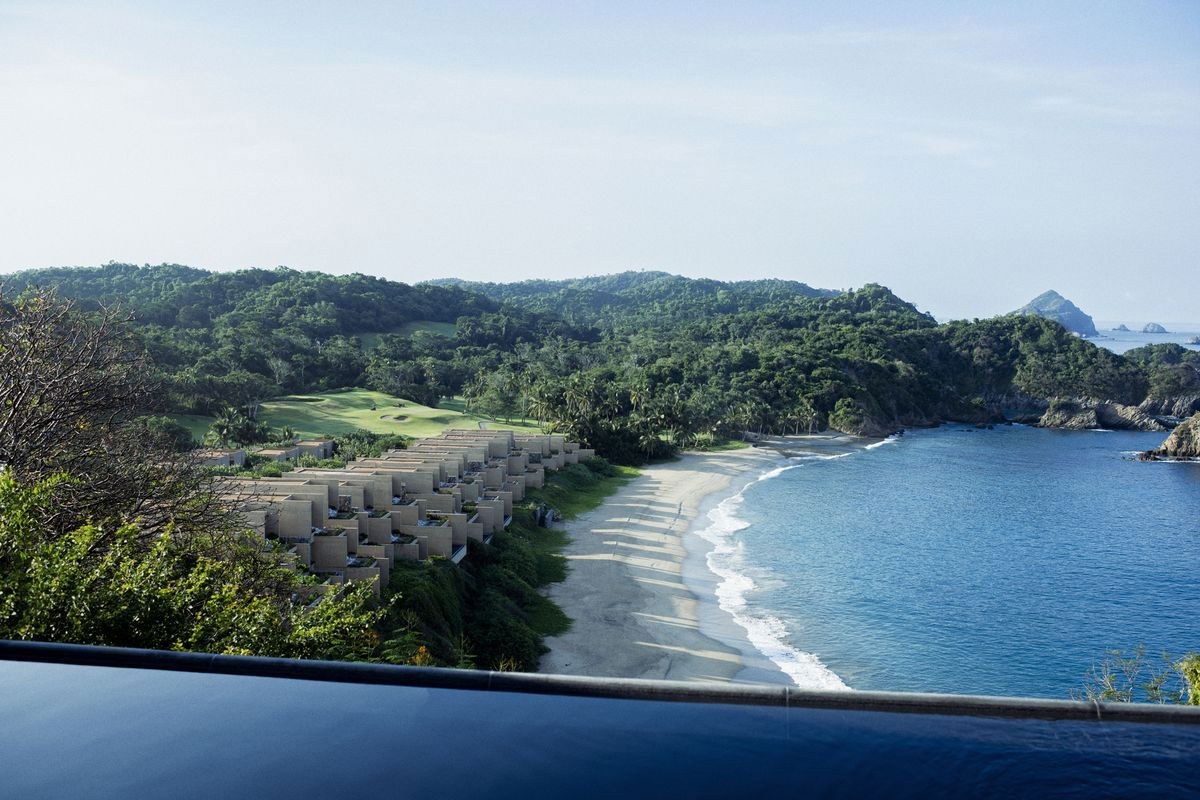







Four Seasons Resort Tamarindo
Costalegre
Hotel in Costalegre, Mexico
 Book with Pearl
The Read
Private-Peninsula Architecture
Why go
Four Seasons Resort Tamarindo is the polished Costalegre choice for travelers who want a self-contained luxury resort stay rather than a town-based trip. Book it for service confidence, coastal space, and strong hotel recognition; cross-shop Cuixmala for a more private estate feel or Las Alamandas for a simpler regional hideaway.
About Four Seasons Resort Tamarindo
Book Four Seasons Resort Tamarindo when the priority is a luxury stay in Costalegre with strong recognition behind it. The record includes La Liste Top Hotels 2026 recognition at 95 points, Forbes 4-Star status for 2026, World's 50 Best Hotels placement at #55 in 2025, Virtuoso Luxury Hotel Partner status for 2026, and Star Wine List recognition for 2026.
What is clear is the positioning: Four Seasons Resort Tamarindo is a recognized luxury resort in Costalegre with a smart casual dress code.
Choose it for a recognized Costalegre luxury resort stay
The strongest reason to consider Four Seasons Resort Tamarindo is its recognition across hotel, luxury-travel, and wine-related lists. Those signals make it a serious Costalegre option for travelers comparing high-end stays.
If you are comparing it with other notable properties, Cuixmala and Las Alamandas belong in the conversation for different styles of high-end stays. Bungalows & Casitas de las Flores in Careyes, Hacienda de San Antonio, and Las Hadas by Brisas may also be useful reference points depending on the kind of trip you want, but Four Seasons Resort Tamarindo is best described simply as a recognized luxury resort in Costalegre.
The location premium works if Costalegre is the plan
The practical question is whether Costalegre is the right setting for the trip. Four Seasons Resort Tamarindo is best evaluated as a Costalegre luxury-resort choice. For broader planning around the area, use our full Costalegre hotels guide, then branch into our full Costalegre restaurants guide, our full Costalegre bars guide, our full Costalegre wineries guide, and our full Costalegre experiences guide before committing to the whole stay.
Reservations: confirm current availability directly. Dress: smart casual. Budget: treat it as a luxury-hotel decision. Good for: travelers seeking a recognized luxury resort in Costalegre. Less ideal for: travelers who need specific dining formats, pricing, activities, or logistics before choosing a hotel.
Part of
Four Seasons246 locations on PearlPlanning details
- Location
- K, BARRA DE NAVIDAD, México 200 Manzana 7.5, 48898 La Manzanilla, Jal.
- Website
- fourseasons.com/tamarindo
- Phone
- +52 357 689 0012
The take
The Take
The Vibe
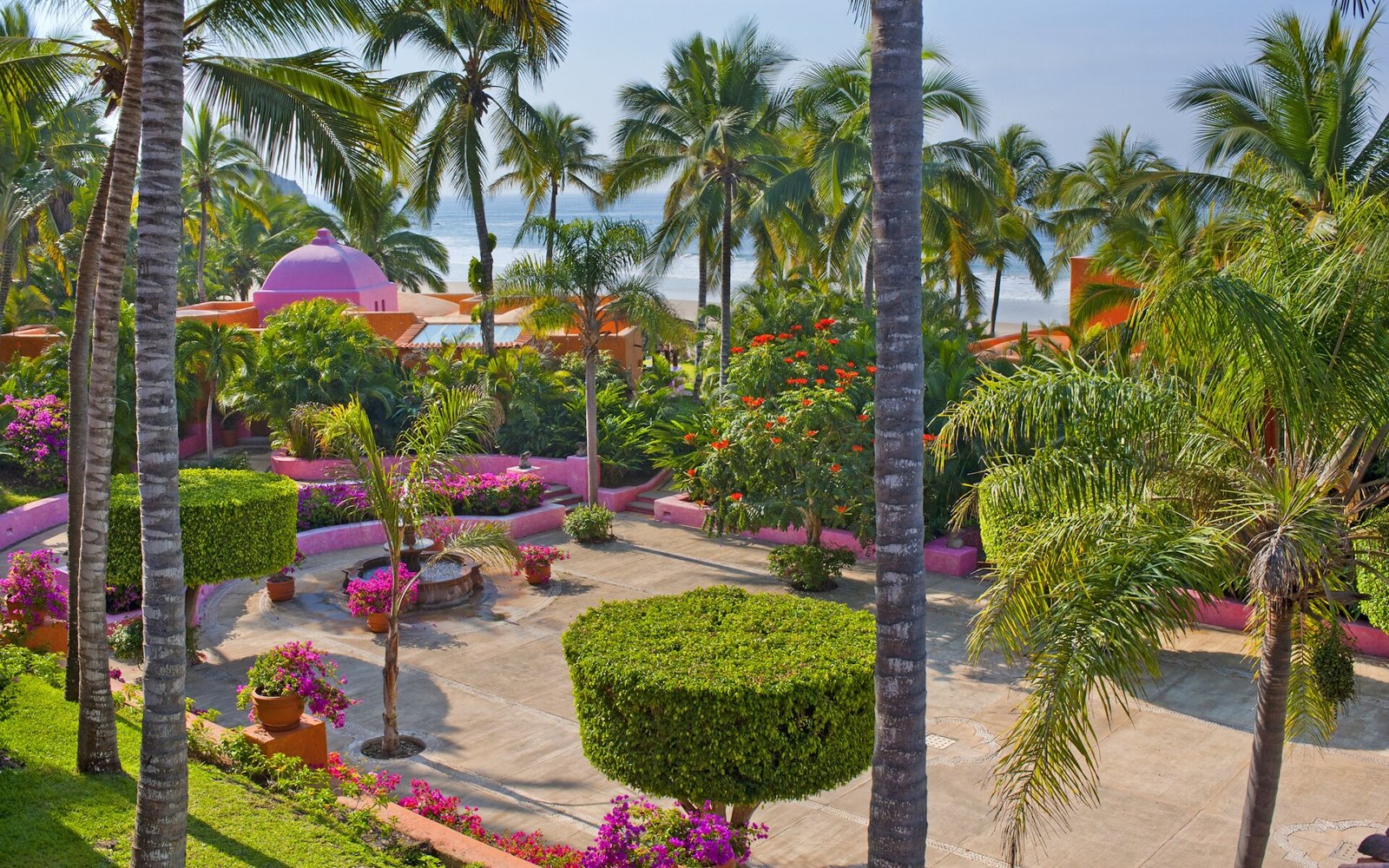
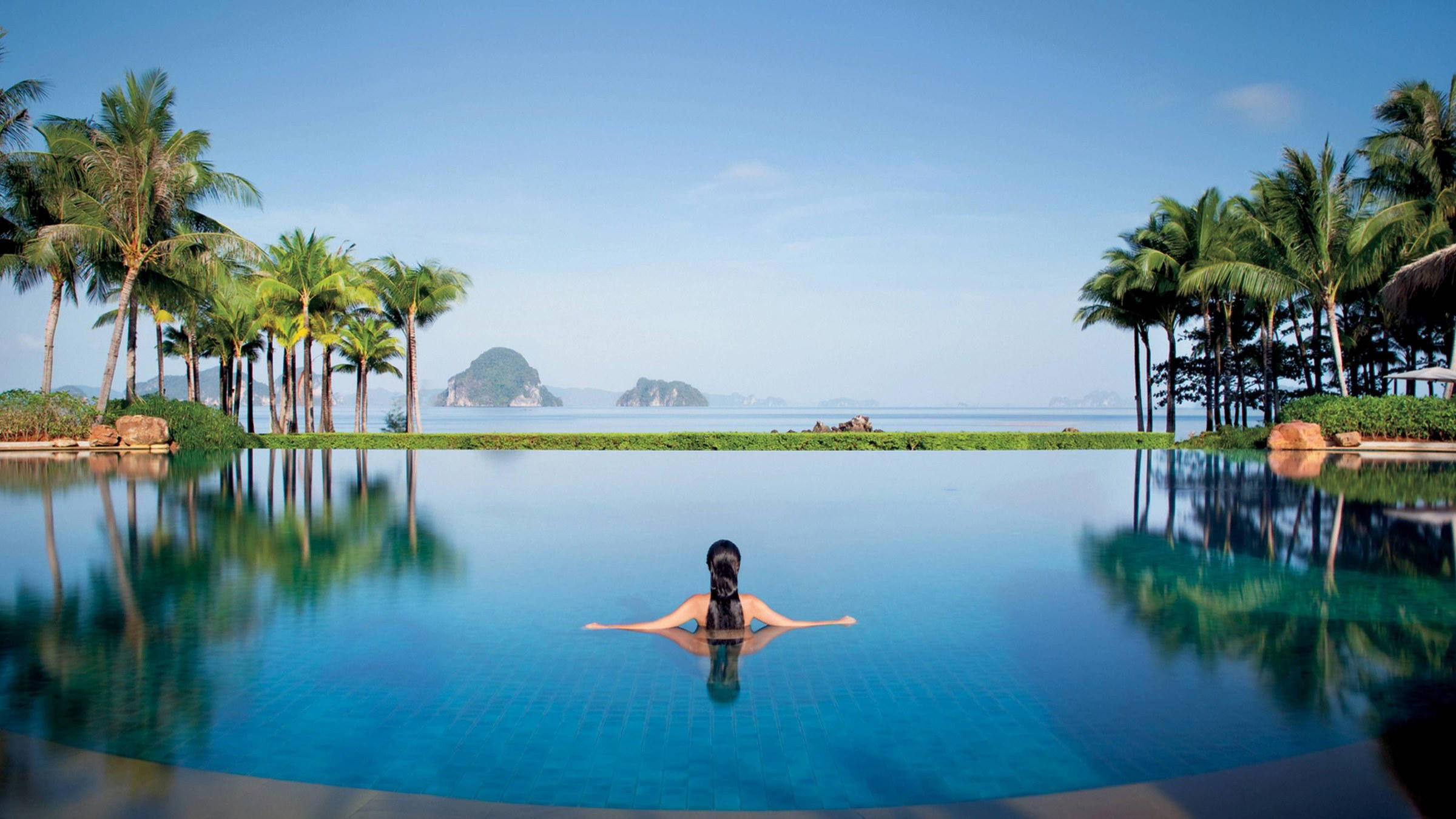
Four Seasons Resort Tamarindo presents a quietly luxurious coastal retreat. Set where the road thins out and the Pacific opens into long, undeveloped stretches, the property leans into a low-key, relaxed sensibility rather than ostentatious show. The resort functions as an anchor for this part of Costalegre, offering composed, serene surroundings—undeveloped jungle, broad ocean views and thoughtful hotel amenities—that encourage lingering and slow-paced exploration of the coast. Dining is intentionally structured and chef-led, fitting the resort's overall temperament of refined but unhurried hospitality.
Best For
This is a destination for travelers who prize calm, coastal luxury and seriously considered hotel dining. It suits couples seeking a quiet escape, food-focused travelers who want chef-driven restaurant experiences without the bustle of busier resorts, and families or groups looking for a refined base along an undeveloped stretch of the Pacific. Because the resort distinguishes itself with scale and a curated culinary program, it also works well for short leisure getaways from Puerto Vallarta and as a weekend escape for Mexico’s west-coast travelers.
Stay Tips
Prioritize the resort's restaurants during your planning—this property emphasizes a structured, chef-led dining programme that is a central part of the experience. Make reservations in advance, especially for dinner service, and ask the concierge about the named chef’s current offerings or any special tasting menus. If you want quieter times, request early or later seating outside peak hours. Keep expectations focused on elevated hotel dining rather than casual public-house fare; the restaurants are positioned as a core reason to visit Tamarindo.
Venue details
Ambiance
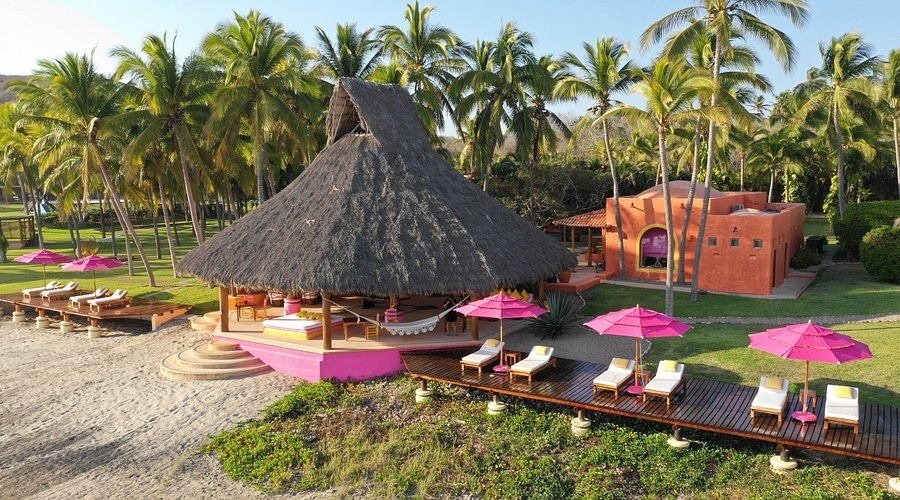
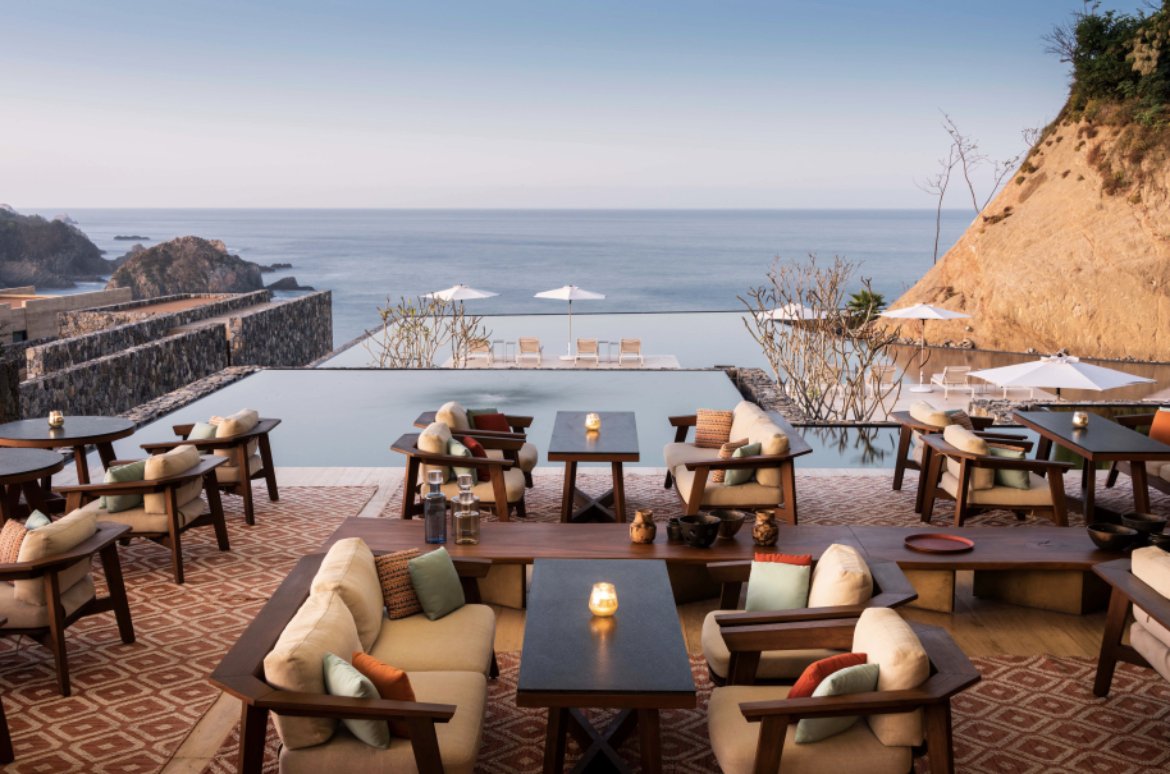
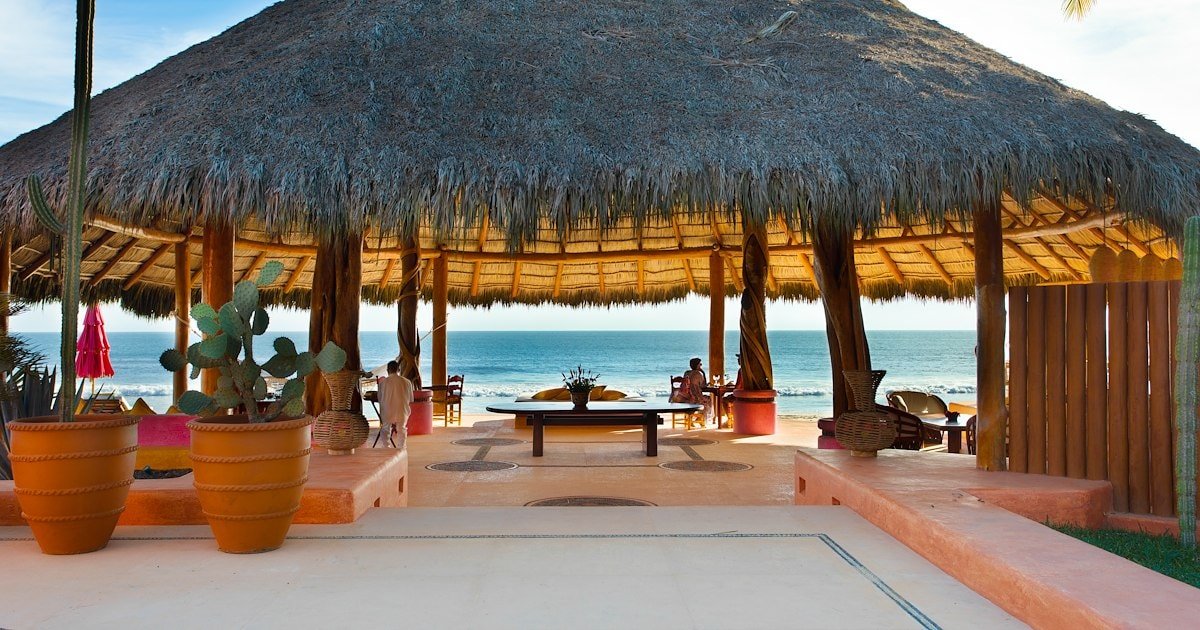
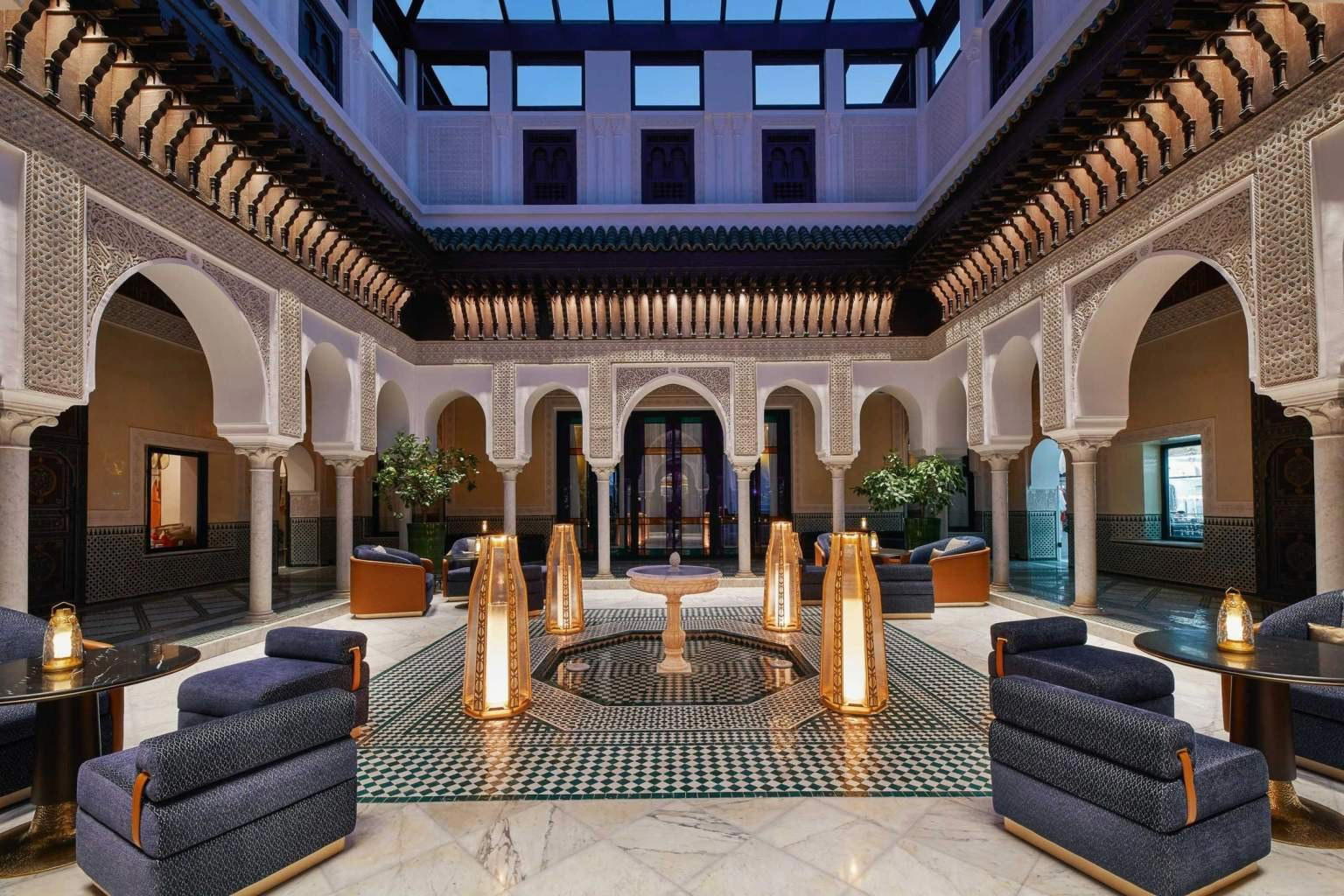
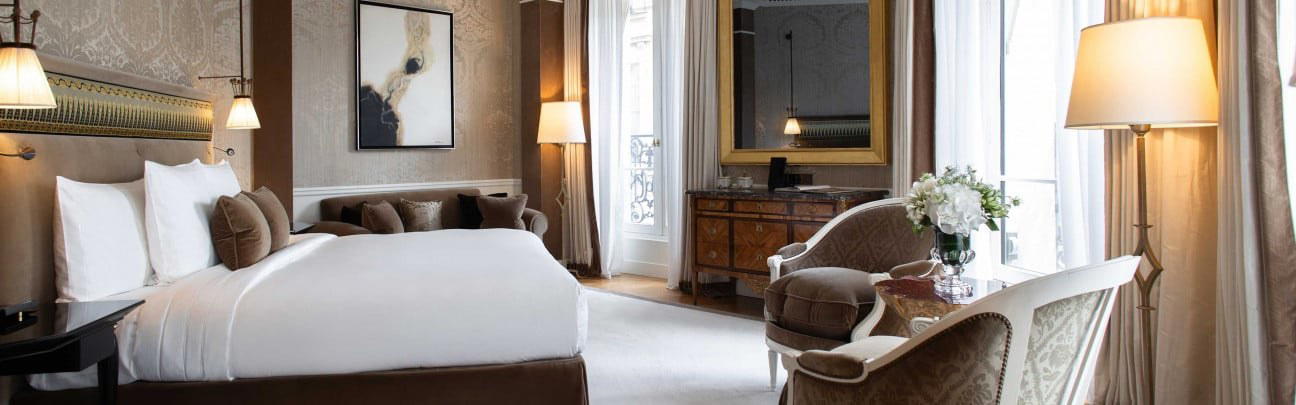
Modern luxury with refined contemporary Mexican design, bright open-air architecture inspired by ancient Mexico, floor-to-ceiling ocean views, and serene natural surroundings that create a tranquil, sophisticated atmosphere.
Tags
Vibe
Best For
Experience
Amenities
View
About the Stay
- Rooms
- 157
- Check-in
- 15:00
- Check-out
- 11:00
- Property Style
- Contemporary Luxury Resort Blending Modern Design with Pre Hispanic Architectural Elements and Mexican Artisan Craftsmanship, Set Within an Untouched Nature Sanctuary.
- Design Style
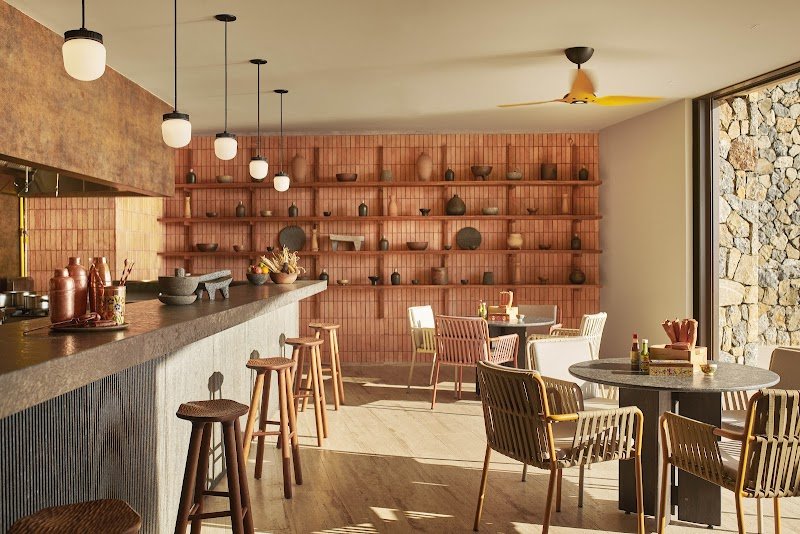
- Refined Contemporary Mexican with Works by Local Artists and Artisans, Open Air Structures Inspired by Ancient Mexican Architecture, Minimalist Modern Interiors with Natural Materials and Floor to Ceiling Glass.
Know before you go
Know Before You Go
- Getting there
- K, BARRA DE NAVIDAD, México 200 Manzana 7.5, 48898 La Manzanilla, Jal.
Planning details
Location
K, BARRA DE NAVIDAD, México 200 Manzana 7.5, 48898 La Manzanilla, Jal. · Directions
Recognition and awards







Also consider
Where to look if this is booked
Try Cuixmala if the priority is privacy and a more estate-like stay. Try Las Alamandas if the goal is a quieter Costalegre escape with a less corporate feel.
Hotel context
How It Compares
Four Seasons Resort Tamarindo is the safest luxury choice in Costalegre if service consistency matters more than a highly independent feel. Cuixmala is the better fit for travelers who want an estate-style stay with more privacy and a stronger sense of remove, while Las Alamandas is the more direct cross-shop for a quieter coastal escape inside Costalegre.
Bungalows & Casitas de las Flores in Careyes makes more sense for travelers prioritizing the Careyes setting and a residential-style stay. Las Hadas by Brisas is the more practical comparison for guests who want a larger, more conventional resort atmosphere. Hacienda de San Antonio sits in a different lane: choose it for an inland hacienda mood rather than a Costalegre beach-resort decision.
Explore Costalegre
Around this place
Discover more on Pearl
Unlock the full Four Seasons Resort Tamarindo guide in Pearl, including awards, comparisons, FAQs, planning details, and nearby places.
Compare Four Seasons Resort Tamarindo
| Venue | Location | Awards |
|---|---|---|
| Four Seasons Resort Tamarindo | Costalegre | 2026 Travel + Leisure 100 Favorite Hotels in the World · #322026 World’s 50 Best Hotels 51-100 · #742026 Virtuoso Luxury Hotel Collection2026 Forbes 4-StarStar Wine Lists 20262026 La Liste Top Hotels2025 World’s 50 Best Hotels · #552025 Forbes 4-StarFour Seasons Hotels |
| Cuixmala | La Huerta | No published awards |
| Bungalows & Casitas de las Flores in Careyes | Careyes | 2026 Michelin 1 Key2025 Michelin 1 Key |
| Las Hadas by Brisas | Manzanillo | Preferred Hotels Member 2025 |
| Las Alamandas | Costalegre | 2026 Virtuoso Luxury Hotel Collection2026 Michelin 2 KeysWorld Travel Awards 20252025 Michelin 2 Keys2024 Michelin 2 Keys |
| Hacienda de San Antonio | Comala | No published awards |





How Four Seasons Resort Tamarindo compares with similar nearby venues.
FAQ
Frequently Asked Questions
When is the best time to book Four Seasons Resort Tamarindo?
How is the location of Four Seasons Resort Tamarindo?
Four Seasons Resort Tamarindo is in Costalegre.
Do loyalty programs work at Four Seasons Resort Tamarindo?
The recognition includes Virtuoso Luxury Hotel Partner status for 2026. Confirm any current program benefits, booking conditions, or inclusions directly before reserving.
Is Four Seasons Resort Tamarindo family-friendly?
How does Four Seasons Resort Tamarindo compare to other notable hotels?
Four Seasons Resort Tamarindo is a recognized luxury resort in Costalegre, with recognition including Forbes 4-Star (2026), La Liste Top Hotels 2026 at 95 points, World's 50 Best Hotels #55 (2025), Virtuoso Luxury Hotel Partner (2026), and Star Wine List (2026). Cuixmala, Las Alamandas, Bungalows & Casitas de las Flores in Careyes, Hacienda de San Antonio, and Las Hadas by Brisas can be useful reference points for different styles of high-end stays.