


Villa Copenhagen
Vesterbro-Kongens Enghave, Copenhagen
Hotel in Copenhagen, Denmark
 Book with Pearl
Why go
Villa Copenhagen is the practical pick for travelers who want a central Copenhagen hotel with more scale and recognition than a small boutique stay. It is especially sensible for families or planning-heavy trips, though couples seeking intimacy should compare Andersen Boutique Hotel, Nobis Hotel Copenhagen, or Nimb Copenhagen first.
About Villa Copenhagen
Copenhagen hotel expectations often split between classic city-hotel atmosphere and modern design-led stays, and many travelers arrive with a clear preference for one or the other. Villa Copenhagen is a Copenhagen hotel with smart-casual expectations and a recognition profile that includes Star Wine List, Forbes Soon To Be Rated, and a MICHELIN Guide hotel selection. Those signals are useful, but they should be treated as guidance rather than a substitute for checking the details that will shape an individual stay.
Choose Villa Copenhagen on its confirmed signals rather than assumptions about facilities, room types, or service style. That makes it a property to approach with a little discipline: note what is known, avoid filling in the blanks, and confirm anything essential before booking. Travelers comparing Copenhagen hotels can also cross-shop Andersen Boutique Hotel, Nimb Copenhagen, Absalon Hotel, NH Copenhagen Grand Joanne, or Nobis Hotel Copenhagen based on their own dates and needs.
A Copenhagen base with a smart-casual tone
Villa Copenhagen is best framed as a Copenhagen stay with a smart-casual dress code and enough external recognition to merit consideration alongside other notable hotels in the city. Smart-casual is the key tone: polished enough to feel considered, but not a basis for assuming a particular level of formality, design language, or on-property experience. Specific claims about exact location, room categories, amenities, family services, or business facilities should be checked directly before booking.
For travelers using the hotel as part of a broader Copenhagen trip, it pairs naturally with planning across Pearl's Copenhagen hotels guide, Copenhagen restaurants, Copenhagen bars, and Copenhagen experiences. In practical terms, that means considering the hotel within the wider shape of the trip rather than in isolation: where you want to eat, drink, and spend time may matter as much as the recognition attached to the hotel. Travelers can note the Star Wine List recognition as a relevant signal, while still confirming current dining and drinking details directly.
Choose it for confirmed recognition, not for assumed specifics
The recognition profile gives Villa Copenhagen a useful trust signal: Star Wine List in 2026, Forbes Soon To Be Rated in 2026, and MICHELIN Guide hotel selection in 2025. That combination can help it stand out during an initial search, especially for travelers who use guide recognition as a way to narrow a crowded hotel field. That does not automatically make it the right booking for every traveler. It means the property has been noted by several external guides, while still needing to be compared on current rates, availability, room needs, and personal preferences.
Before committing, compare Villa Copenhagen against Absalon Hotel, Andersen Boutique Hotel, NH Copenhagen Grand Joanne, Nimb Copenhagen, and Nobis Hotel Copenhagen using only current, confirmed booking details. The point is not to rank them from a distance, but to identify which confirmed facts match the trip in front of you. If you are planning beyond one hotel, keep the comparison broad and confirm current information directly before deciding.
The decision is simple: consider Villa Copenhagen for a Copenhagen stay where smart-casual polish and confirmed recognition matter. It is strongest as a shortlist candidate when those confirmed signals are enough to justify a closer look. Skip it if your choice depends on assumed details such as a specific amenity, room setup, service format, or exact location within the city.
Planning details
- Location
- Tietgensgade 35, 39
- Website
- villacopenhagen.com
- Phone
- 45-78-73-00-00
The take
The Take
The Vibe
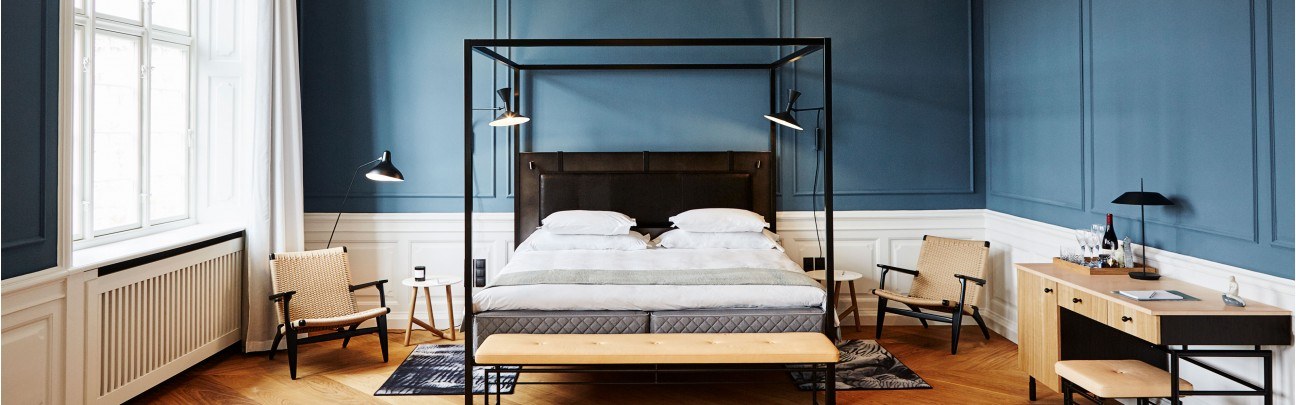
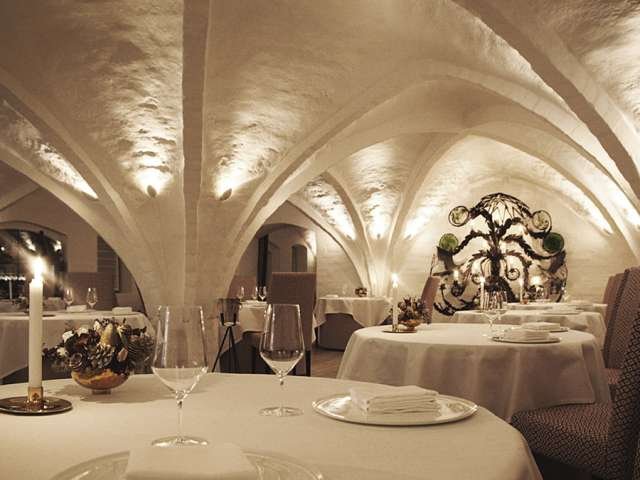
Villa Copenhagen reads like a civic essay in stone and light. The hotel's identity rests on a monumental early-20th-century postal building whose archways and carved detailing are left legible against a spare Scandinavian interior. Minimalist fittings and crisp, restrained surfaces sit in deliberate contrast to the building’s original bones, producing a conversation between grandeur and restraint. The result feels considered rather than theatrical: an elegant, historically grounded property where scale and materiality do the work, and contemporary Scandinavian design amplifies rather than erases the past.
Best For
This is a pick for travelers who prize architecture and a central location. Positioned beside Copenhagen's Central Station and presented as a heritage conversion at the premium end of the market, Villa Copenhagen suits business travelers needing easy transport links and visitors on weekend escapes who want a hotel that reads as part of the city's civic history. It also works for small celebrations where the building’s sense of occasion and preserved monumental character matter more than fashionable gimmicks.
Venue details
Ambiance
Contemporary Nordic style blending historic high ceilings and herringbone floors with cozy, soundproofed rooms and warm lighting.
Tags
Vibe
Best For
Experience
Amenities
Accessibility
About the Stay
- Rooms
- 390
- Check-in
- 15:00
- Check-out
- 11:00
- Property Type
- Design hotel
- Property Style
- Contemporary Nordic Luxury in a Historic Landmark Building
- Design Style
- Minimalist Scandinavian with High Ceilings, Herringbone Floors, and Sustainable Elements
- Pool
- Yes
- Pets
- Allowed
- Families
- Welcome
Know before you go
Know Before You Go
- Getting there
- Tietgensgade 35, 39
Planning details
Location
Recognition and awards


Also consider
Also Consider
- Nimb Copenhagen, Notable alternative
- Absalon Hotel, Notable alternative
- Nobis Hotel Copenhagen, Notable alternative
- NH Copenhagen Grand Joanne, Notable alternative
- Andersen Boutique Hotel, Notable alternative
Hotel context
How it compares in Copenhagen
Against Nimb Copenhagen, Villa Copenhagen is the more practical central base: less about spectacle, more about scale and easier day-to-day use. Nimb is the better splurge if the hotel itself is meant to be the centerpiece of the trip; Villa Copenhagen makes more sense when the city, restaurants, and logistics are doing more of the work.
Absalon Hotel and NH Copenhagen Grand Joanne are stronger value cross-shops if price sensitivity is driving the booking. Choose Villa Copenhagen when recognition, centrality, and a larger hotel feel justify spending more; choose Absalon or Grand Joanne when the room is mainly a base between Copenhagen plans.
Nobis Hotel Copenhagen and Andersen Boutique Hotel are better fits for travelers who want a more intimate design-led stay. Villa Copenhagen is the safer call for families, mixed-age groups, or travelers who prefer a bigger hotel rhythm over a smaller boutique mood.
Explore Copenhagen
Around this place
Discover more on Pearl
Unlock the full Villa Copenhagen guide in Pearl, including awards, comparisons, FAQs, planning details, and nearby places.
Compare Villa Copenhagen
| Venue | Location | Awards |
|---|---|---|
| Villa Copenhagen | Copenhagen | Star Wine Lists 20262026 Forbes Soon To Be Rated2025 Michelin Selected Hotels |
| Nimb Copenhagen | Copenhagen | 2026 Virtuoso Luxury Hotel Collection2026 Forbes 4-Star2026 Mr & Mrs Smith Luxury Hotels2026 La Liste Top Hotels2026 Michelin 1 KeyWorld Travel Awards 2025Small Luxury Hotels Member 20252025 Michelin 1 Key2025 Forbes 4-Star |
| Absalon Hotel | Copenhagen | No published awards |
| Nobis Hotel Copenhagen | Copenhagen | 2026 Design Hotels Collection2026 Mr & Mrs Smith Luxury Hotels2026 La Liste Top Hotels2026 Michelin 1 Key2025 Michelin 1 Key |
| NH Copenhagen Grand Joanne | Copenhagen | No published awards |
| Andersen Boutique Hotel | Copenhagen | No published awards |







How Villa Copenhagen compares with similar nearby venues.
FAQ
Frequently Asked Questions
When is the best time to book Villa Copenhagen?
Book when your Copenhagen dates are fixed and compare availability against other hotels before committing. Compared with Nimb Copenhagen, Villa Copenhagen is another recognized Copenhagen option to evaluate based on your dates and needs.
How is the pool and spa at Villa Copenhagen?
Do not make pool and spa details the basis of a booking without checking directly with the hotel. If wellness facilities matter, compare confirmed current amenities at Villa Copenhagen with other Copenhagen hotel options such as Absalon Hotel or Andersen Boutique Hotel before choosing.
Is Villa Copenhagen good for business travel?
Villa Copenhagen may be worth considering for a Copenhagen business stay, but specific business facilities should be checked directly. The confirmed recognition includes MICHELIN Guide Hotels Selected 2025, which is a useful hotel-quality signal. Compare it with NH Copenhagen Grand Joanne or Andersen Boutique Hotel based on your dates, rate, and required facilities.
Do loyalty programs work at Villa Copenhagen?
Check loyalty-program details directly before booking. The stronger case is the Copenhagen setting, smart-casual tone, and recognition profile rather than any points-specific promise. If points are central to the decision, compare the stay against Nobis Hotel Copenhagen and Nimb Copenhagen using your own program information.
How is the dining at Villa Copenhagen?
Specific restaurant, menu, or service details should be checked directly. The Star Wine List 2026 mention is the clearest food-and-drink signal in the profile, but current dining and drinking details should be checked directly. If dining is your top priority, compare Villa Copenhagen with other Copenhagen dining and hotel options, including Nimb Copenhagen.
Which room category is best at Villa Copenhagen?
Choose based on your length of stay, budget, and space needs after checking the hotel's current room descriptions directly. If you are comparing Copenhagen stays, Nobis Hotel Copenhagen is a relevant comparison.
Is Villa Copenhagen family-friendly?
Confirm family-specific services and room setups directly before booking. Villa Copenhagen can still be compared with Absalon Hotel or Andersen Boutique Hotel for a Copenhagen stay, but families should base the final choice on room, bedding, and facility information.