

Castello di Vicarello
Cinigiano
Hotel in Cinigiano, Italy
 Book with Pearl
The Read
Farmstead Castle Seclusion
Why go
Castello di Vicarello is the right call for a quiet Tuscan special-occasion stay where the hotel setting matters as much as dinner. Book it for privacy, countryside calm, and recent luxury-hotel recognition; pause if the main priority is a clearly defined destination restaurant with published menu detail.
About Castello di Vicarello
Book Castello di Vicarello if the brief is a stay in Cinigiano where the hotel itself is the focus. Smart-casual dress is the expected code, and recognition includes Michelin 1 Key (2025), Mr & Mrs Smith Seal of Approval (2026), and Virtuoso Luxury Hotel Partner (2026).
The decision should be made with that limited public detail in mind. Specific cuisine, chef, menu format, price range, room count, facilities list, and dining schedule are not published here. Travelers who need those details before committing should confirm directly with the venue before booking.
Choose it for a hotel stay, not a restaurant-only detour
Any dining plan should be treated cautiously: no named chef, fixed cuisine format, tasting-menu structure, published price, or specific menu draw is listed. If the main goal is a destination meal with a clearly defined culinary identity, compare current details with other options before committing.
Where the property may make more sense is as part of a broader hotel stay rather than a restaurant-only plan. For travelers choosing among recognized hotels, the luxury-hotel recognition may be relevant. Larger parties should confirm current arrangements directly, because no seat count, service structure, or group policy is available.
Plan around confirmed details
Castello di Vicarello is in Cinigiano. Travelers building a broader itinerary should use Our full Cinigiano hotels guide and Our full Cinigiano restaurants guide to decide whether this area works as the anchor. For wine-related planning, Our full Cinigiano wineries guide is the more useful cross-check; for non-dining days, use Our full Cinigiano experiences guide. If bars are part of the trip, Our full Cinigiano bars guide can help compare nearby options.
Reservations: confirm availability directly with the venue. Dress: smart casual. Budget: no public range is listed here. Who should book: travelers interested in a recognized luxury hotel in Cinigiano. Who should pause: travelers who need confirmed dining, facility, or room-category details before choosing a hotel.
Planning details
- Location
- Via Vicarello, 1, 58044 Poggi del Sasso GR
- Website
- castellodivicarello.com
- Phone
- +39 0564 990718
The take
The Take
The Vibe
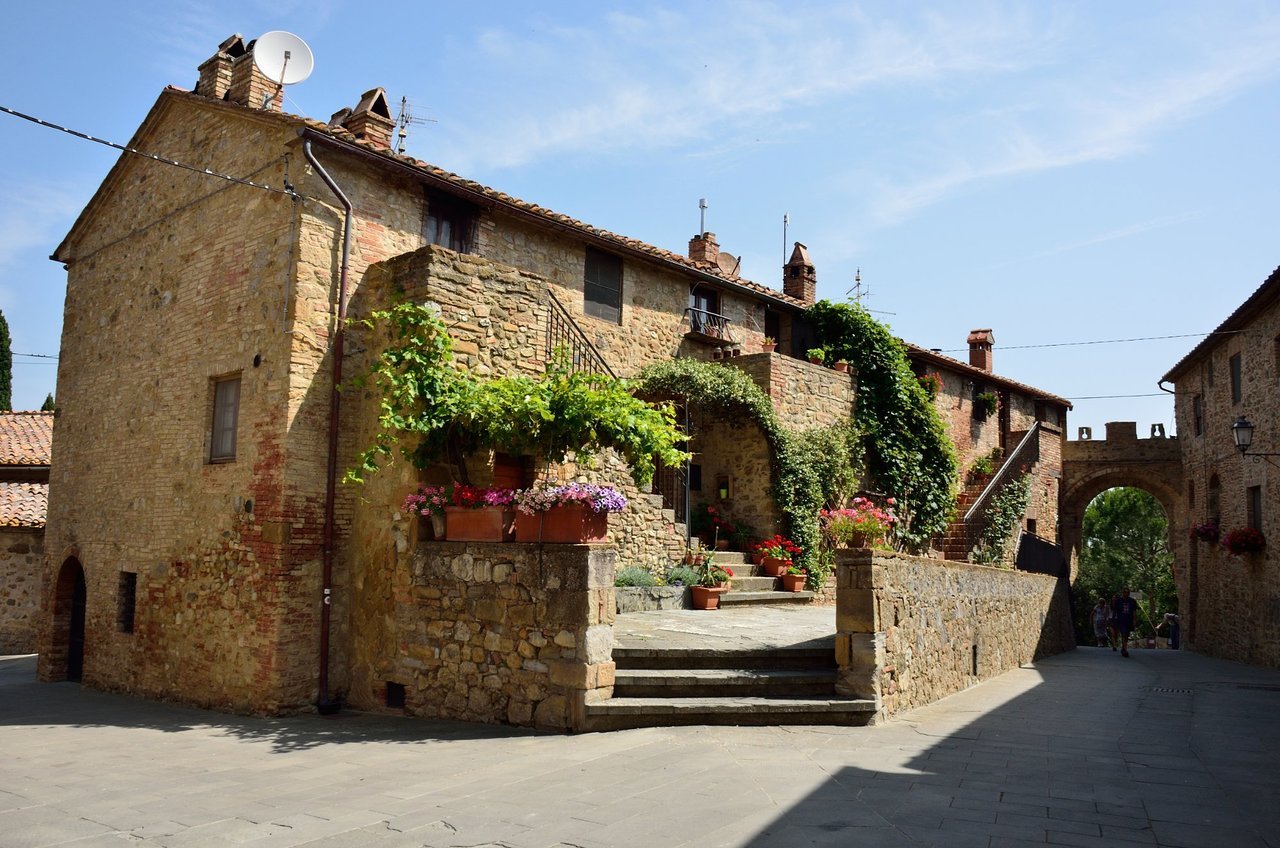
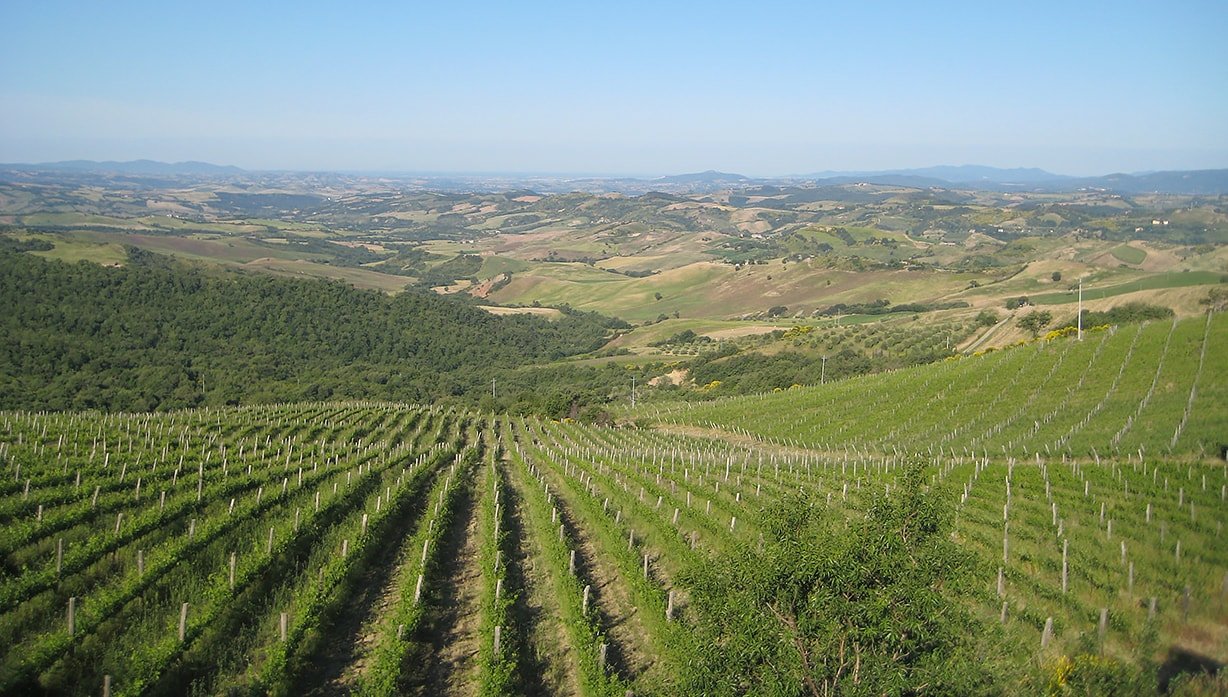
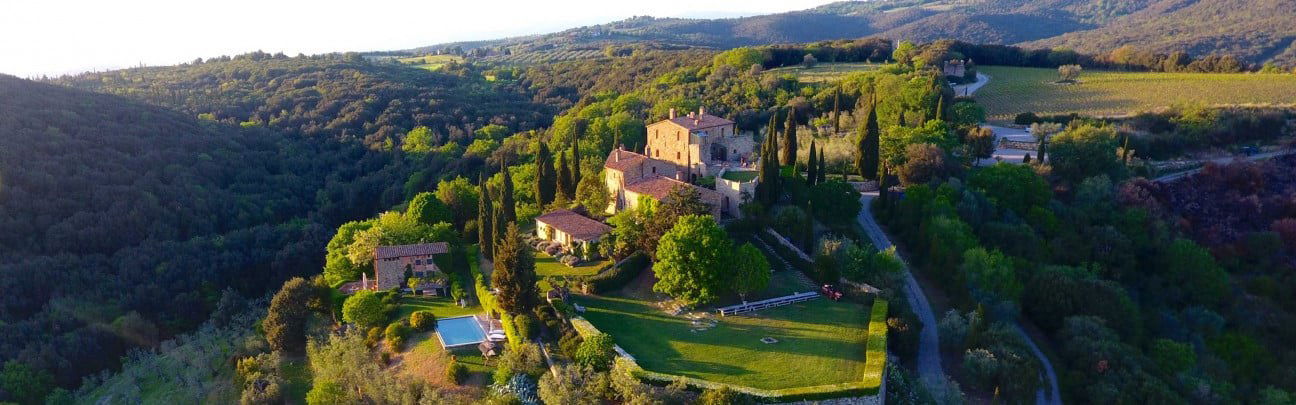
Castello di Vicarello reads like a lived-in country house carved from medieval stone. The 12th-century structure, original stone walls and long corridors make history palpable; the light of the Maremma and the silence of the surrounding olive groves and vineyards give the estate a serene, contemplative tenor. Arrival feels residential rather than hotel-like, and the small scale — ten suites — keeps the atmosphere intimate and uncommodified. The property sits off the usual Tuscan tourist circuits, presenting a classic, quietly charming refuge for guests who prize heritage, restraint and a sense of place over glossy modernism.
Best For
This is a place for travelers seeking a quiet, elegant escape anchored in history and landscape. Couples and small groups who value privacy and the slow rhythms of an estate stay will find it especially rewarding; the surrounding vineyards and sea-on-the-horizon views also make it appealing for those interested in wine-focused or scenic countryside retreats. Accolades from Condé Nast Traveller and a Michelin Key underline the refined quality of the experience, so it also suits guests looking for well-executed hospitality in a decidedly non-commercial Tuscan setting.
Stay Tips
Book well in advance — the property has only ten suites, so availability can be limited. Expect a residential-style arrival rather than a conventional hotel lobby or check-in desk, and plan travel accordingly: the estate sits in a remote stretch of the Maremma with a road that climbs through vineyards and olive groves. If sea views matter, ask about rooms with horizon sightlines when reserving. Consider scheduling arrival during clear-weather days to maximize the chance of seeing the Tyrrhenian Sea as a silver line on the horizon.
Venue details
Ambiance
Cozy with terracotta floors, stone walls, canopy beds, fireplaces, and rustic luxury enhanced by panoramic Tuscan countryside views.
Tags
Vibe
Best For
Experience
Amenities
View
Accessibility
About the Stay
- Rooms
- 10
- Property Style
- Historic Tuscan Castle Estate with Vineyards and Olive Groves
- Design Style
- Rustic Luxury with Stone Walls, Terracotta Floors, Antique Furniture, and Bespoke Fabrics
Know before you go
Know Before You Go
- Getting there
- Via Vicarello, 1, 58044 Poggi del Sasso GR
Planning details
Location
Recognition and awards

Also consider
Also Consider
- Castello Banfi - Il Borgo, Notable alternative
- Castello di Velona Resort Thermal SPA & Winery, Notable alternative
- Villa le Prata, Notable alternative
- Rosewood Castiglion Del Bosco, Notable alternative
- Castiglion del Bosco, A Rosewood Hotel, Notable alternative
Hotel context
How Castello di Vicarello compares nearby
Choose Castello di Vicarello over Castello Banfi - Il Borgo if the priority is a quieter, more intimate countryside stay near Cinigiano rather than a larger wine-estate feel. Banfi is the safer cross-shop for travelers who want the hotel decision to revolve around wine infrastructure; Vicarello is the better fit when the occasion calls for privacy and a softer house-party mood.
Castello di Velona Resort Thermal SPA & Winery is the more obvious pick if thermal spa facilities are central to the trip. Vicarello makes more sense when the pool-and-spa question is secondary to atmosphere and the stay is built around a quiet dinner, a room, and the setting. For travelers comparing value for money, Velona gives a clearer wellness proposition; Vicarello asks you to value seclusion and mood.
Against Villa le Prata, Rosewood Castiglion Del Bosco, and Castiglion del Bosco, A Rosewood Hotel, the decision is scale. Rosewood is the safer luxury-resort choice for travelers who want fuller service depth and a broader estate experience. Villa le Prata is worth considering for a smaller wine-country stay. Vicarello is the sharper choice for couples who want a hard-to-book, celebration-led escape with less resort machinery around them.
Explore Cinigiano
Around this place
Discover more on Pearl
Unlock the full Castello di Vicarello guide in Pearl, including awards, comparisons, FAQs, planning details, and nearby places.
Compare Castello di Vicarello
| Venue | Location | Awards |
|---|---|---|
| Castello di Vicarello | Cinigiano | 2026 Virtuoso Luxury Hotel Collection2026 Mr & Mrs Smith Luxury Hotels2026 Michelin 1 Key2025 Michelin 1 KeyMichelin 1 Key 20252024 Michelin 1 Key |
| Castello Banfi - Il Borgo | Montalcino | 2026 Virtuoso Luxury Hotel Collection2026 Relais Chateaux Hotels2026 Michelin 1 Key2025 Michelin 1 Key2025 Relais Chateaux Award2024 Michelin 1 Key |
| Castello di Velona Resort Thermal SPA & Winery | Montalcino | 2026 Virtuoso Luxury Hotel CollectionPreferred Hotels L.V.X. Collection 2025 |
| Villa le Prata | Montalcino | 2026 Michelin 1 Key2025 Michelin 1 Key2024 Michelin 1 Key |
| Rosewood Castiglion Del Bosco | Montalcino | 2026 Travel + Leisure 100 Favorite Hotels in the World · #82026 World’s 50 Best Hotels 51-100 · #622026 Forbes 5-Star2026 Virtuoso Luxury Hotel Collection2026 Mr & Mrs Smith Luxury Hotels2026 La Liste Top Hotels2026 Michelin 3 KeysMichelin 3 Keys 20252025 Michelin 3 Keys |
| Castiglion del Bosco, A Rosewood Hotel | Montalcino | No published awards |








How Castello di Vicarello Cinigiano compares with similar nearby venues.
FAQ
Frequently Asked Questions
How is the dining at Castello di Vicarello?
Plan only from confirmed information. Cuisine type, chef, menu format, price range, and dining schedule are not listed here, so treat any meal planning as something to confirm directly with the venue. The confirmed hotel recognition includes Michelin 1 Key (2025).
How is the location of Castello di Vicarello?
Castello di Vicarello is in Cinigiano. No more specific address detail is included here, so use the venue's official channels for directions and arrival planning.
Do loyalty programs work at Castello di Vicarello?
No standard hotel loyalty program is listed. Recognition includes Michelin 1 Key (2025), Mr & Mrs Smith Seal of Approval (2026), and Virtuoso Luxury Hotel Partner (2026).
How does Castello di Vicarello compare to other hotels?
Compare Castello di Vicarello with Castello Banfi - Il Borgo, Castello di Velona Resort Thermal SPA & Winery, Rosewood Castiglion Del Bosco, Castiglion del Bosco, A Rosewood Hotel, and Villa le Prata based on current official information. The differentiators here are Castello di Vicarello's Cinigiano location, smart-casual dress code, and listed luxury-hotel recognition.
Which room category is best at Castello di Vicarello?
No room-category names or room details are listed here. Choose only after checking the venue's official channels for current room types, availability, and booking conditions.