
Villa le Prata
Montalcino
Hotel in Montalcino, Italy
 Book with Pearl
The Read
Brunello Estate Residency
Why go
Villa le Prata is worth shortlisting for a quiet Montalcino celebration or wine-country stay, especially for couples and families with older children. Choose it for intimacy and countryside calm; compare larger resort-style peers if you need broader facilities, deeper family infrastructure, or easier business logistics.
About Villa le Prata
Villa le Prata is a Montalcino venue with Michelin 1 Key recognition for 2024. Along with its smart-casual dress code, it is best approached as a Montalcino option to compare carefully against other choices before booking.
For planning purposes, confirm specific facilities, dining formats, room counts, prices, and services directly with the property. The useful starting point is simple: Villa le Prata is in Montalcino, and it has Michelin 1 Key recognition.
A considered Montalcino choice
Villa le Prata may suit travelers who are already focused on Montalcino and want a property with a Michelin hotel distinction. It should not be selected on the basis of assumptions about family programming, wellness facilities, business amenities, or a particular dining concept.
If you are comparing options for a special trip, look at Villa le Prata alongside Castiglion del Bosco, A Rosewood Hotel, Castello di Velona Resort Thermal SPA & Winery, Castello Banfi - Il Borgo, La Bandita Townhouse, and Rosewood Castiglion Del Bosco. The right choice depends on confirmed services, location preferences, and the style of stay you want.
Choose it for recognition, then confirm the details
The strongest point is Villa le Prata's Michelin 1 Key recognition in 2024. Its listed dress code is smart casual. Other practical details, including dining, room categories, wellness facilities, business services, and family-specific amenities, should be checked directly before making plans.
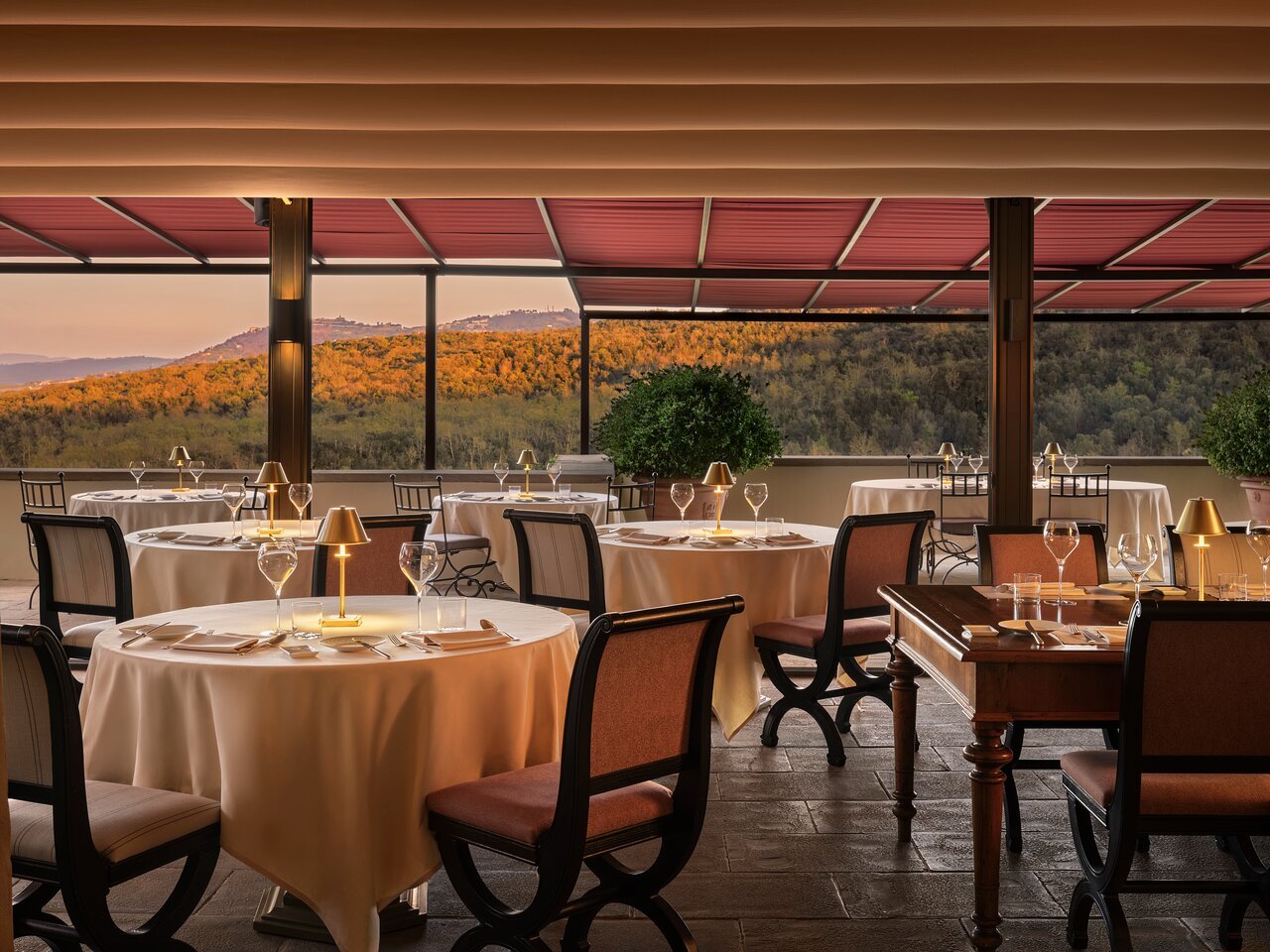
Dining expectations should stay practical. Without a cuisine format or named restaurant detail to guide you, do not treat the property as a destination-dining choice unless you confirm that separately. Travelers planning meals can also use Our full Montalcino restaurants guide, especially if the trip includes dining in town.
Where it sits among regional choices
Villa le Prata belongs in a regional comparison set with Castello Banfi - Il Borgo, Castello di Velona Resort Thermal SPA & Winery, Castiglion del Bosco, A Rosewood Hotel, La Bandita Townhouse, and Rosewood Castiglion Del Bosco. It is best evaluated on recognition, current availability, and the specific services you verify before booking.
If the trip is built around Montalcino, compare the stay alongside relevant local guides before locking the hotel. If the priority is dining in Montalcino, browse Montalcino dining options as well. The right answer depends on practical details rather than assumptions about amenities or format.
Planning details
- Location
- localita le prata 261, 53024 Montalcino SI
- Website
- villaleprata.com
- Phone
- +39 0577 847130
The take
The Take
The Vibe
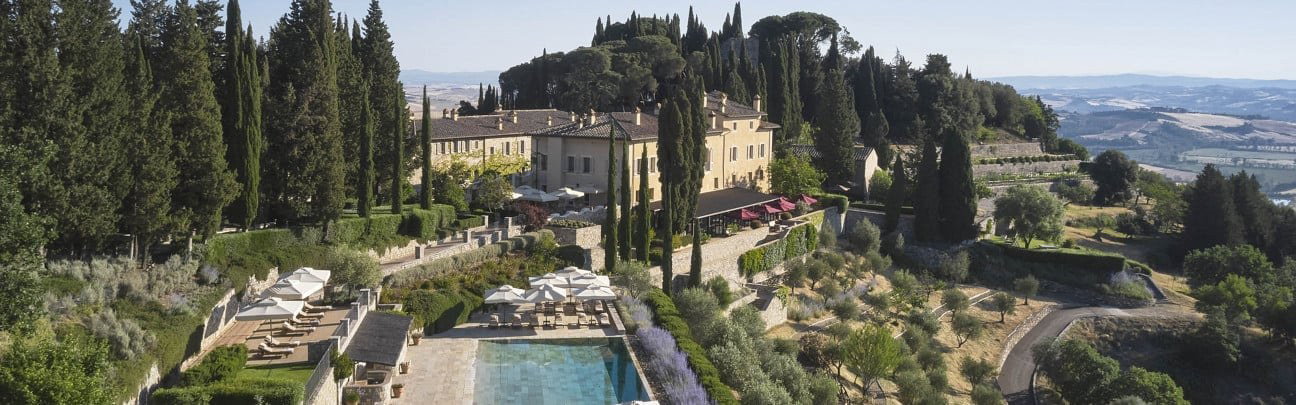
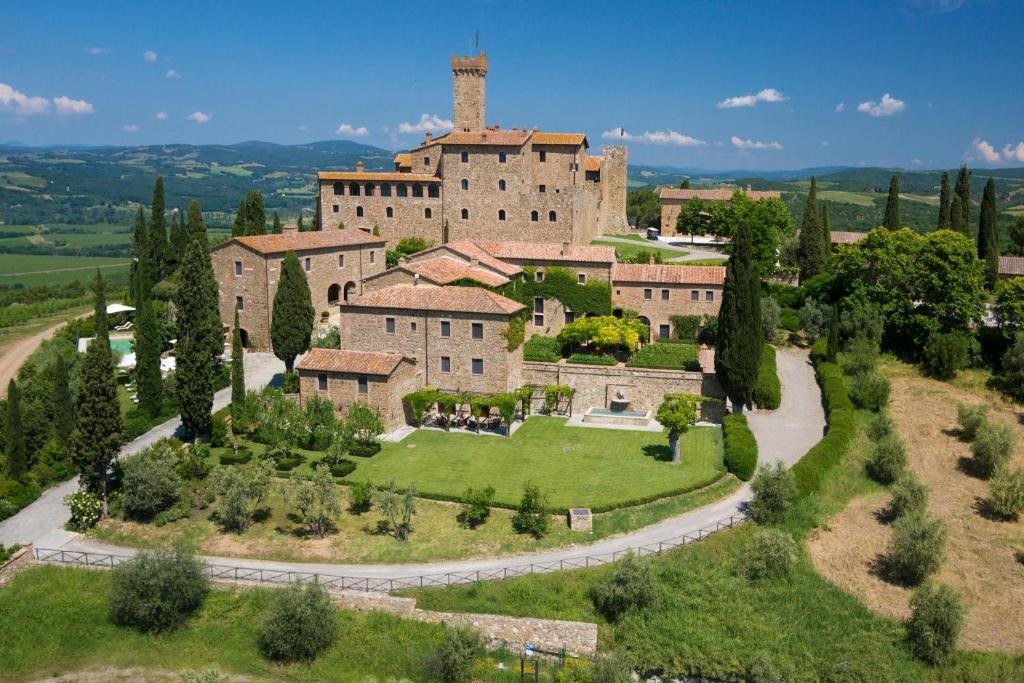
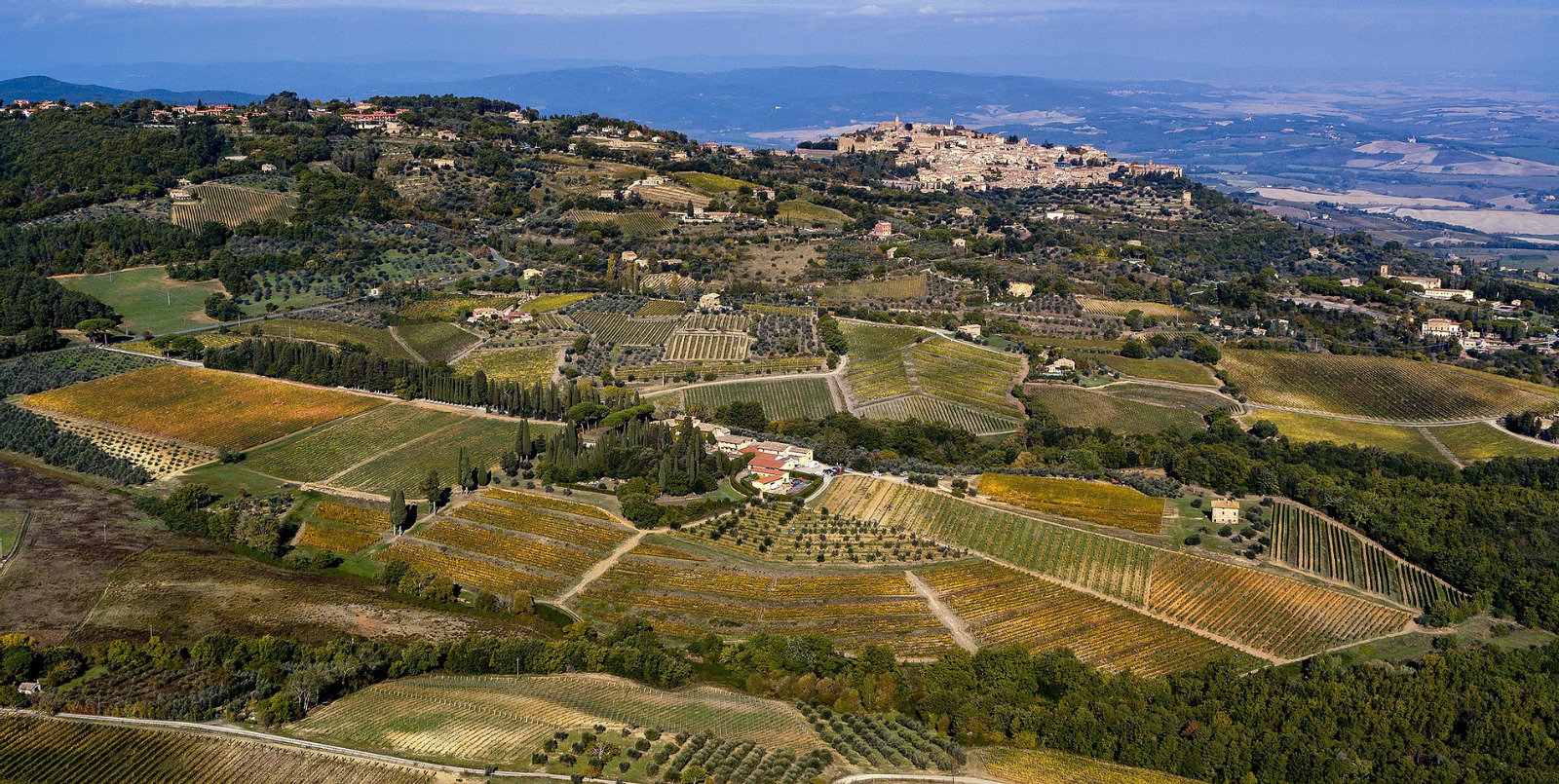
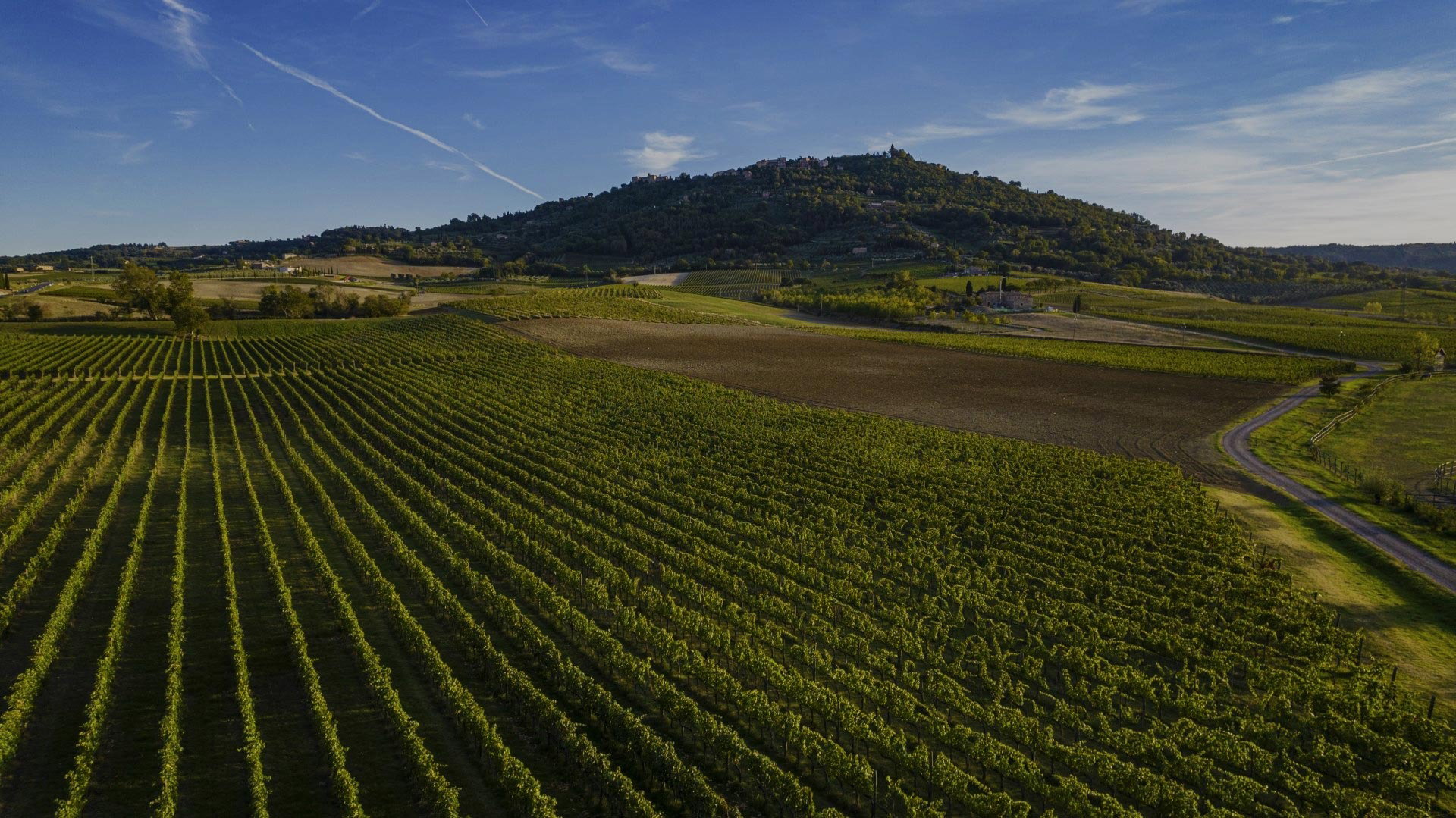
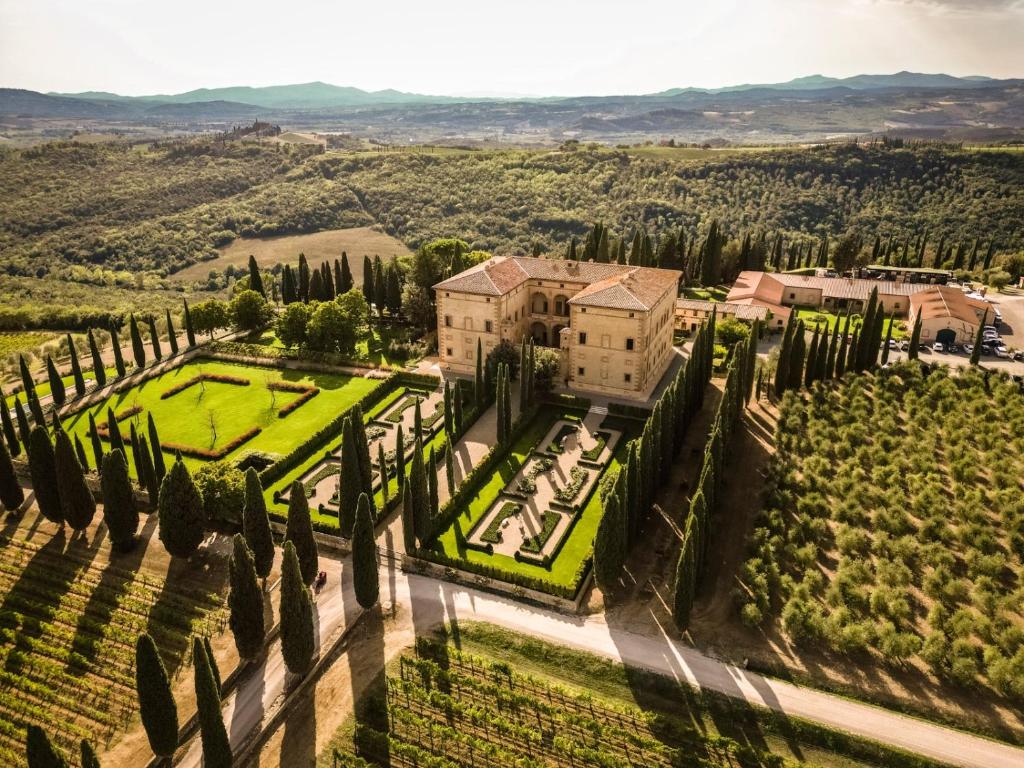
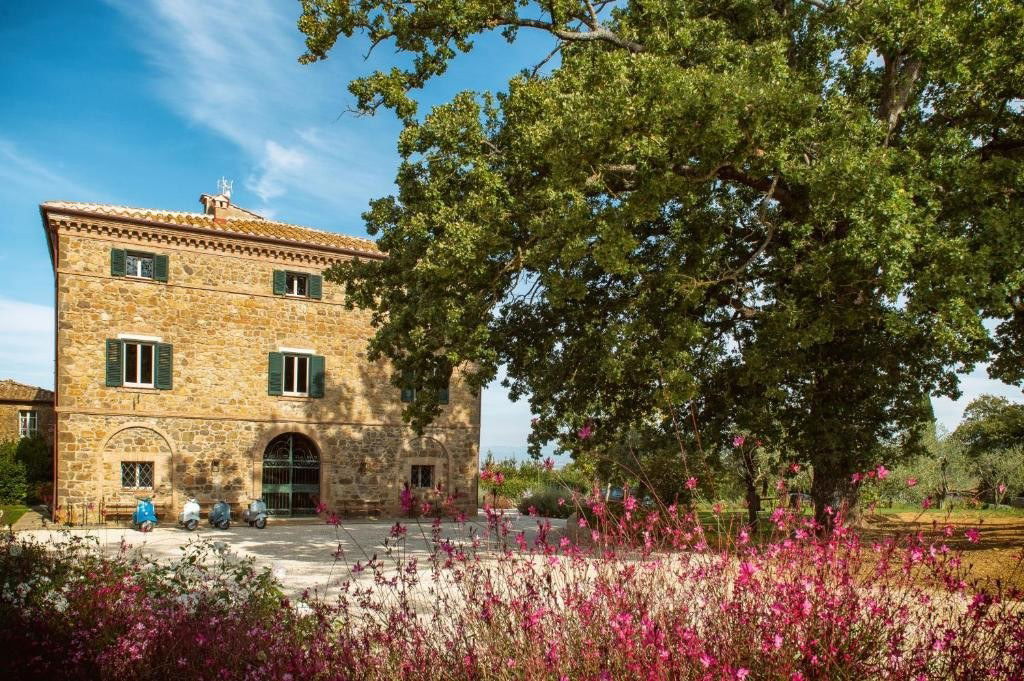
Villa le Prata feels like a quietly formal country house rooted in Montalcino's wine country. The property occupies a 19th-century hunting lodge with the proportions of a private residence and the architectural formality of an institution, and its eight-room scale keeps the experience intimate and characterful. Vineyards press close to the road and the estate's working Brunello operations frame stays with a sense of place: this is hospitality that foregrounds the landscape, historic provenance, and a restrained, serene atmosphere rather than overt luxury theatrics.
Best For
This is a stay for travelers seeking a small, slow-paced wine-country retreat rather than a full-resort escape. With only eight rooms and an on-site Brunello estate, Villa le Prata suits couples and quiet-minded visitors who want direct access to vineyards and a hands-on sense of agricultural rhythms. Its historic lodge setting and measured formality also make it an appealing option for anniversaries or intimate milestone trips where scenery, provenance, and privacy matter more than high-energy amenities.
Stay Tips
Book well in advance given the property's eight-room scale and intimate footprint. Ask for a room that emphasizes the surrounding vineyards or views toward Montalcino, and inquire with the team about the estate wine and any seasonal estate activities tied to the agricultural calendar — the description stresses the countryside and working-vineyard context as the principal amenity. Note the property's recent recognition (a Michelin Key in 2024) when asking about food- and wine-related offerings to learn what's currently available on site.
Venue details
Ambiance
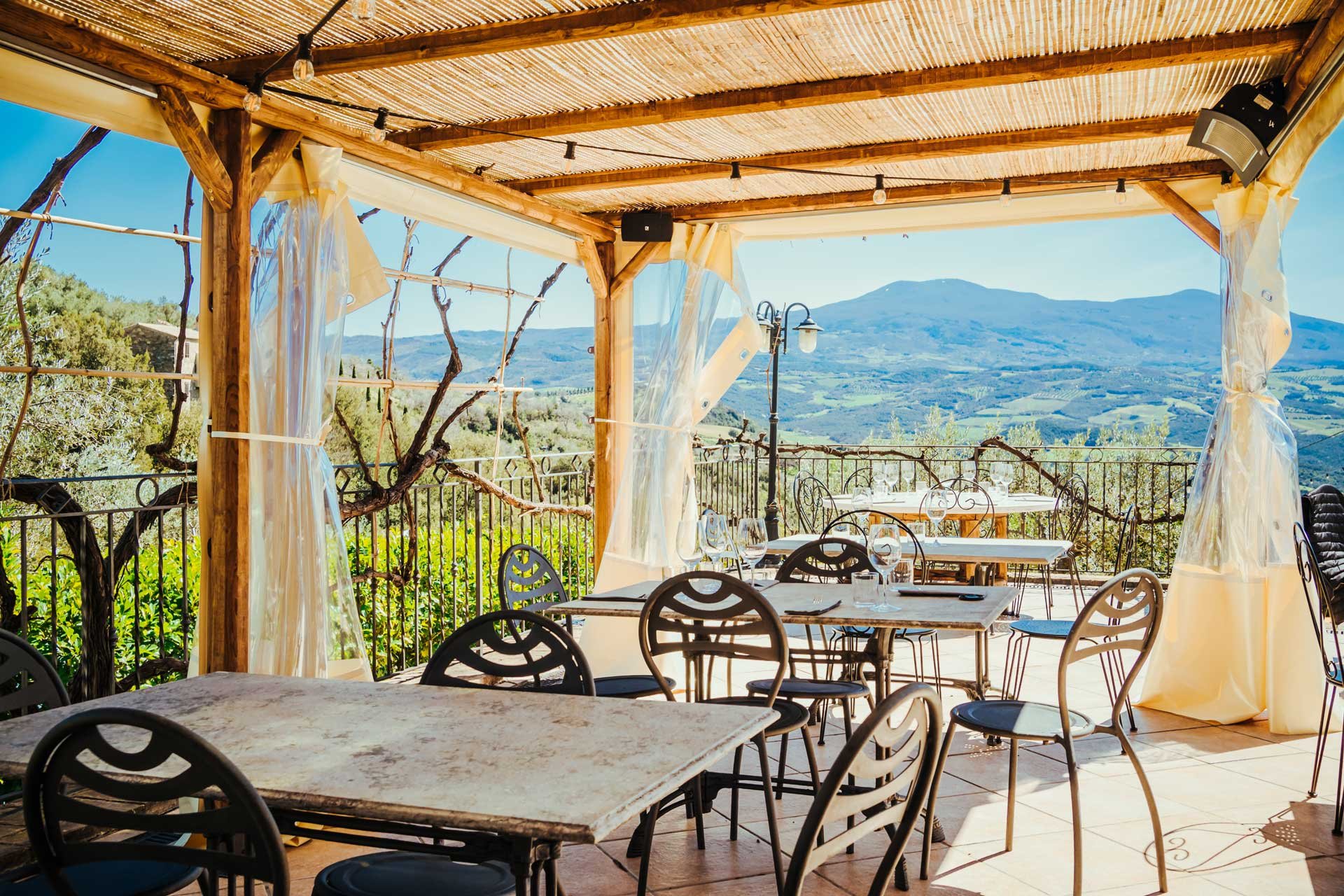
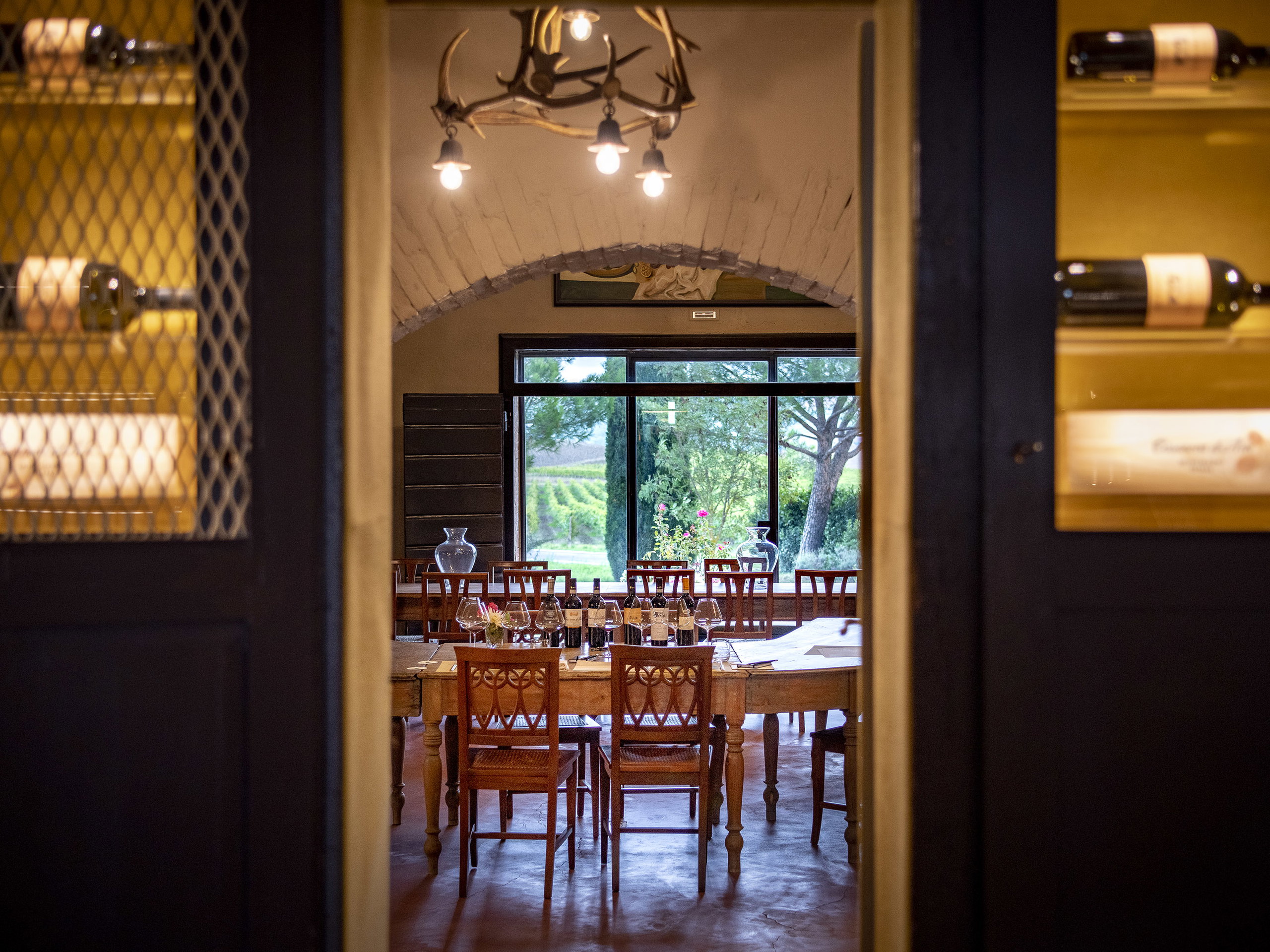
Warm, romantic, and intimate with candlelit dinners, garden breakfasts overlooking vineyards, and a serene poolside setting at sunset; guests describe it as feeling like a movie set with exceptional attention to detail.
Tags
Vibe
Best For
Experience
Amenities
View
Accessibility
About the Stay
- Rooms
- 9
- Check-in
- 15:00
- Check-out
- 11:00
- Property Style
- Historic 1862 Villa Reimagined as a Luxury Winery Retreat with Contemporary Comfort and Rustic Tuscan Charm.
- Design Style
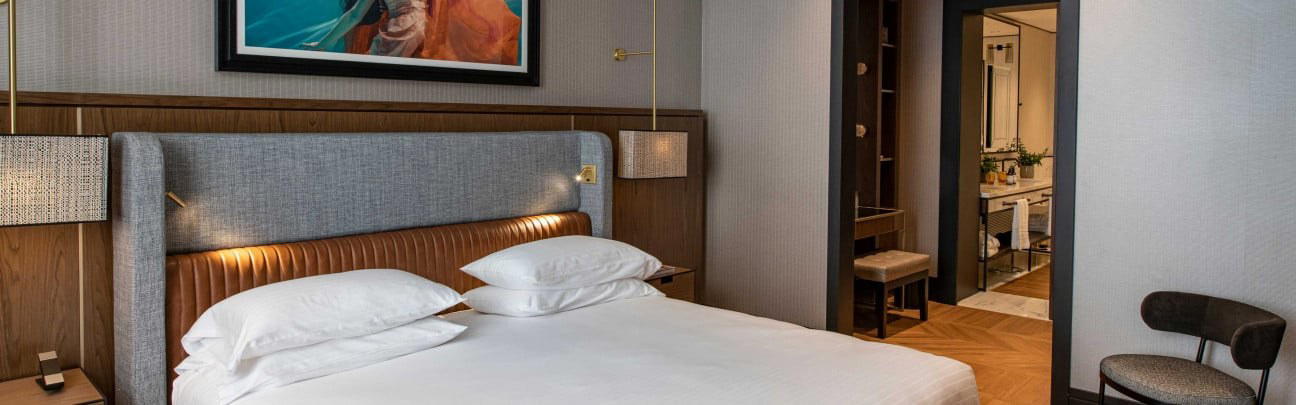
- Individually Furnished Rooms with Premium Bedding, Modern Bathrooms with Rainfall Showers, and Elegant Decor Reflecting the Property's Heritage and Vineyard Setting.
Know before you go
Know Before You Go
- Getting there
- localita le prata 261, 53024 Montalcino SI
Planning details
Location
Recognition and awards
Also consider
Also Consider
- Rosewood Castiglion Del Bosco, Notable alternative
- Castiglion del Bosco, A Rosewood Hotel, Notable alternative
- Castello di Velona Resort Thermal SPA & Winery, Notable alternative
- Castello Banfi - Il Borgo, Notable alternative
- La Bandita Townhouse, Notable alternative
Hotel context
How Villa le Prata compares in Montalcino
Choose Villa le Prata if the priority is a quieter, smaller-scale Montalcino stay rather than a large resort. Rosewood Castiglion Del Bosco and Castiglion del Bosco, A Rosewood Hotel are better fits for travelers who want a fuller estate experience and more resort infrastructure. Villa le Prata is easier to like for anniversaries, low-key celebrations, and guests who do not want the property itself to dominate the trip.
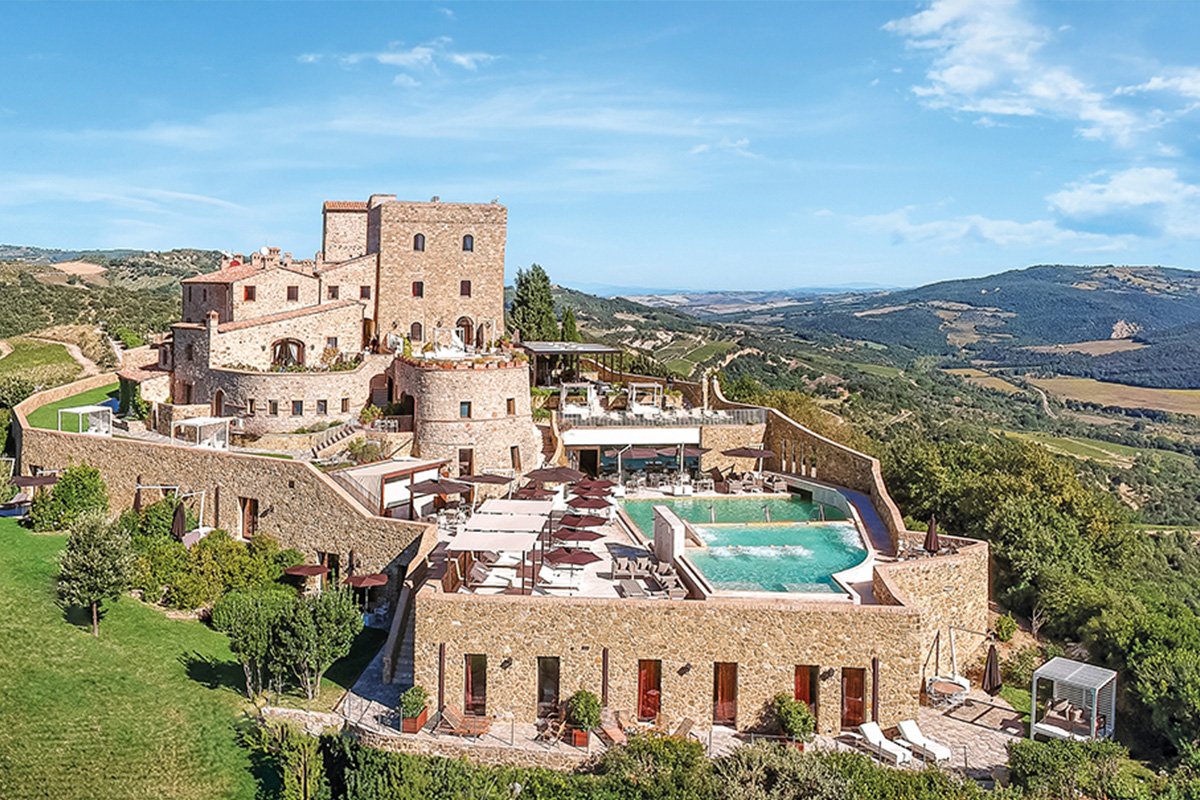
Castello di Velona Resort Thermal SPA & Winery is the stronger cross-shop if spa and winery positioning are central to the decision. Castello Banfi - Il Borgo makes more sense for travelers who want a wine-estate identity baked into the stay. Villa le Prata's case is more about calm, scale, and a refined Montalcino base.
La Bandita Townhouse is the counterpoint for travelers who prefer a town-style stay over countryside quiet. If dinner access and a livelier base matter more than views and seclusion, cross-shop there. If the trip is a special occasion built around Montalcino and Brunello country, Villa le Prata remains the more natural fit.
Around this place
Discover more on Pearl
Unlock the full Villa le Prata guide in Pearl, including awards, comparisons, FAQs, planning details, and nearby places.
Compare Villa le Prata
| Venue | Location | Awards |
|---|---|---|
| Villa le Prata | Montalcino | 2026 Michelin 1 KeyMichelin 1 Key 20252025 Michelin 1 Key2024 Michelin 1 Key |
| Rosewood Castiglion Del Bosco | Montalcino | 2026 Travel + Leisure 100 Favorite Hotels in the World · #82026 World’s 50 Best Hotels 51-100 · #622026 Forbes 5-Star2026 Virtuoso Luxury Hotel Collection2026 Mr & Mrs Smith Luxury Hotels2026 La Liste Top Hotels2026 Michelin 3 KeysMichelin 3 Keys 20252025 Michelin 3 Keys |
| Castiglion del Bosco, A Rosewood Hotel | Montalcino | No published awards |
| Castello di Velona Resort Thermal SPA & Winery | Montalcino | 2026 Virtuoso Luxury Hotel CollectionPreferred Hotels L.V.X. Collection 2025 |
| Castello Banfi - Il Borgo | Montalcino | 2026 Virtuoso Luxury Hotel Collection2026 Relais Chateaux Hotels2026 Michelin 1 Key2025 Michelin 1 Key2025 Relais Chateaux Award2024 Michelin 1 Key |
| La Bandita Townhouse | Pienza | No published awards |









How Villa le Prata Montalcino compares with similar nearby venues.
FAQ
Frequently Asked Questions
How is the pool and spa at Villa le Prata?
Confirm wellness facilities directly before booking. The key facts are that Villa le Prata is in Montalcino, has Michelin 1 Key recognition for 2024, and lists a smart-casual dress code.
Is Villa le Prata good for business travel?
If you need meeting facilities, transfers, or other work-trip services, confirm those directly with Villa le Prata and compare it with other regional options such as La Bandita Townhouse.
Is Villa le Prata family-friendly?
Families should confirm room setup, services, and any child-related policies directly before booking, then compare Villa le Prata with other options such as Castello Banfi - Il Borgo.
Which room category is best at Villa le Prata?
Choose only after checking current room descriptions, availability, and policies directly with Villa le Prata.
How is the dining at Villa le Prata?
Confirm the current offering directly and compare other Montalcino dining options. The key facts are the Montalcino location, Michelin 1 Key recognition for 2024, and a smart-casual dress code.
How does Villa le Prata compare to other regional hotels?
Villa le Prata is a Montalcino property with Michelin 1 Key recognition for 2024. Compare it with Castello Banfi - Il Borgo, Castello di Velona Resort Thermal SPA & Winery, Castiglion del Bosco, A Rosewood Hotel, La Bandita Townhouse, and Rosewood Castiglion Del Bosco based on confirmed services, availability, and the style of stay you want.