


Castello Banfi - Il Borgo
Montalcino
Hotel in Montalcino, Italy
 Book with Pearl
The Read
Castle-Estate Immersion
Why go
Book Castello Banfi - Il Borgo if Montalcino is the focus and a castle-based wine-country stay matters more than town-centre convenience. It is strongest for couples, wine travellers, and families with older children; cross-shop Castello di Velona for spa emphasis and Castiglion del Bosco for larger resort breadth.
About Castello Banfi - Il Borgo
Castello Banfi - Il Borgo is a Montalcino venue with a smart casual dress code and recognition including Michelin 1 Key in 2024, a Relais Chateaux Award in 2026, and Virtuoso Luxury Hotel Partner status in 2026.
Consider Castello Banfi - Il Borgo if you want a Montalcino stay with luxury-hospitality recognition, then compare it against other regional options based on the specific features that matter to your trip. Castello di Velona Resort Thermal SPA & Winery, Castello di Vicarello, Castiglion del Bosco, A Rosewood Hotel, Rosewood Castiglion Del Bosco, and Villa le Prata are natural names to cross-shop.
Book this for confirmed recognition in Montalcino
The clearest reason to put Castello Banfi - Il Borgo on a shortlist is its recognition profile. Michelin 1 Key status in 2024 places it among hotels singled out by Michelin, while the Relais Chateaux Award and Virtuoso Luxury Hotel Partner status in 2026 add further luxury-travel context.
Room categories, dining formats, family services, transport arrangements, and on-property amenities should be confirmed directly with the hotel before finalising plans.
How to decide between this and other regional stays
Use Castello Banfi - Il Borgo as the Montalcino option with Michelin 1 Key recognition, then compare it with Villa le Prata, Rosewood Castiglion Del Bosco, Castiglion del Bosco, A Rosewood Hotel, Castello di Velona Resort Thermal SPA & Winery, and Castello di Vicarello according to your own priorities.
The recognition signal matters, but it should not be stretched beyond what is known. Castello Banfi - Il Borgo has Michelin, Relais Chateaux, and Virtuoso recognition; other practical details such as facilities, service style, room layouts, and dining arrangements should be checked directly rather than inferred.
Know Before You Go
- Good fit: travellers seeking a Montalcino stay with luxury-hospitality recognition.
- Less ideal for: guests who need every feature confirmed before contacting the property.
- Planning note: confirm room, dining, transport, and service details directly before booking.
- Cross-shop: use our hotel coverage, plus our full Montalcino restaurants guide and winery coverage when mapping the trip.
Inside Castello Banfi - Il Borgo
Planning details
- Location
- castello di, 53024 Poggio alle Mura SI
- Website
- banfi.it/eng/hospitality
- Phone
- +39 0577 877700
The take
The Take
The Vibe
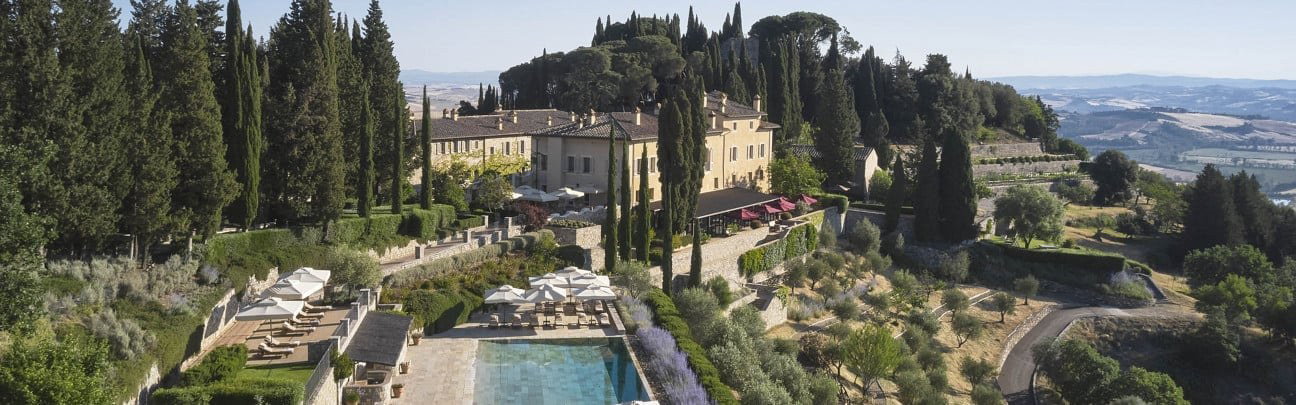
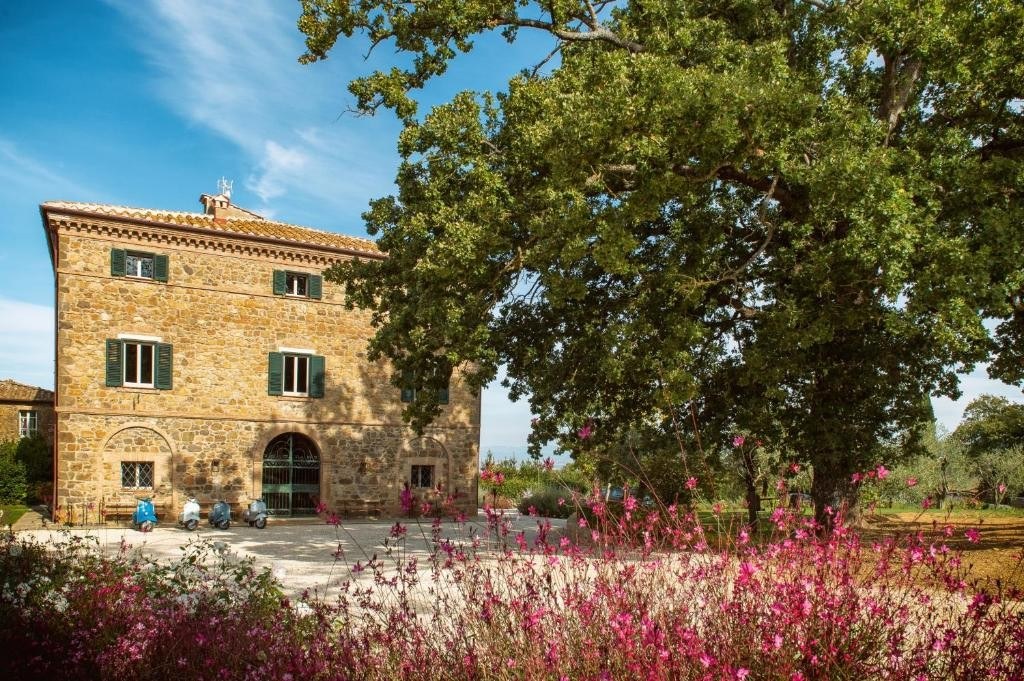
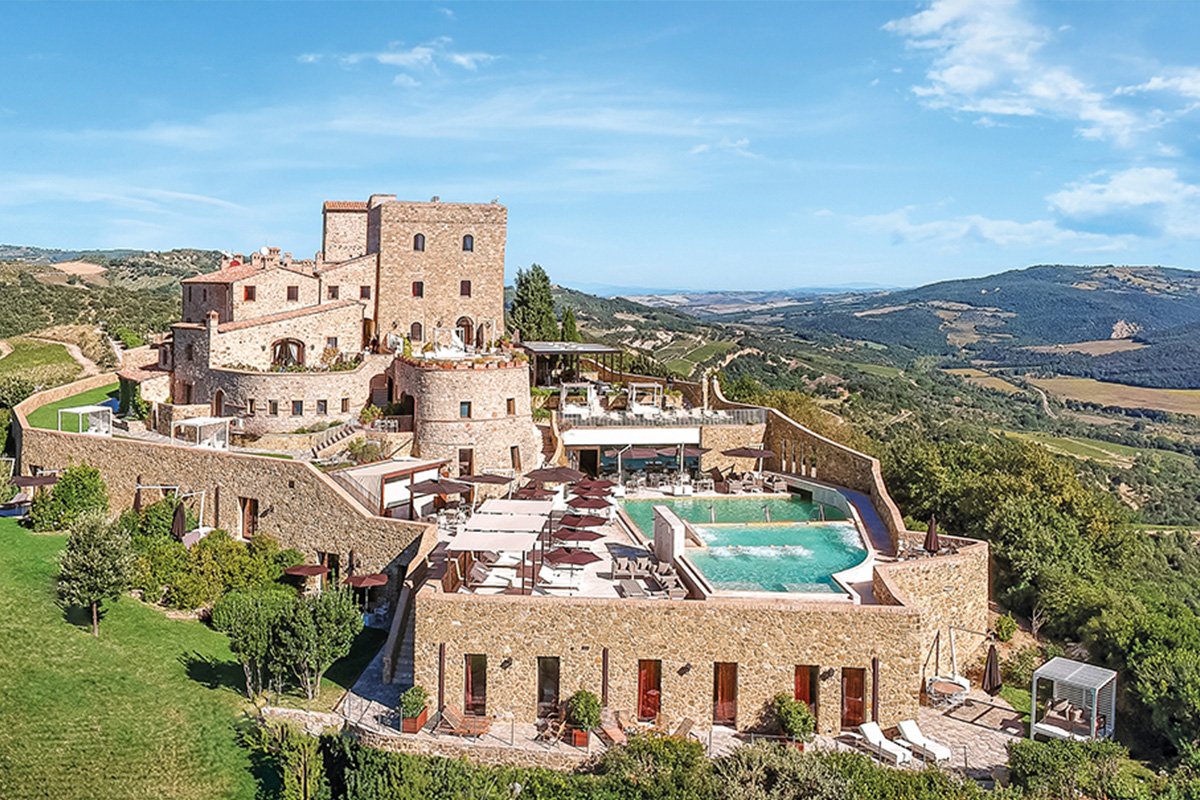
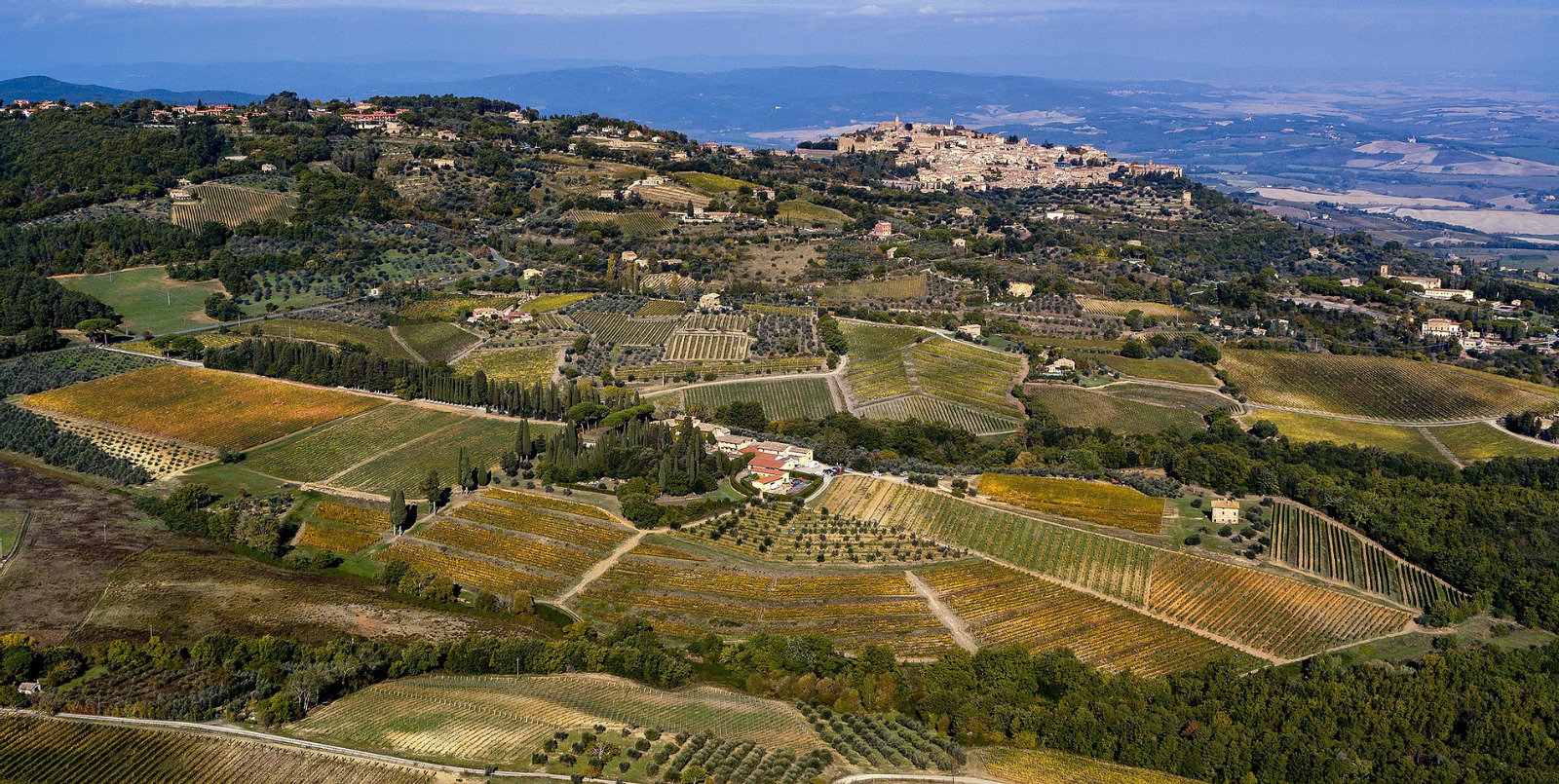
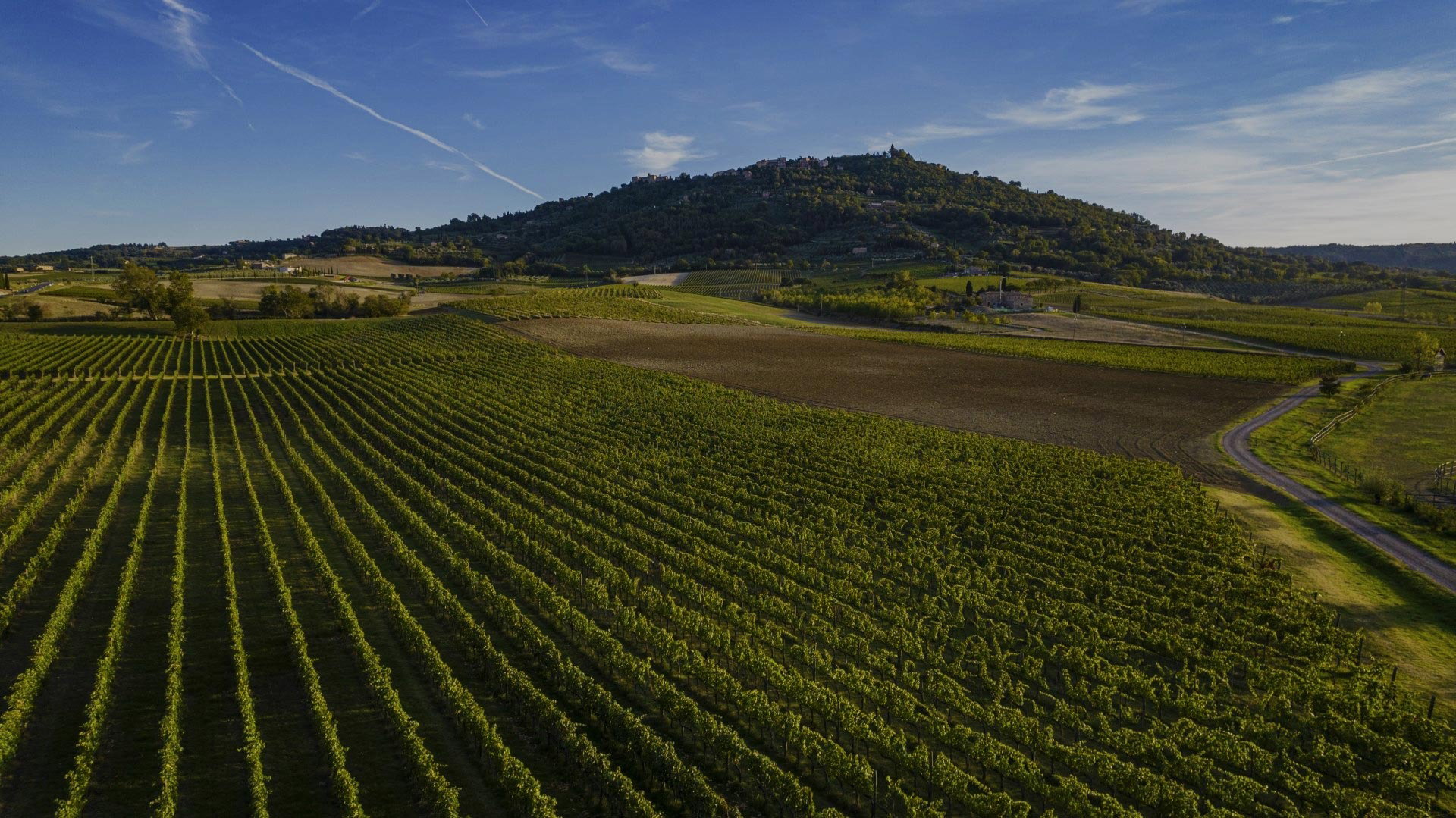
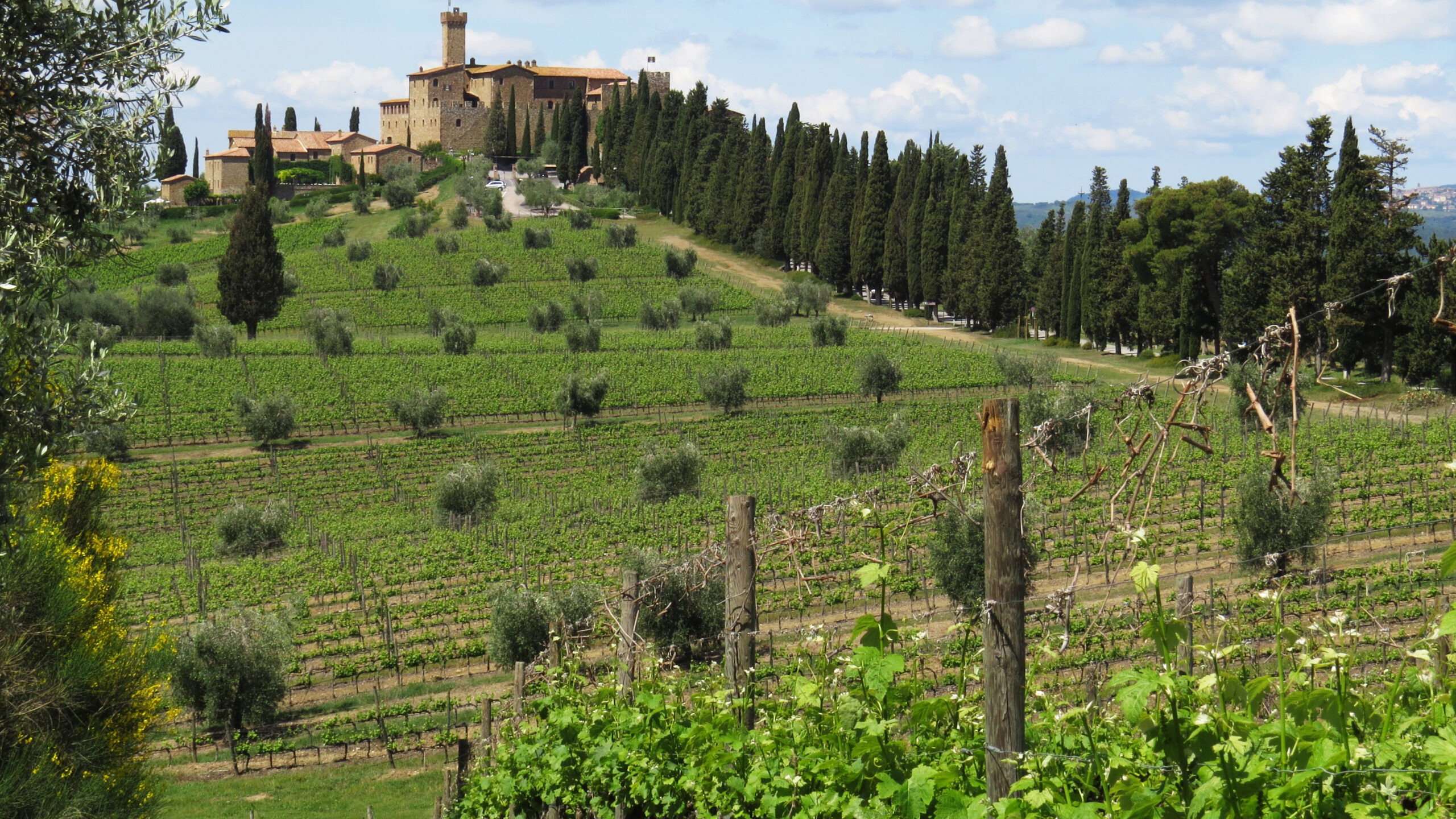
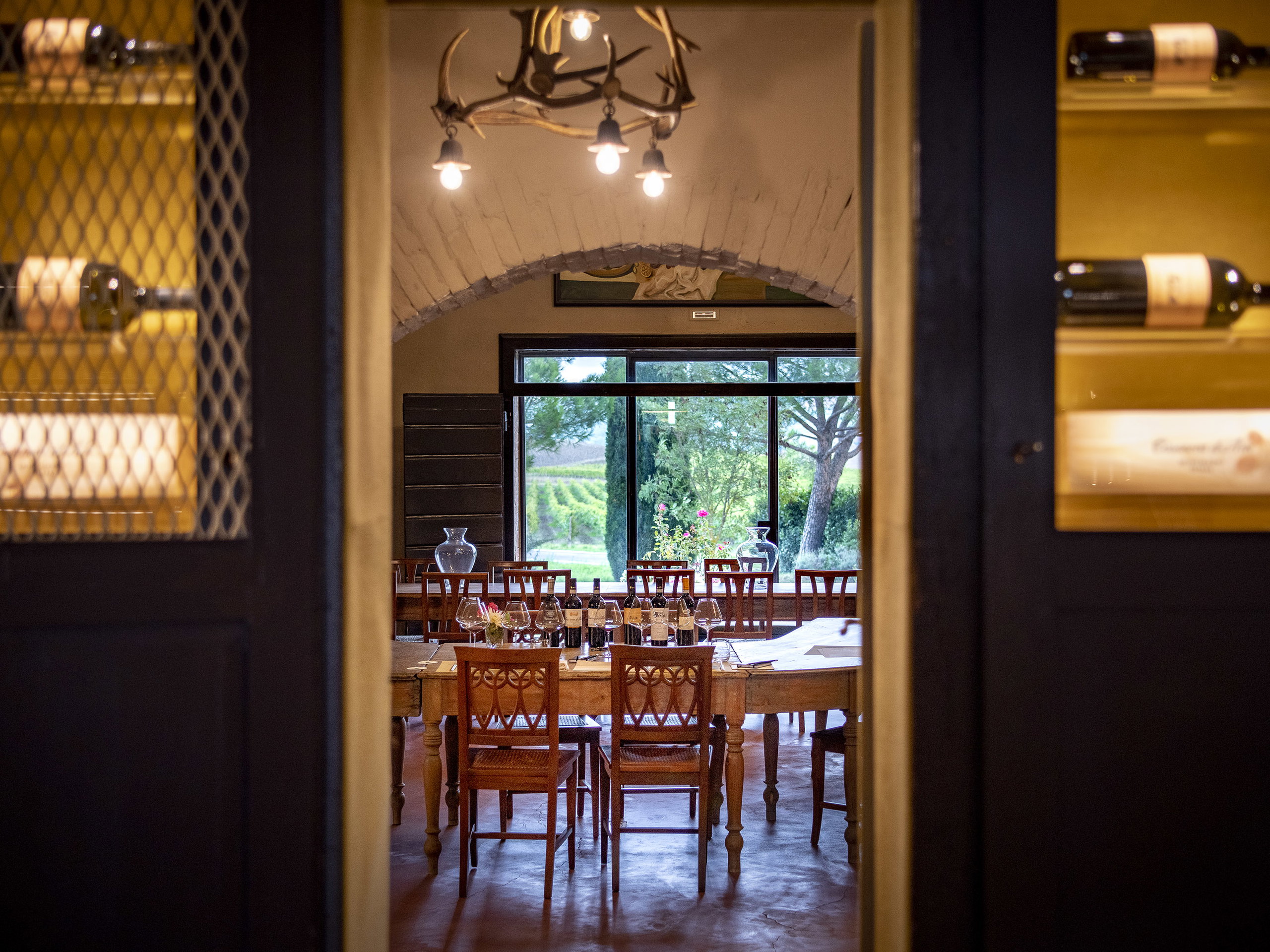
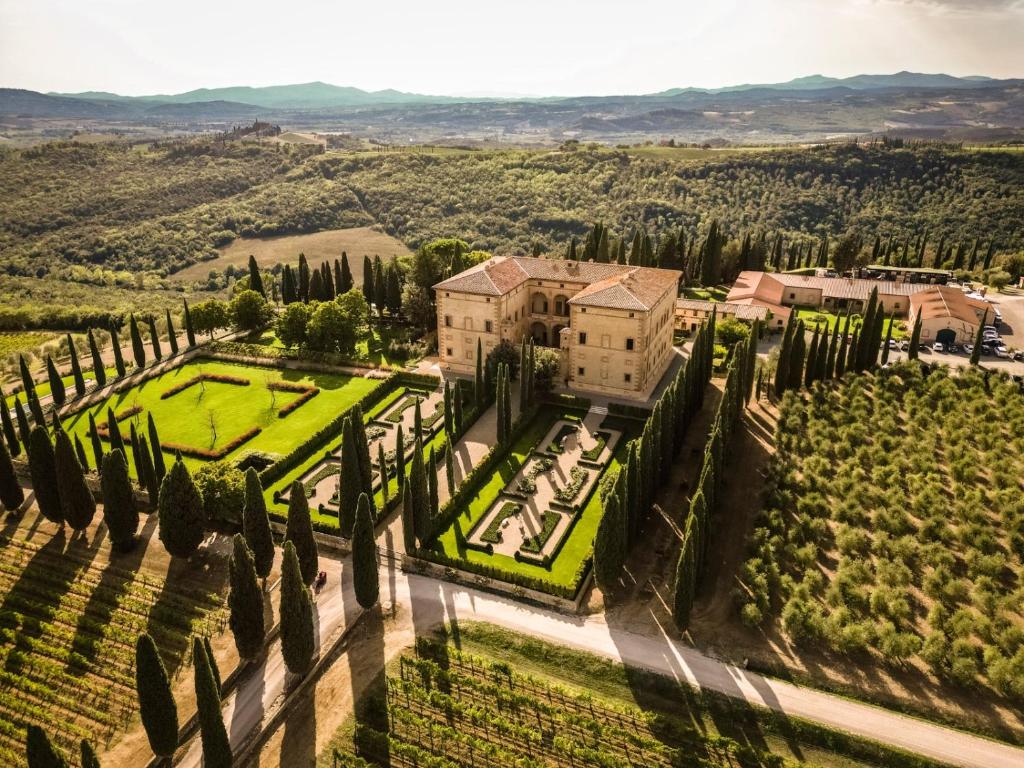
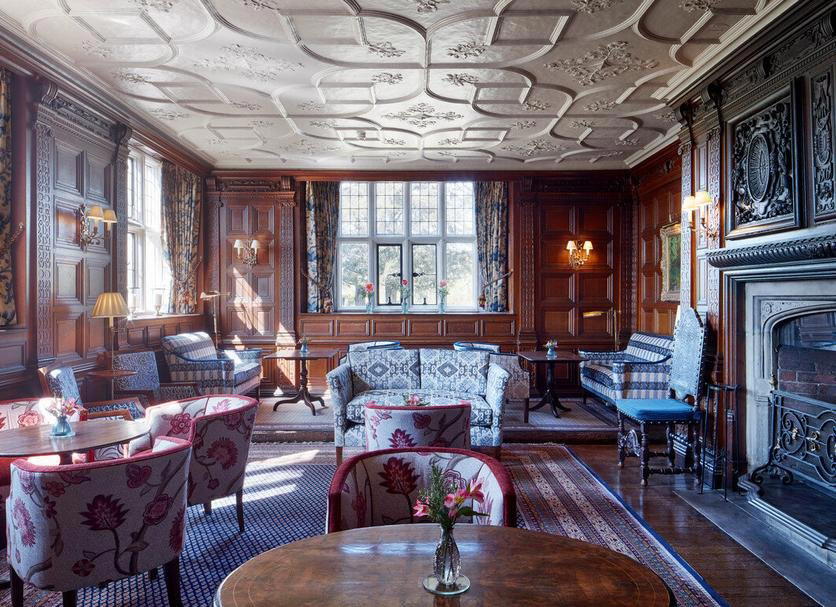
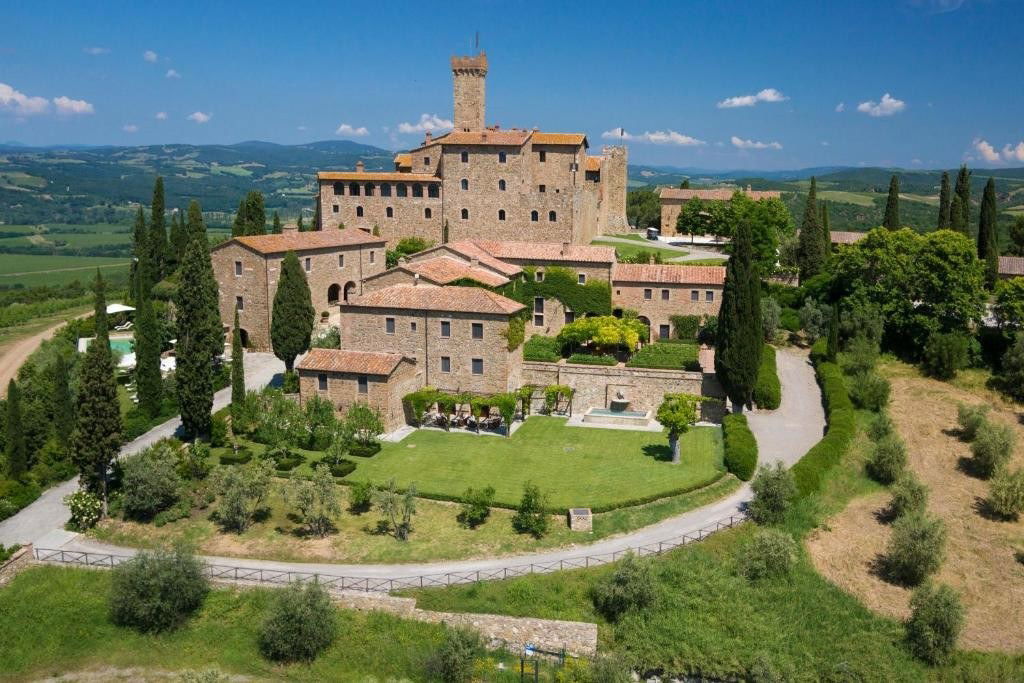
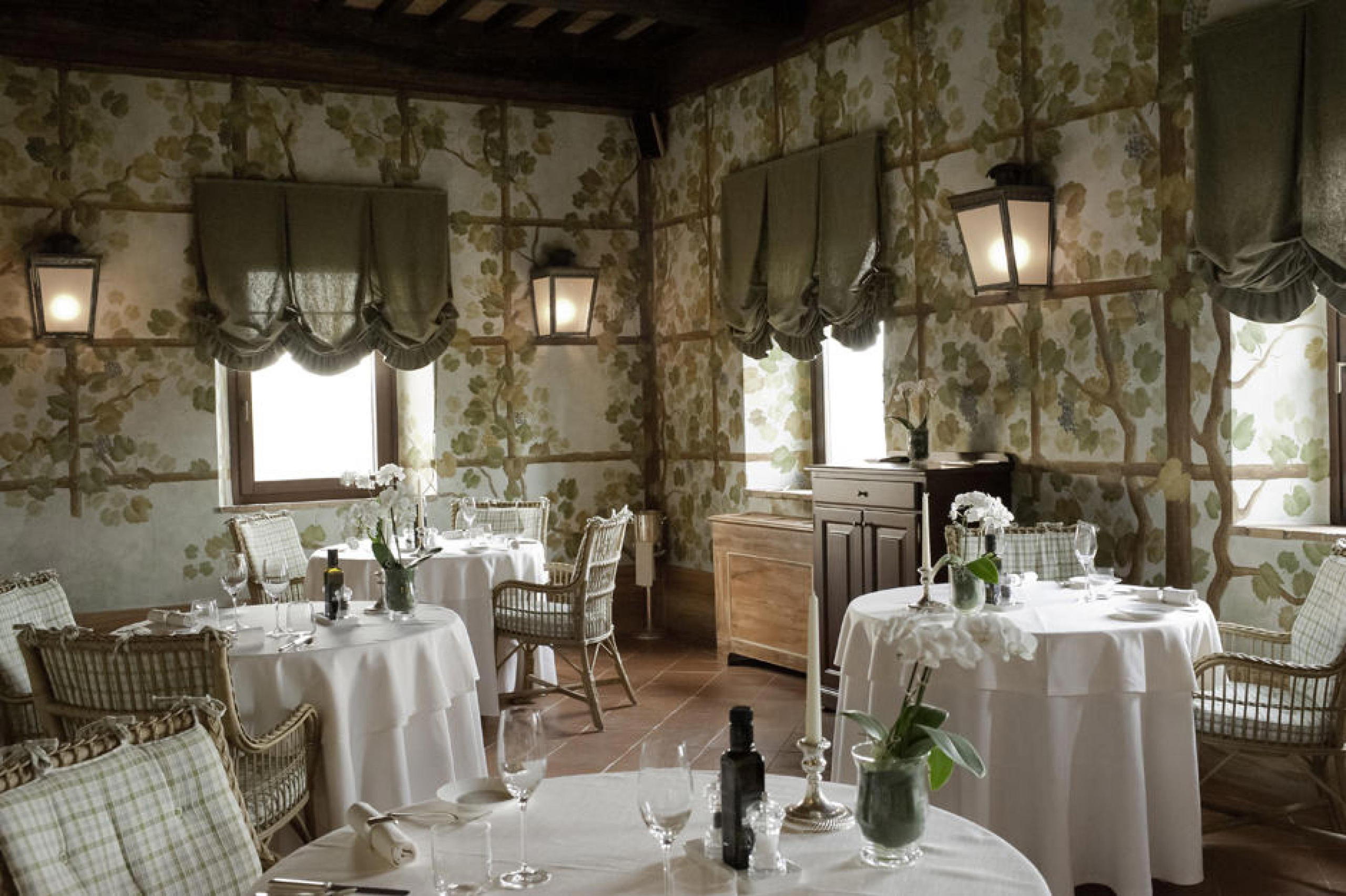
Il Borgo presents as a compact, historically layered estate where original agricultural architecture meets careful restoration. Guests move through terraced Sangiovese vineyards to a medieval fortress that functions as the operational heart of the property; the borgo itself is a cluster of genuine stone buildings converted into a 14-room hotel. Interior details—exposed sandstone arches, vaulted ceilings and heavy timber beams—are authentic structural fabric rather than staged decor, and modern comforts are integrated without undermining the material continuity. The result feels intimate, rooted in place and quietly grand in an unpretentious, age-old way.
Best For
This is a stay for travelers seeking an immersive wine-country experience framed by history and small-scale luxury. With just 14 rooms set in genuine agricultural buildings and a 13th-century castle wing on site, Il Borgo suits couples and small parties looking for a tranquil, intimate escape and anyone interested in wine and regional heritage. The estate’s operational winery and on-site museum make it a natural fit for guests who care about terroir, craft and provenance rather than glossy, modern hotel theatrics. It’s particularly well suited to romantic getaways and short, restorative weekend visits.
Stay Tips
Book well in advance due to the property’s small size: with only 14 rooms the hotel routinely requires early reservations. Ask at booking about access to the estate’s winery operations and the castle’s museum of glass—those features are central to the experience and worth planning around. Because the property is an operational agricultural estate set among terraced vineyards, allow time for walks around the grounds and inquire about any guided vineyard or cellar experiences the estate might offer during your stay.
Venue details
Ambiance
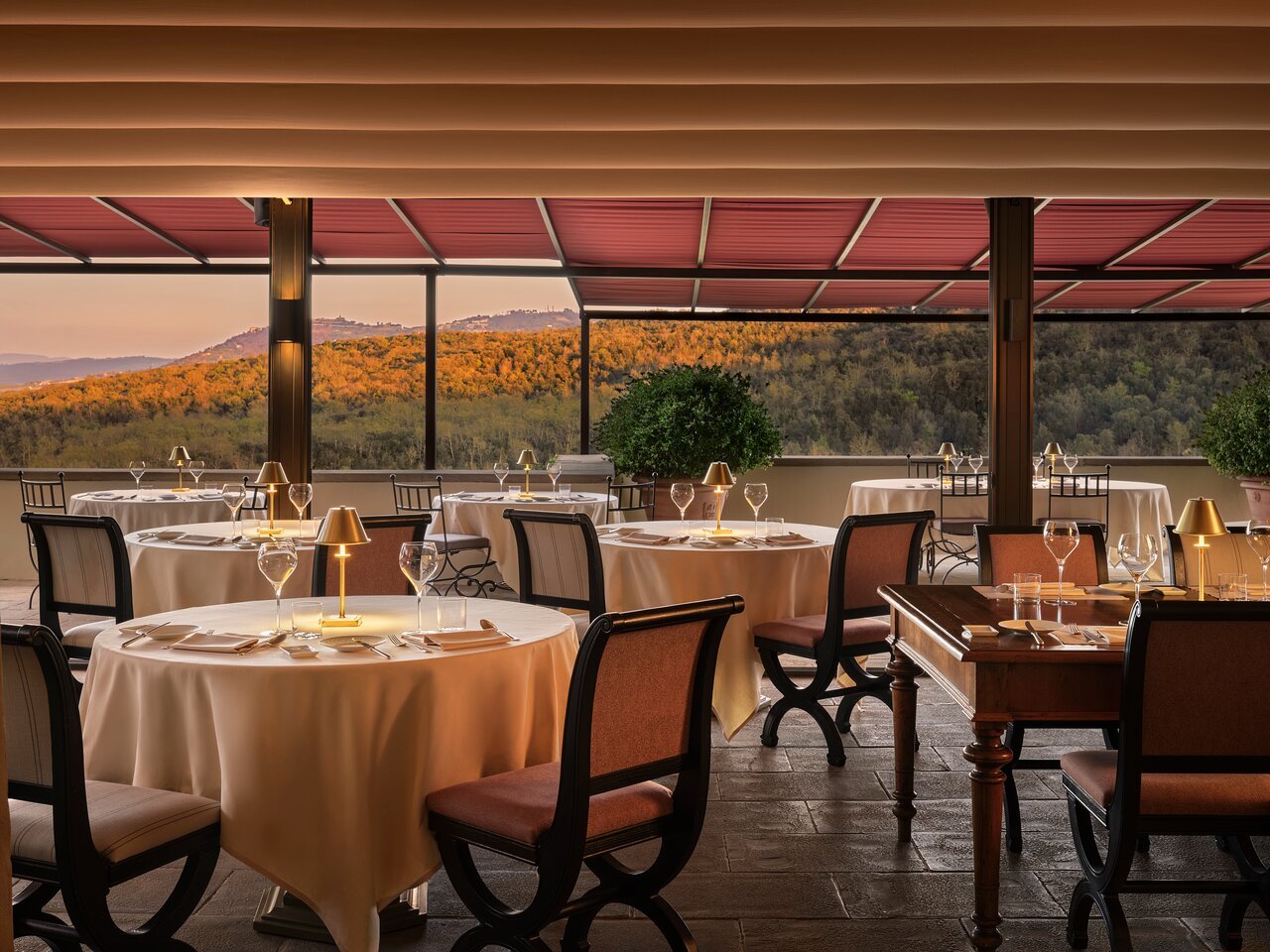
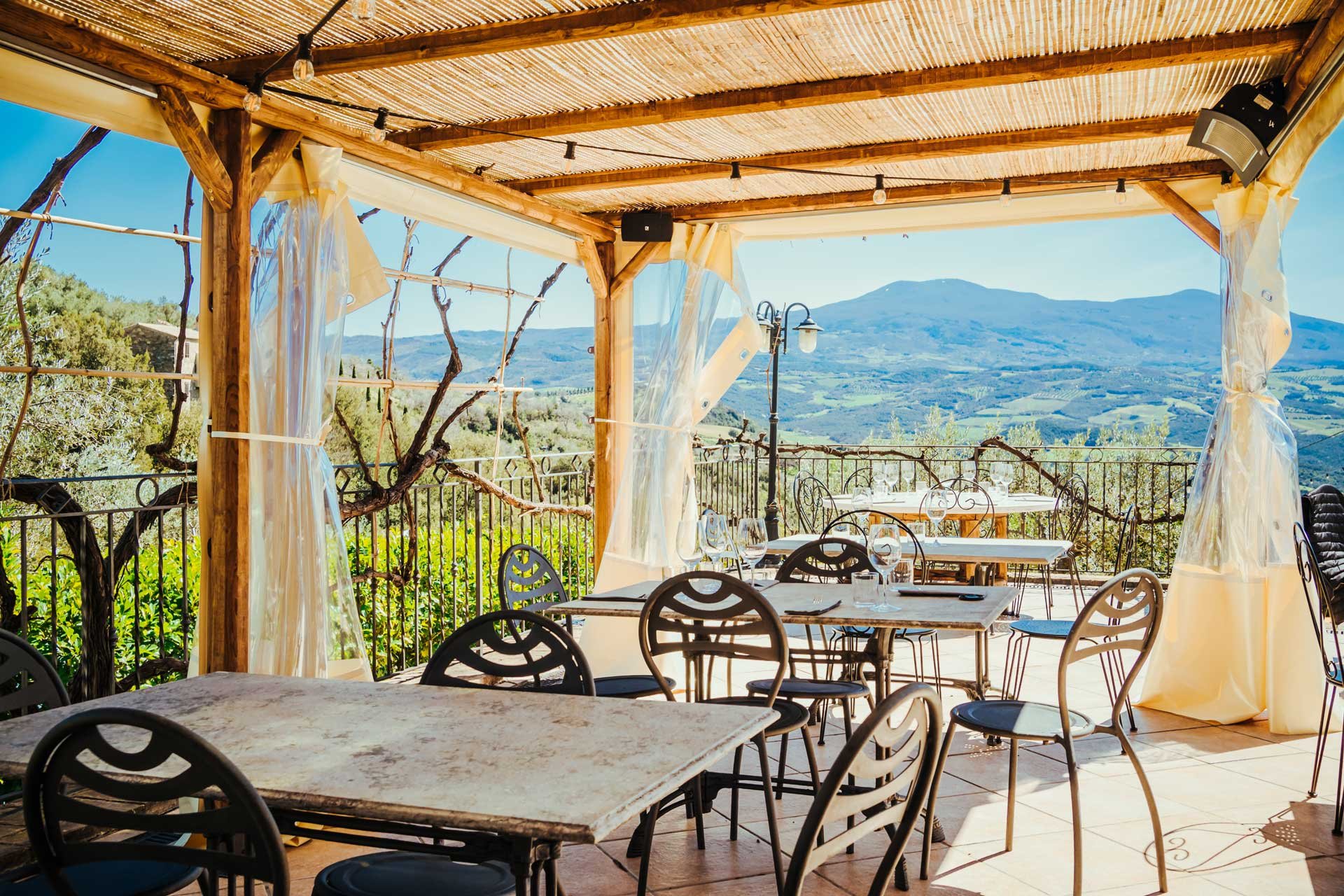
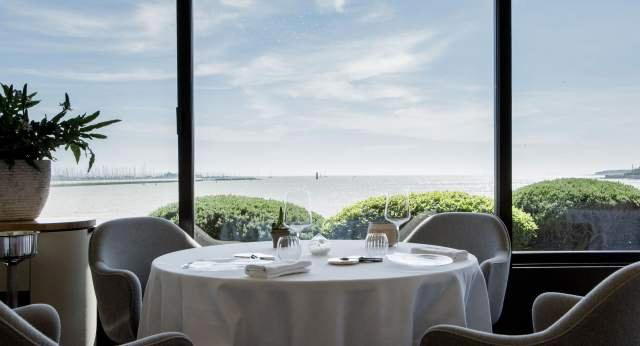
Romantic and peaceful Tuscan atmosphere with stunning vineyard vistas, warm lighting in stone-walled rooms, and an air of elegant rusticity praised for its quiet, captivating serenity.
Tags
Vibe
Best For
Experience
Amenities
View
Accessibility
About the Stay
- Rooms
- 14
- Check-in
- 15:00
- Check-out
- 12:00
- Property Style
- Historic Tuscan Borgo Restored Into a Luxurious Boutique Retreat
- Design Style
- Traditional Tuscan with Individually Furnished Rooms, Antique Elements, and Floral Patterns
Know before you go
Know Before You Go
- Getting there
- castello di, 53024 Poggio alle Mura SI
Planning details
Location
Recognition and awards


Also consider
If this is not the right fit
Pick Castello di Velona Resort Thermal SPA & Winery if spa access is the main reason for the trip. Pick Villa le Prata if the group wants a quieter villa-style base in Montalcino rather than a castle-estate stay.
Hotel context
How It Compares
Castello Banfi - Il Borgo is the practical choice for travellers who want the stay to feel anchored in Montalcino wine country rather than in a generic Tuscan resort format. Villa le Prata is the better cross-shop for a smaller, villa-style stay, while Banfi is stronger when castle setting and wine-estate context carry the booking decision.
Castello di Velona Resort Thermal SPA & Winery is the clearer pick if spa time is central to the trip. Rosewood Castiglion Del Bosco and Castiglion del Bosco, A Rosewood Hotel make more sense for travellers who want broader resort infrastructure and a bigger luxury-hotel footprint.
Castello di Vicarello belongs in the conversation for guests willing to look beyond Montalcino for a more secluded castle-style stay. For a first Montalcino trip, Banfi has the stronger location logic; for a repeat Tuscany trip where quiet retreat matters more than being in the Brunello orbit, Vicarello is the more natural alternative.
Around this place
Discover more on Pearl
Unlock the full Castello Banfi - Il Borgo guide in Pearl, including awards, comparisons, FAQs, planning details, and nearby places.
Compare Castello Banfi - Il Borgo
| Venue | Location | Awards |
|---|---|---|
| Castello Banfi - Il Borgo | Montalcino | 2026 Virtuoso Luxury Hotel Collection2026 Relais Chateaux HotelsMichelin 1 Key 20252025 Michelin 1 Key2025 Relais Chateaux Award2024 Michelin 1 Key |
| Villa le Prata | Montalcino | 2025 Michelin 1 Key2024 Michelin 1 Key |
| Castello di Velona Resort Thermal SPA & Winery | Montalcino | 2026 Virtuoso Luxury Hotel CollectionPreferred Hotels L.V.X. Collection 2025 |
| Rosewood Castiglion Del Bosco | Montalcino | 2026 Travel + Leisure 100 Favorite Hotels in the World · #82026 World’s 50 Best Hotels 51-100 · #622026 Forbes 5-Star2026 Virtuoso Luxury Hotel Collection2026 Mr & Mrs Smith Luxury Hotels2026 La Liste Top HotelsMichelin 3 Keys 20252025 Michelin 3 Keys2025 Forbes 5-Star |
| Castiglion del Bosco, A Rosewood Hotel | Montalcino | No published awards |
| Castello di Vicarello | Cinigiano | 2026 Virtuoso Luxury Hotel Collection2026 Mr & Mrs Smith Luxury Hotels2025 Michelin 1 Key2024 Michelin 1 Key |






How Castello Banfi - Il Borgo Montalcino compares with similar nearby venues.
FAQ
Frequently Asked Questions
How does Castello Banfi - Il Borgo compare to other hotels?
Castello Banfi - Il Borgo has Michelin 1 Key recognition, along with Relais Chateaux Award and Virtuoso Luxury Hotel Partner recognition. Villa le Prata, Castello di Velona Resort Thermal SPA & Winery, Castello di Vicarello, Rosewood Castiglion Del Bosco, and Castiglion del Bosco, A Rosewood Hotel are other names to compare, but specific amenities and service details should be directly with each property.
Is Castello Banfi - Il Borgo good for business travel?
Castello Banfi - Il Borgo has Michelin 1 Key and Virtuoso Luxury Hotel Partner recognition, which may be relevant for some business or client-facing trips. Meeting facilities, transit convenience, work amenities, and business services should be checked directly.
What is check-in like at Castello Banfi - Il Borgo?
Check-in procedures, arrival logistics, parking, transfers, and reception details should be confirmed directly before arrival. Contact Castello Banfi - Il Borgo directly before arrival to confirm the current process in Montalcino.