andBeyond Chobe Under Canvas
Chobe National Park
Hotel in Chobe National Park, Botswana
 Book with Pearl
The Read
Interior Park Immersion
Why go
Book andBeyond Chobe Under Canvas if the priority is a safari-first Chobe stay rather than a resort-style lodge with a deep amenity stack. It suits first-timers who want the park to drive the trip, and business travellers only when work can stay firmly in the background.
About andBeyond Chobe Under Canvas
andBeyond Chobe Under Canvas is a venue in Chobe National Park, with a casual dress code and Preferred Hotels Member recognition for 2025. Travellers should confirm any trip-specific needs directly before booking, especially if they are comparing lodge style, amenities, dining arrangements, or work requirements.
For a first Chobe National Park trip, keep the planning simple: decide whether this venue's Chobe National Park setting matches the purpose of the stay, then confirm the practical details that matter for your itinerary. Do not assume a specific dining format, room count, activity schedule, service style, or amenity list unless those details are confirmed directly for your dates.
Book this for a Chobe National Park stay with casual dress
The positioning is direct: andBeyond Chobe Under Canvas is in Chobe National Park, has a casual dress code, and is listed as a Preferred Hotels Member for 2025. That makes it relevant for travellers specifically considering Chobe National Park, but it does not by itself define the wider stay experience.
If you need a tightly planned itinerary, confirm logistics, meal arrangements, accessibility, work needs, and any special requirements before committing. Use this guide as a starting point rather than a substitute for direct confirmation.
Who should choose it over a river or falls lodge
Choose andBeyond Chobe Under Canvas if your search is centered on Chobe National Park and the basics fit your trip. Travellers comparing different regional styles can also look at Zambezi Queen, Royal Chundu – Luxury Zambezi Lodges, Matetsi Victoria Falls, Toka Leya, and Mukwa River Lodge before deciding.
The practical recommendation is to shortlist it for a Chobe National Park itinerary, then confirm the details needed for your dates. Do not assume specific facilities, dining formats, work amenities, or activity structures unless they are confirmed directly.
Planning details
- Location
- Ngoma Gate Chobe National Park, Botswana
- Website
- go.andbeyond.com/chobe-under-canvas
- Phone
- +27 11 809 4300
The take
The Take
The Vibe
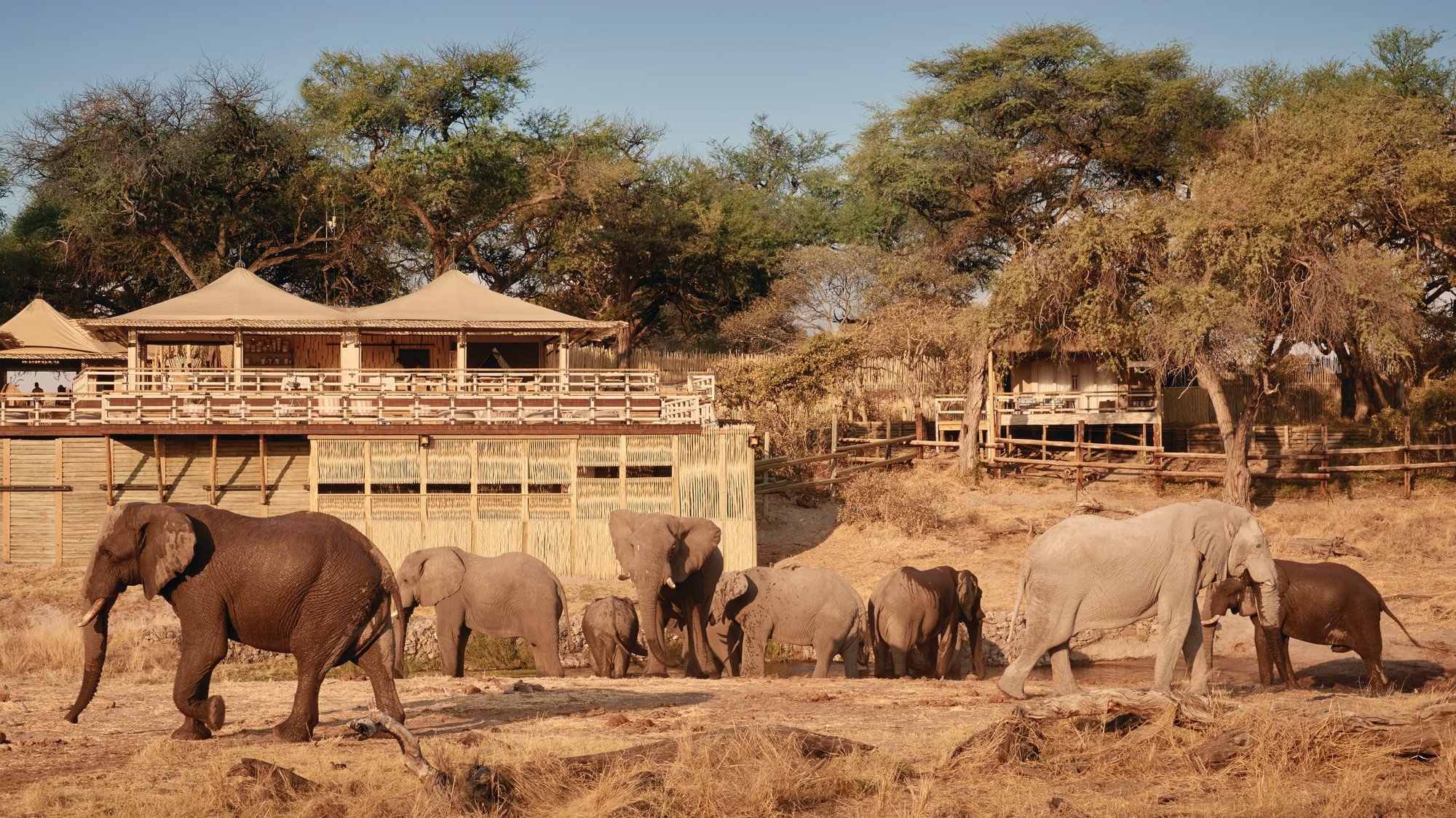
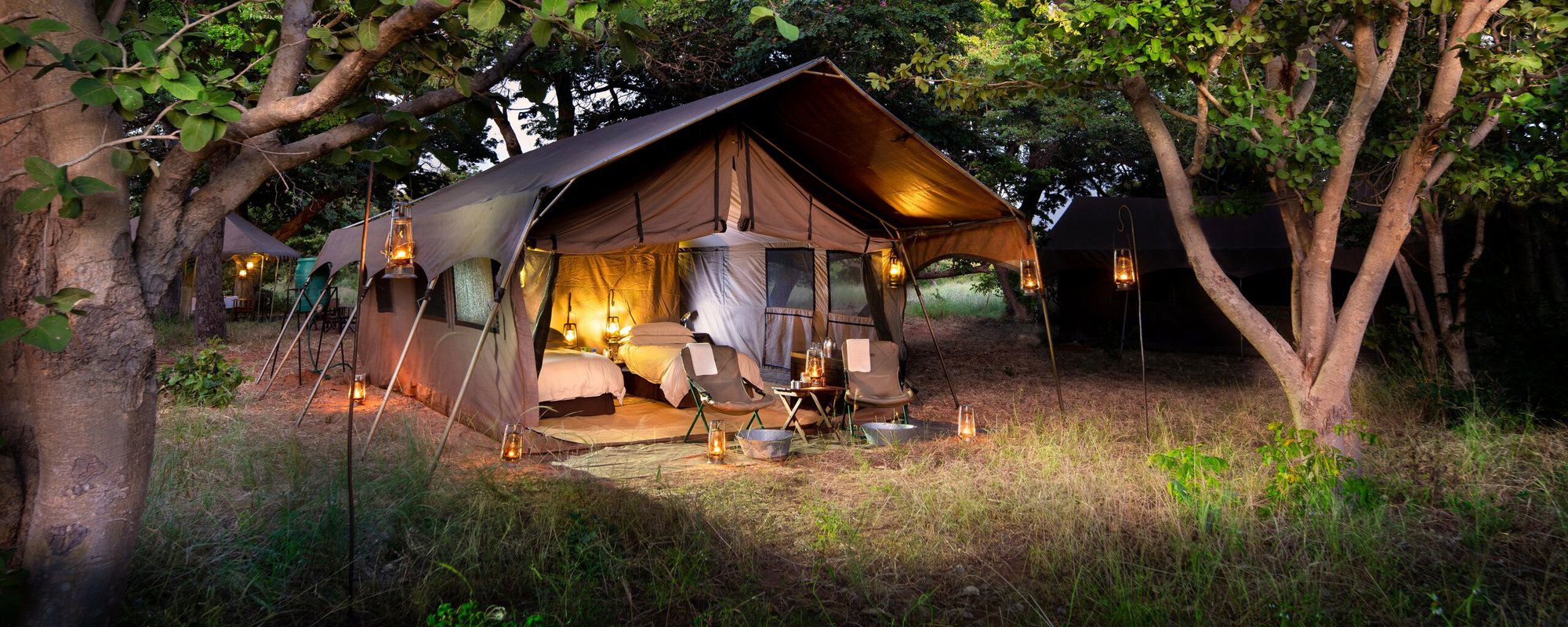
andBeyond Chobe Under Canvas leans into a deliberate architecture of impermanence: canvas walls, a mess tent that anchors the social life, and refined platforms that keep the footprint light. The camp’s tiny scale — just six rooms — magnifies a close, tactile relationship with the surrounding wilderness, so the tent itself becomes a design statement rather than a limitation. The writing frames the property as a counterpoint to permanent lodges with pools and deep wine cellars; here the experience is pared back, intimate and characterful, trading architectural permanence for immediacy and direct encounters with wildlife.
Best For
This camp is best for travelers who prize intimacy and direct immersion in Chobe’s wildlife corridors. With only six tented rooms and a small social mess tent, it caters to couples and small parties seeking a quiet, close-to-nature stay — which explains its appeal for romantic getaways and honeymoons. The reduced scale and lighter footprint also make it a fit for visitors who prefer a more deliberate, low-density safari rhythm rather than the built amenities of larger lodges, making it a distinct weekend escape within the Chobe accommodation spectrum.
Stay Tips
Because andBeyond Chobe Under Canvas is explicitly described as a very small, six-room tented camp, availability is likely limited; plan and book well in advance to secure the dates you want. Embrace the canvas-driven experience the copy emphasizes: expect a tented, platform-based layout and a communal mess tent as the social hub. If proximity to Ngoma Gate or the Chobe River corridor matters for game-viewing plans, mention that preference when you book so the operator can advise on logistics and the camp’s seasonal positioning within the park.
Venue details
Ambiance
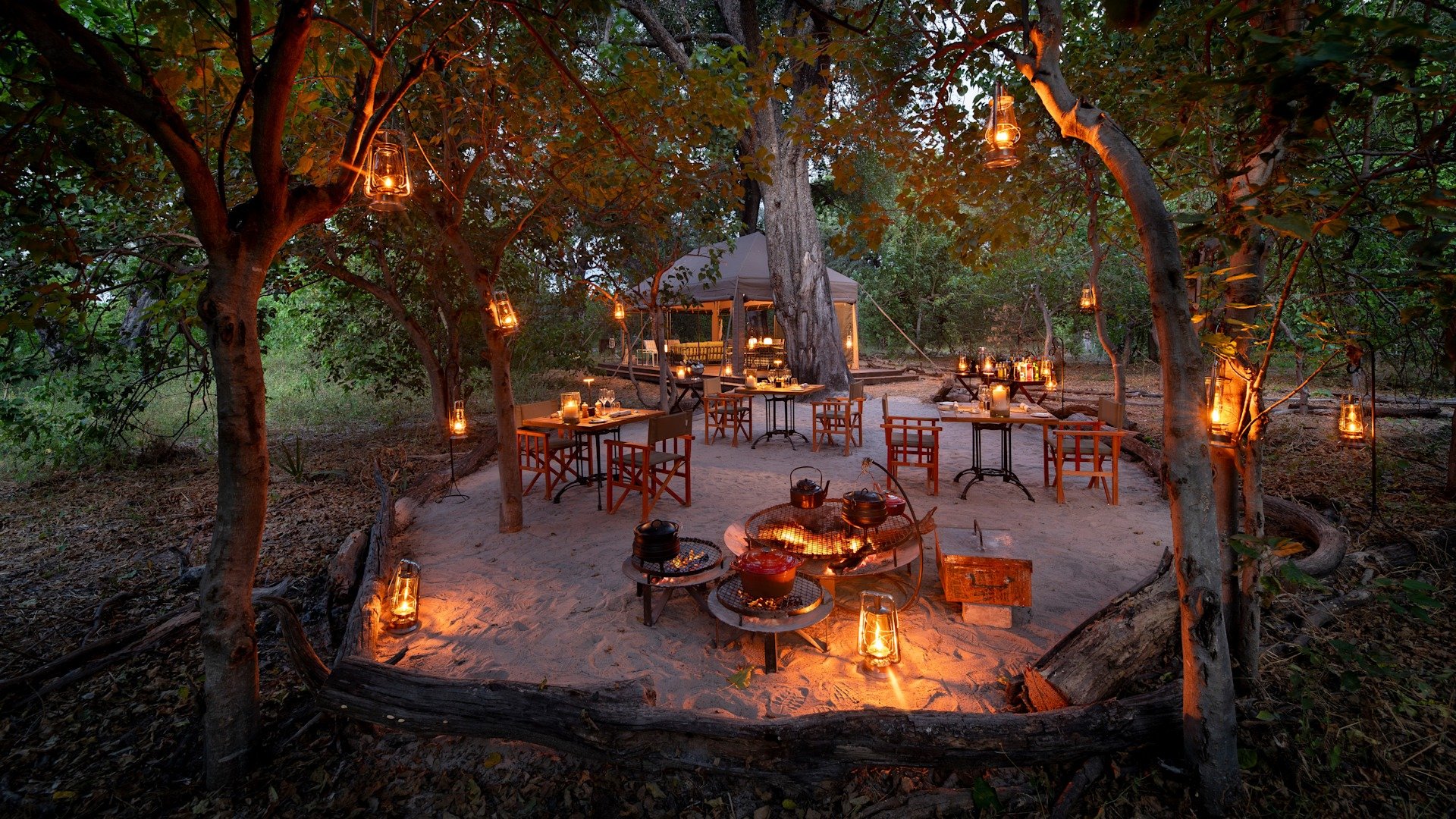
Intimate bush atmosphere with lantern-lit communal dining around a fire, natural sounds of wildlife, and no electricity for a raw nature immersion.
Tags
Vibe
Best For
Experience
Amenities
About the Stay
- Rooms
- 5
- Check-in
- 15:00
- Check-out
- 11:00
- Property Type
- Eco-lodge
- Property Style
- Mobile Luxury Tented Camp Blending Rustic Camping with Five Star Service
- Design Style
- Classic Safari Canvas Tents with Bush Elegance
- Breakfast
- Included
- Airport Transfer
- Available
- Cancellation
- Strict
Know before you go
Know Before You Go
- Getting there
- Ngoma Gate Chobe National Park, Botswana
Planning details
Location
Ngoma Gate Chobe National Park, Botswana · Directions
Recognition and awards
Also consider
Also Consider
- Zambezi Queen, Notable alternative
- Royal Chundu – Luxury Zambezi Lodges, Notable alternative
- Matetsi Victoria Falls, Notable alternative
- Toka Leya, Notable alternative
- Mukwa River Lodge, Notable alternative
Hotel context
Against Zambezi Queen, andBeyond Chobe Under Canvas is the better call for travellers who want the stay to feel land-based and safari-led rather than river-cruise-led. Zambezi Queen is the easier emotional sell for guests who want the Chobe River to define the experience; this is the sharper choice when the camp format is part of the appeal.
Royal Chundu – Luxury Zambezi Lodges, Matetsi Victoria Falls, Toka Leya, and Mukwa River Lodge make more sense for travellers who want a lodge base with broader comfort cues and easier pairing with Victoria Falls or Zambezi River itineraries. They are safer picks for mixed groups where some guests care as much about downtime as wildlife.
For value, compare inclusions carefully rather than judging only by headline rate, because safari pricing often shifts with transfers, guiding, meals, and park logistics. Booking difficulty is marked easy here, so the decision is less about fighting for a room and more about choosing the right style: camp-first in Chobe, or lodge-first around the river and falls circuit.
Explore Chobe National Park
Around this place
Discover more on Pearl
Unlock the full andBeyond Chobe Under Canvas guide in Pearl, including awards, comparisons, FAQs, planning details, and nearby places.
Compare andBeyond Chobe Under Canvas
| Venue | Location | Awards |
|---|---|---|
| andBeyond Chobe Under Canvas | Chobe National Park | Preferred Hotels Member 2025 |
| Zambezi Queen | Chobe River | No published awards |
| Royal Chundu – Luxury Zambezi Lodges | Livingstone | No published awards |
| Matetsi Victoria Falls | Victoria Falls | 2026 Virtuoso Luxury Hotel Collection2026 Mr & Mrs Smith Luxury Hotels2026 La Liste Top Hotels2025 Travel + Leisure 100 Favorite Hotels in the World · #762025 Conde Nast Hotels Gold List |
| Toka Leya | Livingstone | 2026 La Liste Top Hotels |
| Mukwa River Lodge | Livingstone | No published awards |



How andBeyond Chobe Under Canvas compares with similar nearby venues.
FAQ
Frequently Asked Questions
How is the pool and spa at andBeyond Chobe Under Canvas?
Pool and spa details for andBeyond Chobe Under Canvas should be confirmed directly before booking. If those amenities matter, compare broader regional options such as Matetsi Victoria Falls or Royal Chundu – Luxury Zambezi Lodges.
Is andBeyond Chobe Under Canvas family-friendly?
Families considering andBeyond Chobe Under Canvas should confirm age rules, room arrangements, activities, and practical requirements directly before booking, and may also compare Mukwa River Lodge or Toka Leya.
Do loyalty programs work at andBeyond Chobe Under Canvas?
andBeyond Chobe Under Canvas is listed as a Preferred Hotels Member for 2025. Travellers who care about member benefits should still confirm the applicable terms for their dates, while Zambezi Queen may be another regional option to compare for a different style of stay.
How is the location of andBeyond Chobe Under Canvas?
andBeyond Chobe Under Canvas is in Chobe National Park. If location is central to your decision, compare it with other regional options such as Matetsi Victoria Falls while confirming the exact logistics for your itinerary.
How is the dining at andBeyond Chobe Under Canvas?
Confirm the dining format, cuisine, menu, and service style directly with andBeyond Chobe Under Canvas. Toka Leya and Royal Chundu – Luxury Zambezi Lodges can also be compared if dining is a major part of the trip.
How does andBeyond Chobe Under Canvas compare to regional hotels and lodges?
andBeyond Chobe Under Canvas is best evaluated by its Chobe National Park location, casual dress code, and Preferred Hotels Member recognition for 2025. Travellers can compare Zambezi Queen, Matetsi Victoria Falls, Royal Chundu – Luxury Zambezi Lodges, Mukwa River Lodge, or Toka Leya, while confirming details directly for each stay.