



Borgo Santo Pietro
Chiusdino
Hotel in Chiusdino, Italy
 Book with Pearl
The Read
Antiquarian Country House
Why go
Borgo Santo Pietro is a hotel in Palazzetto near Chiusdino, Tuscany.
About Borgo Santo Pietro
For a trip centered on Chiusdino, the question is whether Borgo Santo Pietro should be treated as the main event rather than a simple place to sleep. The profile supports that framing: Borgo Santo Pietro holds Michelin 3 Keys, is a Leading Hotels of the World member, appears in La Liste Top Hotels with 96.5 points, is a Virtuoso Luxury Hotel Partner, and carries the Mr & Mrs Smith Seal of Approval.
That recognition makes the hotel a strong candidate for travelers who want a polished luxury stay in Chiusdino. It is a less obvious fit if the priority is simply finding the most flexible or lowest-commitment base in the area.
Book this when the hotel is the point of the trip
The value case is clearest when the itinerary gives the property enough importance to justify choosing a highly recognized hotel. Borgo Santo Pietro is not best understood as a neutral stopover; it is better treated as a destination stay in Chiusdino for guests who care about hotel credentials and a smart-casual level of polish.
For readers comparing a broader Chiusdino stay, keep the decision anchored in the facts rather than assumptions about specific amenities, menus, or pricing. Borgo Santo Pietro's confirmed recognition is substantial, but current details such as cuisine, dishes, meal formats, and rates should be checked directly before travel.
The right guest is celebrating, not checking boxes
This is a better match for travelers planning around the hotel experience itself than for those trying to minimize time on property. The confirmed accolades and partner affiliations make it especially relevant for a special-occasion trip, while a more practical itinerary may call for a simpler Chiusdino base.
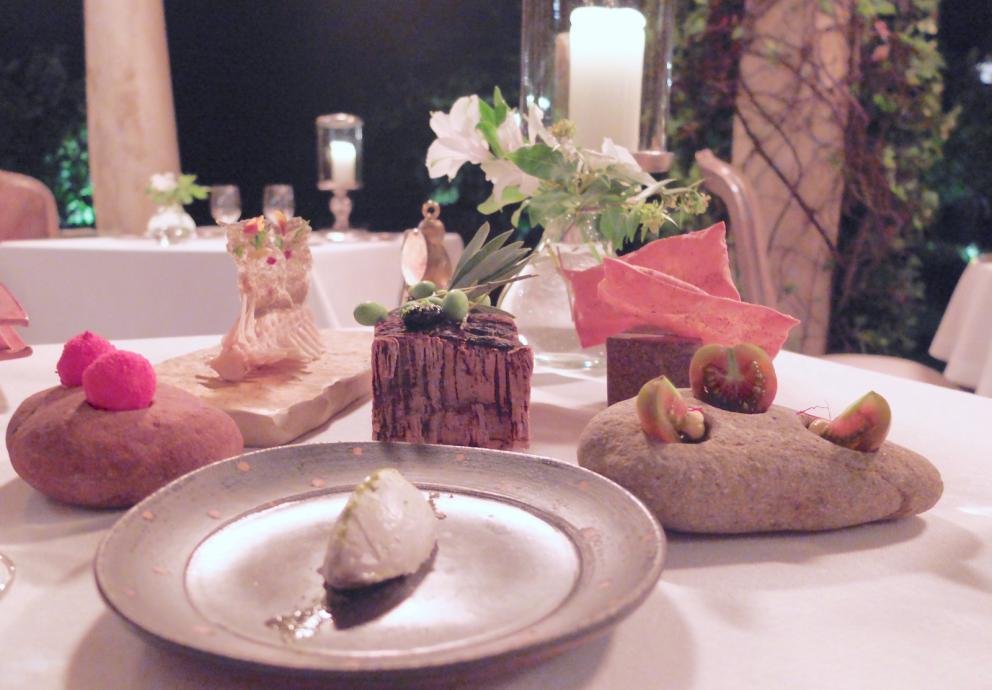
Dining information should be treated carefully when planning. The hotel has serious recognition, but cuisine type, named dishes, and current pricing are not details to assume from the record here. If meals are central to the stay, confirm current arrangements before locking travel plans. For surrounding planning, keep Chiusdino restaurants guide close and compare other Chiusdino dining options generically rather than relying on specifics.
Verdict: book Borgo Santo Pietro when a highly recognized Chiusdino hotel is the purpose of the trip. Skip it if you mainly need a low-commitment base or if your plans depend on assumptions about dining, pricing, or services. The case is strongest when the stay itself matters more than itinerary efficiency.
Inside Borgo Santo Pietro
Planning details
- Location
- Località Palazzetto, 110, 53012 Palazzetto SI
- Website
- borgosantopietro.com
- Phone
- +39 0577 751222
The take
The Take
The Vibe
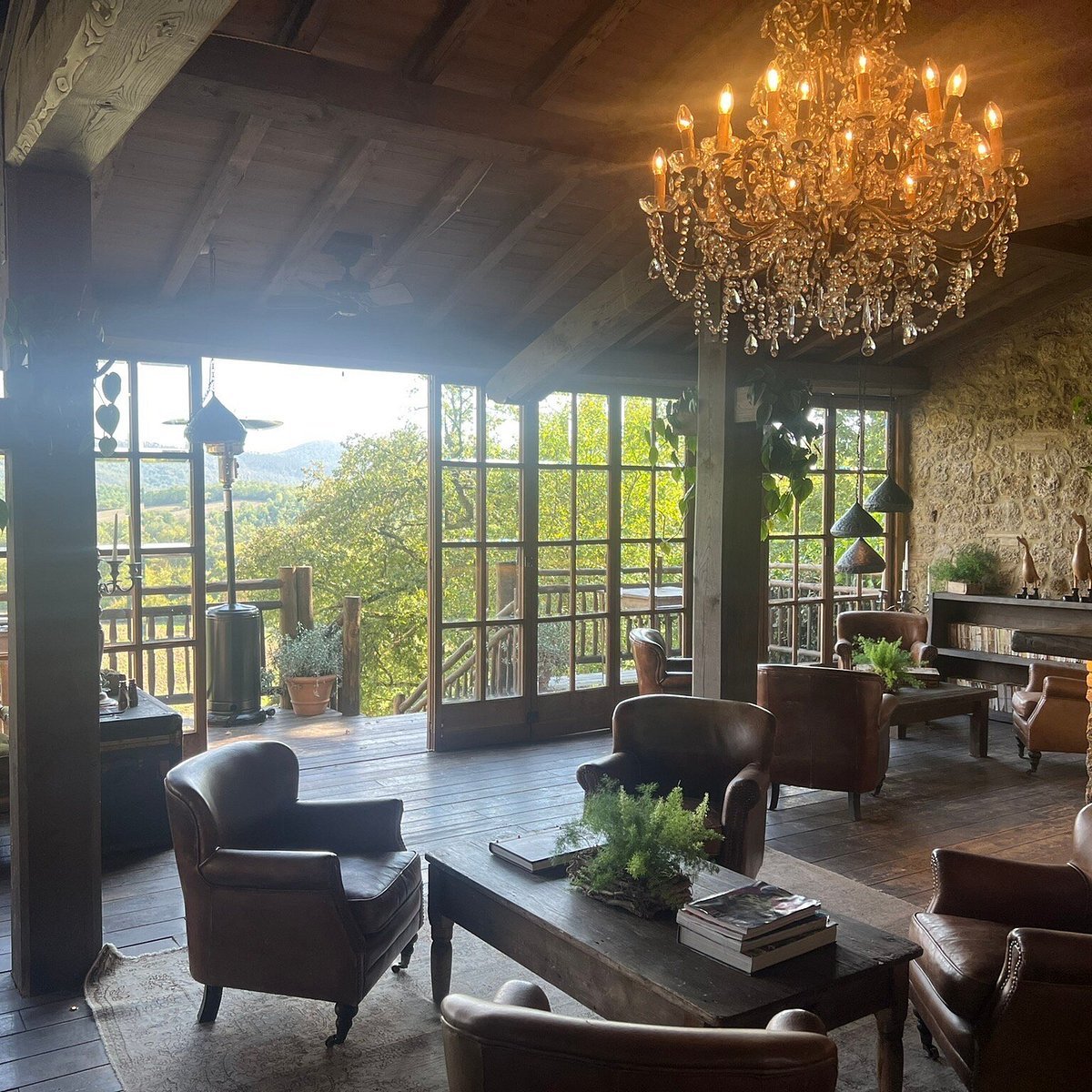
Borgo Santo Pietro presents a quietly assured form of luxury that privileges authenticity over theatricality. Arrival is defined by stillness and the scent of the kitchen garden rather than curated spectacle; an 800-year-old stone villa sits against the Sienese hills and the restoration favors original materials and hand-executed frescoes. Antiques are structurally integrated into rooms rather than displayed as set dressing, so spaces feel lived-in rather than museumified. The property balances preservation with comfort, offering a thoughtful, historically rooted atmosphere where design coherence and the rhythms of working agricultural land shape the guest experience.
Best For
This estate suits travelers who prize calm, history and carefully considered interiors. It is particularly appealing to visitors seeking a restorative rural escape—those who want to be away from busy itineraries and enjoy a slow, sensory connection to place. Couples and small groups who appreciate authenticity in architecture, original fresco work and antiques will find the villa rewarding; similarly, design-minded guests who prefer a coherent restoration to showy set pieces benefit from its approach. The setting also favors guests interested in a quiet base for exploring lesser-known parts of the Sienese countryside.
Stay Tips
Expect a quiet, rural arrival: the approach is an unpaved road across a large estate, so plan timing accordingly. Note the emphasis on the property’s original fabric and artwork—rooms integrate authentic antiques and hand-painted frescoes—so treat interiors as part of the experience rather than staged props. Make time to wander the estate grounds and the kitchen garden, which are prominent in the property's character. If you want local dining suggestions or to situate the hotel within the wider area, consult local Chiusdino restaurant resources referenced by the property before booking activities off site.
Venue details
Ambiance
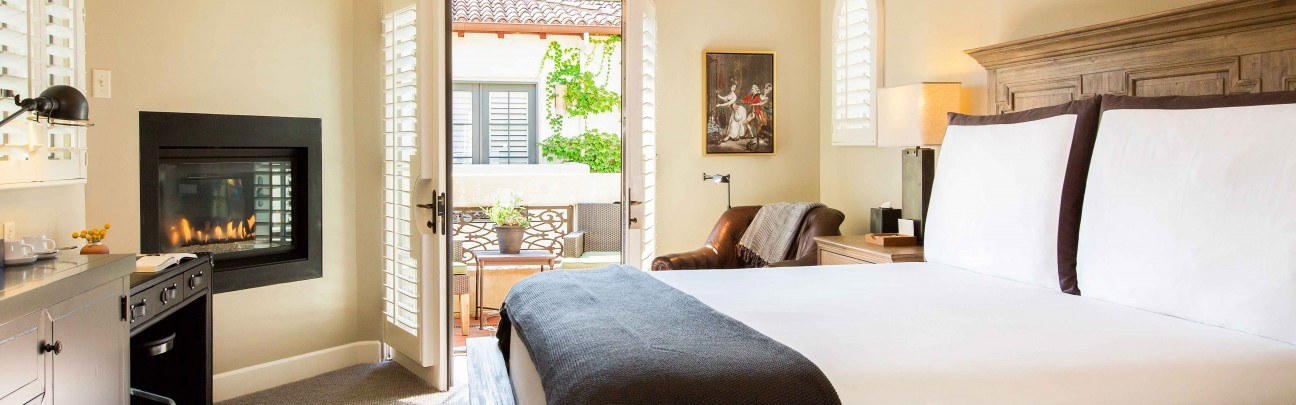
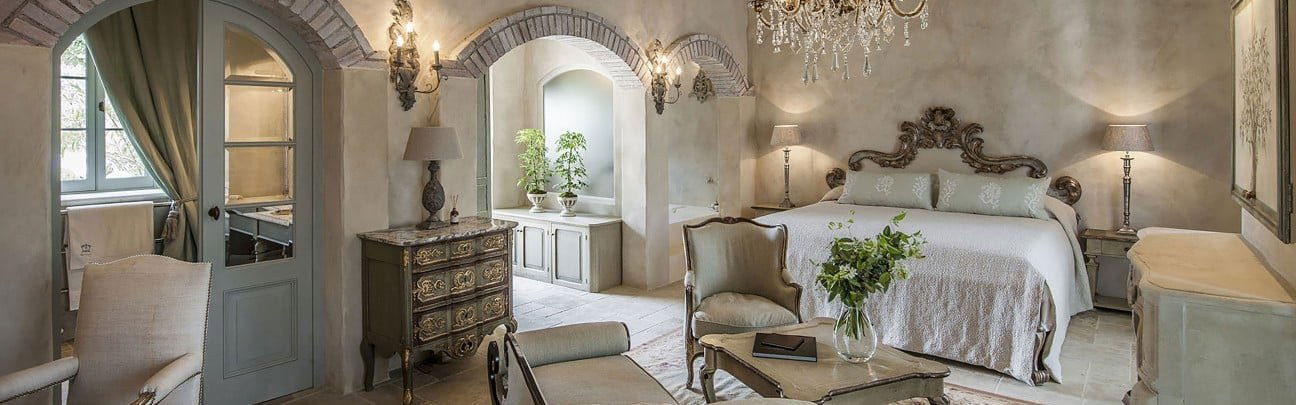
Light-filled airy interiors with exquisite antique furnishings, chandeliers, frescoes, and open fires create a sumptuous, intimate Tuscan farmhouse atmosphere.
Tags
Vibe
Best For
Experience
Amenities
View
About the Stay
- Rooms
- 22
- Property Style
- 800 Year Old Luxury Farmhouse Estate with Organic Farm and Holistic Spa
- Design Style
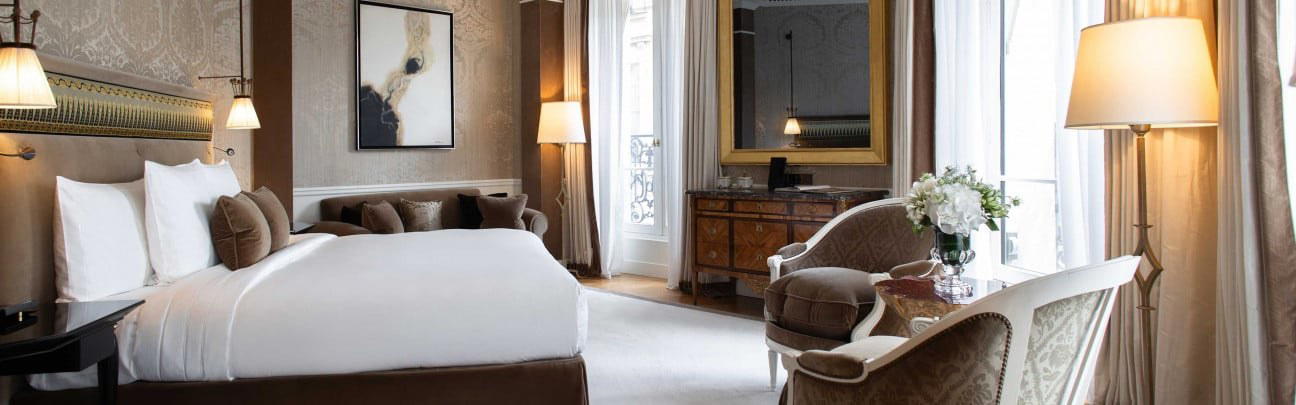
- Classic Tuscan with Antique Art, Bespoke Beds, Chandeliers, Frescoes, and Individually Decorated Interiors
Know before you go
Know Before You Go
- Getting there
- Località Palazzetto, 110, 53012 Palazzetto SI
Planning details
Location



Also consider
Also Consider
- Relais Le Macine di Stigliano, Notable alternative
- Conti di San Bonifacio, Notable alternative
- Castello di Casole, A Belmond Hotel, Tuscany, Notable alternative
- Tenuta Il Cicalino, Notable alternative
- Rosewood Castiglion Del Bosco, Notable alternative
Hotel context
How Borgo Santo Pietro compares in the Chiusdino area
Choose Borgo Santo Pietro when experience quality matters more than booking ease or nightly efficiency. Against Relais Le Macine di Stigliano and Tenuta Il Cicalino, it is the more occasion-driven choice: better for a major celebration, less sensible for travelers who mainly need a countryside base.
Castello di Casole, A Belmond Hotel, Tuscany and Rosewood Castiglion Del Bosco are the closest cross-shops for readers who want a polished Tuscan resort stay with major-brand reassurance. Borgo Santo Pietro is the pick if the draw is a more self-contained rural escape; the Belmond and Rosewood options are safer if brand predictability and broader resort infrastructure matter more.
Conti di San Bonifacio is the practical alternative for travelers who want countryside atmosphere without making the hotel the entire point of the trip. If Borgo Santo Pietro is unavailable, cross-shop Castello di Casole first for a similarly serious celebration stay, then Rosewood Castiglion Del Bosco if the priority is a more established luxury-resort frame.
Explore Chiusdino
Around this place
Discover more on Pearl
Unlock the full Borgo Santo Pietro guide in Pearl, including awards, comparisons, FAQs, planning details, and nearby places.
Compare Borgo Santo Pietro
| Venue | Location | Awards |
|---|---|---|
| Borgo Santo Pietro | Chiusdino | 2026 Virtuoso Luxury Hotel Collection2026 Mr & Mrs Smith Luxury Hotels2026 La Liste Top HotelsLeading Hotels of the World 2026Michelin 3 Keys 20252025 Michelin 3 Keys2024 Michelin 1 Key |
| Relais Le Macine di Stigliano | Sovicille | No published awards |
| Conti di San Bonifacio | Gavorrano GR | 2025 Michelin 1 Key2024 Michelin 1 Key |
| Castello di Casole, A Belmond Hotel, Tuscany | Casole d'Elsa | 2026 Forbes 4-Star2026 Virtuoso Luxury Hotel Collection2026 La Liste Top Hotels2025 Michelin 2 Keys2025 Forbes 4-Star2024 Michelin 2 Keys |
| Tenuta Il Cicalino | Massa Marittima | No published awards |
| Rosewood Castiglion Del Bosco | Montalcino | 2026 Travel + Leisure 100 Favorite Hotels in the World · #82026 World’s 50 Best Hotels 51-100 · #622026 Forbes 5-Star2026 Virtuoso Luxury Hotel Collection2026 Mr & Mrs Smith Luxury Hotels2026 La Liste Top HotelsMichelin 3 Keys 20252025 Michelin 3 Keys2025 Forbes 5-Star |






How Borgo Santo Pietro Chiusdino compares with similar nearby venues.
FAQ
Frequently Asked Questions
When is the best time to book Borgo Santo Pietro?
If your dates are fixed, check availability early and confirm current policies directly with the hotel. Borgo Santo Pietro's Michelin 3 Keys status and luxury-hotel affiliations make it the kind of stay many travelers plan around rather than treat as an afterthought.
Do loyalty programs work at Borgo Santo Pietro?
Borgo Santo Pietro is a Leading Hotels of the World member and a Virtuoso Luxury Hotel Partner. Because benefits can depend on channel, rate, and dates, confirm the current booking terms before paying. If hotel affiliation is a major factor, compare the confirmed booking value against Rosewood Castiglion Del Bosco or Castello di Casole, A Belmond Hotel, Tuscany.
Where is Borgo Santo Pietro?
Borgo Santo Pietro is in Chiusdino. Specific street-address details are not included in the record here, so confirm arrival instructions directly with the hotel before travel.