



Casa di Langa
Cerretto Langhe
Hotel in Cerretto Langhe, Italy
 Book with Pearl
The Read
Alta Langa Hilltop Retreat
Why go
Casa di Langa is a strong Langhe pick for couples, celebrations, and wine-country stays where calm setting and polished service matter more than being in a village center. Recent luxury-hotel recognition supports the splurge case, and booking difficulty is marked easy, making it a safer choice for fixed-date Piedmont trips.
About Casa di Langa
Casa di Langa is a hotel in Cerretto Langhe for travelers who want a stay backed by strong hotel credentials. It is recognized in Preferred Hotels L.V.X. Collection, La Liste Top Hotels 2026 with 94 points, Virtuoso Luxury Hotel Partner, Mr & Mrs Smith Seal of Approval, and MICHELIN Guide, Hotels Selected.
Casa di Langa has hotel recognitions and a smart casual dress code. Details such as specific amenities, dining format, pricing, and room recommendations should be checked directly with the property before booking.
A Cerretto Langhe hotel to evaluate on its credentials
Consider Casa di Langa if the trip is centered on staying in Cerretto Langhe and you want a hotel with outside recognition from established travel and hotel guides. If your plans depend on a specific restaurant, spa treatment, room feature, or transport setup, confirm those details with the hotel rather than relying on secondary descriptions.
For planning around the area, use the broader Cerretto Langhe hotel context first, then pair it with Our full Cerretto Langhe restaurants guide if dining plans matter. That approach is more useful than treating the hotel as a stand-alone booking, especially for a trip where timing and logistics matter.
Who should book it, and who should cross-shop
Casa di Langa makes the clearest case for guests who want a Cerretto Langhe hotel with outside validation. Its recognitions include Preferred Hotels L.V.X. Collection, La Liste Top Hotels 2026 with 94 points, Virtuoso Luxury Hotel Partner, Mr & Mrs Smith Seal of Approval, and MICHELIN Guide, Hotels Selected.
Cross-shop if you are still comparing the overall feel of the stay. Tenuta Bricchi, Il Boscareto Resort, Relais Villa d'Amelia, Arborina Relais, and Palas Cerequio Barolo Cru Resort are useful names to compare alongside Casa di Langa, depending on the broader route and the kind of hotel experience you want.
Inside Casa di Langa
Planning details
- Location
- Località Talloria 1, 12050 Cerretto Langhe CN
- Website
- casadilanga.com
- Phone
- +39 0173 520520
The take
The Take
The Vibe
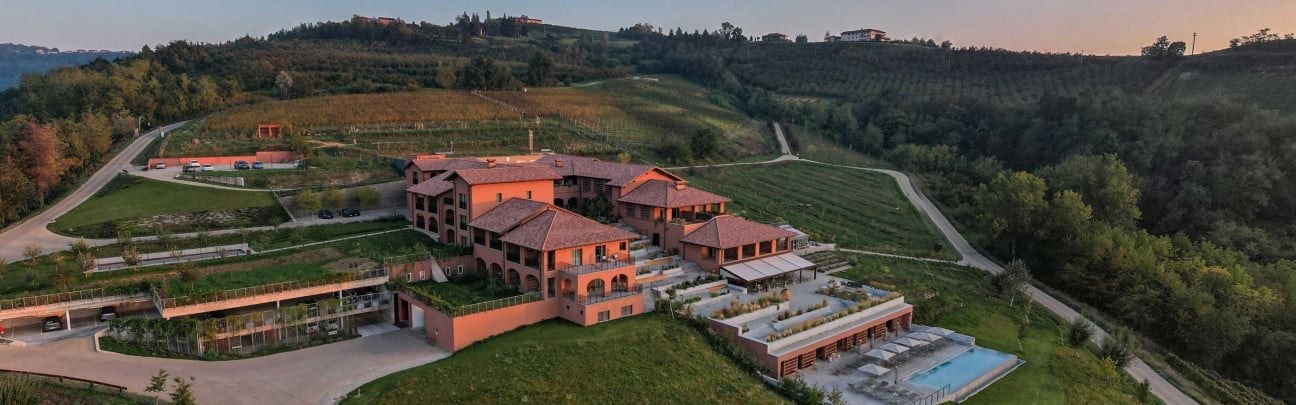
Casa di Langa presents a quietly refined expression of Piedmontese country life, where rough-cut local stone and broad timber beams meet contemporary restraint. The architecture foregrounds the working landscape: vineyards and natural terrain are legible parts of the composition rather than decorative backdrops. Interiors and external arrangements are restrained and serene, letting the hill views and agricultural textures set the tone. The result is a rustic, charming retreat that feels embedded in its place—a modern intervention that reads like an estate that has always belonged to these hills, favoring material honesty over theatricality.
Best For
This is a destination for travelers who want immersion in wine country without sacrificing considered design. It suits couples on romantic getaways and honeymoons, guests seeking a quiet wellness-style retreat, and travelers using the property as a base for exploring Barolo, Barbaresco and Alta Langa. With 42 hectares of working vineyards, it also appeals to people interested in wine-focused itineraries and education. Scale and landscape matter here, so the hotel works best for visitors who value panoramas, slow mornings and day trips through the surrounding appellations rather than urban nightlife.
Stay Tips
When booking, prioritize rooms described as facing the hills or with the clearest panorama—rooms are intentionally positioned to open onto the landscape, so orientation makes a material difference to the stay. Treat Casa di Langa as a base for exploring nearby appellations: plan day trips to Barolo and Barbaresco in advance to make the most of the location. Because the property emphasizes a working estate rather than resort-style programming, expect a calm, design-forward atmosphere and book well ahead for peak season to secure preferred room locations and travel logistics.
Venue details
Ambiance
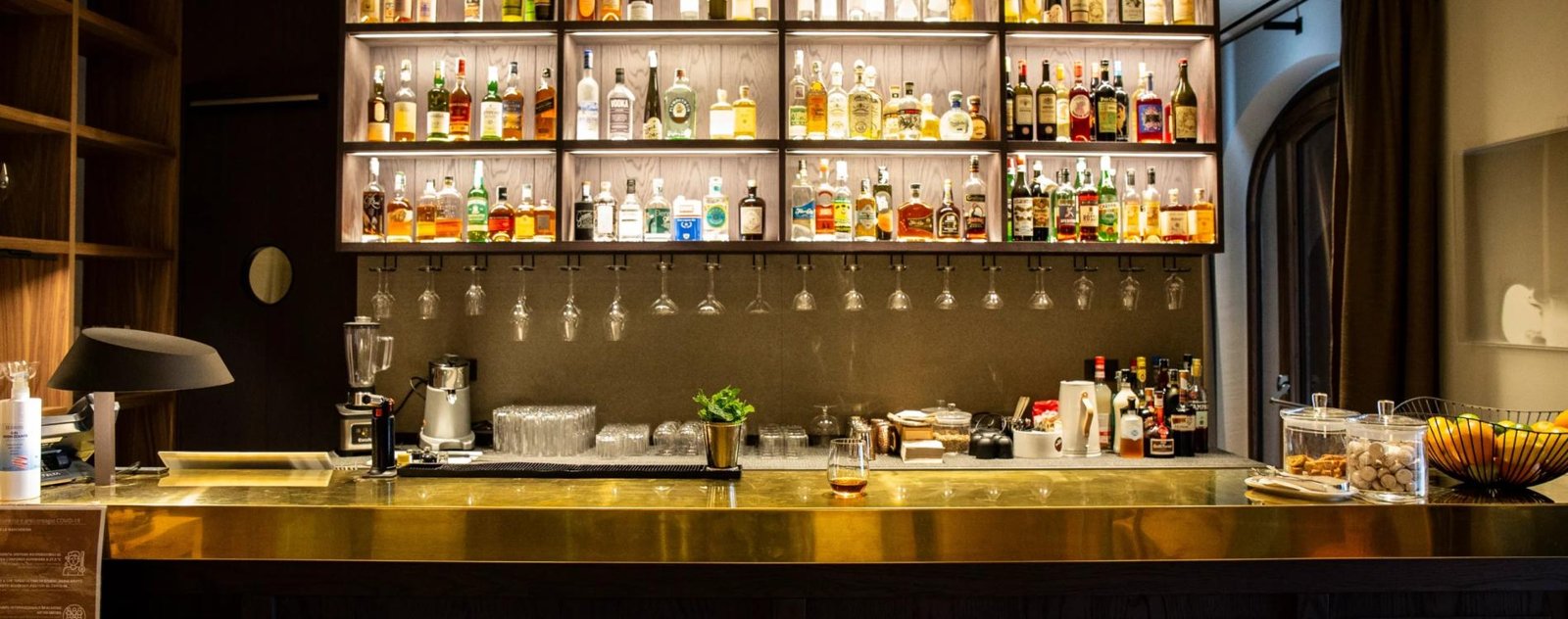
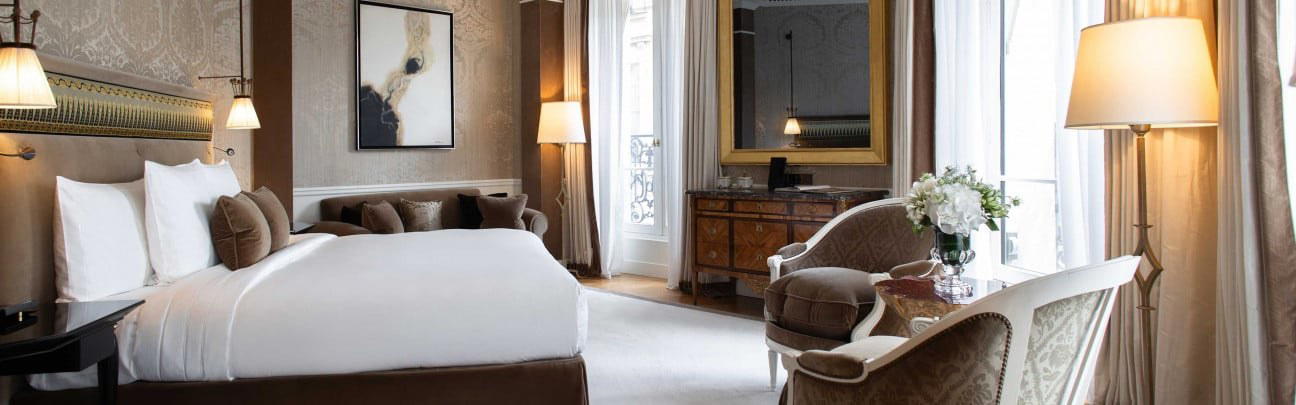
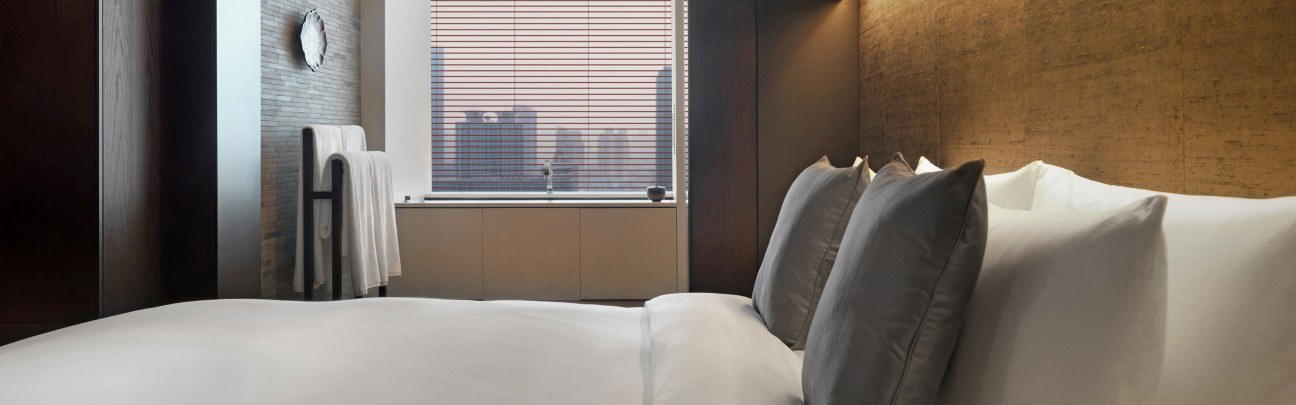
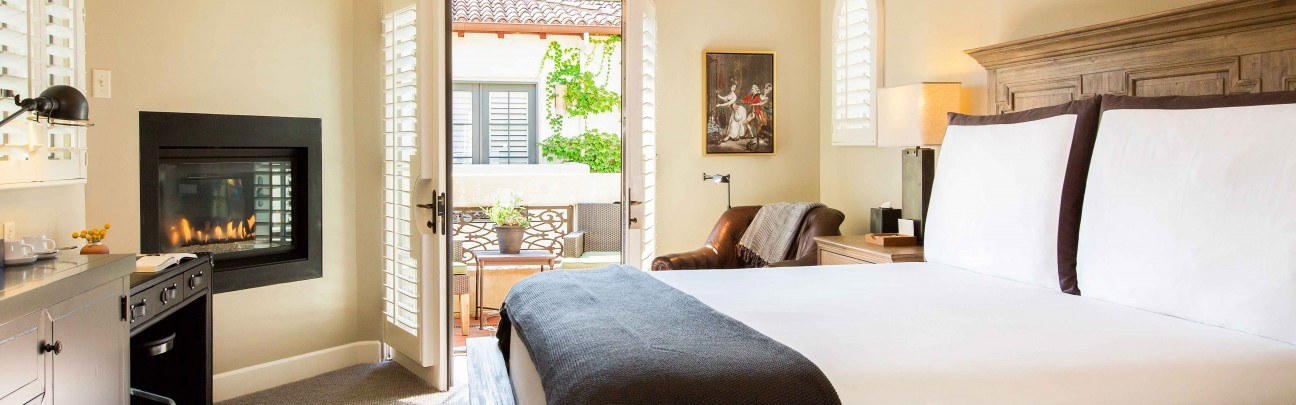
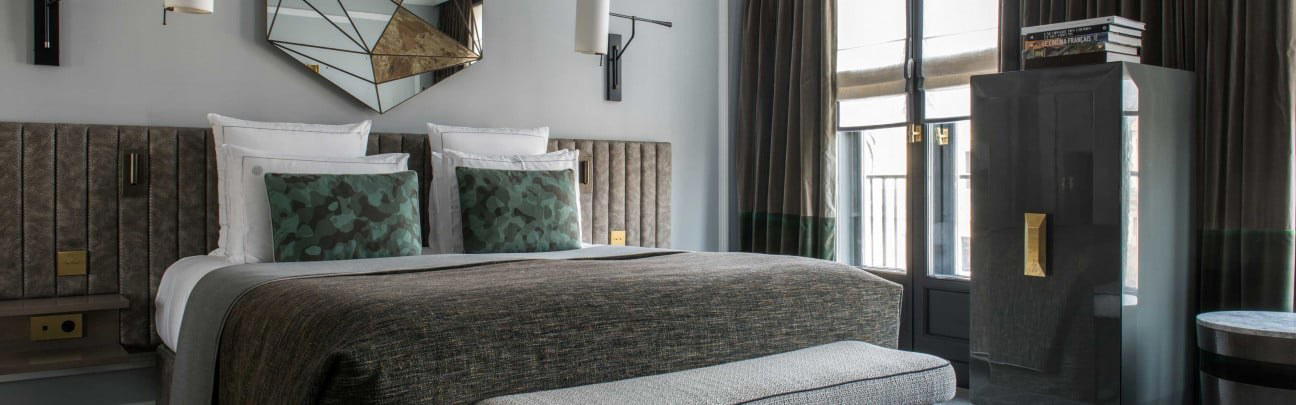
Serene and minimalist with natural light, blonde wood interiors, elegant neutral tones accented by contemporary art, and peaceful atmosphere praised in guest reviews.
Tags
Vibe
Best For
Experience
Amenities
View
Accessibility
About the Stay
- Rooms
- 39
- Property Style
- Sustainable Wine Country Resort Inspired by Italian Culture and Traditional Architecture with Sleek Brick Walls.
- Design Style
- Contemporary Minimalist Chic with Scandi Influences, Italian Craftsmanship, Blonde Wood, and Colorful Art.
Know before you go
Know Before You Go
- Getting there
- Località Talloria 1, 12050 Cerretto Langhe CN
Planning details
Location


Also consider
Where to look if this is not the right fit
If Casa di Langa is not available, try Il Boscareto Resort for a more resort-led stay, especially when facilities matter more than quiet-country atmosphere. For a wine-route trip with a Barolo focus, compare Palas Cerequio Barolo Cru Resort.
Hotel context
How It Compares
Casa di Langa is the safer luxury choice if the trip needs polish, calm, and outside recognition. Compared with Tenuta Bricchi, it is the better fit for guests who want a more fully framed hotel stay rather than a smaller countryside base.
Il Boscareto Resort is the main cross-shop for travelers who care about resort-style infrastructure. Pick Casa di Langa if the mood should feel quieter and more rural; look at Il Boscareto Resort if facilities are the deciding factor.
Relais Villa d'Amelia is a sensible alternative for a classic rural stay, while Arborina Relais and Palas Cerequio Barolo Cru Resort are stronger cross-shops for a Barolo-centered itinerary. Casa di Langa wins on easy booking and recent recognition; the others may suit guests who want a more specific village or wine-route focus.
Explore Cerretto Langhe
Around this place
Discover more on Pearl
Unlock the full Casa di Langa guide in Pearl, including awards, comparisons, FAQs, planning details, and nearby places.
Compare Casa di Langa
| Venue | Location | Awards |
|---|---|---|
| Casa di Langa | Cerretto Langhe | 2026 Virtuoso Luxury Hotel Collection2026 Mr & Mrs Smith Luxury Hotels2026 La Liste Top Hotels2025 Michelin Selected HotelsPreferred Hotels L.V.X. Collection 2025 |
| Tenuta Bricchi | Sinio | No published awards |
| Il Boscareto Resort | Serralunga d'Alba | No published awards |
| Relais Villa d'Amelia | Alba | 2025 Michelin Selected HotelsSmall Luxury Hotels Member 2025 |
| Arborina Relais | La Morra | No published awards |
| Palas Cerequio Barolo Cru Resort | La Morra | No published awards |

How Casa di Langa compares with similar nearby venues.
FAQ
Frequently Asked Questions
Which room category is best at Casa di Langa?
A best room category is not established. If the stay depends on a view, layout, terrace, accessibility need, or extra space, confirm the current room details directly with Casa di Langa before booking.
Is Casa di Langa good for business travel?
Casa di Langa may suit some business-related stays in Cerretto Langhe, but specific meeting facilities or business services are not confirmed. Its strongest signals are its hotel recognitions, including MICHELIN Guide, Hotels Selected and Virtuoso Luxury Hotel Partner.
Do loyalty programs work at Casa di Langa?
Casa di Langa is part of Preferred Hotels L.V.X. Collection and is a Virtuoso Luxury Hotel Partner. For points, benefits, upgrades, or booking-channel rules, check the current terms with the hotel or your travel advisor.
When is the best time to book Casa di Langa?
A specific best booking window is not established. If your dates are fixed, confirm availability directly with Casa di Langa and book according to your travel plans.
How does Casa di Langa compare to nearby hotels?
Choose Casa di Langa if you want a Cerretto Langhe hotel with outside validation, including MICHELIN Guide, Hotels Selected and La Liste Top Hotels 2026 with 94 points. Cross-shop Tenuta Bricchi, Il Boscareto Resort, Relais Villa d'Amelia, Arborina Relais, and Palas Cerequio Barolo Cru Resort if you want to compare other stays in the broader area.