

La Medusa Dimora di Charme
Castellammare di Stabia
Hotel in Castellammare di Stabia, Italy
 Book with Pearl
The Read
Archaeological Slope Retreat
Why go
La Medusa Dimora di Charme is worth considering if you want a calm, service-led base in Castellammare di Stabia rather than a high-drama Amalfi Coast stay. Its 2025 Small Luxury Hotels of the World membership and MICHELIN Guide hotel selection are useful trust signals, but travelers focused on destination dining, spa depth, or Positano energy should compare nearby peers before committing.
About La Medusa Dimora di Charme
La Medusa Dimora di Charme is a hotel in Castellammare di Stabia with two 2025 recognition signals: Small Luxury Hotels of the World membership and selection in the MICHELIN Guide hotel listings. The dress code is smart casual. These points provide a useful frame for assessing the property.
For specifics such as room categories, facilities, restaurant format, cuisine, chef, pricing, opening hours, address, or service details, confirm stay-specific needs directly before booking. That approach is especially useful for travelers whose decisions depend on particular amenities, meal plans, or service arrangements.
A recognized hotel base in Castellammare di Stabia
The clearest reason to keep La Medusa Dimora di Charme on a shortlist is its hotel recognition: Small Luxury Hotels of the World Member (2025) and MICHELIN Guide, Hotels Selected (2025). Those signals support confidence that the property is being considered within a serious hospitality context. In practical terms, they make the hotel a credible candidate for travelers starting with Castellammare di Stabia as the location and then narrowing choices by the details that matter most.
Travelers should avoid assuming specifics before booking. If cuisine, menu format, chef, restaurant pricing, spa facilities, pool facilities, room inventory, or loyalty-program benefits will determine the stay, check them directly with the hotel before committing. This is particularly important when comparing properties across different towns or planning around a specific experience, because recognition alone does not define the precise shape of a stay.
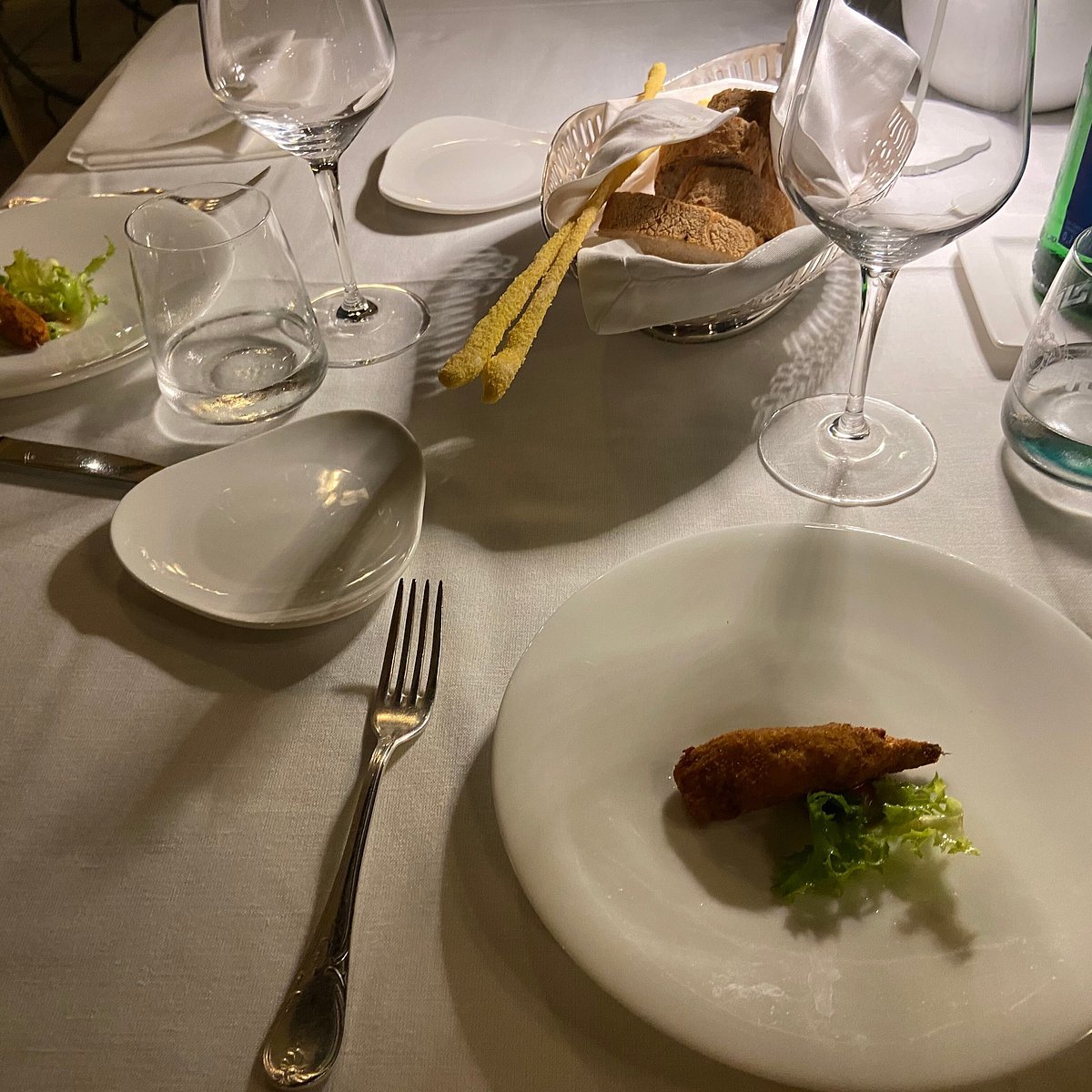
Dining should not be the sole reason to book without checking current details. For travelers focused primarily on food, use the hotel as a recognized Castellammare di Stabia stay and plan meals separately unless the current dining offer fits the trip. For broader planning, use our full Castellammare di Stabia restaurants guide alongside our full Castellammare di Stabia hotels guide.
Who should choose it, and who should compare alternatives
Choose La Medusa Dimora di Charme if a Castellammare di Stabia hotel with SLH membership, MICHELIN hotel selection, and a smart-casual dress code fits the brief. For specific guest scenarios—couples, business travelers, spa stays, destination dining, or family travel—match the hotel’s current amenities and services to the trip before booking. The listing is best used as a starting point for further planning, not as a complete profile of every guest scenario.
For comparison, HABITA79, Pompeii, A Tribute Collection Hotel may be relevant for travelers also considering Pompeii. Capo La Gala Hotel & Wellness, Grand Hotel Angiolieri, Hotel Palazzo Murat, and Le Sirenuse are other named hotels to consider depending on the wider itinerary and preferred setting. Compare them on current rates, facilities, location, and the exact stay experience you want. The comparison should be based on the practical details that matter to the trip, rather than on assumptions drawn from recognition badges alone.
Quick reference: choose La Medusa Dimora di Charme for a recognized hotel in Castellammare di Stabia; verify any room, dining, facility, or loyalty details directly before booking.
Planning details
- Location
- Passeggiata Archeologica, 5, 80053 Castellammare di Stabia NA
- Website
- lamedusahotel.com
- Phone
- +39 081 872 3383
The take
The Take
The Vibe
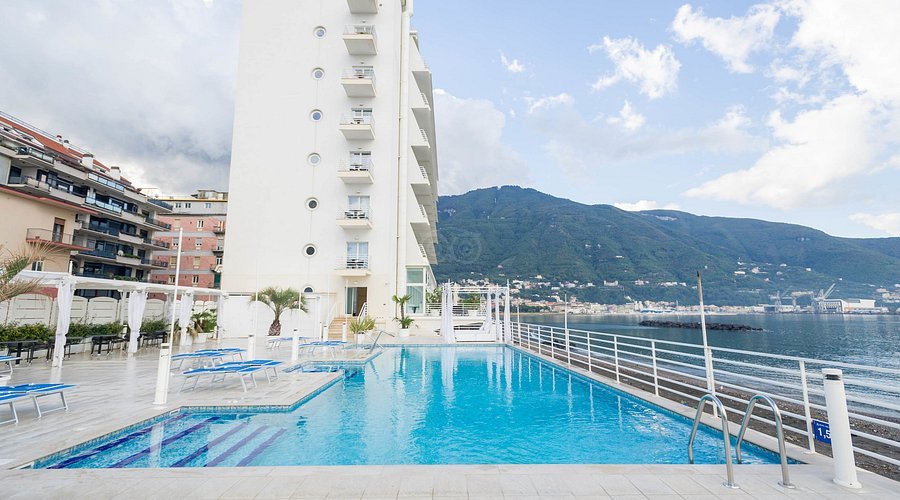
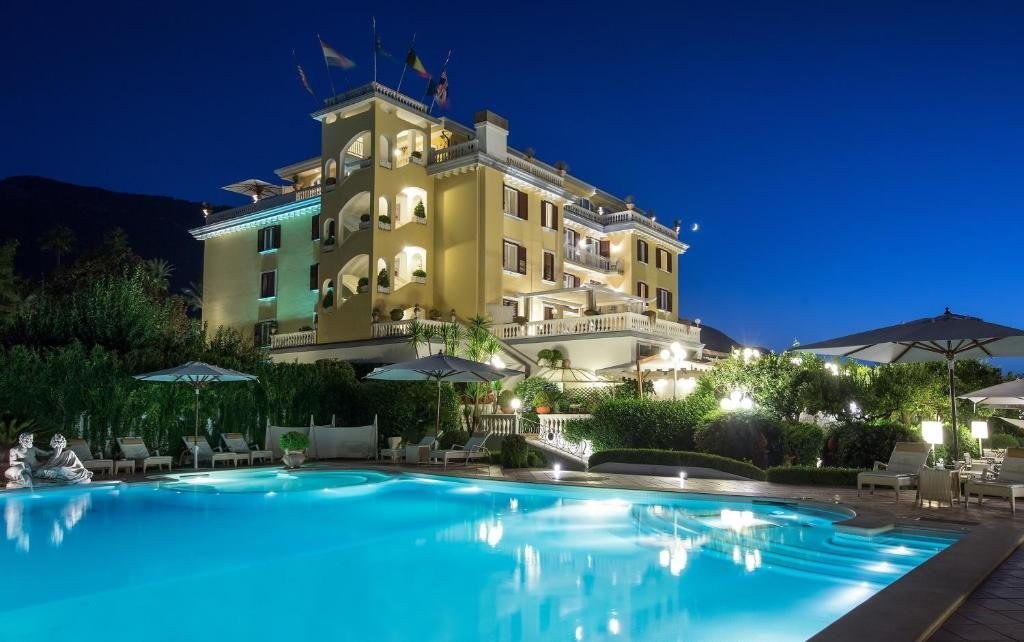
La Medusa Dimora di Charme reads like a small Campanian villa brought to life: a converted palazzo with thick walls, high ceilings and deep-set windows that reference a classical regional typology. Its gardens and grounds act as a deliberate buffer from the town, creating a calm, contained experience that feels both intimate and refined. Terraces and loggias extend rooms into the light, while the Bay of Naples and Mount Vesuvius frame the property with a sweeping, cinematic panorama. The overall impression is historic and charming, a serene escape where architecture, landscape and sea view are in clear dialogue.
Best For
This hotel suits travellers who prioritise place and provenance: people drawn to layered history, measured design and the restorative quiet of a villa garden. The setting on the Passeggiata Archeologica makes it appealing for guests who want immediate access to Roman sites and coastal scenery rather than a frenetic urban base. Couples and small-party travellers seeking a scenic, intimate retreat—where rooms open onto terraces and the bay becomes part of the daily experience—will find the property especially rewarding.
Stay Tips
Request a bay-facing room or a room with a terrace or loggia to maximise the property's principal asset: the framed view of the Sorrentine peninsula and Mount Vesuvius. Time your stay to include morning and late-afternoon light; the copy notes the water shifts between deep blue and green depending on the hour, and those colour changes are a highlight. Leave time to walk the nearby Passeggiata Archeologica to connect the hotel’s setting with the region’s excavated Roman history—the description positions that proximity as a core reason to visit.
Venue details
Ambiance
Elegant period interiors with Liberty Style glass windows opening to a lush garden, creating a tranquil and sophisticated atmosphere.
Tags
Vibe
Best For
Experience
Amenities
View
Accessibility
About the Stay
- Rooms
- 0
- Check-in
- 14:00
- Check-out
- 11:00
- Property Type
- Boutique hotel
- Property Style
- 19th Century Historic Villa with Luxurious Interiors
- Design Style
- Classic Elegant with Antique Furniture and Liberty Style Elements
- Breakfast
- Included
- Airport Transfer
- Available
- Pool
- Yes
- Spa
- Yes
- Families
- Welcome
- Cancellation
- Moderate
Know before you go
Know Before You Go
- Getting there
- Passeggiata Archeologica, 5, 80053 Castellammare di Stabia NA
Planning details
Location
Passeggiata Archeologica, 5, 80053 Castellammare di Stabia NA · Directions
Recognition and awards

Also consider
Also Consider
- HABITA79, Pompeii, A Tribute Collection Hotel, Notable alternative
- Capo La Gala Hotel & Wellness, Notable alternative
- Hotel Palazzo Murat, Notable alternative
- Le Sirenuse, Notable alternative
- Grand Hotel Angiolieri, Notable alternative
Hotel context
How it compares with nearby hotel choices
La Medusa Dimora di Charme is the quieter, service-led choice in this set. Pick it if the trip is built around exploring Castellammare di Stabia, Pompeii, and the Sorrento Peninsula while returning to a calmer hotel at night. HABITA79, Pompeii, A Tribute Collection Hotel is the more practical alternative when Pompeii access and a familiar hotel framework matter more than charm.
For a stronger coastal-resort feel, Capo La Gala Hotel & Wellness is the better cross-shop, especially if wellness is a major part of the stay. Grand Hotel Angiolieri also belongs in the comparison for travelers who want a more destination-hotel feel outside the densest tourist zones.
If budget allows and Positano atmosphere is the point, Le Sirenuse is the obvious splurge comparison, with a much stronger sense of place but usually a tougher booking decision. Hotel Palazzo Murat is the better fit for travelers who want to be in Positano without making the stay feel as formal as the highest-profile luxury options.
Explore Castellammare di Stabia
Around this place
Discover more on Pearl
Unlock the full La Medusa Dimora di Charme guide in Pearl, including awards, comparisons, FAQs, planning details, and nearby places.
Compare La Medusa Dimora di Charme
| Venue | Location | Awards |
|---|---|---|
| La Medusa Dimora di Charme | Castellammare di Stabia | 2025 Michelin Selected HotelsSmall Luxury Hotels Member 2025 |
| HABITA79, Pompeii, A Tribute Collection Hotel | Pompei | No published awards |
| Capo La Gala Hotel & Wellness | Vico Equense | 2026 Mr & Mrs Smith Luxury Hotels2026 Michelin 1 Key2025 Michelin 1 Key |
| Hotel Palazzo Murat | Positano | No published awards |
| Le Sirenuse | Positano | 2026 Forbes 5-Star2026 Virtuoso Luxury Hotel Collection2026 Mr & Mrs Smith Luxury HotelsLeading Hotels of the World 20262026 La Liste Top Hotels2026 Michelin 1 Key2025 World’s 50 Best Hotels · #942025 Forbes 5-Star2025 Michelin 1 Key |
| Grand Hotel Angiolieri | Seiano | Small Luxury Hotels Member 2025 |







How La Medusa Dimora di Charme, Castellammare di Stabia compares with similar nearby venues.
FAQ
Frequently Asked Questions
How is the dining at La Medusa Dimora di Charme?
Confirm cuisine, chef, menu format, pricing, and dining hours directly with the hotel. If dining is the main reason for the trip, compare current information for La Medusa Dimora di Charme with other options such as Le Sirenuse or Hotel Palazzo Murat.
Which room category is best at La Medusa Dimora di Charme?
Compare the hotel's current room descriptions directly before booking and choose based on space, layout, and inclusions. HABITA79, Pompeii, A Tribute Collection Hotel is another hotel to compare if the wider itinerary includes Pompeii; La Medusa Dimora di Charme remains a recognized option in Castellammare di Stabia.
How is the pool and spa at La Medusa Dimora di Charme?
For pool and spa details, check the hotel’s current facilities information before booking. The hotel is a Small Luxury Hotels of the World Member (2025) and MICHELIN Guide, Hotels Selected (2025). If spa or pool use is important, confirm directly and compare with Capo La Gala Hotel & Wellness.
Do loyalty programs work at La Medusa Dimora di Charme?
For loyalty-program participation, points earning, or benefits, check the current program terms directly. The recognition is Small Luxury Hotels of the World Member (2025) and MICHELIN Guide, Hotels Selected (2025), which is useful as hotel context, while loyalty benefits need a separate check. If loyalty earning is the priority, compare current program details directly with options such as HABITA79, Pompeii, A Tribute Collection Hotel.
Is La Medusa Dimora di Charme good for business travel?
Business travelers should check meeting spaces, workspace details, and corporate services directly before booking. It can be considered as a recognized hotel in Castellammare di Stabia. Grand Hotel Angiolieri is another hotel to compare if the wider trip calls for a different setting.