
Tafoni Houses Cave Hotel
Ortahisar, Cappadocia
Hotel in Cappadocia, Turkey
 Book with Pearl
Why go
Tafoni Houses Cave Hotel works if you want a quieter Cappadocia cave-hotel base rather than a terrace-driven scene. Its 2026 Virtuoso Luxury Hotel Partner status is the main value signal, so check benefit-inclusive rates before choosing a peer property.
About Tafoni Houses Cave Hotel
Tafoni Houses Cave Hotel is a hotel in Cappadocia. It works best as a Cappadocia stay to compare directly on room type, booking terms, the benefits available through your reservation channel.
The clearest distinction is that Tafoni Houses Cave Hotel is a Virtuoso Luxury Hotel Partner for 2026. Travelers booking through that channel should check the current benefits and rate conditions before comparing it with other Cappadocia hotels.
A Cappadocia hotel choice to verify directly
For a Cappadocia hotel decision, the main planning question is whether Tafoni Houses Cave Hotel fits your itinerary, budget, preferred booking terms. Details on room count, dining format, amenities, views, service style should be confirmed directly before booking.
For value, compare the final rate, cancellation policy, room category, any advisor-access benefits rather than relying on assumptions from the hotel name alone. Because the hotel is a Virtuoso Luxury Hotel Partner for 2026, travelers with access to that channel should check whether added benefits improve the overall value against another flexible rate.
Who should book it, who should cross-shop
Book Tafoni Houses Cave Hotel if you want a Cappadocia hotel and the rate, room details, booking benefits match your trip. It is harder to make a more specific recommendation without more information on amenities, dining, or service style.
For comparison, consider Exedra Hotel Cappadocia, Hezen Cave Hotel, Aza Cave Hotel, Sultan Cave Suites, Cappadocia Cave Lodge, then compare rates, room types, cancellation rules, any included benefits. Other dining and hotel options in Cappadocia can also be useful benchmarks, but the decision should come down to stay details rather than assumptions.
Reservations: confirm availability and booking terms directly before committing. Dress: smart casual. Budget: compare final rates and inclusions rather than assuming category from the hotel name. Location: Tafoni Houses Cave Hotel is in Cappadocia.
Planning details
- Location
- Eski Mahalle, Halit Efendi Sk. No:16
The take
The Take
The Vibe
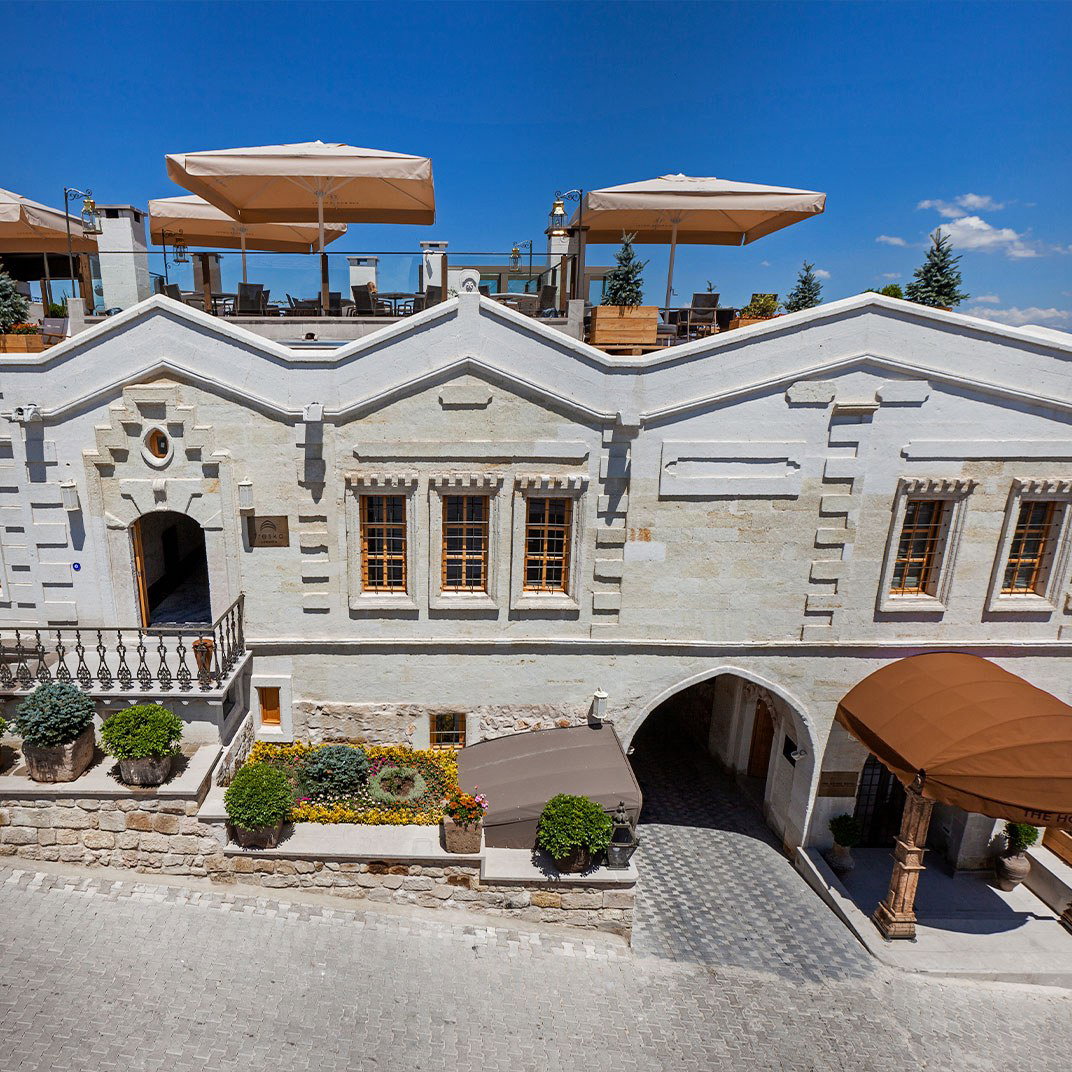
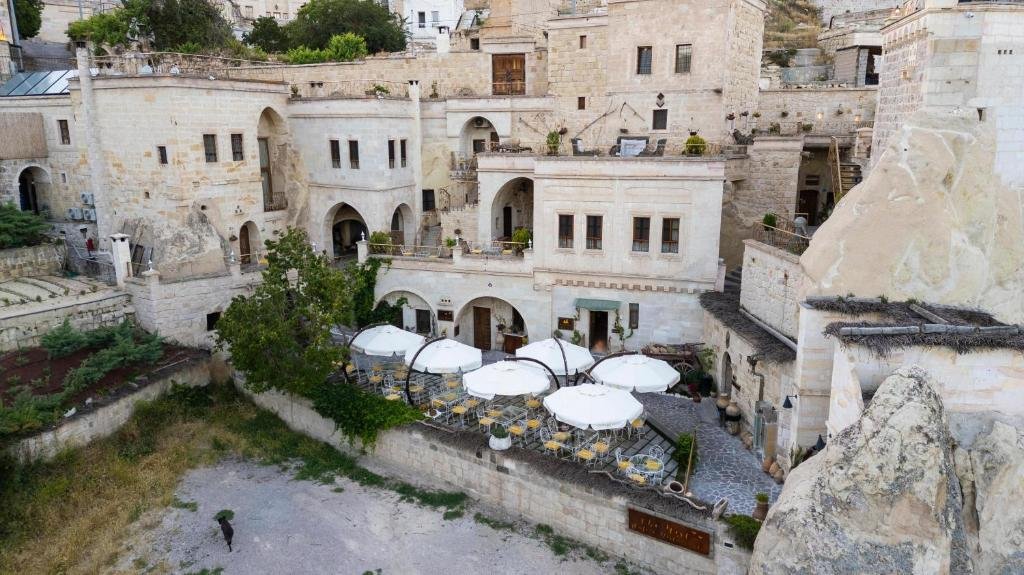
Tafoni Houses presents a quietly historic, design-minded cave hotel that privileges material continuity over decoration. The property occupies original tufa dwellings in Ortahisar, where stone walls read as both geology and architecture; restoration work is framed as a careful 'resurrection' rather than a contemporary reimagining. The experience feels intimate and restrained: rooms are embedded in ancient fabric and the overall tone leans toward thoughtful preservation. Because the project required Historic Monuments Council sign-off and extended conservation timelines, the result is less novelty cave decor and more a considered inhabiting of centuries-old spaces, favoring authenticity and calm.
Best For
This hotel suits travelers who prize history, quiet, and considered design. It is ideal for couples seeking an intimate escape in a subdued village setting, and for visitors interested in the layered continuity of Cappadocian habitation rather than flashy tourist theatrics. Ortahisar’s quieter character makes Tafoni Houses a good base for relaxed exploration of nearby Göreme and the wider region. Guests who appreciate conservation-minded restorations and UNESCO-protected sites will find the property especially rewarding; it also works well for anyone seeking a serene, reflective stay rooted in place and material.
Stay Tips
Book in advance and allow for the hotel's intimate scale and conservation focus. The description emphasizes a cluster of restored cave dwellings in Ortahisar, a quieter satellite village to Göreme, so plan logistics accordingly—arrange transfers or time for the short trip into busier nearby towns. When reserving, inquire about the specific character of restored rooms if authenticity and original fabric matter to you; the property’s long, sign-off-driven restoration process is central to its appeal, so ask staff for background on the conservation work if that context matters to your stay.
Venue details
Ambiance
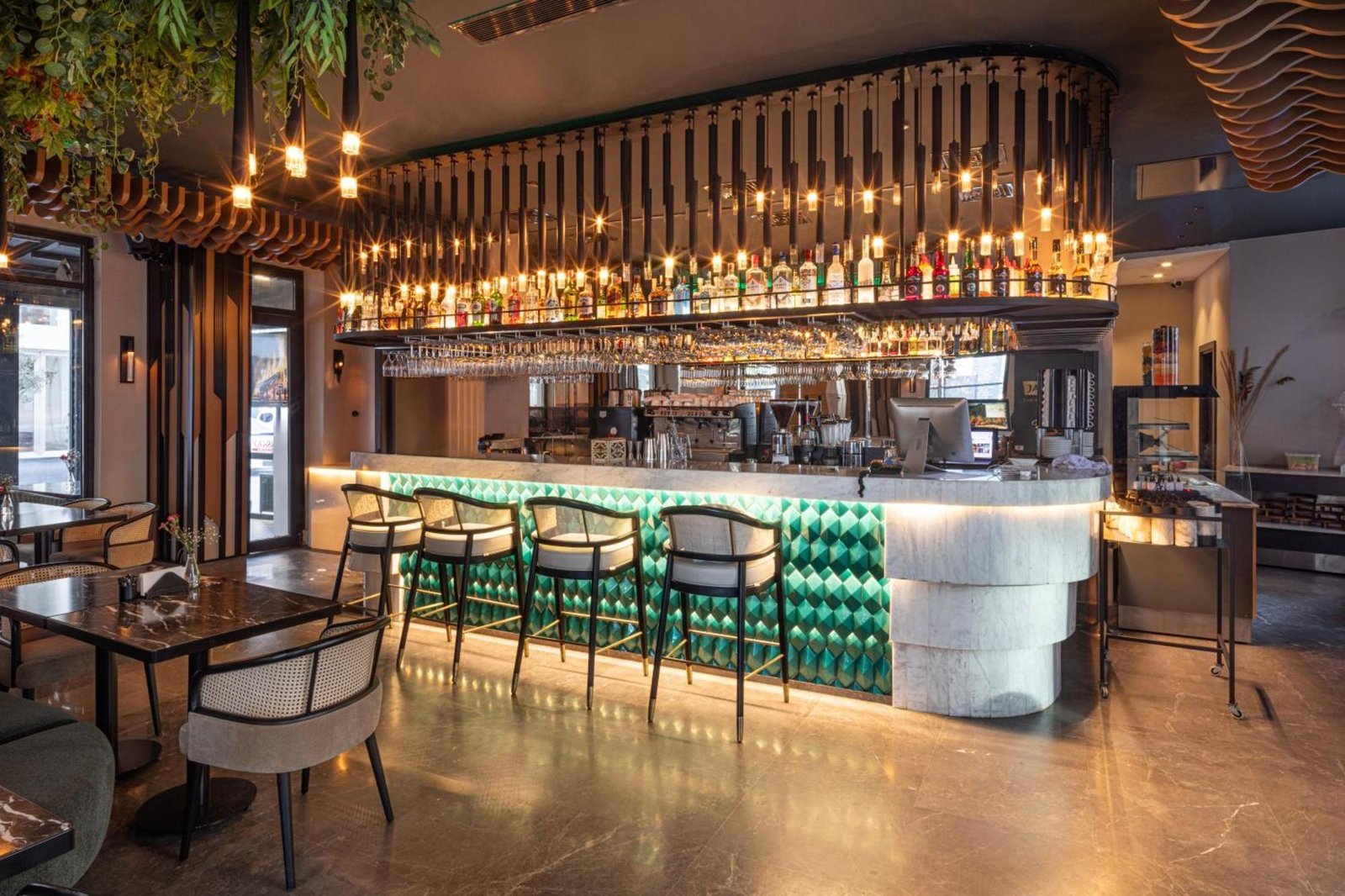
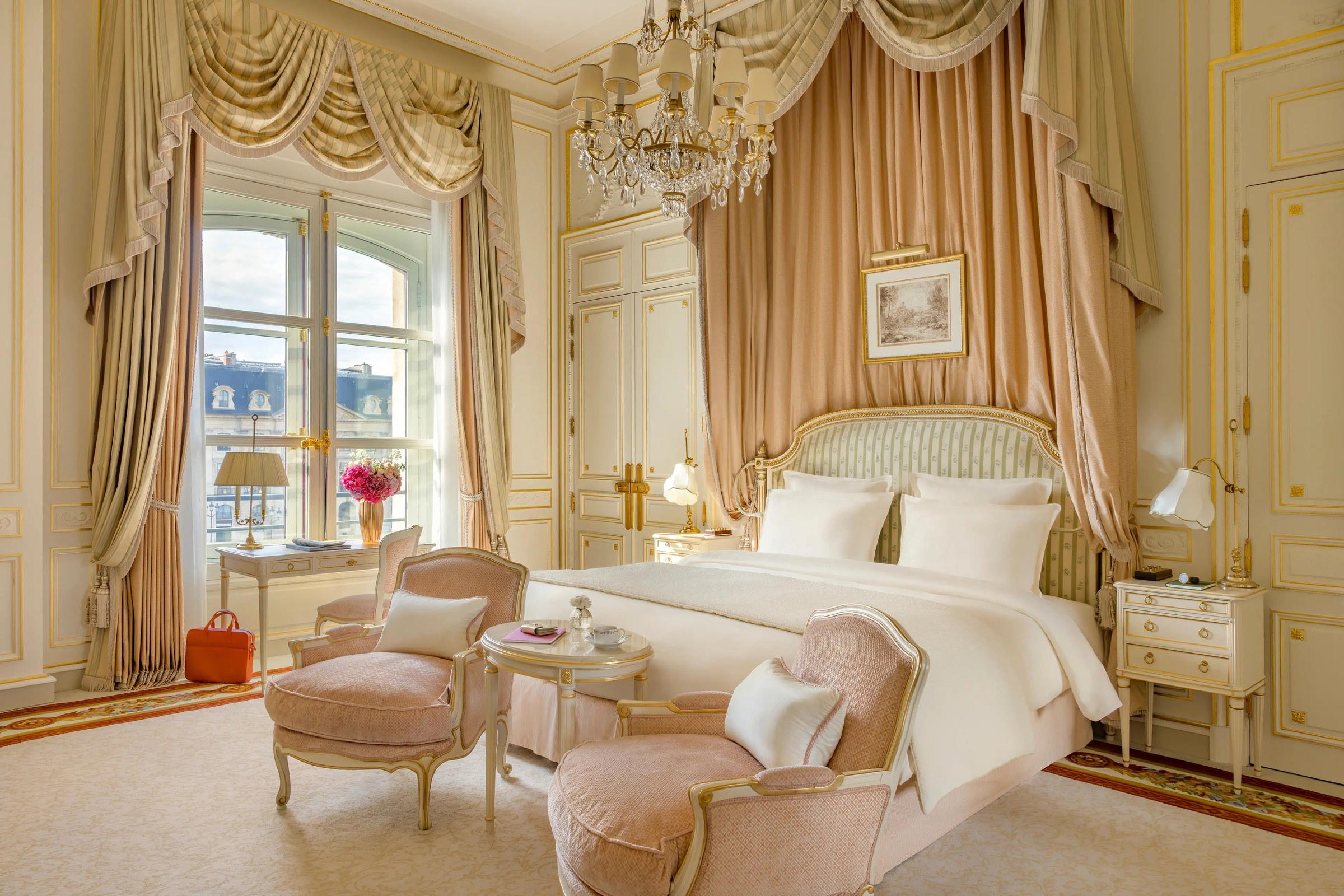
Warm, intimate ambiance with soft lighting in individually decorated cave rooms featuring fireplaces and heated floors; dining areas showcase local art and antiques with terrace views of surrounding rock formations.
Tags
Vibe
Best For
Experience
Amenities
View
About the Stay
- Rooms
- 13
- Check-in
- 15:00
- Check-out
- 11:00
- Property Style
- Luxury Boutique Cave Hotel Blending Authentic Cappadocian Heritage with Contemporary Comfort and Curated Art Collection.
- Design Style
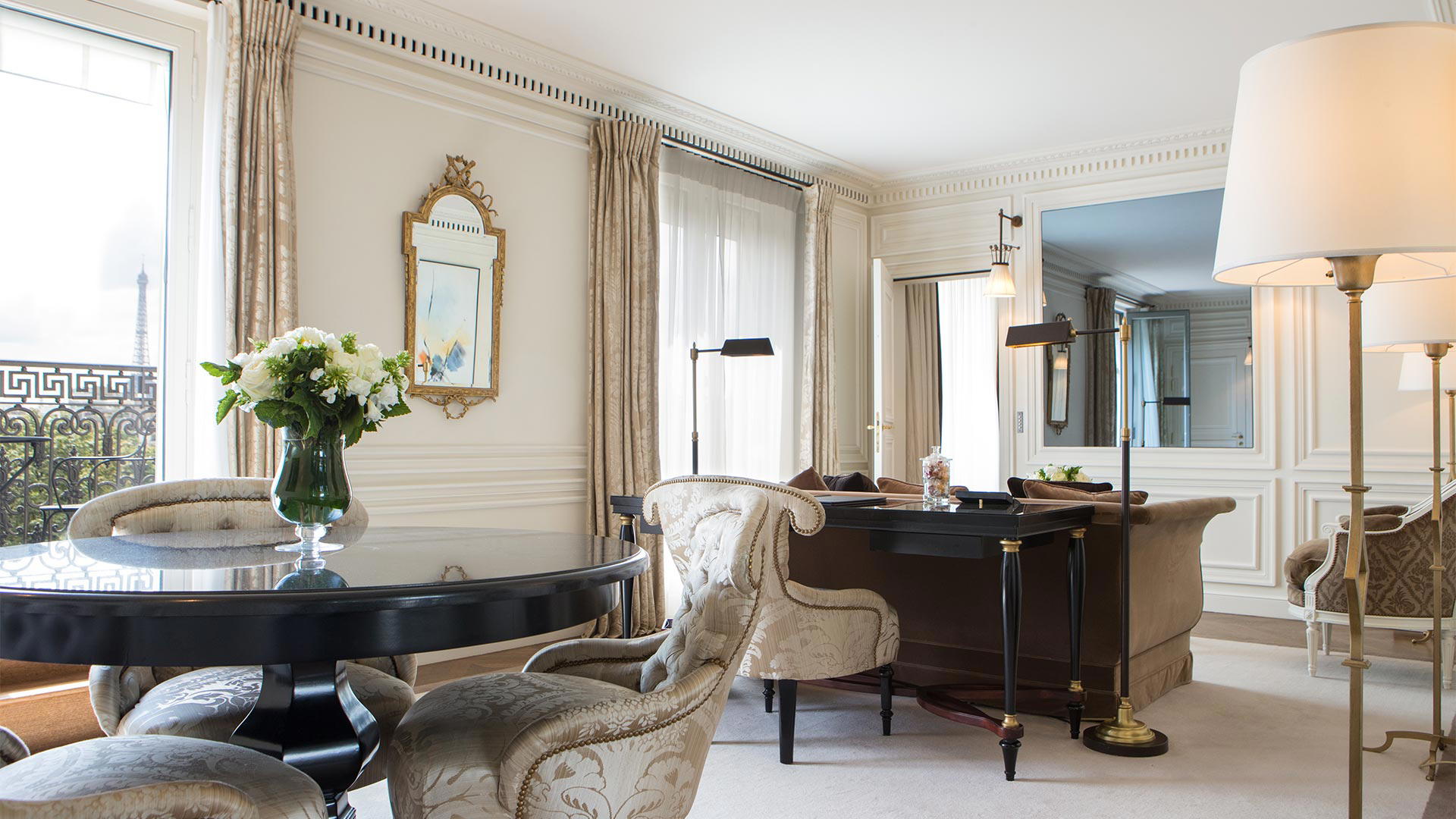
- Eclectic Bohemian Luxury Aesthetic Combining Restored Antiques, Original Artworks, Marble and Stone Finishes, Custom Chandeliers, and Traditional Turkish Architectural Elements.
Planning details
Location
Eski Mahalle, Halit Efendi Sk. No:16 · Directions
Recognition and awards

Also consider
Also Consider
- Exedra Hotel Cappadocia, Notable alternative
- Hezen Cave Hotel, Notable alternative
- Cappadocia Cave Lodge, Notable alternative
- Aza Cave Hotel, Notable alternative
- Sultan Cave Suites, Notable alternative
Hotel context
How it compares in Cappadocia
Tafoni Houses Cave Hotel is the practical pick for travelers who want a calmer cave-hotel stay and an easier booking path. Exedra Hotel Cappadocia is the stronger cross-shop if you want a more obvious full-service cave-hotel experience, while Tafoni is better when a quieter base matters more than a bigger hotel presence.
Hezen Cave Hotel and Cappadocia Cave Lodge are useful comparisons for travelers prioritizing smaller-scale atmosphere. Choose Hezen if design-led intimacy is the goal; choose Cappadocia Cave Lodge if the trip calls for a simpler lodge-style stay. Tafoni sits between those instincts: cave-hotel character with a more benefit-aware booking case because of its Virtuoso Luxury Hotel Partner status.
Aza Cave Hotel and Sultan Cave Suites make more sense for travelers who want a more familiar Cappadocia hotel name or a social, terrace-forward stay. Tafoni is the better call if booking ease, quieter ambiance, potential advisor-channel value matter more than chasing the better-known address.
Explore Cappadocia
Around this place
Discover more on Pearl
Unlock the full Tafoni Houses Cave Hotel guide in Pearl, including awards, comparisons, FAQs, planning details, and nearby places.
Compare Tafoni Houses Cave Hotel
| Venue | Location | Awards |
|---|---|---|
| Tafoni Houses Cave Hotel | Cappadocia | 2026 Virtuoso Luxury Hotel Collection |
| Exedra Hotel Cappadocia | Cappadocia | No published awards |
| Hezen Cave Hotel | Ürgüp | No published awards |
| Cappadocia Cave Lodge | Goreme | No published awards |
| Aza Cave Hotel | Goreme | No published awards |
| Sultan Cave Suites | Goreme | No published awards |
How Tafoni Houses Cave Hotel Cappadocia compares with similar nearby venues.
FAQ
Frequently Asked Questions
How is the dining at Tafoni Houses Cave Hotel?
Details on a restaurant, bar, cuisine, menu format, or dining service at Tafoni Houses Cave Hotel are not listed here. If dining is important, confirm current on-site options directly and compare them with other Cappadocia dining choices.
What is check-in like at Tafoni Houses Cave Hotel?
Details on the check-in process at Tafoni Houses Cave Hotel are not listed here. For arrival planning, confirm your timing, transfer details, any check-in requirements directly with the hotel in Cappadocia.
How does Tafoni Houses Cave Hotel compare to other hotels?
Tafoni Houses Cave Hotel should be compared on room details, booking terms, any available Virtuoso Luxury Hotel Partner benefits for 2026. For alternatives, look at Sultan Cave Suites, Aza Cave Hotel, Cappadocia Cave Lodge, Hezen Cave Hotel, Exedra Hotel Cappadocia, then compare the details that matter for your stay.
Do loyalty programs work at Tafoni Houses Cave Hotel?
The clearest program-related detail is that Tafoni Houses Cave Hotel is a Virtuoso Luxury Hotel Partner for 2026. If your booking strategy depends on points earning, elite credit, or advisor benefits, confirm the rules before you reserve.
Is Tafoni Houses Cave Hotel good for business travel?
Business-travel details such as meeting facilities, workspaces, or service features are not listed here. If you are considering Tafoni Houses Cave Hotel for a work trip in Cappadocia, confirm the facilities, connectivity, logistics directly before booking.