

Ananti at Busan Cove
Gijang-eup, Busan
Hotel in Busan, South Korea
 Book with Pearl
The Read
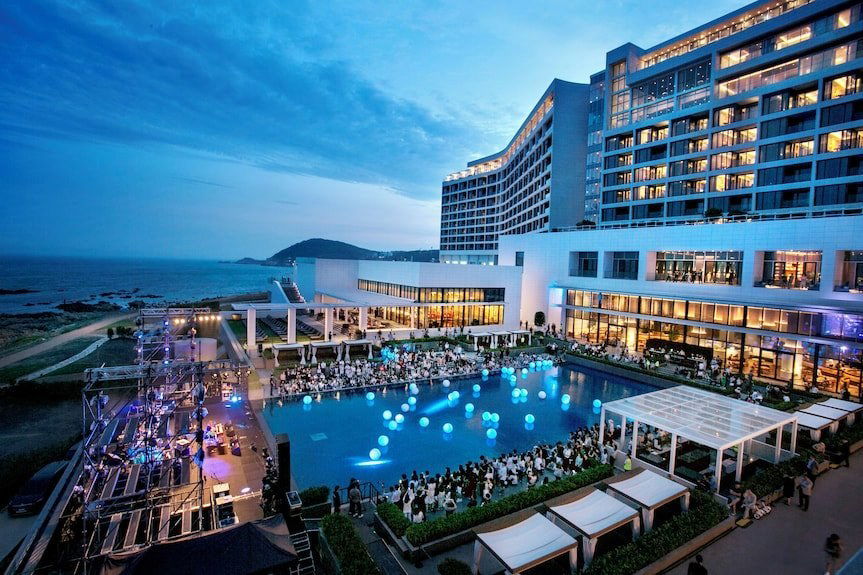
East Sea Coastal Seclusion
Why go
Ananti at Busan Cove is the Busan pick for travelers who want a quieter coastal stay rather than a central Haeundae base. It suits anniversaries, family weekends, and slower resort-style trips; cross-shop SIGNIEL BUSAN, Grand Josun Busan, or Park Hyatt Busan if city access matters more.
About Ananti at Busan Cove
Ananti at Busan Cove is a Busan hotel to consider when you want a property with smart casual dress code and recognized listings from major hotel guides. It appears in the MICHELIN Guide as a Hotels Selected property for 2025 and is listed by La Liste Top Hotels for 2026 with 90 points. Use those signals as a starting point, then compare the practical fit against other Busan options before booking.
Choose it for confirmed hotel recognition, not unverified extras
The clearest case for Ananti at Busan Cove is its hotel recognition. It does not need room count, dining style, facilities, or neighborhood specifics to explain why it may be relevant to a Busan stay. Treat it as a Busan hotel with third-party recognition, and judge whether that kind of stay suits the trip.
That makes cross-shopping important. SIGNIEL BUSAN, Grand Josun Busan, and Park Hyatt Busan are other Busan hotels to review if you are comparing options. Ananti at Busan Cove should remain on the shortlist when the name, recognition, and available booking details fit the occasion.
The stay works when you verify the details that matter to you
Before booking, confirm the current room category, rate conditions, cancellation terms, facilities, and any dining plans directly with the hotel or your booking channel. Those details can meaningfully change the value of a stay.
What stands out is the broader hotel signal: Ananti at Busan Cove is selected by the MICHELIN Guide for 2025 and rated 90 points by La Liste Top Hotels for 2026. The dress code is smart casual. If the rate is close to other Busan hotels you are considering, compare the exact inclusions and the amount of time you expect to spend at the hotel before booking.
Who should book, and who should cross-shop
Book Ananti at Busan Cove if you are specifically interested in this Busan property and want a hotel with recognition from MICHELIN Guide Hotels and La Liste Top Hotels. Cross-shop SIGNIEL BUSAN, Grand Josun Busan, and Park Hyatt Busan if you want to compare other hotel options in Busan before deciding.
For travelers comparing by price, availability, or simplicity, the decision may be less automatic. Good Ol' Days Hotel and Fairfield by Marriott Busan Songdo Beach are also worth checking when those factors matter more than hotel recognition. Ananti at Busan Cove is most compelling when its accolades and current booking details match the purpose of the trip.
Planning details
- Location
- 268-32 Gijanghaean-ro, Gijang, Busan
- Website
- ananti.kr/ko/busan
- Phone
- +82 51-509-1111
The take
The Take
The Vibe
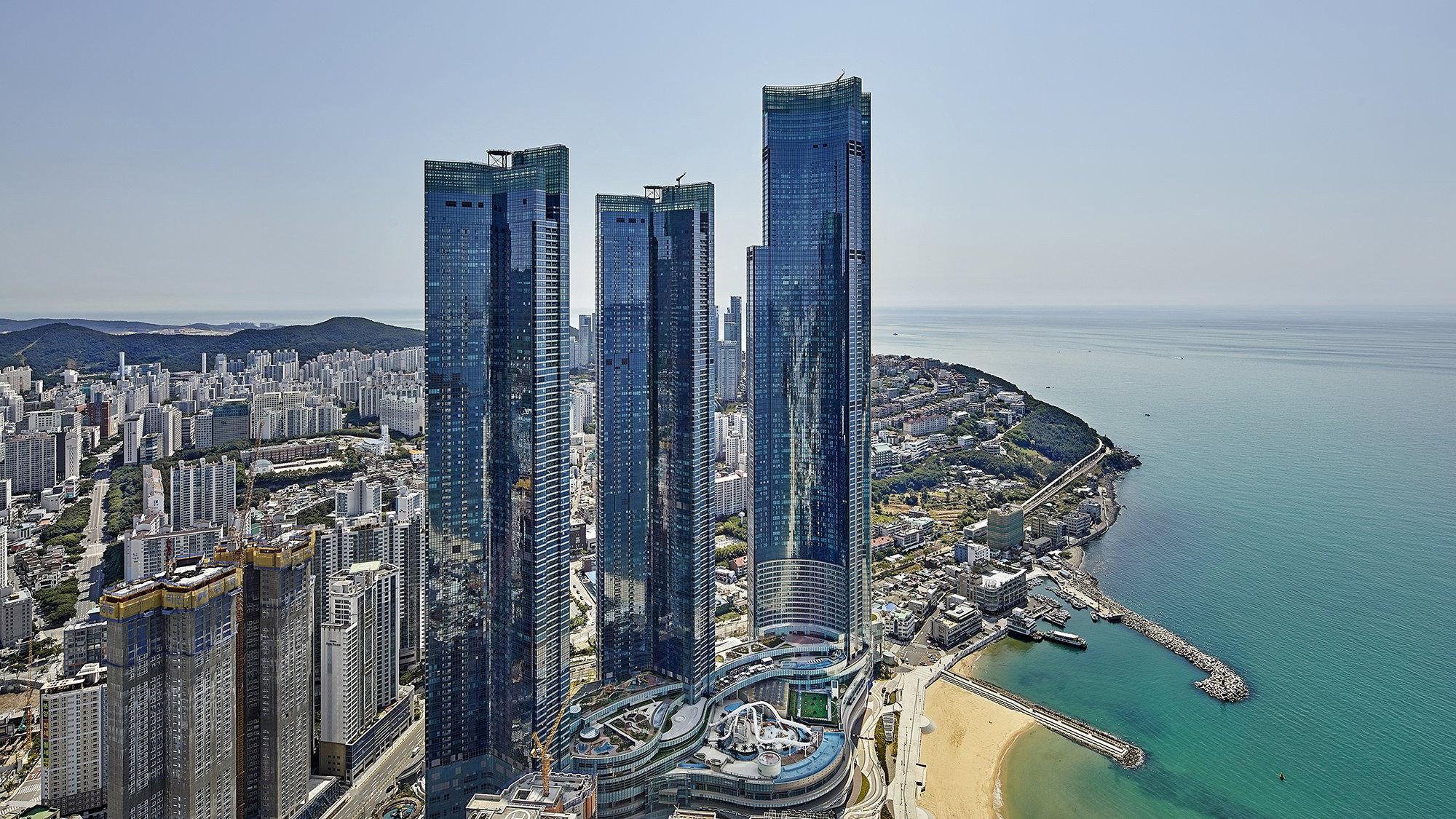
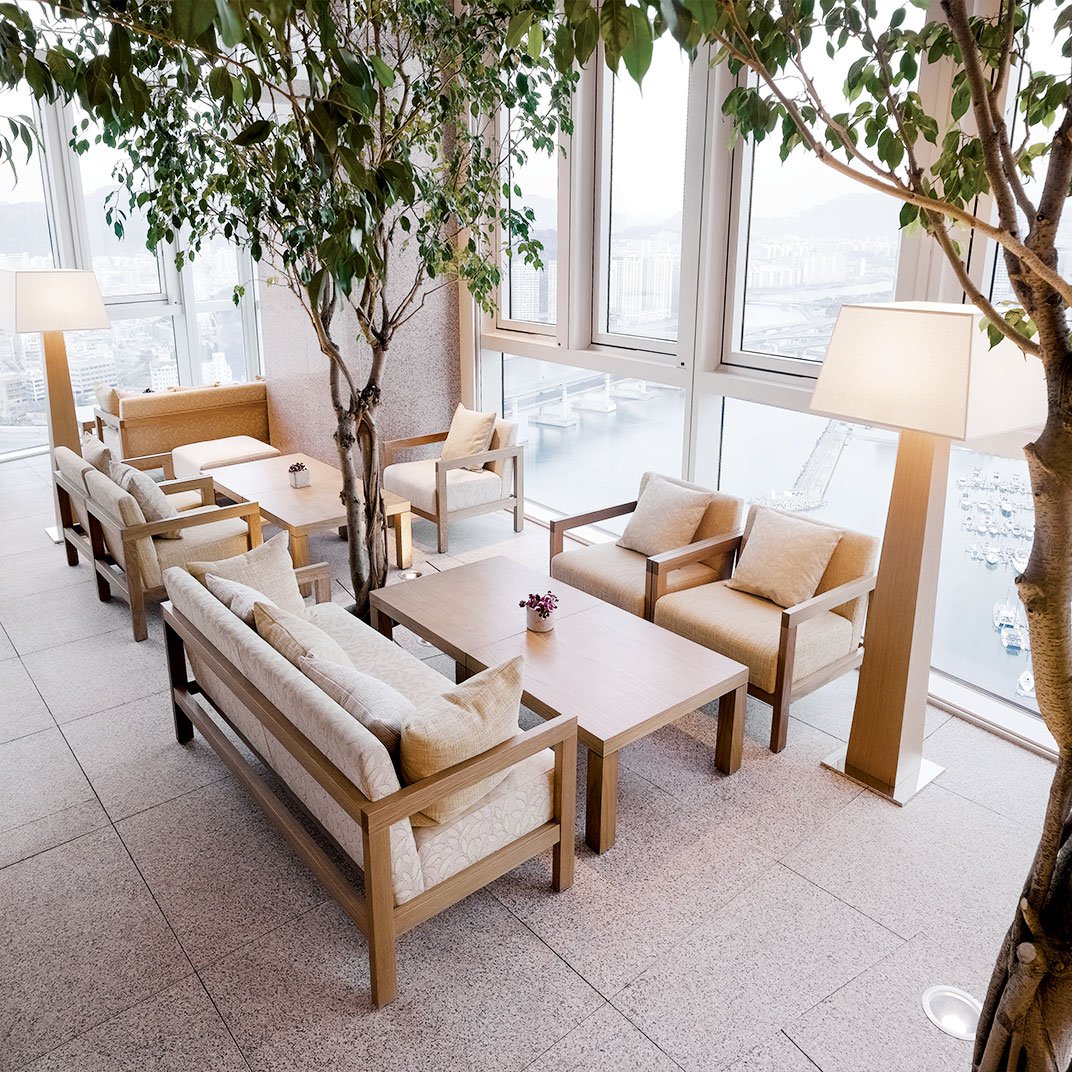
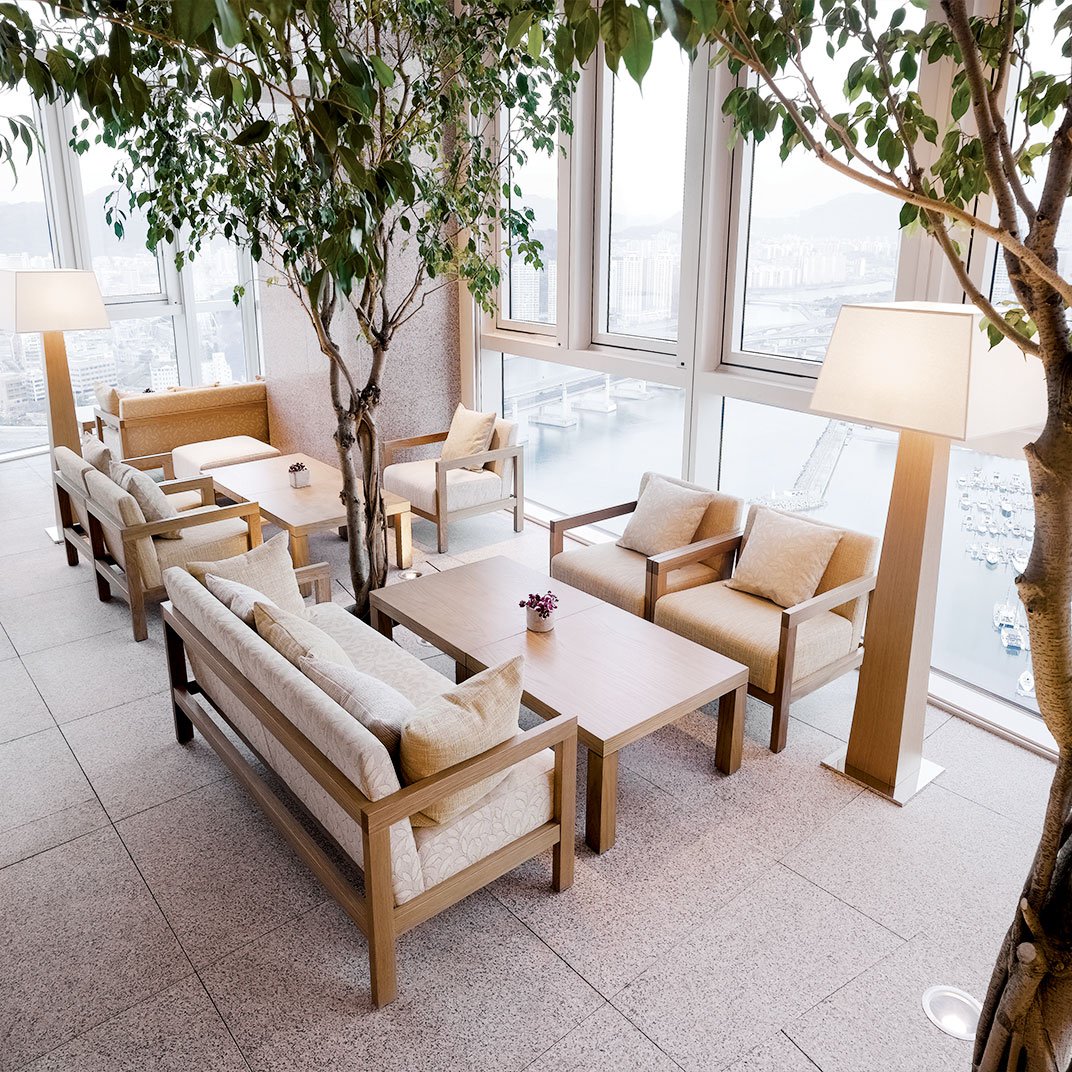
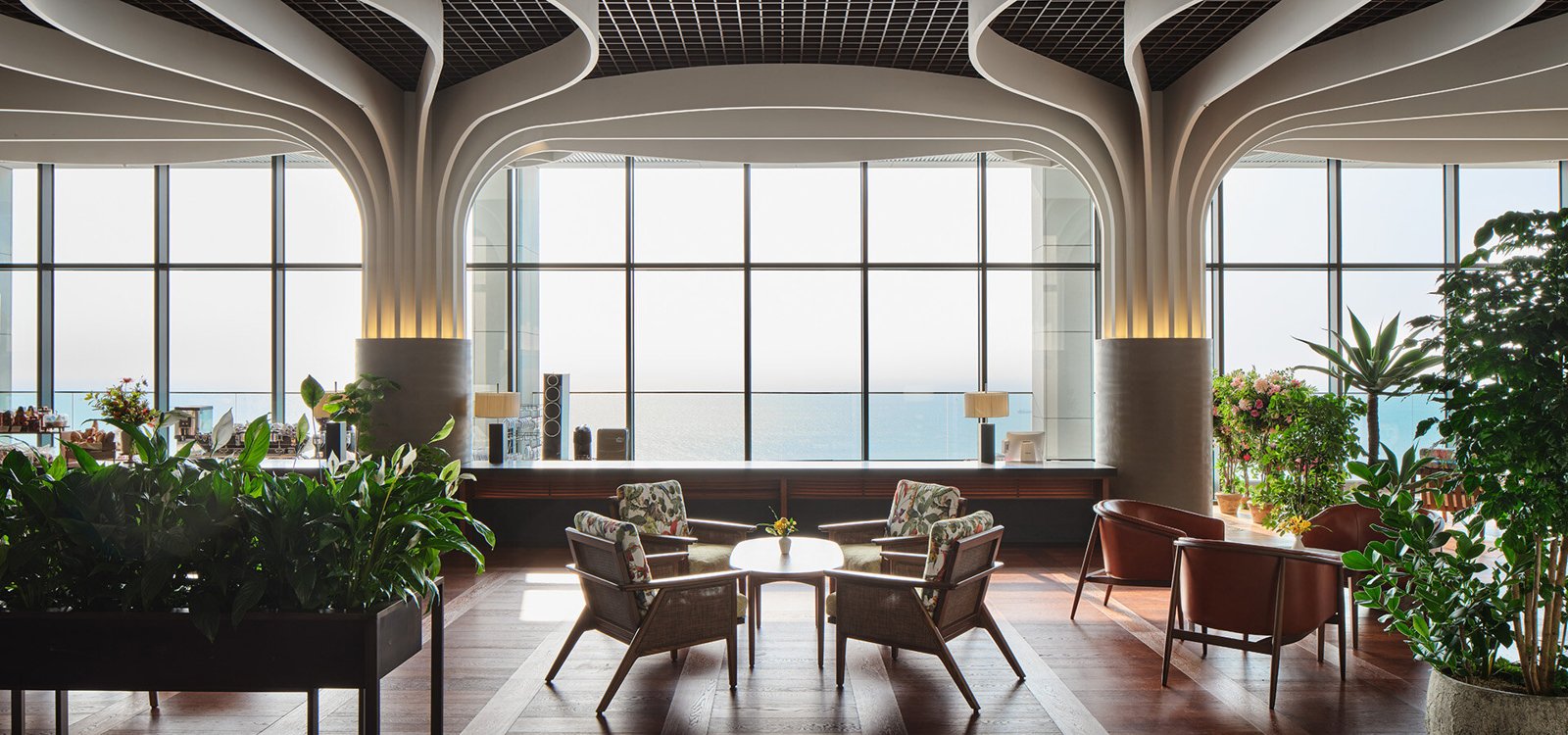
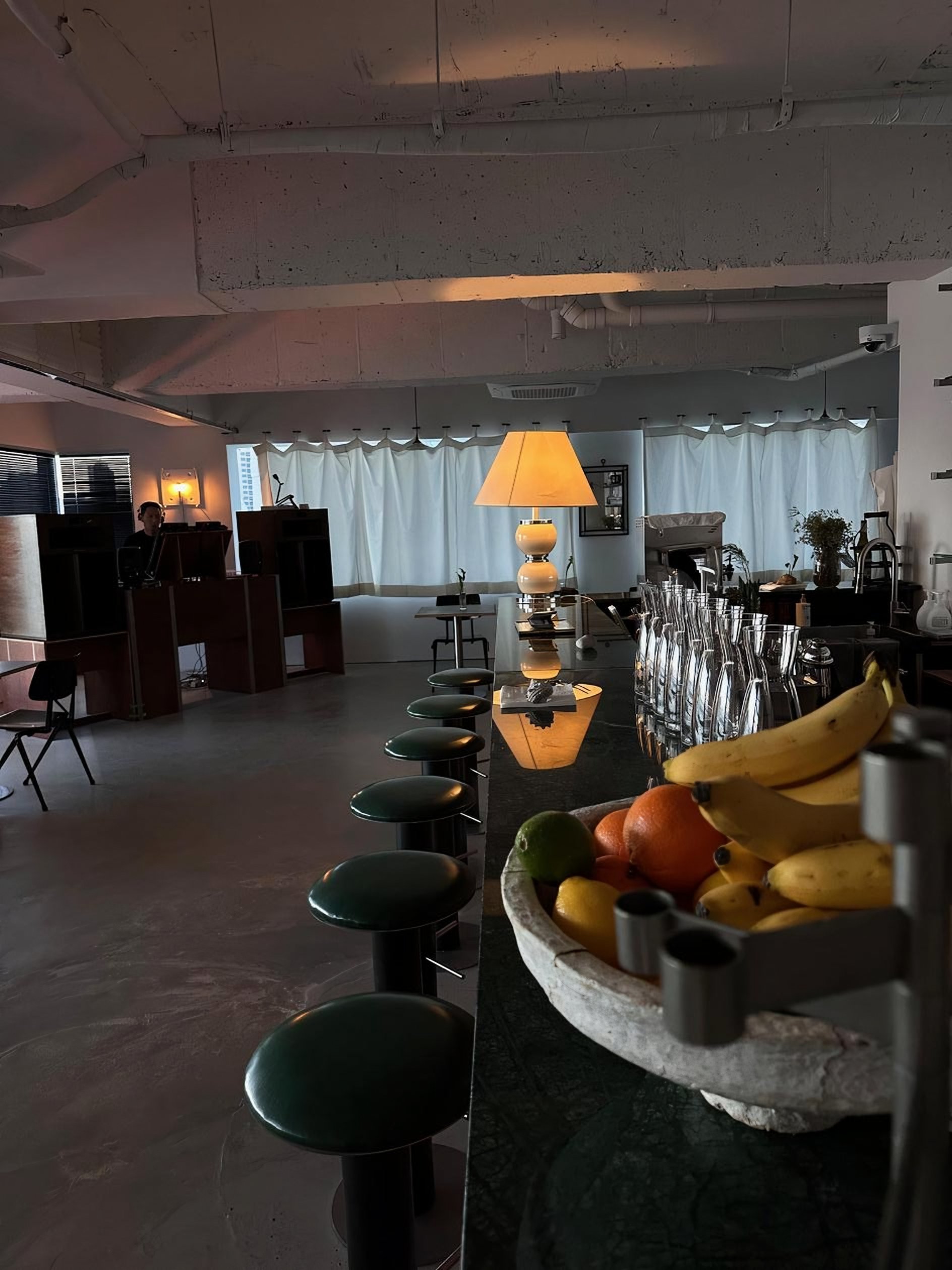
Ananti at Busan Cove presents itself as an architecture-first coastal retreat where the East Sea shapes both form and experience. The property foregrounds site-responsive design — volumes, materials and sightlines that answer the shoreline’s topography and light — creating a refined, memorable presence that has earned international recognition. The overall tone feels deliberate and elevated rather than flashy: contemporary lines and thoughtful orientation toward the sea produce calm, curated spaces that appeal to travelers who care about design as much as service. It reads as a purposeful, high-design resort that balances the drama of its setting with composure.
Best For
This hotel is best for travelers seeking a design-forward coastal escape close to Busan — a weekend retreat for city dwellers and visitors who prize architecture and place. Its La Liste recognition signals consistent high standards, making it a natural pick for special-occasion stays where the setting and aesthetic matter as much as comfort. It also suits couples and small groups who want a contemplative shoreline experience anchored by contemporary resort design rather than the large-scale resort template common elsewhere in Korea. The emphasis is on sightlines, materiality and context as parts of the guest experience.
Venue details
Ambiance
Serene coastal atmosphere with panoramic sea views, soundproofed rooms, and relaxing spa lighting.
Tags
Vibe
Best For
Experience
Amenities
View
Accessibility
About the Stay
- Rooms
- 310
- Check-in
- 15:00
- Check-out
- 11:00
- Property Style
- Luxury Oceanfront Resort with Cliffside Design
- Design Style
- Modern Minimalist with Elegant Coastal Aesthetics
Know before you go
Know Before You Go
- Getting there
- 268-32 Gijanghaean-ro, Gijang, Busan
Planning details
Location
Recognition and awards

Also consider
Also Consider
- SIGNIEL BUSAN, Notable alternative
- Grand Josun Busan, Notable alternative
- Park Hyatt Busan, Notable alternative
- Good Ol' Days Hotel, Notable alternative
- Fairfield by Marriott Busan Songdo Beach, Notable alternative
Hotel context
How it compares in Busan
Ananti at Busan Cove is the quieter, more destination-led choice in this set. SIGNIEL BUSAN is the stronger pick for travelers who want a polished high-rise luxury hotel closer to Haeundae's main action, while Grand Josun Busan is easier to justify when beach access and a classic large-hotel rhythm matter more than retreat-like calm.
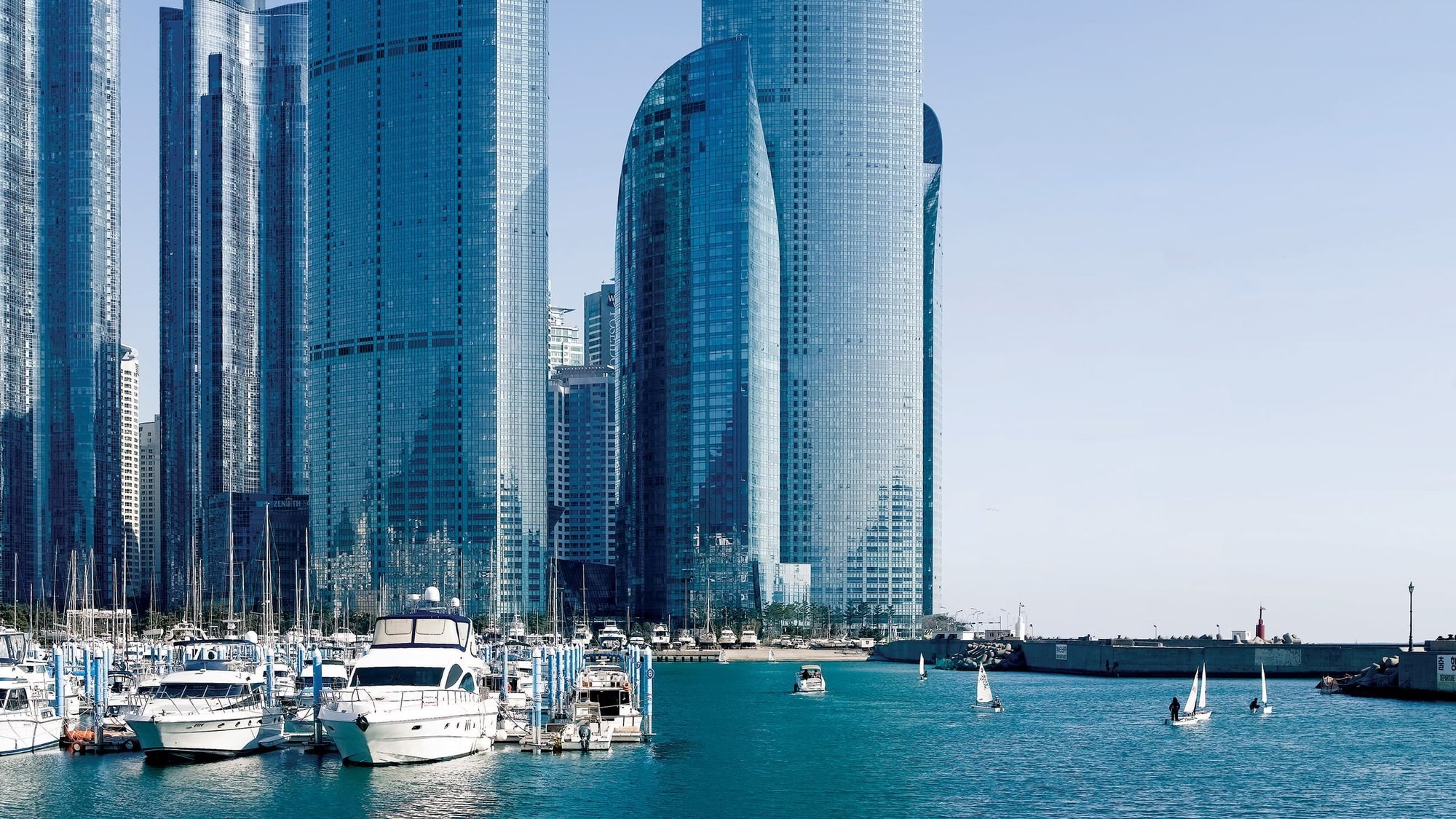
Park Hyatt Busan is the better cross-shop for marina atmosphere and city movement. Choose Ananti at Busan Cove when the stay itself is the occasion; choose Park Hyatt Busan when dinners, meetings, and movement around Busan carry more weight.
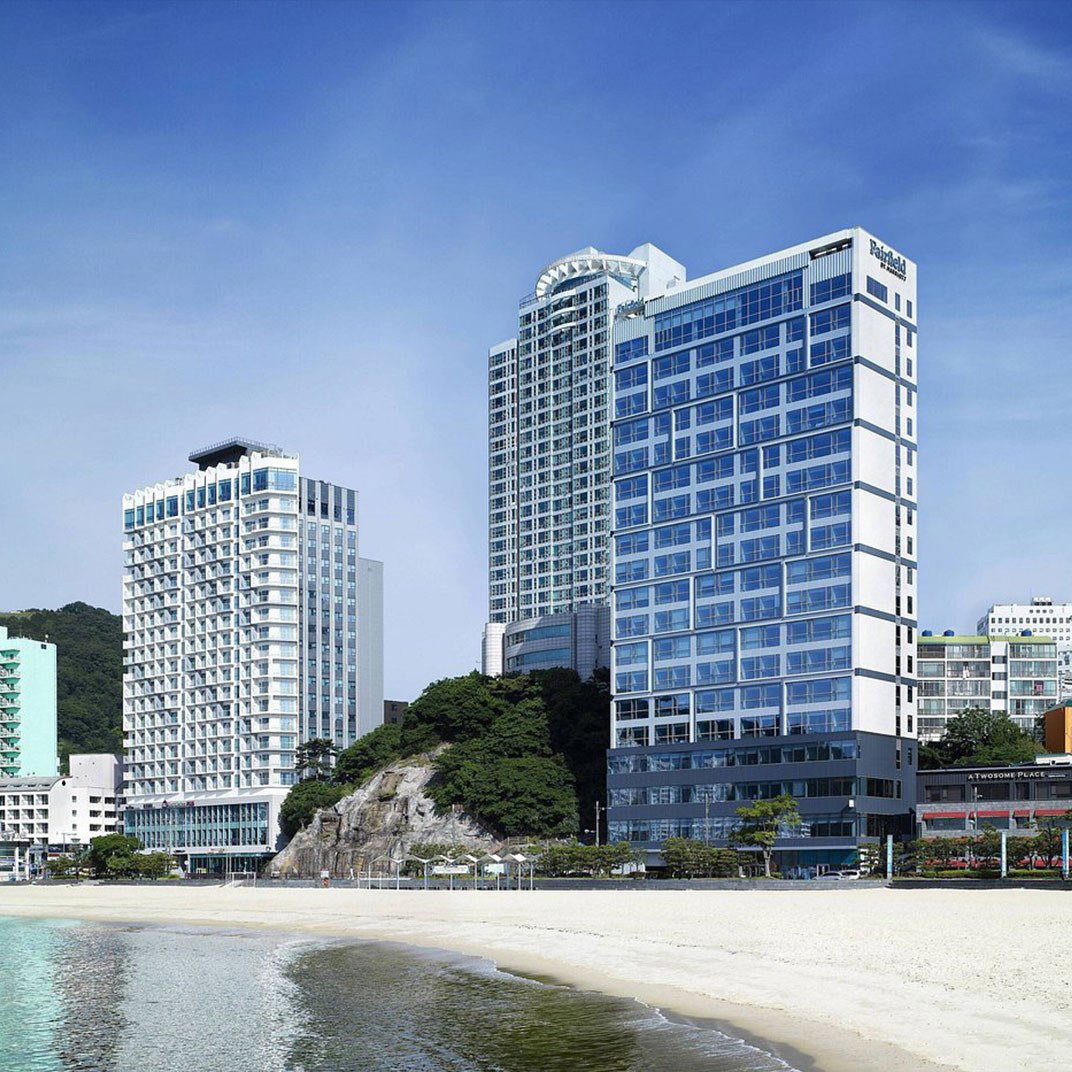
For lower-friction value, Good Ol' Days Hotel and Fairfield by Marriott Busan Songdo Beach are better if the hotel is mainly a base. Ananti at Busan Cove is not the default value play; it is the better fit when ambiance and a slower coastal pace justify paying beyond a simpler room.
Explore Busan
Around this place
Discover more on Pearl
Unlock the full Ananti at Busan Cove guide in Pearl, including awards, comparisons, FAQs, planning details, and nearby places.
Compare Ananti at Busan Cove
| Venue | Location | Awards |
|---|---|---|
| Ananti at Busan Cove | Busan | 2026 La Liste Top Hotels2025 Michelin Selected Hotels |
| SIGNIEL BUSAN | Busan | 2026 La Liste Top Hotels2026 Michelin 2 KeysWorld Luxury Hotel Awards 2025Michelin 2 Keys 20252025 Michelin 2 Keys |
| Grand Josun Busan | Busan | No published awards |
| Park Hyatt Busan | Busan | 2026 Virtuoso Luxury Hotel Collection2026 La Liste Top Hotels2025 Michelin Selected Hotels |
| Good Ol' Days Hotel | Busan | No published awards |
| Fairfield by Marriott Busan Songdo Beach | Busan | No published awards |




How Ananti at Busan Cove compares with similar nearby venues.
FAQ
Frequently Asked Questions
Is Ananti at Busan Cove family-friendly?
Confirm room setup, bedding, facilities, and any child-related policies directly with the hotel before booking. Compare it with Park Hyatt Busan if you want another Busan hotel option to review.
What is check-in like at Ananti at Busan Cove?
Confirm the current check-in time, arrival process, and any deposit or identification requirements with the hotel or booking channel. If you are comparing Busan hotels, SIGNIEL BUSAN is another option to review.
How is the location of Ananti at Busan Cove?
Ananti at Busan Cove is in Busan. Use the hotel or booking map to confirm whether the location suits your itinerary. Grand Josun Busan is another Busan hotel to compare.
Which room category is best at Ananti at Busan Cove?
The best room category depends on the current room types, rates, inclusions, and your trip needs. Compare the live options before booking. For a different Busan hotel choice, Fairfield by Marriott Busan Songdo Beach is worth reviewing.
Do loyalty programs work at Ananti at Busan Cove?
Check directly with the hotel or your booking platform before assuming points, status benefits, or member rates apply. If loyalty benefits are important, Park Hyatt Busan or SIGNIEL BUSAN may also be useful comparisons to research.
How is the dining at Ananti at Busan Cove?
The hotel’s recognized proof points are La Liste Top Hotels 2026 with 90 points and MICHELIN Guide Hotels Selected 2025.
When is the best time to book Ananti at Busan Cove?
The best booking window depends on your dates, rate flexibility, and availability. Compare live rates and cancellation terms before committing. SIGNIEL BUSAN is another Busan hotel to check if you are comparing options.