
QC Terme Bagni di Bormio Bagni Nuovi
Molina, Bormio
Hotel in Bormio, Italy
 Book with Pearl
The Read
Price
$300–500per night
Why go
A strong pick for a Bormio stay built around thermal-spa time rather than town-center convenience. QC Terme Bagni di Bormio Bagni Nuovi is Michelin Guide Hotels Selected for 2025, and it suits couples, families with older children, and repeat visitors who want a calmer mountain base. Skip it if the trip is mainly dining, nightlife, or quick central access.
About QC Terme Bagni di Bormio Bagni Nuovi
QC Terme Bagni di Bormio Bagni Nuovi is a Bormio venue with limited public detail in this guide. The confirmed facts are concise: it is in Bormio, the dress code is smart casual, and it appears in the MICHELIN Guide as Hotels Selected for 2025. Beyond those points, specific claims about services, facilities, dining, prices, hours, or booking difficulty should be checked directly with the venue before planning around them.
Use this page as a conservative starting point rather than a complete trip plan. If you are comparing options in Bormio, focus on the details you can confirm at the time of booking: availability, what is included, the latest policies, and whether the venue's current offering matches your trip.
Book for confirmed Bormio details, not extras
The safest reason to consider QC Terme Bagni di Bormio Bagni Nuovi is direct: it is a Bormio venue with a confirmed MICHELIN Guide Hotels Selected 2025 recognition. That is the grounded distinction available here. Do not assume any specific facility, package, service format, or feature unless it is confirmed by the venue or your booking channel.
For a Bormio trip, the practical move is to verify the essentials before committing. Confirm what is included, what requires advance booking, and what policies apply to your dates. Readers planning a broader itinerary can compare other dining and travel options in Bormio generically, but this venue page should not be treated as evidence for unlisted amenities.
Family fit depends on details
There is not enough information here to make a firm family recommendation. Families should confirm the current suitability of the venue directly, including any age policies, arrangements, and on-site services that matter to the trip. Without those details, it is better to avoid assuming that the venue is designed for a particular family pace or style.
The strongest planning advice is to match the booking to confirmed needs. If your trip depends on specific facilities, meals, children's arrangements, or activity access, verify those points before reserving. The confirmed smart casual dress code is useful for packing and venue expectations, but it does not establish the full guest experience.
Who should skip it
Skip it if your decision depends on details that have not been here. If those factors are decisive, check the venue directly or compare other Bormio options with clearer current information.
The clean verdict: consider QC Terme Bagni di Bormio Bagni Nuovi if a Bormio venue with confirmed MICHELIN Guide Hotels Selected 2025 recognition and a smart casual dress code fits your plans. If you need certainty around specific amenities or services, confirm those details before booking.
Planning details
- Location
- Via Bagni Nuovi, 7, Bormio, Italy
- Phone
- +390342910131
The take
The Take
The Vibe
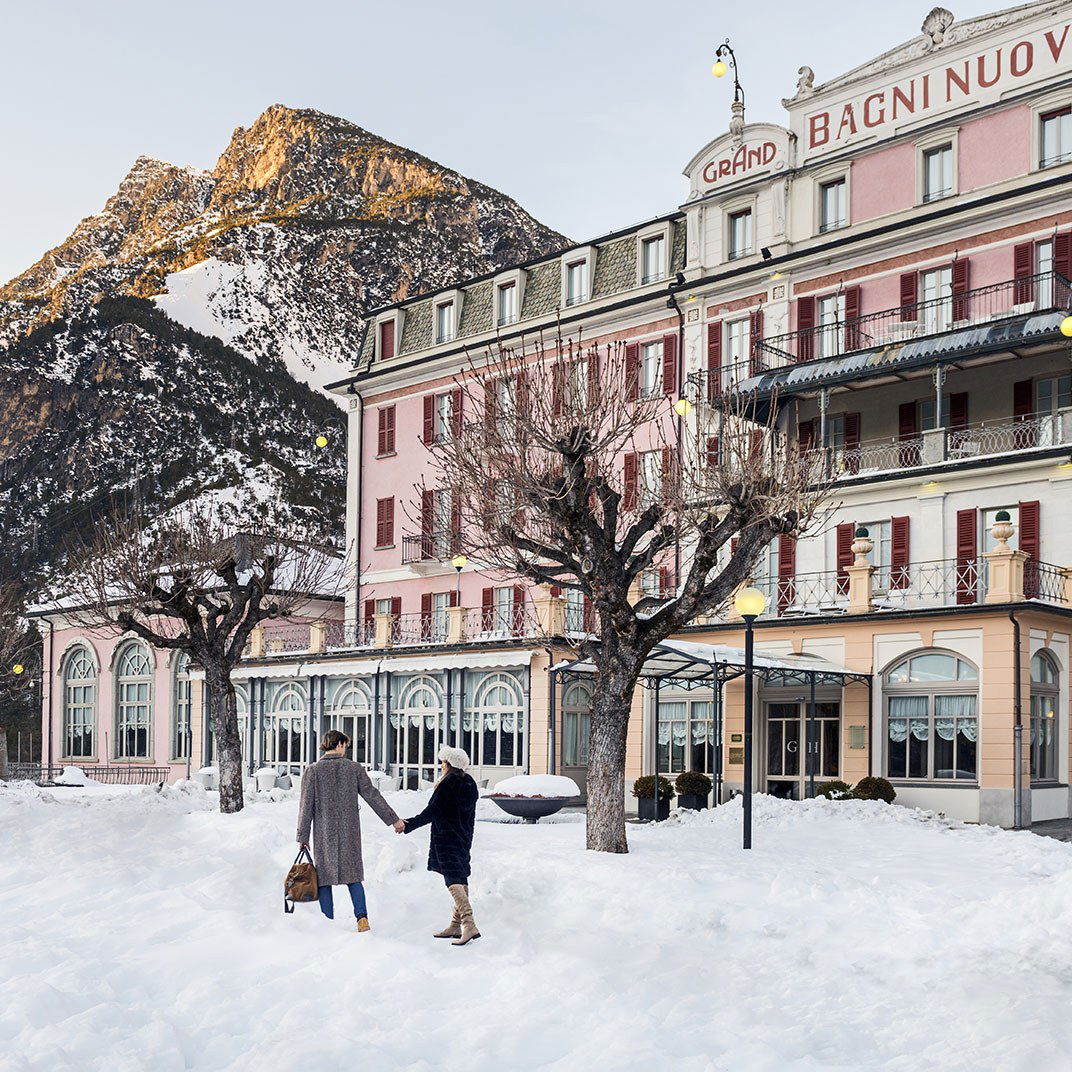
QC Terme Bagni di Bormio Bagni Nuovi presents a historic, quietly restorative alpine character anchored by a nineteenth‑century neoclassical building and an ancient thermal tradition. The property foregrounds the mineral springs themselves — their chemistry, elevation and sensory effects — so the mood is less about flashy design and more about measured calm rooted in place. Guests experience a deliberate pace that emphasizes the natural setting of Stelvio National Park; services and spaces feel dignified and classic rather than trendy, making the hotel an architectural and wellness‑driven destination for those who prize history and a contemplative mountain atmosphere.
Best For
This hotel is best for travelers focused on thermal bathing and alpine wellness: people who choose destinations for specific water chemistry, elevation and the restorative qualities of hot springs. History buffs and guests who appreciate a classical architectural setting also find a clear appeal in the nineteenth‑century structure and its long bathing tradition. The Michelin Selected designation signals consistent quality for visitors who value reliable service and measured luxury without ostentation. In short, Bagni Nuovi suits wellness seekers, contemplative couples and travelers looking for a refined, historic alpine spa experience.
Stay Tips
Prioritize questions about the springs when you inquire: ask for details on the mineral profile and which pools or treatments draw from particular sources, since the description emphasizes water chemistry as the primary attraction. Note the altitude and location within Stelvio National Park when planning travel logistics and wardrobe. Given the hotel’s historical setting and its Michelin Selected status, check availability and book treatments or dining well in advance during peak season. Keep expectations focused on thermal bathing and restorative experiences rather than flashy resort amenities.
Venue details
Ambiance
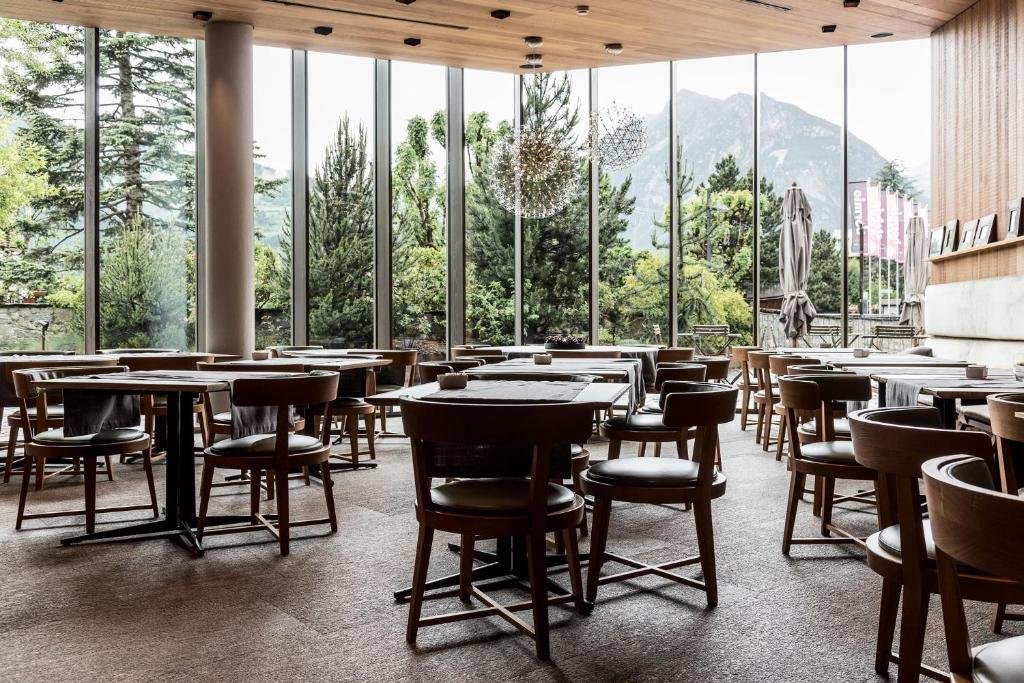
Opulent Venetian-style halls with stucco, frescos, high ceilings, and warm woods create an elegant, timeless atmosphere of refined tranquility.
Tags
Vibe
Best For
Experience
Amenities
View
About the Stay
- Rooms
- 82
- Property Type
- Heritage hotel
- Property Style
- Historic Art Nouveau Luxury Spa Resort
- Design Style
- Art Nouveau with Opulent Venetian Elements and Contemporary Wellness Design
- Pool
- Yes
- Spa
- Yes
- Pets
- Allowed
Know before you go
Know Before You Go
- Getting there
- Via Bagni Nuovi, 7, Bormio, Italy
Planning details
Location
Via Bagni Nuovi, 7, Bormio, Italy · Directions
Recognition and awards
Explore Bormio
Around this place
Discover more on Pearl
Unlock the full QC Terme Bagni di Bormio Bagni Nuovi guide in Pearl, including awards, comparisons, FAQs, planning details, and nearby places.
FAQ
Frequently Asked Questions
How does QC Terme Bagni di Bormio Bagni Nuovi compare to other Bormio options?
The distinction in this guide is that QC Terme Bagni di Bormio Bagni Nuovi is in Bormio and is listed by the MICHELIN Guide as Hotels Selected for 2025. For any comparison with other Bormio options, confirm current services, inclusions, and policies directly before booking.
Do loyalty programs work at QC Terme Bagni di Bormio Bagni Nuovi?
No loyalty-program details are available here. If points, member rates, or benefits matter to the booking, confirm them directly with the venue or your booking channel.
Which category is best at QC Terme Bagni di Bormio Bagni Nuovi?
No category details are available here. Choose only after checking the current descriptions, inclusions, and policies through the venue or your booking channel.
Is QC Terme Bagni di Bormio Bagni Nuovi good for business travel?
There is not enough information here to judge its fit for business travel. If work needs are central, confirm practical details such as connectivity, arrangements, and cancellation terms before booking.
How is the location of QC Terme Bagni di Bormio Bagni Nuovi?
The location detail is Bormio. No street address or more specific location description is provided here, so travelers should confirm the exact location through official or booking channels.