Braulo (Amaro Braulio)
center, Bormio
Winery in Bormio, Italy
 Book with Pearl
The Read
High-Altitude Amaro Production
Price
$10–20tasting
Why go
Braulo (Amaro Braulio) is worth prioritising if the goal is a Bormio-specific amaro stop, especially after dinner or as part of a mountain-town celebration. It is less suitable for visitors seeking a classic winery tasting, vineyard setting, or wine-led itinerary; cross-shop Nino Negri, Ar.Pe.Pe., or Puni Distillery for that brief.
About Braulo (Amaro Braulio)
Braulo (Amaro Braulio) is in Bormio with a casual dress code and Pearl 2 Star Prestige recognition for 2025. For planning, confirm the format, menu, service style, hours, pricing, and group capacity directly before building an itinerary around it.
For a Bormio plan, the practical decision is whether Braulo (Amaro Braulio) fits the rest of your itinerary. It is best approached as a recognized venue in Bormio, with current practical details checked directly before you commit to a specific schedule.
Choose this for a confirmed Bormio venue, with expectations checked
Readers should set expectations carefully. Braulo (Amaro Braulio) is in Bormio and the dress code is casual, but the specific experience format should be checked before you plan around it. Confirm details directly with the venue before building a schedule around it.
If you are comparing other notable names for a wider itinerary, consider how Braulo (Amaro Braulio) fits beside Nino Negri, Ar.Pe.Pe. Foradori, Puni Distillery, and Villa de Varda. Those names may serve different itinerary needs, so avoid assuming Braulo offers the same type of visit unless you have confirmed the details directly.
Where it fits in an itinerary
Braulo (Amaro Braulio) can be considered as part of a Bormio plan, especially for travelers who want to include a recognized venue. Keep the plan flexible until you have current details from the venue, particularly for tastings, production access, food pairings, or a guided visit.
For broader comparison, Nino Negri, Ar.Pe.Pe. Foradori, Puni Distillery, and Villa de Varda are the relevant named alternatives to review. Use them as itinerary comparisons rather than as proof of what Braulo (Amaro Braulio) itself offers.
Quick reference: choose Braulo (Amaro Braulio) if you want a Pearl 2 Star Prestige 2025 venue in Bormio with casual dress; confirm all practical details directly before planning around a specific experience.
Planning details
- Location
- Via Roma, 27, 23032 Bormio SO
- Website
- amarobraulio.com/it-it
- Phone
- +39 0342 904785
The take
The Take
The Vibe
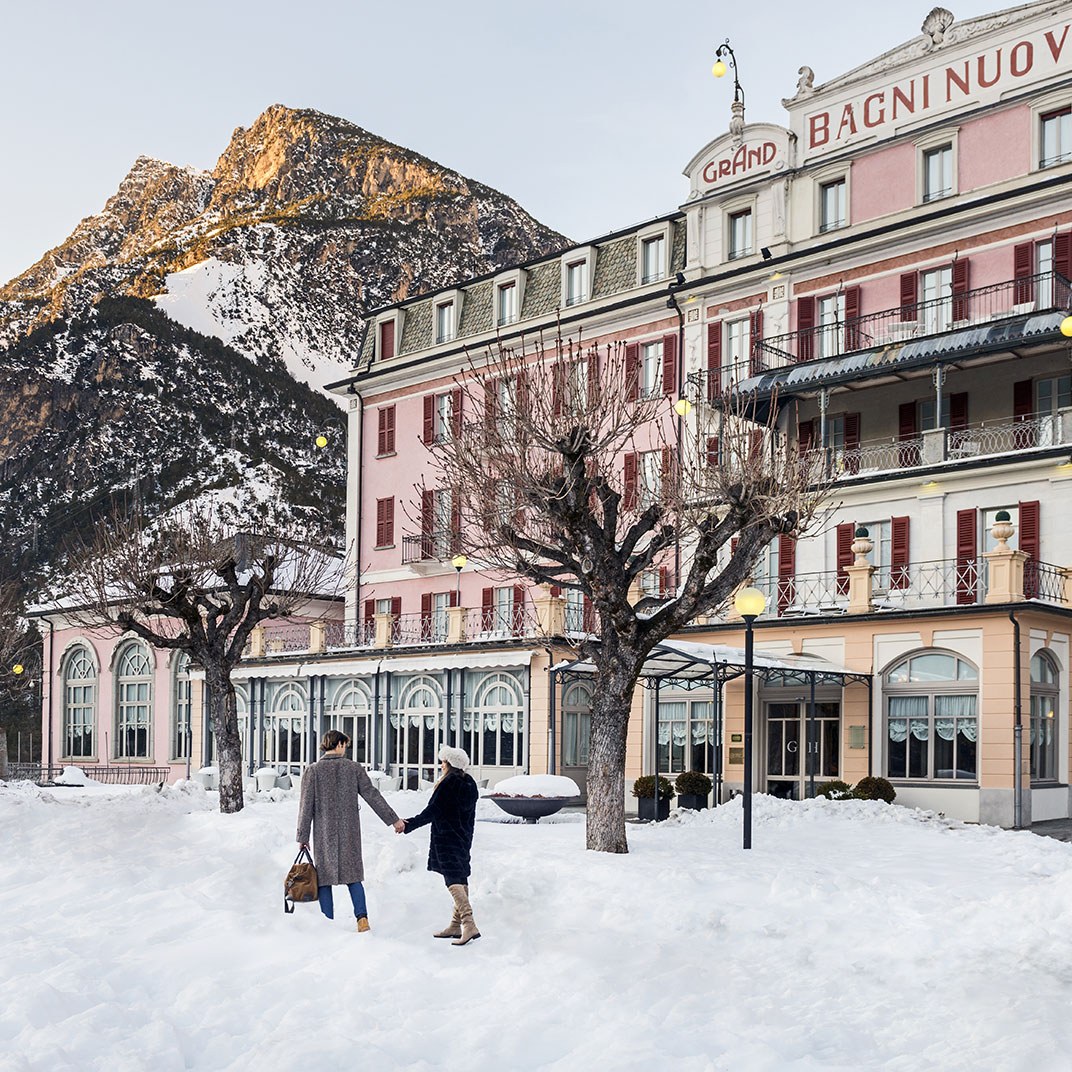
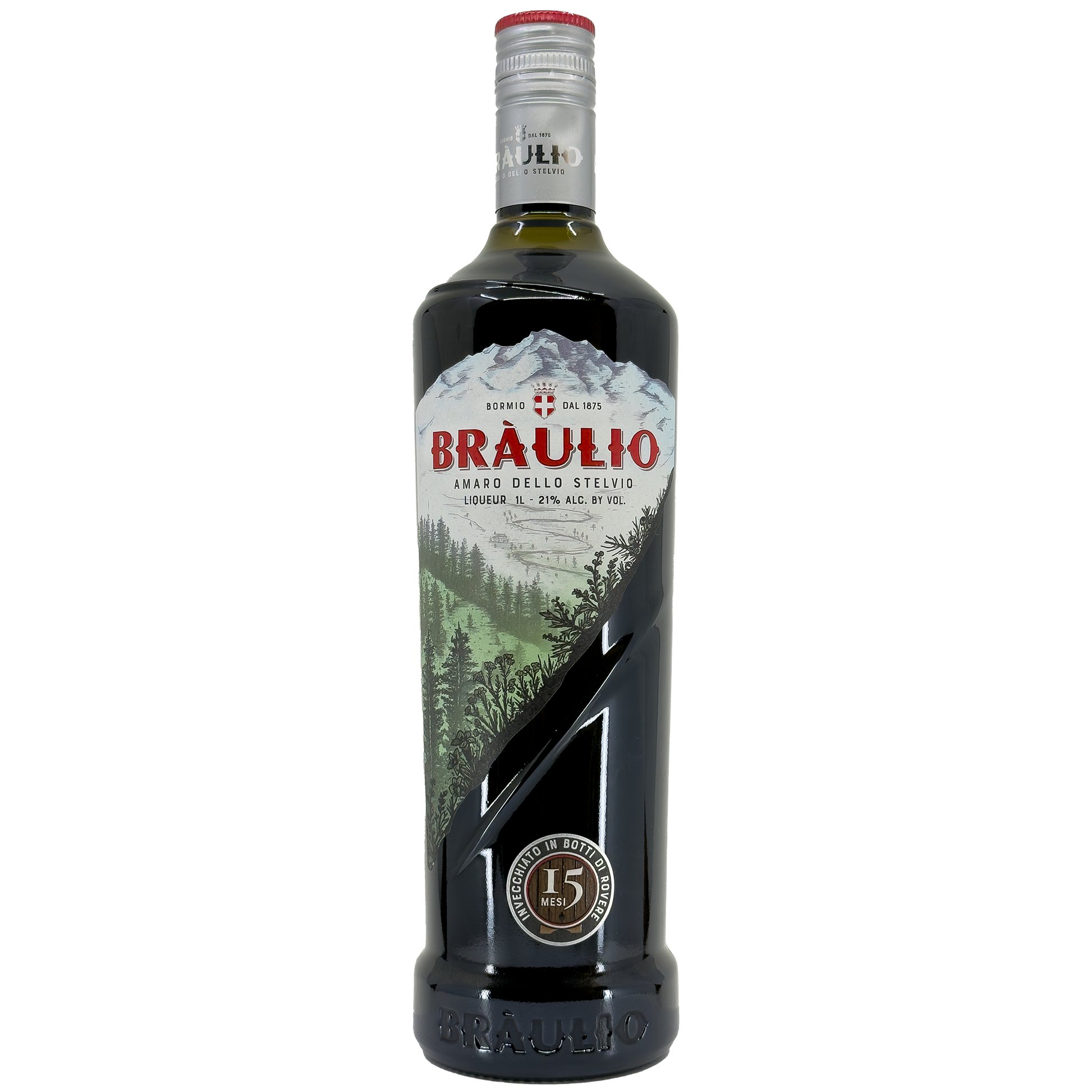
Braulio reads like an alpine statement: a spirit that distills place rather than fashion. The copy foregrounds altitude and geology — treeline, mineral soils and herbs from the Stelvio massif — so the venue’s identity is rooted in its mountain context. Production in central Bormio is framed as a long-running local practice, with a formula in use since 1875 and recent recognition via a 2025 Pearl award. The overall impression is sober and terroir-driven, an offering that privileges botanical intensity and continuity over trendiness; it appeals to visitors who come seeking an authentic, geographically precise alpine amaro.
Best For
This place is best for travelers focused on provenance and the link between landscape and flavor. It naturally suits wine- and spirits-minded visitors looking to deepen their knowledge of how altitude and local botanicals shape an amaro — in other words, wine-education outings and solo exploration. It’s also appropriate for anyone arriving to Bormio from the alpine routes who wants a sense of regional identity in a bottle. Because the text emphasizes history and plant-driven character, Braulio works well for contemplative visits rather than loud, social nights out.
Tasting Tips
When encountering Braulio, prioritize the house amaro itself and pay attention to botanical descriptors: gentian root, yarrow, juniper and local alpine herbs are specifically named. Ask about elevation and sourcing — the copy highlights plants gathered above 2,000 metres on the Stelvio massif — and inquire about the 1875 lineage and the 2025 Pearl 2 Star Prestige award to understand the spirit’s historic profile. For comparative context, mention the Distilleria Marzadro and Distilleria Romano Levi references in the text to prompt discussion about regional differences in northern Italian spirits.
Venue details
Ambiance
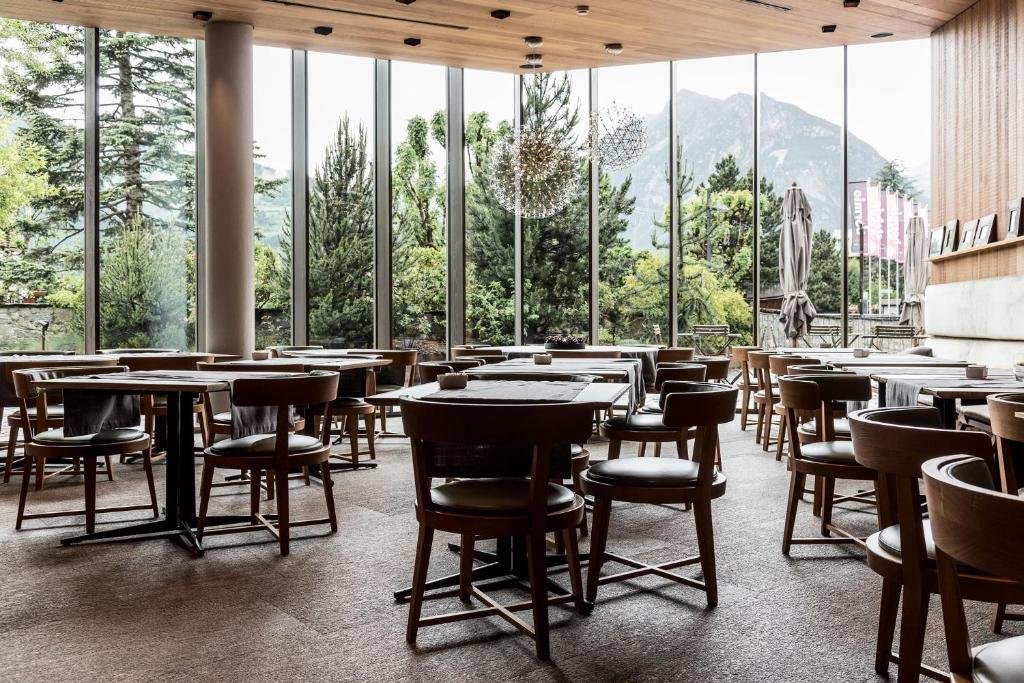
Warm woods, soft lighting, intense herbal aromas, and historic atmosphere in an enchanting underground labyrinth.
Tags
Vibe
Best For
Experience
At the Vineyard
- Varietals
- gentian, juniper, yarrow, wormwood
- Tour Duration
- 60 minutes
- Tour Languages
- Italian, English
- Visits
- By reservation
- Production
- Small producer
- Wine Club
- Not available
Know before you go
Know Before You Go
- Getting there
- Via Roma, 27, 23032 Bormio SO
Planning details
Location
Also consider
Also Consider
- Puni Distillery, Notable alternative
- Nino Negri, Notable alternative
- Ar.Pe.Pe., Notable alternative
- Foradori, Notable alternative
- Villa de Varda, Notable alternative
Winery context
How it compares with nearby drinks producers
Braulo (Amaro Braulio) is the pick for visitors who want a local Alpine amaro reference point in Bormio, especially when the plan is built around dinner and a digestif rather than a long tasting appointment. Puni Distillery is the better fit for a spirits-led visit with a clearer distillery angle, while Nino Negri and Ar.Pe.Pe. make more sense for wine drinkers who want Valtellina context.
For a more wine-focused splurge, Ar.Pe.Pe. is the stronger cross-shop if the group cares about Alpine red wine and producer depth. Nino Negri is a safer choice for travelers who want a more recognisable regional name. Braulo is better value in itinerary terms when the visit is short and the occasion is already anchored by a Bormio meal.
Foradori and Villa de Varda are better for travelers extending beyond Bormio into a wider Trentino-Alto Adige drinks route. Choose Foradori for wine-led planning, Villa de Varda for a grappa-style comparison, and Braulo when the goal is a compact, place-specific amaro stop in town.
Explore Bormio
Around this place
Discover more on Pearl
Unlock the full Braulo (Amaro Braulio) guide in Pearl, including awards, comparisons, FAQs, planning details, and nearby places.
Compare Braulo (Amaro Braulio)
| Venue | Location | Awards |
|---|---|---|
| Braulo (Amaro Braulio) | Bormio | No published awards |
| Puni Distillery | Glorenza | No published awards |
| Nino Negri | Chiuro | 2026 Falstaff Winery Guide |
| Ar.Pe.Pe. | Sondrio | 2026 Falstaff Winery Guide |
| Foradori | Mezzolombardo | 2026 Falstaff Winery Guide |
| Villa de Varda | Mezzolombardo | No published awards |

How Braulo (Amaro Braulio) Bormio compares with similar nearby venues.
FAQ
Frequently Asked Questions
What other venues can I compare with Braulo (Amaro Braulio)?
For a broader itinerary, Puni Distillery, Nino Negri, Ar.Pe.Pe. Foradori, and Villa de Varda are the relevant named comparisons. Confirm each venue's location and visit format directly before treating it as part of the same itinerary.
Do I need a reservation at Braulo (Amaro Braulio)?
How long should I plan for a visit to Braulo (Amaro Braulio)?
Does Braulo (Amaro Braulio) offer a membership program?
If membership value matters to your planning, ask Braulo (Amaro Braulio) directly and compare only current offerings.
Can Braulo (Amaro Braulio) handle large groups?
Contact Braulo (Amaro Braulio) directly before planning a group visit.