


The Mandala Hotel
Tiergarten, Berlin
Hotel in Berlin, Germany
 Book with Pearl
The Read
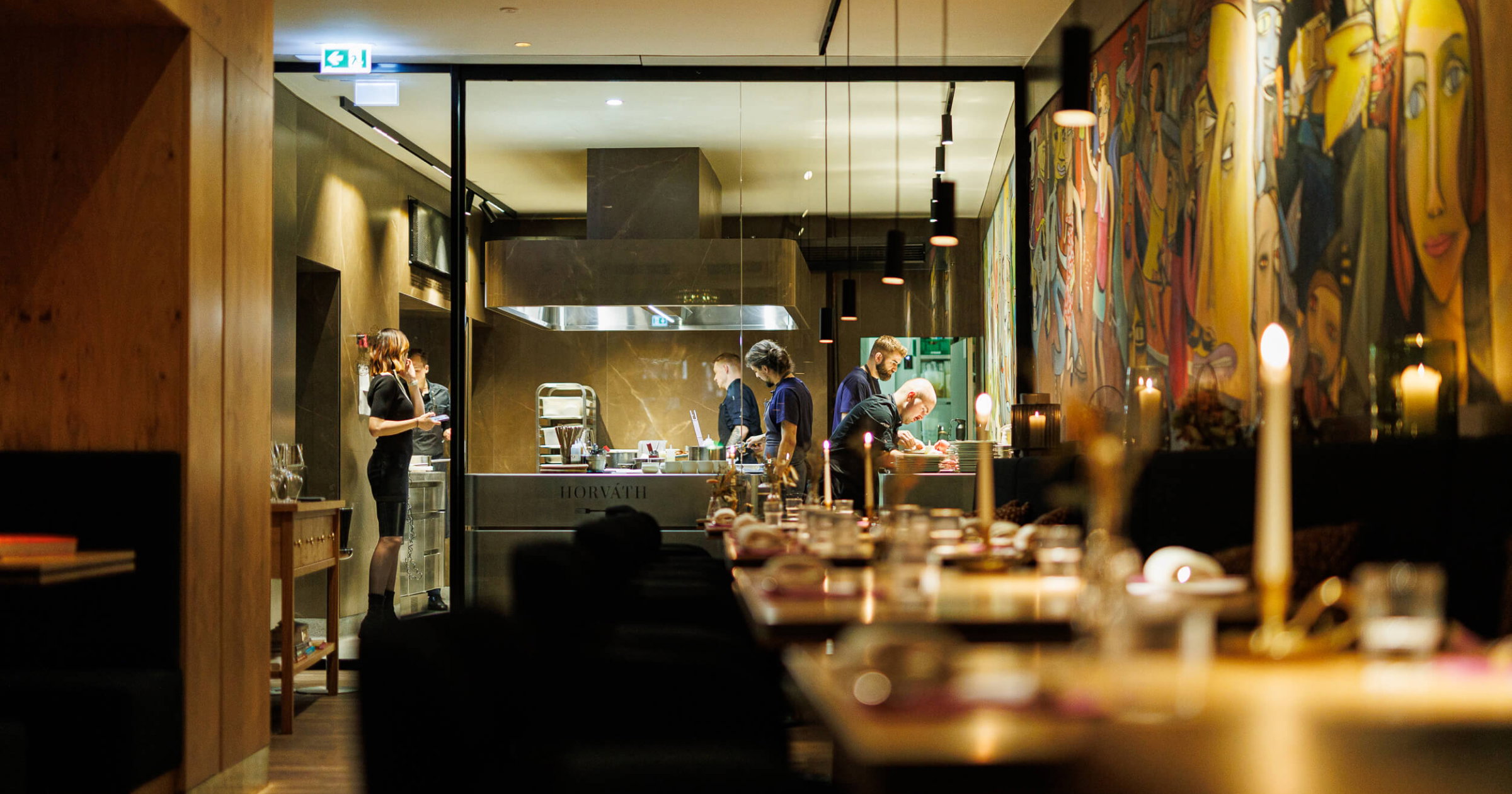
Residential Calm, Two-Star Kitchen
Why go
A strong Berlin pick if you want a design-led central stay near Potsdamer Platz, not if the hotel restaurant is the whole point of the trip. The 2025 Michelin 1 Key and 2026 Design Hotels listing support the quality signal, but dining should be planned separately unless confirmed for your dates.
About The Mandala Hotel
Choose The Mandala Hotel if you want a Berlin stay with strong hotel-recognition signals, including design-hotel recognition, and check any specific facilities or dining details directly before booking. If the next trip is built around restaurants, pair the stay with our full Berlin restaurants guide rather than making hotel dining the centerpiece.
The case is clearest for travelers who want a Berlin hotel with notable recognition. Its profile centers on awards and a smart-casual dress code, making this best approached as a hotel-led choice rather than a stay defined by specific rooms, facilities, restaurants, or service rituals.
Pick it for hotel recognition, not specific amenities
The recent signal matters. Michelin awarded the hotel 1 Key in 2025, La Liste scored it 96.5 points in its 2026 hotel list, and it is listed as a 2026 Design Hotels member. That combination supports considering it for a Berlin hotel stay, while restaurants, bars, room types, facilities, and service formats should be checked directly if they will drive the booking.
For a regular Berlin visitor, the smart play is to use the hotel for its hotel credentials, then plan meals separately. If dinner is the anchor of the trip, compare restaurant options before committing the evening; if the hotel stay is the anchor, this is more persuasive. Wider planning is easier through our full Berlin hotels guide, our full Berlin bars guide, and our full Berlin experiences guide.
Who should cross-shop before committing
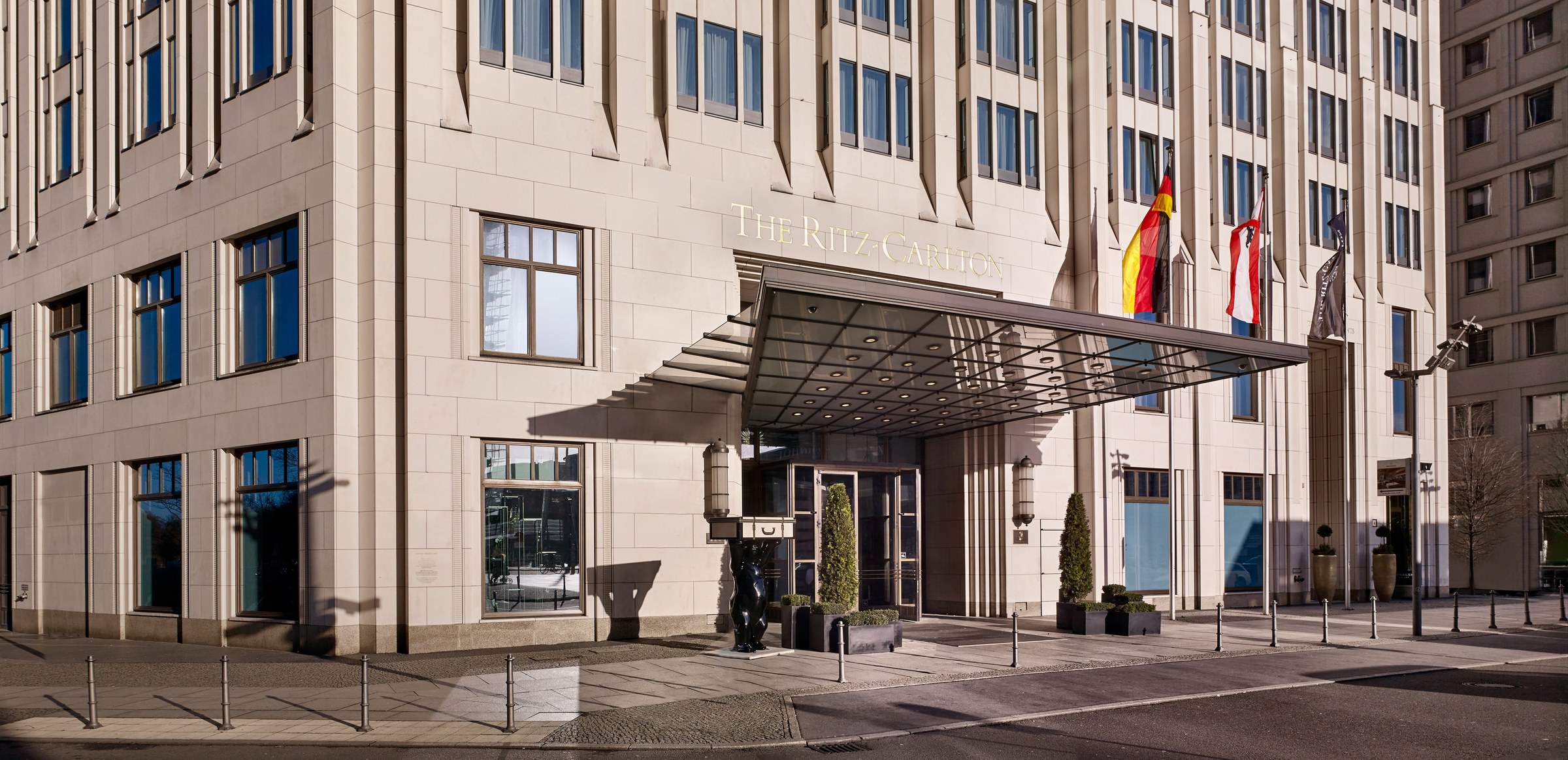
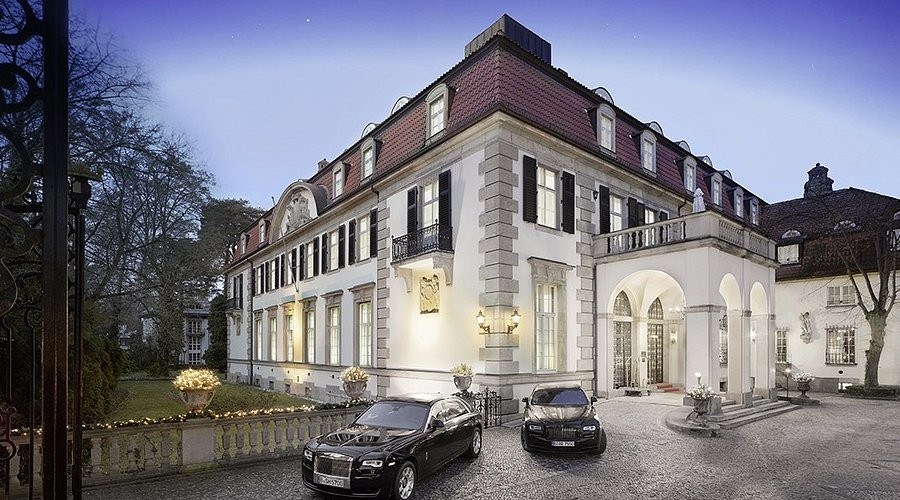
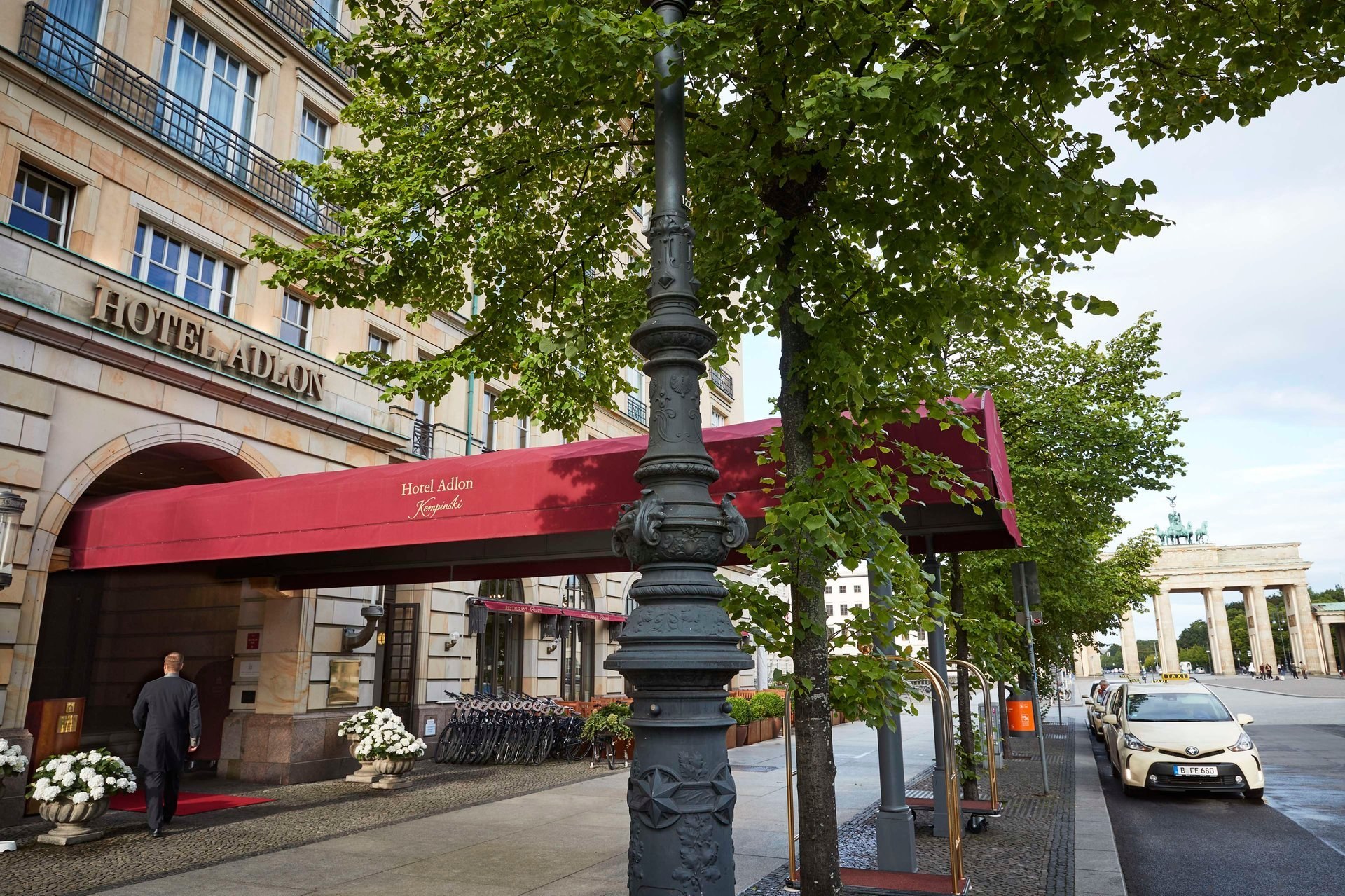
If you are comparing Berlin hotel options, cross-shop Grand Hyatt Berlin, The Ritz-Carlton, Berlin, Hotel Adlon Kempinski, Château Royal Berlin, and Lulu Guldsmeden alongside The Mandala Hotel. Use the comparison to decide which property best fits your trip, then check the current room, facility, service, and booking details directly with each hotel.
For a wider Berlin scan, compare The Mandala Hotel with other Berlin hotels generically, especially if you are deciding between different hotel styles and service expectations. For Germany-wide planning after Berlin, make a separate city-by-city hotel shortlist rather than assuming the same style will suit every stop.
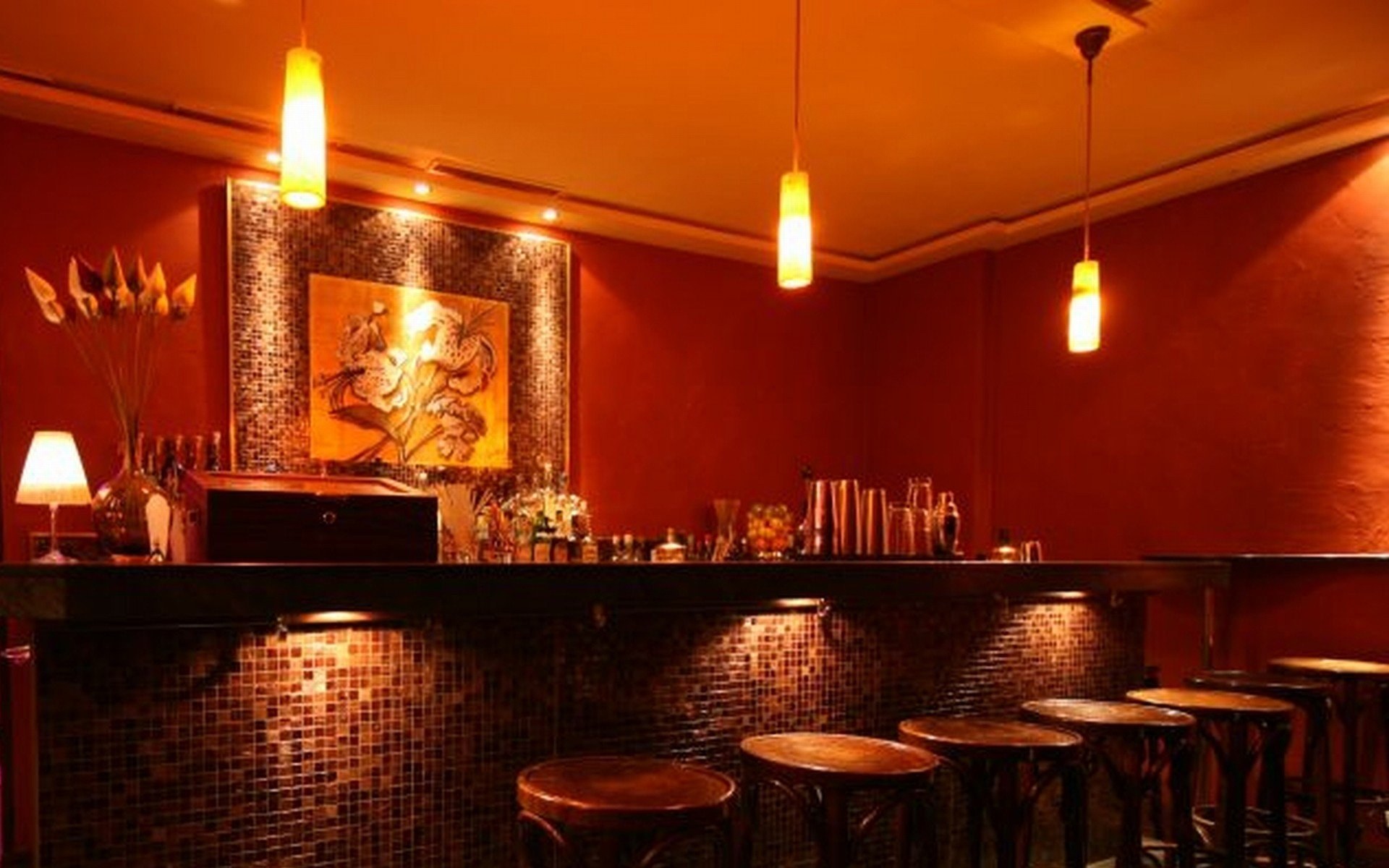
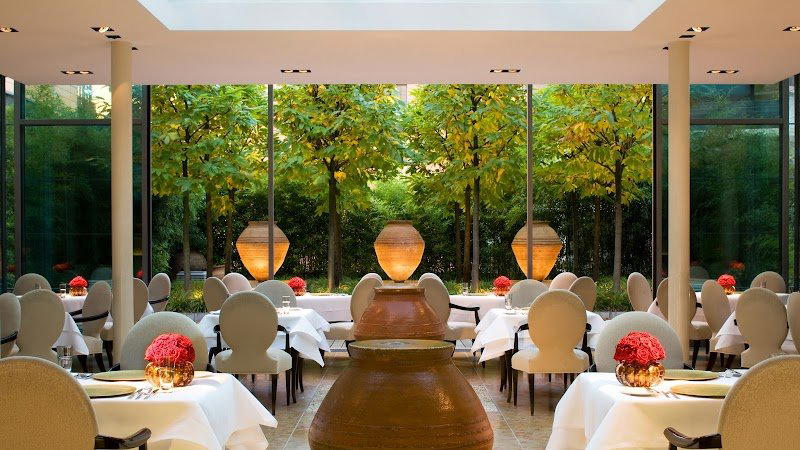
Inside The Mandala Hotel
Planning details
- Location
- Potsdamer Str. 3, 10785 Berlin
- Website
- themandala.de
- Phone
- +49 30 590050000
The take
The Take
The Vibe
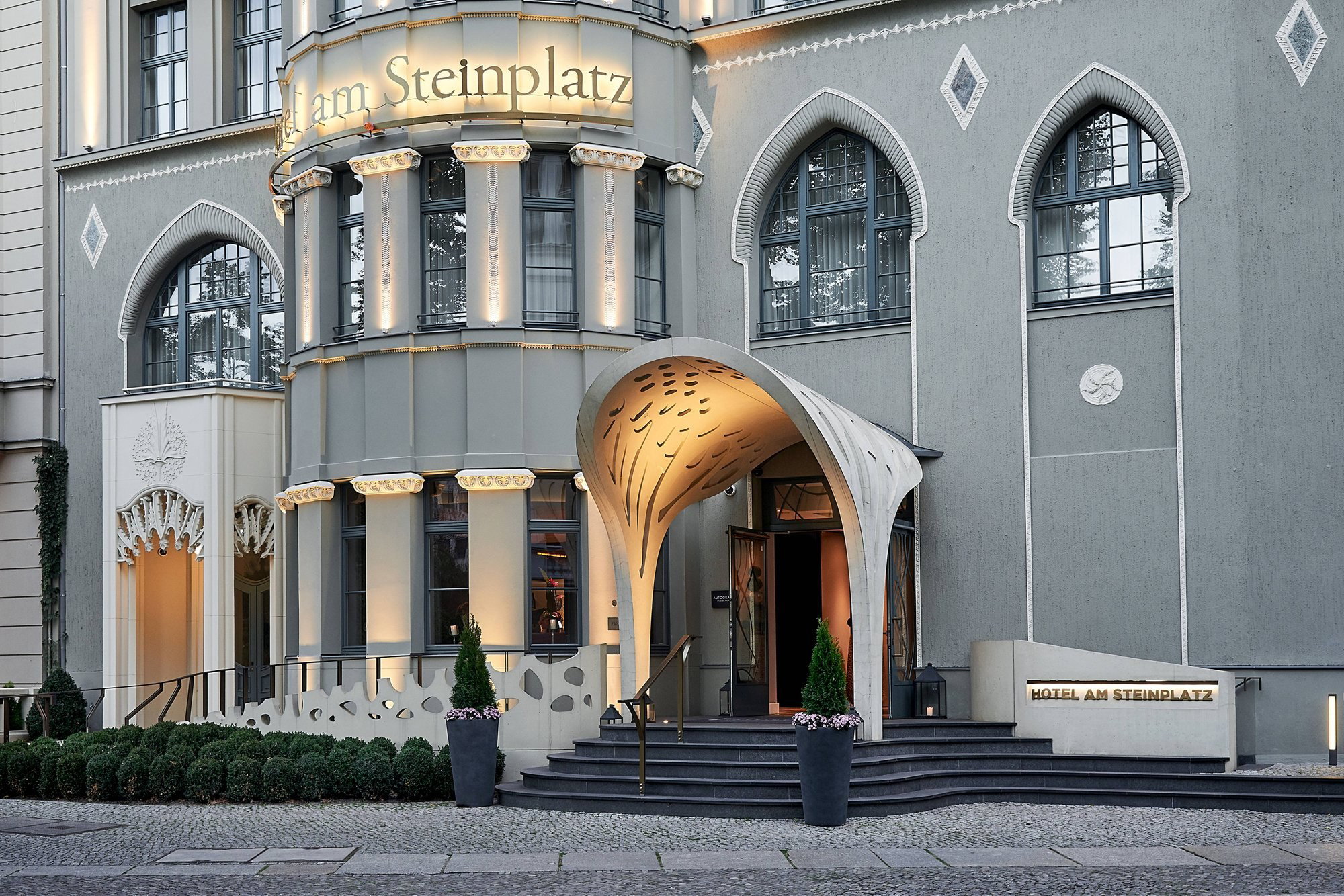
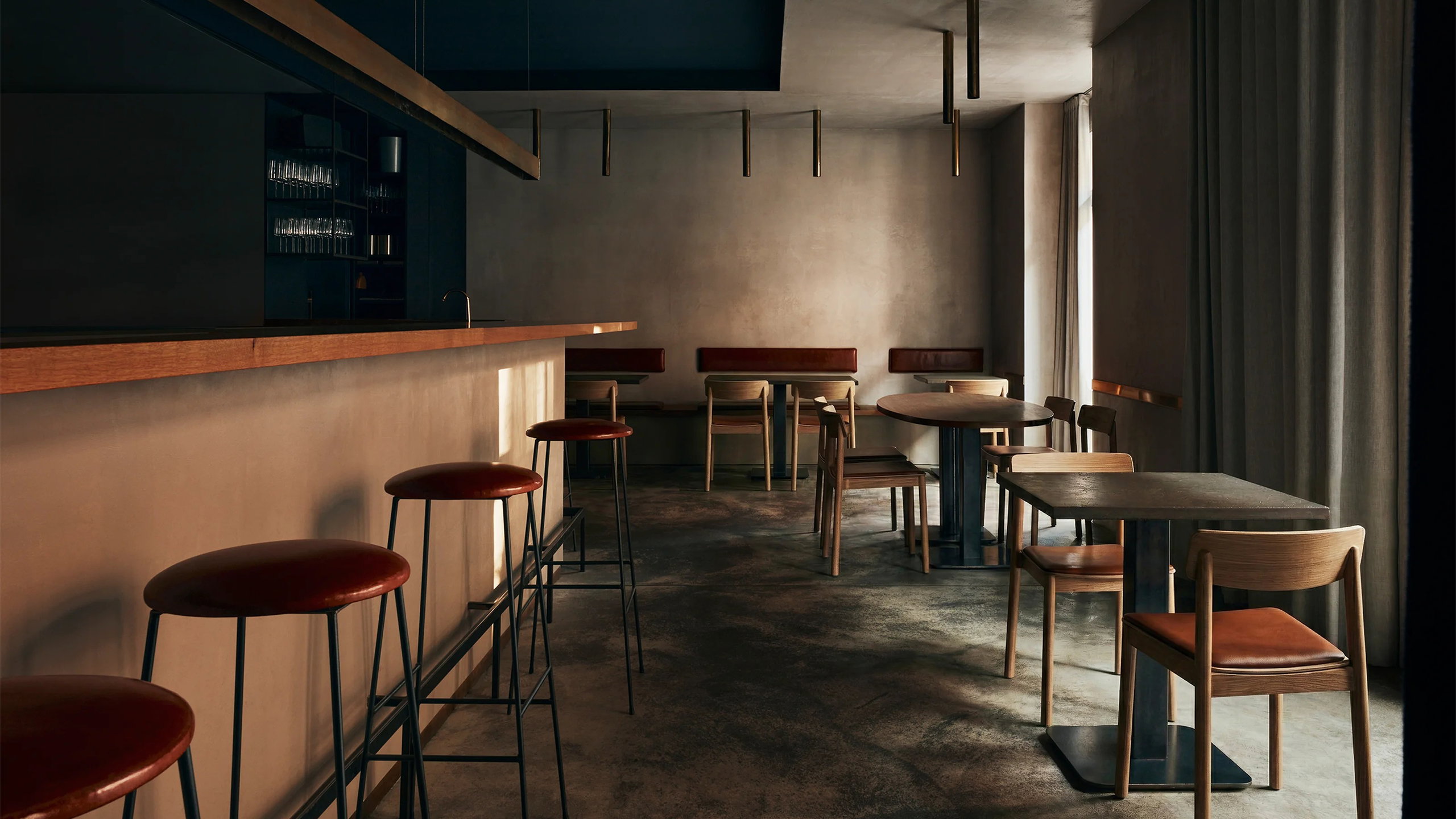
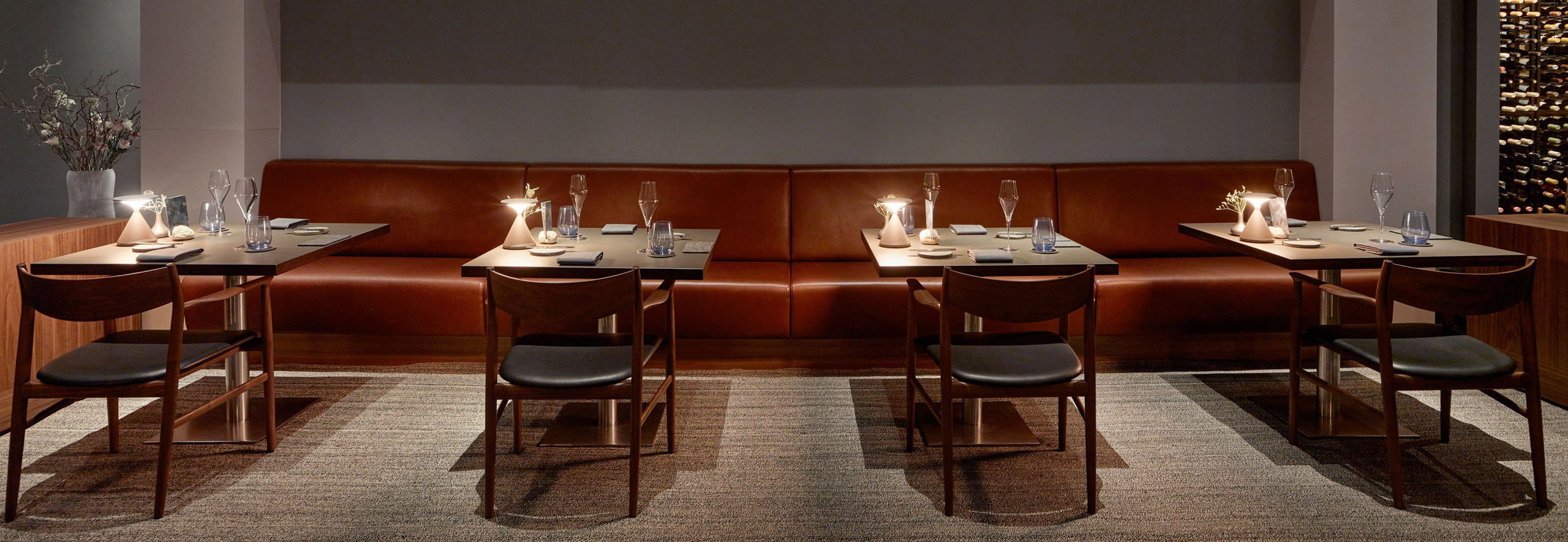
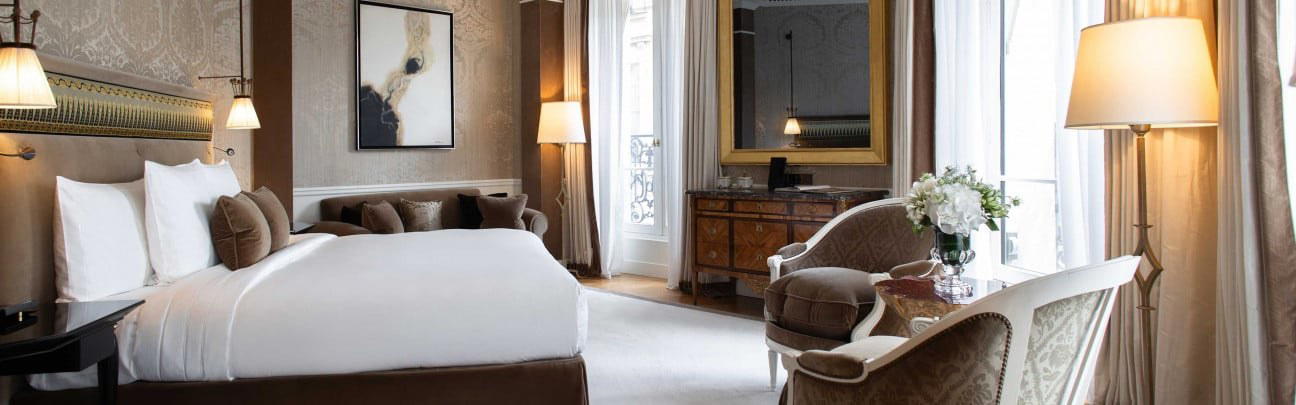
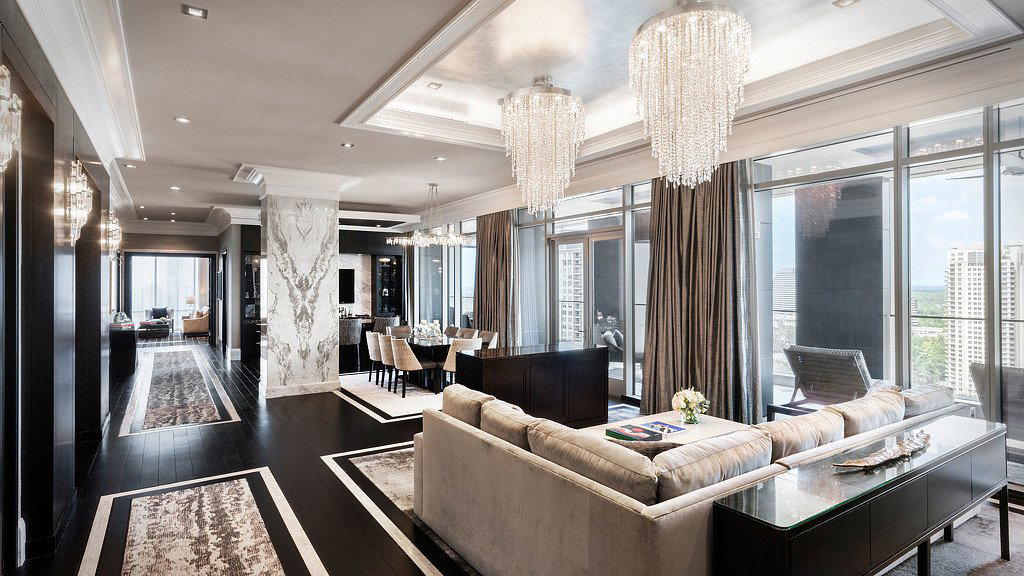
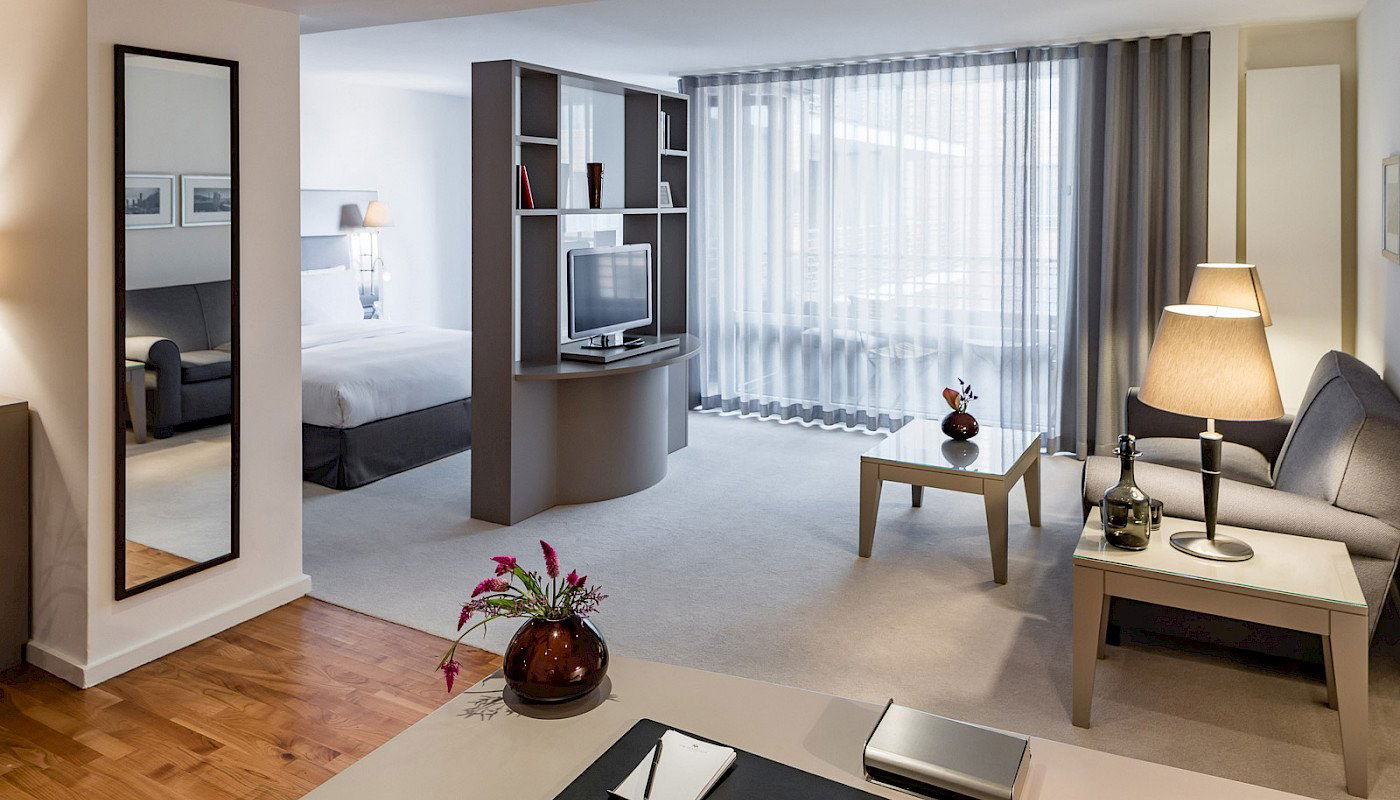
The Mandala positions itself as a haven amid Potsdamer Platz’s bustle, deliberately pulling focus inward to cultivate calm. Interiors are described as 'calibrated' and the hotel emphasizes a quiet courtyard and a spa floor that treat stillness as a primary design objective. Rather than leaning into spectacle, the property practices restraint: rooms read like apartment-style retreats within a full-service luxury framework. The overall effect is serene and composed, rewarding guests who value measured design, discreet service, and a low-key but unmistakably premium atmosphere after a busy day in the city.
Best For
This hotel suits travelers who prioritize quiet, restorative stays in the heart of Berlin. It is ideal for business travelers and couples seeking a peaceful base after the frenetic energy of Potsdamer Platz, as well as guests focused on wellness thanks to a dedicated spa floor. The Mandala’s apartment-style units and consistent high marks for rooms, dining, and service make it a strong pick for weekend escapes or anyone who prefers an inward-facing, calm environment over urban spectacle.
Stay Tips
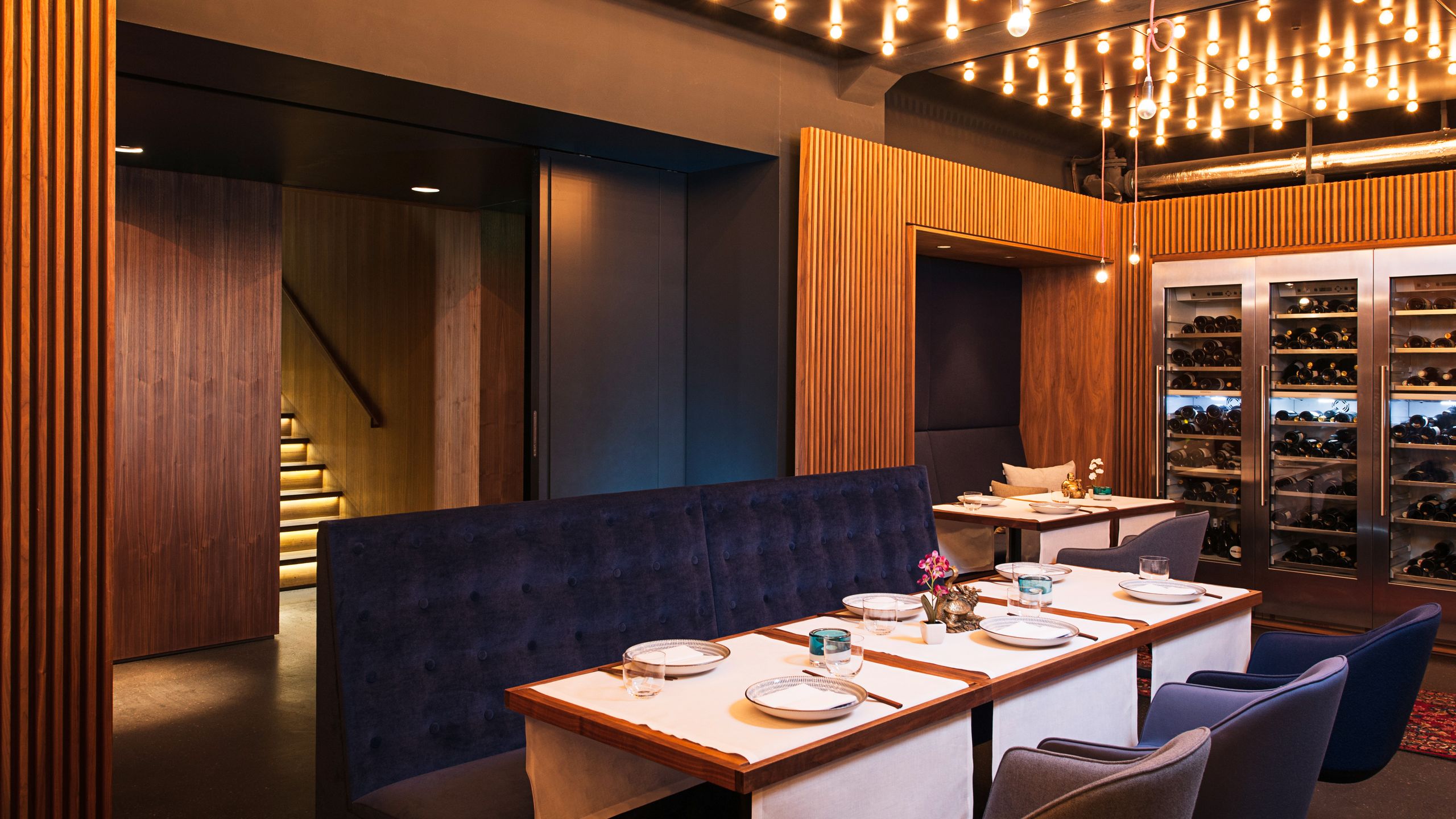
Request a courtyard-facing room to maximize the property’s signature stillness; the text highlights the quiet courtyard as the hotel’s primary buffer from outside noise. Book spa treatments in advance to secure preferred times on the spa floor that treats stillness as a design objective. If you plan to dine on-site, consider pre-booking a table—review notes emphasize consistent delivery across 'dining and service,' suggesting the hotel maintains a focused, high-quality dining program that may require reservations.
Venue details
Ambiance
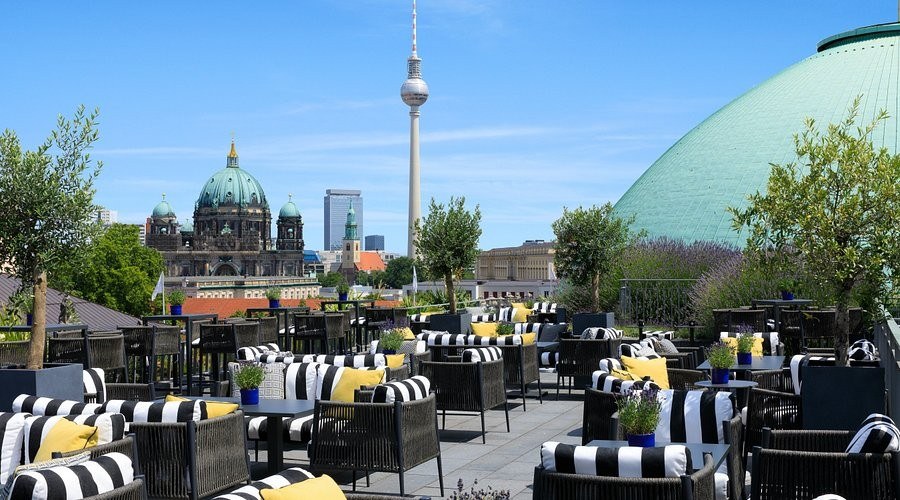
Serene and tranquil atmosphere with modern elegant design, soundproofed rooms, and peaceful wellness areas.
Tags
Vibe
Best For
Experience
Amenities
View
Accessibility
About the Stay
- Rooms
- 159
- Property Style
- Contemporary Luxury Suites with Kitchenettes in Central Berlin.
- Design Style
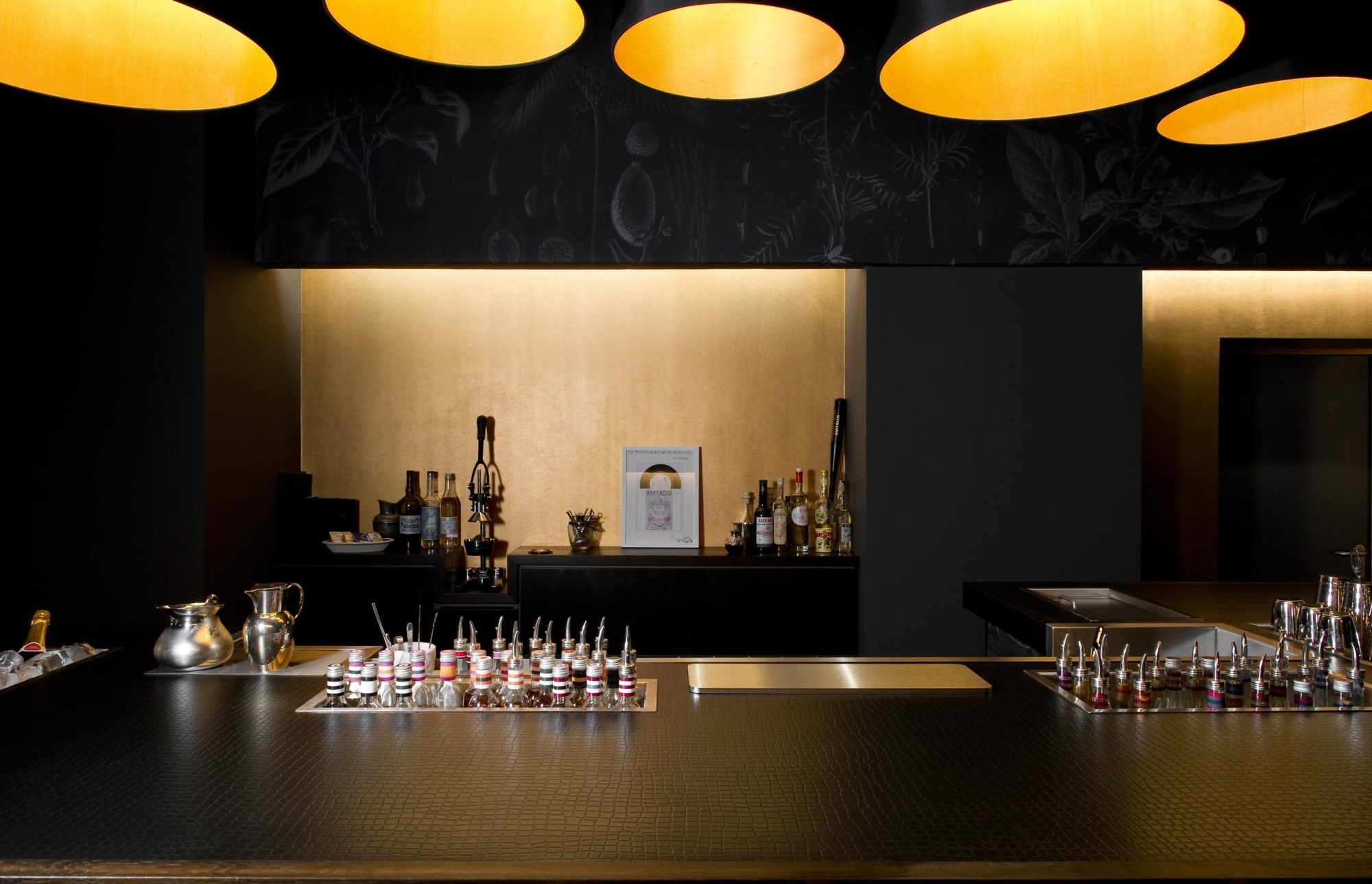
- Modern Minimalist with Designer Furnishings and Serene Harmonies.
Know before you go
Know Before You Go
- Getting there
- Potsdamer Str. 3, 10785 Berlin
Planning details
Location
Recognition and awards

Also consider
Also Consider
- Grand Hyatt Berlin, Notable alternative
- The Ritz-Carlton, Berlin, Notable alternative
- Lulu Guldsmeden, Notable alternative
- Hotel Adlon Kempinski, Notable alternative
- Château Royal Berlin, Notable alternative
Hotel context
How it compares in Berlin
Grand Hyatt Berlin is the safer choice for travelers who want a larger international-hotel setup and a more familiar service model. The Mandala Hotel is the better fit if the priority is quieter design character around Potsdamer Platz, but the Grand Hyatt is easier to justify for travelers who value broad facilities over boutique-style restraint.
The Ritz-Carlton, Berlin and Hotel Adlon Kempinski are stronger picks for formality, ceremony, and a classic luxury-hotel feel. Choose The Mandala Hotel instead if that level of occasion feels unnecessary and the trip needs a calmer central base. For ambiance, the trade is clear: less grand-hotel theatre, more design-hotel discretion.
Château Royal Berlin is the sharper cross-shop for a smaller contemporary stay, while Lulu Guldsmeden makes more sense for a relaxed, value-conscious mood. If availability is tight at The Mandala Hotel, start with Château Royal for a similarly design-aware brief; choose Lulu Guldsmeden if price and informality matter more than central Potsdamer Platz positioning.
Around this place
Discover more on Pearl
Unlock the full The Mandala Hotel guide in Pearl, including awards, comparisons, FAQs, planning details, and nearby places.
Compare The Mandala Hotel
| Venue | Location | Awards |
|---|---|---|
| The Mandala Hotel | Berlin | 2026 Design Hotels Collection2026 La Liste Top HotelsMichelin 1 Key 20252025 Michelin 1 Key |
| Grand Hyatt Berlin | Berlin | No published awards |
| The Ritz-Carlton, Berlin | Berlin | 2026 Virtuoso Luxury Hotel Collection2026 Forbes 4-Star2026 La Liste Top HotelsWorld Travel Awards 20252025 Michelin 2 Keys2024 Michelin 2 Keys |
| Lulu Guldsmeden | Berlin | No published awards |
| Hotel Adlon Kempinski | Berlin | 2026 Virtuoso Luxury Hotel CollectionLeading Hotels of the World 20262026 La Liste Top Hotels2025 Conde Nast Hotels Gold List2025 Michelin 1 Key |
| Château Royal Berlin | Berlin | 2026 Mr & Mrs Smith Luxury Hotels2025 Michelin 1 Key |






How The Mandala Hotel Berlin compares with similar nearby venues.
FAQ
Frequently Asked Questions
When is the best time to book The Mandala Hotel?
Book once your dates are set and confirm the current booking terms directly with the hotel. If you are still comparing Berlin options, Lulu Guldsmeden and Hotel Adlon Kempinski are other properties to check alongside The Mandala Hotel.
Is The Mandala Hotel family-friendly?
Check the hotel directly for current room fit, bedding, and family-specific arrangements before booking. The strongest reasons to consider The Mandala Hotel are its hotel-recognition credentials rather than specific family services. Grand Hyatt Berlin is another Berlin property worth checking in your comparison.
Do loyalty programs work at The Mandala Hotel?
If you travel mainly for status nights and points, check the hotel directly before you commit. The Mandala Hotel's profile includes Michelin 1 Key (2025), La Liste Top Hotels (2026): 96.5pts, and 2026 Design Hotels membership. If loyalty benefits matter, The Ritz-Carlton, Berlin is another property to compare directly.
How is the pool and spa at The Mandala Hotel?
Do not book on assumptions about pool or spa facilities without checking the hotel directly. The recognition for the property includes Michelin 1 Key (2025) and La Liste Top Hotels (2026): 96.5pts. If wellness facilities are the main reason for booking, compare current hotel information carefully before committing.
How does The Mandala Hotel compare to nearby hotels?
The Mandala Hotel has recognition from Michelin, La Liste, and Design Hotels. For a Berlin comparison, also review Grand Hyatt Berlin, The Ritz-Carlton, Berlin, Hotel Adlon Kempinski, Château Royal Berlin, and Lulu Guldsmeden, then check current rooms, facilities, services, and booking terms directly with each hotel.
What is check-in like at The Mandala Hotel?
For timing, luggage handling, or early-arrival needs, ask the hotel directly about current arrival arrangements. If you are comparing arrival and service expectations across Berlin hotels, Hotel Adlon Kempinski is another property to review directly.