The Circus Hotel
Mitte, Berlin
Hotel in Berlin, Germany
 Book with Pearl
Why go
The Circus Hotel is worth considering if the priority is a central Berlin base rather than a hotel built around amenities. It works well for travelers who want Mitte access, easy movement around the city, and a practical rate-to-location tradeoff. Compare seasonal pricing carefully; its value is strongest when it stays clearly below more polished nearby options.
About The Circus Hotel
Is The Circus Hotel in Berlin worth booking? Treat it as a Berlin hotel to compare carefully against your trip needs, especially if facilities, room types, or neighborhood specifics are important. The dress code is casual.
Use the full Berlin hotels guide to compare it with other Berlin stays, then cross-check plans with Berlin restaurants and Berlin bars before committing to dates.
Choose it as a Berlin base, and check key details before booking
The Circus Hotel is best evaluated on the basics: it is in Berlin, and the dress code is casual. Check amenities, service style, room categories, pricing, and exact location details directly through your booking channel before you reserve.
For context, compare The Circus Hotel with other Berlin options such as AMANO Berlin, Casa Camper Berlin, Gorki Apartments, MANI by AMANO Group, and Monbijou Hotel. Focus on the details that matter for your stay, including current rates, room setup, and confirmed facilities.
Planning details
- Location
- Rosenthaler Str. 1, 10119 Berlin, Germany
- Website
- circus-berlin.de/hotel
- Phone
- +49 (0) 30 2000 39 39
The take
The Take
The Vibe
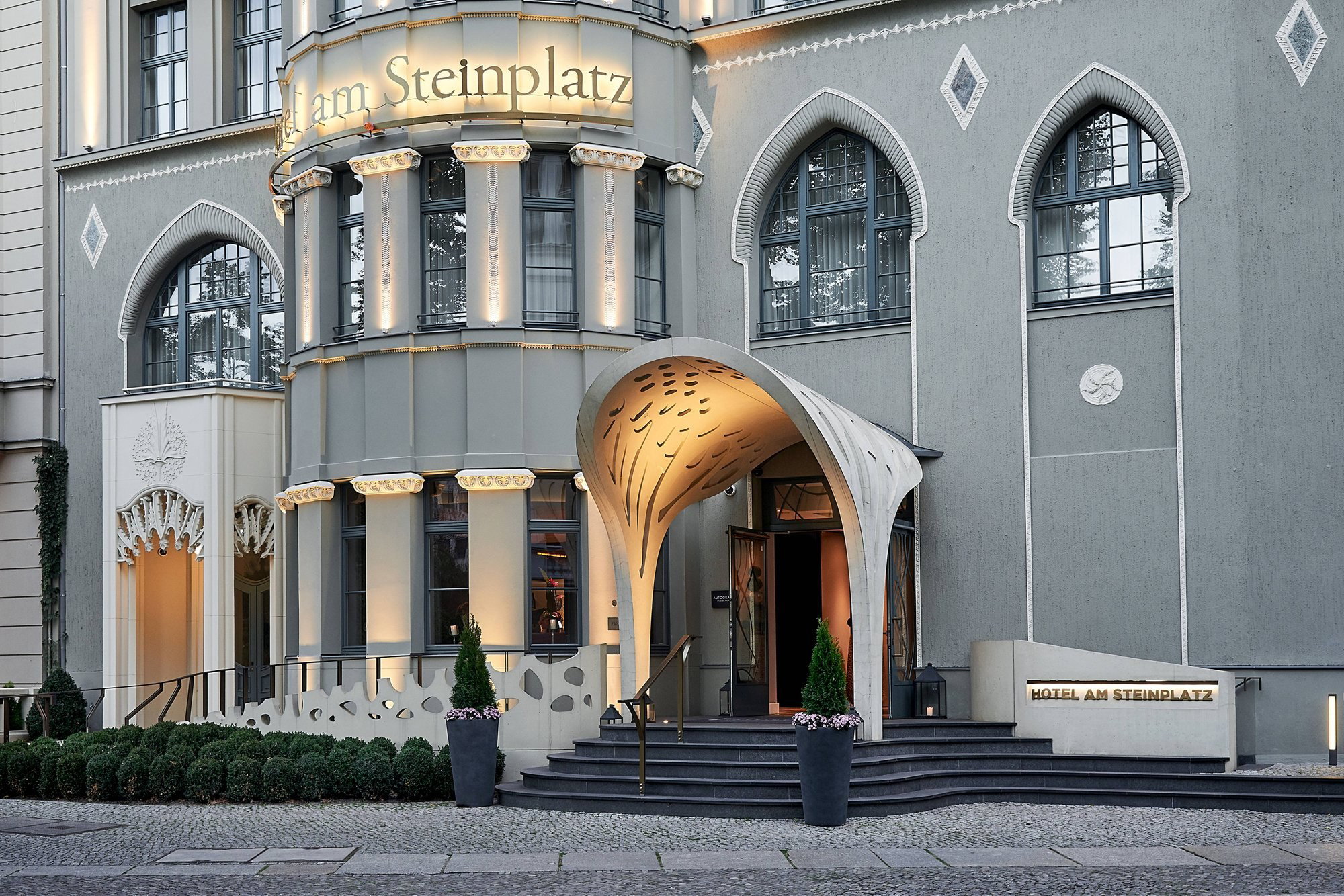
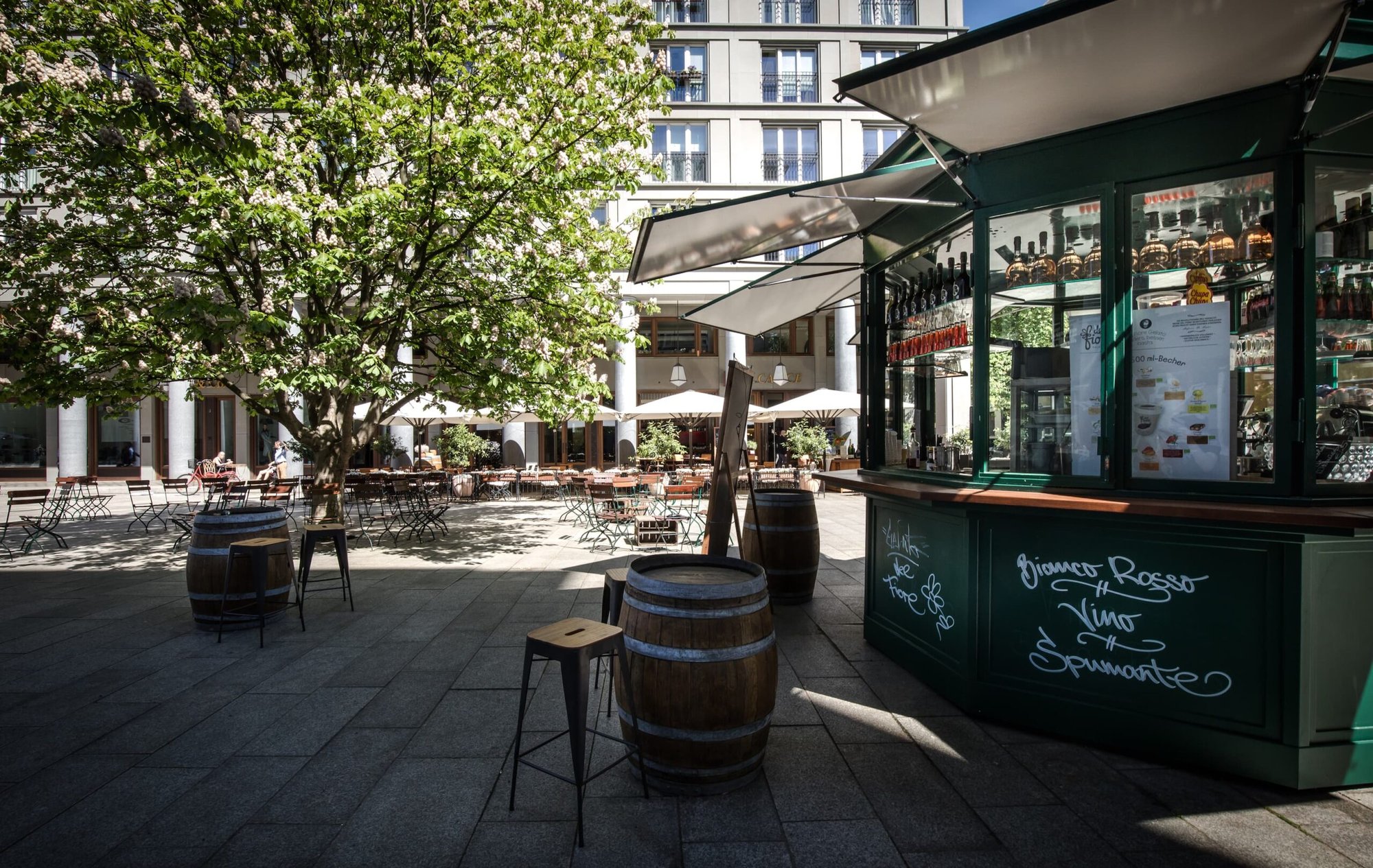
The Circus Hotel reads as a city hotel embedded in layered Berlin history. It sits on a corner of Rosenthaler Strasse where the stucco Wilhelmine facades and a particular grey morning light give the street a quiet, embodied presence. The property occupies a site that experienced the pre-war Scheunenviertel, GDR-era neglect and the post‑Wende reinvention of Mitte, so the address feels more like a piece of urban palimpsest than a staged destination. That compressed, context-rich setting distinguishes the hotel from the more monumental axes of the city and lends it an intimate, historically resonant character.
Best For
This hotel suits travelers who want to be based in Mitte’s dense, historically textured heart rather than in large, institutional properties. It works well for short urban breaks and weekend stays for people who plan to explore nearby galleries, courtyard bars and the S‑Bahn hub at Hackescher Markt a few hundred metres away. The Circus is a good pick for cultural-minded visitors and solo explorers who value walking a neighbourhood that still feels lived-in and layered with visible traces of Berlin’s twentieth-century transformations.
Stay Tips
Arrive and orient yourself via public transport: the copy points out Hackescher Markt on the S‑Bahn a short distance east, which is a convenient gateway to the hotel and the surrounding streets. Take time on foot along Rosenthaler Strasse to absorb the light and the neighbouring courtyards—many galleries and bars occupy former workshops nearby—so plan a first afternoon for neighborhood exploration rather than rushing straight to conventional tourist routes.
Venue details
Ambiance
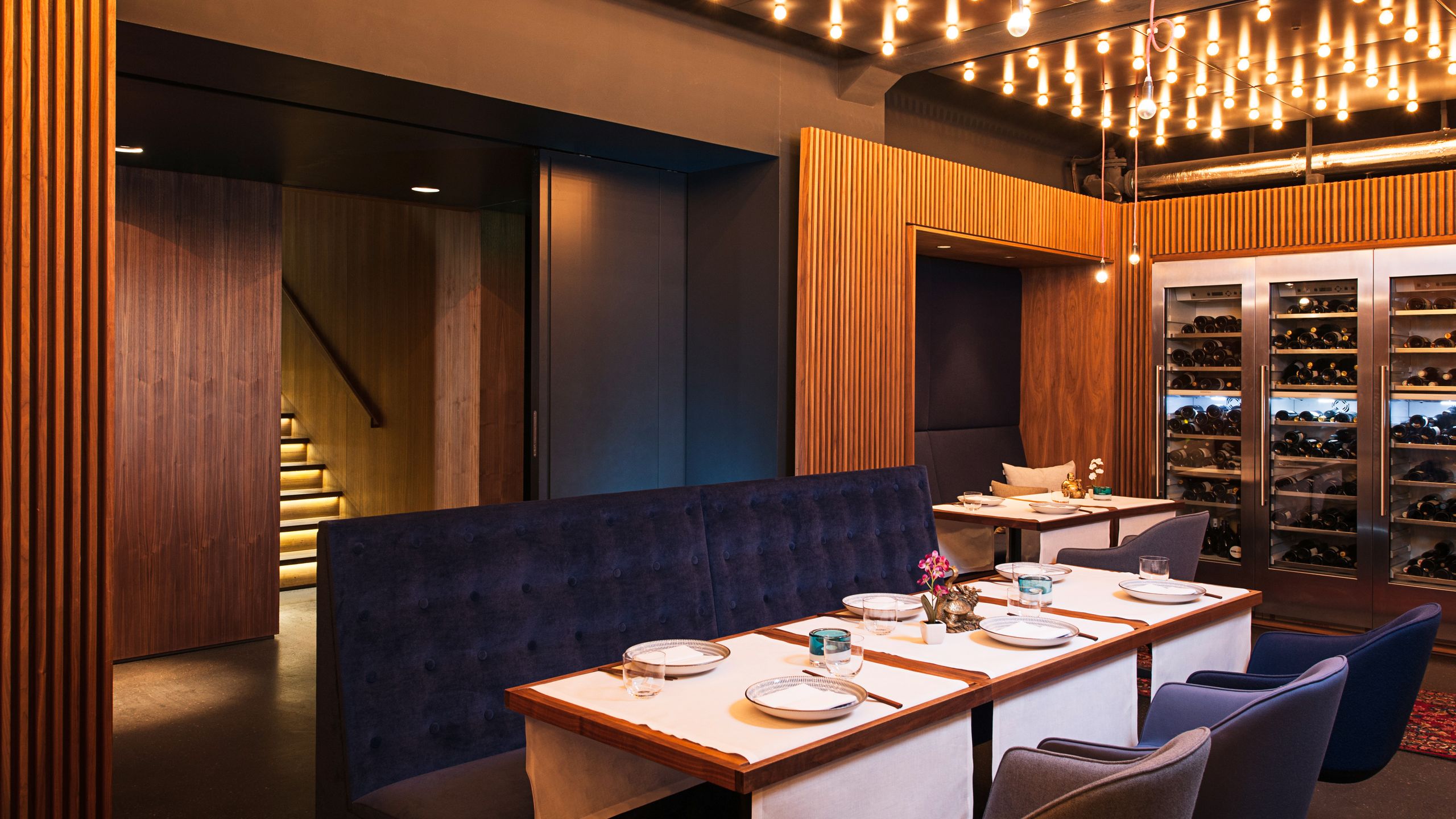
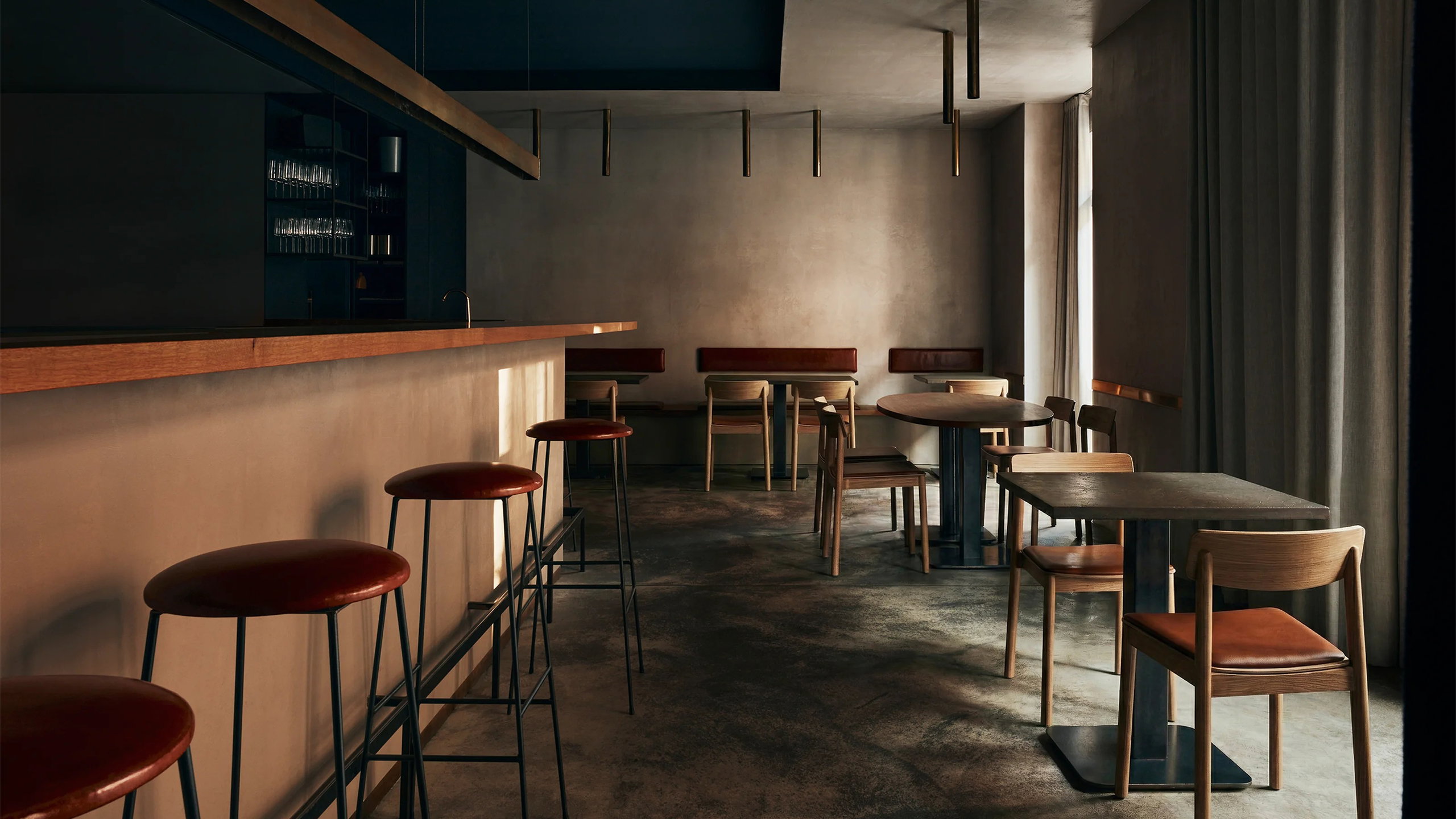
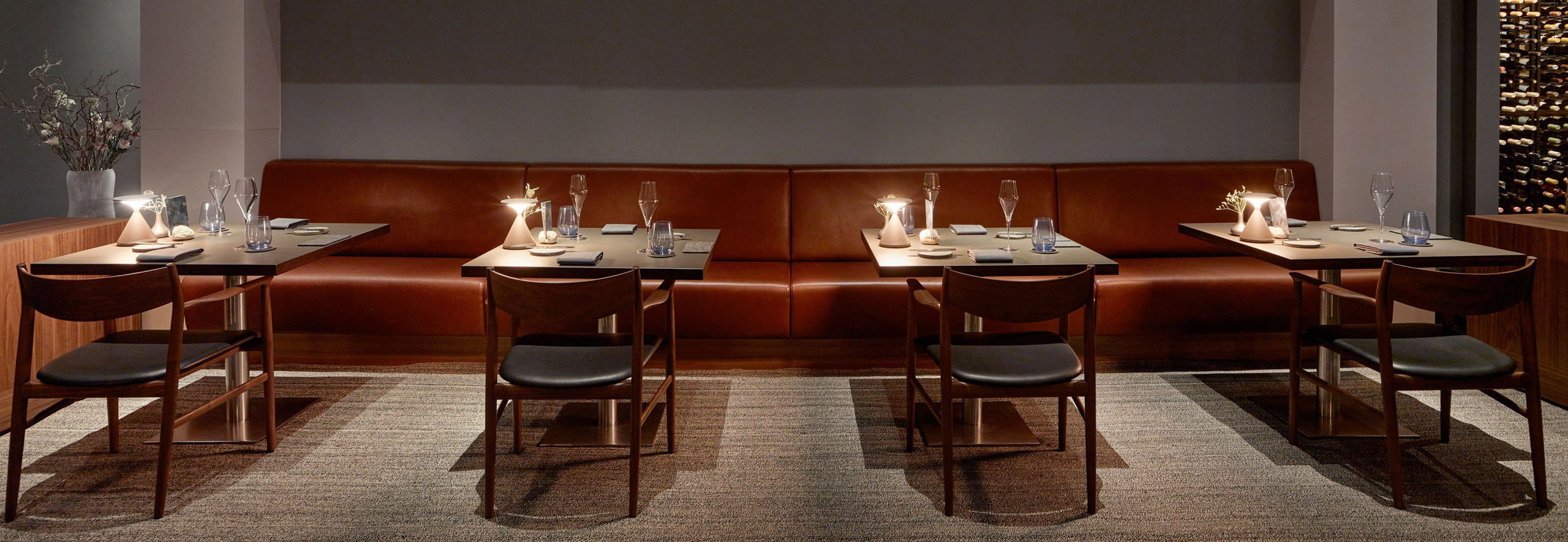
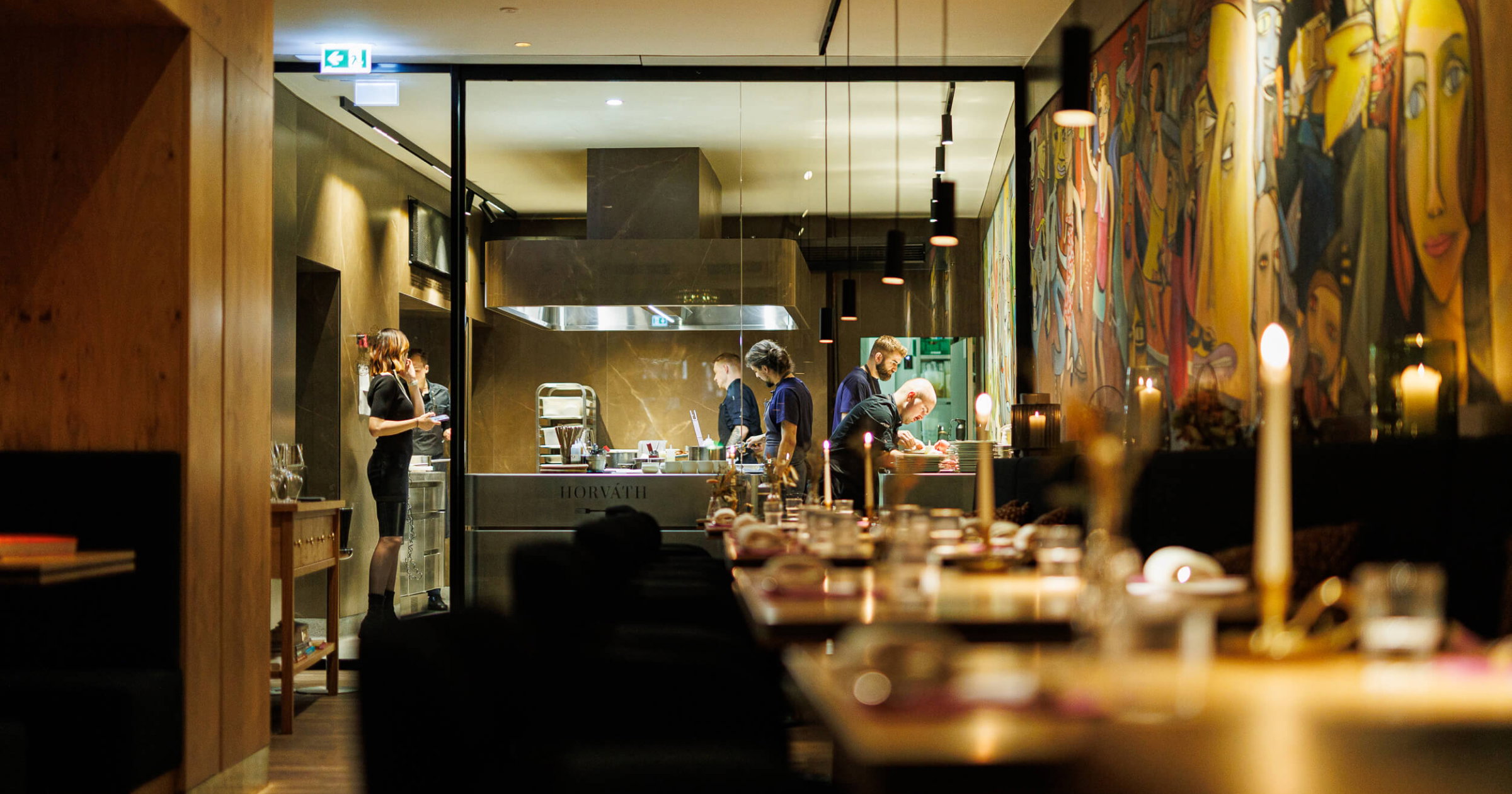
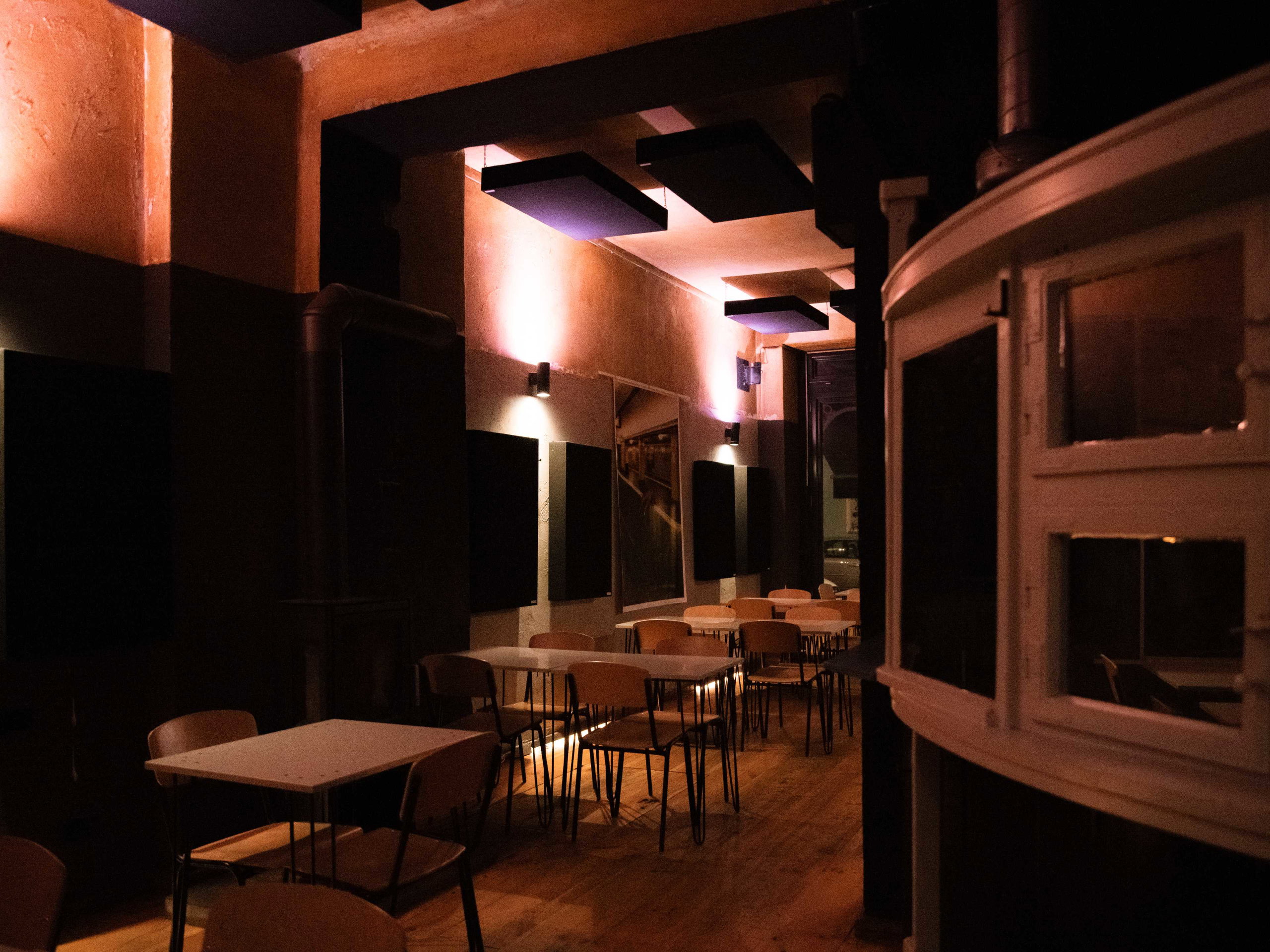
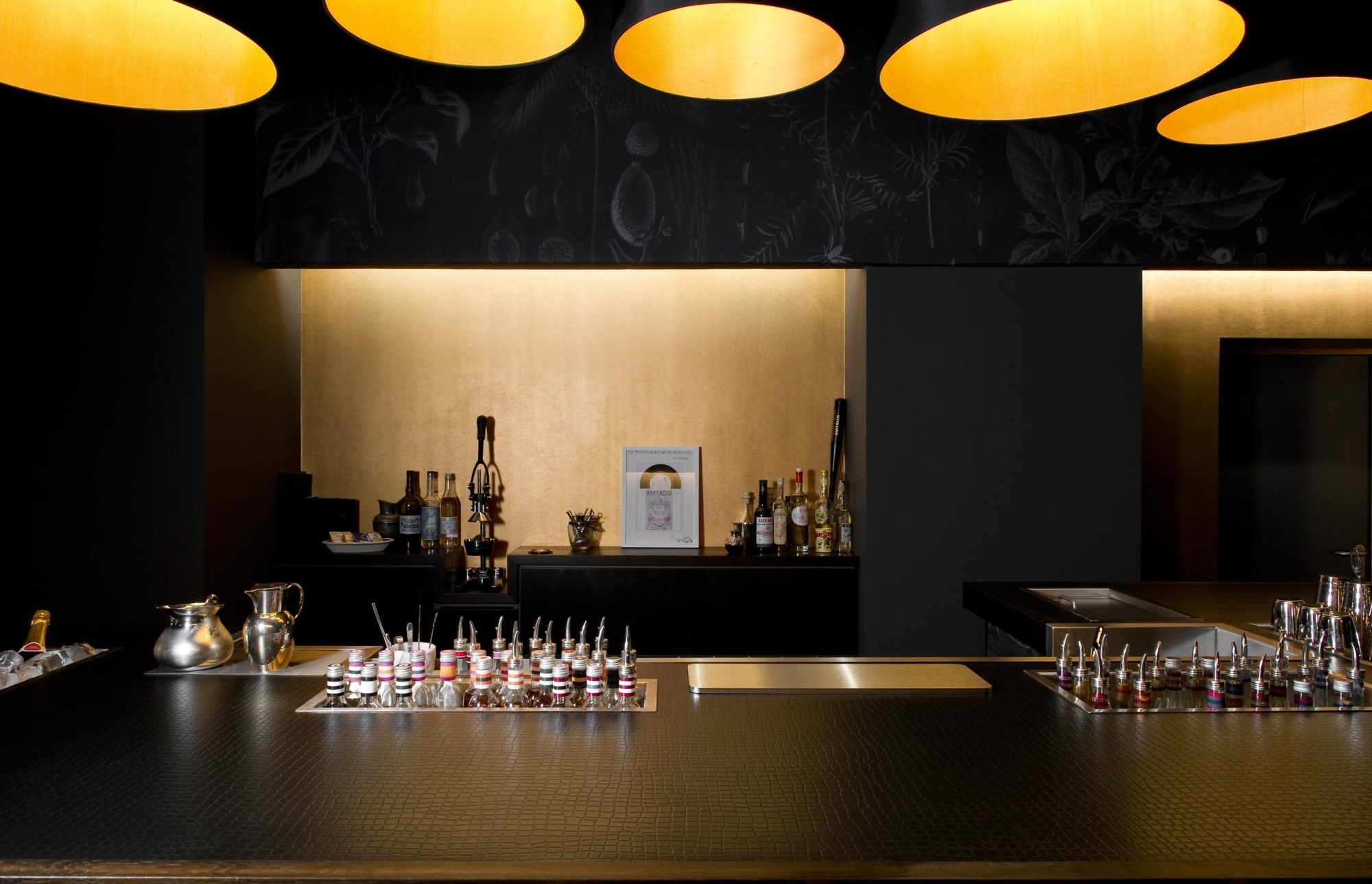
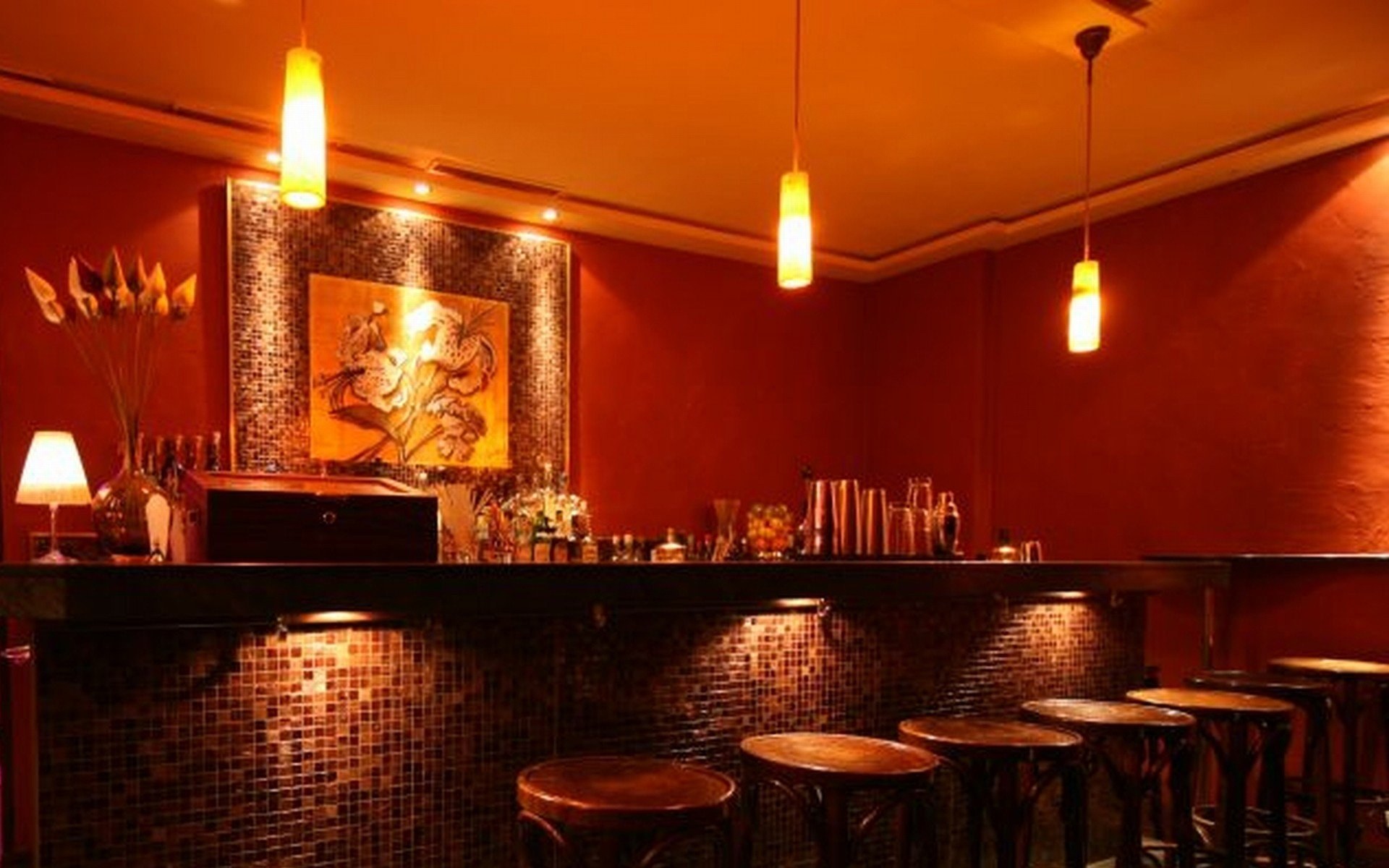
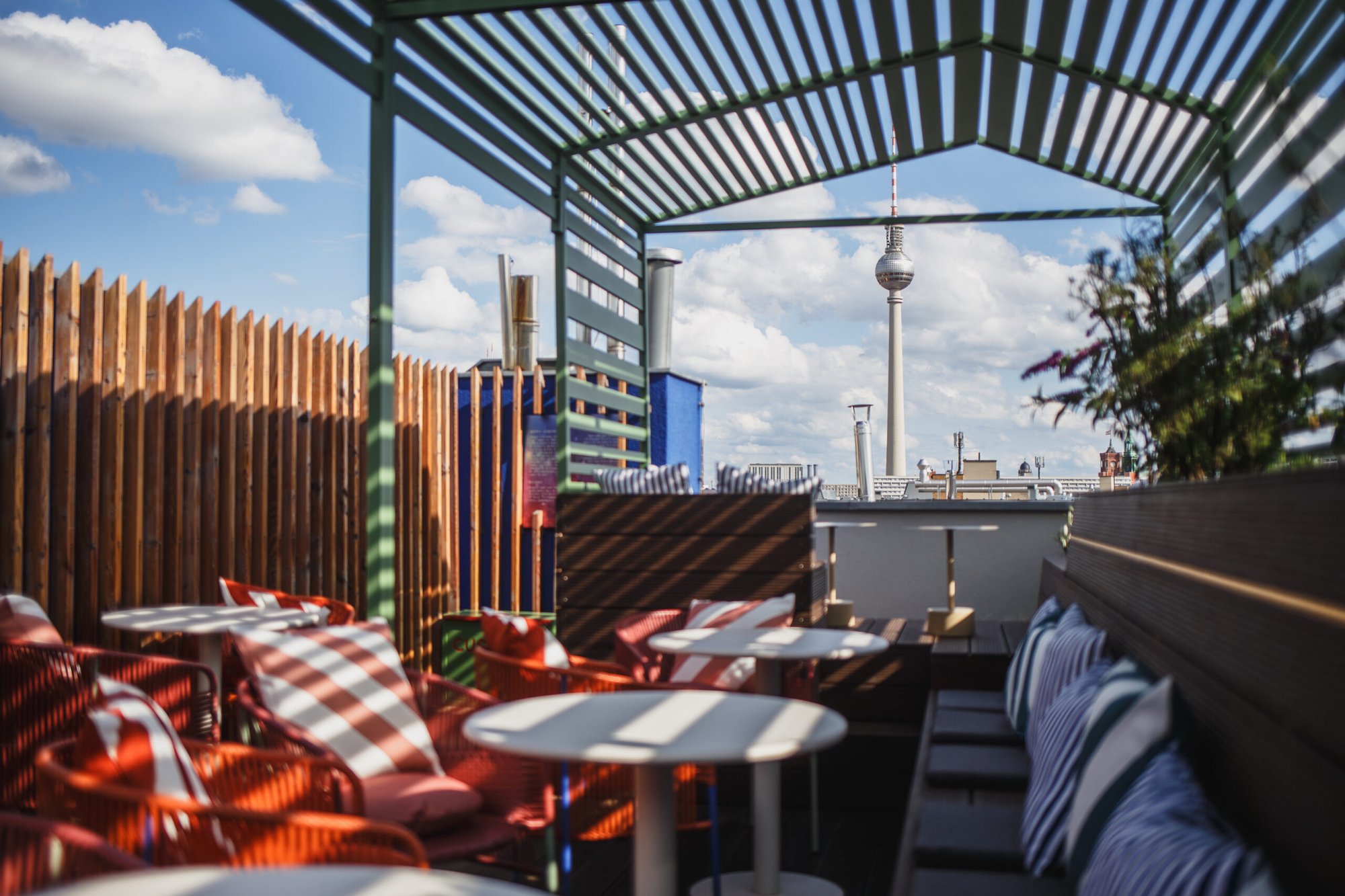
Boutique and design-led with a playful yet grown-up atmosphere, combining elegant relaxed public spaces, curated art, warm lighting, and a quiet courtyard-facing feel in many rooms.
Tags
Vibe
Best For
Experience
Amenities
View
Accessibility
About the Stay
- Rooms
- 64
- Check-in
- 15:00
- Check-out
- 12:00
- Property Type
- Boutique hotel
- Property Style
- Boutique, Design Led City Hotel with a Classic Berlin Mitte Identity and a Contemporary Curated Programme Approach.
- Design Style
- Design Oriented Boutique Style in a Restored 19th Century Landmark Building, with Playful Retro Accents, Curated Art, and a Modern Luxury Feel.
- Families
- Welcome
- Opened
- 2000
Know before you go
Know Before You Go
- Getting there
- Rosenthaler Str. 1, 10119 Berlin, Germany
Planning details
Location
Also consider
Also Consider
- MANI by AMANO Group, Notable alternative
- Gorki Apartments, Notable alternative
- AMANO Berlin, Notable alternative
- Casa Camper Berlin, Notable alternative
- Monbijou Hotel, Notable alternative
Hotel context
How it compares in Berlin
Against MANI by AMANO Group and AMANO Berlin, The Circus Hotel is the more direct choice for travelers who want a central base without making the hotel itself the main event. Pick the AMANO options if a sharper design-hotel feel matters more than pure practicality.
Gorki Apartments is the stronger cross-shop for longer stays or travelers who want more residential space. The Circus Hotel makes more sense for shorter Berlin trips where location, ease, and price discipline carry the decision.
Casa Camper Berlin and Monbijou Hotel are useful comparisons if ambiance is the deciding factor. Choose Casa Camper Berlin for a more design-forward stay, Monbijou Hotel for a classic central-hotel alternative, and The Circus Hotel when the rate is better and the trip is mostly spent out in the city.
Around this place
Discover more on Pearl
Unlock the full The Circus Hotel guide in Pearl, including awards, comparisons, FAQs, planning details, and nearby places.
Compare The Circus Hotel
| Venue | Location | Awards |
|---|---|---|
| The Circus Hotel | Berlin | No published awards |
| MANI by AMANO Group | Berlin | No published awards |
| Gorki Apartments | Berlin | No published awards |
| AMANO Berlin | Berlin | No published awards |
| Casa Camper Berlin | Berlin | No published awards |
| Monbijou Hotel | Berlin | No published awards |
How The Circus Hotel Berlin compares with similar nearby venues.
FAQ
Frequently Asked Questions
How is the pool and spa at The Circus Hotel?
How is the location of The Circus Hotel?
The Circus Hotel is in Berlin. For comparison, you can also look at Berlin options such as Monbijou Hotel and AMANO Berlin.
What is check-in like at The Circus Hotel?
Review your booking confirmation or the venue's official channels for arrival details.
Which room category is best at The Circus Hotel?
Choose based on the current room descriptions, space, and rate shown by your booking channel. For other Berlin comparisons, consider Gorki Apartments or Casa Camper Berlin.