
The St. Regis Beijing
Chaoyang, Beijing
Hotel in Beijing, China
 Book with Pearl
The Read
Butler-Service Grand Hotel
Why go
The St. Regis Beijing is a practical luxury-hotel pick for business dinners, milestone stays, and hosted occasions in Chaoyang. Its Forbes Recommended 2026 recognition gives it a useful trust signal, but the safer read is hotel-first rather than restaurant-first: book when polish and address matter more than a named dining concept.
About The St. Regis Beijing
For a Beijing occasion, The St. Regis Beijing should be approached with a narrow set of facts. The venue is in Beijing, the dress code is smart casual, and it has Forbes Recommended recognition for 2026. Use those points as the basis for planning, and confirm any details about a specific restaurant format, cuisine, chef, menu, hours, or price point before booking.
A Beijing venue with limited detail
The practical read is simple: shortlist The St. Regis Beijing if you want a Beijing venue with a smart-casual dress code and Forbes Recommended recognition for 2026. That recognition is a credible signal, but it does not, by itself, confirm the details of the dining experience.
Specific restaurant formats, menus, dishes, hours, and pricing are not listed here. If the occasion depends on a named chef, tasting-menu format, signature dish, or exact service style, confirm those details directly before committing.
For broader planning, keep Our full Beijing hotels guide open alongside Our full Beijing restaurants guide, especially if dining details are central to the plan.
Who should choose it, and who should cross-shop
Choose this for a Beijing shortlist where the basic facts are enough: the venue, the city, the smart-casual dress code, and Forbes Recommended recognition for 2026. It is less direct if you need detail on cuisine, chef, menu structure, price, hours, or a specific dining-room format before booking.
For comparison within Beijing, consider China World Summit Wing, Beijing; Eclat Beijing; Fairmont Beijing Hotel; Kerry Hotel, Beijing; and Park Hyatt Beijing Hotel alongside The St. Regis Beijing. Because the details here are limited, the best choice will depend on the specific stay, occasion, and dining expectations rather than on unsupported claims about any one venue's format or style.
The verdict: The St. Regis Beijing is worth shortlisting when the facts fit your plan: Beijing, smart-casual dress, and Forbes Recommended recognition for 2026. If dining specifics need to justify the booking on their own, verify them directly or compare carefully before locking it in.
Part of
St. Regis83 locations on PearlPlanning details
- Location
- 21 Jian Guo Men Wai Da Jie, Chao Yang Qu, Bei Jing Shi, 100020
- Website
- marriott.com/en-us/hotels/bjsxr-the-st-regis-beijing/overview
- Phone
- +86 10 6460 6688
The take
The Take
The Vibe
The St. Regis Beijing reads as a classic expression of formal, white‑glove hospitality rooted in tradition. It leans into a polished, anticipatory service model where staff pre‑empt needs rather than react, and that emphasis shapes every touchpoint from arrival to unpacking. The property prefers a restrained, authoritative elegance over architectural theatrics — it is less about showy design and more about logistical fluency. Guests encounter a hotel that privileges ceremony and efficiency, a quietly assured setting that reflects the diplomatic register of its Chaoyang address.
Best For
This hotel is best for travelers who prize flawless service and seamless logistics — especially business travelers and guests seeking a highly managed stay. The butler service and concierge function compress administrative overhead and make transitions effortless, so arriving guests can move from car to room without delay. The concierge’s local relationships and ability to arrange car service and curated restaurant recommendations make the St. Regis a dependable base for important dinners, meetings, and any stay where time and discretion matter.
Stay Tips
Lean on the property’s service architecture: request butler assistance at arrival to handle luggage and unpacking so your first hour is unencumbered. Use the concierge early to secure restaurant bookings and car service — the desk is described as a local authority and will arrange logistics and referrals. For business travel, confirm car arrangements in advance to streamline transfers. If you prefer minimal check‑in friction, note the hotel’s emphasis on anticipatory service when making reservations so staff can prepare for a quick, managed arrival.
Venue details
Ambiance
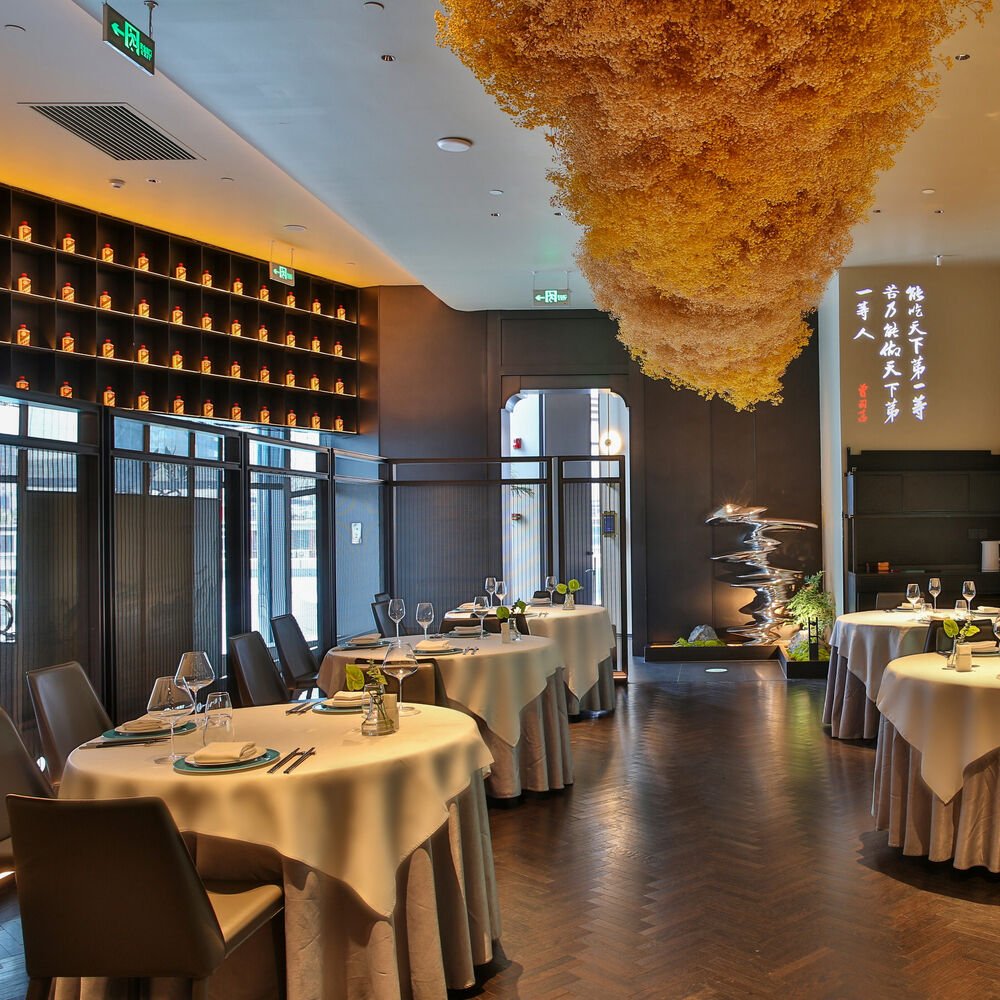
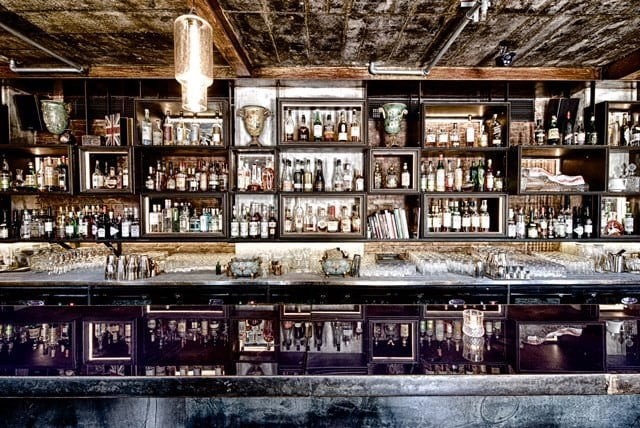
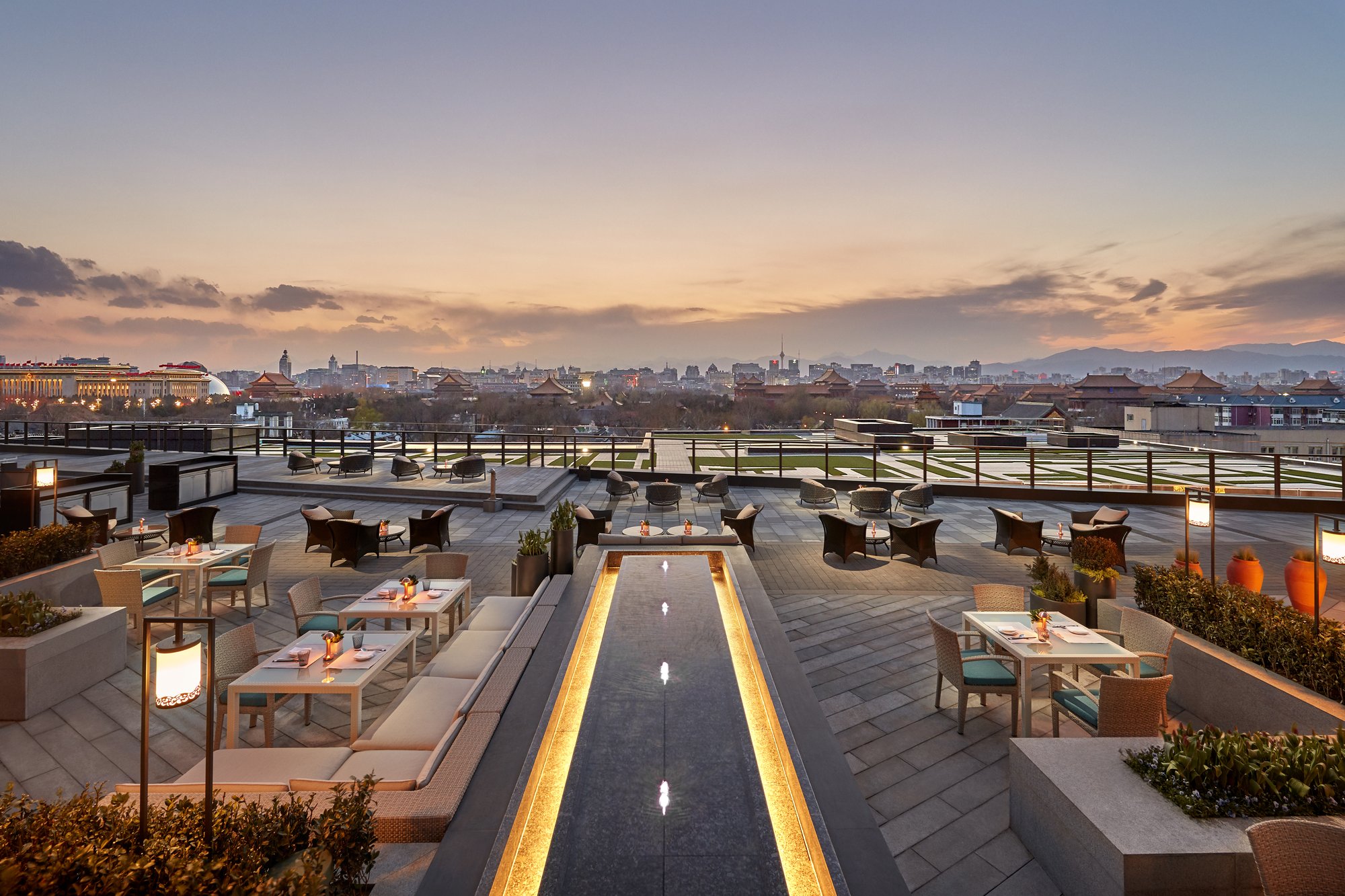
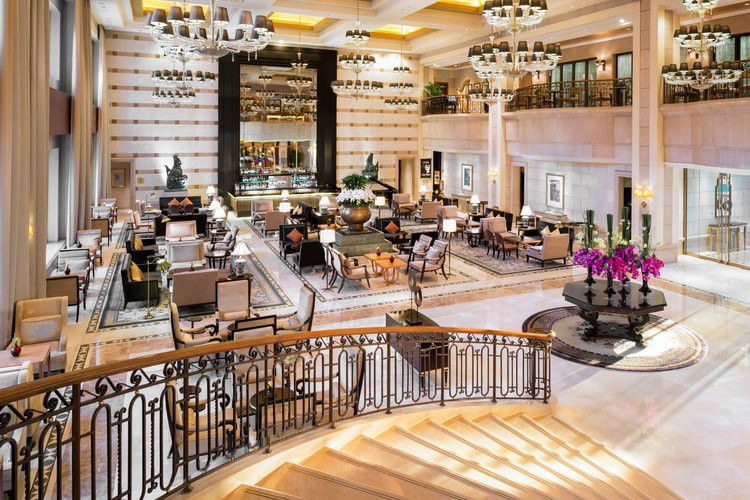
Elegant lobby with high ceilings, chandeliers, and grand atmosphere; soundproofed rooms ensure tranquility.
Tags
Vibe
Best For
Experience
Amenities
View
Accessibility
About the Stay
- Rooms
- 258
- Check-in
- 15:00
- Check-out
- 12:00
- Property Style
- Luxury Urban Palace with St. Regis Traditions
- Design Style
- Classic Opulent with Individual Room Decor
Know before you go
Know Before You Go
- Getting there
- 21 Jian Guo Men Wai Da Jie, Chao Yang Qu, Bei Jing Shi, 100020
Planning details
Location
21 Jian Guo Men Wai Da Jie, Chao Yang Qu, Bei Jing Shi, 100020 · Directions
marriott.com/en-us/hotels/bjsxr-the-st-regis-beijing/overview
Recognition and awards

Also consider
If this is not the right fit
Choose Eclat Beijing if the stay needs a more design-forward personality. Choose China World Summit Wing, Beijing if the occasion depends on skyline impact more than classic hotel formality.
Hotel context
How it compares in Beijing
Against Fairmont Beijing Hotel, The St. Regis Beijing reads as the more formal celebration choice: better suited to hosted occasions where the brand signal and setting need to do work. Fairmont is the sensible cross-shop if value for money matters more than ceremony.
Eclat Beijing is the sharper pick for design-led travelers, while Kerry Hotel, Beijing is easier to recommend for energetic group stays or families who want a less formal atmosphere. The St. Regis Beijing is stronger for business hosting and conservative luxury expectations.
For view-driven drama, compare closely with China World Summit Wing, Beijing and Park Hyatt Beijing Hotel. Those are better fits when skyline impact is central to the stay; The St. Regis Beijing is the steadier choice when the brief is polished, central, and occasion-ready.
Explore Beijing
Around this place
Discover more on Pearl
Unlock the full The St. Regis Beijing guide in Pearl, including awards, comparisons, FAQs, planning details, and nearby places.
Compare The St. Regis Beijing
| Venue | Location | Awards |
|---|---|---|
| The St. Regis Beijing | Beijing | 2026 Forbes Recommended2025 Forbes Recommended |
| Fairmont Beijing Hotel | Beijing | 2026 Forbes Recommended2025 Forbes Recommended |
| Eclat Beijing | Beijing | 2026 La Liste Top Hotels2025 Michelin 1 KeySmall Luxury Hotels Member 2025 |
| Kerry Hotel, Beijing | Beijing | 2026 Forbes Recommended2025 Forbes Recommended |
| China World Summit Wing, Beijing | Beijing | 2026 Forbes 4-Star2026 Virtuoso Luxury Hotel Collection2025 Forbes 4-Star |
| Park Hyatt Beijing Hotel | Beijing | 2026 Virtuoso Luxury Hotel Collection2026 La Liste Top Hotels2025 Michelin Selected Hotels |





How The St. Regis Beijing compares with similar nearby venues.
FAQ
Frequently Asked Questions
How does The St. Regis Beijing compare to other Beijing venues?
Choose The St. Regis Beijing if you want a Beijing venue with Forbes Recommended recognition for 2026 and a smart-casual dress code. Also compare China World Summit Wing, Beijing; Eclat Beijing; Fairmont Beijing Hotel; Kerry Hotel, Beijing; and Park Hyatt Beijing Hotel, especially if your decision depends on specific stay or dining details.
When is the best time to book The St. Regis Beijing?
What is The St. Regis Beijing known for?
The St. Regis Beijing is a Beijing venue with a smart-casual dress code and Forbes Recommended recognition for 2026.
Where is The St. Regis Beijing located?
The St. Regis Beijing is located in Beijing.