




Regent Beijing
Chaoyangmen, Beijing
Hotel in Beijing, China
 Book with Pearl
The Read
Imperial-Axis Positioning
Why go
Regent Beijing is a high-confidence central luxury choice for special occasions and business stays, with major hotel recognition supporting the decision. Book it when polish and location matter more than a design-led mood; compare rates and benefits carefully, because upgrades, breakfast, and late checkout can shift the value.
About Regent Beijing
Regent Beijing is a Beijing hotel with a smart-casual dress code and a set of hotel recognitions. That makes the hotel easier to understand at the shortlist stage, especially for travelers who want a composed, established option rather than a property defined by a single headline feature. Book it when the priority is a polished hotel choice in Beijing, supported by third-party recognition, rather than when you need a stay defined by specific restaurant, room, facility, or on-property programming details.
The strongest case for considering the hotel is recognition. Regent Beijing is listed by La Liste Top Hotels 2026 with 93 points, Forbes 4-Star 2026, Travel + Leisure 100 Favorite Hotels in the World 2025 at #35 with 98.4 points, Tatler 2025 Best Hotels Asia-Pacific, and MICHELIN Guide Hotels Selected 2025. Taken together, those listings put it firmly in the conversation for travelers comparing the city's hotels, even if they do not answer every practical question about the stay itself. If you are comparing hotels in Beijing, cross-shop The PuXuan Hotel and Spa, Mandarin Oriental Wangfujing, Beijing, The Peninsula Beijing, Waldorf Astoria Beijing, and The St. Regis Beijing.
Book for a polished Beijing hotel stay, not a trend-driven hotel weekend
The better fit is a traveler who values a recognized hotel setting and wants a high-confidence Beijing stay. The hotel's recognition supports Regent Beijing as a serious hotel choice, while specifics around cuisine, room inventory, family facilities, business amenities, or neighborhood advantages should be matched to the exact needs of the trip. That distinction matters: the hotel can be a strong candidate on reputation and recognition, but a careful booking should still be based on the practical requirements of the stay. If your trip depends on any of those details, check them directly before booking.
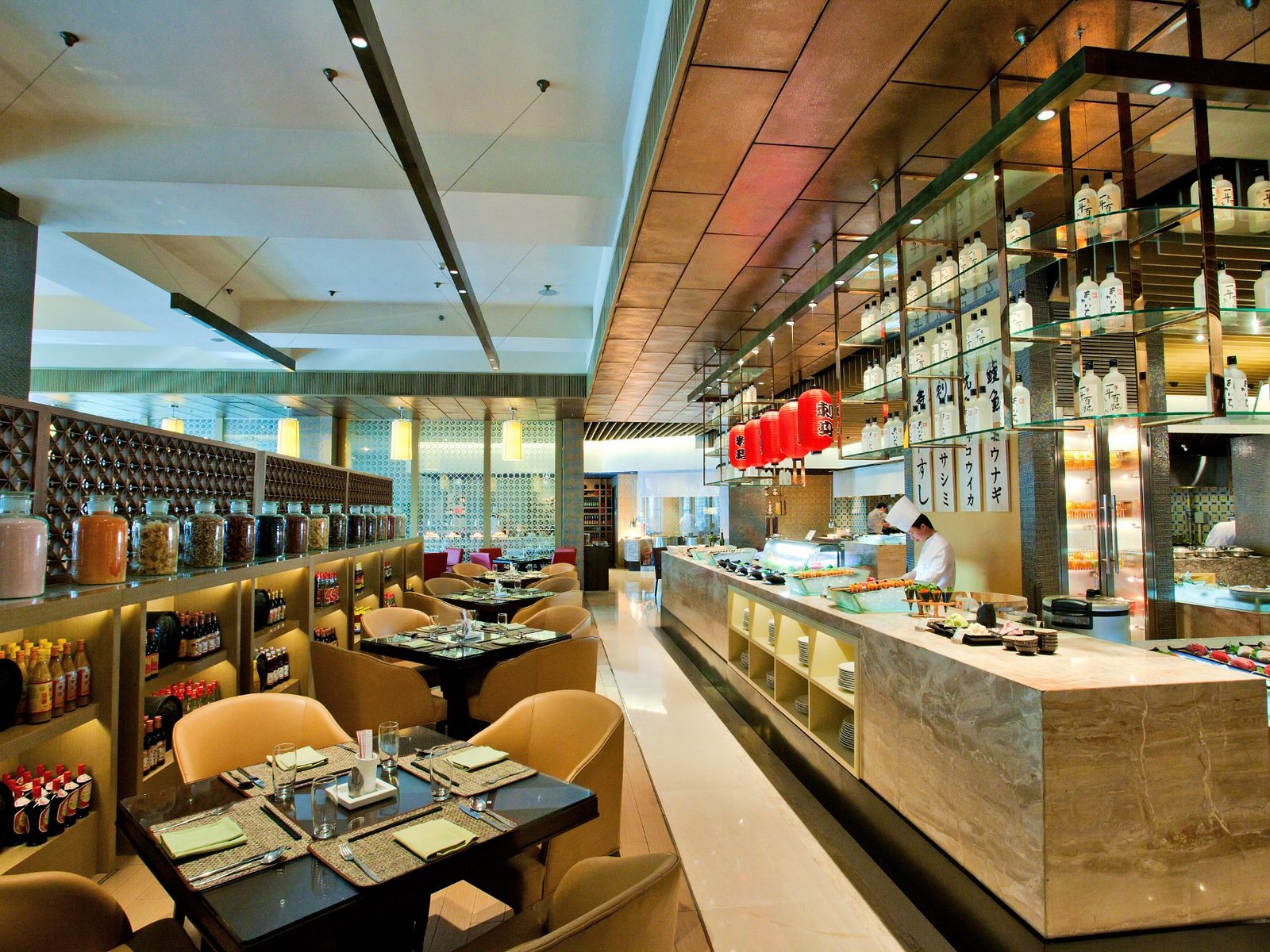
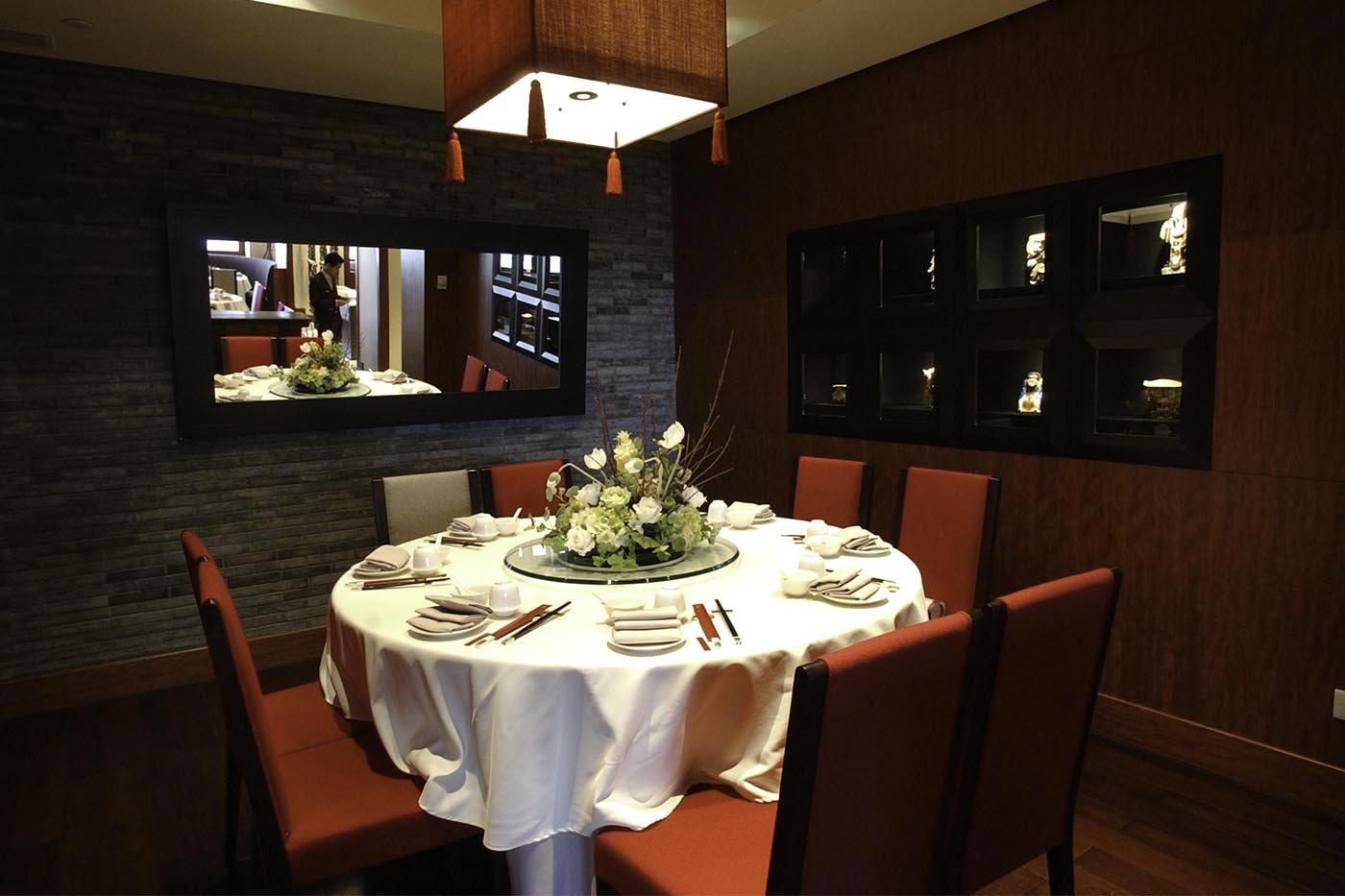
For dining-led planning, treat the hotel as a Beijing base rather than the whole reason to travel unless you have checked the specific dining details you need. This is especially relevant if meals are central to the itinerary. Use Our full Beijing restaurants guide for meal decisions, then choose the hotel around the priorities that matter for your trip. For broader planning, compare Regent Beijing with other hotels in Beijing and check current services before committing.
Use booking strategy carefully, because value depends on the rate
The smart move is to compare available booking channels before committing. With a hotel in this recognition tier, the best-value choice can depend on the rate, cancellation terms, and any inclusions available for your dates. A higher or lower rate can change the decision quickly if the inclusions, flexibility, or communication path are different. If the stay is tied to an important occasion, prioritize the booking path that lets you communicate your needs clearly to the hotel.
Travelers building a hotel shortlist should also check The Peninsula Beijing, Waldorf Astoria Beijing, The St. Regis Beijing, The PuXuan Hotel and Spa, and Mandarin Oriental Wangfujing, Beijing before narrowing the decision. The point is not simply to find another highly recognized hotel, but to understand which option best matches the tone, certainty, and practical details required for the trip. For a broader sweep, Our full Beijing hotels guide is the right next step. Quick reference: book this for a recognized Beijing hotel; cross-shop other Beijing options if the stay needs a different style or more specific features.
Inside Regent Beijing
Planning details
- Location
- 99 Jin Bao Jie, Dong Cheng Qu, Bei Jing Shi, 100005
- Website
- regenthotels.com/beijing
- Phone
- +86 10 8522 1888
The take
The Take
The Vibe
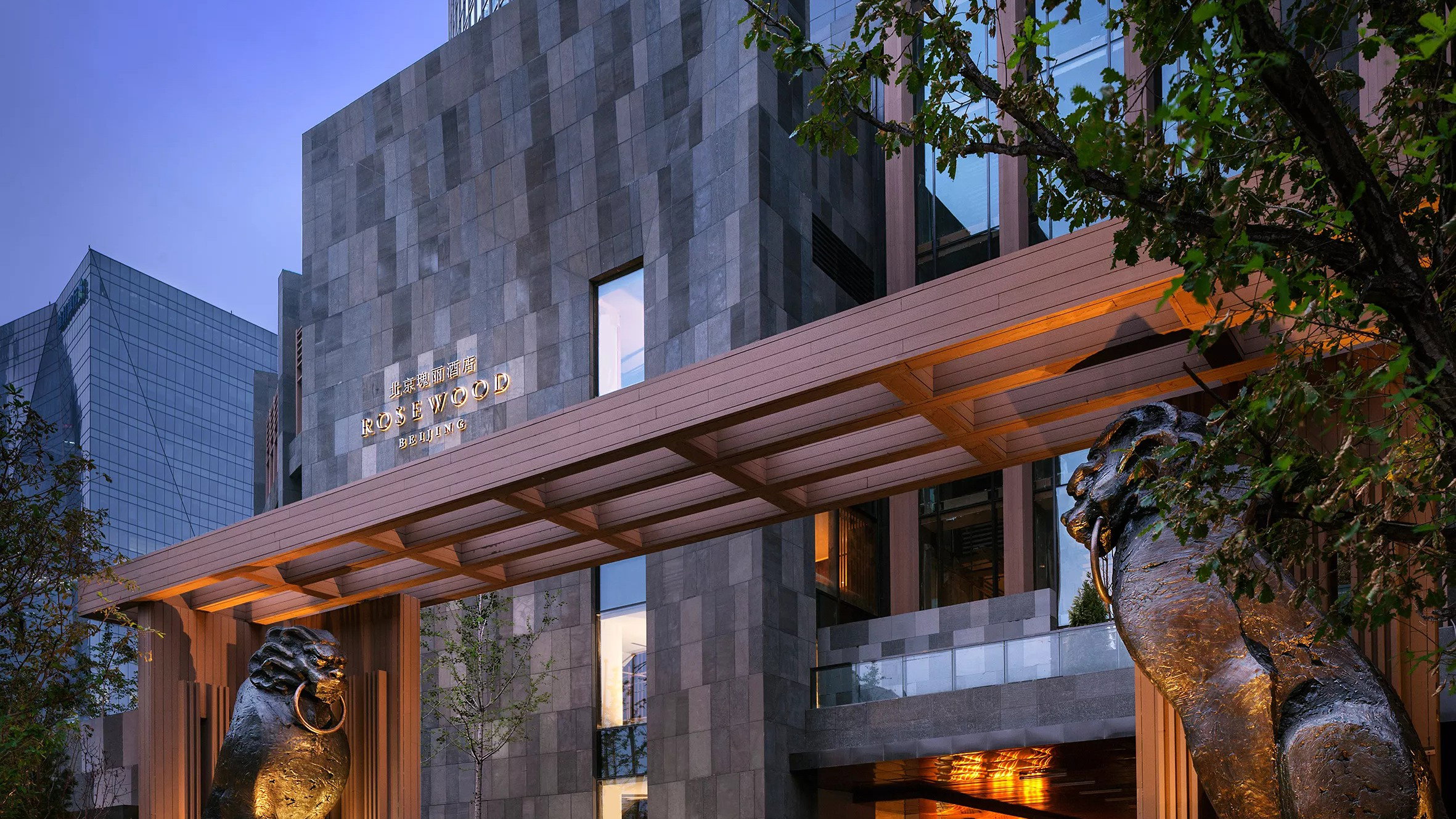
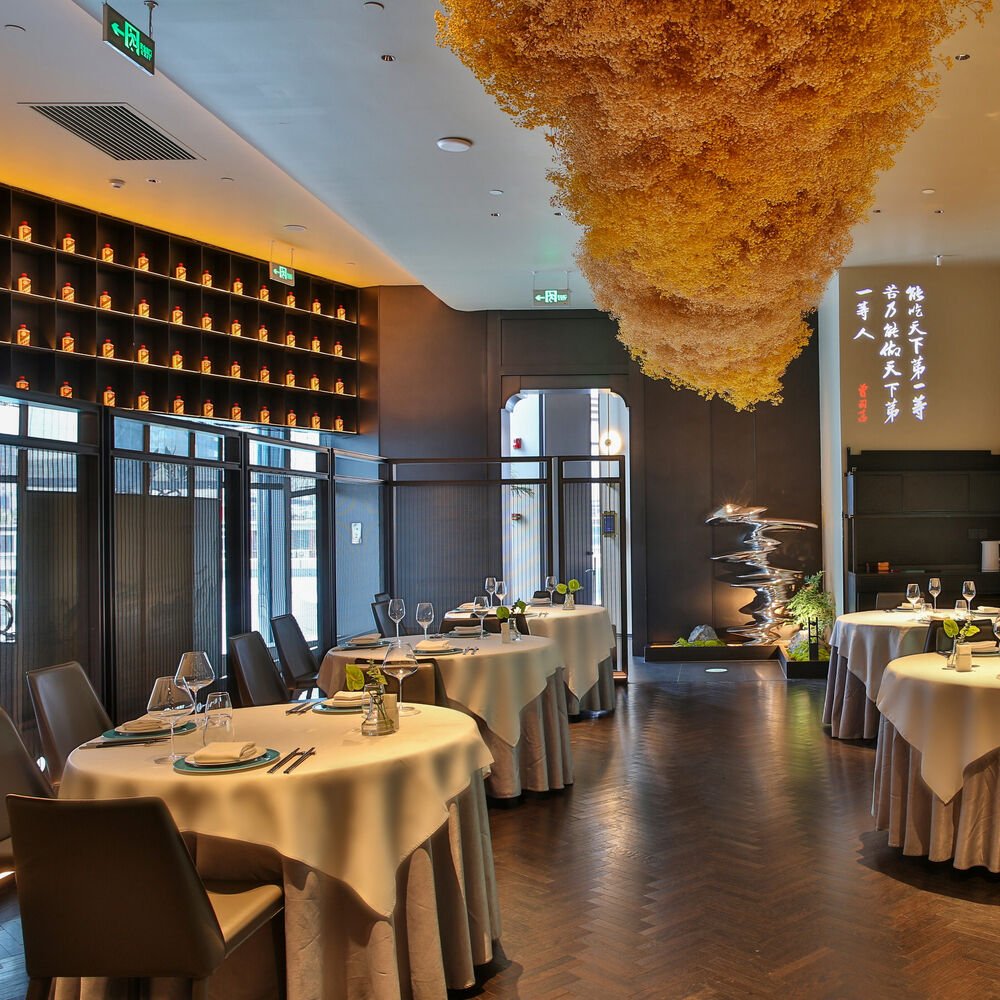
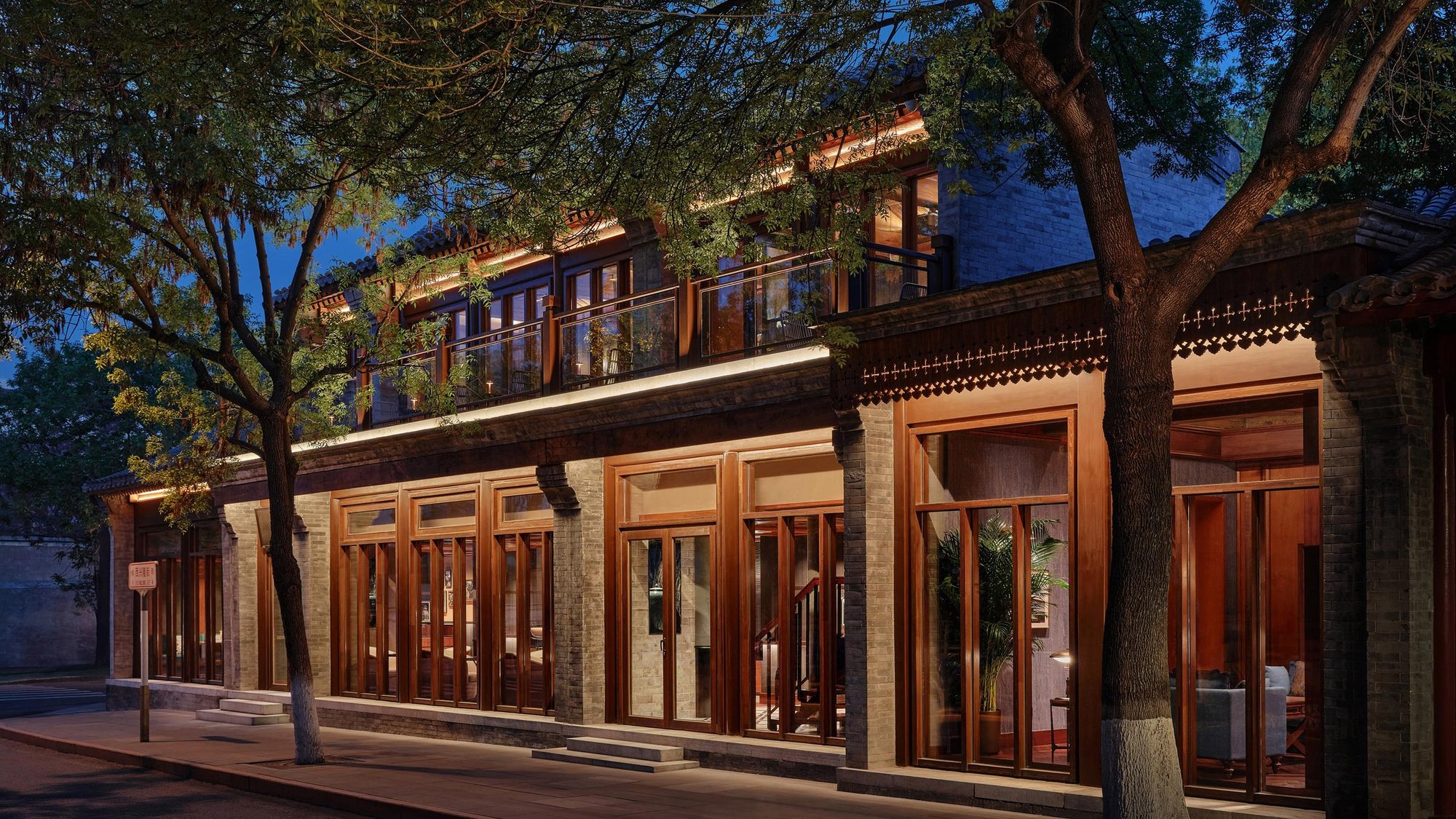
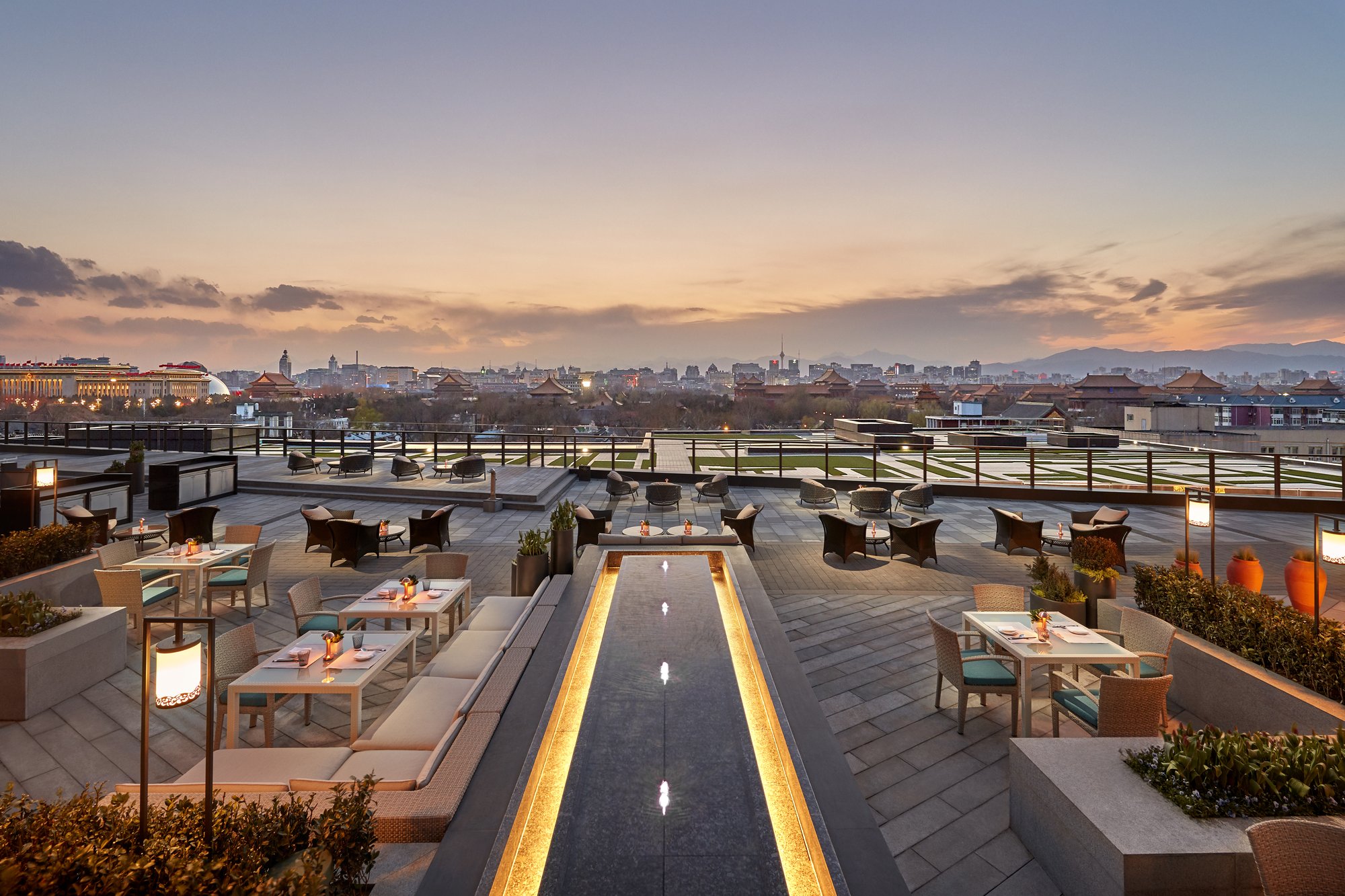
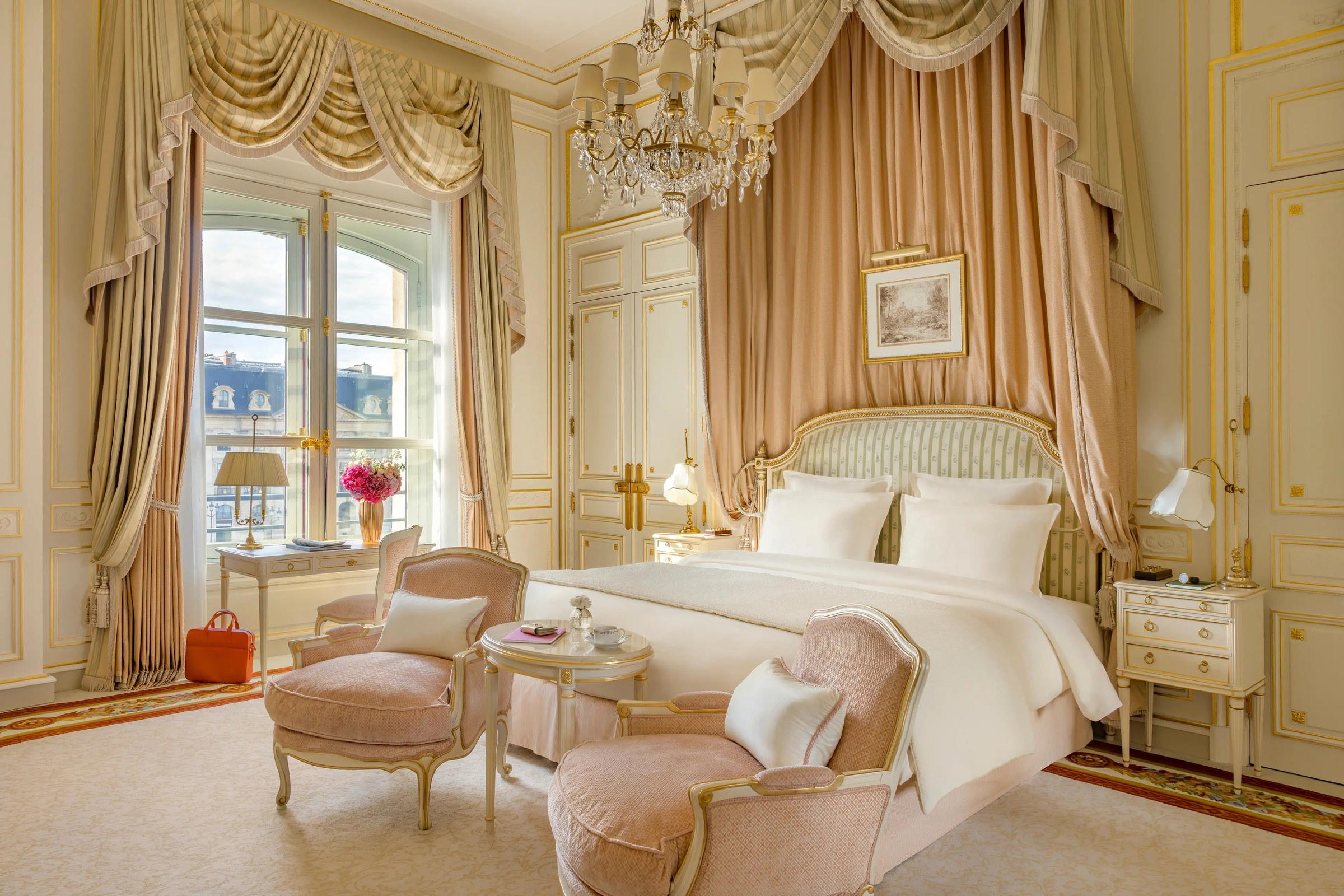
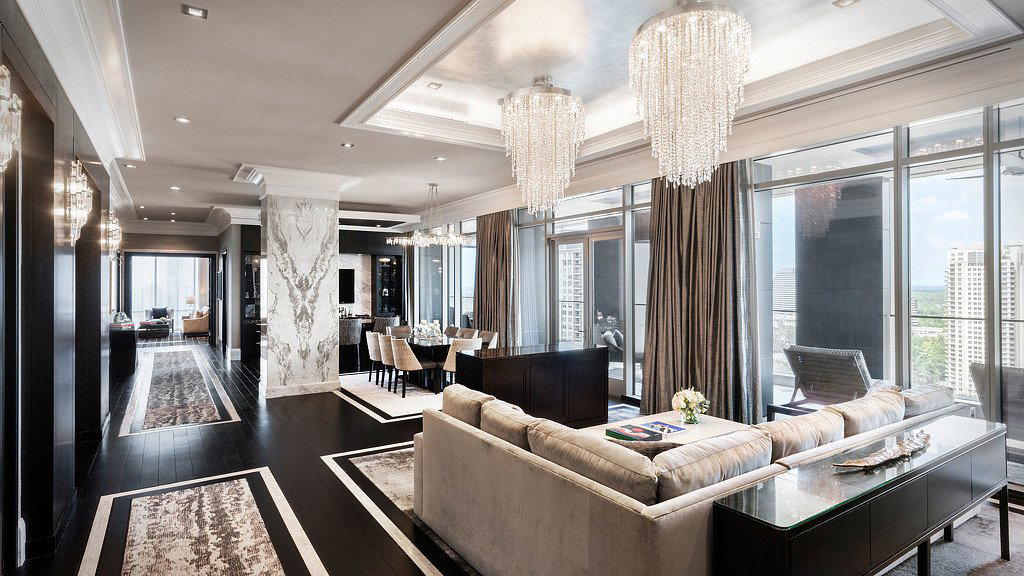
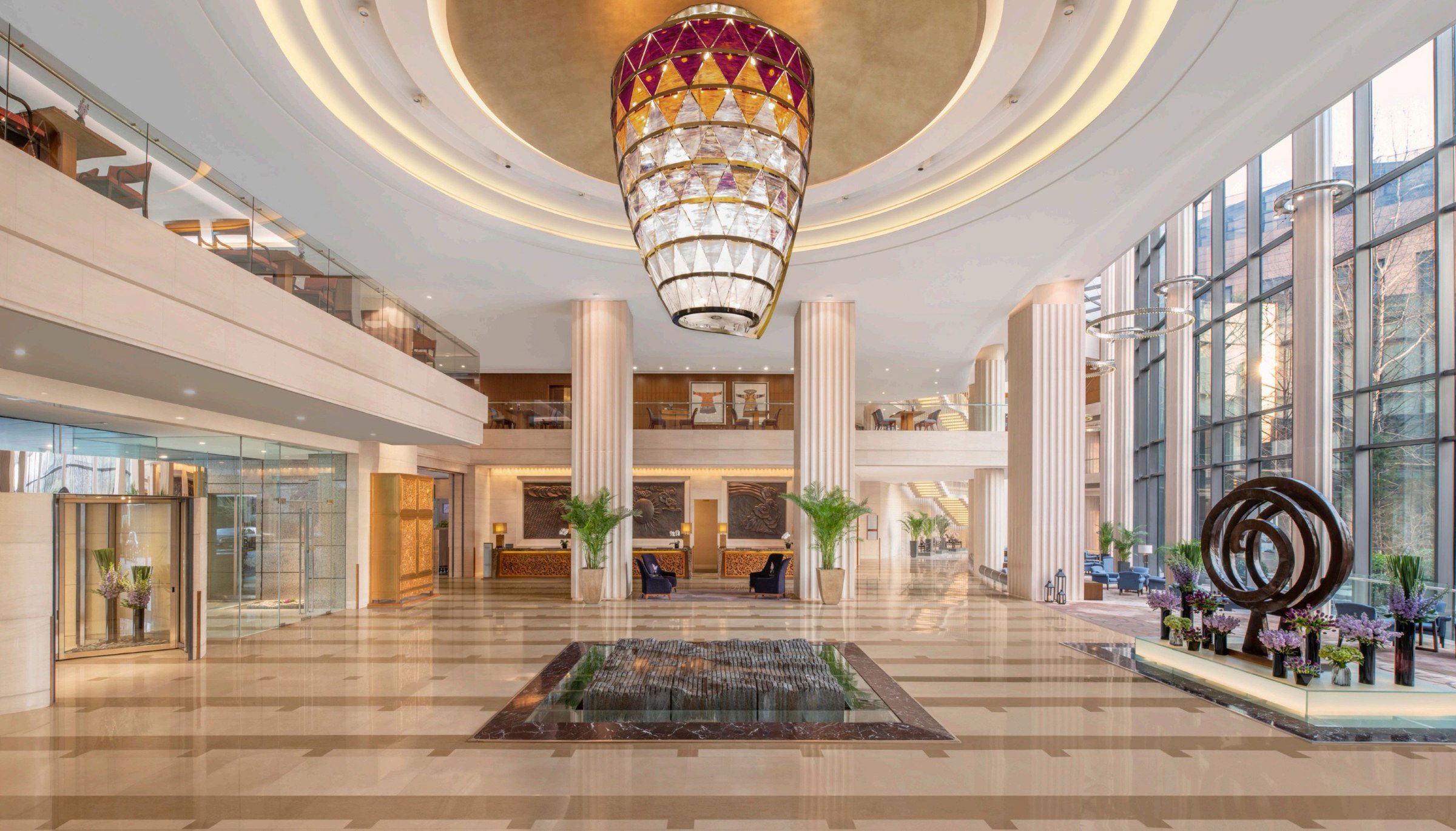
Regent Beijing reads as a large, modern-city hotel anchored in an urban corridor where old Beijing alleys meet contemporary towers. The property occupies a modern tower built over the Dengshikou subway station, so the tone is pragmatic and metropolitan rather than boutique or historic. Its scale—496 rooms—and placement inside Dongcheng give it a polished, full-service character: efficient, well-appointed and geared toward a broad clientele. The hotel’s presence feels like a gateway between hutong charm and the city’s business addresses, offering a refined, contemporary base for travelers who value logistical ease and traditional sightseeing proximity.
Best For
This is a practical choice for business travelers and leisure guests who need direct access to central Beijing. The hotel’s address at 99 Jin Bao Jie and literal siting above Dengshikou subway station make navigating the city straightforward; Tiananmen Square is listed as less than a mile on foot and the Forbidden City about 1.5 miles away. Regent’s size and amenity breadth are framed to serve visiting executives as well as tourists aiming to be close to the imperial core, so it works well for those prioritizing location, scale and reliable upper-tier service.
Venue details
Ambiance
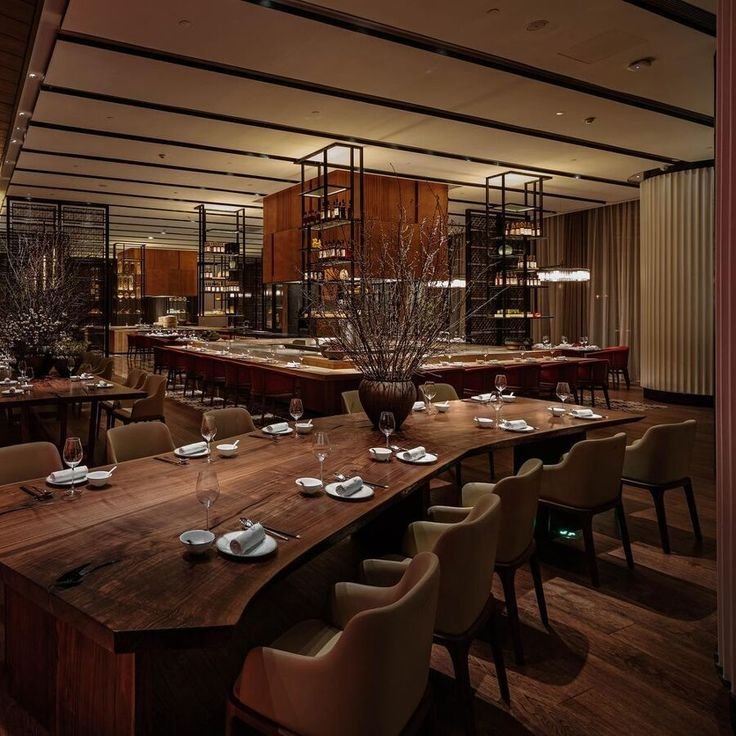
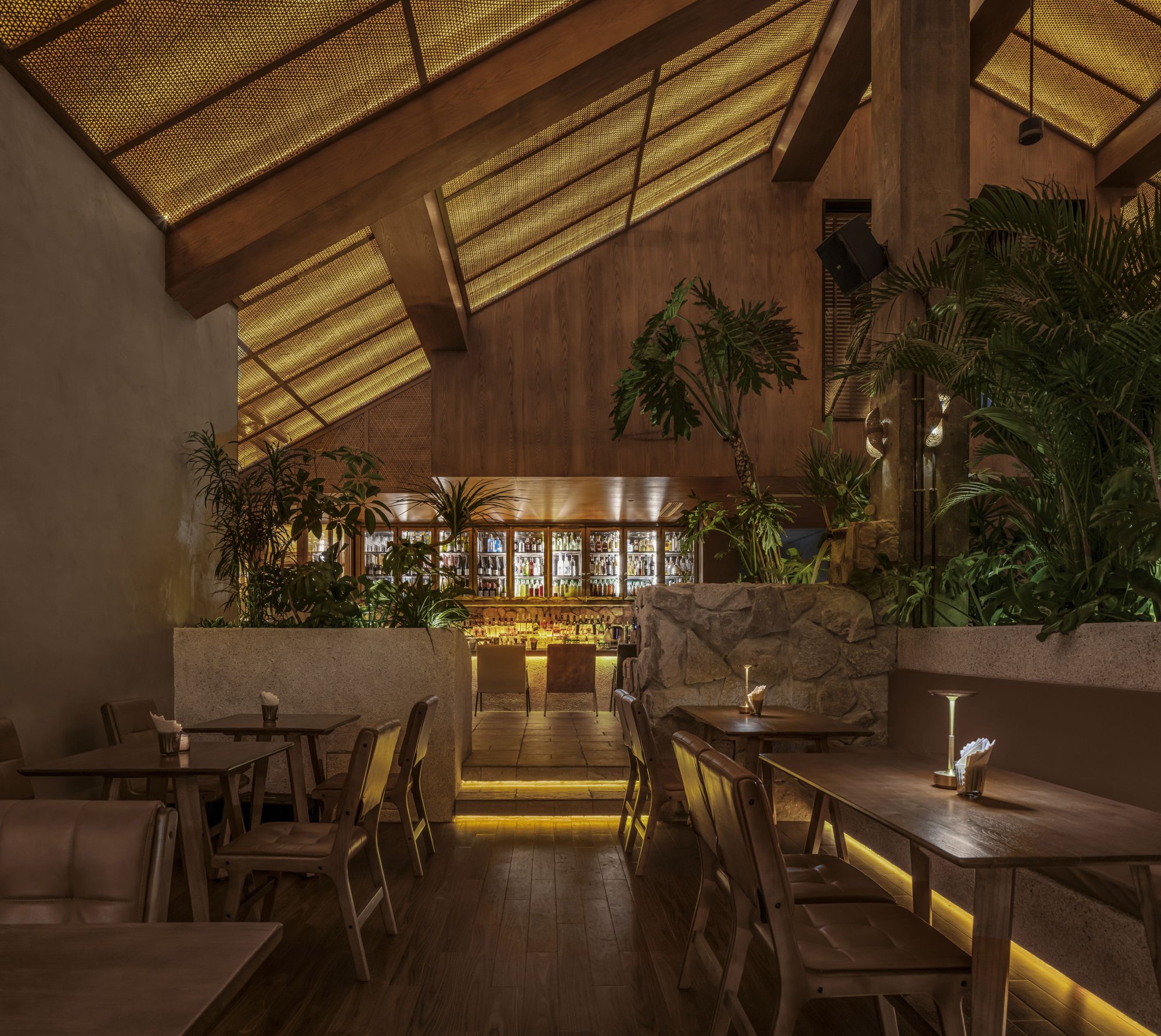
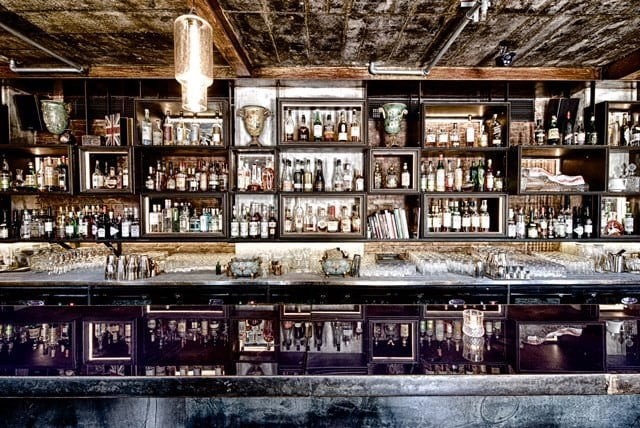
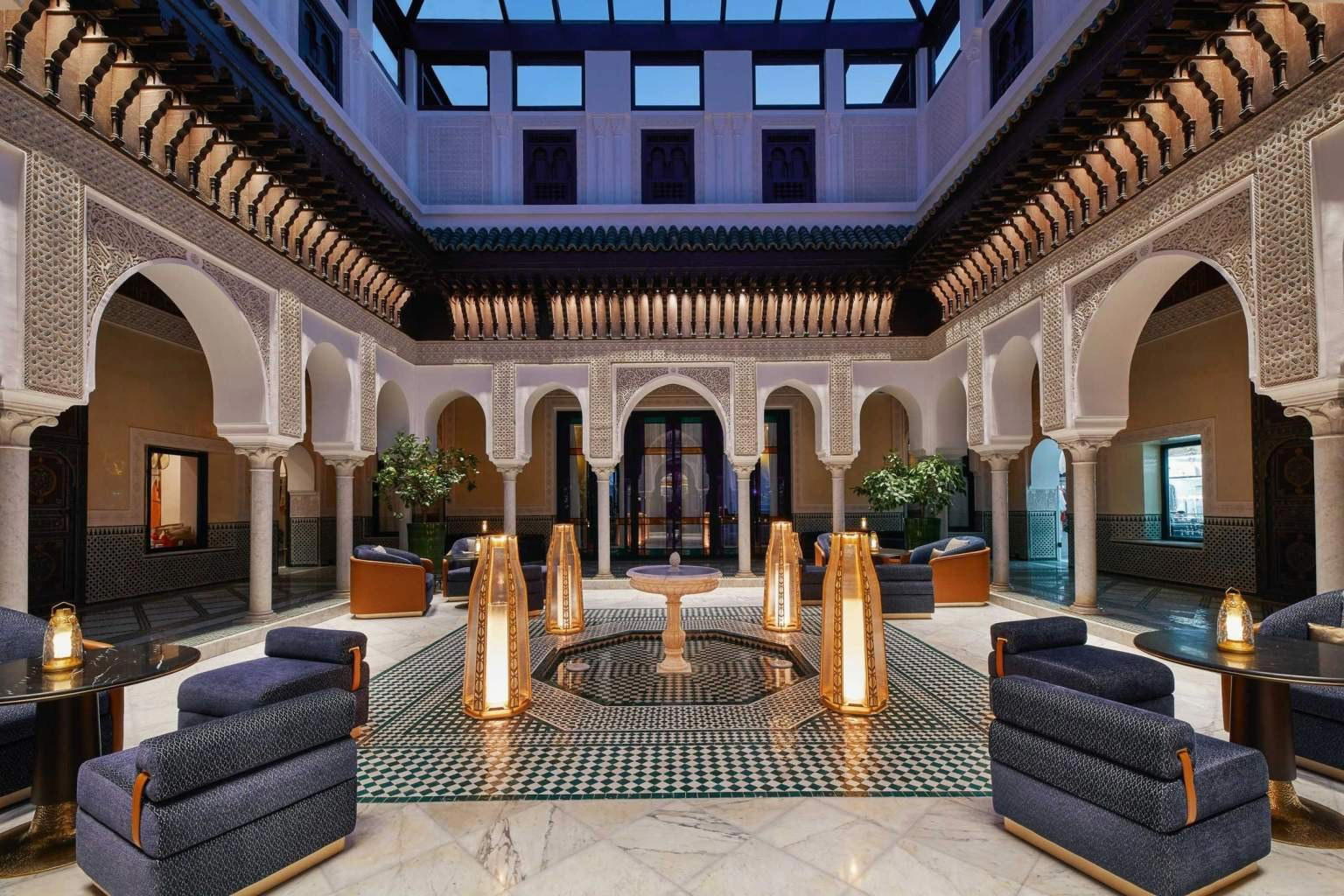
Elegant contemporary atmosphere with spacious modern public areas, soundproofed rooms, and serene spa and pool facilities praised for tranquility and luxury.
Tags
Vibe
Best For
Experience
Amenities
View
Accessibility
About the Stay
- Rooms
- 499
- Property Style
- Classic Yet Contemporary Luxury Hotel Blending Imperial Grandeur with Modern Refinement.
- Design Style
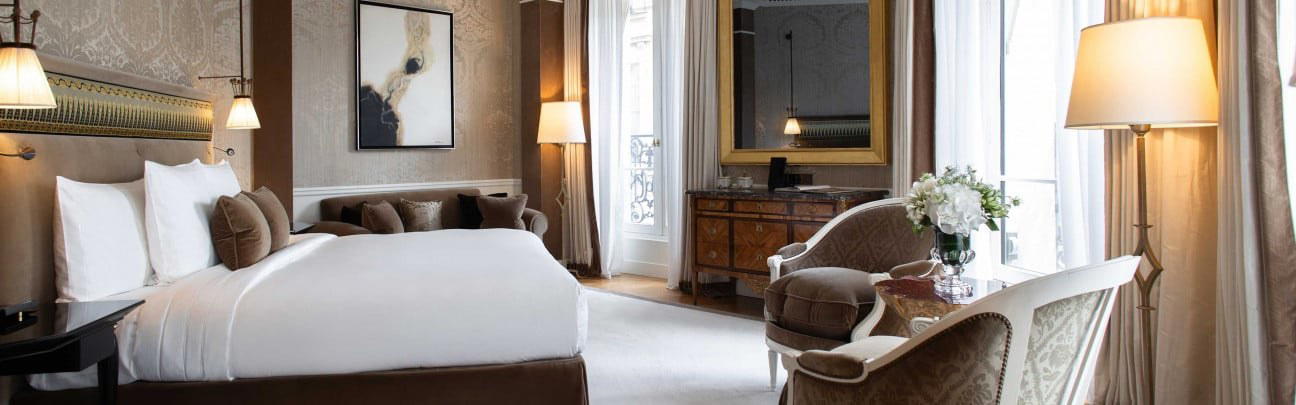
- Elegant Contemporary with Tastefully Designed Spacious Rooms and Stylish Amenities.
Know before you go
Know Before You Go
- Getting there
- 99 Jin Bao Jie, Dong Cheng Qu, Bei Jing Shi, 100005
Planning details
Location
99 Jin Bao Jie, Dong Cheng Qu, Bei Jing Shi, 100005 · Directions
Recognition and awards



Also consider
Also Consider
- The Peninsula Beijing, Notable alternative
- Waldorf Astoria Beijing, Notable alternative
- Mandarin Oriental Wangfujing, Beijing, Notable alternative
- The PuXuan Hotel and Spa, Notable alternative
- The St. Regis Beijing, Notable alternative
Hotel context
How It Compares
The Peninsula Beijing is the stronger pick for travelers who want a more residential luxury feel and are willing to pay for it, while Regent Beijing is easier to justify when the brief is central, formal, and dependable. Waldorf Astoria Beijing sits close in intent: polished, celebration-friendly, and suitable for business travel. Choose between them on rate, upgrade benefits, and the exact location that trims more time from the itinerary.
Mandarin Oriental Wangfujing, Beijing and The PuXuan Hotel and Spa are better cross-shops for guests who care more about contemporary ambiance and a sharper sense of place. Regent Beijing is the safer conservative choice; those two are better when the hotel itself needs to feel like part of the trip rather than just the base.
The St. Regis Beijing is the alternative to check when availability is tight or when a more traditional business-hotel rhythm is useful. If the Regent rate is meaningfully higher without added benefits, compare all five before committing; if benefits line up and the address fits, Regent Beijing is a solid special-occasion and business-travel pick.
Explore Beijing
Around this place
Discover more on Pearl
Unlock the full Regent Beijing guide in Pearl, including awards, comparisons, FAQs, planning details, and nearby places.
Compare Regent Beijing
| Venue | Location | Awards |
|---|---|---|
| Regent Beijing | Beijing | 2026 Travel + Leisure 100 Favorite Hotels in the World · #502026 Forbes 4-Star2026 La Liste Top Hotels2025 Travel + Leisure 100 Favorite Hotels in the World · #35Tatler Best Hotels Asia-Pacific 20252025 Michelin Selected Hotels2025 Michelin 1 Key2025 Forbes 4-Star |
| The Peninsula Beijing | Beijing | 2026 Forbes 5-Star2026 Virtuoso Luxury Hotel Collection2026 La Liste Top HotelsWorld Travel Awards 20252025 Michelin 1 Key2025 Forbes 5-Star |
| Waldorf Astoria Beijing | Beijing | 2026 Forbes 4-Star2026 La Liste Top HotelsWorld Travel Awards 20252025 Michelin 1 Key2025 Forbes 4-Star |
| Mandarin Oriental Wangfujing, Beijing | Beijing | 2026 Forbes 5-Star2026 Virtuoso Luxury Hotel Collection2026 La Liste Top Hotels2025 Forbes 5-Star2025 Michelin 1 Key |
| The PuXuan Hotel and Spa | Beijing | 2026 Virtuoso Luxury Hotel Collection2026 Forbes Recommended2026 La Liste Top HotelsLeading Hotels of the World 20262025 Forbes Recommended2025 Michelin 1 Key |
| The St. Regis Beijing | Beijing | 2026 Forbes Recommended2025 Forbes Recommended |





How Regent Beijing Review: Recognitions, Booking Fit & Verdict compares with similar nearby venues.
FAQ
Frequently Asked Questions
How is the dining at Regent Beijing?
Detailed venue, cuisine, menu, and service specifics should be checked directly with the hotel. The stronger case is the hotel recognition itself, including Forbes 4-Star 2026, La Liste Top Hotels 2026, Travel + Leisure 2025, Tatler 2025, and MICHELIN Guide Hotels Selected 2025.
What is check-in like at Regent Beijing?
Is Regent Beijing family-friendly?
Families considering Regent Beijing should treat it as a recognized Beijing hotel and check the practical details they need directly before booking, including family facilities, children's programming, and room configurations.
How is the location of Regent Beijing?
Do loyalty programs work at Regent Beijing?
Compare the available direct rate, eligible program rate, cancellation terms, and any inclusions for your dates before deciding where to book.