


Grand Hotel Heiligendamm
Heiligendamm, Bad Doberan
Hotel in Bad Doberan, Germany
 Book with Pearl
The Read
Neoclassical Baltic Revival
Why go
Grand Hotel Heiligendamm is the formal coastal-resort choice near Bad Doberan, backed by Michelin 1 Key recognition, Leading Hotels of the World membership, and a 94.5-point La Liste Top Hotels score. It is worth booking for a polished Baltic stay, especially if the room and setting are central to the trip; value-focused travelers should compare spa-resort alternatives first.
About Grand Hotel Heiligendamm
Grand Hotel Heiligendamm in Bad Doberan is best framed through its recognition rather than through room, facility, or service claims. The standout signals are strong: Michelin 1 Key recognition for 2025, Leading Hotels of the World membership for 2025, and a 94.5-point La Liste Top Hotels listing for 2026. The dress code is smart casual.
For upgrades, focus on the room you are actually booking rather than assuming every category delivers the same experience. If the room itself matters to the trip, confirm the details directly before paying more; if the stay is primarily about being in Bad Doberan, a simpler booking choice may be enough.
Book for recognition, not for specifics
This is a Bad Doberan hotel with notable third-party recognition. The Michelin 1 Key, Leading Hotels of the World membership, and La Liste Top Hotels score provide useful external context for travelers comparing premium stays.
Those signals do not cover every practical detail a guest may care about. They should support the shortlist, not replace direct checks on availability, room type, amenities, dining, or any special requirements before booking.
Who should upgrade, and who should hold the line
Upgrade only when the specific room, view, space, or package being offered is clearly confirmed at the time of booking. The recognition can make a premium stay easier to consider, but it does not by itself establish the value of any individual room category.
Hold the line if the booking is driven mainly by Bad Doberan location or if the quoted upgrade does not come with details that matter to the trip. A smart casual dress code is in place, but other stay-specific expectations should be checked directly with the hotel.
Use Bad Doberan as the filter, not the headline
Bad Doberan is the location for Grand Hotel Heiligendamm. Readers comparing the wider area can use the local restaurants guide and other planning resources before committing.
For broader hotel cross-shopping, compare Grand Hotel Heiligendamm with A-Rosa Travemünde, Schlosshotel Burg Schlitz, Speicher am Ziegelsee, Strandhotel Fischland, and WONNEMAR Resort-Hotel. Other dining in Bad Doberan can be considered generically when planning the trip.
Quick reference: choose this for a Bad Doberan hotel with Michelin 1 Key recognition, Leading Hotels of the World membership, and a 94.5-point La Liste Top Hotels listing; confirm room and stay details directly before upgrading.
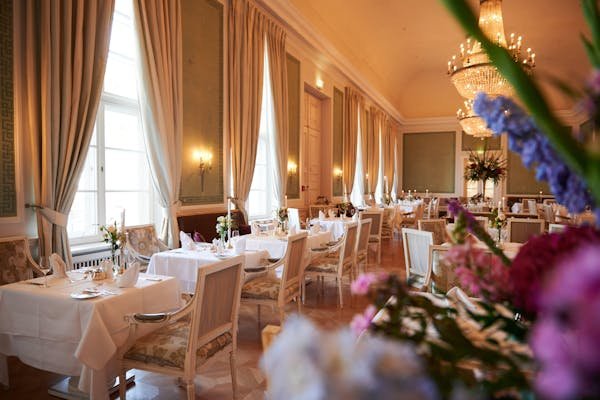
Inside Grand Hotel Heiligendamm
Planning details
- Location
- Prof.-Dr.-Vogel-Straße 6, 18209 Bad Doberan
- Website
- grandhotel-heiligendamm.de
- Phone
- +49 38203 7400
The take
The Take
The Vibe
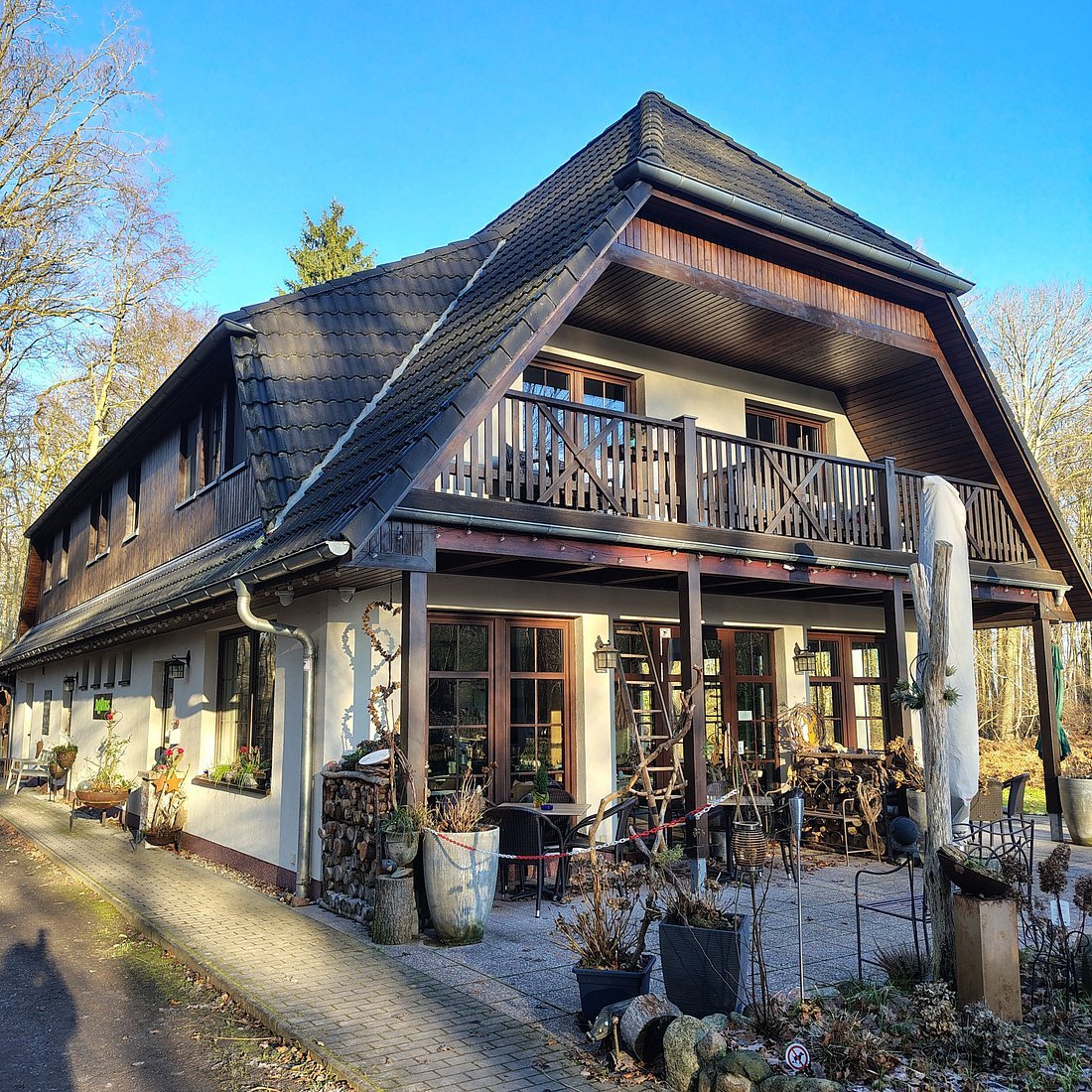
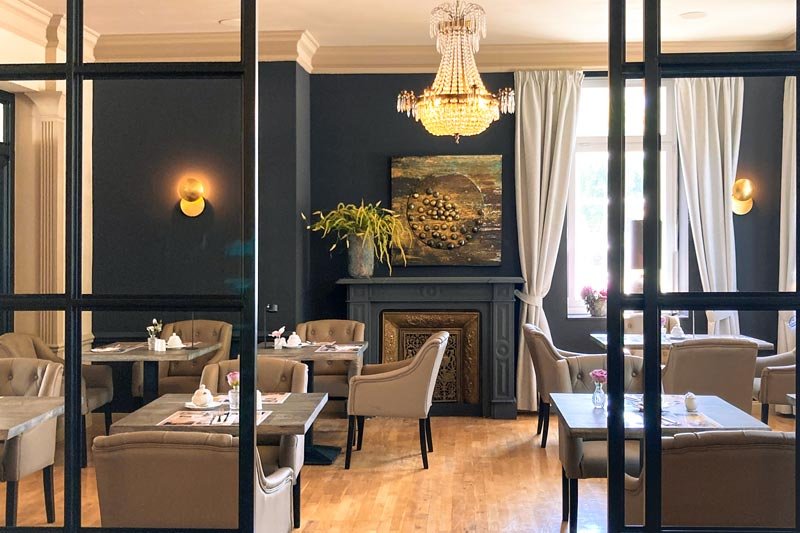
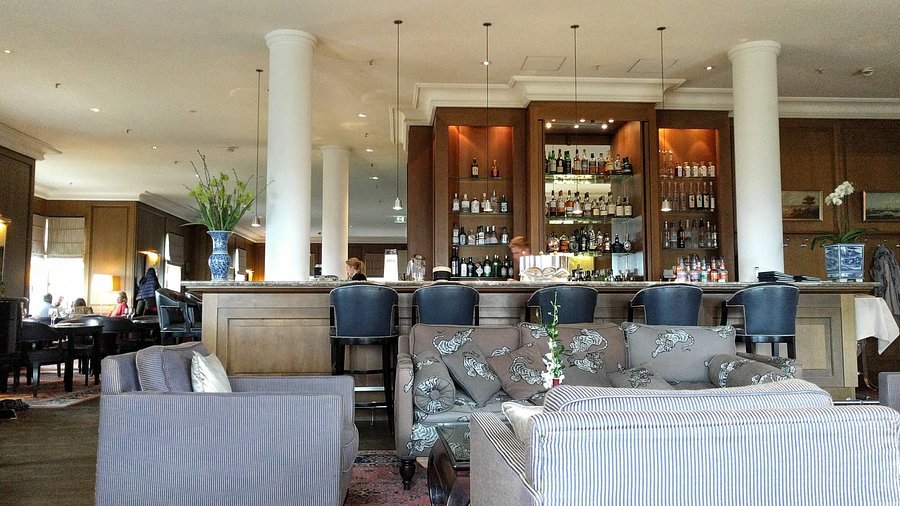
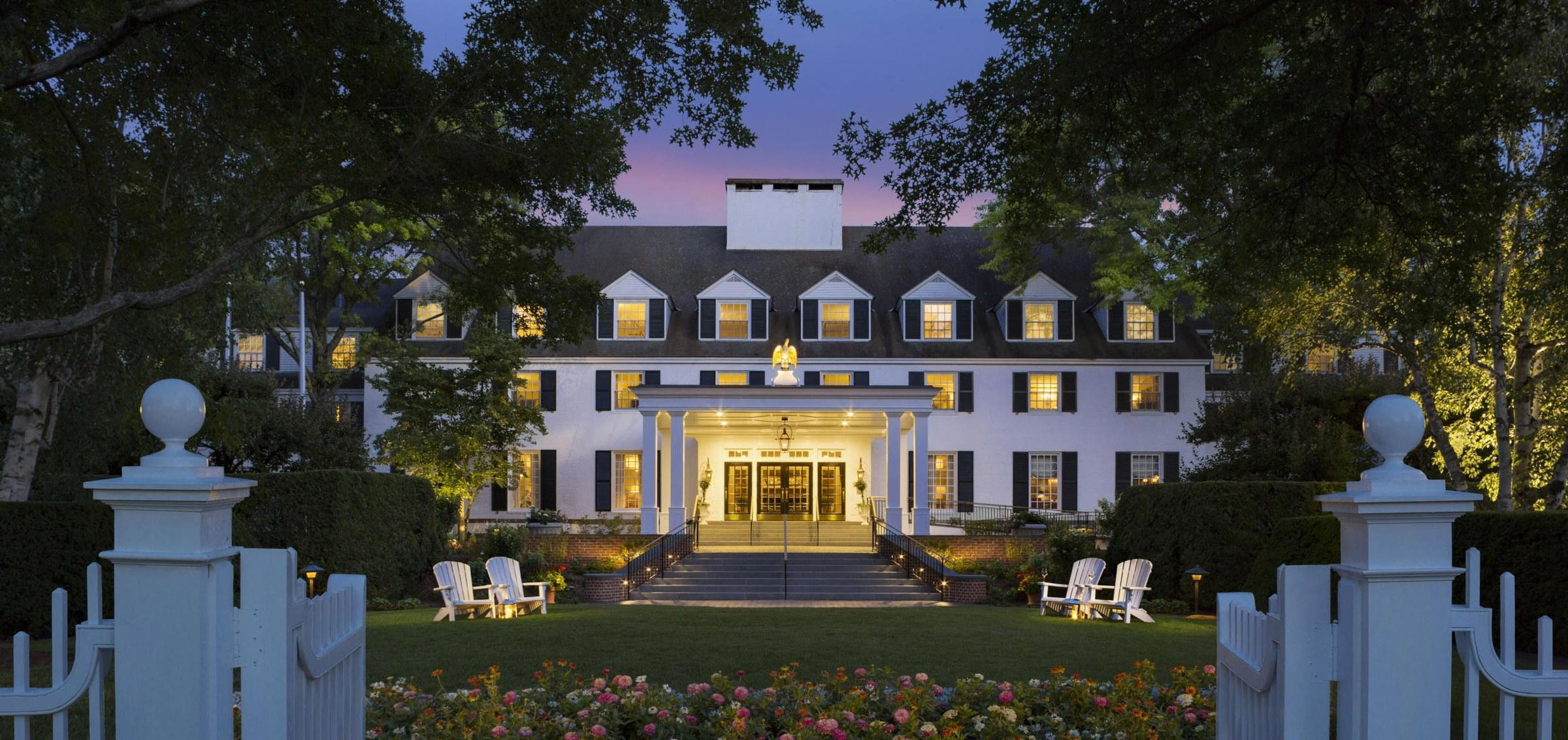
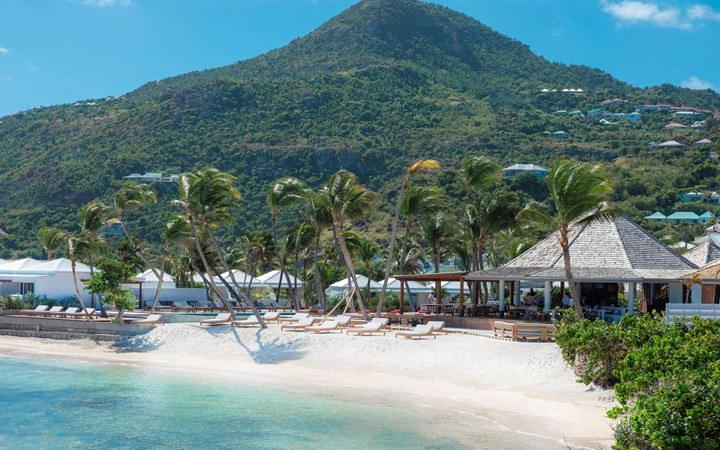
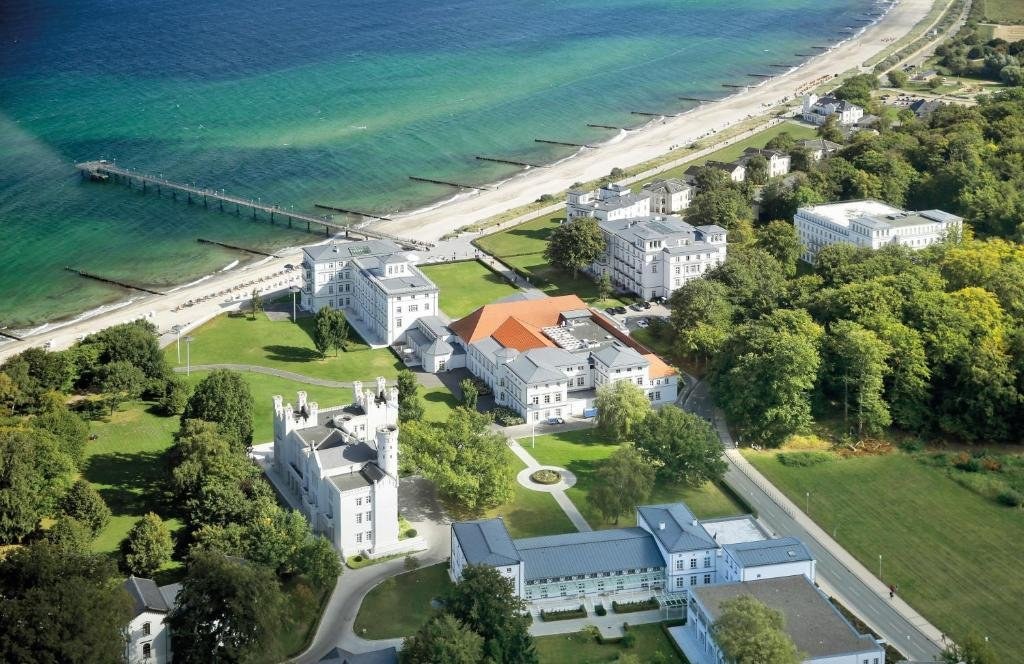
Grand Hotel Heiligendamm presents itself as an accomplished seaside retreat where late-18th-century neoclassical architecture meets contemporary luxury. The white palaces read as a coherent campus set within parkland that opens onto the Baltic, giving the resort a composed, spa-town quality. Interiors deliberately straddle period spirit and modern comfort, so the atmosphere feels refined rather than museum‑like. The result is a quietly romantic, historically rooted property that emphasizes slow seaside pleasure, architectural elegance and a measured, restorative pace rather than overt flashiness.
Best For
Heiligendamm suits travelers who prize history, coastal calm and a restorative spa-town rhythm. The resort's parkland setting and proximity to the Baltic make it well matched to wellness retreats and relaxed weekend escapes; its aristocratic origins and restored palaces also appeal to couples seeking a romantic getaway or anniversary destination. The description notes a generous footprint across 181 rooms, which supports family stays and longer vacations where space and a composed atmosphere matter. Guests come for the architecture, sea air and a premium, quietly luxurious seaside experience.
Venue details
Ambiance
Elegant and serene with natural light from sea views, historic charm, and relaxing spa atmosphere.
Tags
Vibe
Best For
Experience
Amenities
View
Accessibility
About the Stay
- Rooms
- 196
- Check-in
- 15:00
- Check-out
- 11:00
- Property Style
- Historic Seaside Luxury Resort with Restored White Palaces
- Design Style
- Classic Elegance with Contemporary Luxury Interiors
Know before you go
Know Before You Go
- Getting there
- Prof.-Dr.-Vogel-Straße 6, 18209 Bad Doberan
Planning details
Location
Recognition and awards


Also consider
Also Consider
- Strandhotel Fischland, Notable alternative
- WONNEMAR Resort-Hotel, Notable alternative
- Speicher am Ziegelsee, Notable alternative
- A-Rosa Travemünde, Notable alternative
- Schlosshotel Burg Schlitz, Notable alternative
Hotel context
How it compares on the Baltic and nearby resort circuit
Strandhotel Fischland is the easier recommendation for travelers who want a softer beach-resort feel and less formality. Grand Hotel Heiligendamm is the stronger splurge when recognition, architecture, and a grand-hotel atmosphere matter more than relaxed value.
WONNEMAR Resort-Hotel is the practical family and water-park-adjacent play; it should be easier to justify when the hotel is only part of a broader itinerary. Speicher am Ziegelsee reads more like a lower-key lake or city-edge stay, better for guests who do not need the full coastal-resort mood.
A-Rosa Travemünde is the cleanest cross-shop for a Baltic spa break with a resort structure, while Schlosshotel Burg Schlitz is the better comparison for guests weighing historic formality over beach proximity. Choose Heiligendamm when the Baltic setting and grand-hotel tone are the point; choose Burg Schlitz when countryside seclusion is more important.
Explore Bad Doberan
Around this place
Discover more on Pearl
Unlock the full Grand Hotel Heiligendamm guide in Pearl, including awards, comparisons, FAQs, planning details, and nearby places.
Compare Grand Hotel Heiligendamm
| Venue | Location | Awards |
|---|---|---|
| Grand Hotel Heiligendamm | Bad Doberan | Leading Hotels of the World 20262026 La Liste Top Hotels2026 Michelin 1 KeyMichelin 1 Key 20252025 Michelin 1 Key |
| Strandhotel Fischland | Dierhagen | 2025 Michelin 1 Key |
| WONNEMAR Resort-Hotel | Wismar | No published awards |
| Speicher am Ziegelsee | Schwerin | No published awards |
| A-Rosa Travemünde | Travemunde | No published awards |
| Schlosshotel Burg Schlitz | Hohen Demzin | 2026 Relais Chateaux Hotels2026 Michelin 1 Key2025 Michelin 1 Key2025 Relais Chateaux Award |


How Grand Hotel Heiligendamm Bad Doberan compares with similar nearby venues.
FAQ
Frequently Asked Questions
Do loyalty programs work at Grand Hotel Heiligendamm?
Grand Hotel Heiligendamm is a 2025 member of Leading Hotels of the World. Specific loyalty earning, redemption, or benefit details should be confirmed directly before booking. A-Rosa Travemünde is another hotel to compare if you are weighing alternatives.
How is the pool and spa at Grand Hotel Heiligendamm?
The hotel's 2025 Michelin 1 Key recognition, 2025 Leading Hotels of the World membership, and 94.5-point La Liste Top Hotels listing for 2026 are confirmed. Speicher am Ziegelsee is another option to compare when planning a stay.
Is Grand Hotel Heiligendamm good for business travel?
Grand Hotel Heiligendamm is in Bad Doberan and has confirmed premium-hotel recognition, but business travelers should check practical requirements directly. WONNEMAR Resort-Hotel is another hotel to consider when comparing options.
What is check-in like at Grand Hotel Heiligendamm?
The confirmed facts are the Bad Doberan location, smart casual dress code, Michelin 1 Key recognition, Leading Hotels of the World membership, and La Liste Top Hotels score. Schlosshotel Burg Schlitz is another hotel to compare if you are reviewing alternatives.
Which room category is best at Grand Hotel Heiligendamm?
Choose a higher category only if the details that matter to you are confirmed directly at booking. Strandhotel Fischland is another hotel to compare when weighing different stay styles.