


Milaidhoo Maldives
Baa Atoll
Hotel in Baa Atoll, Maldives
 Book with Pearl
The Read
Biosphere Reserve Seclusion
Why go
Milaidhoo Maldives is worth booking if the goal is a quiet, polished Baa Atoll private-island stay with strong 2025 and 2026 hotel recognition behind it. It suits couples and first-timers who want privacy and a slower pace; compare larger peers if dining variety, family infrastructure, or easier availability matters more.
About Milaidhoo Maldives
Is Milaidhoo Maldives worth considering for a Baa Atoll trip? The appeal is direct: it is a Baa Atoll stay with several hotel-recognition signals, including Small Luxury Hotels of the World Member status for 2025, MICHELIN Guide Hotels Selected recognition for 2025, La Liste Top Hotels recognition for 2026 with 90.5 points, and Forbes 4-Star recognition for 2026.
A Baa Atoll stay with notable hotel recognition
The strongest reason to keep Milaidhoo Maldives on a shortlist is its recognition from multiple hotel-focused sources. Those accolades provide useful context for travelers comparing higher-end options in Baa Atoll.
Use the accolades as a starting point rather than a substitute for current planning. Before booking, confirm the details that matter most to your trip directly with the property, including available accommodation categories, dining arrangements, transfer logistics, cancellation terms, and any seasonal considerations.
What to expect from arrival through departure
Milaidhoo Maldives is in Baa Atoll, with public recognition from hotel-focused lists and guides. For arrival procedures, activity programming, room layouts, restaurant concepts, or wellness facilities, contact Milaidhoo Maldives directly before committing.
Quick reference: consider Milaidhoo Maldives if you want a Baa Atoll stay backed by recognition from Small Luxury Hotels of the World, MICHELIN Guide Hotels, La Liste, and Forbes. Compare it with other Baa Atoll options if your decision depends on specific facilities, dining variety, room category, or booking conditions.
Planning details
- Location
- Milaidhoo
- Website
- milaidhoo.com
- Phone
- 960-660-7788
The take
The Take
The Vibe
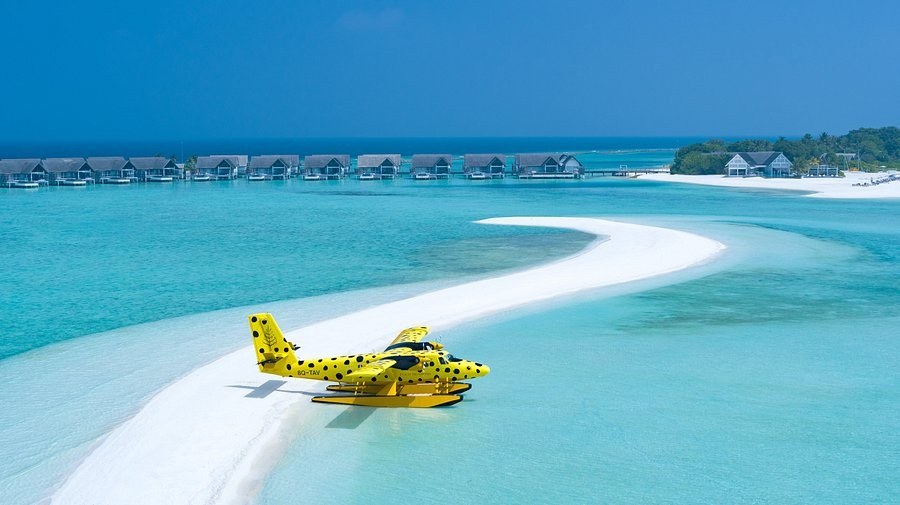
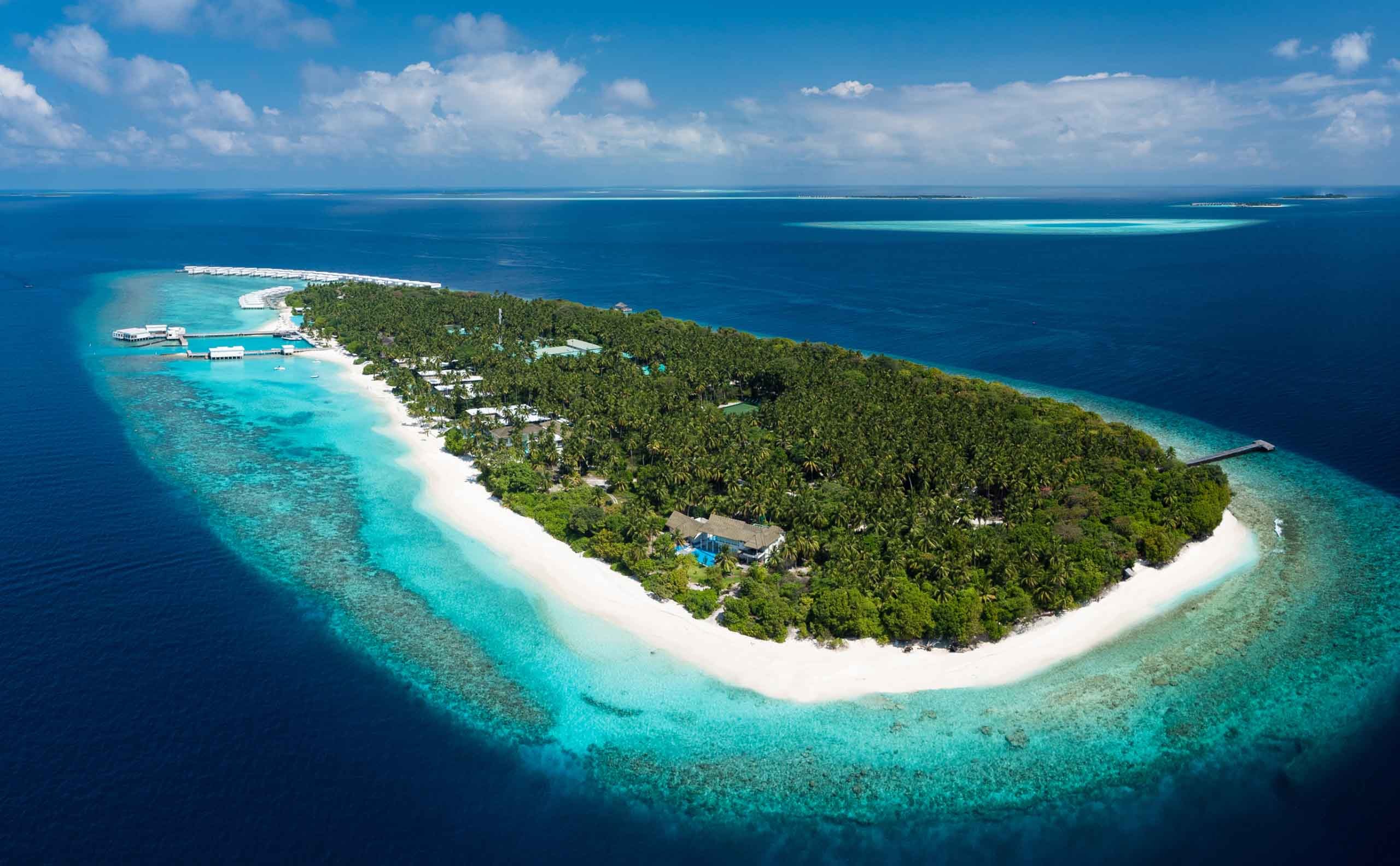
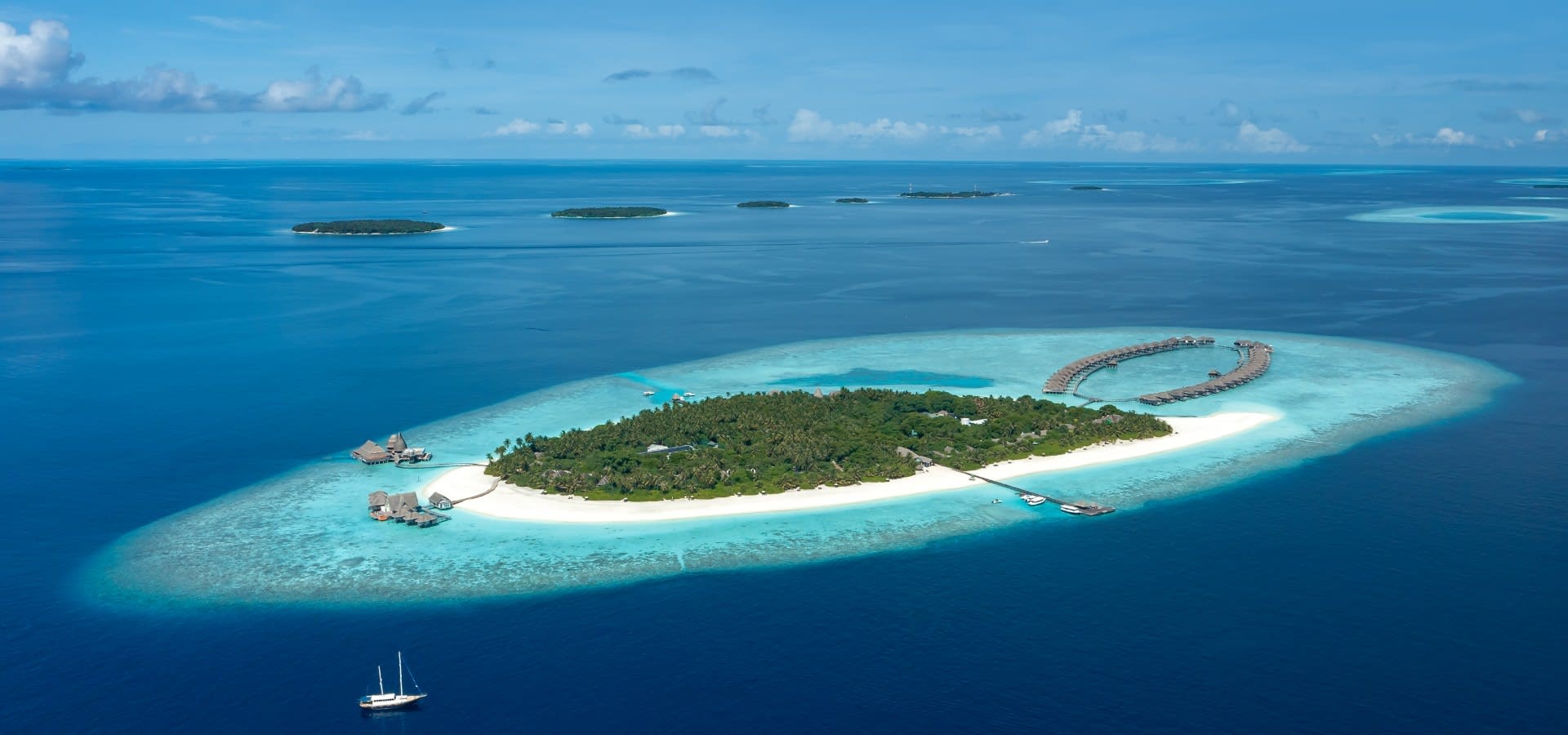
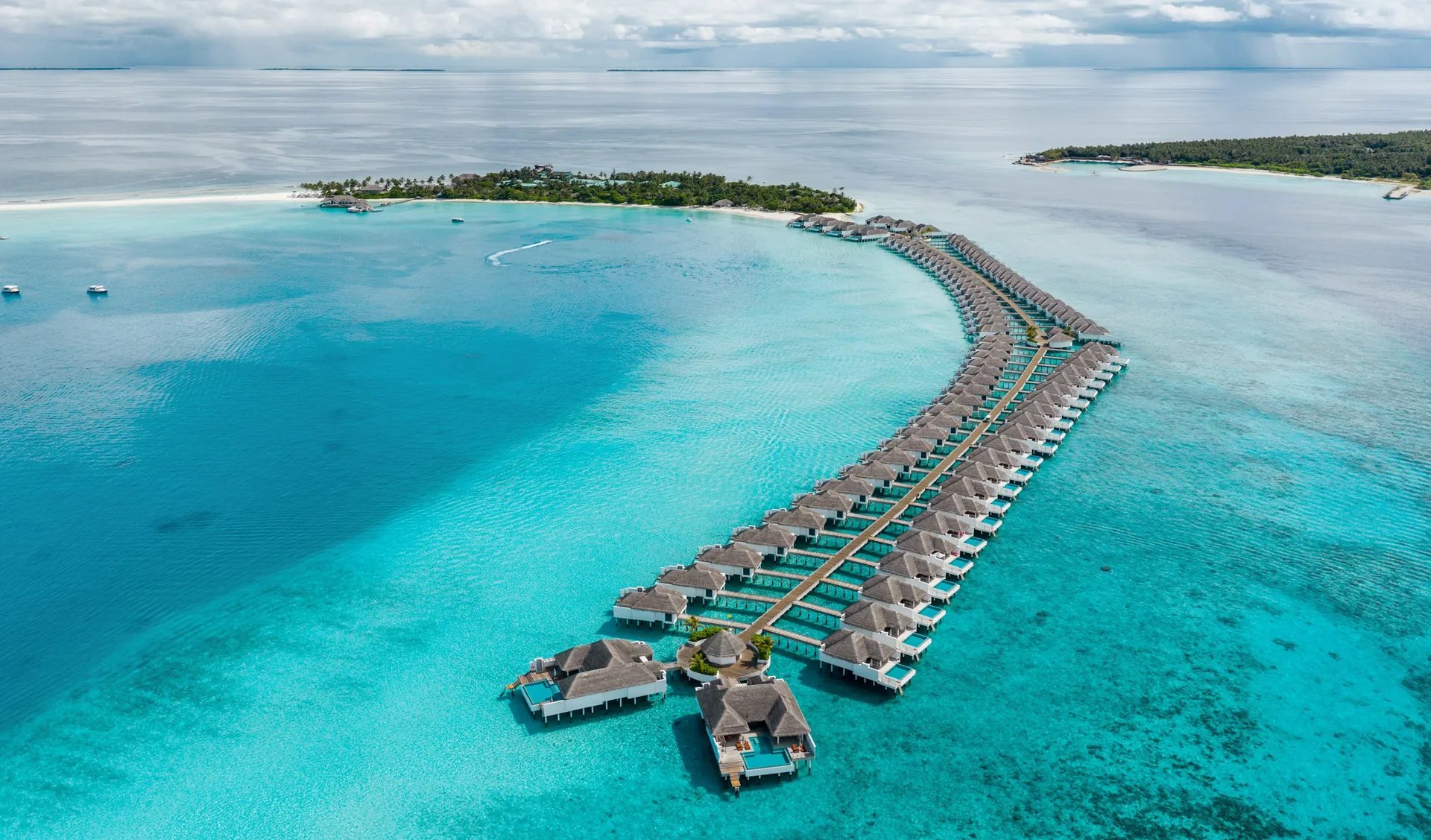
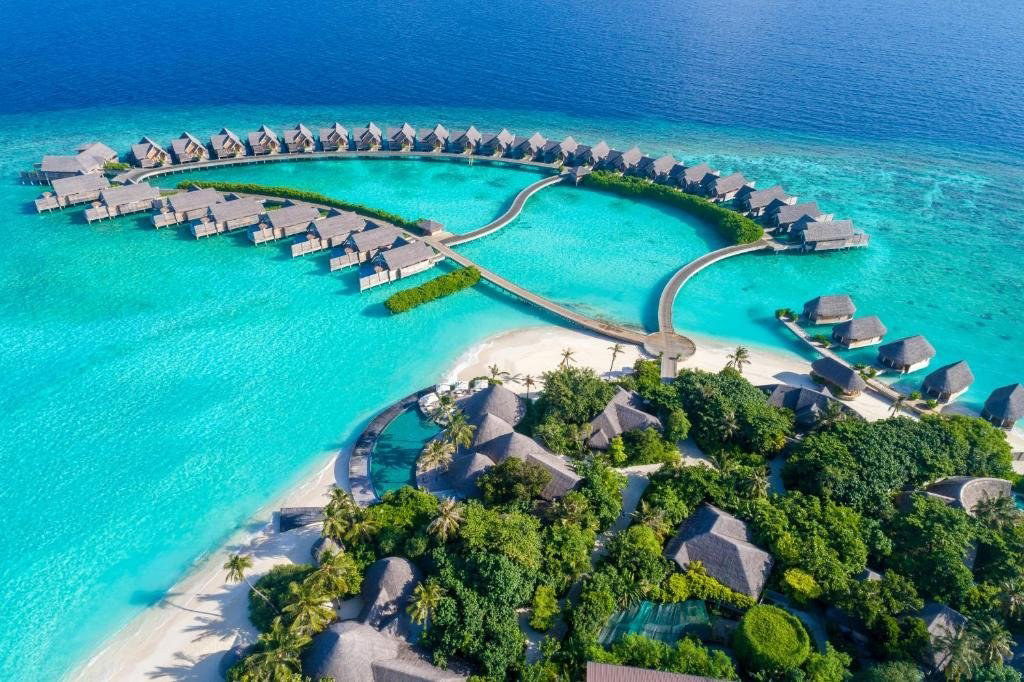
Milaidhoo Maldives reads as a purposeful retreat: small in scale, deliberately remote and set within the UNESCO-designated Baa Atoll. The seaplane approach across turquoise shallows and visible reef formations frames the island as part of a living marine landscape rather than a simple beach escape. Conservation-minded rhythms—managed water sports and regulated marine interactions—shape the atmosphere, producing a calm, scenic island experience that favors intimacy and low density over spectacle.
Best For
This is a stay for guests who prioritize marine ecology and seclusion alongside Maldivian luxury. The island’s location inside the Baa Atoll and proximity to Hanifaru Bay appeal to travellers keen on manta and whale-shark encounters, while the small footprint and low villa count make it well suited to honeymooners, couples seeking quiet escapes, and wellness-focused visitors who value a considered, conservation-minded environment.
Stay Tips
Plan logistics in advance: the property sits a 35-minute seaplane transfer from Malé, and the arrival is part of the experience, so booking transfers early is prudent. Given the atoll’s regulated marine activities and the appeal of Hanifaru Bay, guests should reserve any marine excursions or guided encounters ahead of time. Treat the island as a deliberate retreat—expect low density and curated activities rather than high-turnover resort programming.
Venue details
Ambiance
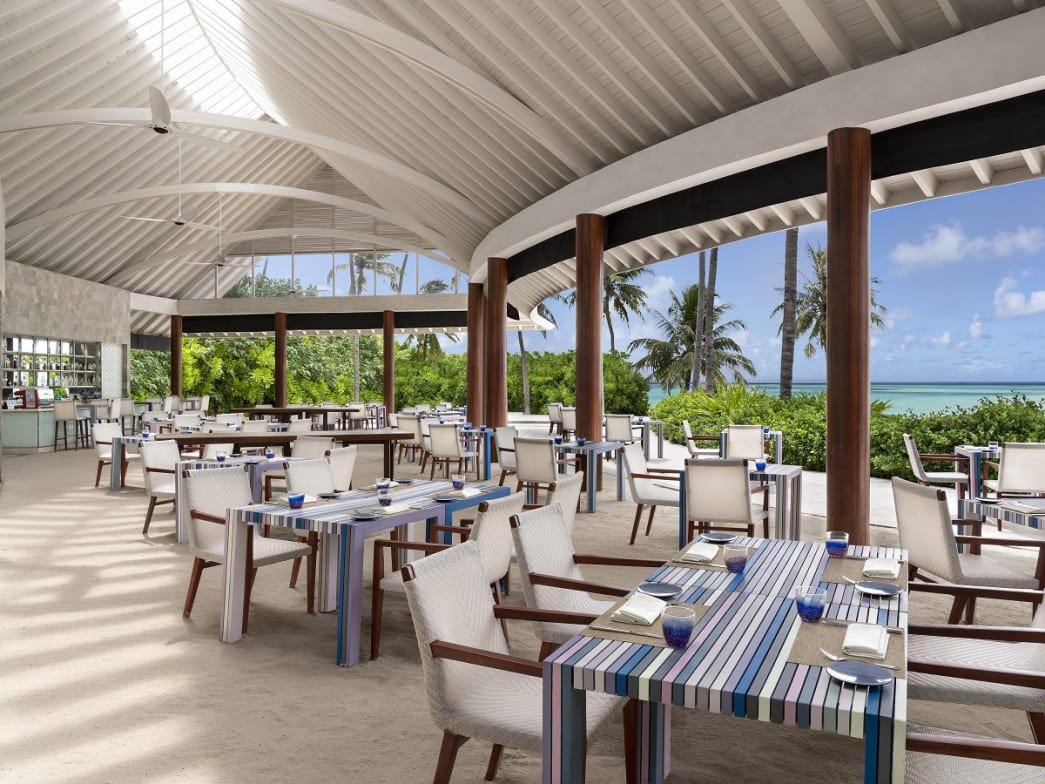
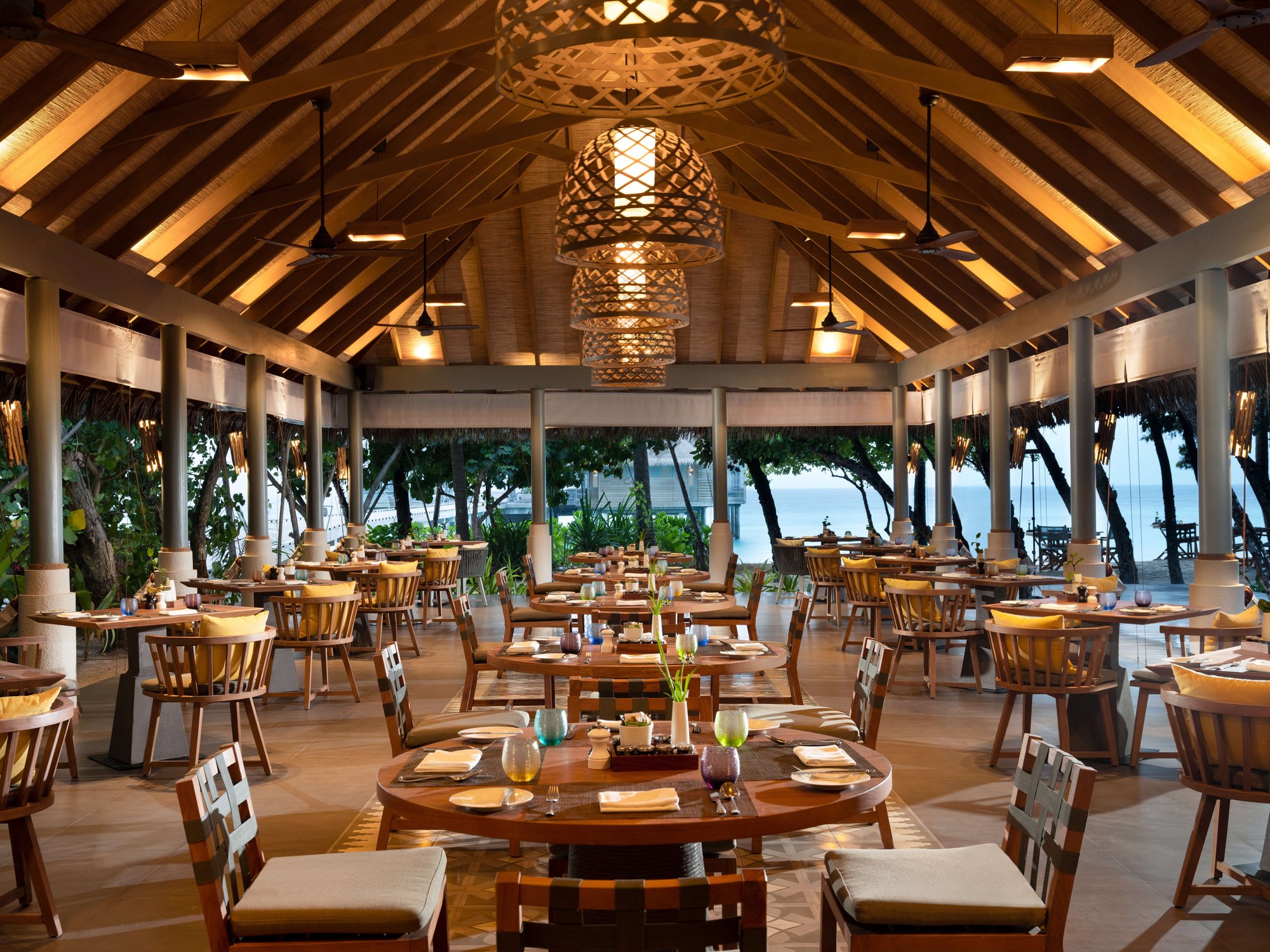
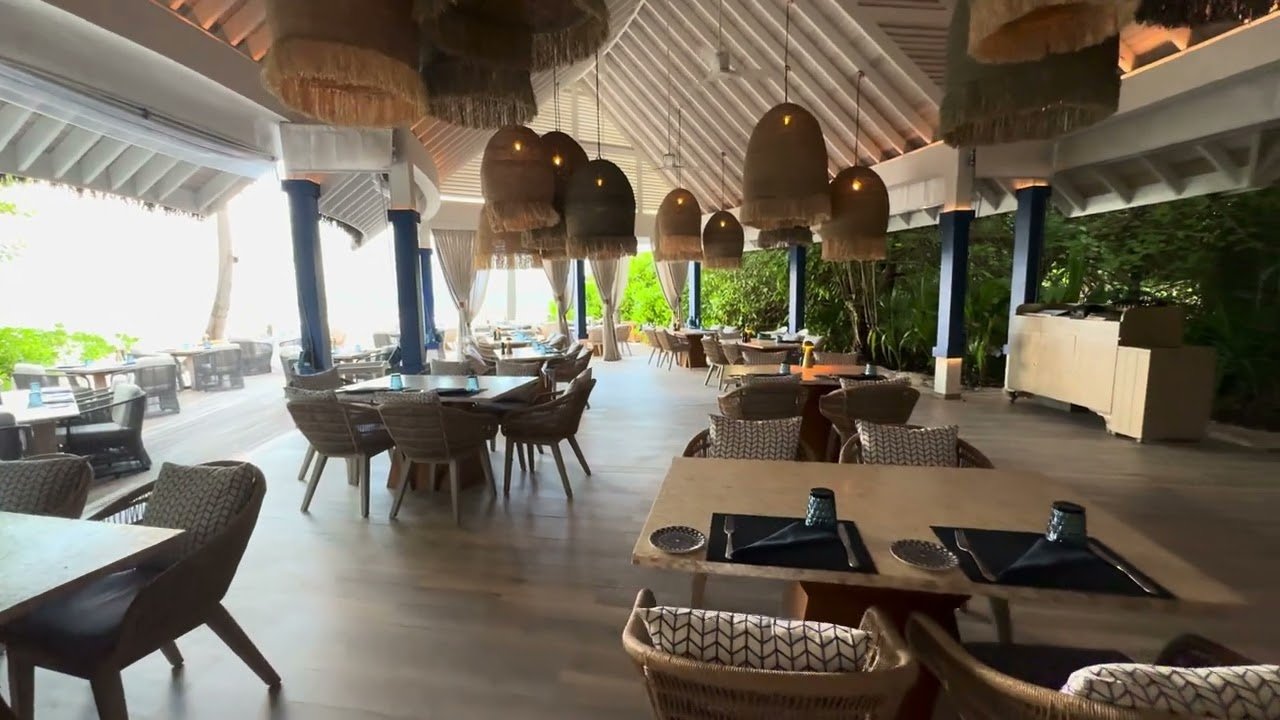
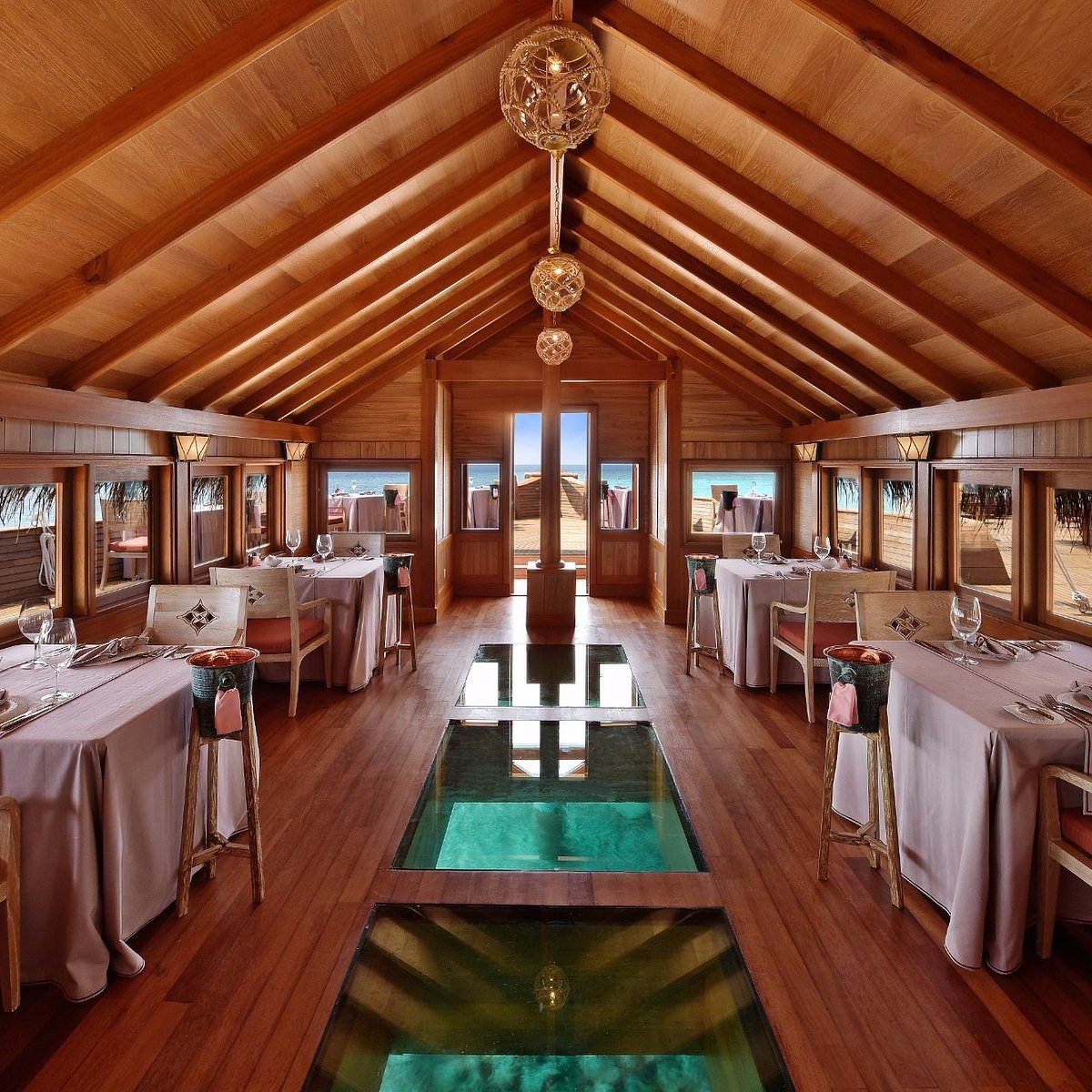
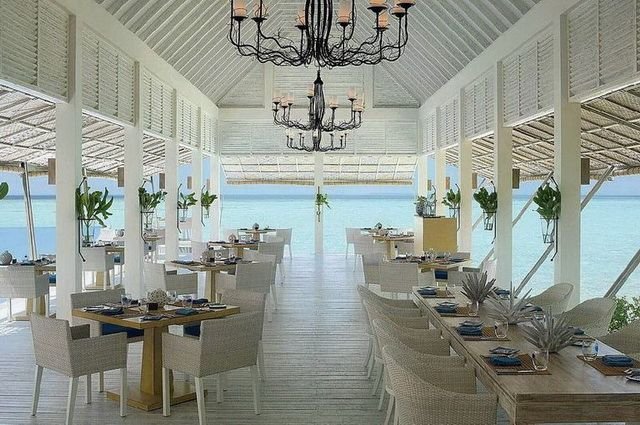
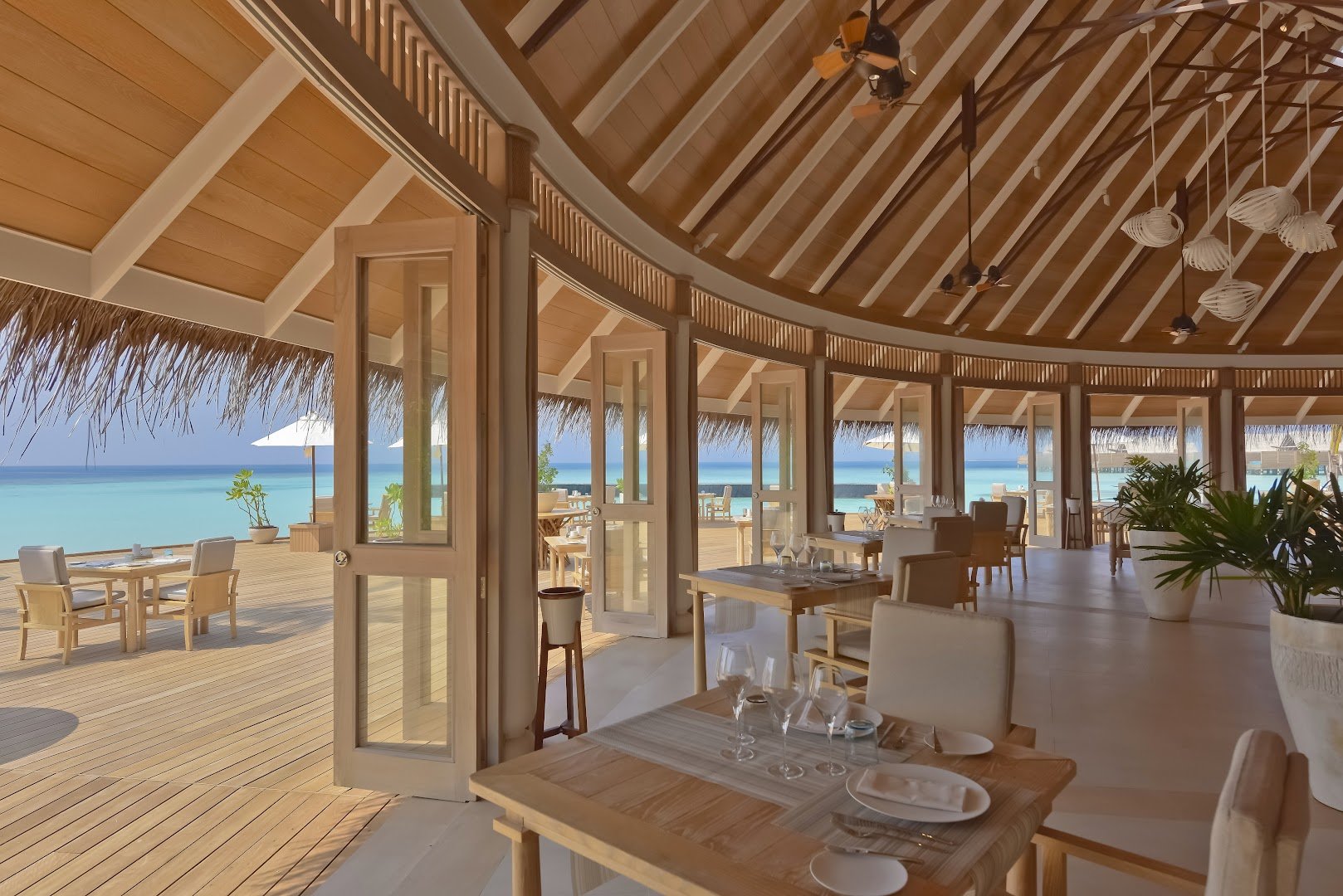
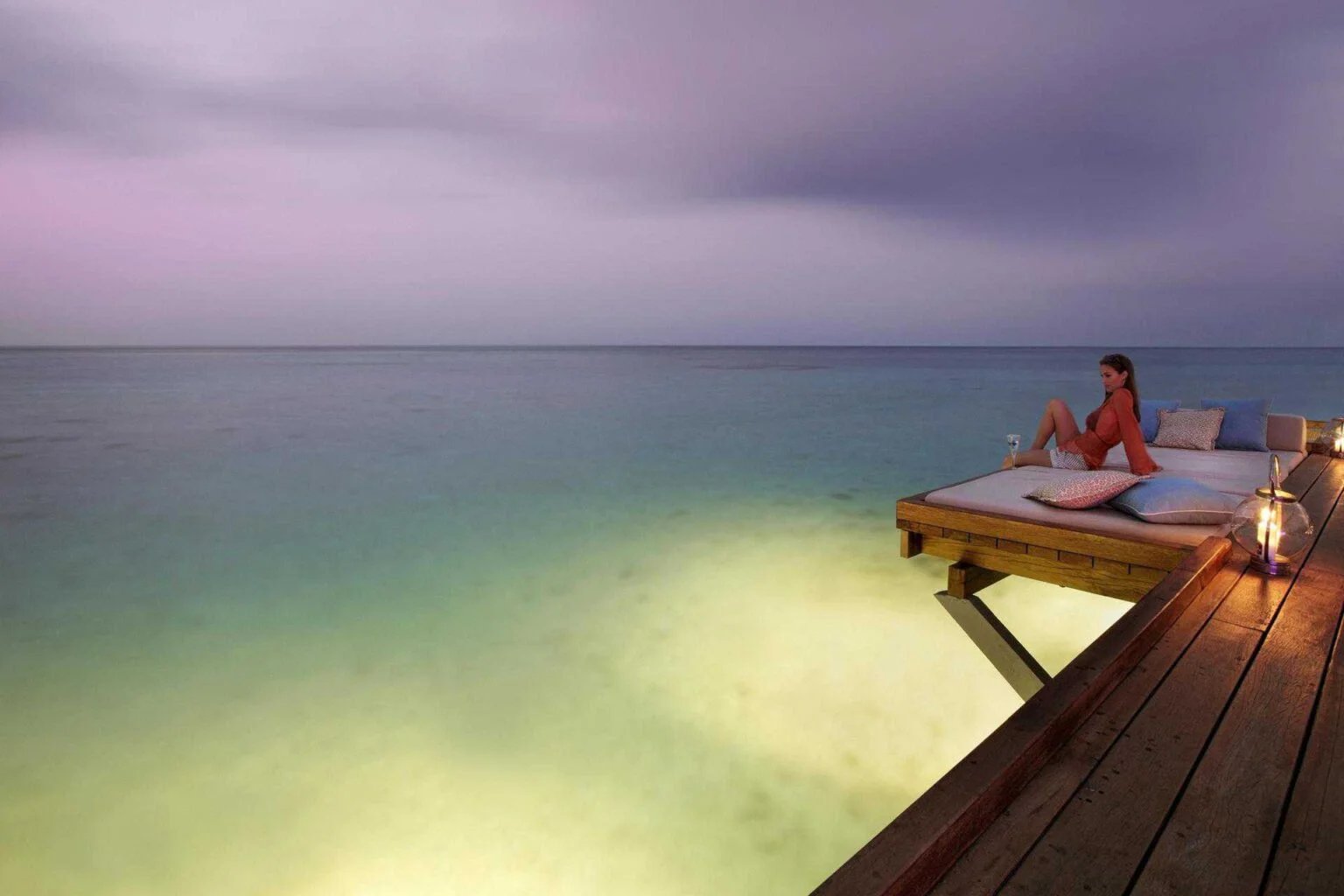
Relaxing barefoot luxury with natural surroundings, gentle waves, birdsong, and romantic candlelit dinners in an intimate, serene setting.
Tags
Vibe
Best For
Experience
Amenities
View
About the Stay
- Rooms
- 50
- Check-in
- 14:00
- Property Style
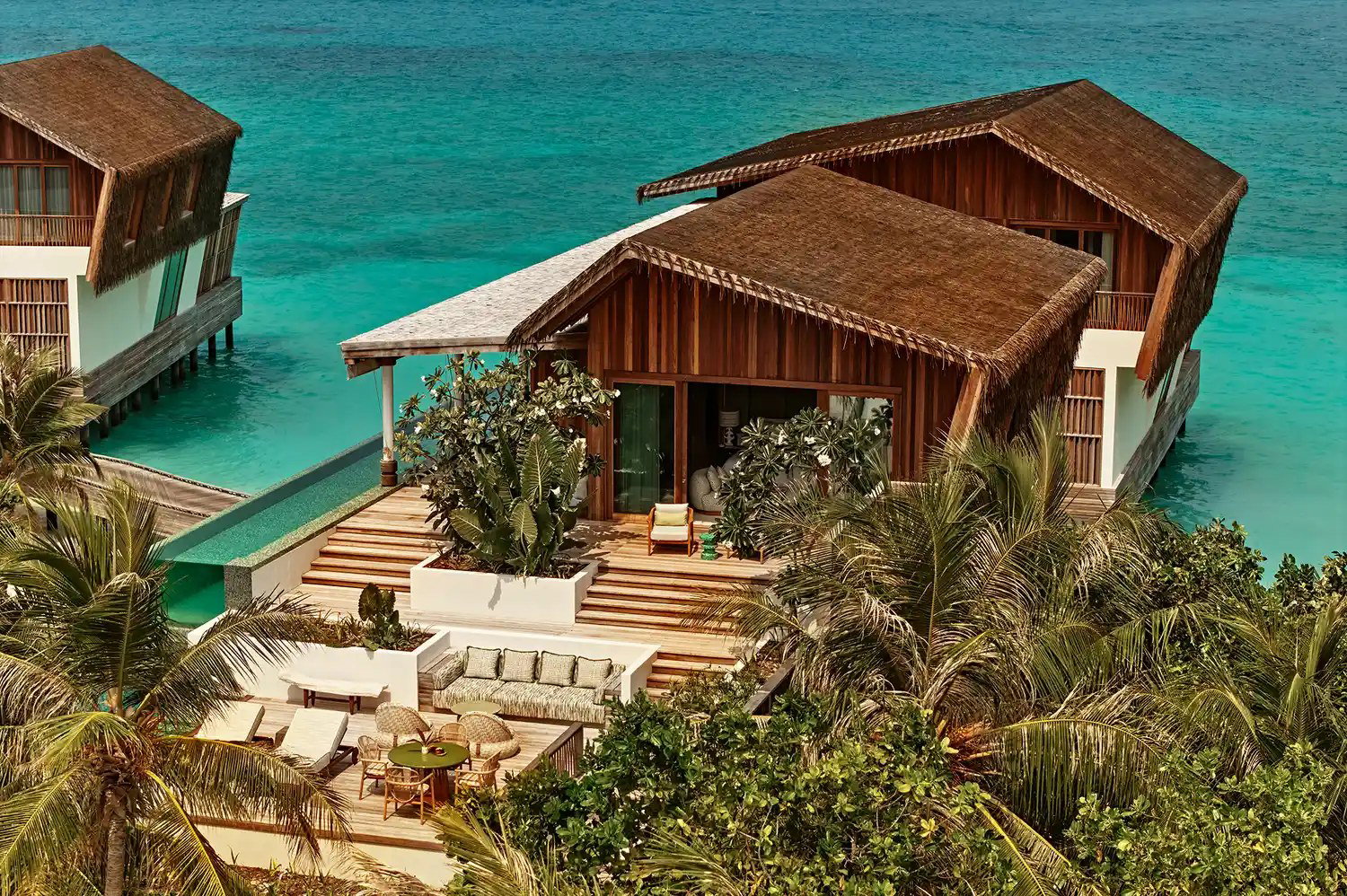
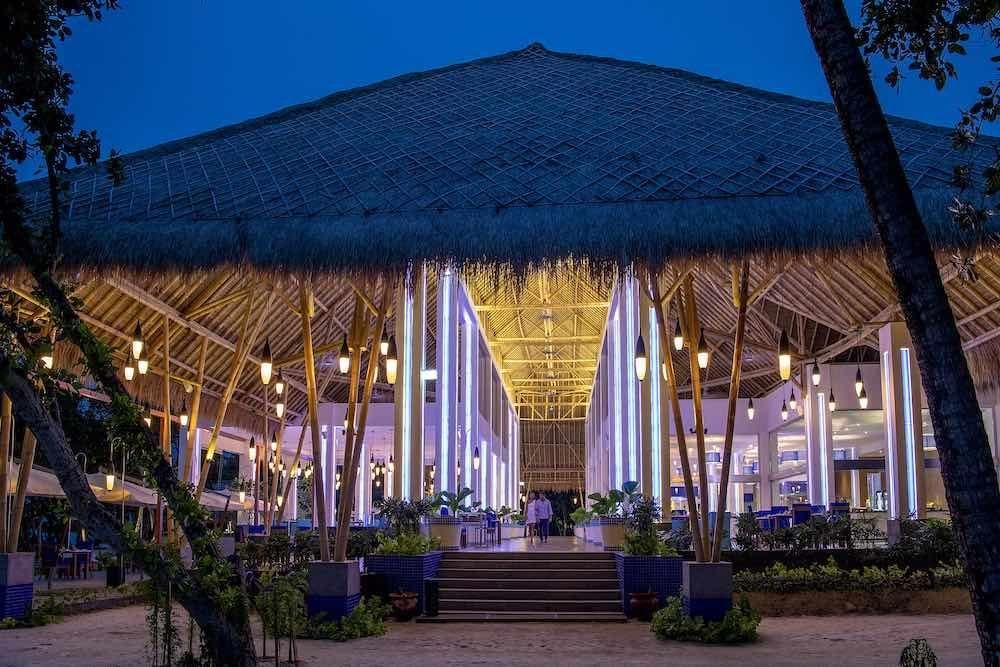
- Barefoot Luxury Resort Blending Maldivian Elements with Contemporary Design
- Design Style
- Traditional Maldivian with Custom Made Furnishings and Natural Integration
Know before you go
Know Before You Go
- Getting there
- Milaidhoo
Planning details
Location
Recognition and awards



Also consider
Also Consider
- Four Seasons Resort Maldives at Landaa Giraavaru, Notable alternative
- The Nautilus Maldives, Notable alternative
- Amilla Maldives, Notable alternative
- Anantara Kihavah Maldives Villas, Notable alternative
- Soneva Fushi, Notable alternative
Hotel context
How Milaidhoo Maldives compares in Baa Atoll
Choose Milaidhoo Maldives if privacy and a quieter island rhythm matter more than resort scale. Four Seasons Resort Maldives at Landaa Giraavaru is the stronger cross-shop for travelers who want a bigger-name resort structure and likely broader facilities, while Milaidhoo is the cleaner call for a lower-noise couple's stay.
The Nautilus Maldives is the splurge comparison for travelers prioritizing ultra-private luxury, while Amilla Maldives should be on the list for guests who want more space and a more residential resort feel. Anantara Kihavah Maldives Villas is better for travelers who want a larger resort mood with more built-out facilities.
Soneva Fushi is the alternative for guests drawn to a more established barefoot-luxury style. If availability at Milaidhoo is tight, start with Four Seasons or Anantara for a broader resort setup, then Amilla if the priority is a roomier, quieter-feeling stay.
Explore Baa Atoll
Around this place
Discover more on Pearl
Unlock the full Milaidhoo Maldives guide in Pearl, including awards, comparisons, FAQs, planning details, and nearby places.
Compare Milaidhoo Maldives
| Venue | Location | Awards |
|---|---|---|
| Milaidhoo Maldives | Baa Atoll | 2026 Forbes 4-Star2026 Michelin Guide New Hotels2026 La Liste Top Hotels2025 Michelin Selected HotelsSmall Luxury Hotels Member 2025 |
| Four Seasons Resort Maldives at Landaa Giraavaru | Baa Atoll | 2026 Forbes 4-Star2026 La Liste Top Hotels2025 World Spa & Wellness Awards – Spa Team of the Year Winners · #12025 Forbes 5-Star2025 Michelin 1 KeyFour Seasons Hotels |
| The Nautilus Maldives | Thiladhoo | 2026 Virtuoso Luxury Hotel Collection2026 Mr & Mrs Smith Luxury Hotels2026 La Liste Top HotelsConde Nast Gold List 20262025 Robb Report The 50 Greatest Luxury Hotels on Earth · #362025 Michelin Selected Hotels |
| Amilla Maldives | Baa Atoll | 2026 Forbes 4-Star2026 La Liste Top Hotels2025 Forbes 4-StarSmall Luxury Hotels Member 2025 |
| Anantara Kihavah Maldives Villas | Baa Atoll | 2026 Virtuoso Luxury Hotel Collection2026 Forbes 4-Star2026 La Liste Top Hotels2025 Forbes Recommended |
| Soneva Fushi | Eydhafushi | 2026 World’s 50 Best Hotels 51-100 · #552026 Virtuoso Luxury Hotel Collection2026 Forbes 4-StarStar Wine Lists 20262026 La Liste Top Hotels2025 World’s 50 Best Hotels · #282025 Forbes 4-Star2025 Michelin 3 Keys2024 World's 50 Best Hotels · #8 |











How Milaidhoo Maldives compares with similar nearby venues.
FAQ
Frequently Asked Questions
Which room category is best at Milaidhoo Maldives?
How is the dining at Milaidhoo Maldives?
When is the best time to book Milaidhoo Maldives?
The recognition includes Small Luxury Hotels of the World Member status for 2025, Forbes 4-Star recognition for 2026, MICHELIN Guide Hotels Selected recognition for 2025, and La Liste Top Hotels recognition for 2026, so it is sensible to confirm availability and terms directly before making plans.
How is the pool and spa at Milaidhoo Maldives?
If wellness facilities are central to the trip, ask Milaidhoo Maldives for the latest facility information and compare those details with options such as The Nautilus Maldives and Anantara Kihavah Maldives Villas.