
Hotel in Averlengo, Italy
San Luis Retreat Hotel & Lodges
750Pearl PointsQuiet retreat stay


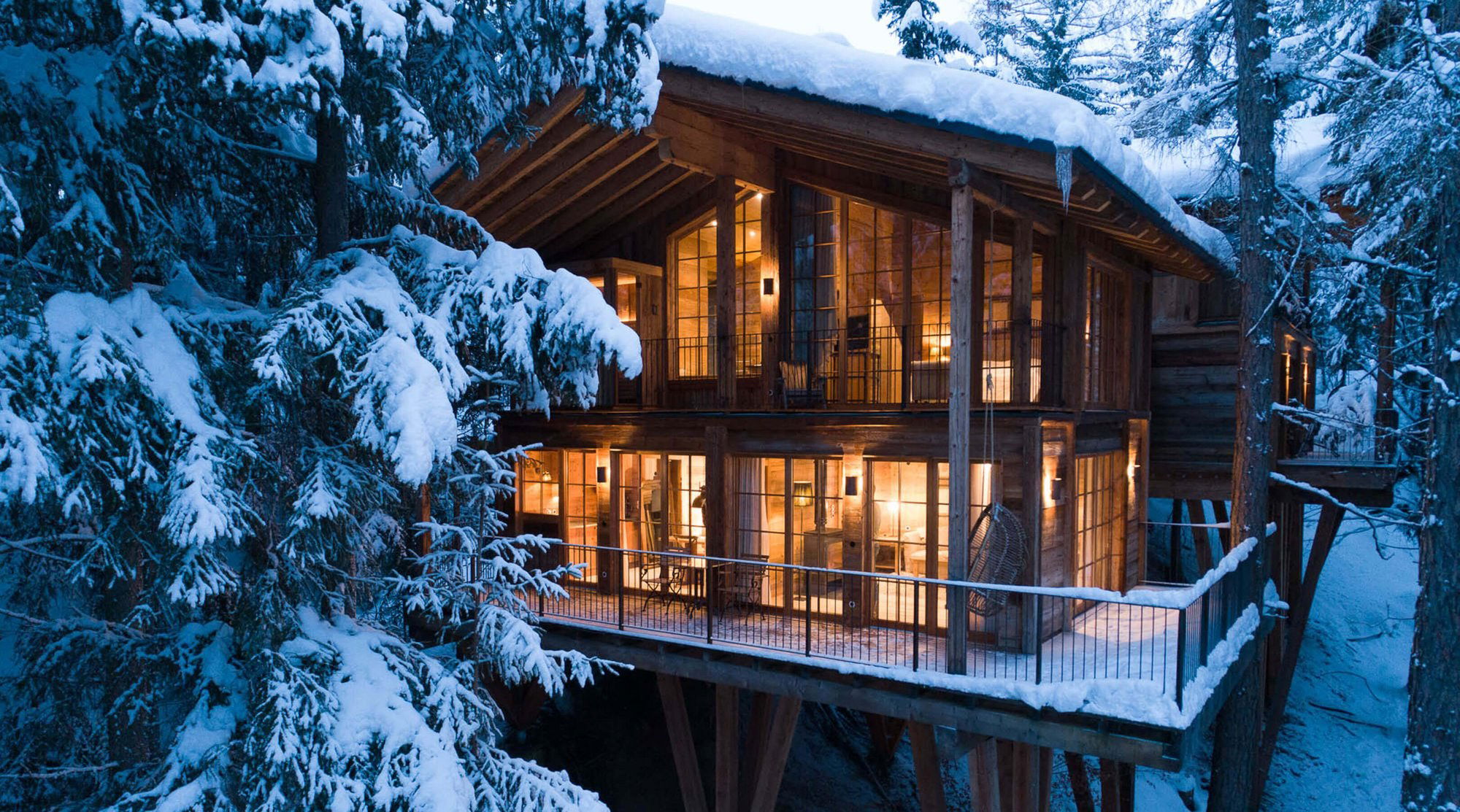
About San Luis Retreat Hotel & Lodges
San Luis Retreat Hotel & Lodges is a stronger choice for a special-occasion South Tyrol stay than for a quick stopover. Michelin 1 Key recognition in 2025 and a 91-point La Liste Top Hotels score for 2026 give it credible quality signals, but the real reason to book is the retreat format and privacy-first setting in Averlengo.
San Luis Retreat Hotel & Lodges is a hotel in Averlengo with two confirmed recognition signals: Michelin 1 Key in 2025 and a La Liste Top Hotels 2026 score of 91 points.
Beyond those credentials, Pearl has not verified specific details such as room categories, dining formats, service style, pricing, amenities, booking difficulty, or guest policies. Treat this as a credential-led hotel listing rather than a fully documented stay profile, and confirm practical details directly with the property before booking.
Choose it for a recognition-led Averlengo shortlist
The venue name identifies San Luis Retreat Hotel & Lodges as a hotel in Averlengo, but Pearl has not verified the exact room types, layout, amenities, or stay format. If those details matter to the trip, check the current room descriptions and booking conditions with San Luis Retreat Hotel & Lodges before committing.
The strongest grounded reason to keep it on a shortlist is recognition: Michelin 1 Key in 2025 and a 91-point La Liste Top Hotels result for 2026. Those signals support considering it among notable hotel options, while the final decision should rest on current availability, rates, and the specific stay details published by the hotel.
Worth considering if the credentials fit your trip
Consider San Luis Retreat Hotel & Lodges if you want a recognized hotel in Averlengo and are comfortable verifying the practical stay details directly. Travelers comparing premium stays may also look at Castel Fragsburg, Hotel Chalet Mirabell, Miramonti Boutique Hotel, Villa Arnica, and Villa Eden The Leading Park Retreat, or at other hotels in Averlengo more generally.
Frequently Asked Questions
How does San Luis Retreat Hotel & Lodges compare to other hotels?
San Luis Retreat Hotel & Lodges has two verified recognition points: Michelin 1 Key in 2025 and a La Liste Top Hotels 2026 score of 91 points. For comparison, travelers may also look at Castel Fragsburg, Hotel Chalet Mirabell, Miramonti Boutique Hotel, Villa Arnica, and Villa Eden The Leading Park Retreat, while confirming each property's current details directly.
Is San Luis Retreat Hotel & Lodges family-friendly?
Pearl has not verified specific family policies, child-focused amenities, room layouts, or age guidance for San Luis Retreat Hotel & Lodges. If traveling with children, confirm the current family-related details directly with the hotel before booking.
Do loyalty programs work at San Luis Retreat Hotel & Lodges?
Pearl has not verified any loyalty-program participation for San Luis Retreat Hotel & Lodges. The confirmed public recognition available here is Michelin 1 Key in 2025 and a 91-point La Liste Top Hotels result for 2026. Check the venue's official channels for current booking and membership details.
How is the location of San Luis Retreat Hotel & Lodges?
San Luis Retreat Hotel & Lodges is in Averlengo. Pearl has not verified a street address or more specific location details, so use the hotel's official channels for directions and arrival information.
What is check-in like at San Luis Retreat Hotel & Lodges?
Pearl has not verified specific check-in times, arrival procedures, or front-desk arrangements for San Luis Retreat Hotel & Lodges. Confirm the latest check-in details directly with the hotel before travel.
Location
Vöranerstraße, 5, 39010 Hafling, Autonome Provinz Bozen - Südtirol
Averlengo, Italy
Compare San Luis Retreat Hotel & Lodges
| Venue | Booking Difficulty |
|---|---|
| San Luis Retreat Hotel & Lodges | Hard |
| Miramonti Boutique Hotel | Unknown |
| Castel Fragsburg | Unknown |
| Hotel Chalet Mirabell | Unknown |
| Villa Eden The Leading Park Retreat | Unknown |
| Villa Arnica | Unknown |
How San Luis Retreat Hotel & Lodges compares with nearby options at a similar price tier.
Also Consider
- Miramonti Boutique Hotel, Notable alternative
- Castel Fragsburg, Notable alternative
- Hotel Chalet Mirabell, Notable alternative
- Villa Eden The Leading Park Retreat, Notable alternative
- Villa Arnica, Notable alternative
How It Compares
Choose San Luis Retreat Hotel & Lodges when privacy and a contained retreat format matter more than being in a busier hotel setting. Miramonti Boutique Hotel is the clearer cross-shop for design-led mountain energy, while Castel Fragsburg is better suited to guests who want a castle-style occasion stay with a more formal mood.
Hotel Chalet Mirabell is the easier recommendation for families or groups who want a broader resort feel. San Luis is better for couples or smaller parties who want the stay to feel more private. Villa Eden The Leading Park Retreat reads more wellness-retreat than mountain hideaway, so pick it if the trip is primarily about health programming and structured reset time.
If San Luis is full, Villa Arnica is the more intimate alternative to check before moving to a larger resort. For value, the decision comes down to how much time will be spent on property: San Luis makes sense when the room and privacy are central to the trip, not when the hotel is just a base.
Recognized By


Explore Averlengo
Save or rate San Luis Retreat Hotel & Lodges on Pearl
Keep this venue in your Pearl passport, rate it after you visit, and track it alongside every other place you collect.