
Atami Izusan Karaku
Izusan, Atami
Hotel in Atami, Japan
 Book with Pearl
The Read
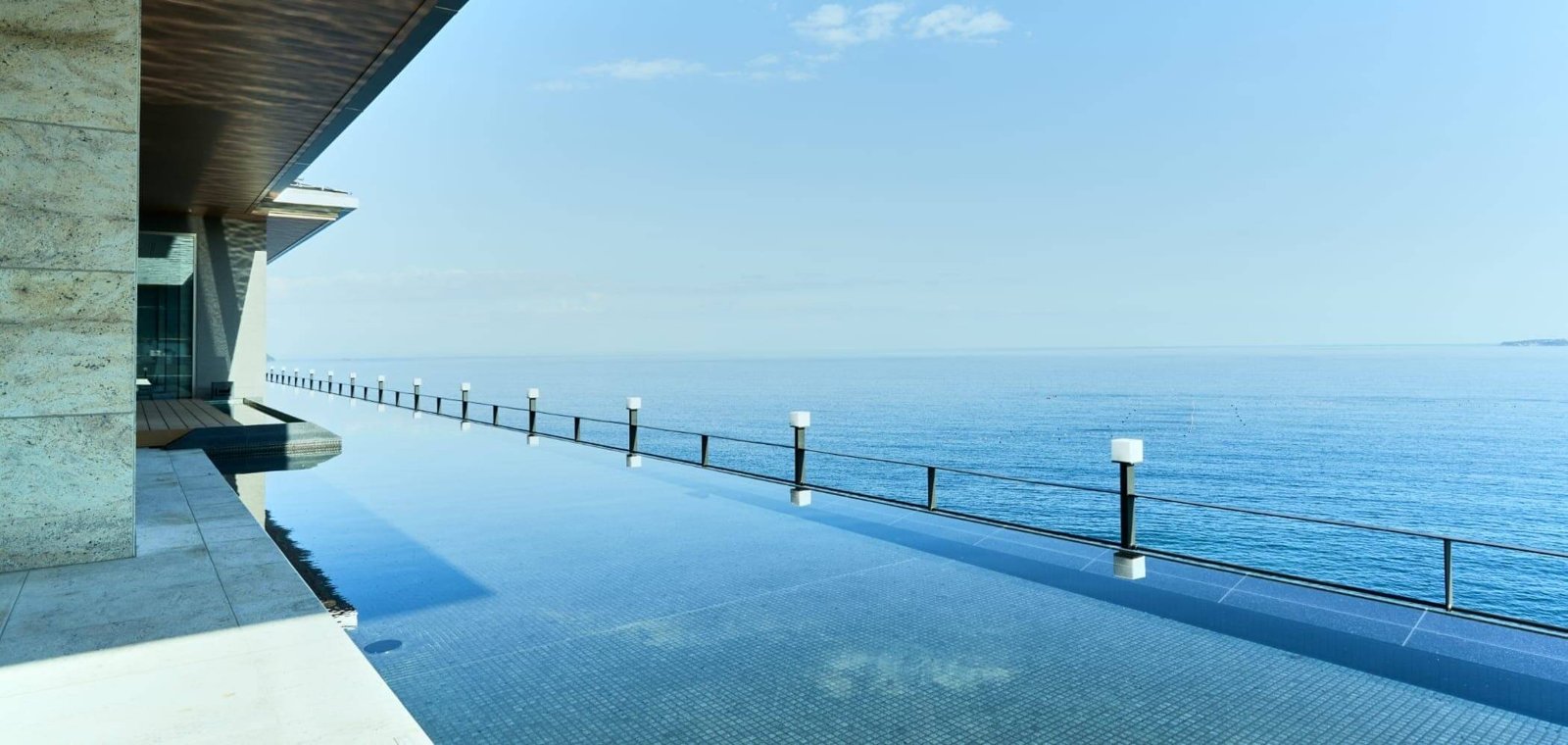
Inverted Arrival Onsen Design
Why go
Atami Izusan Karaku is worth shortlisting if the trip is about a calm, service-led hot-spring stay rather than a busy resort schedule. Its Michelin 1 Key recognition gives first-timers a useful quality signal, but booking should be planned early, especially for leisure peaks in Atami.
About Atami Izusan Karaku
Atami Izusan Karaku is a stay in Atami with Michelin 1 Key recognition in 2025. That external quality signal makes it a serious hotel option, especially for travelers who prefer a stay with recognized distinction rather than purely self-described positioning. Before booking, check practical details directly with the property, including facilities, room types, dining formats, spa features, and rates.
For a first visit to Atami, use the Michelin 1 Key signal as a quality marker rather than as a substitute for trip-specific planning. The recognition can help narrow a shortlist, but it cannot answer the practical questions that often determine whether a hotel is the right match for a particular journey. If your decision depends on exact room configuration, bathing facilities, dining arrangements, family policies, or accessibility details, confirm those points through the venue's official channels before committing.
Book for a Michelin 1 Key stay in Atami
A strong reason to consider Atami Izusan Karaku is its Michelin 1 Key recognition in 2025. That makes it a relevant choice for travelers comparing hotel options in and around Atami, particularly when the goal is to identify properties with a recognized level of hospitality. Still, the Key should be understood carefully: it supports the overall quality conversation, while particular amenities, service formats, and room features should be reviewed separately.
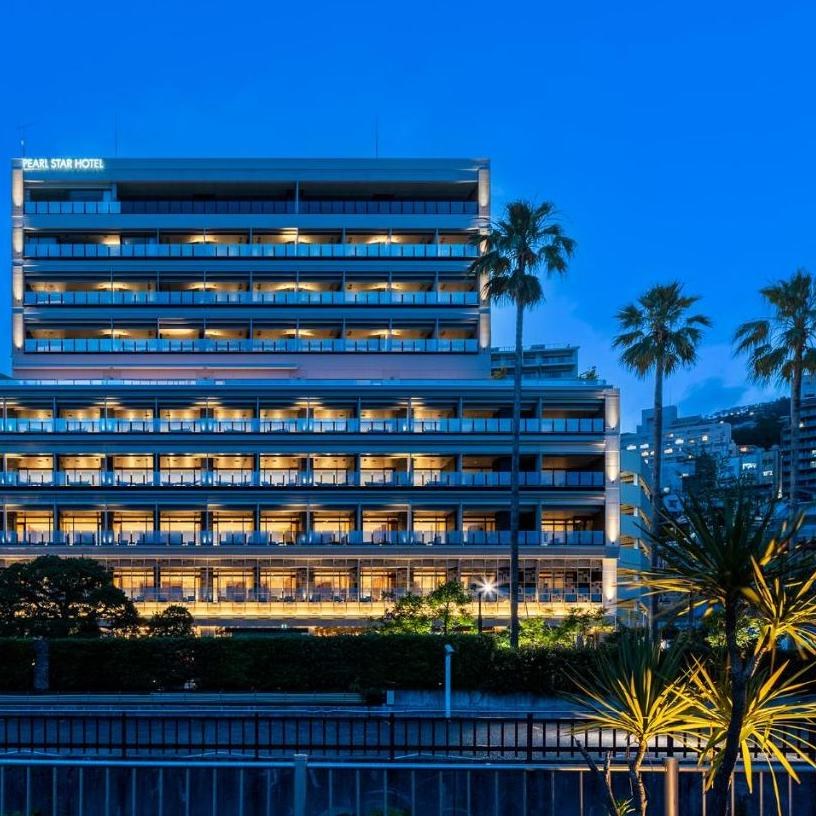
If your dates are fixed, compare availability early against Pearl Star Hotel Atami and other suitable options in Atami rather than relying on a last-minute search. This is especially useful when the stay is tied to a specific schedule, because availability can shape the final decision as much as preference. For broader planning, use our full Atami hotels guide; dining and drinks planning can sit separately in our full Atami restaurants guide and other Atami resources.
The Michelin 1 Key signal is the reason to choose it
The Michelin 1 Key recognition for 2025 supports Atami Izusan Karaku's placement in the quality-hotel conversation. It is a useful signal for travelers who want a recognized stay in Atami, and it gives the property a clear point of comparison when looking across the local hotel landscape. Even so, specific inclusions, facilities, and policies remain separate booking questions.
For business travel, family travel, or a special-occasion stay, the right fit depends on room needs, schedule, budget, and the current policies of the property. Those details are not minor extras; they often determine whether a recognized hotel will actually work for the trip you are planning. Travelers comparing beyond Atami may also want to look at Pearl Star Hotel Atami in Atami, or Hakone-area options such as ESPACIO The Hakone Geihinkan Rin-Poh-Ki-Ryu, Hakone Kowakien Tenyu, Matsuzakaya Honten, and Nazuna Hakone Miyanoshita.
Reservations: confirm current availability directly before planning around a stay. Dress: smart casual. Budget: confirm the current rate before comparing, since pricing should not be assumed from the Michelin recognition alone. Trip fit: best assessed against your own needs, including facilities, room categories, dining formats, and policies. For nearby trip-building beyond hotels, use general Atami planning resources.
Planning details
- Location
- 630番地1 Izusan, Atami, Shizuoka 413-0002, Japan
- Website
- izusan-karaku.orixhotelsandresorts.com
- Phone
- +81 557-55-7900
The take
The Take
The Vibe
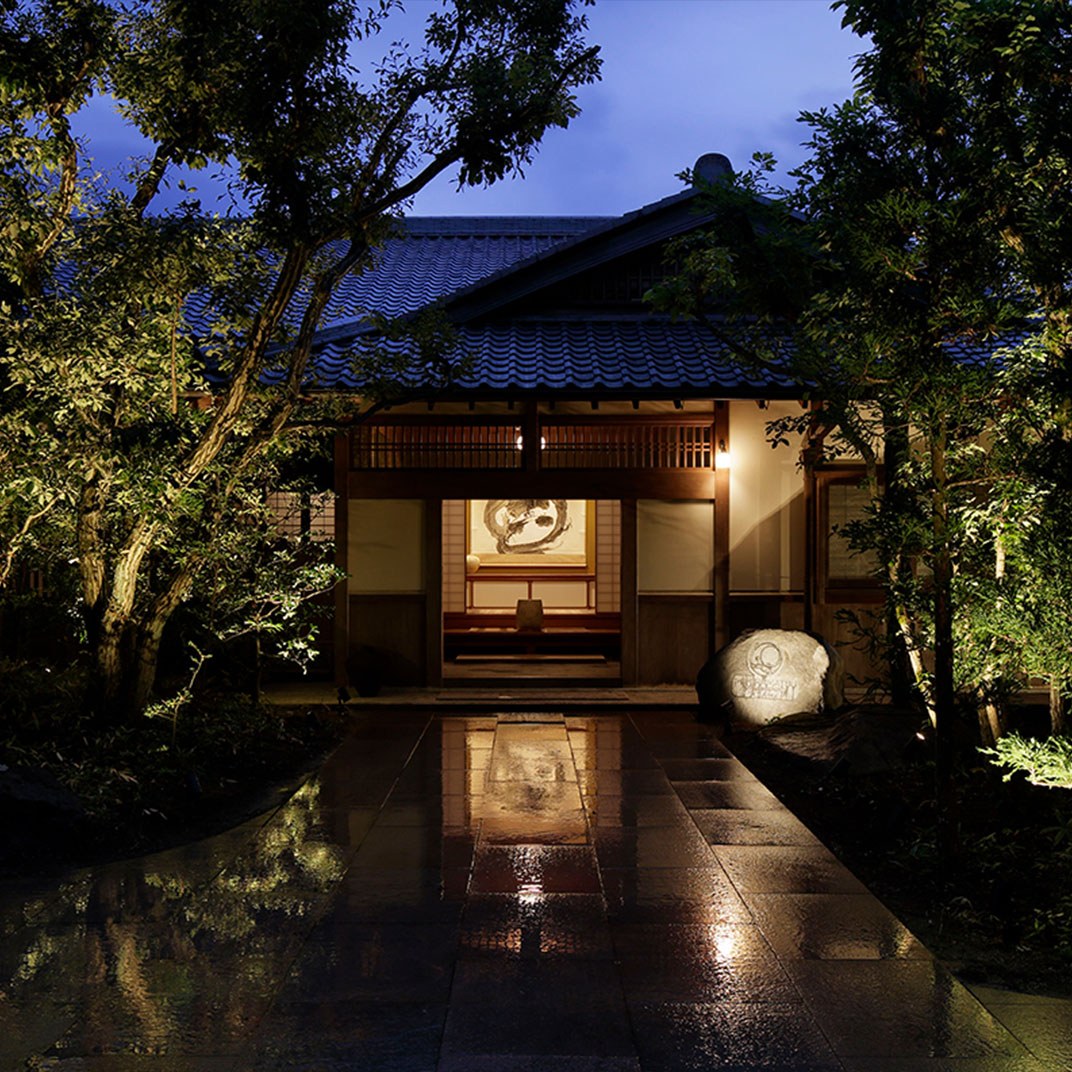
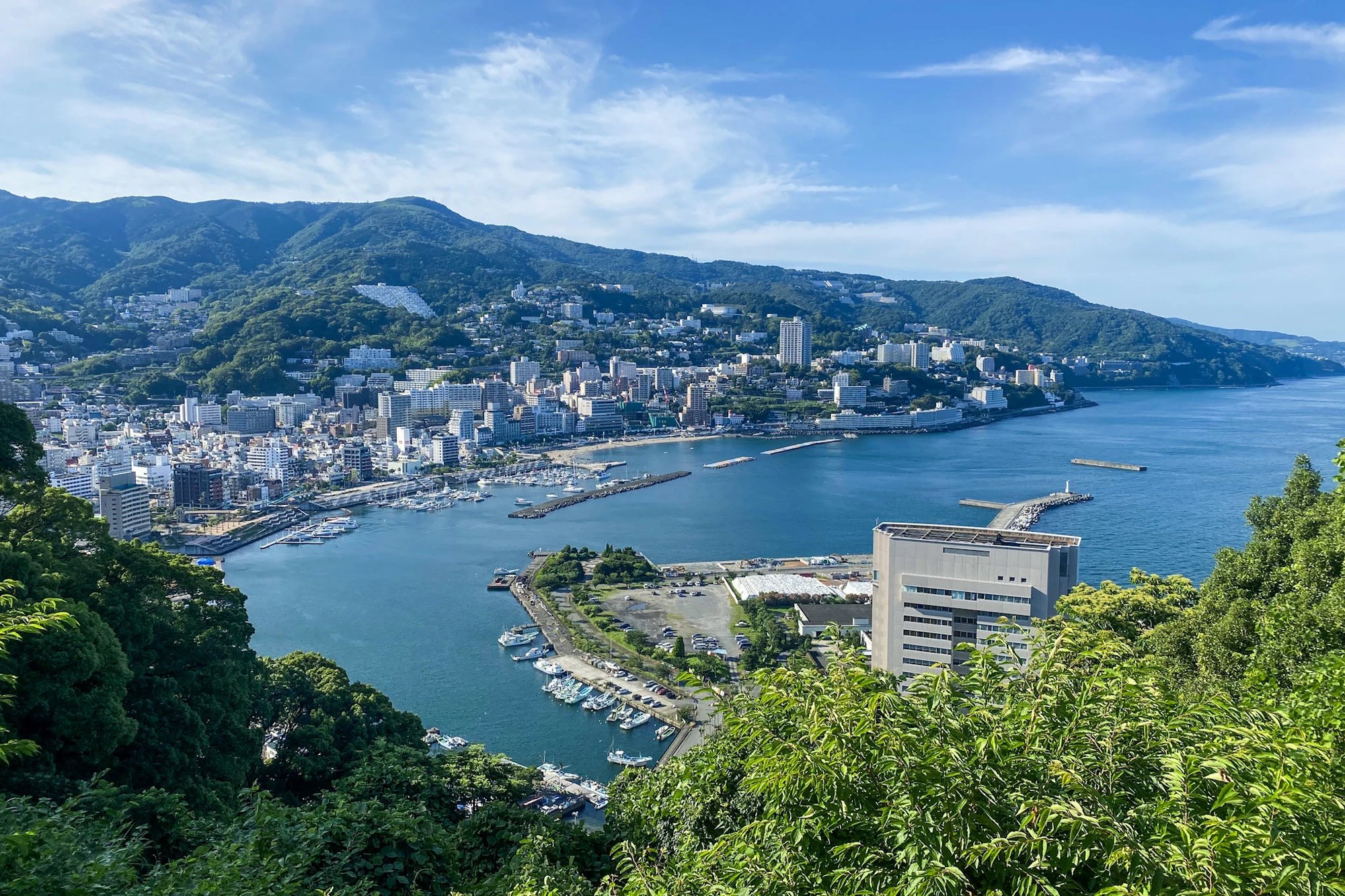
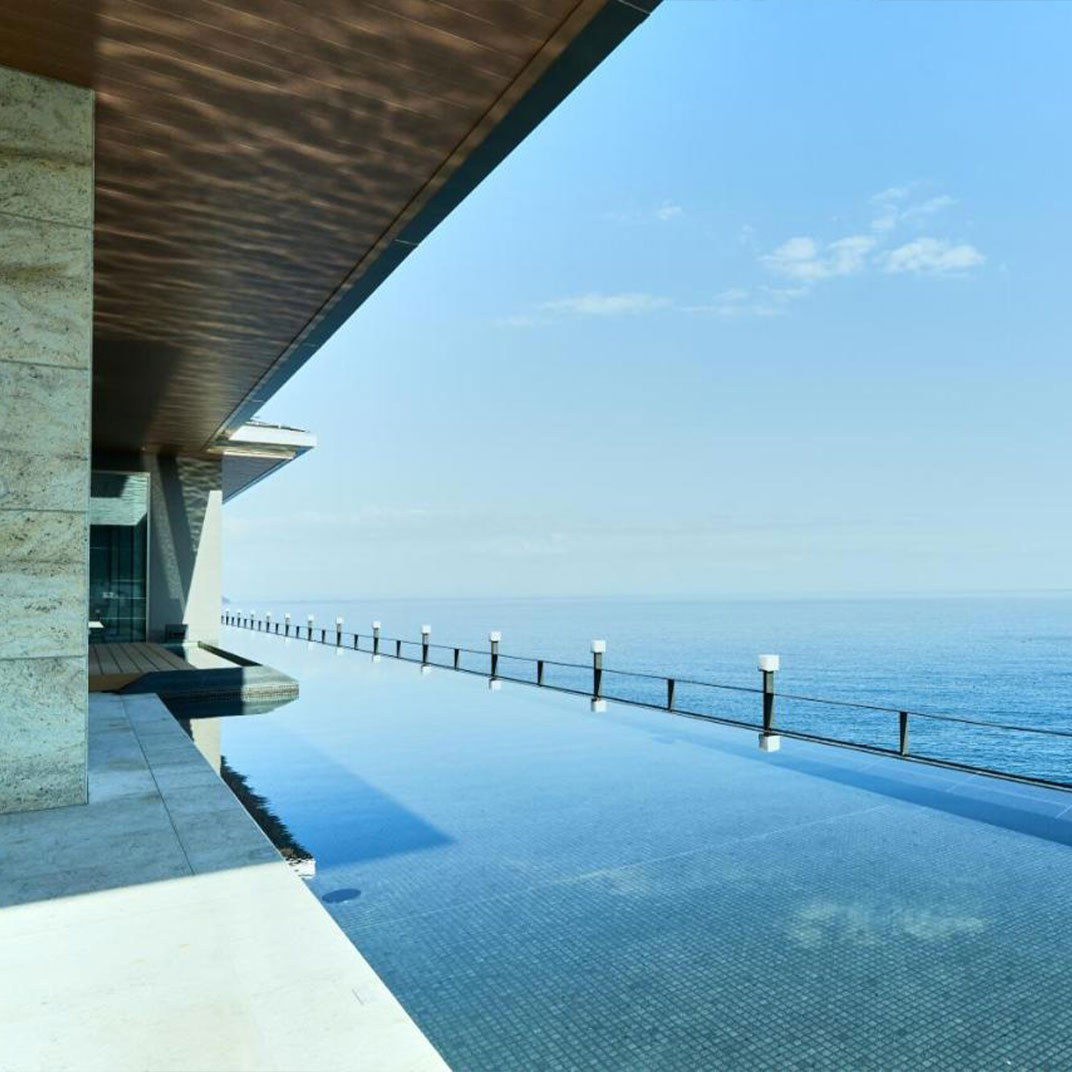
Atami Izusan Karaku presents a deliberately modern, observatory-like take on the Japanese ryokan. The reception sits on the uppermost floor behind floor-to-ceiling glass, offering an immediate, unbroken panorama of Sagami Bay and a reflecting pool that amplifies the sky’s changing light. The property inverts conventional sequence—arrival at the summit, then descent—so the sea-facing view governs the guest experience. Rooms remain intimate and spare, each with a private onsen-equipped terrace that turns solitary bathing into a quietly ceremonial moment, reinforcing a serene, contemplative atmosphere rather than traditional ostentation.
Best For
Karaku is particularly well suited to intimate escapes and wellness-focused stays. Its private onsen terraces and open-air soaking pools make it a natural pick for couples on honeymoon or anniversary trips seeking privacy and sea views. The architecture’s emphasis on panorama and light also supports a weekend escape centered on relaxation and contemplation; the design and bathing facilities align with wellness-retreat sensibilities. Travelers who prioritize calm, scenic vistas and a room-based onsen experience will find the hotel especially rewarding.
Stay Tips
Plan arrival to allow time in the upper-floor reception — the hotel intentionally stages the panorama as the first impression, and the reflecting pool and glazing are most impactful when you arrive with daylight. Confirm your reservation includes a room with the private onsen terrace (the property notes that rooms are oriented toward Sagami Bay) and reserve time to use the open-air soaking pools one floor below reception. Arriving earlier in the day or before sunset maximizes the shifting light the hotel’s design highlights.
Venue details
Ambiance
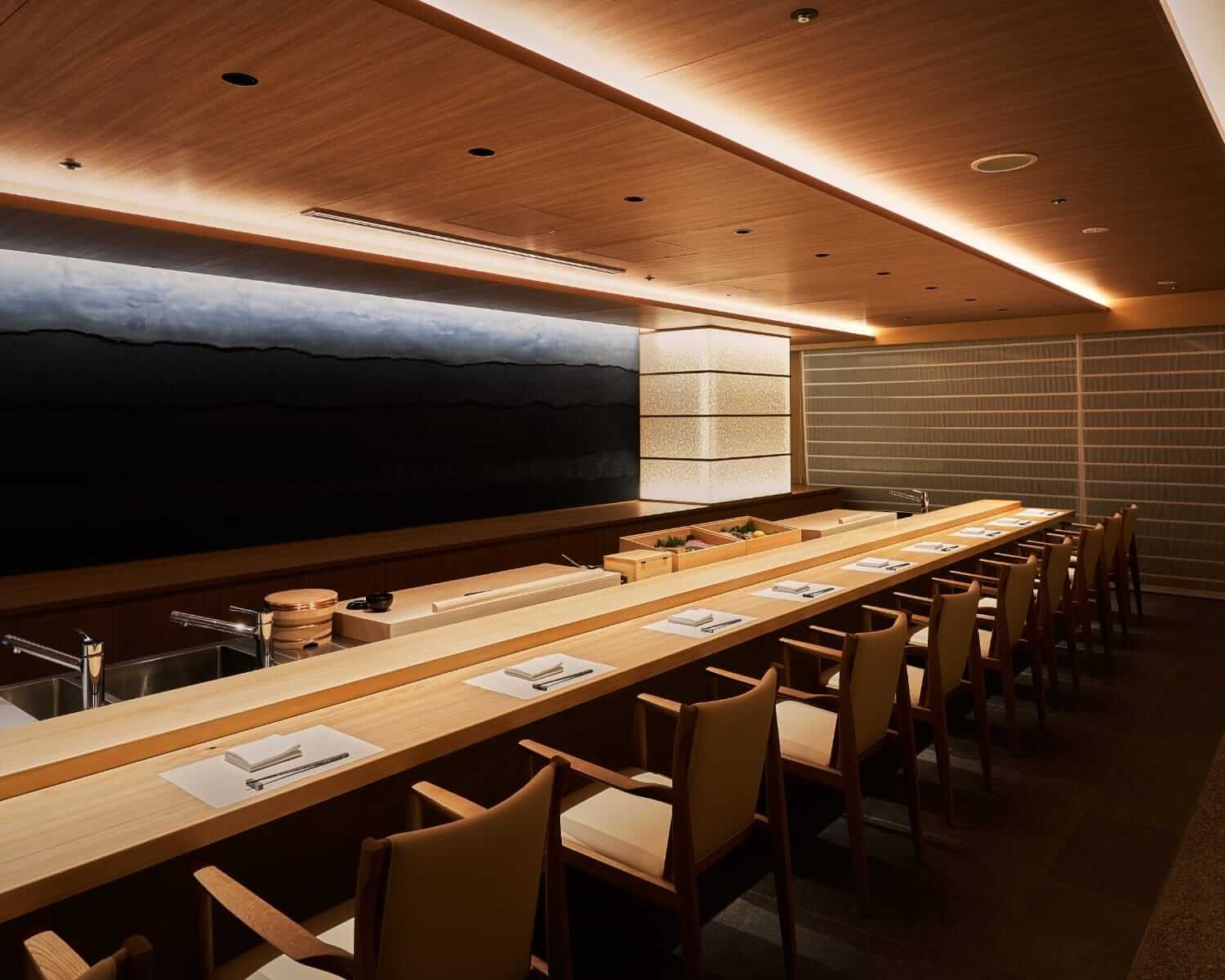
Quiet, refined, and scenic, with a contemporary-classic ryokan feel centered on Sagami Bay views, open-air baths, and a serene hillside setting.
Tags
Vibe
Best For
Experience
Amenities
View
Accessibility
About the Stay
- Rooms
- 57
- Check-in
- 15:00
- Check-out
- 11:00
- Property Style
- Luxury Ryokan Style Onsen Resort
- Design Style
- Contemporary Classic Ryokan Design with Minimalist Lounges, Natural Materials, and Bay Oriented Rooms and Baths.
Know before you go
Know Before You Go
- Getting there
- 630番地1 Izusan, Atami, Shizuoka 413-0002, Japan
Planning details
Location
630番地1 Izusan, Atami, Shizuoka 413-0002, Japan · Directions
Recognition and awards
Also consider
Where to look if it is unavailable
If the goal is to stay in Atami, check Pearl Star Hotel Atami first. If the trip can shift toward Hakone, compare Nazuna Hakone Miyanoshita for a quieter ryokan-style alternative or Hakone Kowakien Tenyu for a larger resort-style stay.
Hotel context
How it compares in and around Atami
Choose Atami Izusan Karaku if the priority is a quieter, more service-led stay in Atami with a recognized quality signal. Pearl Star Hotel Atami is the cleaner cross-shop for travelers who want to stay firmly in Atami and compare coastal hotel comfort before committing. If availability is tight, start there first rather than waiting on preferred dates here.
Matsuzakaya Honten is the better comparison for travelers leaning toward a more traditional ryokan decision outside the immediate Atami frame. Hakone Kowakien Tenyu makes more sense if the trip needs a broader resort feel in Hakone rather than a quieter Atami base. For guests who care most about privacy and a high-touch atmosphere, ESPACIO The Hakone Geihinkan Rin-Poh-Ki-Ryu and Nazuna Hakone Miyanoshita are stronger cross-shops than larger, more conventional hotels.
Value depends on live rates, so do not compare only by destination name. Atami Izusan Karaku is the pick when service tone and a calm coastal stay matter more than breadth of facilities. Hakone alternatives are better when the itinerary is already centered there or when a more expansive resort setup is the deciding factor.
Explore Atami
Around this place
Discover more on Pearl
Unlock the full Atami Izusan Karaku guide in Pearl, including awards, comparisons, FAQs, planning details, and nearby places.
Compare Atami Izusan Karaku
| Venue | Location | Awards |
|---|---|---|
| Atami Izusan Karaku | Atami | Michelin 1 Key 20252025 Michelin 1 Key2024 Michelin 1 Key |
| Pearl Star Hotel Atami | Atami | No published awards |
| Matsuzakaya Honten | Hakonemachi, Ashigarashimo Gun | No published awards |
| Hakone Kowakien Tenyu | Hakonemachi, Ashigarashimo Gun | No published awards |
| ESPACIO The Hakone Geihinkan Rin-Poh-Ki-Ryu | Ashigarashimo-Gun | Leading Hotels of the World 20262025 Michelin 1 Key |
| Nazuna Hakone Miyanoshita | Hakone | No published awards |

How Atami Izusan Karaku compares with similar nearby venues.
FAQ
Frequently Asked Questions
Is Atami Izusan Karaku good for business travel?
It may work for some business travelers, depending on their schedule, room needs, and business-specific requirements. The Michelin 1 Key recognition in 2025 is a quality signal, while the practical fit should be checked directly with the property.
How does Atami Izusan Karaku compare to nearby hotels?
Atami Izusan Karaku is a Michelin 1 Key property in Atami. For comparison, Pearl Star Hotel Atami is another Atami option, while Matsuzakaya Honten, Hakone Kowakien Tenyu, ESPACIO The Hakone Geihinkan Rin-Poh-Ki-Ryu, and Nazuna Hakone Miyanoshita are useful Hakone-area points of reference depending on the kind of stay you want.