


The St. Regis Astana
Astana Business District, Astana
Hotel in Astana, Kazakhstan
 Book with Pearl
The Read
Steppe Heritage, Butler Precision
Why go
The St. Regis Astana is worth booking when the trip calls for a polished luxury base in Astana, especially for families, celebrations, and Marriott loyalists. It is a safer choice than The Veil for service predictability, while Hilton Astana is the more practical value cross-shop.
About The St. Regis Astana
The St. Regis Astana is a hotel in Astana with two quality signals: La Liste Top Hotels (2026) at 96pts and Forbes 4-Star (2026). Beyond those recognitions and a smart casual dress code, specific details such as facilities, service inclusions, room configuration, dining format, or exact location should be checked directly before booking.
For travelers comparing stays in the city, The St. Regis Astana is a recognized hotel choice. It may suit guests who value its recognition, but any trip-specific needs should be confirmed with the property.
A planning note for families
For families, The St. Regis Astana can be considered if the priority is a hotel in Astana with recognition. However, children's programming, room layouts, connecting rooms, pool access, babysitting, or other family-specific services are not provided, so those details should be confirmed directly before booking.
The most grounded planning point is the hotel's standing: La Liste Top Hotels (2026) at 96pts and Forbes 4-Star (2026). Those are useful quality signals, but they do not by themselves confirm a specific family setup, loyalty benefit, amenity package, or service routine.
Where it sits against Astana's hotels
Against The Ritz-Carlton, Astana, The St. Regis Astana belongs in the same hotel conversation for travelers comparing recognized stays in Astana. Choose between them based on current rates, availability, amenities, and the specific needs of the trip.
The Veil is another Astana option to consider when building a shortlist. Travelers should compare details directly rather than relying on assumptions about style, facilities, or service format.
For broader planning, use an Astana hotels guide as the next filter. If the trip involves meals beyond the hotel, pair it with Our full Astana restaurants guide. For itinerary planning, an Astana experiences guide will usually be more relevant than unrelated destination research.
Who should book, and who should not
Book The St. Regis Astana if hotel recognition matters: La Liste Top Hotels (2026) at 96pts and Forbes 4-Star (2026) are the clearest reasons to keep it on an Astana shortlist. It also has a smart casual dress code.
Skip or delay booking if the decision depends on specifics such as exact amenities, family services, dining details, spa or pool access, loyalty treatment, or a particular location within Astana. Hilton Astana, The Ritz-Carlton, Astana, and The Veil are natural Astana comparisons. For a different-city comparison, The Ritz-Carlton, Almaty is relevant only if the itinerary includes Almaty, while Donatello Boutique Hotel can be considered separately where relevant.
Part of
St. Regis83 locations on PearlPlanning details
- Location
- Qabanbay Batyr Ave 1, Astana 010000
- Website
- marriott.com/en-us/hotels/tsexr-the-st-regis-astana/overview/?scid=f2ae0541-1279-4f24-b197-a979c79310b0
- Phone
- +7 7172 79 08 88
The take
The Take
The Vibe
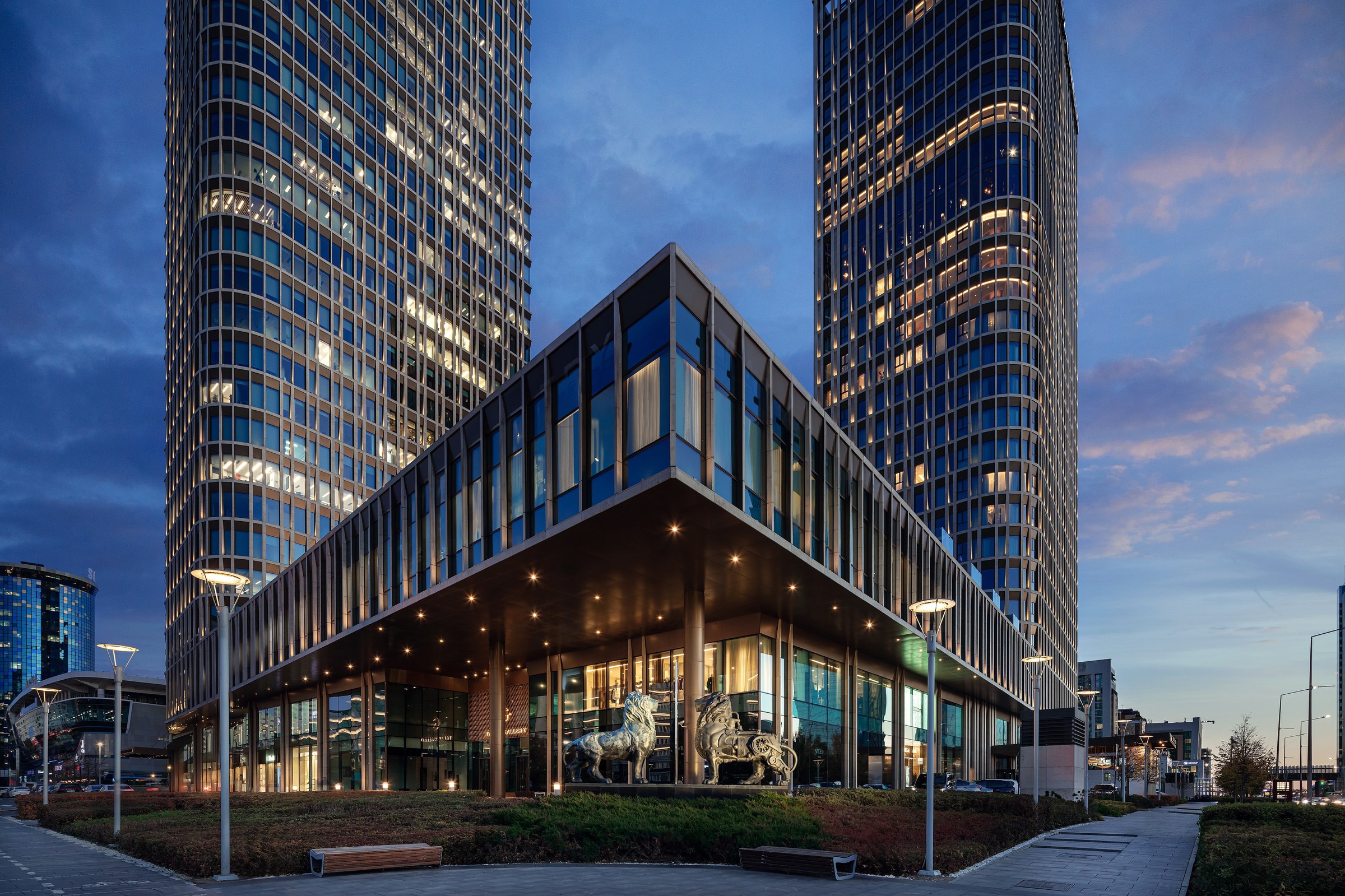
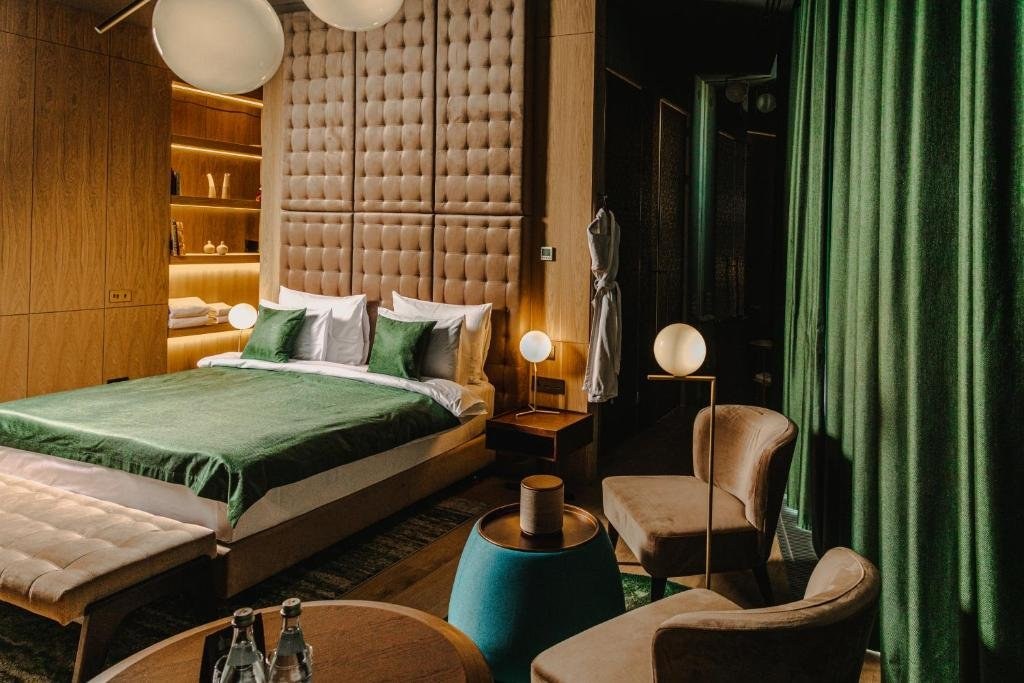
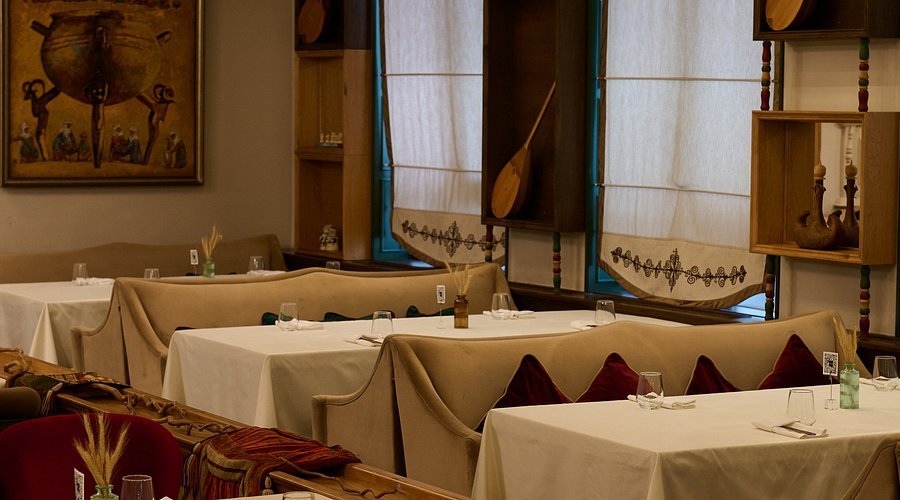
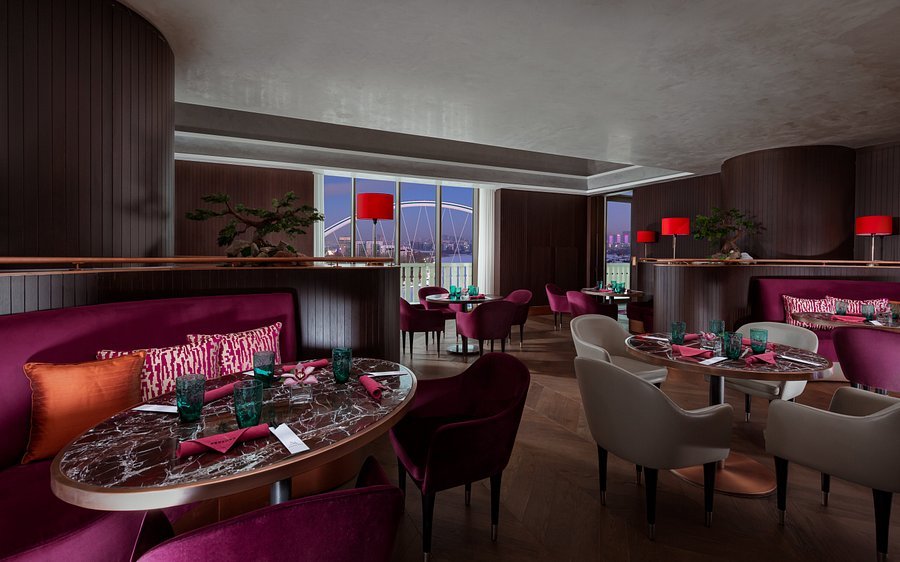
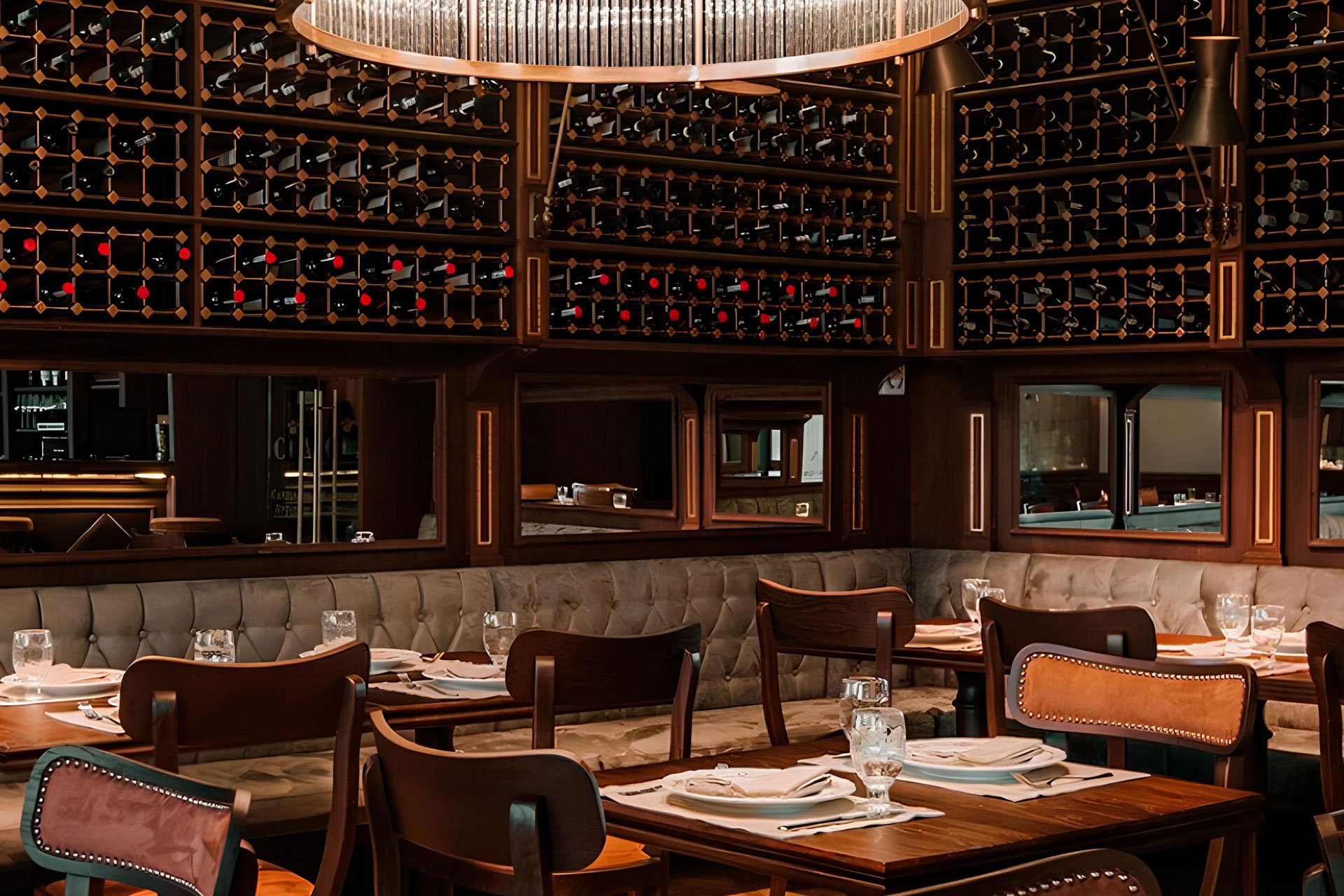
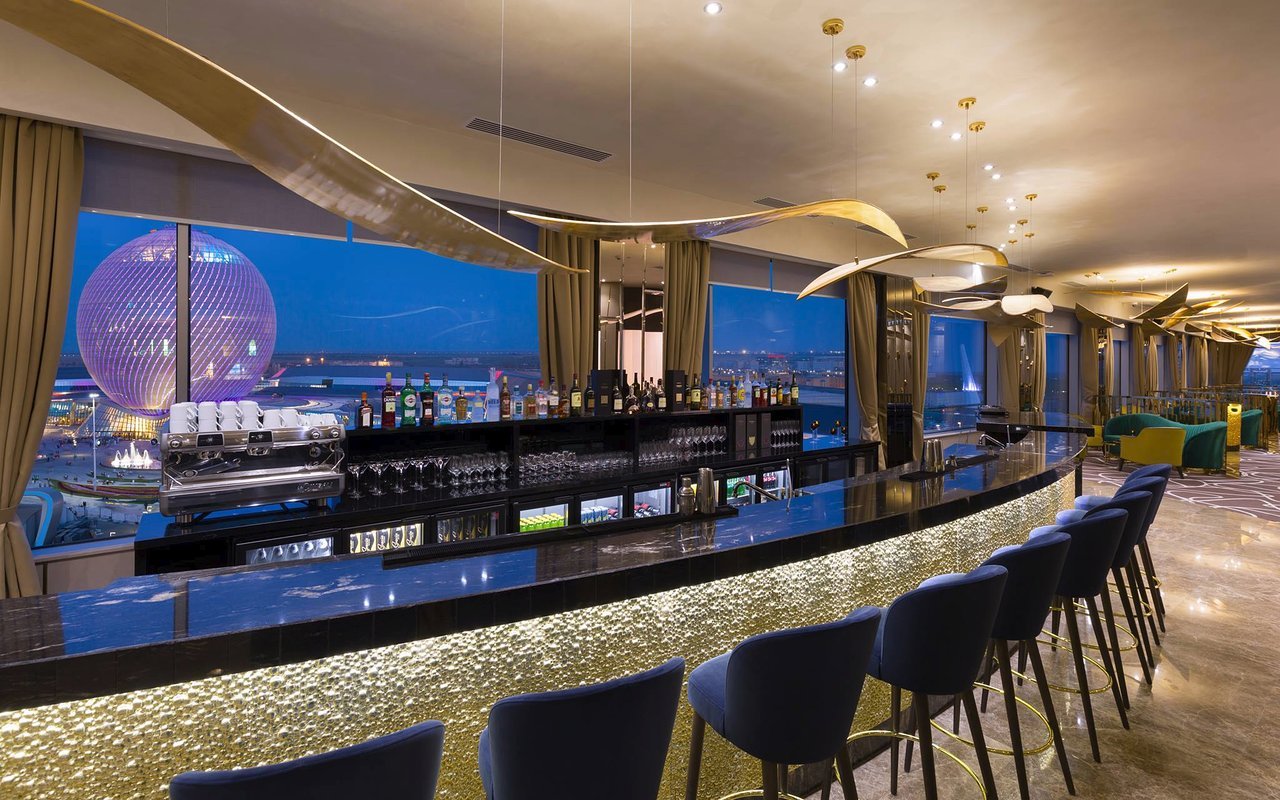
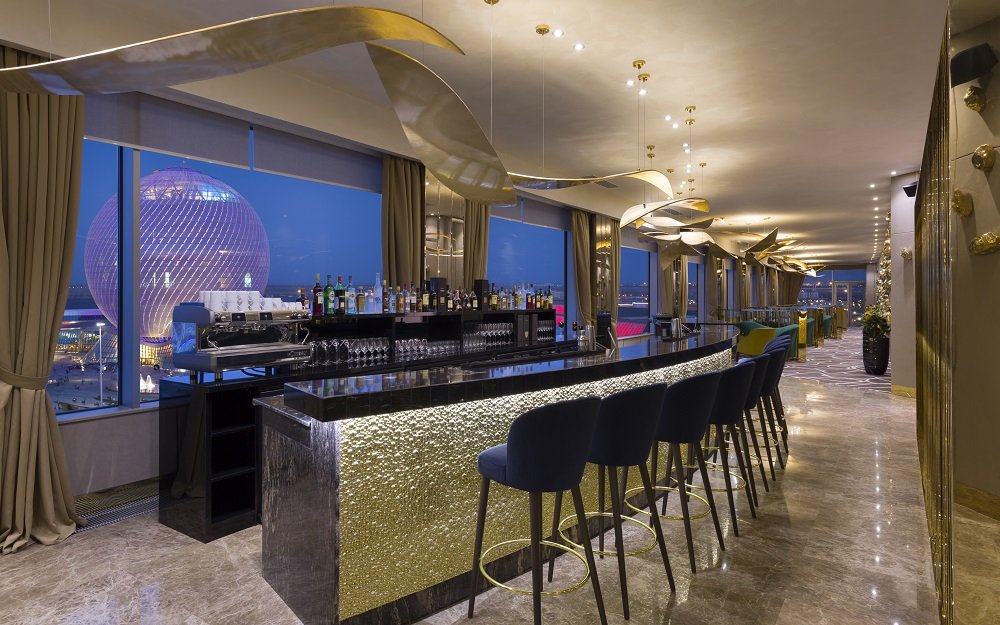
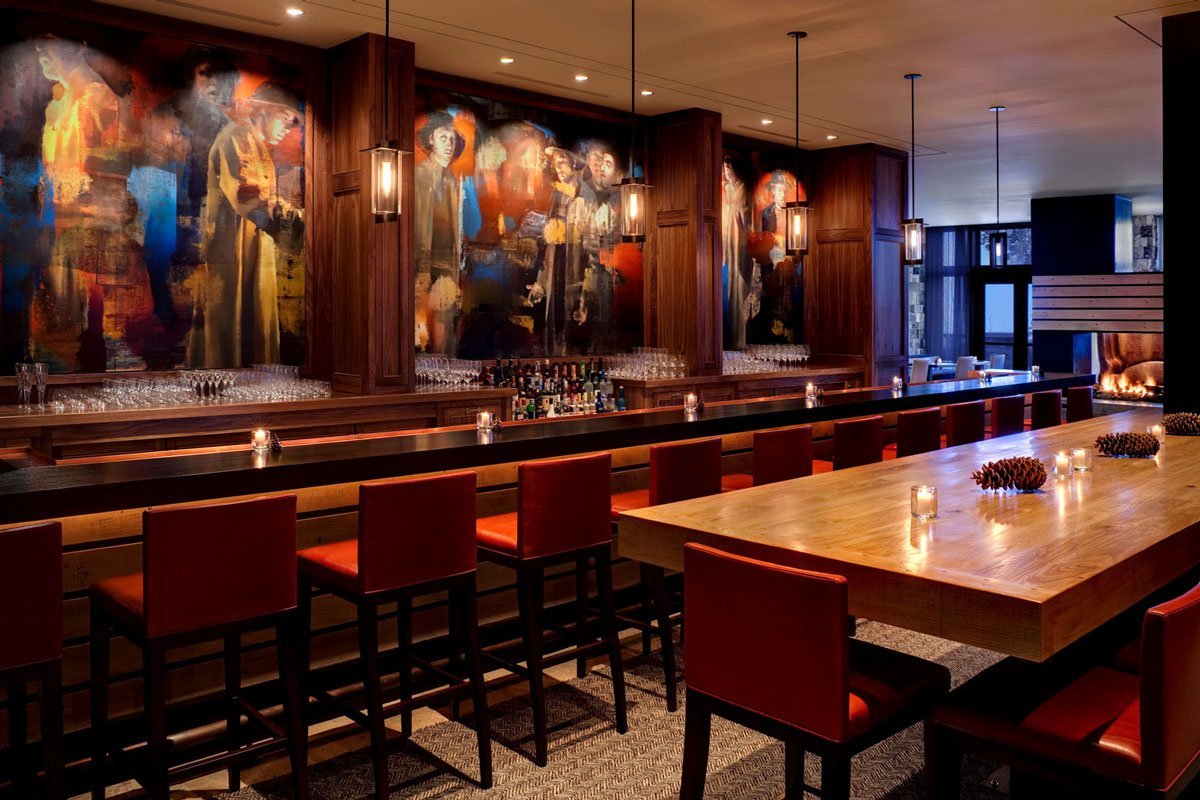
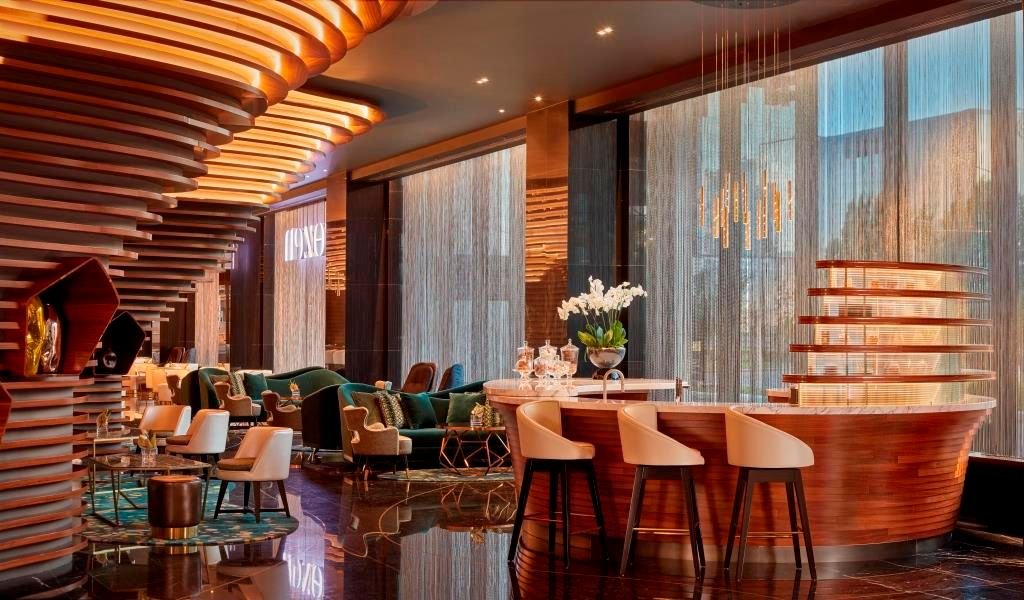
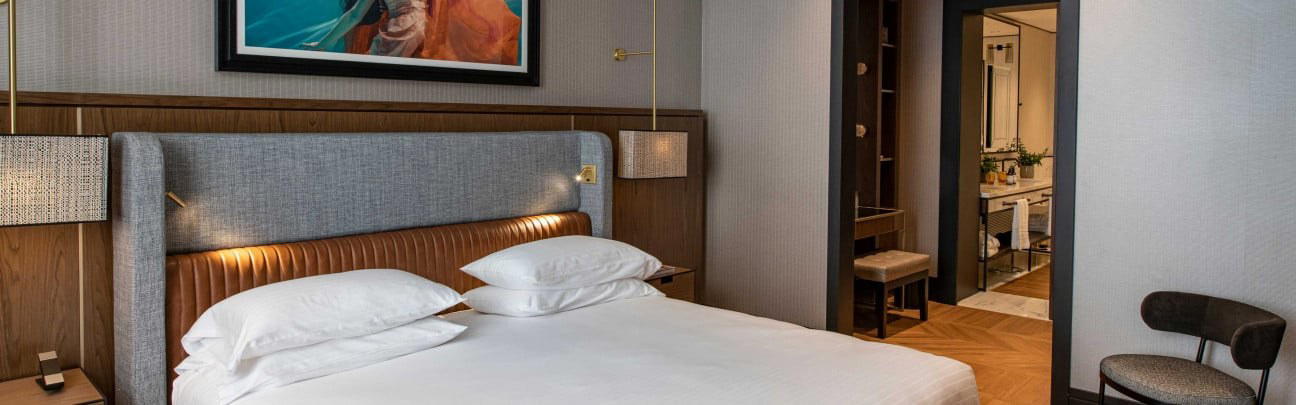
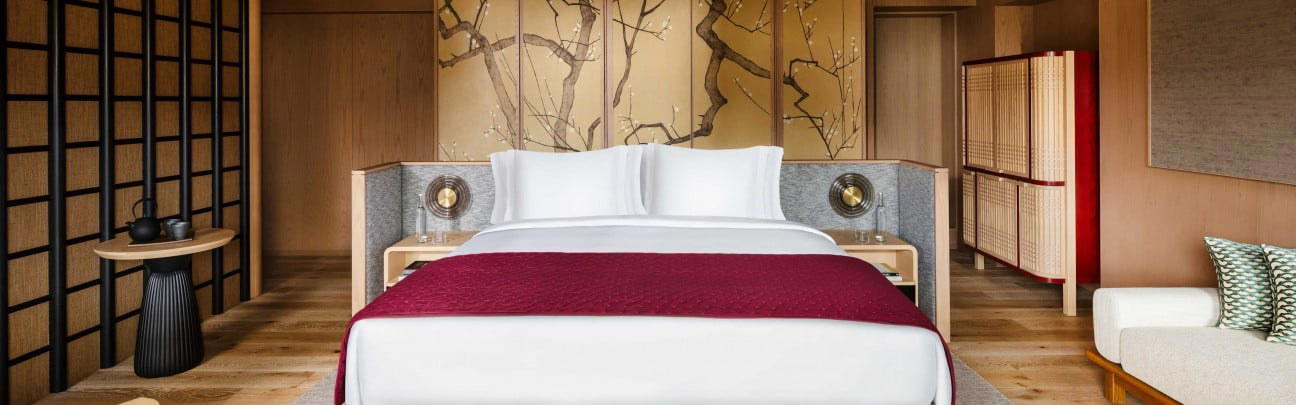
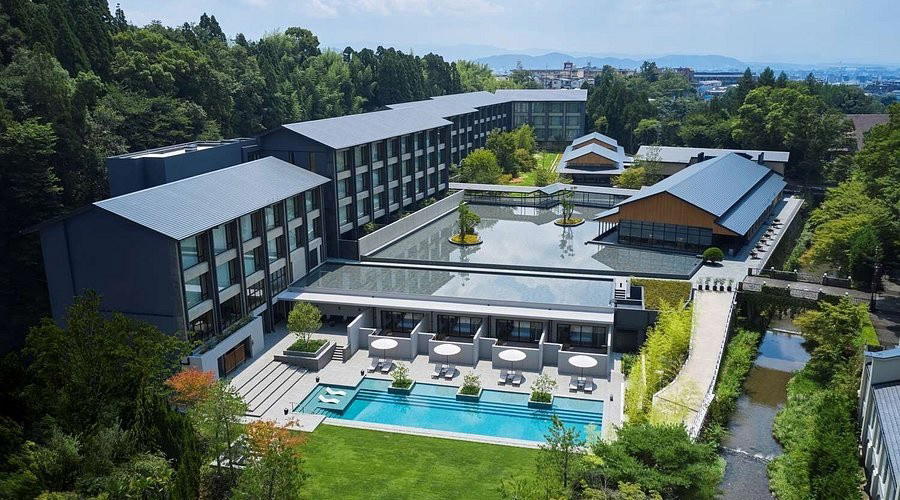
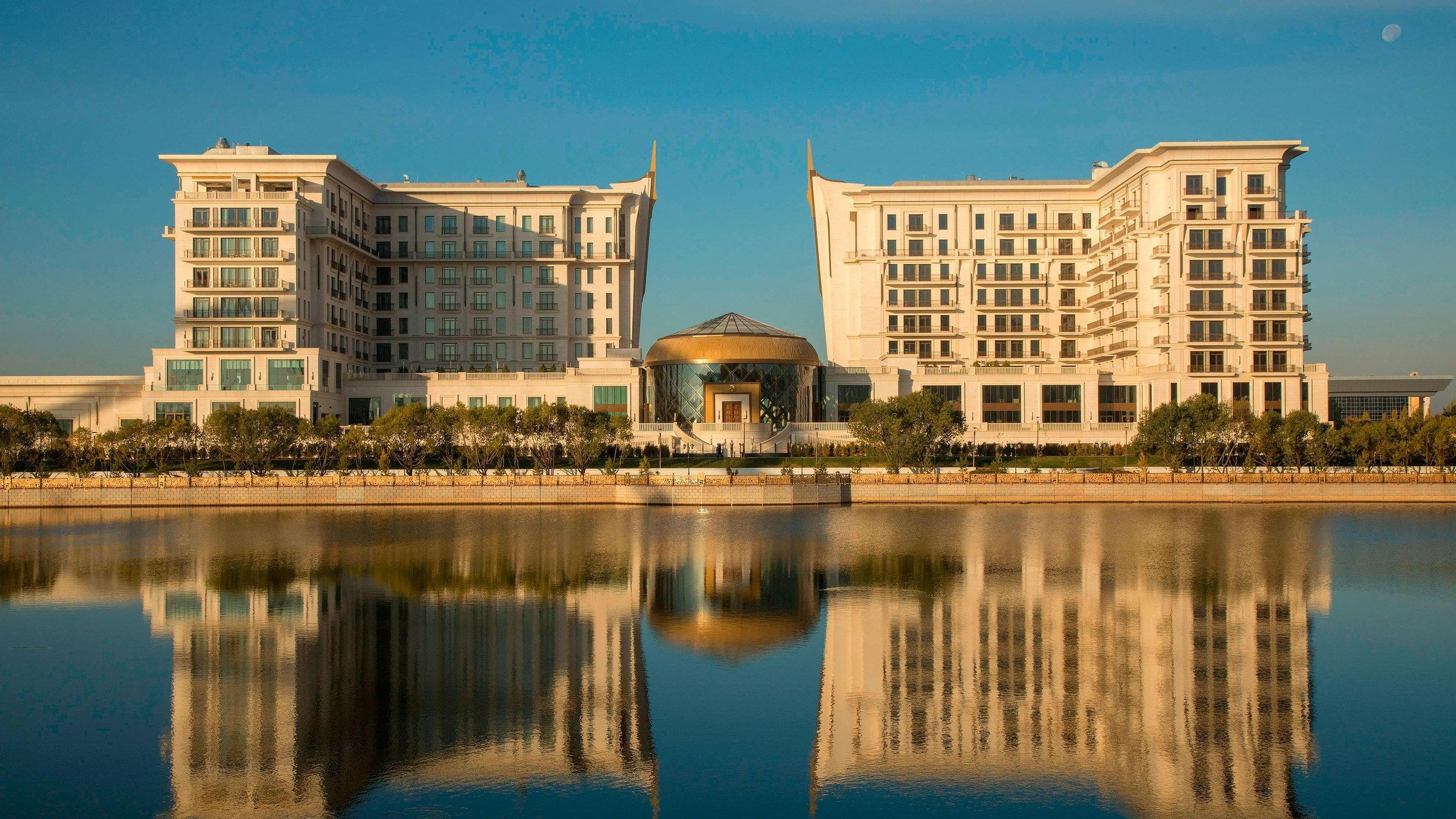
The St. Regis Astana positions high luxury against the wide Central Asian steppe, marrying contemporary engineering with local craft. The glass-encased, yurt-like central volume makes a strong architectural statement, while double-height ceilings, geometric columns and a suspended crystal installation create a theatrical interior scale. Materials — silk, felt, velvet, carved wood and embroidered carpets — repeatedly reference Kazakh textile traditions, so the property reads as locally grounded rather than generic. Service is seamless and brand-driven: attentive butler service runs through the guest experience, reinforcing an overall modern-luxury atmosphere that still feels specific to place.
Best For
This is a strong pick for business travelers who need a polished base in the Astana Business District, and for guests seeking a high-design hotel experience with scenic river and park access. The architecture and opulent public spaces also make it suited to special occasions and romantic escapes, where bespoke service and dramatic interiors matter. Families or casual travelers may appreciate the scale, but the property’s primary strengths are its confident design, location overlooking the Ishim River and the consistent, personalized service the St. Regis brand emphasizes.
Stay Tips
Take advantage of the hotel's signature butler service: staff explicitly assist with unpacking and repacking, and offer on-demand coffee and tea delivery, so request those services when booking or at check-in. Ask for a room with a riverside or park-facing aspect to maximize the property's scenic setting along the Ishim River and Central Park. Given the property's strong design identity, early reservation for preferred room placement and any special occasion arrangements helps ensure the butler can coordinate requests and tailor the stay to your needs.
Venue details
Ambiance
Refined elegance with timeless sophistication, cream-colored marble, crystal chandeliers, and serene lighting creating a tranquil, opulent atmosphere.
Tags
Vibe
Best For
Experience
Amenities
View
Accessibility
About the Stay
- Rooms
- 120
- Check-in
- 15:00
- Check-out
- 12:00
- Property Style
- Iconic Kazakh Elegance Blending Traditional Art with Modern Grandeur
- Design Style
- Timeless Sophistication with Contemporary Touches, Marble Bathrooms, and Local Art
Know before you go
Know Before You Go
- Getting there
- Qabanbay Batyr Ave 1, Astana 010000
Planning details
Location
Qabanbay Batyr Ave 1, Astana 010000 · Directions
Recognition and awards


Also consider
Also Consider
- The Veil, Notable alternative
- The Ritz-Carlton, Astana, Notable alternative
- Hilton Astana, Notable alternative
- The Ritz-Carlton, Almaty, Notable alternative
- Donatello Boutique Hotel, Notable alternative
Hotel context
The St. Regis Astana is the safer luxury pick in Astana when the stay needs to work for a family celebration, business-hosted trip, or guests who prefer international brand structure. The Ritz-Carlton, Astana is the closest peer for formal luxury, and it is the better choice when the trip has a corporate or high-profile tone. The St. Regis Astana feels like the calmer recommendation for families and multigenerational stays.
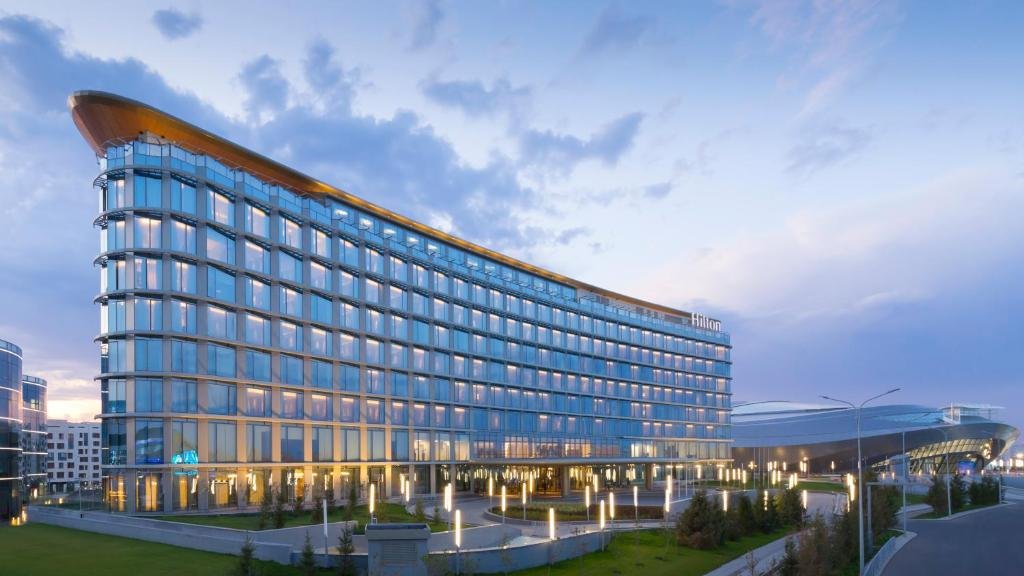
The Veil is the stronger cross-shop for design-minded travelers who want a less conventional hotel mood. Hilton Astana is the value-minded alternative, especially when the hotel is mainly a base rather than the point of the trip. If booking difficulty or rate pressure is an issue, start with Hilton Astana before stepping up to the two luxury-brand options.
The Ritz-Carlton, Almaty and Donatello Boutique Hotel are useful only for travelers comparing Kazakhstan luxury across cities. They do not solve an Astana stay, but they help frame the choice: book The St. Regis Astana for composed brand luxury in the capital, not for boutique personality or a lower-price play.
Explore Astana
Around this place
Discover more on Pearl
Unlock the full The St. Regis Astana guide in Pearl, including awards, comparisons, FAQs, planning details, and nearby places.
Compare The St. Regis Astana
| Venue | Location | Awards |
|---|---|---|
| The St. Regis Astana | Astana | 2026 Forbes 4-Star2026 La Liste Top Hotels2026 Michelin 1 Key2025 Michelin Selected Hotels2025 Forbes 4-Star |
| The Veil | Astana | 2026 Michelin 1 KeyTatler Best Hotels Asia-Pacific 20252025 Michelin Selected HotelsSmall Luxury Hotels Member 2025 |
| The Ritz-Carlton, Astana | Astana | 2026 Forbes 4-Star2026 La Liste Top Hotels2026 Michelin 1 Key2025 Conde Nast Best Hotels · #45World Luxury Hotel Awards 20252025 Michelin Selected Hotels2025 Forbes 4-Star |
| Hilton Astana | Astana | No published awards |
| The Ritz-Carlton, Almaty | Almaty | No published awards |
| Donatello Boutique Hotel | Almaty | No published awards |





How The St. Regis Astana compares with similar nearby venues.
FAQ
Frequently Asked Questions
Is The St. Regis Astana family-friendly?
It may be suitable for some family trips, but family-specific services such as children's programming, babysitting, connecting rooms, or child-focused amenities are not available. The hotel is in Astana, has a smart casual dress code, and holds La Liste Top Hotels (2026): 96pts and Forbes 4-Star (2026). Compare details with Hilton Astana before booking.
Do loyalty programs work at The St. Regis Astana?
Loyalty-program benefits or recognition at The St. Regis Astana are not available. Before arrival, check directly with the hotel or booking channel. Quality signals include Forbes 4-Star (2026) and La Liste Top Hotels (2026): 96pts. If loyalty perks matter most, compare terms against The Ritz-Carlton, Astana.
How is the location of The St. Regis Astana?
The location is Astana. A street address or neighborhood detail is not available, so location-sensitive travelers should verify the exact position directly before booking. For another Astana comparison, The Ritz-Carlton, Astana is a natural option to check.
What is check-in like at The St. Regis Astana?
The check-in process, arrival style, or any specific service sequence at The St. Regis Astana are not available. Recognitions include Forbes 4-Star (2026) and La Liste Top Hotels (2026): 96pts. If arrival timing or speed matters, confirm directly and compare practical details with Hilton Astana.
How is the dining at The St. Regis Astana?
The hotel's dining venues, cuisine, menu format, prices, or service hours are not available. The property holds La Liste Top Hotels (2026): 96pts, Forbes 4-Star (2026), is located in Astana, and has a smart casual dress code. Donatello Boutique Hotel can be considered separately where relevant.
How does The St. Regis Astana compare to nearby hotels?
Choose The St. Regis Astana if its recognitions are important to the booking decision: La Liste Top Hotels (2026): 96pts and Forbes 4-Star (2026). The Ritz-Carlton, Astana and Hilton Astana are useful Astana comparisons, while The Veil is another option to check. Compare current rates, availability, and amenities before deciding.
How is the pool and spa at The St. Regis Astana?
Pool or spa facilities at The St. Regis Astana are not available, so those details should be confirmed directly before booking. Hotel recognitions include Forbes 4-Star (2026) and La Liste Top Hotels (2026): 96pts. If spa or pool time is central to the trip and the itinerary includes Almaty, The Ritz-Carlton, Almaty can be considered separately.