
Kahanda Kanda Galle
Angulugaha, Galle District, Angulugaha
Hotel in Angulugaha, Sri Lanka
 Book with Pearl
The Read
Working Estate Seclusion
Why go
A better fit for travelers who want a quiet Galle-area retreat than for those who need a walkable town or beach base. The Angulugaha address is the deciding factor: book for space, calm, and slower pacing; cross-shop Galle hotels if access and logistics matter more.
About Kahanda Kanda Galle
Kahanda Kanda Galle is a venue in Angulugaha. Evaluate it by the basics: the venue name, its Angulugaha location, its smart-casual dress guidance, and its La Liste Top Hotels recognition for 2026 with 94pts. Those points give the listing a clear frame, but they do not answer every question a traveler may reasonably have before choosing where to stay.
Specific details such as room categories, dining format, service schedule, prices, amenities, and transport arrangements should be confirmed directly before booking. That is especially important when a trip depends on practical fit rather than general appeal. For planning around the wider area, compare needs and current booking information before committing, and avoid treating expectations as part of the offer.
Choose it for Angulugaha, and confirm details before booking
The clearest reason to consider Kahanda Kanda Galle is its Angulugaha location. If that setting suits the trip, it can be a candidate for a stay in the area. Location is often the first filter in a hotel search, and it is a key piece of information. If the trip depends on specific facilities, meal arrangements, room layouts, or transport logistics, those details should be checked with the property or booking channel before committing.
Confirming details is not just administrative. It is the difference between choosing a venue because it matches the trip and choosing it because the name, category, or surrounding assumptions sound right. A traveler who needs a particular room setup, a defined dining arrangement, or clarity on how to get in and out of the area should ask those questions in advance and keep the answers tied to the actual reservation.
Design, service, dining, and amenity claims should not be assumed from the name alone. The grounded recommendation is to treat Kahanda Kanda Galle as an Angulugaha venue with smart-casual dress guidance and La Liste Top Hotels recognition, then confirm any stay-specific requirements before paying. The La Liste recognition is a useful marker, but it should sit alongside, not replace, the practical checks that determine whether the stay works for a particular itinerary.
Who should book, and who should cross-shop
Book only if Angulugaha is the right base for the trip and the property confirms the practical details that matter to you. This is best for travelers who are comfortable making a decision from a short list of facts, then closing the gaps directly through the property or booking channel. If the response you receive confirms the essentials for your plans, the venue can be assessed on that basis.
Travelers comparing other options in the broader region can also look at Amangalla, Angel Beach Resort, Jetwing Lighthouse, The Postcard Galle, Sri Lanka, and Villa Sielen Diva. Cross-shopping is sensible when the decision turns on specific elements such as pricing, inclusions, room configuration, dining expectations, or transport arrangements. In that case, compare like with like: terms against terms, rather than polished impressions against unanswered questions.
Reservations: availability and booking terms should be confirmed through the property or chosen booking channel. Dress: smart casual. Budget: Price band is not specified, so judge value against booking terms and any inclusions stated at the time of reservation. Location: Angulugaha.
Planning details
- Location
- Kahanda Kanda, Angulugaha, Galle 80000
The take
The Take
The Vibe
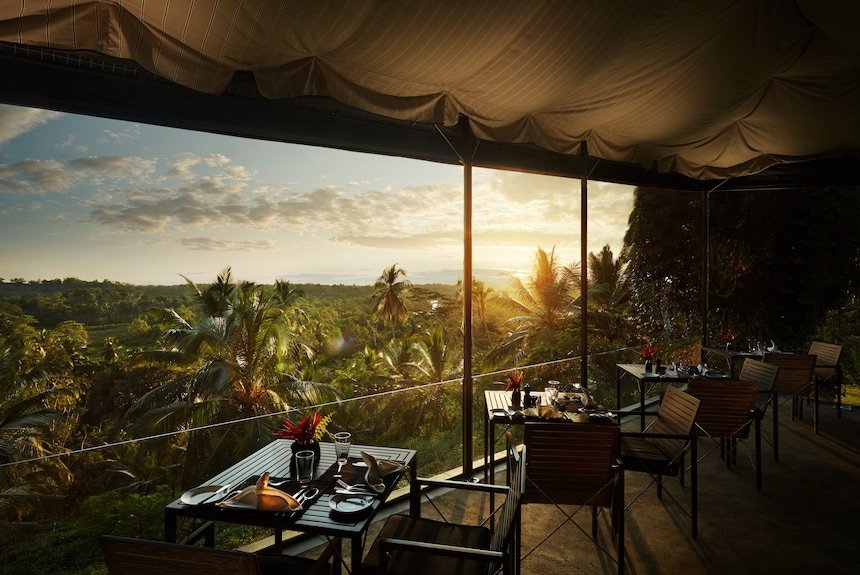
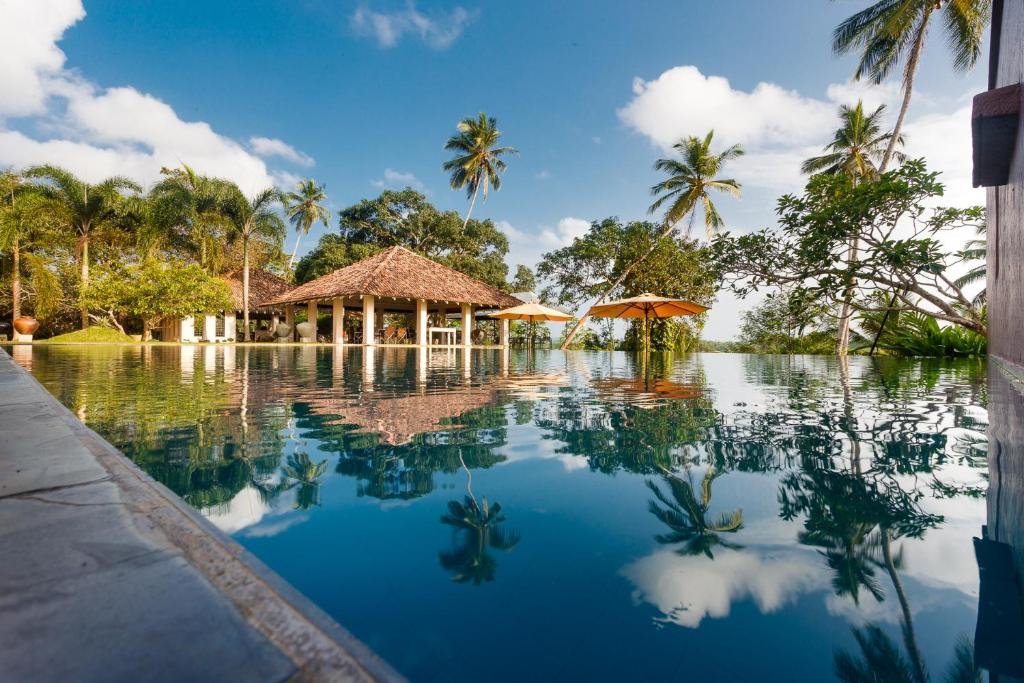
Kahanda Kanda presents itself as an architectural retreat that dissolves into the surrounding landscape. The estate’s language is rooted in plantation-era bungalows—wide verandas, pitched roofs and open-sided pavilions—that prioritize ventilation, sightlines and a gentle relationship to the hill slope. Arrival is deliberately paced: the coastal light gives way to rubber trees and tea terraces, and the built forms are positioned to catch prevailing breezes rather than dominate them. The result is a quietly elegant, historically grounded property where design and nature work together to create a serene, intimate experience.
Best For
This property is well suited to couples and travelers seeking privacy, slow rhythms and a restorative stay. Because the hotel emphasizes seclusion within an estate landscape and an architecture that promotes decompression, it caters naturally to honeymoons, romantic getaways, wellness retreats and anniversaries. Guests arrive expecting to be guided into the landscape— verandas and pavilions encourage lingering—and the setting is best appreciated by those who value intimacy, architecture and uninterrupted time in hill-country surroundings.
Venue details
Ambiance
Serene and tranquil with soft natural lighting in open-sided pavilions overlooking lush tropical gardens, lily ponds, and lake vistas; intimate candlelit gazebos for evening dining create a romantic, peaceful atmosphere.
Tags
Vibe
Best For
Experience
Amenities
View
About the Stay
- Rooms
- 12
- Check-in
- 14:00
- Check-out
- 12:00
- Property Style
- Contemporary Boutique Hotel Set Within a Working Tea Plantation, Blending Modern Luxury with Sri Lankan Colonial Heritage and Natural Landscape Integration.
- Design Style
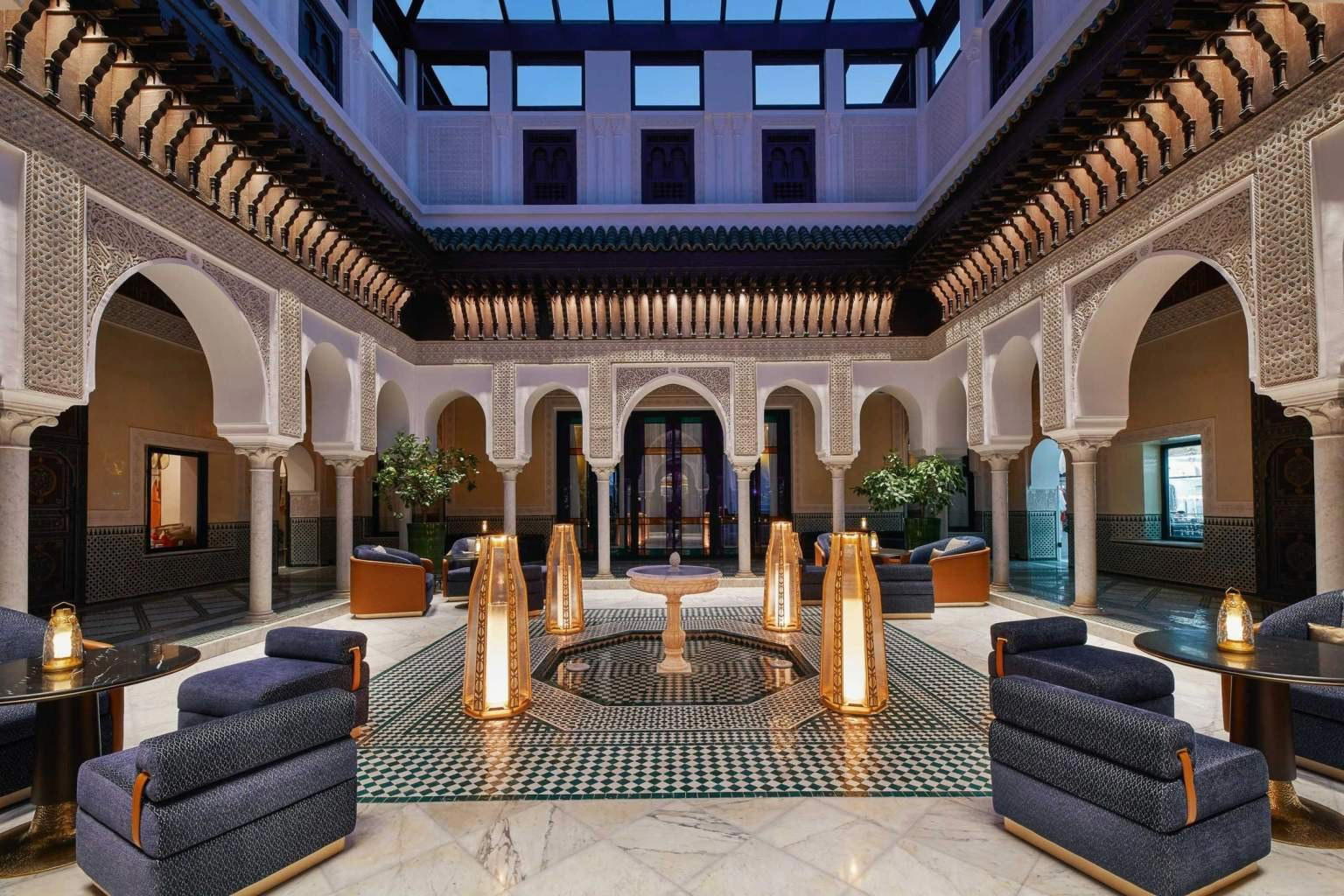
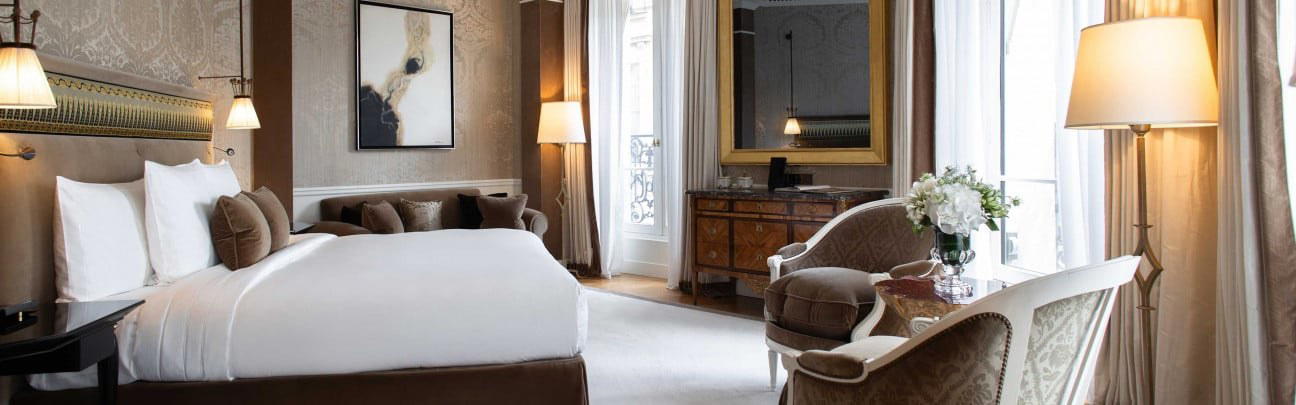
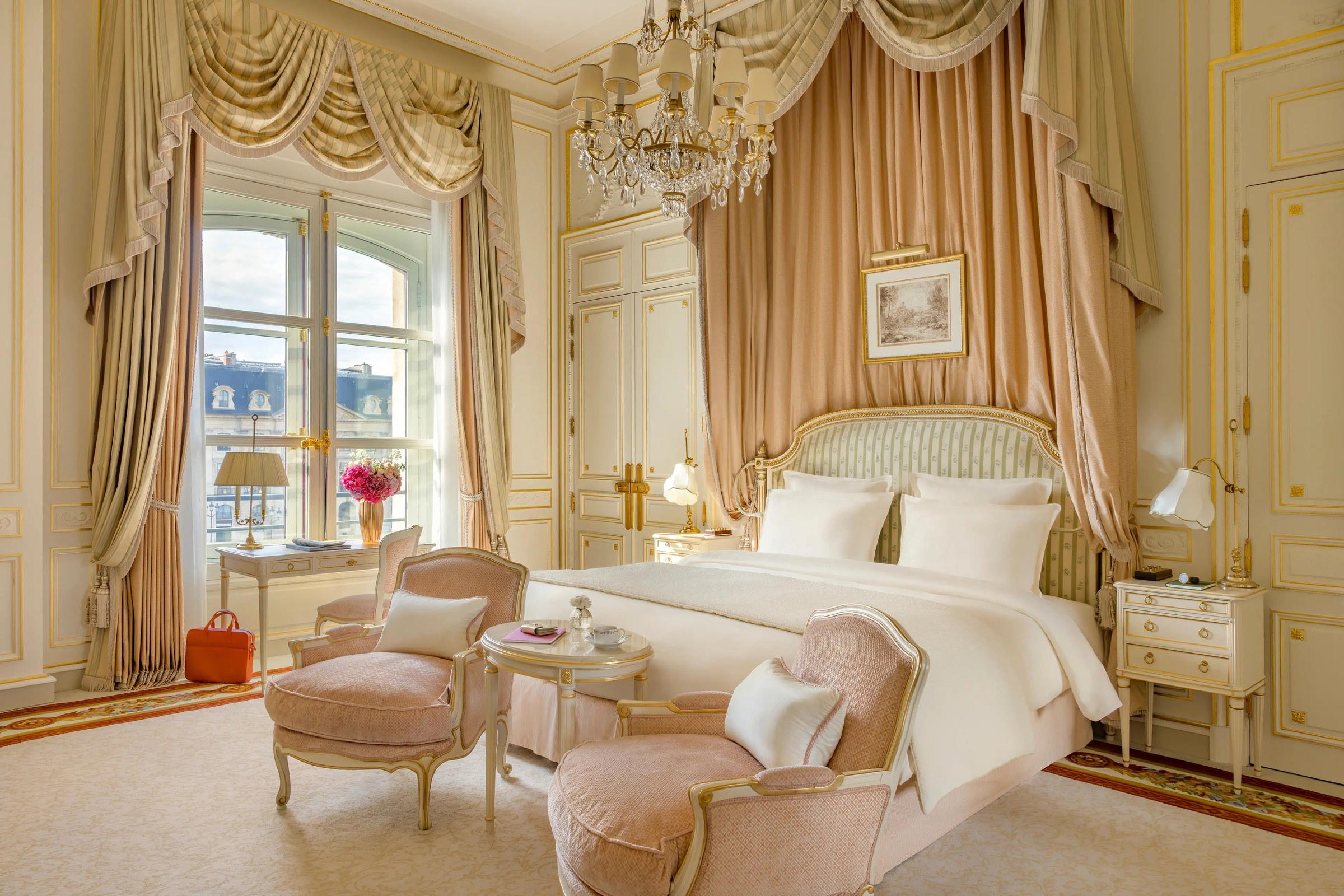
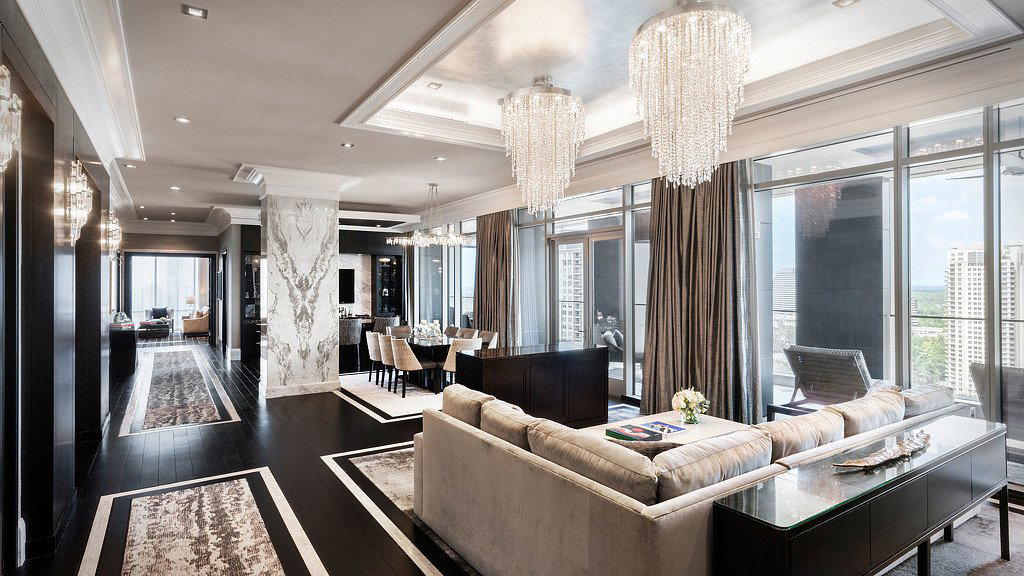
- Exotic Chic with Polished Concrete Floors, Asian Antiques, Contemporary Sri Lankan Furnishings, Teak Furniture, and Architectural Elements Like the Distinctive Saffron Wall with Framed Views; Minimalist Yet Warm Aesthetic.
Know before you go
Know Before You Go
- Getting there
- Kahanda Kanda, Angulugaha, Galle 80000
Planning details
Location
Kahanda Kanda, Angulugaha, Galle 80000 · Directions
Recognition and awards

Also consider
Also Consider
- Amangalla, Notable alternative
- Jetwing Lighthouse, Notable alternative
- The Postcard Galle, Sri Lanka, Notable alternative
- Angel Beach Resort, Notable alternative
- Villa Sielen Diva, Notable alternative
Hotel context
How It Compares
Kahanda Kanda Galle is the better choice if the trip calls for a quieter inland base rather than a hotel embedded in Galle's visitor flow. Amangalla is the stronger pick for travelers who want a heritage Galle stay and easier town access, while Jetwing Lighthouse makes more sense for guests who want a larger coastal hotel feel.
For ambiance, the split is simple. Choose Kahanda Kanda Galle for a retreat-first mood; choose The Postcard Galle, Sri Lanka if a smaller polished hotel near Galle is the priority; choose Angel Beach Resort if beach energy matters more than quiet. Villa Sielen Diva is the cross-shop for travelers who want villa-style privacy closer to the coast.
Booking difficulty is the practical advantage here: Kahanda Kanda Galle is listed as easy, so it should work better for shorter planning windows than hotels with heavier demand. Value will depend on the room and inclusions, since no price band is listed, but the decision should be based on setting: inland calm here, fort access at Amangalla, coastal scale at Jetwing Lighthouse, and beach-led stays at Angel Beach Resort or Villa Sielen Diva.
Explore Angulugaha
Around this place
Discover more on Pearl
Unlock the full Kahanda Kanda Galle guide in Pearl, including awards, comparisons, FAQs, planning details, and nearby places.
Compare Kahanda Kanda Galle
| Venue | Location | Awards |
|---|---|---|
| Kahanda Kanda Galle | Angulugaha | 2026 La Liste Top Hotels |
| Amangalla | Galle | 2026 World’s 50 Best Hotels 51-100 · #712026 Forbes Recommended2026 Virtuoso Luxury Hotel Collection2026 La Liste Top Hotels2026 Michelin 1 Key2025 World’s 50 Best Hotels · #972025 Michelin 1 Key2024 World's 50 Best Hotels · #392023 World's 50 Best Hotels · #38 |
| Jetwing Lighthouse | Galle | No published awards |
| The Postcard Galle, Sri Lanka | Galle | No published awards |
| Angel Beach Resort | Galle | Small Luxury Hotels Member 2025 |
| Villa Sielen Diva | Galle | 2026 Michelin 1 Key2025 Michelin 1 Key |






How Kahanda Kanda Galle Review compares with similar nearby venues.
FAQ
Frequently Asked Questions
Which room category is best at Kahanda Kanda Galle?
Room-category details should be confirmed directly. Choose only after confirming the available categories, layouts, inclusions, and any stay requirements directly with Kahanda Kanda Galle or your booking channel.
What is check-in like at Kahanda Kanda Galle?
Specific check-in details should be confirmed directly. Confirm arrival time, identification requirements, payment terms, and any transport needs directly before travel. The location to plan around is Angulugaha.
How is the dining at Kahanda Kanda Galle?
Specific dining details should be confirmed directly. Kahanda Kanda Galle has La Liste Top Hotels recognition for 2026 with 94pts, but meal formats, menus, hours, and prices should be confirmed directly before making plans around dining.
How is the pool and spa at Kahanda Kanda Galle?
Pool and spa details should be confirmed directly. If those facilities are important to the stay, confirm availability, access rules, opening times, and any extra costs directly before booking.
Do loyalty programs work at Kahanda Kanda Galle?
Loyalty-program participation should be confirmed directly. Do not plan around points, elite benefits, or partner perks unless the property or booking channel explicitly confirms them. Travelers comparing alternatives can also review Amangalla or Jetwing Lighthouse.
Is Kahanda Kanda Galle good for business travel?
Business-travel facilities should be confirmed directly. If the trip requires workspace, meeting facilities, reliable transport arrangements, or other work-specific services, confirm those details directly. The Postcard Galle, Sri Lanka and Jetwing Lighthouse may also be useful comparison points for a broader shortlist.