

Hospes Amérigo
Alicante City Centre, Alicante
Hotel in Alicante, Spain
 Book with Pearl
The Read
Price
$100–200per night
Why go
Choose Hospes Amérigo if you want a design-recognised, central Alicante hotel rather than a resort stay outside town. Its value is strongest for short city breaks where walkability, old-town access, and easier booking matter more than a full wellness campus.
About Hospes Amérigo
Hospes Amérigo is a hotel in Alicante for travellers who want a concise basis for evaluating a stay. The key details are limited: the hotel is associated with Design Hotels membership for 2026, appears in the MICHELIN Guide Hotels Selected list for 2025, and notes a smart-casual dress code. Those points are useful, but they are not a complete picture of the guest experience. For facilities, dining, room types, services, or exact location details, check the hotel directly before booking.
That makes this a credible Alicante option with its strongest signals in recognition rather than an extensive amenities brief. In practical terms, the appeal rests on external selection and brand affiliation, not on a long list of on-property features. If your trip depends on a specific room setup, spa access, restaurant format, or service arrangement, confirm those details with the venue rather than assuming they are part of the stay.
Book it for a recognised Alicante hotel option
The right guest is someone who wants Hospes Amérigo specifically in Alicante and values external recognition. The hotel has credibility through its Design Hotels membership and MICHELIN hotel selection, which helps separate it from a generic listing. Those signals may be especially relevant for travellers who prefer some editorial or industry filtering before they shortlist a stay. That does not automatically make it the right choice for every trip. If you are comparing broader premium stays, Asia Gardens Hotel & Thai Spa, SHA Spain, SHA, VIVOOD Landscape Hotel & Spa, and Nomad Hotel & Spa Altea are other names to consider on their own terms. For an Alicante stay, Hospes Amérigo remains the direct city choice among those comparisons.
Because rates, room inventory, facilities, and availability may vary, avoid assuming any of those details are settled before you book. The safer approach is to compare live availability, confirm the services that matter most to your trip, and use the hotel’s recognition as one input rather than the whole reason to book. That is particularly important if you are arranging a special occasion, a tightly scheduled itinerary, or a stay where particular amenities would materially affect the trip. In those cases, direct confirmation is more useful than inference.
Know Before You Go
- Best fit: travellers considering a recognised hotel in Alicante.
- Value angle: strongest when the Design Hotels and MICHELIN hotel-selection signals matter to your decision.
- Booking difficulty: check current availability directly.
- Location: Alicante.
- Dress code: smart casual.
- Recognition: Design Hotels member for 2026 and selected by the MICHELIN Guide Hotels list in 2025.
Do not assume a specific dining experience without direct confirmation from the hotel. If food is the main reason for the trip, use our full Alicante restaurants guide alongside the hotel search. For a broader city plan, pair it with our full Alicante hotels guide, our full Alicante bars guide, our full Alicante wineries guide, and our full Alicante experiences guide.
Planning details
- Location
- Alicante Rafael Altamira, 7, Alicante 3002, Spain
- Website
- marriott.com/hotels/travel/ALCDS
- Phone
- +34 965 14 65 70
The take
The Take
The Vibe
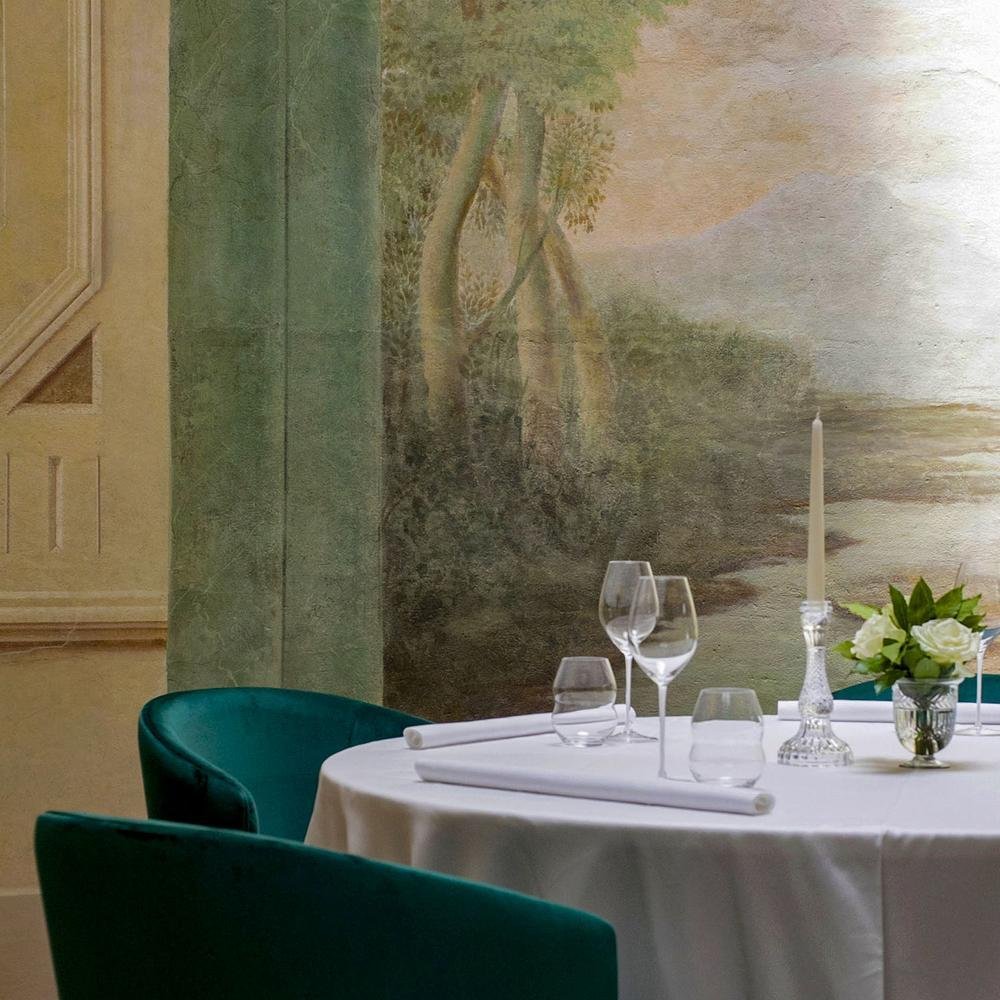
Hospes Amérigo reads like a conversation between eras: austere convent geometry sits alongside the decorative flourishes of 19th-century bourgeois life, and contemporary interventions in marble, glass and iron stitch those registers together. Interiors emphasize a sequence of spaces and interior courtyards that modulate light and air, so the building feels measured rather than theatrical. The result is a quietly theatrical hotel that foregrounds material contrasts and historical layering—an experience that feels considered and composed rather than trendy, where conservation and modern insertions coexist to create a distinctly historic, character-rich atmosphere.
Best For
This hotel is best for travelers who put architecture and historic context at the center of their stay. Located in Alicante’s historic centre and presented as an adaptive-reuse project, it rewards guests who enjoy reading built layers—convent plan, bourgeois ornament and contemporary design—across corridors and courtyards. It suits visitors seeking a contemplative, design-forward base for exploring the old town and those who appreciate properties that emphasize materiality and conservation over flashy modernization. The stay appeals to history-minded and design-conscious travelers who value atmosphere and provenance.
Venue details
Ambiance
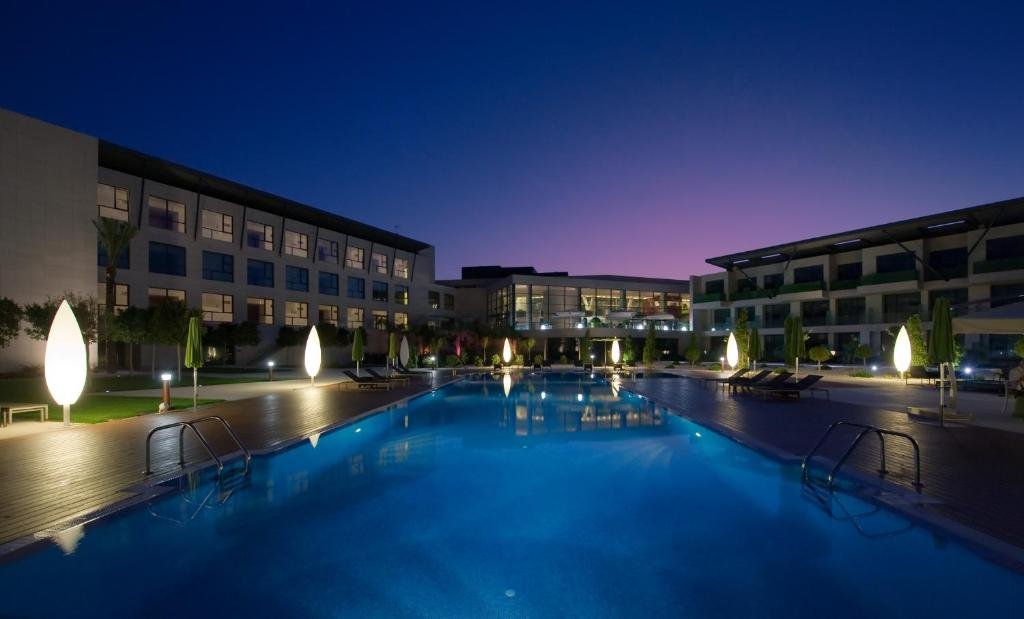
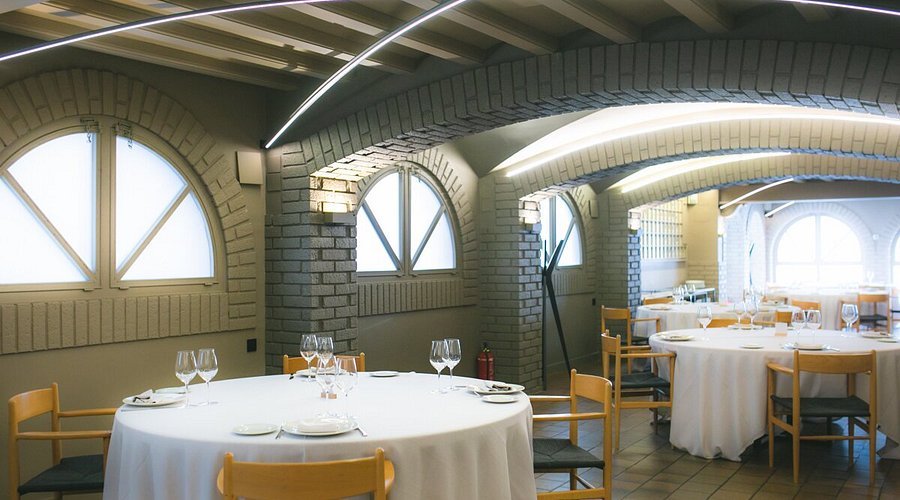
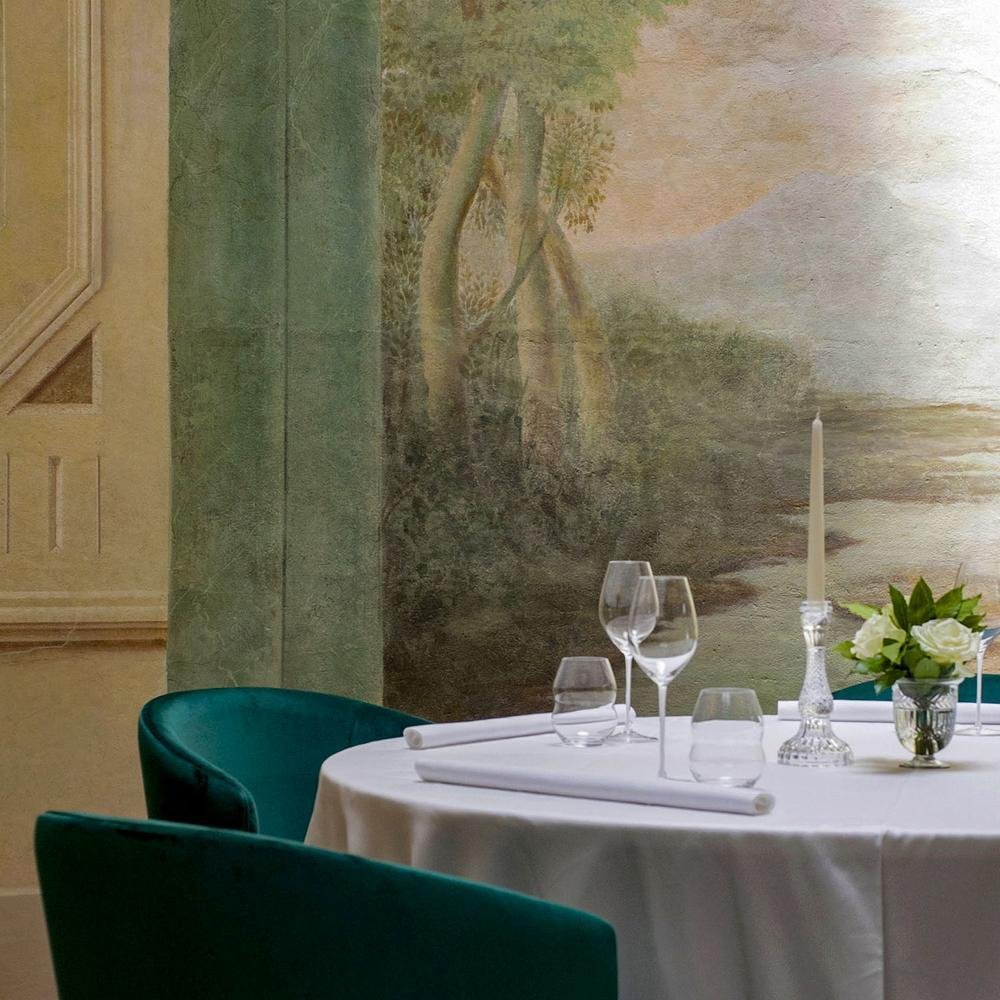
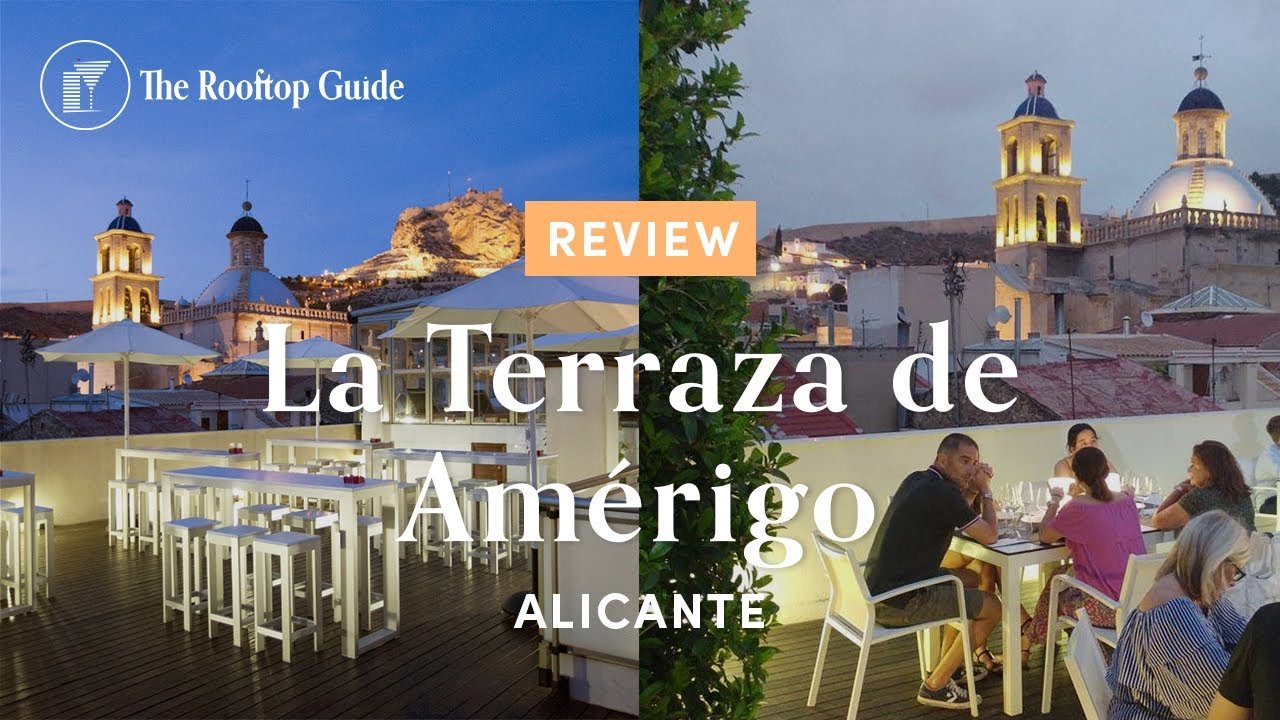
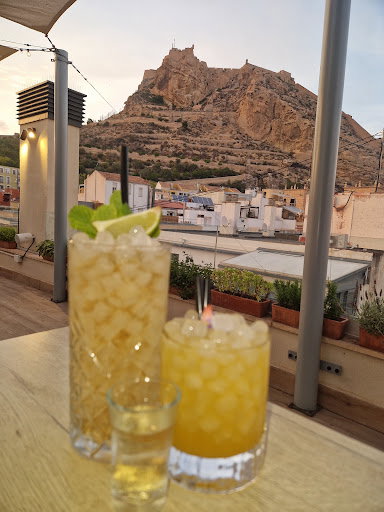
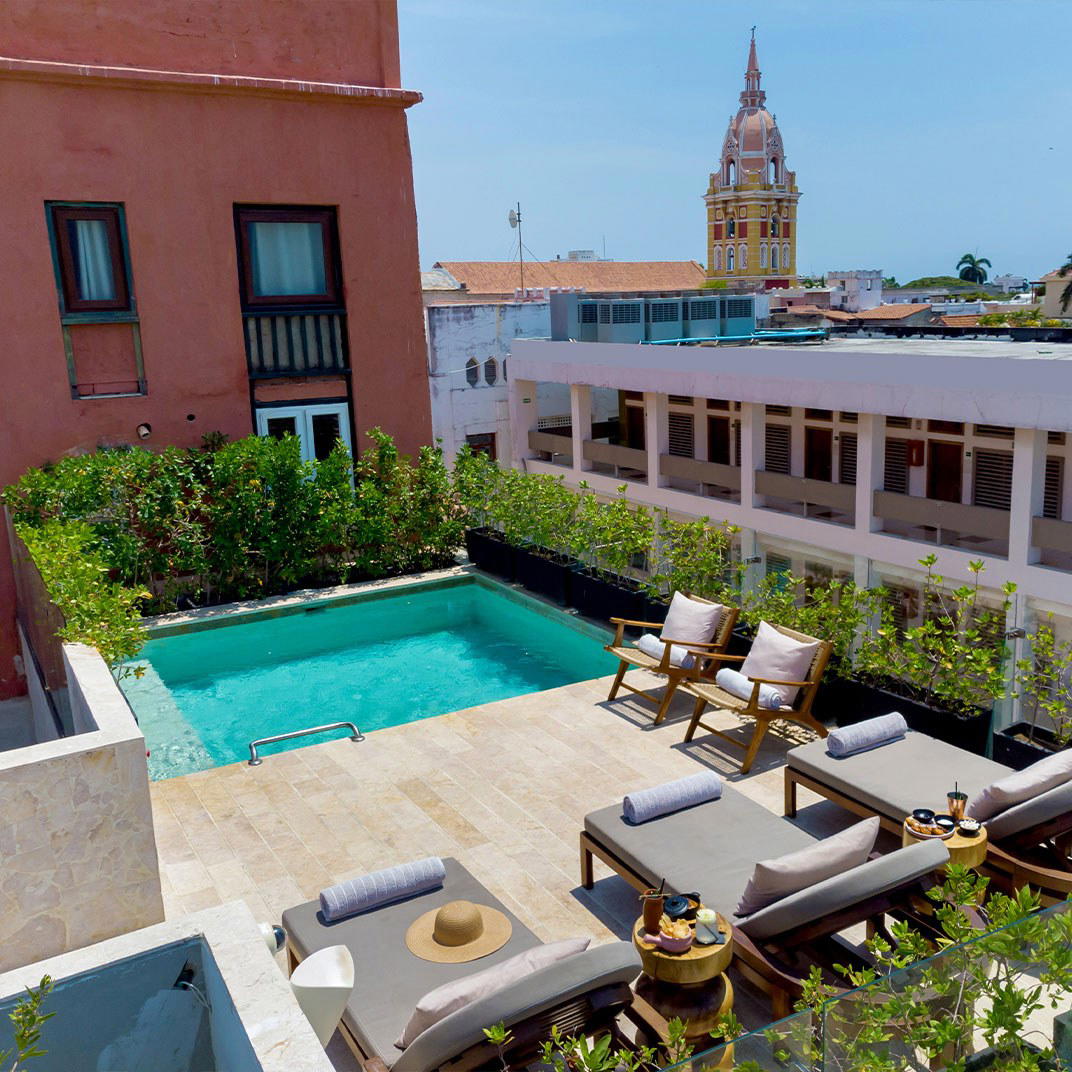
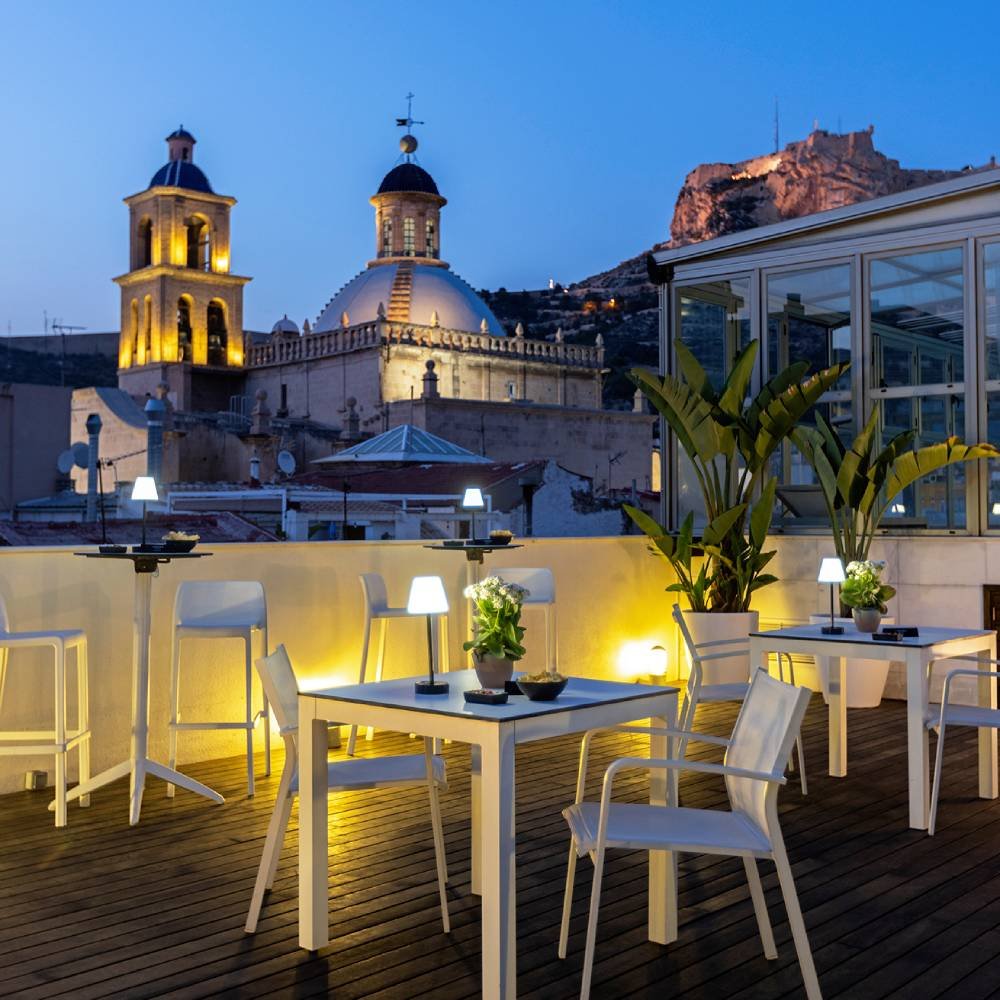
Serene and elegant atmosphere with minimalist design, original stone walls, high ceilings, and a relaxing rooftop terrace.
Tags
Vibe
Best For
Experience
Amenities
View
Accessibility
About the Stay
- Rooms
- 81
- Check-in
- 15:00
- Check-out
- 12:00
- Property Type
- Design hotel
- Property Style
- Contemporary Luxury in a Historic Convent
- Design Style
- Minimalist with Original Stone Walls and Modern Wood Accents
- Airport Transfer
- Available
- Pool
- Yes
- Spa
- Yes
- Pets
- Allowed
- Families
- Welcome
- Cancellation
- Moderate
Know before you go
Know Before You Go
- Getting there
- Alicante Rafael Altamira, 7, Alicante 3002, Spain
Planning details
Location
Alicante Rafael Altamira, 7, Alicante 3002, Spain · Directions
Recognition and awards
Also consider
Also Consider
- Asia Gardens Hotel & Thai Spa, Notable alternative
- SHA, Notable alternative
- SHA Spain, Notable alternative
- VIVOOD Landscape Hotel & Spa, Notable alternative
- Nomad Hotel & Spa Altea, Notable alternative
Hotel context
How It Compares
Hospes Amérigo is the practical Alicante-city choice, while Asia Gardens Hotel & Thai Spa is the stronger play for travellers who want a resort mood and are willing to stay outside the centre. If the trip is built around Alicante restaurants, the marina, and old-town wandering, the city hotel gives better day-to-day efficiency. If the trip is built around staying put, Asia Gardens is the more natural fit.
For wellness, SHA and SHA Spain are better suited than Hospes Amérigo. They make sense when the hotel is the itinerary and the spend is justified by a health-led stay. Hospes Amérigo is easier to book and more useful for a flexible Alicante break, but it is not the obvious pick for travellers prioritising a structured spa program.
VIVOOD Landscape Hotel & Spa and Nomad Hotel & Spa Altea suit guests chasing a quieter coastal or landscape-led escape. Choose them when ambiance matters more than city access. Choose Hospes Amérigo when the better value is being in Alicante itself, especially for shorter stays or easier last-minute planning.
Around this place
Discover more on Pearl
Unlock the full Hospes Amérigo guide in Pearl, including awards, comparisons, FAQs, planning details, and nearby places.
Compare Hospes Amérigo
| Venue | Location | Awards |
|---|---|---|
| Hospes Amérigo | Alicante | 2026 Design Hotels Collection2025 Michelin Selected Hotels |
| Asia Gardens Hotel & Thai Spa | Finestrat (Alicante) | Leading Hotels of the World 20262025 Michelin Selected Hotels |
| SHA | Albir | No published awards |
| SHA Spain | Alicante | No published awards |
| VIVOOD Landscape Hotel & Spa | Benimantell | 2026 Mr & Mrs Smith Luxury Hotels2026 Michelin 1 Key2025 Michelin 1 Key2024 Michelin 1 Key |
| Nomad Hotel & Spa Altea | Altea | No published awards |



How Hospes Amérigo Alicante: Hotel Verdict compares with similar nearby venues.
FAQ
Frequently Asked Questions
How does Hospes Amérigo compare to other premium hotels?
Choose Hospes Amérigo if you want a hotel in Alicante with outside credibility from Design Hotels and the MICHELIN Guide's Selected Hotels list for 2025. Asia Gardens Hotel & Thai Spa, SHA, SHA Spain, VIVOOD Landscape Hotel & Spa, and Nomad Hotel & Spa Altea are other premium names to compare separately, but their specific formats and amenities should be checked directly before booking.
Which room category is best at Hospes Amérigo?
Review the hotel's current room descriptions and ask the venue directly which category best matches your priorities.
Is Hospes Amérigo good for business travel?
It may suit travellers who want a recognised hotel in Alicante. For business-travel facilities, check directly with the hotel. Key points include its Design Hotels membership, MICHELIN Guide Hotels Selected status, and smart-casual dress code.
How is the location of Hospes Amérigo?
How is the pool and spa at Hospes Amérigo?
If pool or spa facilities are important to your stay, confirm directly with Hospes Amérigo before booking and compare with other premium options such as VIVOOD Landscape Hotel & Spa, SHA, SHA Spain, or Nomad Hotel & Spa Altea using current, official information.