
Wilderness Magashi Camp
Akagera National Park
Hotel in Akagera National Park, Rwanda
 Book with Pearl
The Read
Peninsula Conservation Immersion
Why go
Wilderness Magashi Camp is the right choice when Akagera National Park is the point of the trip and a staffed safari base matters more than city convenience. Its 2026 La Liste Top Hotels score adds a credible quality signal, but the practical reason to book is location: this is for travelers prioritizing lake-and-park access over Kigali or Volcanoes National Park logistics.
About Wilderness Magashi Camp
Book Wilderness Magashi Camp if the point of the trip is Akagera National Park itself. Its strongest reasons to consider it are its location in Akagera National Park, its smart-casual dress code, and its La Liste Top Hotels (2026) recognition with a score of 90.5pts. If the trip is built around a different destination instead, One&Only; Gorilla's Nest, Singita - Singita Volcanoes National Park, Mount Gahinga Lodge, or Nkuringo Gorilla Lodge may be more relevant to compare.
Akagera National Park gives Wilderness Magashi Camp a clear planning role: consider it when your itinerary is centered on staying in the park. Specific cuisine, room categories, facilities, prices, service formats, and activity details are not listed here, so the decision should not be built around assumptions about amenities. In practical terms, treat the park location as the main reason to keep it on the shortlist, and confirm everything else directly before booking.
An Akagera National Park stay with limited detail
Wilderness Magashi Camp is best understood as an Akagera National Park stay. The record confirms a smart-casual dress code and La Liste Top Hotels (2026) recognition, but it does not provide enough detail to make specific claims about room types, dining style, transfers, activities, spa facilities, or other on-property services. That limitation matters because a camp can be appealing for very different reasons depending on what is actually included, how the stay is structured, and what travelers need from the property.
That makes the practical comparison direct. The Pinnacle Kigali is different in purpose from a stay in Akagera National Park. Lodges such as Mount Gahinga Lodge, One&Only; Gorilla's Nest, Singita - Singita Volcanoes National Park, and Nkuringo Gorilla Lodge may belong to different itinerary plans, so they should be considered when that kind of trip is the focus. The most sensible comparison is therefore not simply hotel against hotel, but destination role against destination role.
Who should book, and who should look elsewhere
Book here if Akagera National Park is central to the trip and you want a stay associated with the park. Do not book it as a substitute for a base in another destination; those are different travel decisions. For a broader itinerary, compare it with other stops by geography rather than assuming one property can cover every part of the route. This is especially important when the logic of a trip changes depending on which place is anchoring the schedule.
Wilderness Magashi Camp has a smart-casual dress code and a La Liste Top Hotels (2026) score of 90.5pts. Details such as specific dining, facilities, prices, room counts, booking difficulty, and guest services are not listed, so they should be checked directly before committing. The absence of those details is not, by itself, a negative; it simply means the booking decision should rest on confirmed geography and recognition rather than assumptions.
The 2026 La Liste Top Hotels score gives the camp a useful external quality signal, but the practical verdict is simpler: choose Wilderness Magashi Camp when Akagera National Park is the priority. If your trip is focused elsewhere instead, cross-shop the relevant hotels and lodges before booking, and keep the comparison tied to the place you actually plan to experience.
Planning details
- Location
- Lake Rwanyakazinga Akagera National Park
- Website
- wildernessdestinations.com/africa/rwanda/akagera-national-park/magashi-camp
- Phone
- +27 11 257 5000
The take
The Take
The Vibe
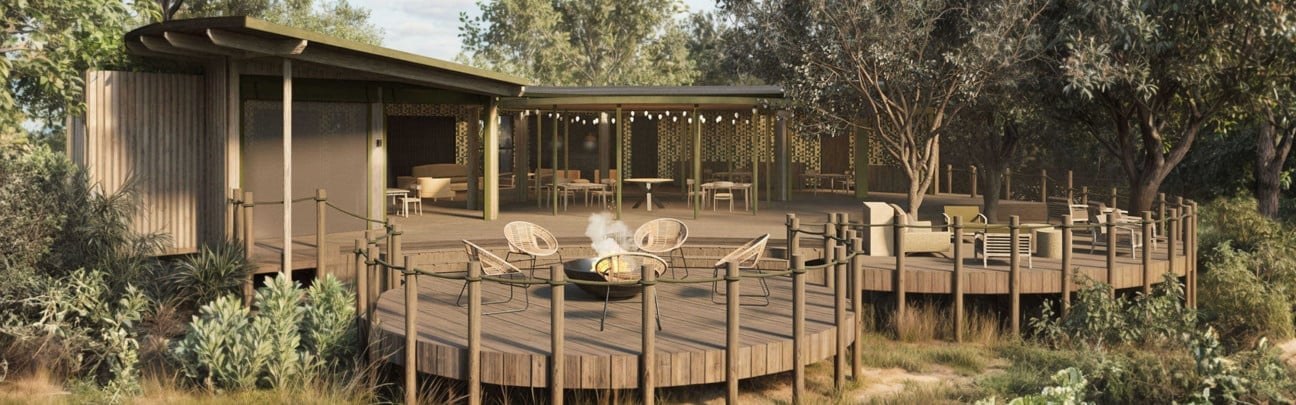
Wilderness Magashi Camp frames the lake as its organizing gesture: architecture and placement prioritize the horizontal, luminous quality of light that comes off open water. The camp is quietly refined rather than showy — individual tented suites nestle at the water’s margin so the lake is a constant visual companion. That restrained approach produces a serene, intimate atmosphere that feels deliberately remote from Rwanda’s busier western circuits. Design here responds to landscape first: low, horizontal lines, reed-fringed shorelines and open savanna approaches all work together to create a calm, contemplative safari experience.
Best For
Magashi Camp is best for travelers seeking a quietly luxurious safari stay focused on lakeside ecology and solitude. The property suits couples on romantic getaways and honeymoons who want water-edge privacy, photographers drawn to the flat, luminous light across Lake Rwanyakazinga, and wildlife-minded guests interested in late-afternoon hippo activity and papyrus-lined shorelines. Because the eastern edge of Akagera receives fewer visitors, the camp appeals to those prioritizing low guest density and a designed connection to water and woodland rather than highland ridge panoramas.
Stay Tips
Plan your timing around the light and wildlife noted in the description: the approach through open savanna corridors and the mention that hippos graze at dusk suggest late-afternoon and early-evening windows are especially rewarding. The camp’s tented-suite format is oriented to the lake, so you can expect the water to remain a constant visual element from guest areas. Bring attention to photographic opportunities created by the horizontal, luminous quality of light over the lake and allow arrival or activity times that let you experience the shoreline at dusk when animal activity intensifies.
Venue details
Ambiance
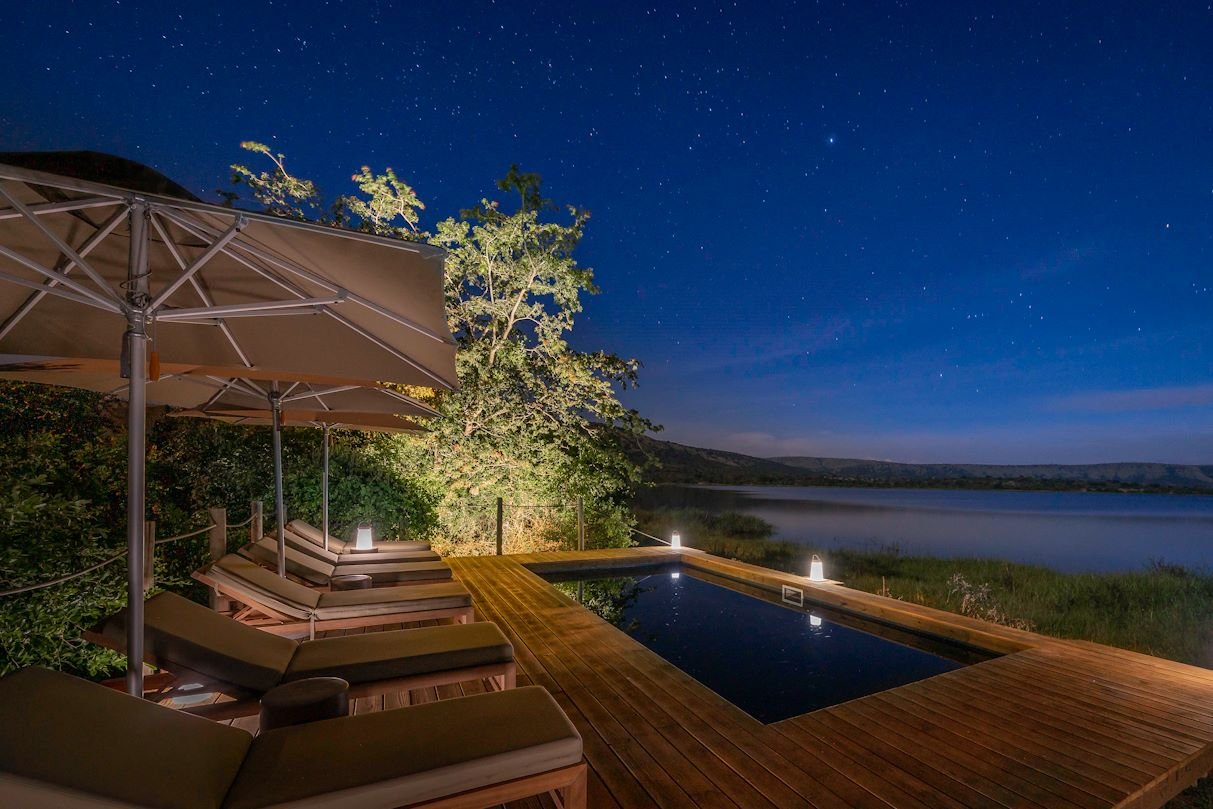
Serene and immersive with spacious tented suites overlooking Lake Rwanyakazinga, surrounded by savannah and mountains, featuring relaxed communal areas with pool, fire pit, and natural sounds of wildlife.
Tags
Vibe
Best For
Experience
Amenities
View
About the Stay
- Rooms
- 6
- Property Style
- Luxurious Tented Safari Camp Integrated Into the Wilderness with Rwandan Cultural Influences.
- Design Style
- Contemporary with Traditional Rwandan Elements, Spacious Airy Tents, and Natural Materials.
Know before you go
Know Before You Go
- Getting there
- Lake Rwanyakazinga Akagera National Park
Planning details
Location
Lake Rwanyakazinga Akagera National Park · Directions
wildernessdestinations.com/africa/rwanda/akagera-national-park/magashi-camp
Recognition and awards

Also consider
Also Consider
- The Pinnacle Kigali, Notable alternative
- Mount Gahinga Lodge, Notable alternative
- One&Only Gorilla's Nest, Notable alternative
- Singita - Singita Volcanoes National Park, Notable alternative
- Nkuringo Gorilla Lodge, Notable alternative
Hotel context
How It Compares
Wilderness Magashi Camp is the Akagera pick in this set: choose it when the trip is built around Rwanda's savannah park rather than Kigali or the gorilla circuit. The Pinnacle Kigali is the easier choice for city access, business travel, and short arrivals, but it is not a substitute for staying inside the park environment.
For gorilla-focused itineraries, One&Only; Gorilla's Nest and Singita - Singita Volcanoes National Park are the more logical cross-shops because their locations fit Volcanoes National Park planning. They suit travelers prioritizing trekking access and a higher-touch lodge circuit, while Wilderness Magashi Camp is better for Akagera wildlife days and a quieter park rhythm.
Mount Gahinga Lodge and Nkuringo Gorilla Lodge make more sense for travelers building a Uganda or gorilla-region route. If Wilderness Magashi Camp is unavailable, the closest practical alternative depends on the itinerary: The Pinnacle Kigali for a city pause, One&Only; Gorilla's Nest or Singita - Singita Volcanoes National Park for Rwanda's gorilla circuit, and Mount Gahinga Lodge or Nkuringo Gorilla Lodge for a different regional lodge plan.
Explore Akagera National Park
Around this place
Discover more on Pearl
Unlock the full Wilderness Magashi Camp guide in Pearl, including awards, comparisons, FAQs, planning details, and nearby places.
Compare Wilderness Magashi Camp
| Venue | Location | Awards |
|---|---|---|
| Wilderness Magashi Camp | Akagera National Park | 2026 La Liste Top Hotels |
| The Pinnacle Kigali | Kigali | No published awards |
| Mount Gahinga Lodge | Kisoro | Conde Nast Gold List 2026 |
| One&Only Gorilla's Nest | Kinigi | 2026 Virtuoso Luxury Hotel Collection2026 Forbes 5-Star2026 La Liste Top Hotels2025 Forbes 5-StarWorld Travel Awards 20252025 Michelin Selected HotelsOne&Only Resorts |
| Singita - Singita Volcanoes National Park | Volcanoes National Park | No published awards |
| Nkuringo Gorilla Lodge | Kisoro | No published awards |






How Wilderness Magashi Camp compares with similar nearby venues.
FAQ
Frequently Asked Questions
Which room category is best at Wilderness Magashi Camp?
The information provided does not identify specific room categories at Wilderness Magashi Camp. Choose based on current availability and confirm room details directly before booking. The La Liste Top Hotels (2026) score of 90.5pts is a quality signal for the property overall.
How does Wilderness Magashi Camp compare to other hotels and lodges?
Pick Wilderness Magashi Camp for an Akagera National Park stay. Compare it with The Pinnacle Kigali if you need a different kind of base, or consider Mount Gahinga Lodge, One&Only; Gorilla's Nest, Singita - Singita Volcanoes National Park, and Nkuringo Gorilla Lodge if your trip centers on another lodge destination. Wilderness Magashi Camp makes more sense when Akagera National Park is the focus.
Is Wilderness Magashi Camp family-friendly?
When is the best time to book Wilderness Magashi Camp?
Is Wilderness Magashi Camp good for business travel?
Wilderness Magashi Camp is in Akagera National Park, so it should be compared carefully with other options if work logistics are important. If you need a different kind of base, The Pinnacle Kigali may be a relevant comparison.
How is the dining at Wilderness Magashi Camp?
The confirmed dress code is smart casual, and the property has a La Liste Top Hotels (2026) score of 90.5pts.
How is the pool and spa at Wilderness Magashi Camp?
Choose it for its Akagera National Park location and confirmed hotel recognition, and verify any specific amenities directly before booking.