Michelin 's inaugural New Zealand guide names Queenstown's Essence as the country's only two-star restaurant, marking the guide's first Oceania edition and formalizing New Zealand's entry into global fine dining rankings. The debut list covers 110 restaurants across four cities, Auckland, Wellington, Christchurch and Queenstown, with 14 one-star awards, 35 Bib Gourmand entries, and 60 Michelin Selected restaurants. For travelers planning wine country trips or adventure tourism itineraries, the guide offers a credible shortcut to booking decisions in a market that has long operated without Michelin 's imprimatur.
Michelin Guide New Zealand: The Sole Two-Star Winner
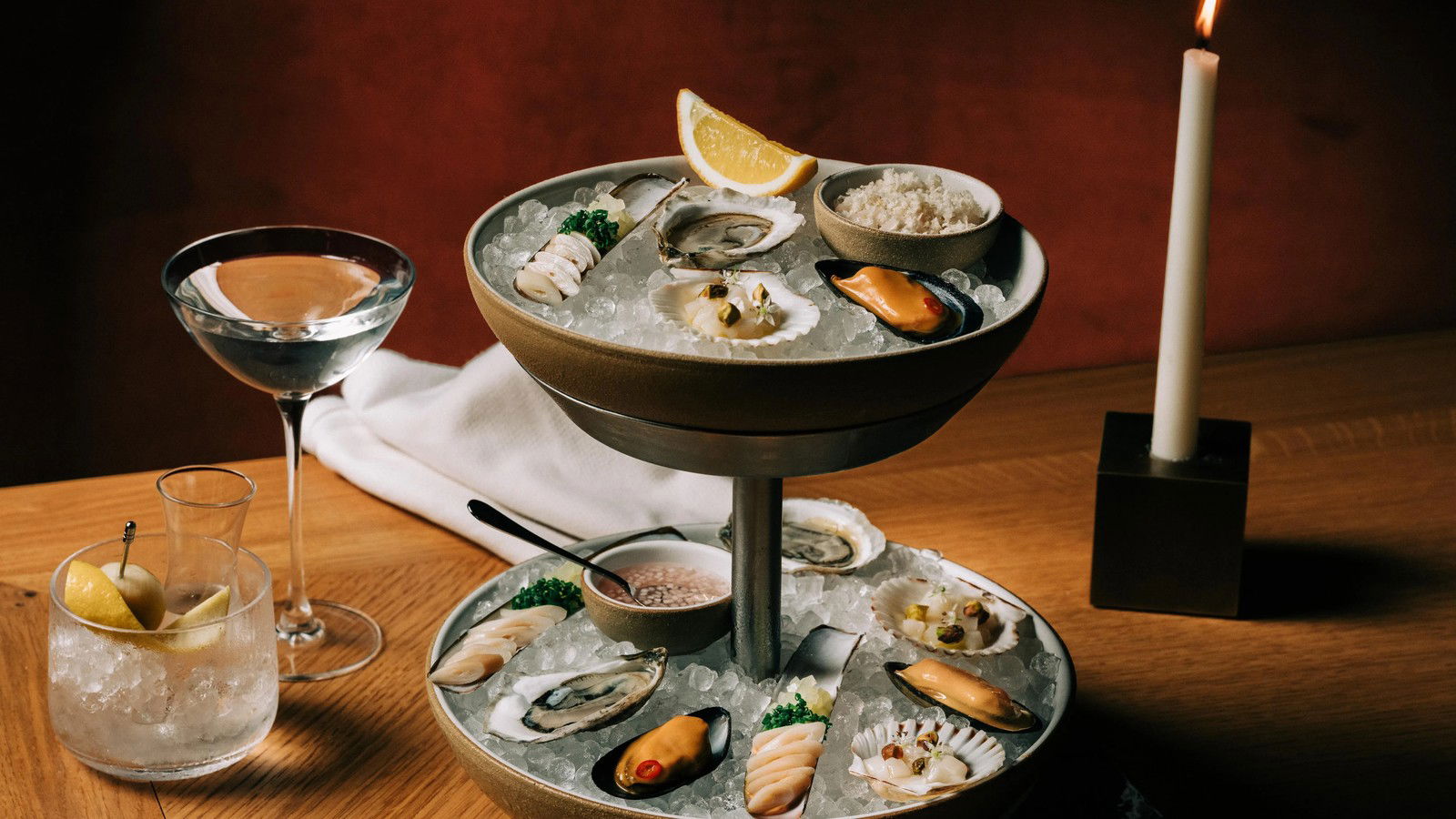
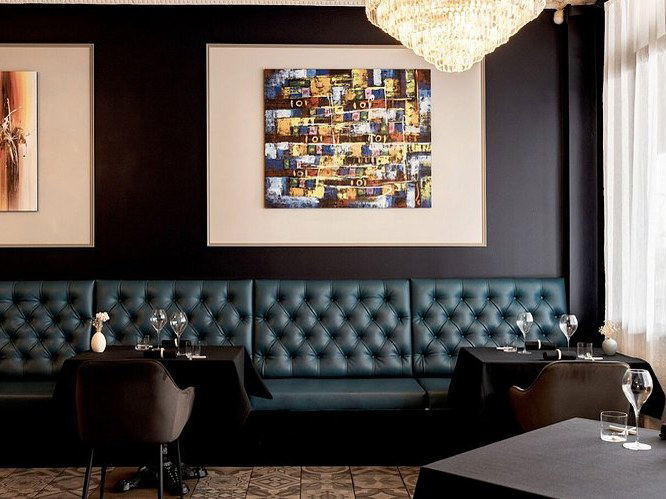
Essence in Queenstown is the sole restaurant to receive two Michelin stars in the Michelin Guide New Zealand 2026. Led by executive chef Paul Froggatt, the restaurant sits on a hillside overlooking Lake Wakatipu and serves tasting menus built around seasonal New Zealand produce. The two-star designation places Essence in a small global group, making it the default booking priority for anyone planning a Queenstown trip with fine dining on the agenda.
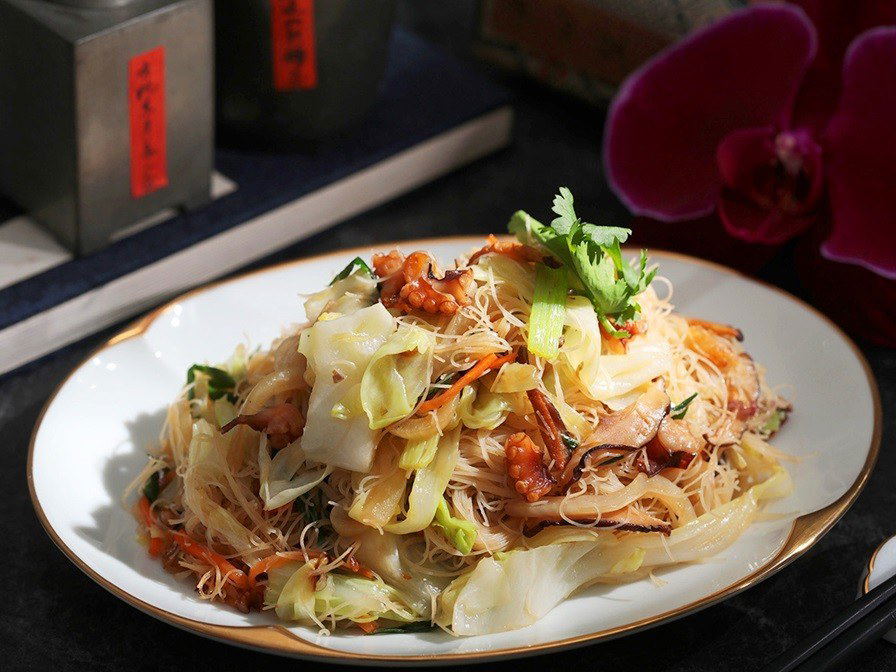
Froggatt's menu draws on the South Island's terroir, Central Otago stone fruit, Fiordland venison, Canterbury lamb, and the lakeside setting adds a geographic anchor that distinguishes the restaurant from urban fine dining competitors in Auckland or Wellington.
The two-star award is Michelin's second-highest designation, reserved for restaurants that demonstrate 'excellent cooking, worth a detour' in the guide's language.
For Essence, that detour is literal: Queenstown sits a four-hour drive from Christchurch and about a two-hour flight from Auckland, making the restaurant a destination in its own right rather than a convenient stop on a broader itinerary.
The guide's international director, Gwendal Poullennec, noted that the volume of stars awarded in a debut edition was unusually high, pointing to a 'contemporary culinary map shaped by unique terroir.' That comment underscores the guide's assessment of New Zealand's ingredient base, grass-fed lamb, wild-caught seafood, cool-climate wines, as a competitive advantage in a global fine dining market increasingly focused on provenance and seasonality.
Essence's two-star status is the most visible validation of that thesis, and it positions Queenstown as New Zealand's fine dining capital despite Auckland's larger restaurant count and Wellington's political and cultural centrality.
For booking purposes, Essence's two-star designation will likely compress availability. Newly starred restaurants can attract extra reservation interest, and Queenstown's tourism calendar, peak season runs December through March, with a secondary ski season from June to September, makes advance planning sensible. The restaurant's hillside location and tasting-menu format call for a flexible dining window, which makes it a better fit for travelers with flexible evening schedules than those on tight itineraries.
Peer Set Snapshot
| Restaurant | City/Location | Michelin Stars | Chef | Setting/Specialty |
|---|---|---|---|---|
| Essence | Queenstown | Two stars | Paul Froggatt | Hillside overlooking Lake Wakatipu, seasonal South Island produce |
| Ahi. | Auckland | One star | Ben Bayly | Contemporary restaurant |
| Mudbrick | Waiheke Island (Auckland) | One star | N/A | Vineyard setting, 40-minute ferry from downtown |
| Paris Butter | Auckland | One star | N/A | N/A |
| Tala | Auckland | One star | Henry | N/A |
| The Estate | Auckland | One star | N/A | N/A |
Auckland's Michelin One-Star Restaurants
Auckland captured five one-star awards in the Michelin Guide New Zealand 2026, the highest count of any city in the inaugural edition. The starred restaurants are Ahi., Mudbrick, Paris Butter, Tala, and The Estate. The city's dominance reflects its status as New Zealand's largest dining market, with a population of 1.7 million and a concentration of international tourism infrastructure that supports high-end restaurant economics.
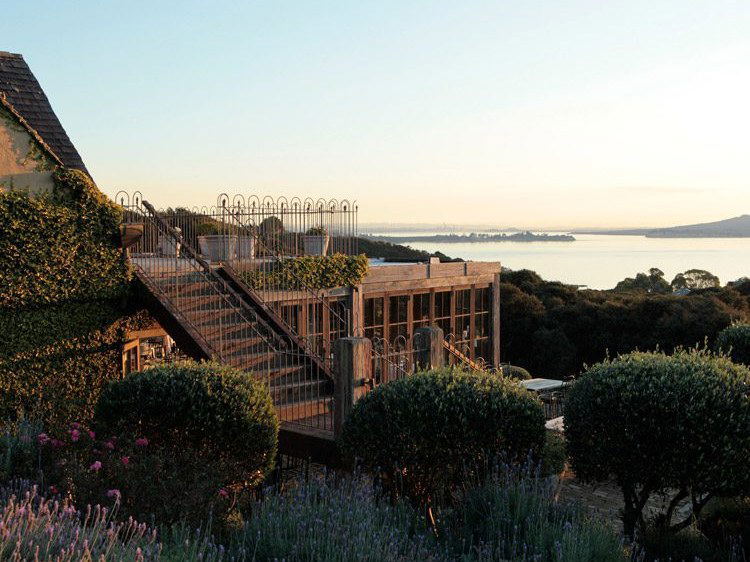
Ahi. is a contemporary restaurant whose one-star designation positions it as a peer to Auckland's established fine dining institutions. Mudbrick, located on Waiheke Island a 40-minute ferry ride from downtown Auckland, combines a one-star restaurant with a vineyard setting, a format that appeals to travelers combining wine tourism with fine dining. The island location adds logistical complexity but also differentiates Mudbrick from the city's urban restaurants, making it a better fit for travelers with a full day to allocate rather than a quick business dinner.
Paris Butter, Tala, and The Estate round out Auckland's one-star list. The guide gives brief descriptions of these restaurants, but the geographic spread, five starred restaurants in a single metropolitan area, suggests that Auckland's dining scene has reached a density that supports multiple high-end concepts without cannibalizing each other's clientele. For corporate travel planners and MICE organizers, the one-star tier offers a credible benchmark for client dinners and event catering in a city that hosts a disproportionate share of New Zealand's business travel.
Auckland also leads the Bib Gourmand category with 13 entries, more than any other city in the guide. The Bib Gourmand designation recognizes high-quality food at moderate prices, Michelin's New Zealand announcement does not set a universal per-person price ceiling, and the category's depth in Auckland reflects the city's multicultural dining scene. The guide notes that Auckland's Michelin Selected tier spans cuisines from Indian and Spanish to Samoan and Middle Eastern, a range that positions the city as New Zealand's most diverse dining market and a natural hub for travelers seeking variety beyond the country's European-influenced fine dining core.
Wellington and Christchurch Michelin Selections
Wellington earned three one-star awards in the Michelin Guide New Zealand 2026: Jano Bistro, Logan Brown, and Ortega. The capital's three-star count trails Auckland's five but reflects a smaller population base, Wellington has 215,000 residents compared to Auckland's 1.7 million, and a dining scene that has historically prioritized neighborhood bistros and wine bars over destination fine dining. The one-star awards formalize Wellington's position as New Zealand's second fine dining market, with enough depth to support multiple high-end concepts but not yet the density to rival Auckland's star count.
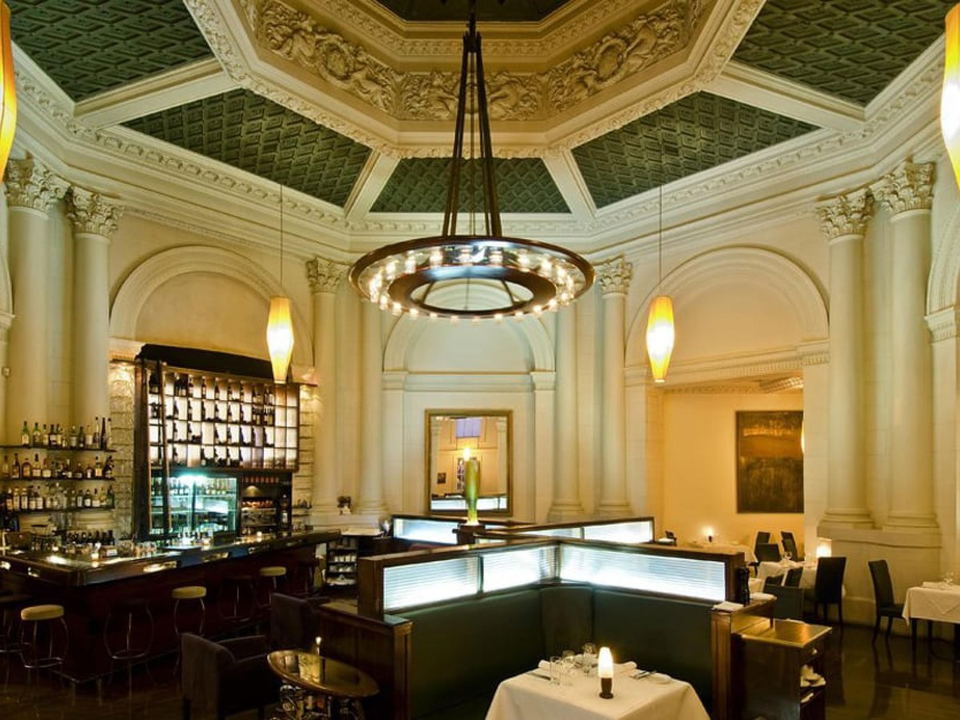
Logan Brown is a Wellington institution with a two-decade track record, making its one-star designation a validation of longevity as much as current form. Jano Bistro and Ortega represent newer entrants to the city's fine dining tier. Wellington's compact geography, the city center is walkable end-to-end in 30 minutes, makes all three restaurants accessible for business travelers staying in the central business district, and the one-star tier offers a credible shortcut for corporate travel planners scouting client dinners during New Zealand's conference season.
Wellington's Bib Gourmand count is the lowest of the four cities at just four entries, a reflection of the capital's smaller restaurant base and its historically limited appeal to international leisure travelers compared to Auckland's harbor setting or Queenstown's adventure tourism infrastructure. The guide also awarded Wellington's Graze the Service Award, with staff member Stina Persen recognized for front-of-house excellence, a signal that the city's dining scene prioritizes hospitality polish even when ingredient access and kitchen scale lag behind Auckland or Christchurch.
Christchurch earned two one-star awards: Inati and Tussock Hill. The South Island's largest city has rebuilt its dining scene following the 2011 earthquake that destroyed much of the central business district, and the two-star count positions Christchurch as a credible fine dining destination despite its smaller population and lower international tourism volume compared to Auckland or Queenstown. Christchurch also captured 10 Bib Gourmand entries, the second-highest count after Auckland, suggesting a dining scene with more depth in the moderate-price tier than in the fine dining category.
The guide awarded Christchurch chef Robert Fairs of Londo the Young Chef Award, recognizing emerging talent in a city that has historically struggled to retain chefs who migrate to Auckland's larger market or overseas. The award positions Christchurch as a city to watch for fine dining development, particularly as the city's post-earthquake rebuild continues to attract hospitality investment. For travelers, Christchurch's two one-star restaurants offer a credible fine dining option on South Island itineraries that prioritize Canterbury wine country or the West Coast's natural attractions over Queenstown's luxury tourism infrastructure.
Queenstown's Michelin-Starred Dining Scene
Queenstown earned six Michelin stars across five restaurants in the inaugural guide: Essence with two stars, and Amisfield, Kika, Rātā, and Sherwood with one star each. That gives Queenstown one more star than Auckland despite Queenstown's far smaller population, the resort town has just 16,000 permanent residents compared to Auckland's 1.7 million, and positions Queenstown as New Zealand's highest-density fine dining market on a per-capita basis. The concentration reflects Queenstown's status as a luxury tourism hub, with a visitor economy that supports high-end restaurant economics even in a town with limited local demand.
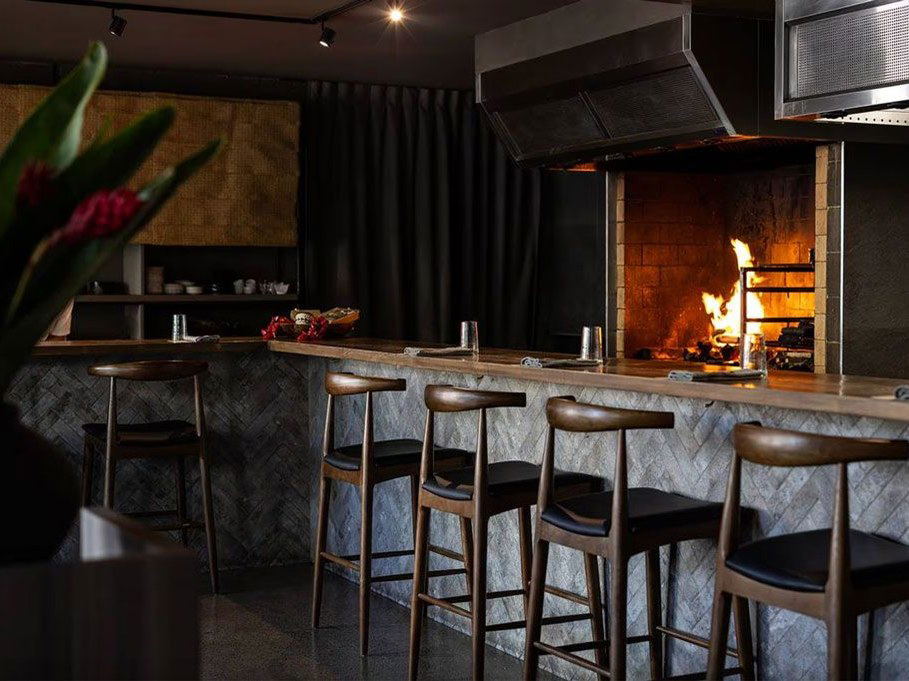
Amisfield, Kika, Rātā, and Sherwood represent Queenstown's one-star tier.
The four restaurants join Essence in a fine dining cluster that gives Queenstown more starred restaurants than Wellington or Christchurch, a geographic anomaly that underscores the town's disproportionate appeal to international travelers willing to pay fine dining prices.
Queenstown's tourism calendar, peak season runs December through March, with a secondary ski season from June to September, means that starred restaurant availability will be tightest during the summer and winter peaks, making advance booking essential for travelers planning trips during those windows.
Queenstown also earned eight Bib Gourmand entries, the third-highest count after Auckland and Christchurch, and ahead of Wellington's four.
The Bib Gourmand depth suggests a dining scene with more breadth than the five-star count alone would indicate, and it positions Queenstown as a credible destination for travelers seeking high-quality meals at moderate prices alongside the town's starred restaurants.
The guide's recognition of Queenstown's dining scene validates the town's decade-long effort to build a year-round tourism economy that extends beyond adventure activities and ski resorts, with fine dining now a core component of the destination's appeal.
For booking purposes, Queenstown's five starred restaurants offer a credible fine dining itinerary for a three- to five-night stay, with Essence as the anchor reservation and the four one-star restaurants as supporting options.
The town's compact geography, the five starred restaurants cluster in and around Queenstown, makes it feasible to visit multiple restaurants on a single trip without logistical complexity.
Queenstown's fine dining concentration also positions the town as a peer to other luxury tourism hubs with disproportionate Michelin recognition relative to population, including Napa Valley, Aspen, and the French Riviera's resort towns.
What the Michelin Guide New Zealand Debut Means for Oceania
The Michelin Guide New Zealand 2026 is the guide's first Oceania edition, marking a geographic expansion that positions New Zealand as Michelin's beachhead in a region that includes Australia, Fiji, Papua New Guinea, and the Pacific island nations.

The guide's launch follows a pattern seen elsewhere in Asia-Pacific, where Michelin has expanded steadily over the past two decades with editions already running in Japan, Singapore, Hong Kong, Thailand, and South Korea.
South Australia is next in line, with its 2027 debut guide covering Adelaide and its wine regions due in October 2026, a timeline that suggests Michelin views Oceania as a growth market for fine dining tourism.
New Zealand spent NZ$6.3 million to bring in the guide, a figure that underscores the economic stakes of Michelin recognition for a country that earned NZ$17.5 billion from international tourism in 2019, the last full year before the COVID-19 pandemic.
The guide's four-city footprint, Auckland, Wellington, Christchurch, and Queenstown, covers New Zealand's four largest commercial hubs and its primary international tourism destinations, giving the guide immediate relevance for both leisure travelers and corporate travel planners.
The guide's recognition of 110 restaurants across those four cities offers a credible benchmark for booking decisions in a market that has long operated without Michelin's imprimatur.
The guide's launch also formalizes New Zealand's position in global fine dining rankings, a status that has been implicit but not officially recognized until now.
New Zealand's ingredient base, grass-fed lamb, wild-caught seafood, cool-climate wines, has long been a competitive advantage in export markets, but the country's geographic isolation and small population have limited its visibility in fine dining conversations dominated by European and North American cities.
The Michelin Guide New Zealand 2026 changes that calculus, giving the country's restaurants a credential that translates across borders and appeals to international travelers who use Michelin stars as a shortcut for booking decisions.
For restaurants, Michelin recognition can increase reservation interest, with starred restaurants likely to see the largest effect.
That extra attention may compress availability at New Zealand's 15 starred restaurants, Essence with two stars, 14 one-star restaurants, and push booking windows further in advance.
For travelers, the guide's launch means that New Zealand fine dining reservations will require more advance planning than in the past, particularly during peak tourism seasons when international visitor volume is highest.
The guide's recognition of 35 Bib Gourmand restaurants offers a fallback tier for travelers who cannot secure starred restaurant reservations, with the Bib Gourmand category providing a credible benchmark for high-quality meals at moderate prices.
The guide's four-city footprint also leaves room for geographic expansion. Michelin has signaled that regions including Hawke's Bay and Marlborough, both wine country destinations with established fine dining scenes, are already producing food worth seeking out, even without formal recognition yet.
That comment suggests that future editions of the Michelin Guide New Zealand may expand beyond the current four-city footprint, adding wine country restaurants to the guide's coverage and deepening the country's fine dining infrastructure.
For travelers, that expansion would make New Zealand wine country trips more attractive as fine dining destinations in their own right, rather than as secondary stops on itineraries anchored by Auckland or Queenstown.
The guide also awarded three special awards alongside the restaurant selection. Chef Robert Fairs of Christchurch's Londo received the Young Chef Award, recognizing emerging talent in a city that has historically struggled to retain chefs.
Stina Persen of Wellington's Graze won the Service Award, highlighting front-of-house excellence in a city with a smaller fine dining base than Auckland or Queenstown.
Matthew Aitchison, general manager and sommelier at Auckland's The French Café, took the Sommelier Award for the restaurant's by-the-glass wine list, a recognition that underscores New Zealand's wine industry credentials and the role of wine service in the country's fine dining scene.
For corporate travel planners and MICE organizers, the guide's launch offers a recognized benchmark when scouting client dinners or event catering in Auckland, Wellington, Christchurch, or Queenstown, all established meetings and conference destinations.
A Michelin listing gives restaurants a credential that translates across international corporate cultures, making it easier for travel planners to justify restaurant selections to clients or executives who may not be familiar with New Zealand's dining scene.
The guide's recognition of 110 restaurants across four cities also provides enough depth to support multi-day conference itineraries without repeating venues, a practical consideration for planners organizing group dining programs.
The guide's launch positions New Zealand as Michelin's first Oceania market, with implications for regional fine dining competition.
Australia's largest cities, Sydney, Melbourne, Brisbane, have long operated without Michelin recognition, relying instead on domestic guides like The Australian Good Food Guide and international publications like The World's 50 Best Restaurants.
South Australia's 2027 debut guide, due in October 2026 will give Adelaide and its wine regions Michelin recognition ahead of Sydney or Melbourne, a geographic anomaly that reflects Michelin's expansion strategy of targeting wine country destinations and tourism hubs rather than population centers alone.
For travelers, that strategy means that Michelin stars will increasingly be found in regional destinations like Queenstown, Adelaide, and Marlborough rather than concentrated in capital cities.
The Michelin Guide New Zealand 2026 also validates the country's decade-long effort to build a year-round tourism economy that extends beyond adventure activities and natural attractions.
Fine dining is now a core component of New Zealand's tourism appeal, with the guide's recognition of 110 restaurants across four cities giving the country a credential that competes with established fine dining destinations in Europe, North America, and Asia.
For travelers planning New Zealand trips, the guide offers a credible shortcut to booking decisions in a market that has long required local knowledge or word-of-mouth recommendations to navigate.
The guide's launch formalizes New Zealand's position in global fine dining rankings and positions the country as a peer to other Michelin-recognized markets in the Asia-Pacific region.
Frequently Asked Questions
What is the only two-star restaurant in the Michelin Guide New Zealand?
Essence in Queenstown is the sole two-star restaurant in the inaugural Michelin Guide New Zealand 2026. Led by executive chef Paul Froggatt, the restaurant overlooks Lake Wakatipu and serves tasting menus featuring seasonal South Island produce including Central Otago stone fruit, Fiordland venison, and Canterbury lamb.

How many restaurants are included in the first Michelin Guide New Zealand edition?
The debut Michelin Guide New Zealand covers 110 restaurants across Auckland, Wellington, Christchurch, and Queenstown. The selection includes one two-star restaurant, 14 one-star restaurants, 35 Bib Gourmand entries, and 60 Michelin Selected restaurants.
Which New Zealand city has the most Michelin one-star restaurants?
Auckland has the most Michelin one-star restaurants with five awards: Ahi., Mudbrick, Paris Butter, Tala, and The Estate. This represents the highest count of any city in the Michelin Guide New Zealand 2026, reflecting Auckland's position as the country's largest dining market with 1.7 million residents.
When is peak season for dining at Essence in Queenstown?
Queenstown's peak tourism season runs from December through March, with a secondary ski season from June to September. Because Essence is newly starred, checking its live reservation calendar early is sensible during these periods.
Is the Michelin Guide New Zealand the first edition in Oceania?
Yes, the Michelin Guide New Zealand 2026 is Michelin's first Oceania edition. This marks New Zealand's formal entry into global fine dining rankings and provides international travelers with a credible reference for restaurant booking decisions in a market that previously operated without Michelin's imprimatur.