Yes, but not through any public channel, not at face value, and not without either a corporate relationship or a willingness to pay secondary-market prices that routinely run six to seven figures for a single game. Super Bowl suites are not sold to the general public. The NFL allocates them to team owners, corporate sponsors, and league partners first. What reaches the open market is overflow, and that overflow is priced accordingly. If you have a six-figure budget and flexibility on which suite you land, a secondary-market broker is your most realistic route. If you don't, the alternatives below are your most practical path.
What a Super Bowl Suite Actually Feels Like
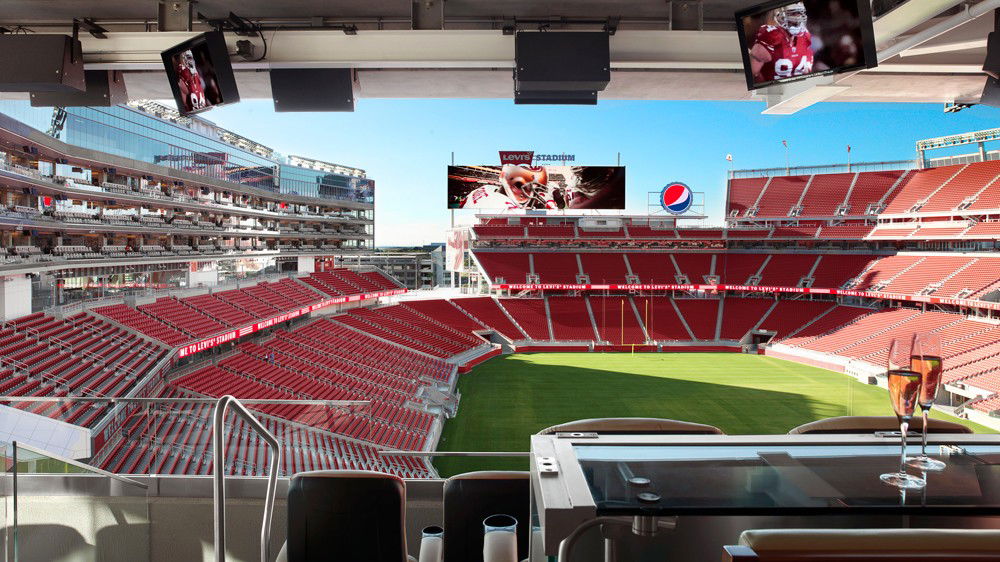
A suite at a Super Bowl is a private room built into the stadium's upper bowl or club level, typically seating a group of guests depending on the venue's configuration. The room is climate-controlled, with floor-to-ceiling glass overlooking the field, a catered food and beverage spread (usually included in the suite rental, though premium liquor and specialty items often run extra), and a private restroom. You watch the game from inside the glass or step out onto a small open-air ledge for the full stadium atmosphere.
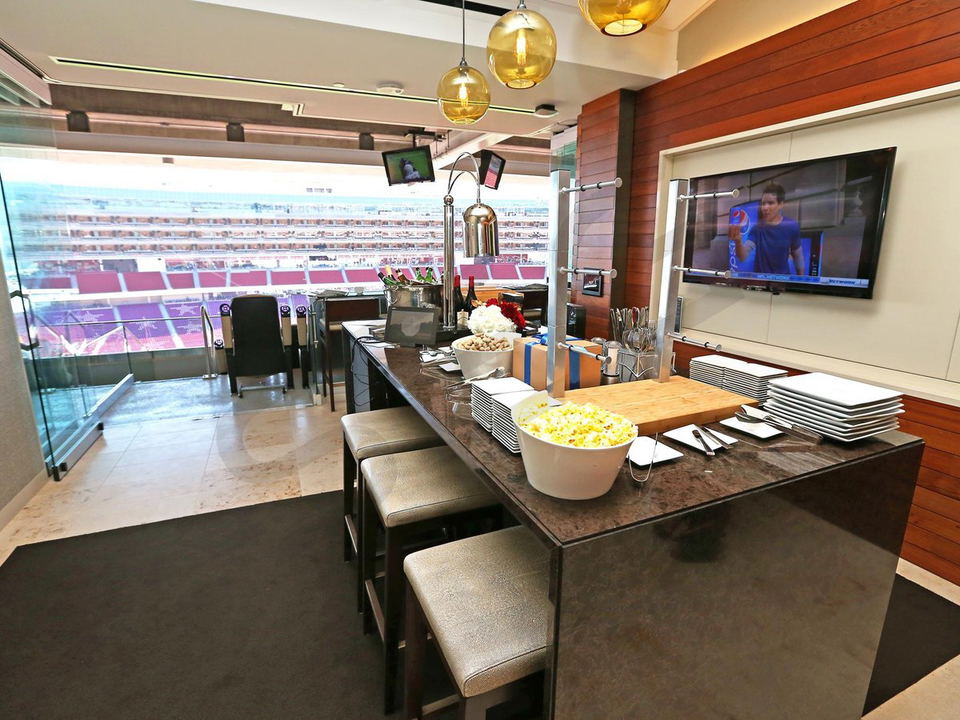
The format is closer to a private event than a sporting ticket. Guests arrive through a dedicated suite entrance, bypass the general concourse, and are met by suite attendants. Halftime is watched from the suite itself, which means you get the show on the in-room screens and through the glass simultaneously.
The crowd inside the suite is almost entirely corporate: clients being entertained, executives with league relationships, and the occasional celebrity guest of a sponsor. You are not sitting next to a lifelong fan who saved up for three years. You are sitting next to someone whose company bought the room as a client entertainment line item.
The game-day experience is genuinely different from a club seat or even a field-level ticket. The noise is muffled inside the glass, which some people find removes the atmosphere entirely. The tradeoff is comfort, privacy, and the ability to have a conversation at normal volume during the game. For a business entertainment context, that tradeoff makes sense. For a pure fan experience, a lower-bowl seat on the 50-yard line will feel more alive.
Why Super Bowl Suite Access Is Effectively a Closed Market
The NFL controls suite allocation at the Super Bowl through the host stadium's existing suite license holders and through the league's own corporate partnership structure. The host team and visiting team each receive a block of suite inventory; the league retains additional suites for sponsors, broadcast partners, and official NFL partners. None of this inventory is listed publicly or sold through Ticketmaster, SeatGeek, or any official NFL channel to individual buyers.
What this means in practice: the only suites that reach the secondary market are those that corporate holders choose to resell, either because their client entertainment needs changed or because the secondary-market price exceeds what they'd otherwise recover. That supply is thin and unpredictable. Demand is not. Every major corporation with a sports entertainment budget, every sports agency, and every high-net-worth individual who wants to host clients at the biggest single-day event in American sports is competing for the same small pool of rooms.
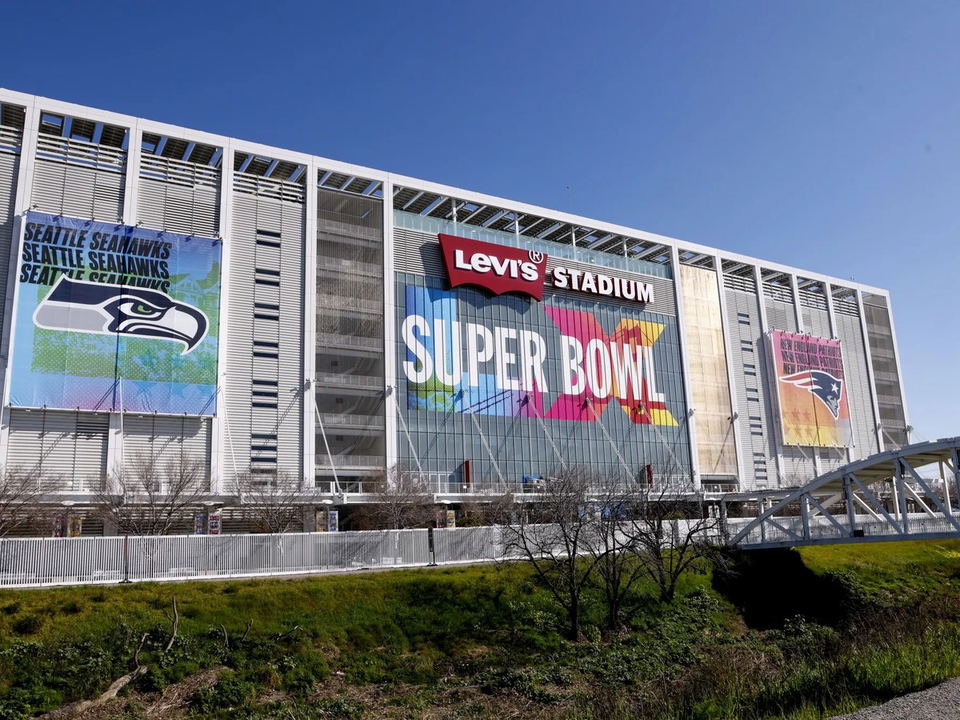
The venue matters too. The Super Bowl LX game in 2026 is scheduled for Levi's Stadium in Santa Clara, California. The stadium's suite inventory is finite and already committed to existing suite license holders for the regular season; the Super Bowl allocation is a separate negotiation between the NFL and the stadium, and the public-facing supply is whatever those holders release. Confirm current availability directly with a licensed broker or the stadium's suite sales office.
When Super Bowl Suite Inventory Actually Surfaces
The release timeline for secondary-market suites is not governed by a single drop window the way a restaurant reservation system works. Inventory surfaces in waves: a first wave when the Super Bowl site is confirmed (typically well over a year out), a second wave in the weeks after the conference championships when the participating teams are known (because corporate holders tied to those teams either activate or release their inventory), and a final wave in the days before the game when holders who haven't filled their rooms cut prices to recover something rather than nothing.
The NFL does not operate a public waitlist. If you are planning around a specific drop time, you are guessing. The practical approach is to engage a broker early and ask to be notified when inventory is listed. The closer you get to game day without a confirmed room, the worse your negotiating position.
The Channels That Actually Work
There are three realistic routes, ranked by reliability:
1. A corporate relationship with an NFL sponsor or team partner. If your company holds an official NFL sponsorship or has a direct relationship with a team's suite license holder, this is the only route that bypasses the secondary market entirely. The suite comes as part of the partnership package. Most readers don't have this, which is why it's listed first and moved past quickly.
2. A licensed secondary-market broker specializing in premium sports hospitality. Companies like On Location (the NFL's official hospitality partner), SuiteHop, and Suite Experience Group list Super Bowl suite inventory. On Location is the most direct channel because the NFL holds a stake in the company and it carries official hospitality rights; their packages bundle the suite with hotel, transportation, and access to official NFL events. Pricing through On Location for Super Bowl LX hospitality packages is not publicly listed; check their site directly...; check their site directly for current inventory and pricing, as packages vary significantly by suite size and inclusions. Secondary brokers outside the official channel can sometimes offer lower prices on equivalent inventory, but vetting the broker's legitimacy matters: confirm they are a member of the National Association of Ticket Brokers and that the suite is transferable under the stadium's policies before paying a deposit.
3. Direct outreach to suite license holders. Levi's Stadium's suite holders are a mix of Silicon Valley corporations and Bay Area businesses. If you have a direct relationship with any of them, an outreach in the fall of 2025 for Super Bowl LX in February 2026 is not unreasonable. This route requires the relationship; it is not a cold-call strategy.
The Money-vs-Time Tradeoff on Super Bowl Suites
The expensive-but-immediate route is On Location or a top-tier broker, engaged early, with a deposit that locks your room. You pay a premium for certainty and for the broker's ability to source inventory you couldn't find yourself.
The patient route is waiting for the post-conference-championship wave, when holders who haven't filled their rooms become motivated sellers. You may find lower prices in that window, but you are also competing with every other buyer who had the same idea, and you risk losing the game entirely if inventory dries up.
For a business entertainment context where you've already committed to clients, the patient route is a false economy. For a personal splurge where flexibility is real, the late wave is worth monitoring.
Who Should Actually Pursue a Super Bowl Suite
The suite format makes sense for three specific situations: corporate client entertainment where the privacy and catering justify the cost as a business expense; a group that wants to watch together without the logistics of coordinating individual tickets across different sections; or a once-in-a-career personal milestone where the experience of the room itself is the point, not just the game.
If you are a solo fan or a couple, a suite is the wrong format. A lower-bowl seat or a club-level ticket delivers more of the actual game atmosphere at a fraction of the cost. The suite is a hospitality product that happens to have a football game attached to it.
Realistic Alternatives If the Suite Budget Isn't There
Super Bowl Access Options: Suite vs. Alternatives at Levi's Stadium
| Option | Typical Cost Range | Booking Difficulty | Best For | How to Book |
|---|---|---|---|---|
| Suite (secondary market) | Six figures; confirm with broker | Very high; limited supply | Corporate groups | On Location or licensed broker |
| Club-level seat (secondary) | Varies; confirm with broker | High; demand-driven pricing | Individuals or small groups | SeatGeek, StubHub, Ticketmaster |
| Lower-bowl seat (secondary) | Varies; confirm with broker | High; prices spike post-conference championships | Fans who want atmosphere | SeatGeek, StubHub, Ticketmaster |
| Official NFL hospitality package (no suite) | Lower than suite; varies by package | Moderate; On Location has public inventory | Groups wanting official events access | On Location directly |
Club-level seats are the closest substitute for the suite experience without the room. You get dedicated concourses, better food options, and a seat that's still premium without the six-figure commitment. Book through SeatGeek or StubHub; prices are demand-driven and will spike after the conference championships.
On Location hospitality packages without a suite include access to official NFL events (the NFL Honors, the Commissioner's Party, the Super Bowl Experience) bundled with game tickets. For a client entertainment context where the game itself is secondary to the overall weekend, this is a more cost-effective package than a suite alone.
A Super Bowl watch party at a premium venue in the host city is a practical alternative for anyone who wants the energy of the event without the stadium price. San Jose and San Francisco will have high-end watch events during Super Bowl LX weekend; these are bookable through the venue directly and deliver a fraction of the cost with a fraction of the friction.
The Bottom Line on Super Bowl Suites
Super Bowl suites are a real product, but they are not a consumer product. They exist inside a corporate hospitality ecosystem, and the only way to access them is to either be part of that ecosystem or pay secondary-market prices to borrow your way in. If the budget is there and the use case is right (a large group, a client entertainment context, or a genuine once-in-a-career personal event), engage On Location or a vetted broker as early as possible, well before the conference championships. The post-championship wave may offer better prices, but it also carries real risk of coming away empty.
If the suite budget isn't there, don't force it. A lower-bowl seat at the Super Bowl is still one of the better live sports experiences available, and it costs a fraction of the room. The suite is worth the chase only when the room itself is the product you're buying, not just the game inside it. For most people, the game is the point, and the game is just as good from the 30-yard line. The decision comes down to whether you're buying a football ticket or a hospitality event that happens to end in a final score.
Frequently Asked Questions
Can you buy a Super Bowl LX suite directly from the NFL or Levi's Stadium?
No. The NFL does not sell suites directly to the public, and Levi's Stadium's suite inventory for Super Bowl LX is allocated through existing license holders and league partnerships. The public-facing route is through On Location (the NFL's official hospitality partner) or a licensed secondary-market broker. Confirm current availability directly with those channels, as the stadium and NFL do not operate a public suite sales portal.
How far in advance should you start looking for a Super Bowl suite at Levi's Stadium?
Starting well ahead of the conference championships is the lower-risk approach. The first wave of secondary-market inventory surfaces when the Super Bowl site is confirmed, typically more than a year before the game. Waiting until after the conference championships (roughly two weeks before the game) may surface motivated sellers, but inventory is thinner and competition is higher. For a corporate entertainment context with committed clients, locking in early avoids the worst of that pressure.
What does a Super Bowl suite package at Levi's Stadium typically include?
Suite packages generally include catered food and beverage, dedicated suite attendants, private restroom access, and entry through a separate suite entrance. Premium liquor and specialty items often run as extras. On Location packages typically bundle hotel, transportation, and access to official NFL events alongside the suite. Confirm exact inclusions with your broker or On Location before signing, as packages vary by suite size and seller.
Is On Location the only legitimate channel for booking a Super Bowl LX suite?
On Location holds official NFL hospitality rights and is the most direct public channel, but it is not the only legitimate one. Licensed secondary-market brokers (members of the National Association of Ticket Brokers) also list suite inventory. Vet any broker before paying a deposit: confirm the suite is transferable under Levi's Stadium's policies and that the broker carries verifiable references for prior Super Bowl transactions.
What is the best alternative to a Super Bowl suite for a group of ten or fewer people?
Club-level seats are the closest substitute: dedicated concourses, better food options, and a premium seat without the suite price tag. For a group that wants the official NFL weekend experience beyond just the game, On Location's non-suite hospitality packages (which include access to official NFL events) are worth comparing against the cost of individual premium tickets. Both are bookable through On Location or major secondary-market platforms like SeatGeek and StubHub.