The Arts Club London is worth pursuing only if you have real creative-industry credentials and at least one current member who knows you well. There is no online waitlist, downloadable application form, or restaurant-style booking link. Full individual membership is £3,200/year, with lower rates for younger applicants; confirm with the membership office. You need a member to propose you, a second member to second the nomination, and a committee willing to approve the fit. All candidates need two existing members to support their application, and the club tries to meet every candidate.1 If those connections exist, start with the proposer. If they do not, look at Soho House, The Groucho Club, or another alternative before you spend political capital on a weak nomination.
Why The Arts Club London Is Hard to Join
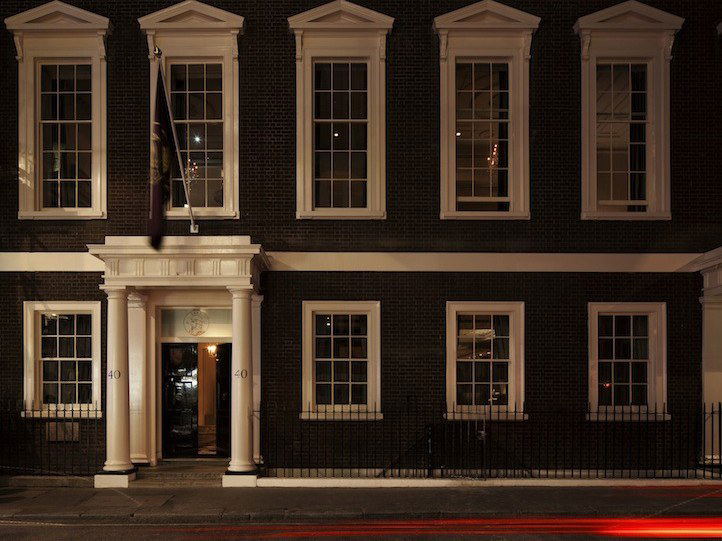
The Arts Club sits on Dover Street in Mayfair, a few minutes from Bond Street, and has operated as a private members' club since 1863. The access problem is simple: the membership base is multigenerational, the club is not large, and the committee prioritizes candidates with real ties to the arts, culture, media, and creative industries. A finance background alone is unlikely to carry a nomination. If your professional life does not connect to that world, The Arts Club will be harder than Soho House and less realistic than Home House.
Demand has grown considerably since the club's renovation and repositioning around 2011 under new ownership, which brought in a younger, more international crowd alongside the legacy membership. That made The Arts Club one of the more socially active private clubs in London, with a restaurant, bar, and events program that draws members regularly. More active use means the club feels full, so the committee is selective about adding to the roll.
Treat any specific figure you read elsewhere as unverified; confirm directly with the membership office.
The Arts Club Membership Cost, Timing, and Application Route
Nominations are reviewed on a rolling basis, but the timeline from nomination to decision can stretch to several months depending on committee schedules and the volume of applications in queue. If you are timing a nomination, start the proposer conversation in early autumn or early spring.
Full membership costs £3,200 per year; the bedrooms are reserved for members and their guests, so they are not a way for non-members to gain access.2 Joining fees and any additional levies are disclosed during the application process, so ask your proposer for a current breakdown before you invest time in the nomination.
There is no publicly documented seasonal window when applications are more likely to succeed, though anecdotally the committee is less active during August and over the Christmas period. The club's events calendar is heaviest from September through November and again from February through June, tracking London's cultural season. During those periods, nominations may be reviewed more promptly, but the club also feels most full to existing members. If you want to experience the club as a guest before applying, ask a member to bring you during July or January, when the atmosphere is more relaxed.
Avoid expecting a membership decision during August or the two weeks around Christmas. The committee is effectively dormant during those windows.
The Access Routes That Actually Work
There are three realistic routes into The Arts Club. Prioritize a member nomination; the other two only help if your profile already fits the club.
A member nomination with genuine relationship depth. This is the route that reliably works. You need a proposer and a seconder who are both current members,1 and ideally a third member willing to add a supporting note. The committee reads these letters carefully. A proposer who barely knows you produces a thin letter; thin letters fail. If you know multiple members, ask the one who can speak most specifically to your creative or professional work.
The membership office direct inquiry. The Arts Club membership team can be reached by emailing Membership@theartsclub.co.uk or calling +44 (0)20 7499 8581.3 The team can sometimes connect serious candidates with members willing to propose them, though this is not guaranteed and depends on capacity and your profile. If you hear nothing within two weeks, a single follow-up is reasonable.
Corporate or institutional membership. The Arts Club offers full membership as well as a young and second membership at a reduced rate,3 and some companies and cultural institutions hold corporate arrangements that allow employees or affiliates access. If you work for a media company, gallery, auction house, or creative agency with a London presence, ask HR or your executive team whether a corporate arrangement exists. This is faster than individual nomination for people whose employers already have a relationship with the club.
There is no card program, including Amex or Visa Infinite, that grants access to The Arts Club. Walk-ins are not possible for non-members except as a guest of a member.
What The Arts Club Is Like Inside
Book a guest visit before you pursue membership, because the room matters less than whether you would use it often. The building on Dover Street is a Georgian townhouse that was extensively redesigned in 2011. The interiors mix original period architecture with contemporary art, and the walls rotate work from members and affiliated artists. It does not feel like a stuffy legacy club; it feels more like a well-funded creative agency that also serves strong food and carries a serious wine list.
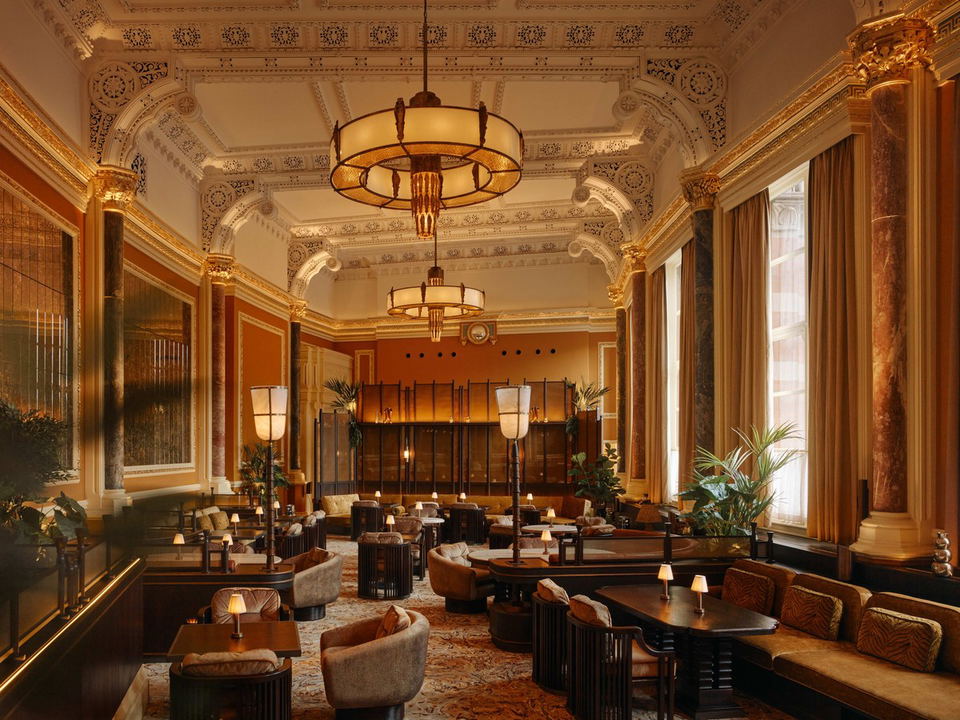
The ground floor bar is the social center. On a weekday evening it fills with people in their thirties and forties from media, fashion, art, and finance, with a visible international contingent, particularly American and Middle Eastern members who use London as a base. The crowd skews younger than Whites or The Garrick, older than Soho House. You may sit next to a creative director, a gallerist, a film producer, and someone whose job title you cannot immediately place. The energy is professional but not stiff.
The restaurant operates across multiple floors and takes the food seriously, not as an afterthought to the membership case. Private dining rooms are available for events. The club also runs a regular program of talks, screenings, and exhibition openings. For many members, that cultural programming is the point, not just the bar.
As a guest, you enter with a member, sign in at the front desk, and are their responsibility for the visit. You cannot wander independently. The guest experience is pleasant but bounded; you see the club through your host's habits, so the first visit is more about getting a feel for the place than getting a full tour.
How to Improve Your Odds
The mistake to avoid is asking a member to propose you before you have spent time at the club as their guest. Go as a guest first, ideally more than once. Attend an event if your host can bring you to one. The committee looks more favorably on candidates who demonstrably know and use the club, not just candidates who want access to it.
Your nomination letter should lead with your creative or professional work, not your social connections. The committee is not primarily interested in who you know; it wants to know what you contribute to the cultural life of the membership. If you have exhibited work, published, produced, directed, or built something in the creative industries, that belongs in the first paragraph.
If you are between proposers, the direct inquiry route to the membership office is worth attempting, but frame your outreach around your professional profile, not your desire to join. The membership team responds better to "here is what I do and why I think I'd be a good fit" than to "I'd love to be a member, can you help me find a proposer."
Do not ask a member you barely know to propose you. A weak nomination from a well-connected member is worse than a strong nomination from a less prominent one. The letter quality matters more than the proposer's name recognition.
The Arts Club vs Other Private Members' Clubs in London
If The Arts Club nomination is not within reach now, pick the club that solves the same problem with a lower barrier. Soho House is the practical first move for a working creative club without a proposer. The Groucho Club may be faster if your network sits in journalism, publishing, or television. 5 Hertford Street is harder, and best treated as invitation-led.
| Club | Nomination Required | Creative Industry Focus | Approximate Wait | How to Start |
|---|---|---|---|---|
| The Arts Club | Yes (proposer + seconder) | Strong | Several months (unpublished) | Direct inquiry or member introduction |
| Soho House (various London sites) | Application-based, no proposer required | Strong | Weeks to months | Apply online |
| Home House | Application-based | Moderate | Weeks | Apply directly |
| The Groucho Club | Yes (proposer required) | Strong (media/arts) | Several months | Member introduction |
| 5 Hertford Street | Yes (strict vetting) | Moderate | Long; effectively invitation-only | Member introduction only |
Realistic Alternatives If Membership Is Not Imminent
Soho House. The application process requires no proposer, the creative industry focus is comparable, and multiple London houses give you genuine variety. Annual fees are published and the application is online. For someone who wants a working creative members' club without the nomination barrier, Soho House is the practical first move.
The Groucho Club. Soho-based, media and arts-heavy, and requires a proposer but has a reputation for being somewhat more accessible than The Arts Club for candidates with strong journalism, publishing, or television backgrounds. If your network skews toward those industries, The Groucho may be the faster nomination.
Home House. Marylebone townhouse, application-based without a proposer requirement, and the food and events program is solid. Less creatively focused than The Arts Club but a reasonable substitute for the physical experience of a well-run London members' club.
Cultural institution membership. If what you actually want is access to London's arts programming rather than a club bar, membership at the Royal Academy, the ICA, or the Serpentine Gallery gives you event access, private views, and a social scene that overlaps significantly with The Arts Club's membership base, at a fraction of the cost.
Verdict: Should You Pursue The Arts Club?
The Arts Club is worth pursuing if you work in the creative industries and spend real time in London. The food is taken seriously, the events program is active, and the crowd is interesting without being intimidating. The right route is narrow: a member who knows your work well enough to write a letter that means something.

It is a poor fit for people who primarily want a restaurant reservation or a bar to impress guests. The membership case is the programming and the community, not the room itself. If you want a great Mayfair dinner without membership, book Scott's or Gymkhana instead.
The club suits people in their thirties and forties who are mid-career in creative fields and want a professional social infrastructure in London. It is less suited to people who want the most exclusive address possible; for that, 5 Hertford Street is the benchmark, and the access bar there is considerably higher.
If you do not have that connection yet, do not manufacture a weak nomination. Go as a guest first, build the relationship, and apply when you have a proposer who can make a genuine case. A failed or thin nomination is harder to recover from than a delayed one.
For everyone else, Soho House solves most of the same problems with a lower barrier and published fees. The Arts Club is the better club; Soho House is the more accessible one. Which matters more depends on how much the nomination process is actually within reach for you right now.
The membership office is the right first call if you are serious and have no proposer yet; current fees and timing will come from them directly, not from any third-party source. That conversation is where the real process begins.
Frequently Asked Questions
Can you visit The Arts Club without being a member?
Yes, but only as a guest of a current member. Non-members cannot walk in independently. Your host signs you in at the front desk and is responsible for you during the visit. There is no day-pass or guest membership option.
How long does The Arts Club membership application take?
In practice, the process from nomination to decision typically takes several months, depending on committee schedules and application volume. Contact the membership office directly for a current estimate.
Does The Arts Club on Dover Street require a proposer, or can you apply directly?
A formal nomination requires a proposer and a seconder who are both current members. However, the membership office does accept direct inquiries from prospective members who do not yet have a proposer, and can sometimes facilitate introductions. Contact the club through its official website to explore this route.
What does The Arts Club membership cost in 2026?
Full membership is reported at £3,200 per year, with young and second membership available at a reduced rate. These figures are drawn from third-party reporting. Confirm the current full breakdown directly with the membership office before proceeding with a nomination.
Is The Arts Club on Dover Street connected to other Arts Clubs internationally?
The Arts Club on Dover Street in Mayfair is the original London club, founded in 1863. There are other clubs using similar names in other cities, but they are separate entities with no shared membership. Membership at one does not grant access to the other.