El Califa de León, the Mexico City taquería recognized as the first Michelin-starred taquería in the world, is opening its first U.S. location, and this belongs on your short list if Mexican food at any level of seriousness is on your radar.
It is a decades-old street-food counter that convinced Michelin inspectors, for the first time in the guide's history, that a taco stand deserved a star. That distinction is singular and unrepeatable, and the U.S. debut puts it within reach of American diners who have never had reason to route a trip through Mexico City.
Why El Califa de León Earned Its Michelin Star
The taquería's reputation rests significantly on the gaonera, a beef cut that the kitchen has made its signature. The gaonera is not a cut you encounter at most Mexican restaurants outside of Mexico City, which is part of what makes the original location a destination rather than a convenience. Michelin inspectors, when they awarded the star, were recognizing exactly this kind of focused mastery, the idea that doing one or two things with absolute precision over decades is as worthy of the guide's highest attention as a 20-course progression through a modernist kitchen.
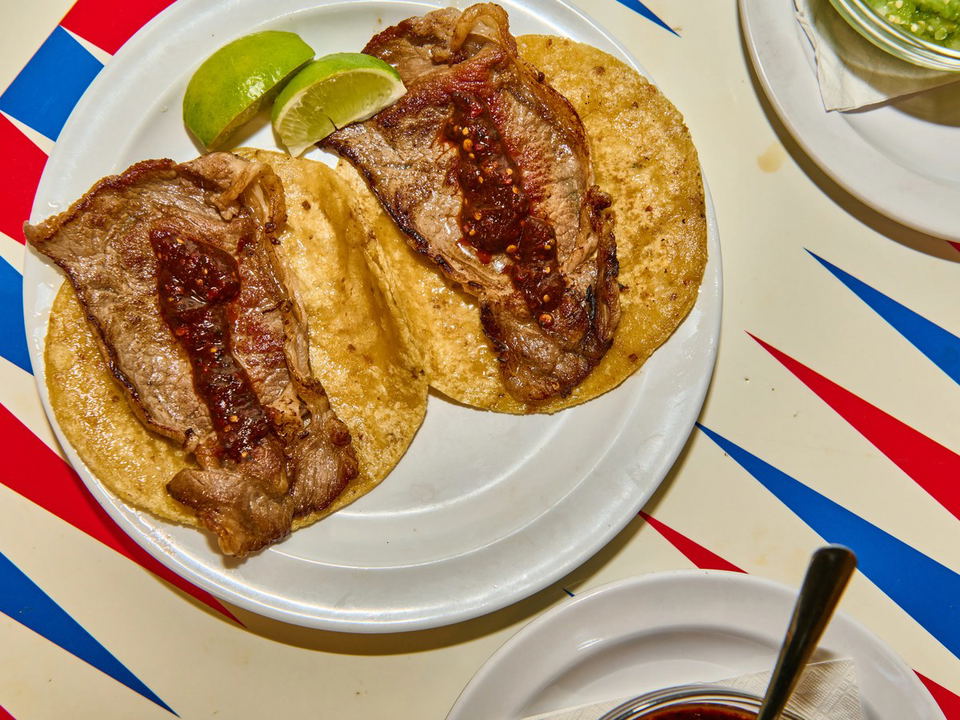
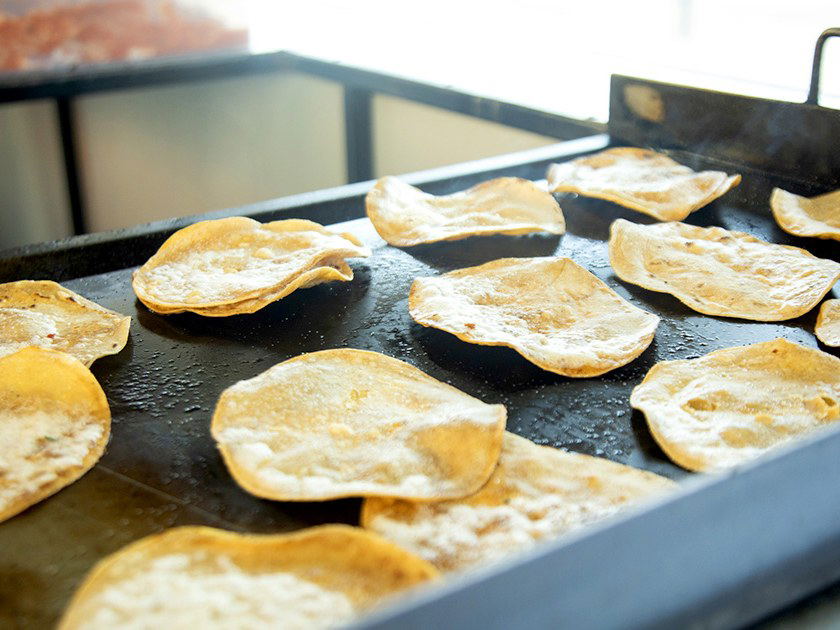
That framing matters for how you should think about visiting the U.S. location. This is not a restaurant where you arrive expecting breadth. The experience is built around restraint, and the quality is in the details of execution: the sourcing of the beef, the temperature of the tortilla, the ratio of filling to wrapper. Diners who show up expecting a sprawling menu will miss the point entirely.
El Califa de León U.S. Debut: What the New Location Means for Mexican Street Food
The El Califa de León U.S. opening is, practically speaking, a chance to eat at the world's first Michelin-starred taquería without a flight to Mexico City. But the significance runs deeper than access. For years, the conversation about Mexican cuisine on the global fine-dining stage has been complicated by a persistent hierarchy, one that placed European tasting-menu formats at the top and treated street food traditions, regardless of their technical depth or cultural weight, as categorically ineligible for the highest recognition.
El Califa de León's 2024 Michelin star was widely described as a landmark moment for Mexican culinary heritage precisely because it punctured that hierarchy. A taco counter, operating as it always had, with no concessions to fine-dining convention, received the same recognition as restaurants charging hundreds of dollars per head. The U.S. opening extends that validation into a new market and introduces the taquería's approach to a dining public that has largely encountered Mexican food through either fast-casual chains or upscale restaurants that translate the cuisine into formats more familiar to Michelin's traditional audience.
What to Order and What to Expect When You Visit
The menu at El Califa de León is intentionally short. At the Mexico City original, the taquería is known for a tight selection of classic preparations anchored by the gaonera beef cut. Visitors should arrive with that simplicity in mind. This is a counter experience, not a sit-down restaurant, and the format at the U.S. location is expected to reflect the original's no-frills approach.
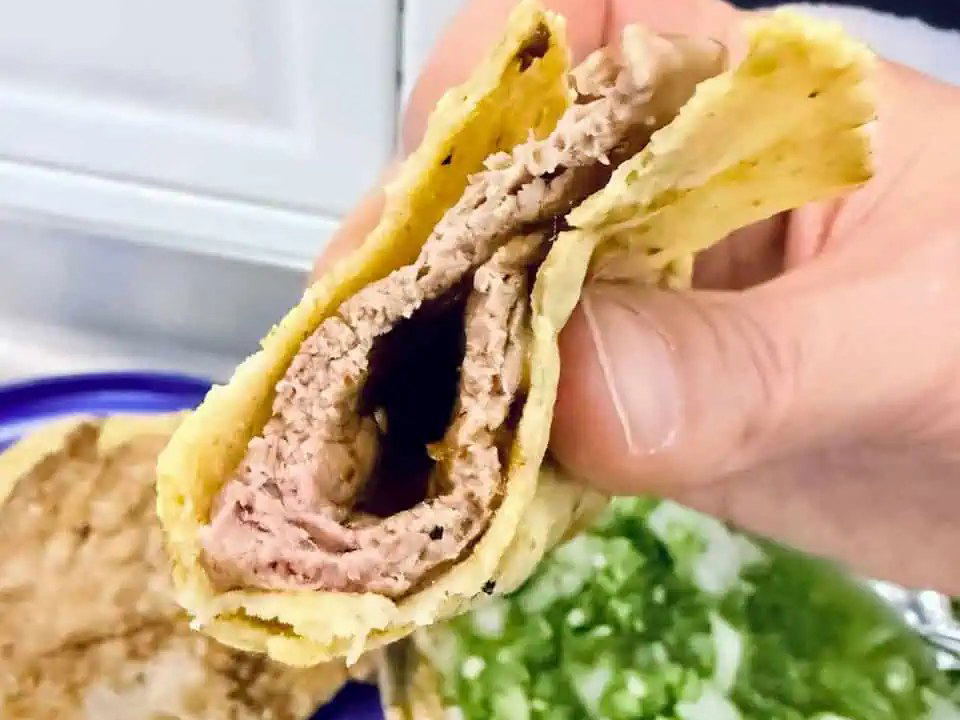
Order the gaonera. It is the cut that built the taquería's reputation and the one most directly connected to the Michelin recognition. Beyond that, the advice is to resist the instinct to over-order or to treat the visit as a tasting exercise across every item on the menu. The kitchen's strength is in repetition and precision, and a focused order of two or three tacos will tell you more about what makes the place significant than a sweep of everything available.
Expect a counter, not a dining room. The original Mexico City location is a small, no-frills operation, and the U.S. outpost is unlikely to depart dramatically from that format. This is not a venue where you book a table weeks in advance through a reservations platform and arrive for a two-hour meal. It is a place where you show up, order at the counter, and eat. The scarcity is not in the reservation, it is in the fact that a Michelin-starred institution of this specific historical significance now exists outside of Mexico for the first time.
The Mexico City original operates as a street-food counter, which suggests the U.S. location will be priced accordingly: well below what you would pay at a starred tasting-menu restaurant, and likely comparable to other quality taco counters in the city. That price-to-credential ratio is part of what makes the opening interesting. You are not paying a premium for the star. You are paying street-food prices for a place that happens to have one.
Why This Moment Matters for Mexican Cuisine on the Global Stage
For Mexican cuisine specifically, the star arrived at a moment when the country's food traditions were already receiving serious international attention. El Califa de León does none of the things the fine-dining world typically requires for recognition: no tasting menus, no wine pairings, no reservation systems. Its star suggests that the recognition was always available to street food traditions. The guide simply had not looked closely enough before.
The U.S. opening carries that argument into a new context. American diners who have followed the Michelin Guide primarily through its New York, Chicago, and Los Angeles editions, editions dominated by European-influenced fine dining and Japanese omakase counters, will now have a Michelin-starred taquería in their own city. Whether the U.S. location receives its own Michelin recognition is a separate question, but the original star travels with the name, and that credential will shape how the opening is received and reviewed.
For anyone tracking where the fine-dining conversation is heading, El Califa de León's U.S. debut is worth watching closely. The taquería is not adapting to American expectations. It is arriving as it is, with a menu built around a single beef cut and a format that has never needed a dining room to justify itself. How New York receives that on its own terms will say as much about the city's food culture as it does about the taquería's place in it.