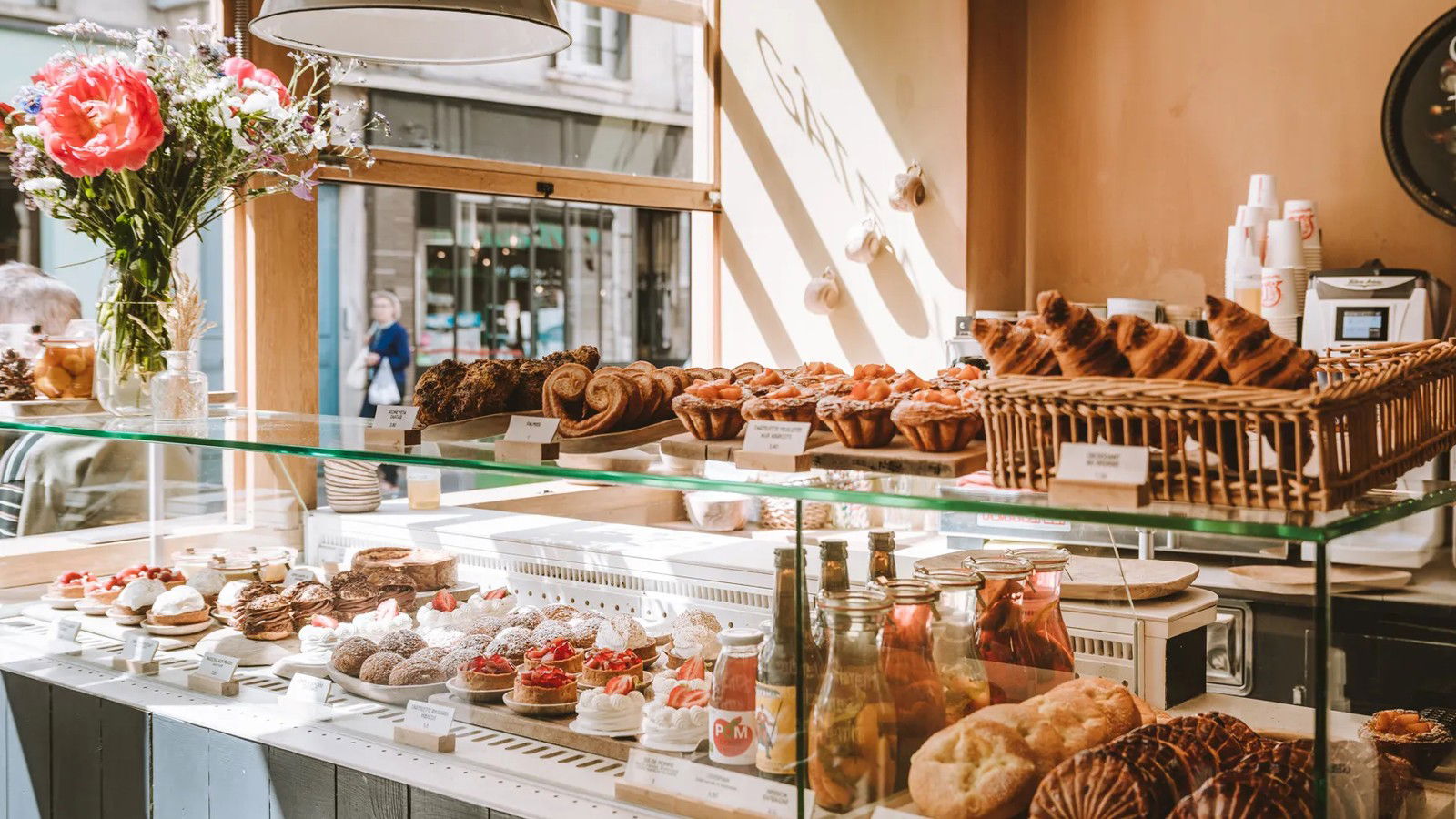
Food & Wine's annual Global Tastemakers Awards has named Paris the world's best pastry city, and the citation is direct: endless innovation keeps Paris ahead of every other city in the world. Not heritage. Not reputation. Innovation. If you are building a food-focused trip and weighing Paris against Tokyo, Copenhagen, or New York, this is the clearest external verdict available, and it points one way.
Paris Wins Food & Wine Global Tastemakers Awards Best Pastry City
The Food & Wine Global Tastemakers Awards is an annual honour that identifies the cities, chefs, and culinary movements shaping how the world eats at the highest level. Being named the world's best pastry city in that context is not a lifetime achievement nod. It is a current-state verdict, a declaration that Paris is producing pastry at a level no other city is matching right now.
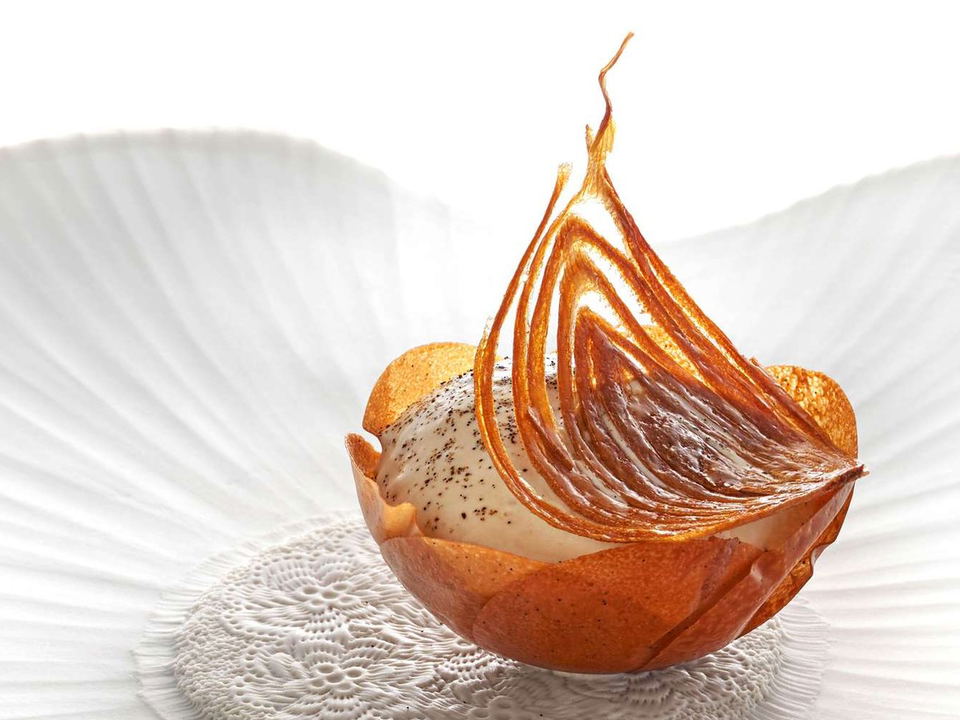
That distinction matters for how you read the award. A lot of cities carry historical prestige in food. Paris carries historical prestige and is still winning open competition. The Global Tastemakers Awards, published by one of the most closely followed food publications in the United States, carries genuine weight with the chefs, restaurateurs, and culinary travelers who use it as a planning signal. When it points to Paris as the world's best pastry city, it is an editorial judgment based on what is happening in Parisian pastry right now.
For the reader deciding whether to build a trip around pastry, or whether to prioritize Paris over other European cities with serious pastry credentials, this award is the clearest external signal available. Food & Wine's Global Tastemakers Awards named Paris the world's best pastry city for a reason the publication states plainly: the city keeps innovating, and no competitor has closed the gap.
Peer Set Snapshot
| City | Food & Wine Global Tastemakers Ranking | Pastry Strength | Innovation Level | Classical French Training Presence |
|---|---|---|---|---|
| Paris | Best Pastry City (winner) | Highest, birthplace of croissant, éclair, macaron, mille-feuille | Highest, continuous reinvention of classical technique | Deep, professional kitchens and pastry schools teach rigorous classical canon |
| Tokyo | Not ranked above Paris | Very high, meticulous technical precision | High, French classical training applied with Japanese exactitude | Strong, Japanese pâtissiers widely trained in French classical methods |
| Copenhagen | Not ranked above Paris | High, among Europe's most discussed baked goods of the past decade | Moderate to high, Nordic-influenced innovation | Present but less central than in Paris or Tokyo |
| New York | Not ranked above Paris | High, draws from every global pastry tradition | High, eclectic, multicultural influences | Present across many professional kitchens |
The Innovation Engine Behind Paris's Pastry Dominance
The word Food & Wine uses is innovation, and that is the more interesting and more useful claim for anyone trying to understand why Paris holds this position in 2026 rather than simply having held it for two centuries.
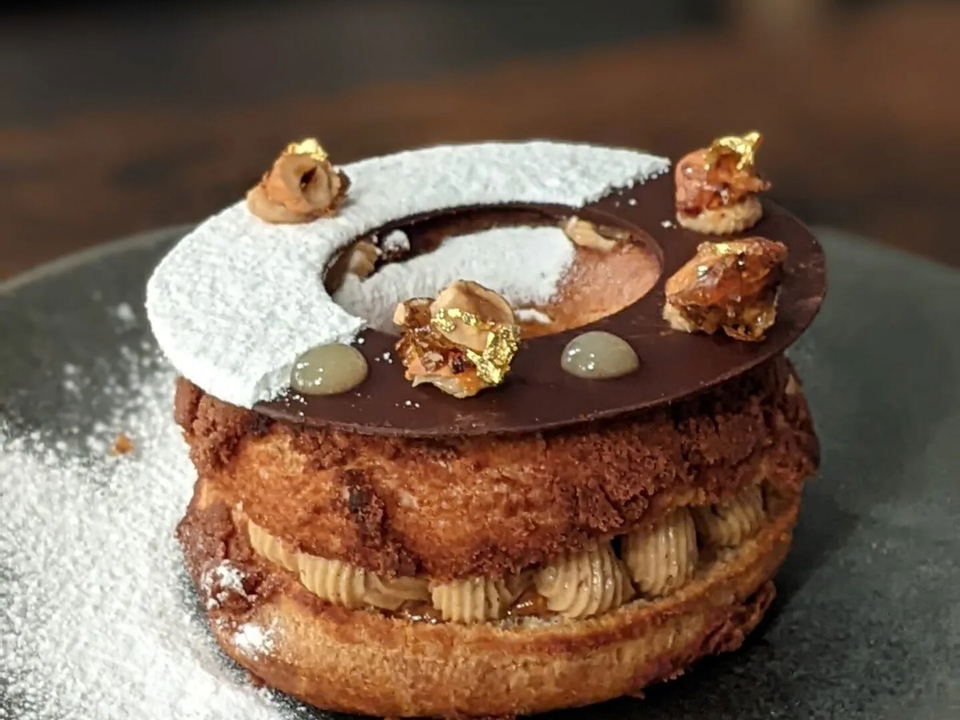
Classical French pastry technique is the foundation. The city gave the world the croissant in its modern laminated form, the Paris-Brest, the mille-feuille, the éclair, and the macaron as a refined confection rather than a rustic biscuit. That canon is real, and it is taught with rigorous precision in Paris's professional kitchens and pastry schools. But a city that rested on that canon alone would be a museum, not a competition winner. The reason Paris is still the world's best pastry city, according to Food & Wine, is that its pastry culture treats classical technique as a starting point rather than a ceiling.
What that looks like in practice is a city where the conversation about pastry is alive and moving. New formats emerge. Flavor combinations that would have been considered aberrant a generation ago are now being refined and celebrated. The boundary between pastry and savory cooking, between the pâtisserie counter and the restaurant kitchen, has become productively blurred. Chefs who trained in classical French technique are applying it to ingredients and influences from outside the French canon, and the results are being taken seriously rather than dismissed as fusion novelty.
This cycle of reinvention is what separates Paris from cities that have strong pastry cultures but more static ones. Tokyo has a pastry scene of deep technical precision, with Japanese pâtissiers who have absorbed French classical training and applied it with meticulous care.
Copenhagen has produced some of the most discussed baked goods in Europe over the past decade. New York has pastry talent that draws from every tradition in the world. None of those cities, according to Food & Wine's judgment, is doing what Paris is doing at the level Paris is doing it. The gap is not in skill.
It is in the density and velocity of innovation, the sheer number of kitchens pushing the craft forward simultaneously, in a city where pastry is taken as seriously as any other form of cooking.
Paris also benefits from an infrastructure that no other city has replicated. The concentration of suppliers, specialist ingredient producers, equipment makers, and training institutions in and around the city means that a pastry chef in Paris has access to resources that a chef in almost any other city would have to work significantly harder to obtain.
That infrastructure accelerates experimentation. When the raw materials and the technical support are immediately available, the barrier to trying something new is lower, and the pace of development is faster. That supply-chain depth is a structural moat, and it is one reason the innovation Food & Wine cites is self-reinforcing rather than cyclical.
What This Award Means for Pastry Lovers and Culinary Travelers
If you are a culinary traveler and Paris is already on your shortlist, this award confirms the priority. If Paris has been sitting lower on your list because you assumed the city's pastry reputation was more historical than current, Food & Wine's Global Tastemakers verdict is a direct argument for moving it up.
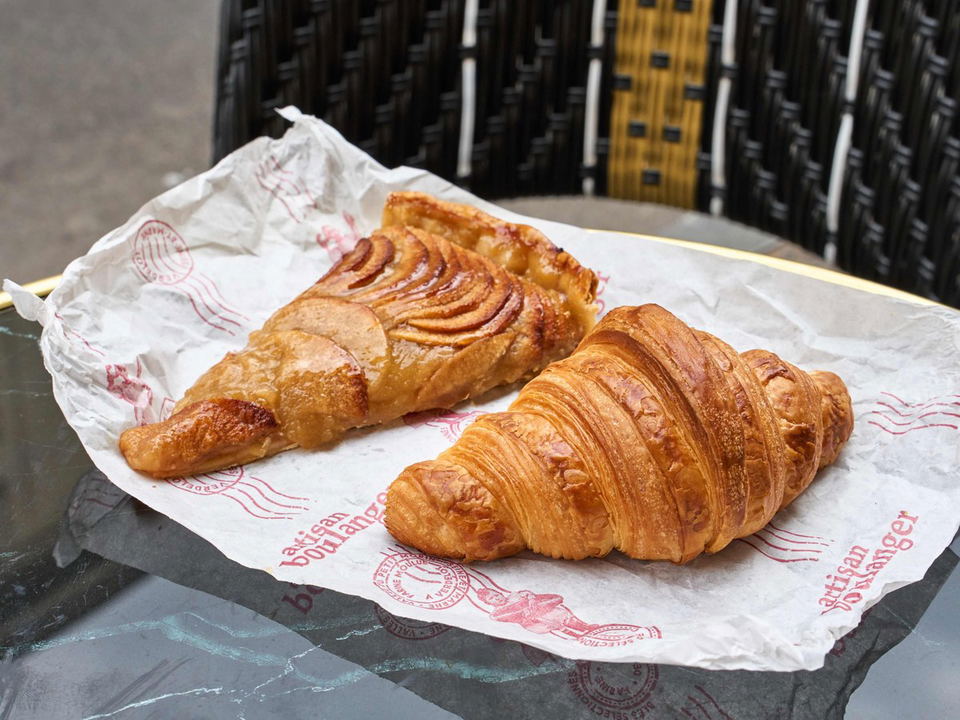
The practical implication is this: a trip built around pastry in Paris in 2026 is not a trip to see where great pastry once happened. It is a trip to see where great pastry is happening now, at its most competitive and most inventive. That is a different kind of visit, and a more rewarding one for anyone who follows the craft seriously.
For the traveler who wants to experience Paris as the world's best pastry city rather than simply as a beautiful city with good croissants, approach matters. The innovation that Food & Wine cites as Paris's defining advantage tends to surface in smaller, newer, or less-publicized kitchens where chefs are working without the weight of an established brand to protect. That does not mean the grandes maisons are irrelevant, the technical standard at the top of the Parisian pastry establishment remains a reference point for the entire industry, but the cutting edge is often found by looking slightly off the main circuit.
Paris as the world's best pastry city also shapes how you structure the rest of a food-focused trip. Pastry in Paris is woven into the rhythm of the day in a way that is different from other cities. The morning croissant, the mid-afternoon tart, the post-dinner chocolate, these are the actual texture of how Parisians eat, and experiencing them in sequence over several days gives a traveler a more complete picture of why the city holds this position than any single destination visit could.
For enthusiasts who follow pastry as a craft rather than purely as a travel category, the Food & Wine Global Tastemakers Award for Paris is also a signal about where the most interesting developments in the field are being documented and discussed. The award does not just confirm Paris's current position, it focuses attention on the city in a way that tends to accelerate the visibility of what is happening there. New names will surface. Collaborations will be noted. If you track the craft seriously, follow the pastry chefs working in Paris in 2026.
Paris Against the Field: How the Competition Stands
Naming Paris the world's best pastry city implies a field of competitors, and understanding who those competitors are makes the award more meaningful. The cities most often cited alongside Paris in serious discussions of global pastry are Tokyo, Copenhagen, New York, Vienna, and, increasingly, cities in South Korea and Taiwan where pastry culture has developed with considerable speed and seriousness over the past decade.
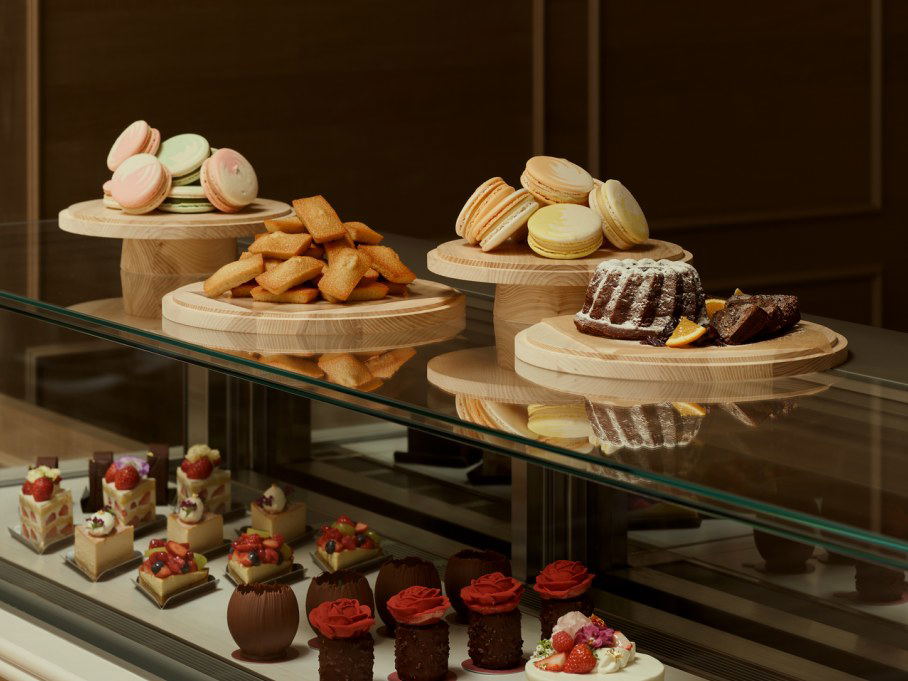
Tokyo's claim rests on technical mastery and an almost philosophical commitment to precision. Japanese pâtissiers have taken French classical training and refined it to a degree that many observers consider unmatched in terms of consistency and execution. What Tokyo does not have, at least not yet, is the same density of innovation across the full spectrum of pastry, from the viennoiserie counter to the plated dessert to the chocolate atelier. Paris covers that full spectrum at the highest level simultaneously. For a traveler choosing between the two cities on pastry alone, Tokyo delivers precision; Paris delivers range and velocity.
Copenhagen's influence on European baking over the past fifteen years has been substantial, driven largely by the broader New Nordic movement and a willingness to use fermentation, foraged ingredients, and long-process techniques in ways that changed how bakers across the continent thought about their craft. But Copenhagen's pastry scene, for all its influence, operates at a smaller scale and with a narrower range than Paris. The influence has flowed outward from Copenhagen to Paris, not the other way around, which is itself a signal of where the center of gravity sits.
New York has the talent and the diversity of influence, but it lacks the cultural infrastructure that makes Paris's innovation cycle so productive. In New York, pastry is often in conversation with the broader restaurant industry rather than existing as its own self-sustaining ecosystem. In Paris, pastry is its own world, with its own stars, its own critical discourse, and its own economic logic. That autonomy is part of what allows the innovation Food & Wine identifies to happen at the pace and depth it does.
Why Paris Stays on Top: The Structural Advantage
The deeper reason Paris remains the world's best pastry city is not any single chef, any single technique, or any single moment of invention. It is a structural advantage built over generations and continuously renewed. The city has a critical mass of serious pastry professionals, a public that takes pastry seriously enough to reward quality and punish mediocrity, a supply chain built to support the craft at the highest level, and a cultural context in which pastry is considered a legitimate and prestigious form of creative work.
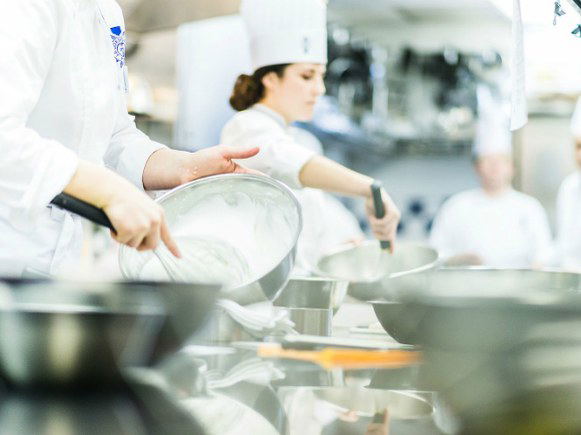
That last point is worth holding onto. In most cities, pastry is a supporting act, something that follows the main event of a meal or fills a gap in the morning. In Paris, pastry is the main event for a significant portion of the city's culinary culture. That status attracts serious talent, sustains serious investment, and generates the kind of competitive pressure that drives the endless innovation Food & Wine identifies as the reason Paris holds its position.
The Food & Wine Global Tastemakers Award confirms what the city's own output has been signaling for years: Paris is not coasting on its history. It is earning its place at the top of the global pastry conversation every season, and the gap between Paris and its nearest competitors remains wide enough that no other city is close to taking the title. For culinary travelers, that is the only verdict that matters, and it points directly to Paris.
Frequently Asked Questions
Why did Food & Wine name Paris the best pastry city in the world?
Food & Wine cited innovation as the defining reason, not heritage or historical reputation. The publication's Global Tastemakers Awards is a current-state verdict, meaning Paris is actively outpacing competitors like Tokyo, Copenhagen, and New York in what its pastry scene is producing right now.
Is Paris still the best pastry city compared to Tokyo or Copenhagen?
According to Food & Wine's Global Tastemakers Awards, yes, Paris holds the lead over Tokyo, Copenhagen, and New York. The gap is not in technical skill but in the density and pace of innovation happening across the city's pastry culture.
What makes Paris's pastry scene innovative rather than just traditional?
Parisian pastry chefs treat classical French technique as a starting point rather than a ceiling, applying it to ingredients and influences from outside the French canon. The boundary between pâtisserie and restaurant cooking has also blurred productively, generating new formats and flavor combinations that are taken seriously rather than dismissed as novelty.
How reliable is the Food & Wine Global Tastemakers Awards as a guide for planning a pastry-focused trip to Paris?
The Global Tastemakers Awards is published by one of the most widely followed food publications in the United States and carries genuine weight with chefs, restaurateurs, and culinary travelers. It is an editorial judgment based on current activity, making it one of the clearest external signals available for trip planning.