You almost certainly cannot get a table at Rao's. Not through a concierge, not through a hotel relationship, and not by showing up at the door on East 114th Street. The Southern Italian restaurant in East Harlem operates on a system that has not changed in decades: most seats are effectively controlled by regulars who book on a recurring basis, often for the same night every week or every month, year after year, while a small number of seats may occasionally open through the restaurant's own network or a rare bar-first path. The restaurant has only 10 tables and one seating per night; the tables are held like a condominium.1 There is no public reservation system and no waitlist you can join online. For most readers, the realistic path is through a personal connection to someone who already holds a table, and even then, it depends entirely on whether that person is willing to share their night.
Why Rao's Tables Are Not Available to the Public
Rao's has been operating on East 114th Street for well over a century. The dining room holds six booths and four large tables, for 10 tables total.2 That physical constraint, combined with a culture of regularity the restaurant has cultivated across generations, means the effective capacity available to first-time visitors is close to zero on any given night.
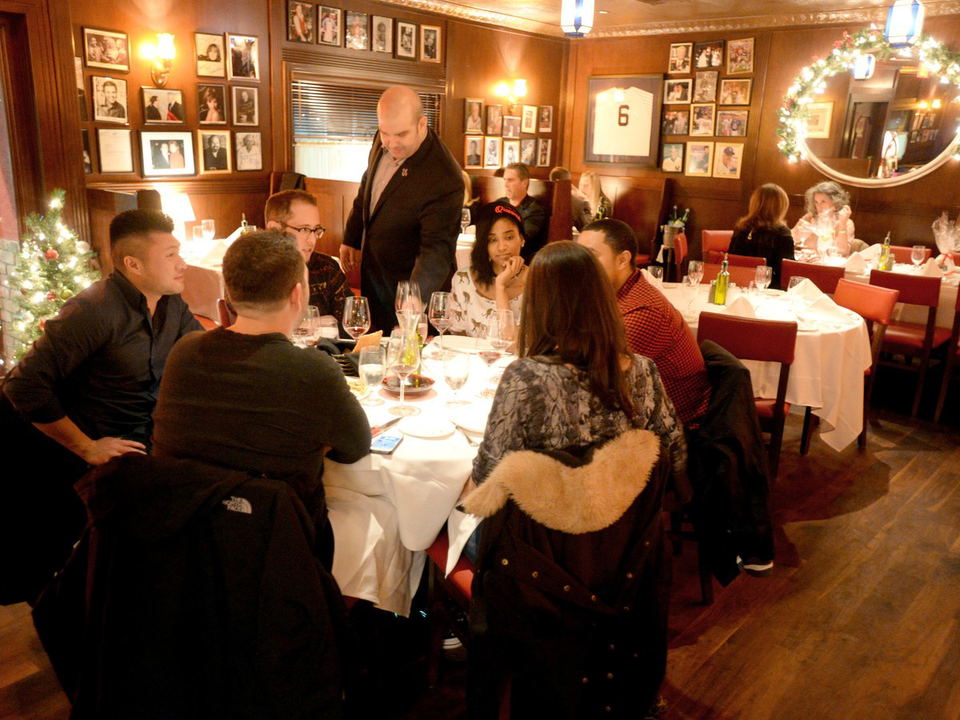
The table-ownership model works like this: regulars hold their tables as a kind of informal standing reservation. They decide who sits at their table on their night. The restaurant does not reassign those tables to walk-ins or to people who call ahead. Table assignments are made in weekly, monthly, or annual increments; access requires knowing someone already inside the system to get past the door.3 It is not a quirk or an oversight; it is the operating philosophy.
The result is a room where the crowd on any given Tuesday looks almost identical to the crowd the Tuesday before. The regulars are the reservation system. Outsiders enter only when a regular invites them, and that invitation is entirely at the regular's discretion.
This is categorically different from a restaurant that is merely hard to book. At Nobu Fifty Seven or Le Bernardin, persistence and timing improve your odds. At Rao's, persistence does not help because there is no queue to be persistent in. The bottleneck is social, not logistical.
The Only Channels That Actually Work
Rao's does not operate on any public booking platform, no Resy page, no OpenTable listing, no Tock drop, no SevenRooms waitlist. Any third-party site claiming to offer Rao's reservations should be treated with skepticism.
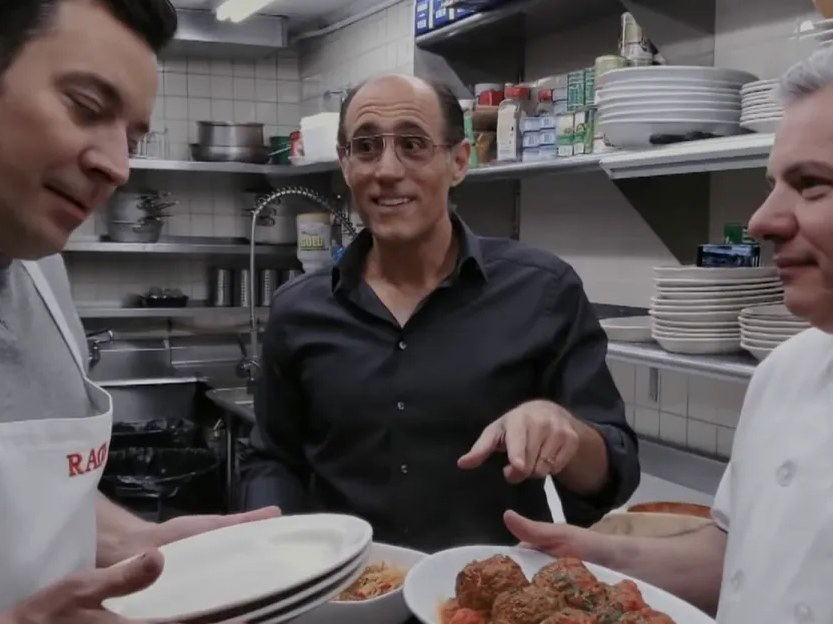
The channels that have historically produced access, in rough order of reliability:
A personal connection to a table holder. This is the primary route. If you know someone who holds a table and they are willing to bring you as their guest on their night, you are in. The relationship has to exist before you need the table. Cultivating it specifically to get a reservation is transparent and rarely works.
Industry and professional networks. Entertainment lawyers, talent agents, senior executives at major media companies, and certain political figures in New York have historically been among the table holders. If your professional world overlaps with those circles, the connection may already exist closer than you think.
Charity auctions. Occasionally, a table at Rao's appears at a charity auction in New York. These are rare, and winning bids reflect the scarcity. This is the closest thing to a public market for a Rao's seat. If this route interests you, tracking major New York charity galas, particularly those with food and hospitality connections, is worth the effort.
Calling the restaurant directly. The restaurant does take calls. The number is publicly listed. Calling politely and asking whether any tables have opened is not unreasonable, and occasionally a cancellation does exist. Do not expect this to work, but it costs nothing to ask. The reservation book is closed to new standing reservations, but the restaurant still answers calls and can rarely fill a last-minute cancellation.4 Confirm directly with the venue.
When, If Ever, Openings Appear
There is no known drop time, no advance booking window, and no published policy on how cancellations are handled. If a table becomes available on short notice, it is typically filled through the restaurant's own network before it reaches anyone calling cold.
Seasonally, the odds of a cancellation-based opening are marginally better in August, when some regulars leave the city, and around major holidays when travel disrupts standing patterns. This reflects how New York dining generally behaves in those windows, not a stated Rao's policy. Do not plan a trip around it.
What insiders actually do differently: The regulars who hold tables did not acquire them by trying to book a reservation. They became regulars over years, often starting with a connection to someone already inside the system. The compounding behavior is relationship maintenance, not reservation hunting. If you have a genuine reason to be in that world, you live in East Harlem, you work in an adjacent industry, you have a mutual friend who is already a regular, show up to that relationship authentically. The table, if it ever comes, comes as a byproduct.
How to Improve Your Odds Without a Connection
The strategy section for Rao's is shorter than most. There is no cancellation-alert app that covers this restaurant, and no card program (Amex Centurion, Chase Sapphire Reserve, Visa Infinite) with a known relationship to Rao's table access. If any of those programs claim otherwise, verify directly with the restaurant before acting on it.
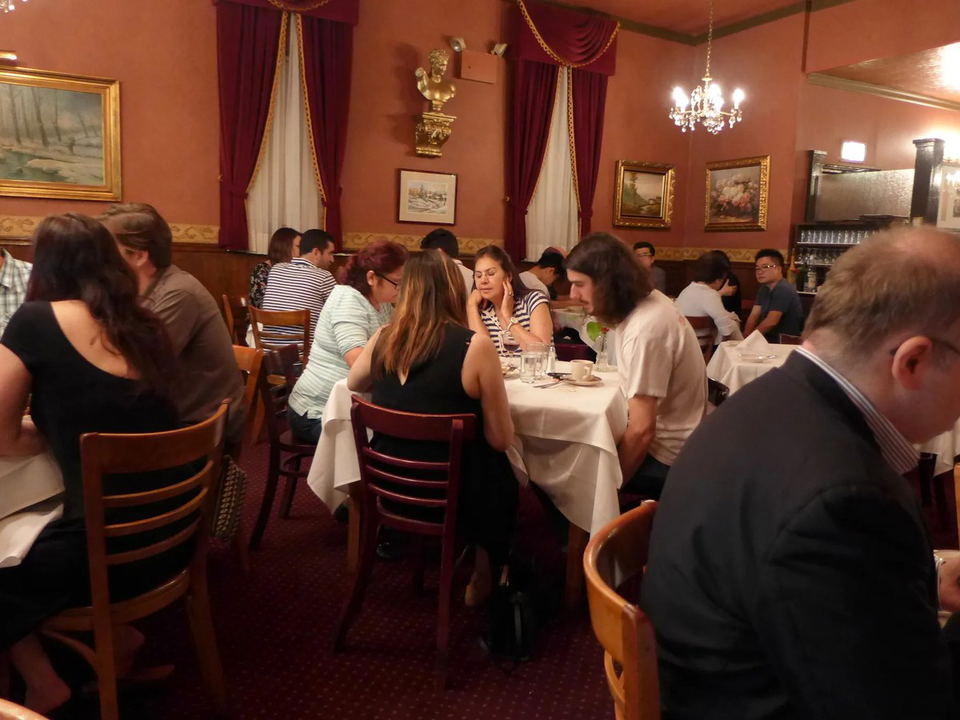
What you can do: call the restaurant directly, be polite, explain that you are visiting New York and would welcome any opening, and leave your contact information. Do this once. Calling repeatedly will not help and may close the door. If you have a connection, even a second-degree one, ask that person directly whether they would be willing to bring you as a guest. Be specific about the occasion. People are more likely to share their table for a birthday or an anniversary than for a general Tuesday dinner.
Charity auction tracking is the one route that does not require a pre-existing relationship. Set a Google Alert for "Rao's" combined with "auction" or "benefit" and check it periodically. When a table appears, bid seriously if you want it.
Beyond that, redirect your energy toward the alternatives below and accept that Rao's is, for most people, a story rather than a reservation.
Ten Tables, No Menu, No Strangers: What Dinner at Rao's Is Actually Like
The room is small and unchanged: red-checked tablecloths, Christmas lights that stay up year-round, a jukebox, photographs covering the walls. There are only 10 tables total.5 The kitchen produces Southern Italian-American cooking, meatballs, lemon chicken, baked clams, pasta with red sauce, that is not trying to be modern or refined. The food is generous, the portions are large, and the cooking is consistent in the way that only a kitchen making the same dishes for decades can be.
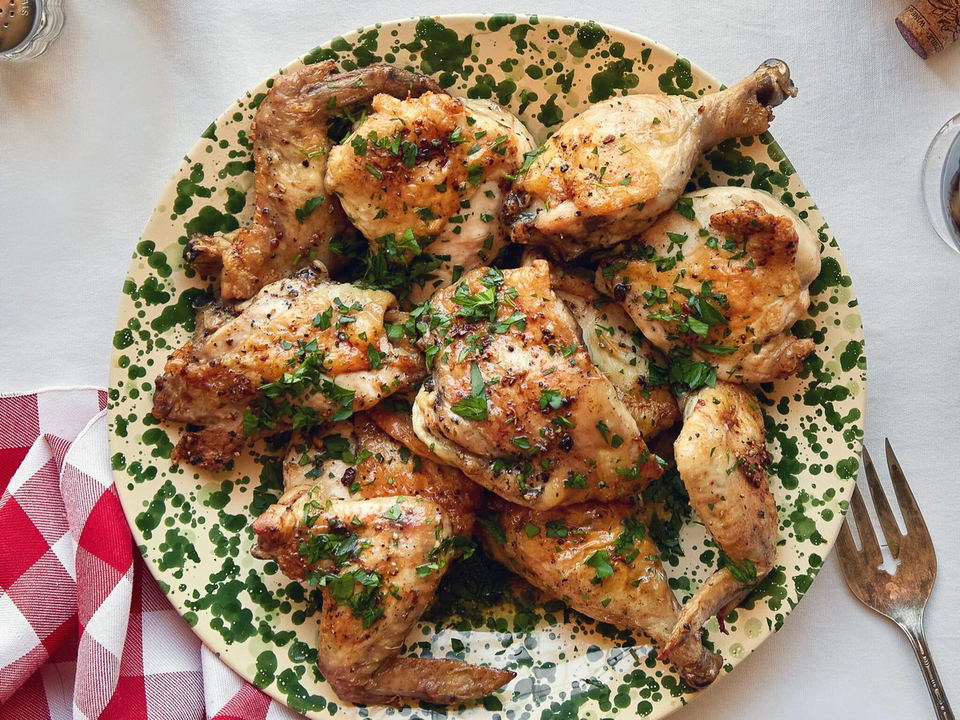
The dining room operates without a printed menu in the conventional sense.6 Regulars know what they want. First-timers are guided by whoever brought them. The meatballs are the dish most associated with the restaurant's reputation and are available as a packaged product in grocery stores, which tells you something about the gap between the food itself and the experience of being in the room.
The experience is social, not gastronomic. The room is loud. Tables talk to each other. The owners are present. The evening runs long. The restaurant opens at 7 p.m.5 and is open weeknights only, closed Saturday and Sunday.4 You are not there for a tasting menu or a wine program; you are there because the room has a specific energy that comes from decades of the same people returning to the same seats. As a guest of a regular, you are inside that world for one night. That is the product.
Who you will sit next to depends entirely on whose table you are at. The regulars have historically included figures from New York entertainment, law, politics, and organized crime, the last category being part of the restaurant's mythology rather than its current reality. The room skews toward entertainment industry figures, senior media executives, and longtime New York families who have held their tables for a generation. It is a private club that happens to serve dinner.
Where to Eat Instead: Southern Italian and Old New York Alternatives
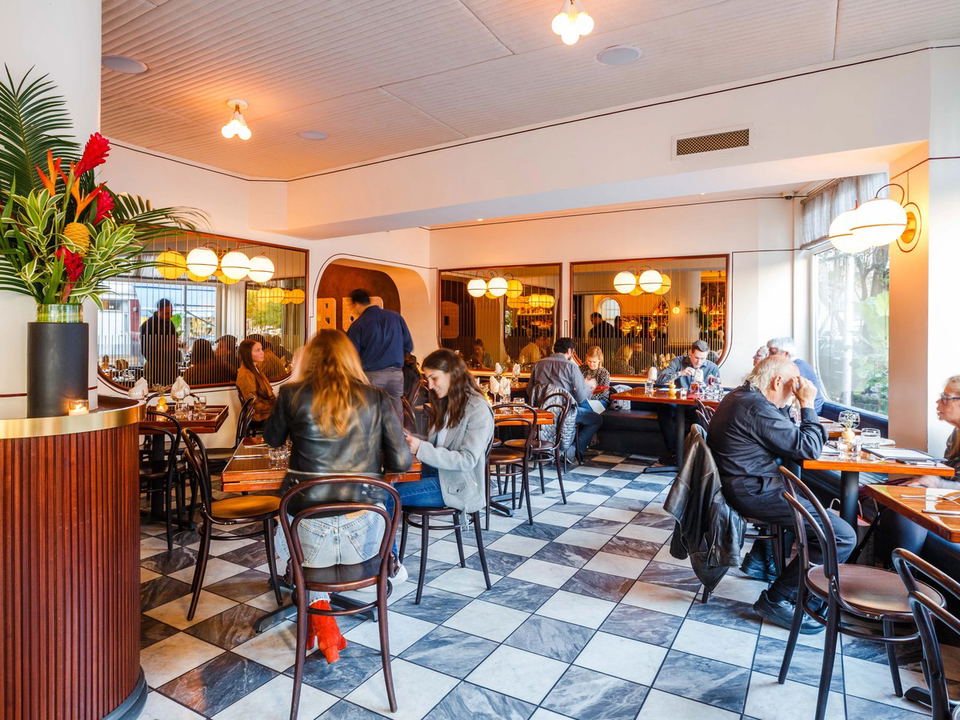
Rao's vs. Realistic Alternatives: Access and Experience
| Venue | Booking Difficulty | Cuisine Style | How to Book | Approximate Cost |
|---|---|---|---|---|
| Rao's (East Harlem) | Effectively closed to public | Southern Italian-American | Personal connection or charity auction only | N/A (no public pricing) |
| Don Angie (West Village) | Hard but achievable, Resy, releases weekly | Italian-American, modern | Resy | N/A (verify with venue) |
| Carbone (Greenwich Village) | Hard, Resy, high demand | Italian-American, classic presentation | Resy | N/A (verify with venue) |
| Bamonte's (Williamsburg) | Easy, walk-ins accepted, OpenTable | Old-school Italian-American | OpenTable or walk-in | N/A (verify with venue) |
| Patsy's (Midtown) | Easy, reservations available | Southern Italian-American, classic | Direct or OpenTable | N/A (verify with venue) |
Booking platform details may change. Verify current pricing and availability directly with each venue before booking.
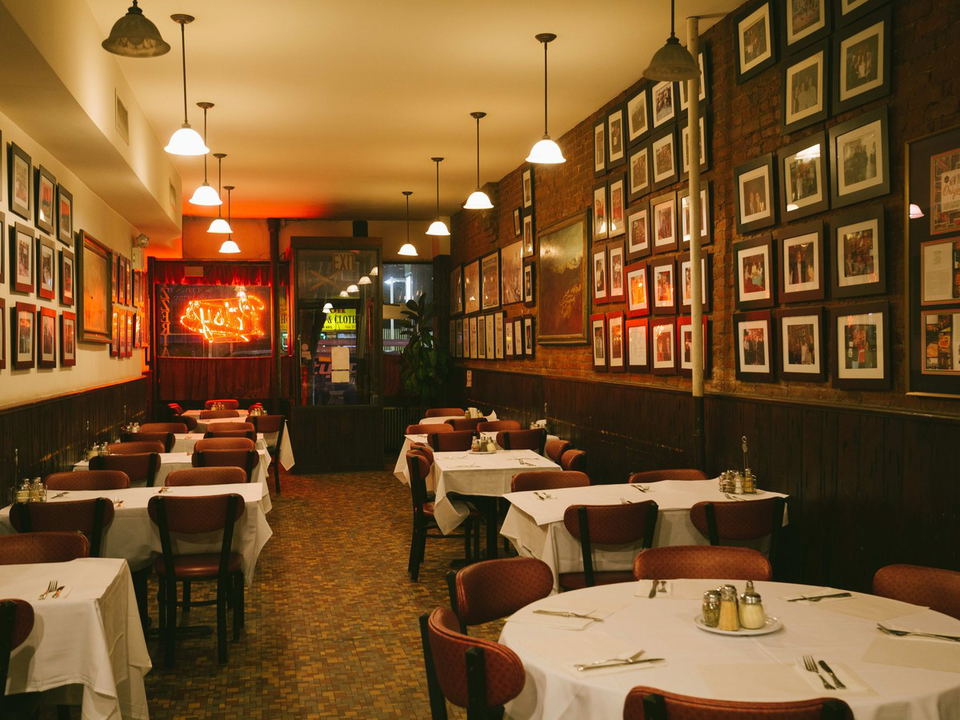
Don Angie is the most direct substitute if what you want is Italian-American cooking taken seriously by a kitchen that cares about craft. The West Village room is bookable through Resy with planning, and the pinwheel lasagna has drawn consistent critical attention since opening.
Carbone scratches the red-sauce nostalgia itch with more theatrical presentation and a higher price point. The room is louder and more performative than Rao's, and the crowd skews younger and more fashion-adjacent. Book through Resy; the booking window is competitive but not impossible, confirm the current release schedule directly with the venue.
Bamonte's in Williamsburg is the clearest option if what you actually want is old New York Italian-American cooking without the mythology tax. It has operated for well over a century; the room is unchanged, walk-ins are accepted, and you can book through OpenTable without a connection to anyone. The food is the food.
Patsy's in Midtown is among the more accessible old-school Italian rooms in the city, with a history stretching back to the mid-twentieth century. Reservations are available. The clams oreganata and the veal are the things to order.
Who Should Actually Chase This, and When
If you are visiting New York for a week and want a great Italian dinner, do not spend that week trying to get into Rao's. Book Don Angie or Carbone and eat well. The effort-to-outcome ratio at Rao's is only favorable if you already have a connection or if the mythology itself is the point of the trip.
Rao's makes sense to pursue if: you have a genuine second-degree connection to a table holder and a specific occasion worth asking for; you are a New York regular who can play a long game over years; or you are willing to bid at a charity auction and the price is acceptable to you.
It does not make sense to pursue if: you are visiting from out of town with a fixed itinerary, you are planning a group dinner for more than four people, or you are expecting the food alone to justify the effort. The jarred sauce is genuinely good and available at most grocery stores. That is not a joke; it is a useful data point about where the value actually sits.
The Verdict: A Great Story, a Near-Impossible Table
Rao's is the most access-restricted restaurant in New York not because of a booking system but because there is no booking system to beat. The original East Harlem location has just 10 tables,7 and the table-ownership model has been in place for generations. It is not going to change. For the overwhelming majority of readers, the correct move is to eat at Bamonte's or Don Angie, pick up a jar of Rao's marinara at the grocery store, and appreciate the mythology from a comfortable distance.
If you have a genuine connection, draw on it for a real occasion, a birthday, an anniversary, something worth the ask. If you do not have a connection, the charity auction route is the only realistic path that does not require years of relationship-building. Everything else, calling cold, showing up at the door, relying on a concierge, is unlikely to produce a seat.
The food, when you get there, is very good. It is not the best Italian cooking in New York. The room is the point. And for most people, the room will remain a story rather than a memory, which, given how New York works, is probably exactly how the Pellegrino family intends it. Rao's endures not despite its inaccessibility but because of it, and that is a more honest verdict on the place than any review of the meatballs could deliver.
Frequently Asked Questions
Can you make a reservation at Rao's through Resy, OpenTable, or any booking platform?
No. Rao's does not operate on any public reservation platform. There is no Resy page, no OpenTable listing, and no Tock drop. The restaurant's tables are held by long-term regulars on an informal standing basis. The only way to get a seat is through a personal connection to one of those regulars, a charity auction, or, rarely, a direct call to the restaurant that happens to coincide with a cancellation.
Does calling Rao's directly ever result in a table?
Occasionally, yes. The restaurant does take calls and is polite about them. If a cancellation has opened a table, calling at the right moment can work. There is no optimal time to call. Call once, leave your contact information, and do not expect a callback. Calling repeatedly will not improve your odds.
Is there a dress code at Rao's East Harlem?
The room is casual in the sense that it is a neighborhood Italian restaurant, but the crowd tends to dress in smart-casual New York fashion. Showing up in a suit is not out of place; showing up in athletic wear would be. When in doubt, dress as you would for a serious dinner with someone you want to impress.
What is the best alternative to Rao's for old-school Italian-American cooking in New York?
Bamonte's in Williamsburg is the most direct substitute: a long-standing room, walk-ins accepted, and no mythology premium on the price. For a more polished version of the Italian-American canon, Don Angie in the West Village is the current critical favorite and bookable through Resy with planning. Patsy's in Midtown is the most accessible reservation of the group and has been serving a Southern Italian-American menu for decades.
Has a table at Rao's ever appeared at charity auctions, and how do you find those opportunities?
Yes, a table at Rao's has appeared at New York charity auctions on occasion. These are not frequent. The most reliable way to track them is to set a Google Alert for "Rao's" combined with "auction," "benefit," or "gala," and to monitor major New York charity events, particularly those with entertainment, media, or hospitality connections. When a table does appear, winning bids reflect the scarcity of the opportunity.