
Bar in Woolfardisworthy, United Kingdom
The Farmers Arms
150Pearl PointsFood-first pub

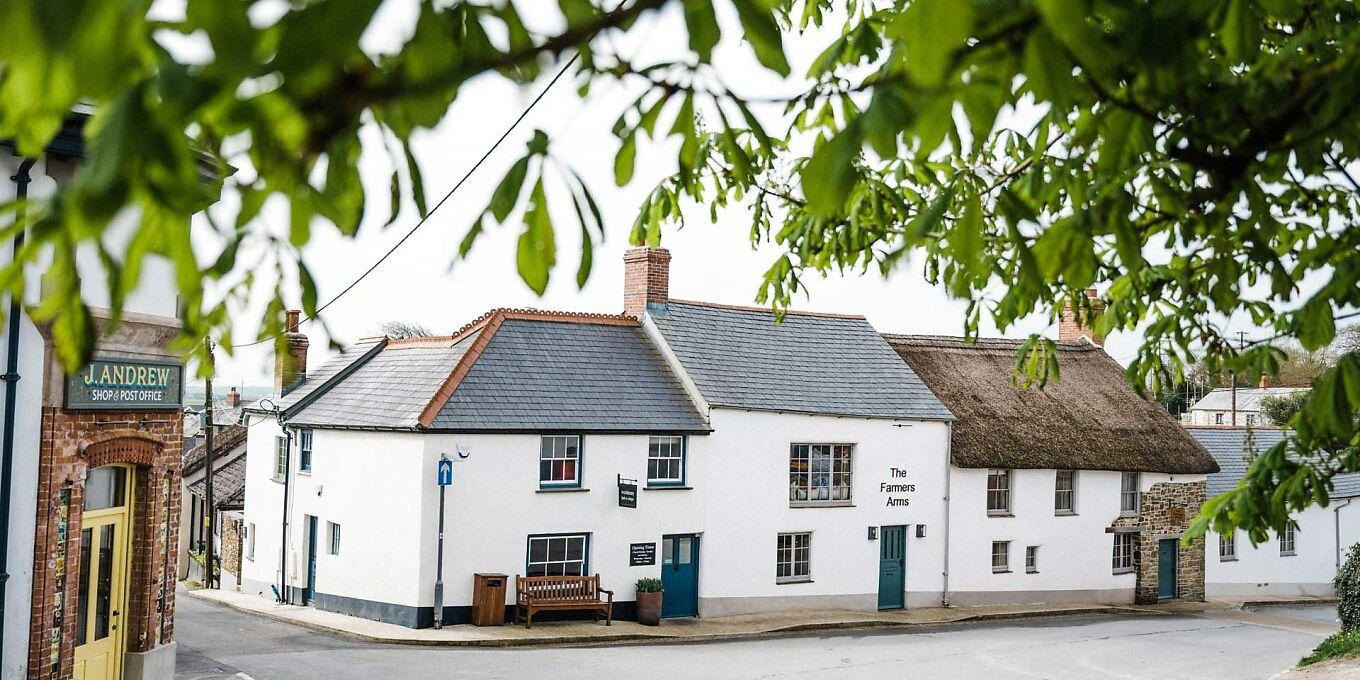
About The Farmers Arms
Against rural pub alternatives, The Farmers Arms is the one to choose when food quality is the main reason for going. Good Food Guide 2025 recognition gives it a stronger signal than a standard village pub, though diners who need published pricing, a named cuisine style, or detailed booking information should compare before committing.
Is the food good at The Farmers Arms? The clearest verified signal is its Good Food Guide 2025 recognition, where The Farmers Arms is listed as GFG Very Good. That makes it a credible dining choice in Woolfardisworthy, though the available verified information does not specify a cuisine, chef, signature dish, menu format, or price bracket.
The safest way to plan around The Farmers Arms is to treat it as a Woolfardisworthy venue with a confirmed guide mention, rather than to assume details that are not verified here. Its dress code is smart casual, and its published hours run from 11:30 AM to 11 PM Monday to Saturday, with Sunday hours from 11:30 AM to 6 PM.
Plan around the confirmed details
The practical verdict is simple: choose this when you want a Woolfardisworthy option with external recognition. The available information does not support calling out a specific dish, chef, cuisine, price bracket, or service format, so the sensible move is to judge it by the confirmed guide recognition and the practical details that are available.
That makes it a useful option for diners who want a planned stop in Woolfardisworthy. It is less useful for diners who need a known budget, a named menu style, or detailed dietary information before committing. If those details matter, check directly with the venue before choosing rather than assuming they are fixed or publicly confirmed.
How to use it in a Woolfardisworthy plan
For a Woolfardisworthy visit, The Farmers Arms is a strong candidate when you want a dining stop with a confirmed Good Food Guide 2025 Very Good mention. It also pairs naturally with broader local planning: use our full Woolfardisworthy restaurants guide for meal alternatives, and confirm any practical details directly if the meal is part of a longer stay.
If the trip is wider than one meal, the planning details matter more than extra adjectives. Confirm current hours and booking information with the venue, then compare The Farmers Arms with other recognised venues such as St Kew Inn, The Cornish Arms, The Dartmoor Inn, The Exmoor Forest Inn, and The Masons Arms if they fit your route.
Frequently Asked Questions
Does The Farmers Arms have happy hour deals?
Happy hour details are not verified here. The confirmed draw is The Farmers Arms' Good Food Guide 2025 Very Good recognition in Woolfardisworthy, so check directly with the venue for any current offers.
Is the food good at The Farmers Arms?
The strongest verified signal is that The Farmers Arms is recognised by The Good Food Guide 2025 as GFG Very Good. The available verified information does not specify a cuisine, signature dish, chef, menu format, or price bracket.
Is The Farmers Arms good for a date?
It may suit a smart-casual plan in Woolfardisworthy with a confirmed Good Food Guide 2025 mention. For a more formal or highly specific experience, check current details with the venue before booking.
Do I need a reservation at The Farmers Arms?
Reservation requirements are not verified here. If you have a specific date or time in mind, check the venue's official channels. Published hours are 11:30 AM to 11 PM Monday to Saturday, and 11:30 AM to 6 PM on Sunday.
Is The Farmers Arms good for groups?
Group suitability is not verified here. The published hours may help with planning, but check the venue's official channels for table availability, group size limits, and any booking requirements.
Does The Farmers Arms have outdoor seating?
Outdoor seating details are not verified here. If outdoor space matters, check directly with the venue, or compare with options such as The Dartmoor Inn or St Kew Inn if they fit your route better.
What's the crowd like at The Farmers Arms?
The crowd profile is not verified here. The confirmed details are its Woolfardisworthy location, smart-casual dress code, published opening hours, and Good Food Guide 2025 Very Good recognition.
Location
Woolfardisworthy, Bideford EX39 5QS, United Kingdom
Woolfardisworthy, United Kingdom
Compare The Farmers Arms
| Venue |
|---|
| The Farmers Arms |
| The Dartmoor Inn |
| The Exmoor Forest Inn |
| The Cornish Arms |
| The Masons Arms |
| St Kew Inn |
Comparable nearby venues by cuisine and price for this tier.
Also Consider
- The Dartmoor Inn, Notable alternative
- The Exmoor Forest Inn, Notable alternative
- The Cornish Arms, Notable alternative
- The Masons Arms, Notable alternative
- St Kew Inn, Notable alternative
How it compares with nearby pub dining
Pick The Farmers Arms if the priority is a food-led village pub in Woolfardisworthy with external recognition. The Dartmoor Inn and The Exmoor Forest Inn make more sense for moorland positioning, but they are out-of-metro comparisons rather than direct Woolfardisworthy substitutes.
The Cornish Arms, The Masons Arms, and St Kew Inn are better cross-shops if the plan is a broader West Country pub meal rather than a local stop. Without comparable published price details here, the decision should come down to convenience and occasion: The Farmers Arms for a North Devon village meal, the others when the route already points toward their area.
Booking difficulty is listed as easy, so this is the lower-friction choice if the group wants a credible meal without building the day around a hard reservation. For ambiance, expect the appeal to come from rural-pub context rather than a polished city-bar experience.
Recognized By

Explore Woolfardisworthy
Save or rate The Farmers Arms on Pearl
Keep this venue in your Pearl passport, rate it after you visit, and track it alongside every other place you collect.