Tsukiji Unitora Nakadori
Chūō, Tokyo
Bar in Tokyo, Japan
 Book with Pearl
The Read
Price
$30–50per person
Why go
Tsukiji Unitora Nakadori is worth considering as a flexible Tsukiji-area stop, especially if your schedule needs early-to-late daily hours rather than a tightly planned reservation. Treat it as a practical market-district anchor, not a polished cocktail or special-occasion choice.
About Tsukiji Unitora Nakadori
Tsukiji Unitora Nakadori is a casual venue in Tokyo with daily hours from 7 AM to 11 PM. It is a flexible Tokyo stop rather than a special-occasion destination.
Use it as a flexible Tokyo anchor, not a special-occasion plan
Tsukiji Unitora Nakadori is in Tokyo, has a casual dress code, and is open every day from 7 AM to 11 PM. The wide daily schedule is the main practical detail to keep in mind. It can fit into a Tokyo day without relying on a narrow service window. For a broader plan, pair it with Our full Tokyo restaurants guide, then use Our full Tokyo bars guide if the night continues elsewhere.
Better for flexible planning than a claim-heavy comparison
For another plan, compare Tsukiji Unitora Nakadori with Mixology Salon, Punch Room at Edition Tokyo, The ROOF, Kanemasu, and Bulgari Ginza Bar. Tsukiji Unitora Nakadori is a casual Tokyo venue with daily 7 AM to 11 PM hours.
For a broader Tokyo plan, keep city guides close: Our full Tokyo hotels guide. Other Tokyo dining and bar options can be considered separately, but Tsukiji Unitora Nakadori is a Tokyo venue with a casual dress code and daily hours from 7 AM to 11 PM.
Planning details
- Location
- Japan, 〒104-0045 Tokyo, Chuo City, Tsukiji, 4 Chome−10−5 MIHIROビル 1階
- Reservations
- Book on the venue's website
- Website
- beyondtsukiji-hd.co.jp/shop/unitora-iori-lunch
- Phone
- +81 3 6264 2188
The take
The Take
The Vibe
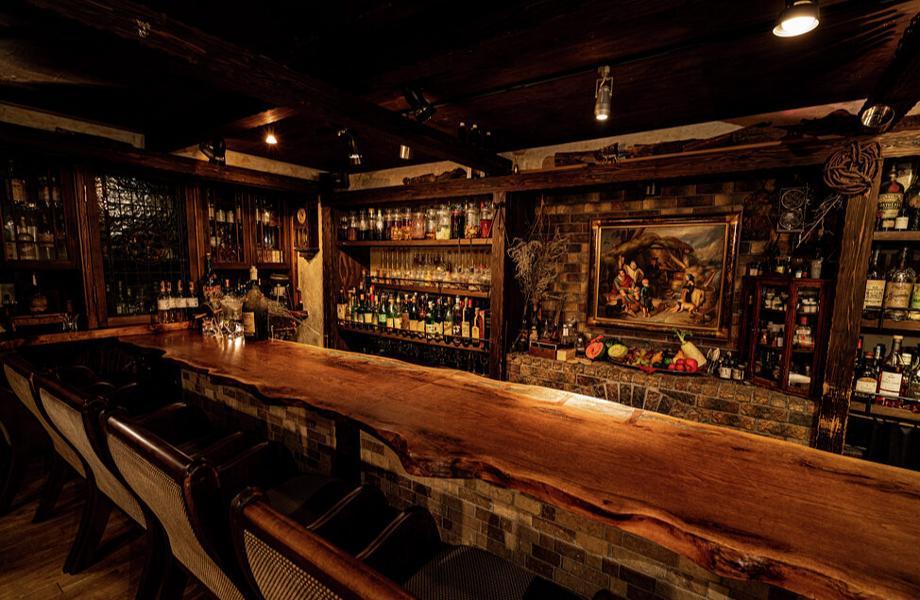
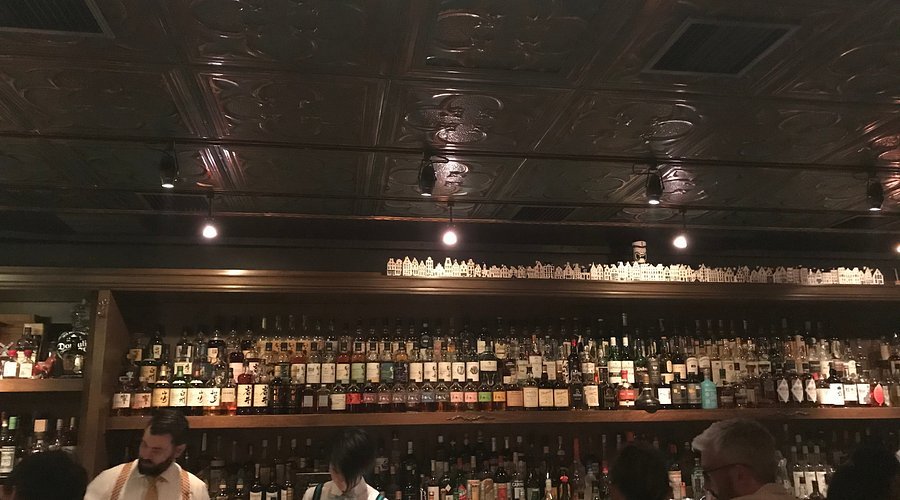
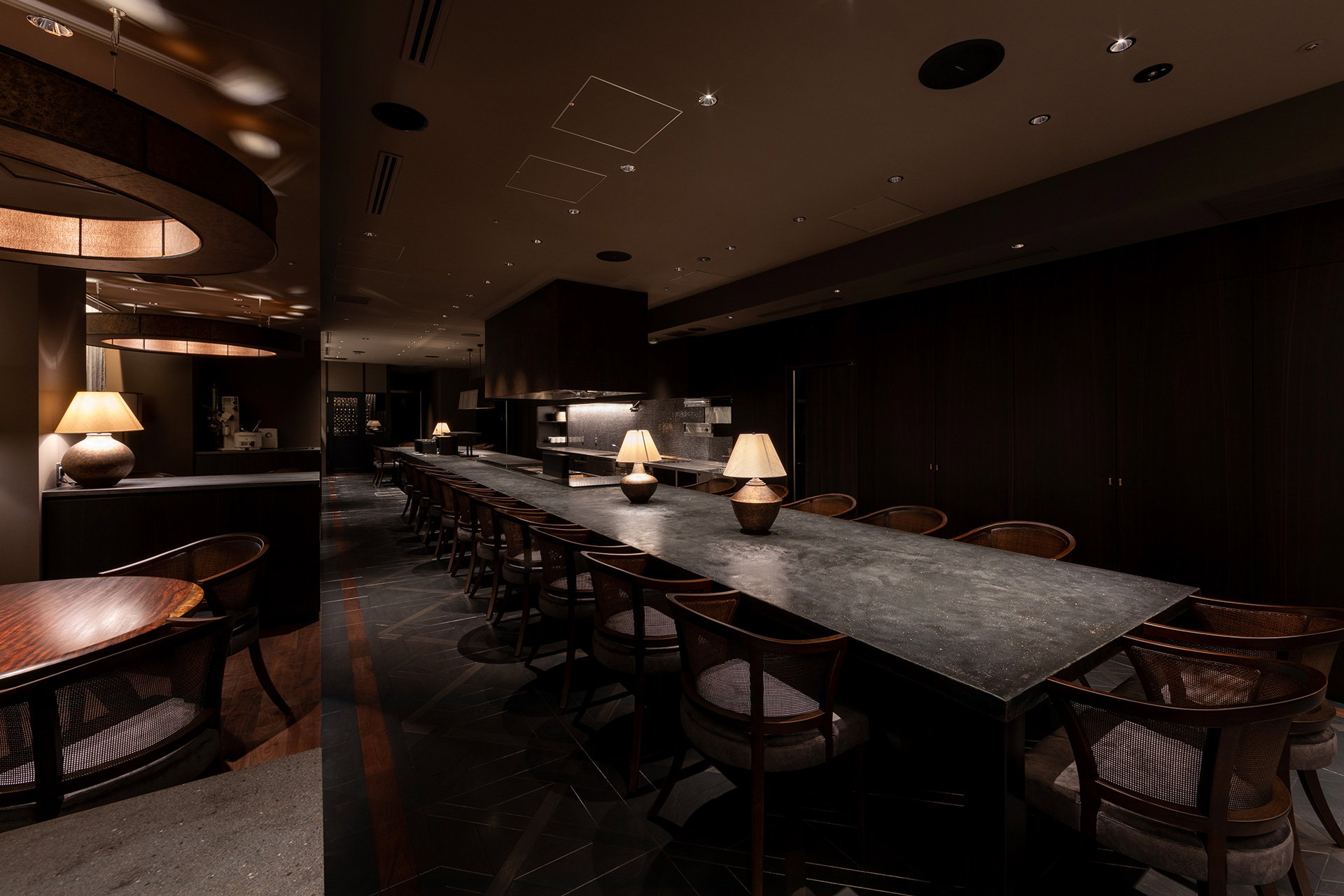
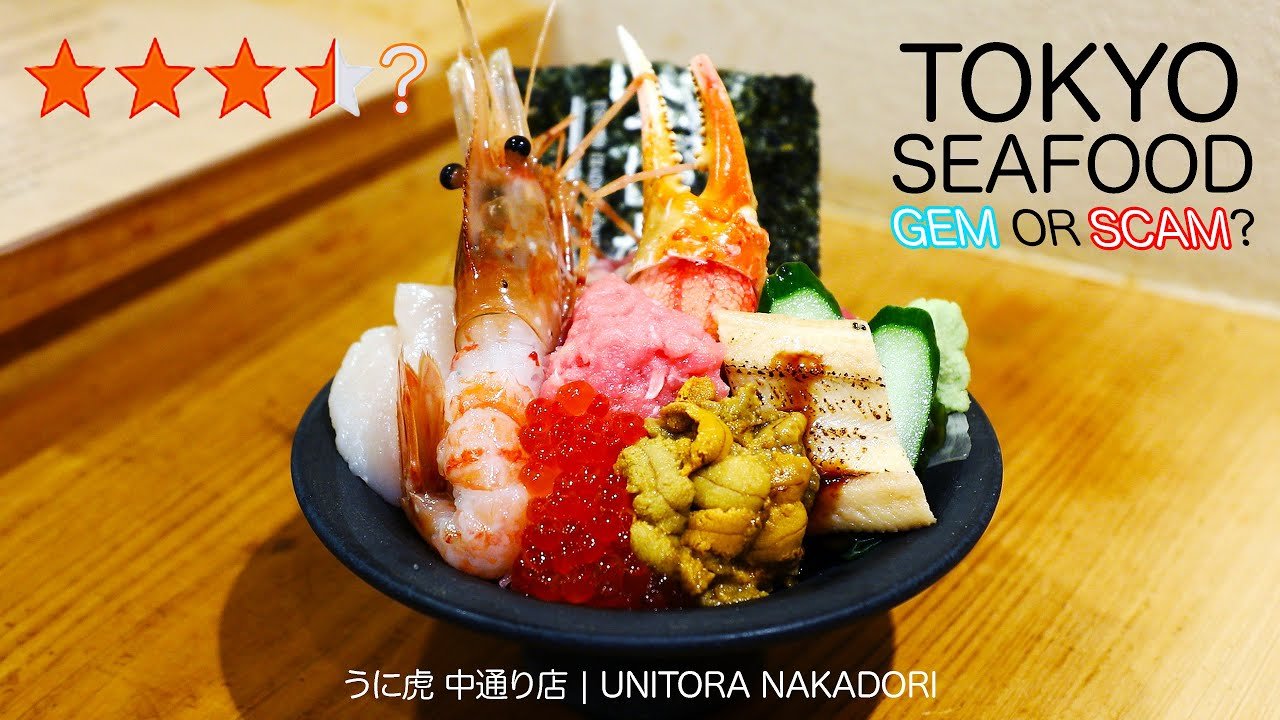
Tsukiji Unitora Nakadori reads like an honest neighborhood bar that still bears the market’s imprint. The interior leans compact and utilitarian, with exposed structure and practical surfaces that echo the area’s wholesale past. That market-born materiality translates into a straightforward, intimate room where design is functional rather than decorative. The atmosphere favors quick, direct service and an unpretentious approach to food and drink; it feels less like a staged dining experience and more like a working place for people who know product, which gives the bar a quietly authentic, industrial-tinged charm.
Best For
This is a place for uncomplicated stops rather than drawn-out special occasions. The address and layout signal value-driven, product-forward drinking: well suited to locals, food professionals, and visitors who want something efficient and honest. It works best for solo visits or very small groups who appreciate fresh offerings and brisk service, and for casual hangouts after a market stroll. It is not positioned as a destination for tasting-menu pacing or formal celebrations; instead, it rewards those who come ready to eat and drink directly and move on.
Ordering Tips
Expect service that prioritizes speed and straightforwardness: menu items favor freshness and clarity over elaborate presentation. Given the venue’s market lineage and emphasis on throughput, ask staff for short, immediate recommendations: they are likely to point you toward what’s freshest that day. Come ready to order with a few focused choices rather than lingering through a long menu. Small groups should plan for compact seating and quick turnover; the place rewards decisiveness and an appetite for direct, well-sourced plates and drinks.
Venue details
Ambiance
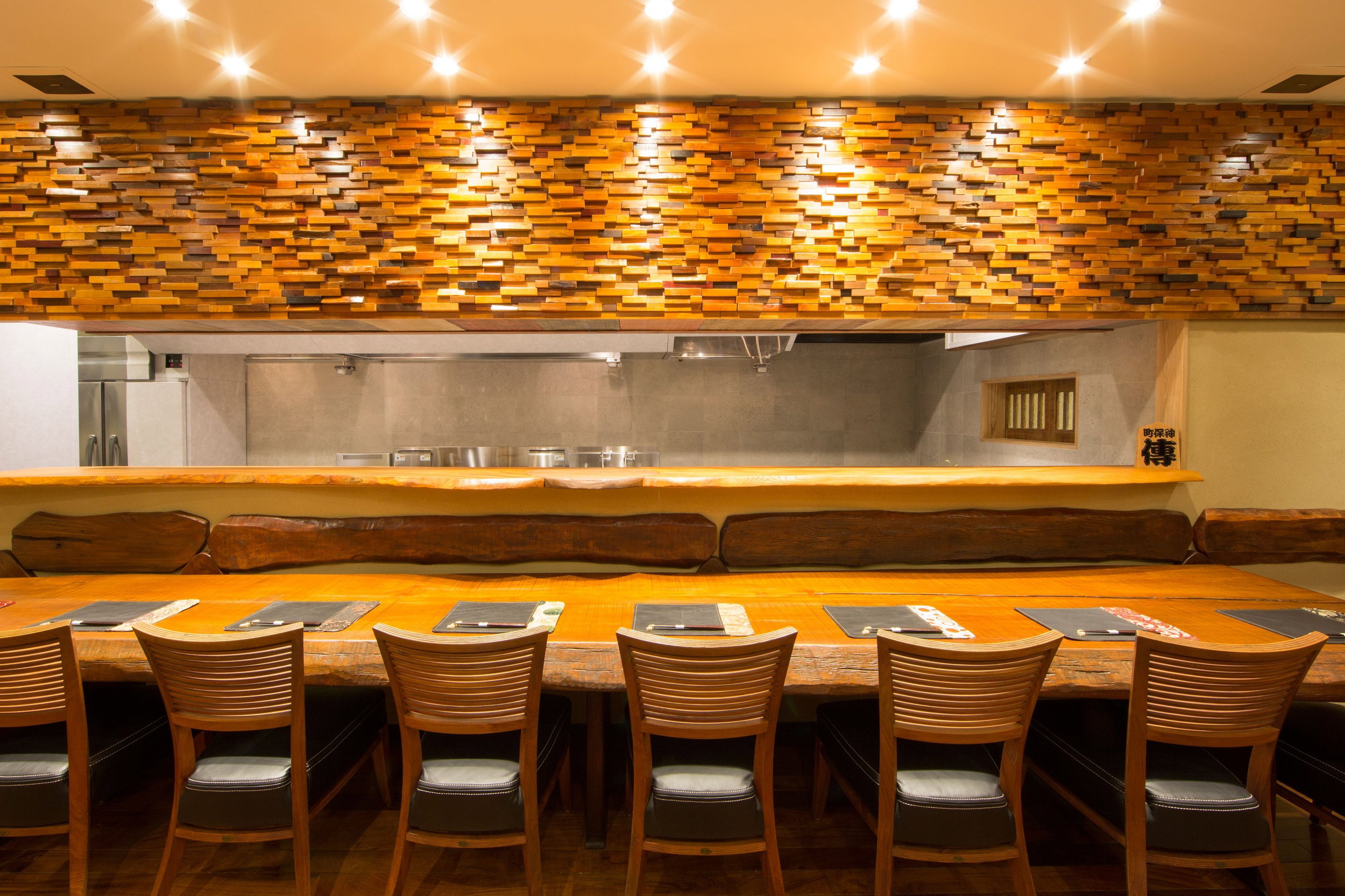
Bright, clean, and modern with a casual yet vibrant atmosphere at the intimate sushi counter.
Tags
Vibe
Best For
Experience
Format
At the Bar
- Bar Category
- Sake Bar
- Late Night
- Closes by Midnight
Know before you go
Know Before You Go
- Getting there
- Japan, 〒104-0045 Tokyo, Chuo City, Tsukiji, 4 Chome−10−5 MIHIROビル 1階
Planning details
Location
Japan, 〒104-0045 Tokyo, Chuo City, Tsukiji, 4 Chome−10−5 MIHIROビル 1階 · Directions
Also consider
Where to go if this does not fit
If the plan needs cocktails rather than a casual Tsukiji stop, go to Mixology Salon. If the priority is a polished hotel-bar evening, choose Punch Room at Edition Tokyo or Bulgari Ginza Bar instead.
Bar context
How it compares in Tokyo
Choose Tsukiji Unitora Nakadori when location and timing matter more than bar polish. Mixology Salon is the better fit for a cocktail-led plan, while this venue works better as a casual Tsukiji stop before or after exploring the market district.
Punch Room at Edition Tokyo, The ROOF, and Bulgari Ginza Bar make more sense for hotel-bar ambiance, date-night pacing, or a dressed-up evening. Tsukiji Unitora Nakadori is the easier call for an informal Chuo plan where flexibility beats ceremony.
Kanemasu is the more focused pick if the night is built around a specific drinks-and-food stop. Tsukiji Unitora Nakadori is the safer choice for travelers who want an easy market-area option and do not want the whole itinerary to depend on one reservation.
Explore Tokyo
Around this place
Discover more on Pearl
Unlock the full Tsukiji Unitora Nakadori guide in Pearl, including awards, comparisons, FAQs, planning details, and nearby places.
Compare Tsukiji Unitora Nakadori
| Venue | Location | Awards |
|---|---|---|
| Tsukiji Unitora Nakadori | Tokyo | No published awards |
| Mixology Salon | Tokyo | 2019 World's 50 Asia's Best Bars · #492018 World's 50 Asia's Best Bars · #40 |
| Punch Room at Edition Tokyo | Tokyo | No published awards |
| The ROOF | Tokyo | No published awards |
| Kanemasu | Tokyo | No published awards |
| Bulgari Ginza Bar | Tokyo | Forbes Travel Guide Hotel Star Bars 2026Top 500 Bars 2025 · #3632024 Asia's 50 Best Bars · #86 |



How Tsukiji Unitora Nakadori compares with similar nearby venues.
FAQ
Frequently Asked Questions
What's the best time to go to Tsukiji Unitora Nakadori?
Tsukiji Unitora Nakadori is open every day from 7 AM to 11 PM, so the best time depends on your Tokyo itinerary.
What is Tsukiji Unitora Nakadori known for?
Tsukiji Unitora Nakadori is a casual venue in Tokyo with daily hours from 7 AM to 11 PM.
Where is Tsukiji Unitora Nakadori located?
Tsukiji Unitora Nakadori is located in Tokyo.
How can I contact Tsukiji Unitora Nakadori?
Use the venue's official channels for current contact information.