Masakichi
Meguro, Tokyo
Bar in Tokyo, Japan
 Book with Pearl
Why go
Masakichi is worth considering for an easy Meguro evening when convenience matters more than a documented cocktail program or awards trail. It is better as a flexible neighborhood stop than a destination bar booking, especially for two people exploring Tokyo with room to adjust plans.
About Masakichi
Masakichi is a Tokyo venue. It is open daily from 6 PM to 12 AM, and the dress code is casual.
A low-friction Tokyo pick, not a trophy reservation
The appeal here is practical. Masakichi may suit an evening plan when you want a casual Tokyo stop with late operating hours and do not need a heavily documented concept in advance. For wider planning, use Pearl's Tokyo bars guide alongside the Tokyo restaurants guide if other dining is part of the same evening.
The safer expectation is simple: go for timing and a casual setting. Do not make the decision based on named cocktails, a known chef, tasting-menu structure, formal recognition, or published group logistics. That is not a criticism; it just means Masakichi is best treated as a direct evening option rather than a venue whose format is fully documented in advance.
Who should put it on the shortlist
Masakichi works for travelers who are comfortable choosing a Tokyo venue. Its daily 6 PM to 12 AM schedule makes it easier to consider for evening planning, but details such as seating layout, capacity, menu style, and pricing should be checked directly before you rely on it for a specific occasion.
If the night depends on a clearly defined venue identity, compare your options before committing. A10, Bar Martha, Kinfolk Lounge, Panacee, and Winestand Waltz are other named options to research depending on the kind of evening you want. If Masakichi remains on the plan, treat it as a casual late-evening possibility rather than the anchor for a highly specific itinerary.
Know Before You Go
- Good for: casual evening plans in Tokyo.
- Less good for: travelers who need published cocktail depth, formal awards, specific cuisine details, or group logistics.
- Hours: open daily from 6 PM to 12 AM.
- Dress code: casual.
- Pair with: Tokyo hotels and other Tokyo planning resources if this is one stop in a larger itinerary.
Planning details
- Location
- 5 Chome-2-8 Megurohoncho, Meguro City, Tokyo 152-0002, Japan
- Website
- r.gnavi.co.jp/p6d2j5pd0000
- Phone
- +81 3 3792 5216
The take
The Take
The Vibe
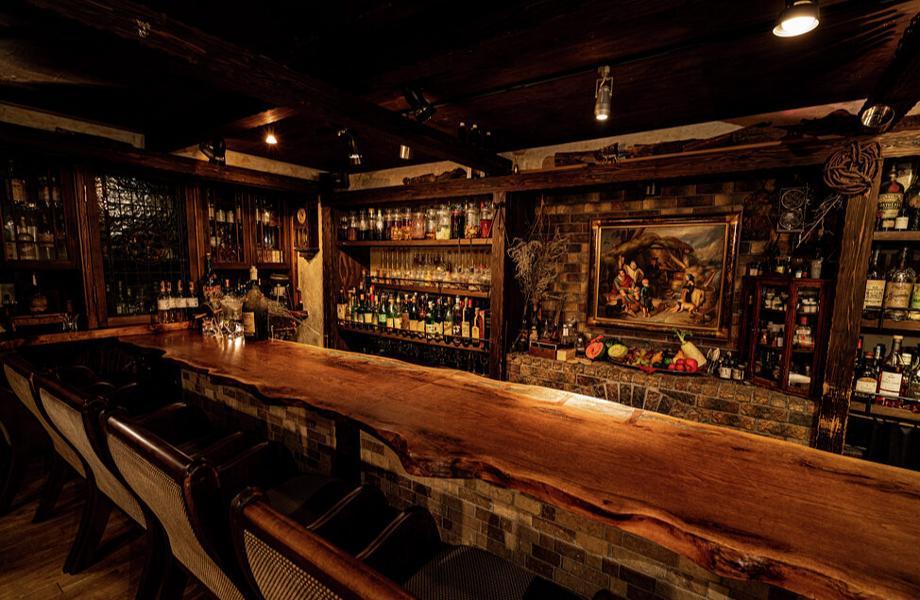
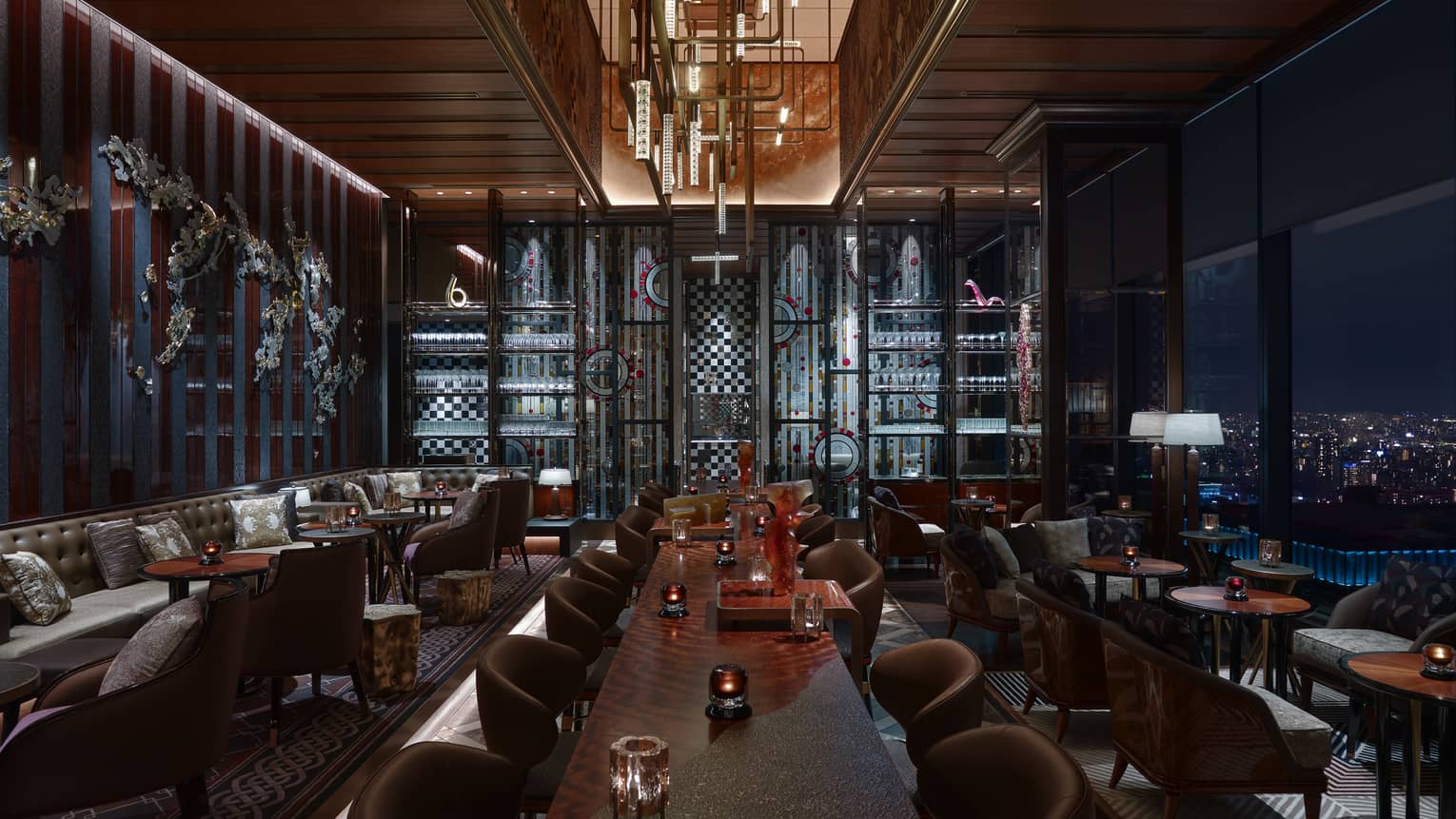
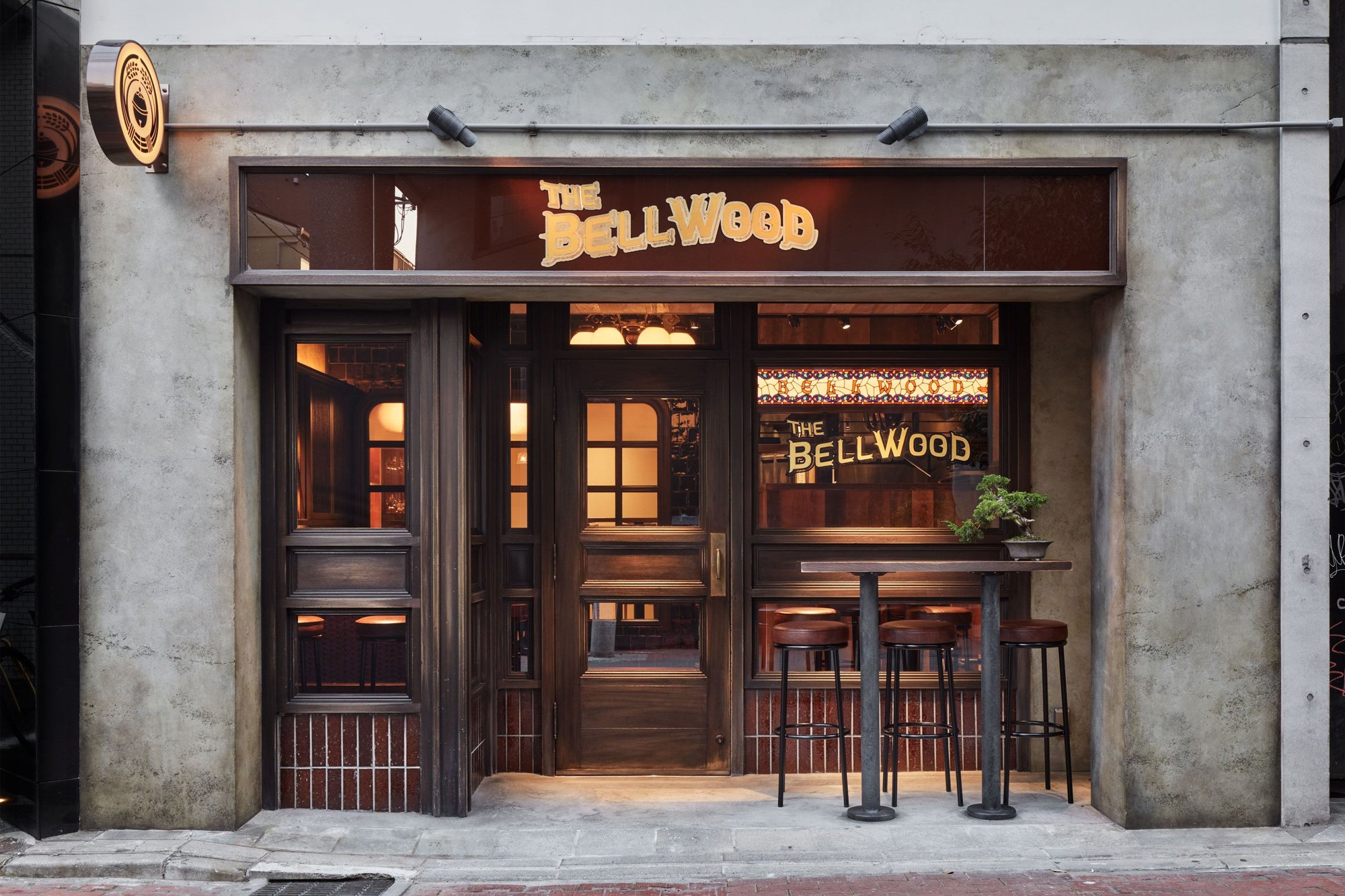
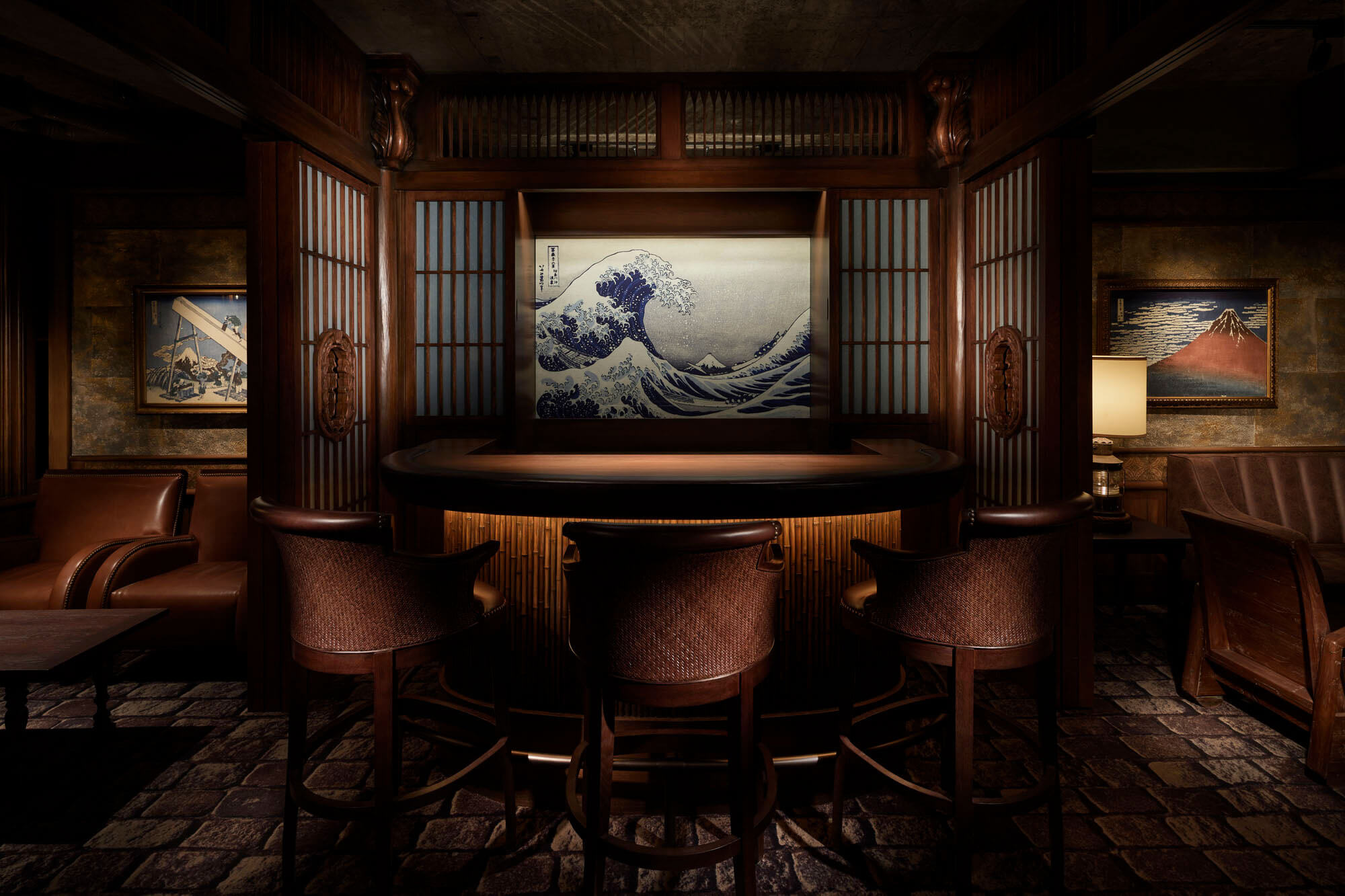
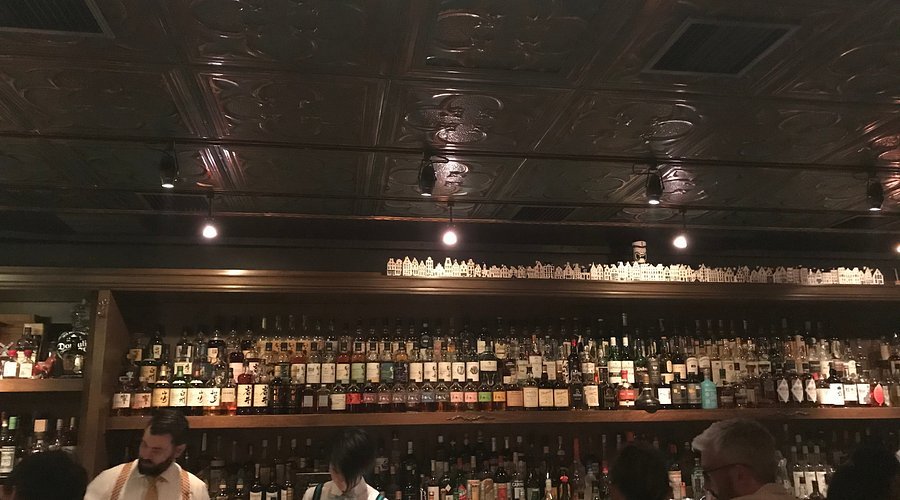
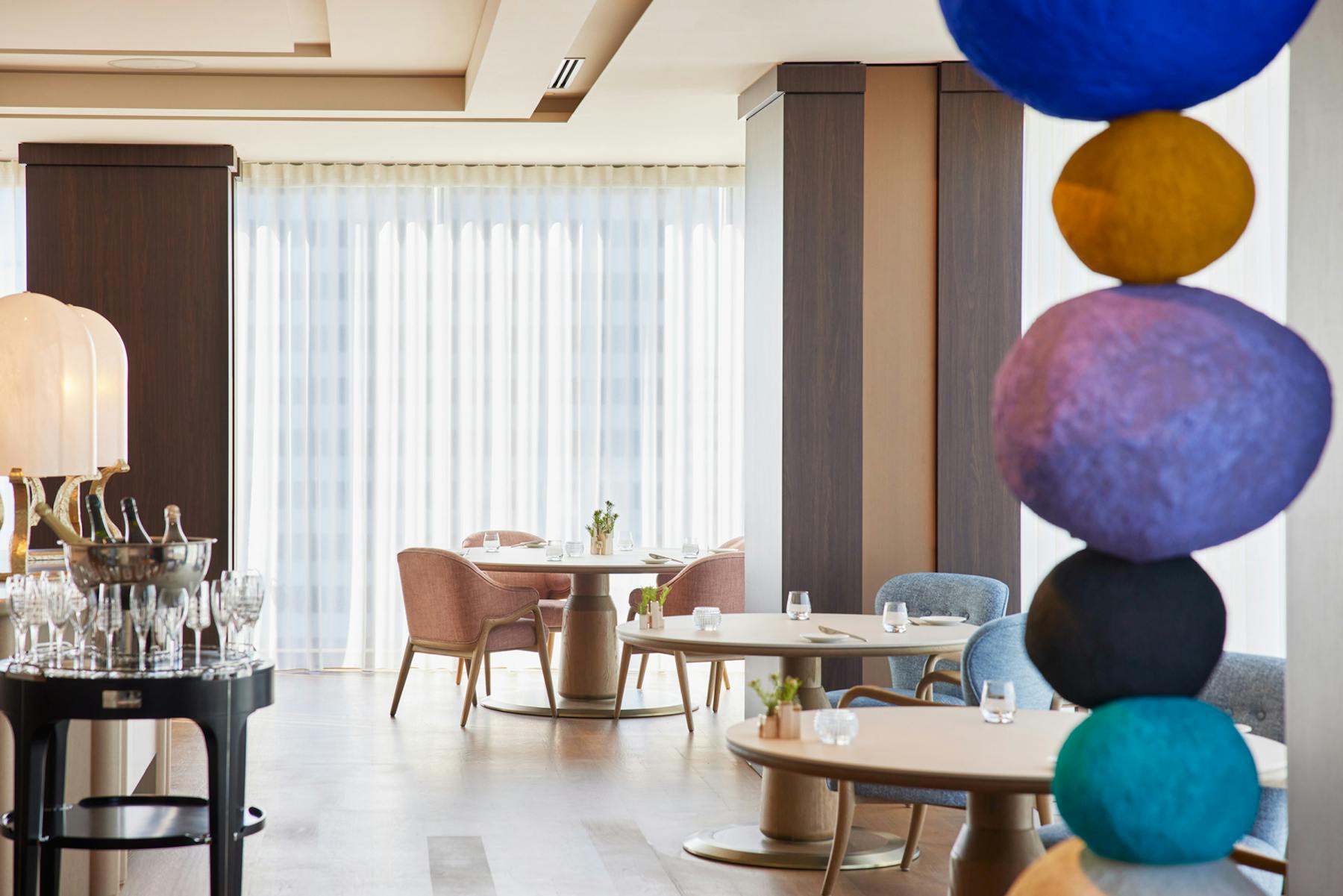
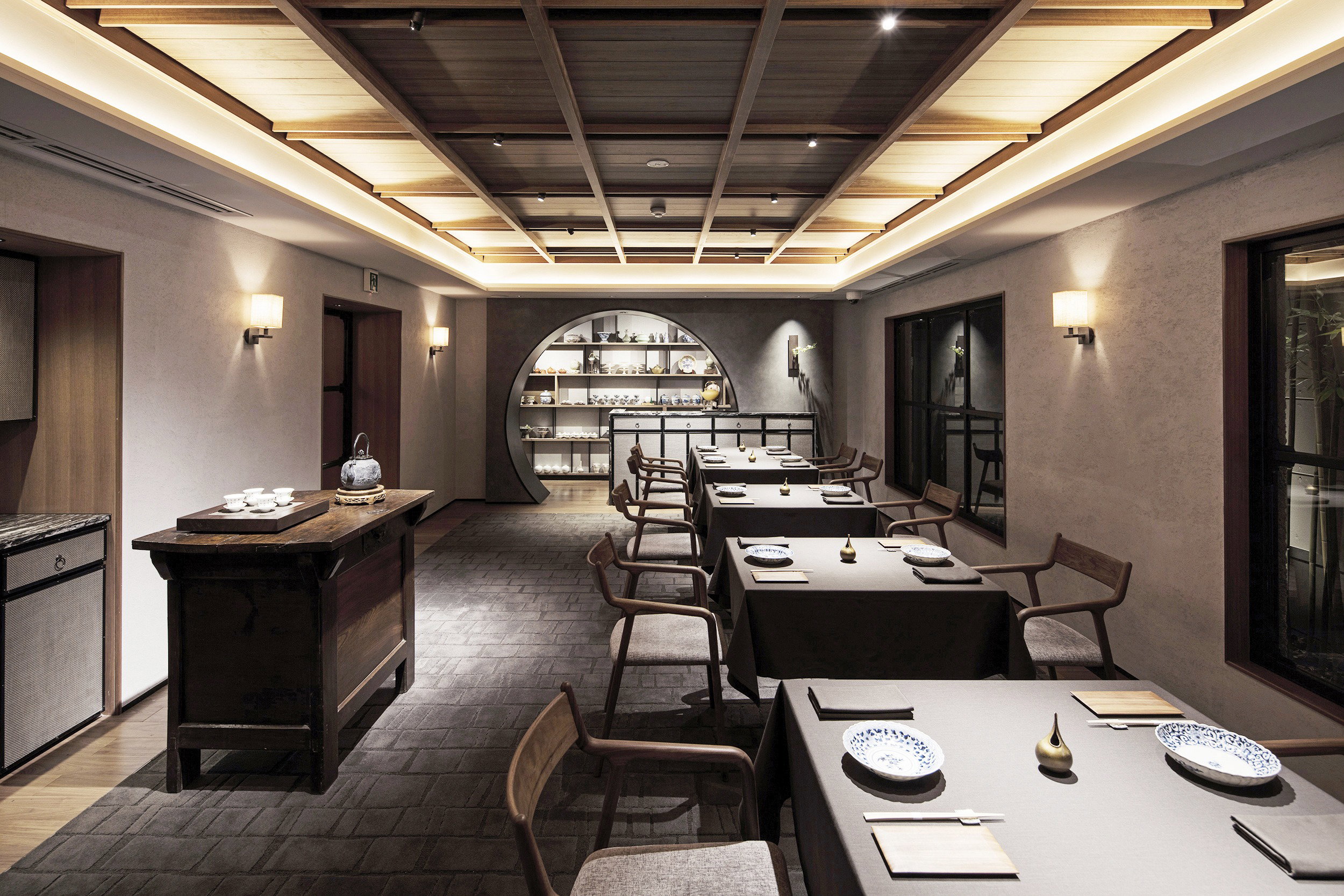
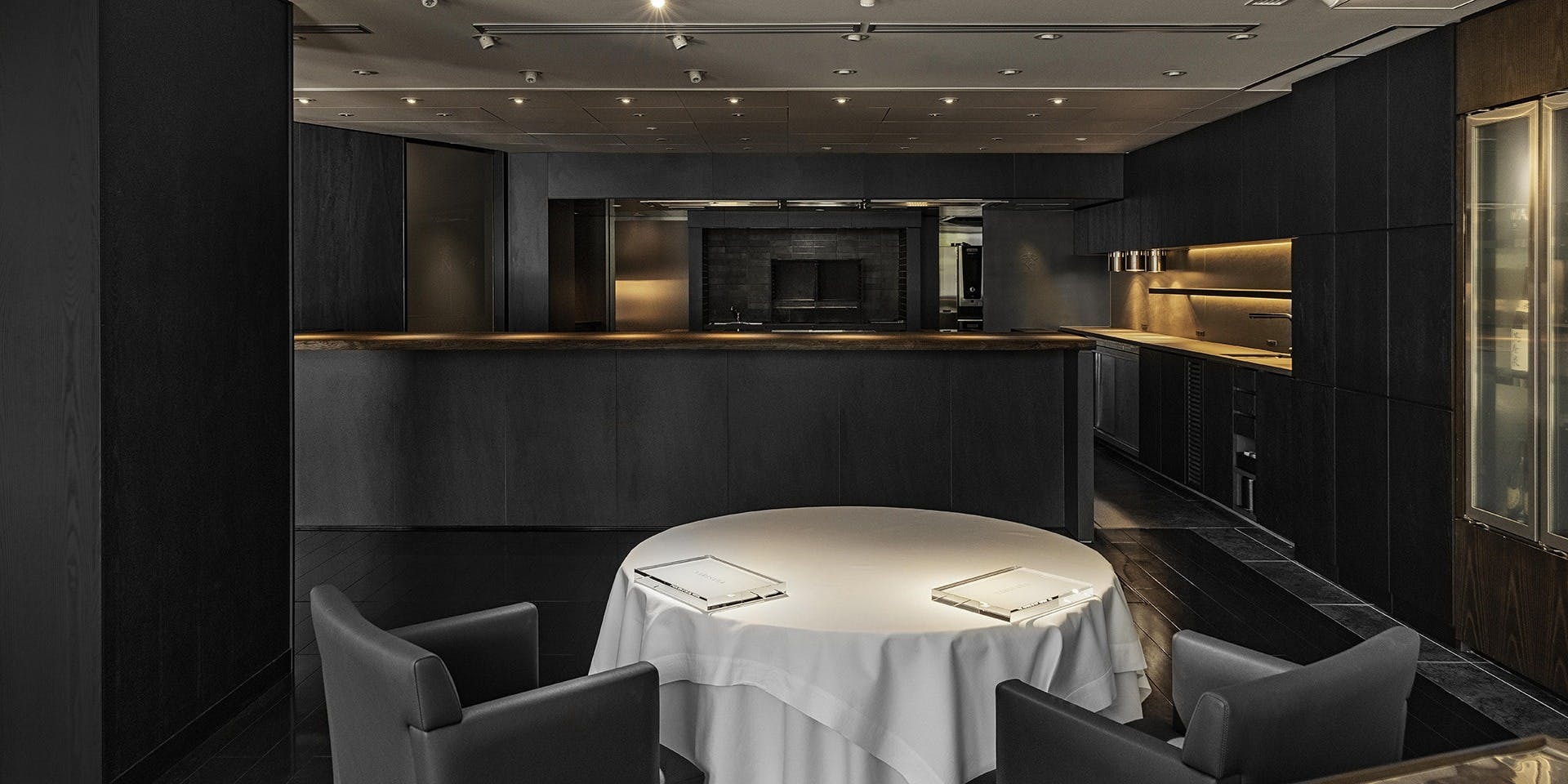
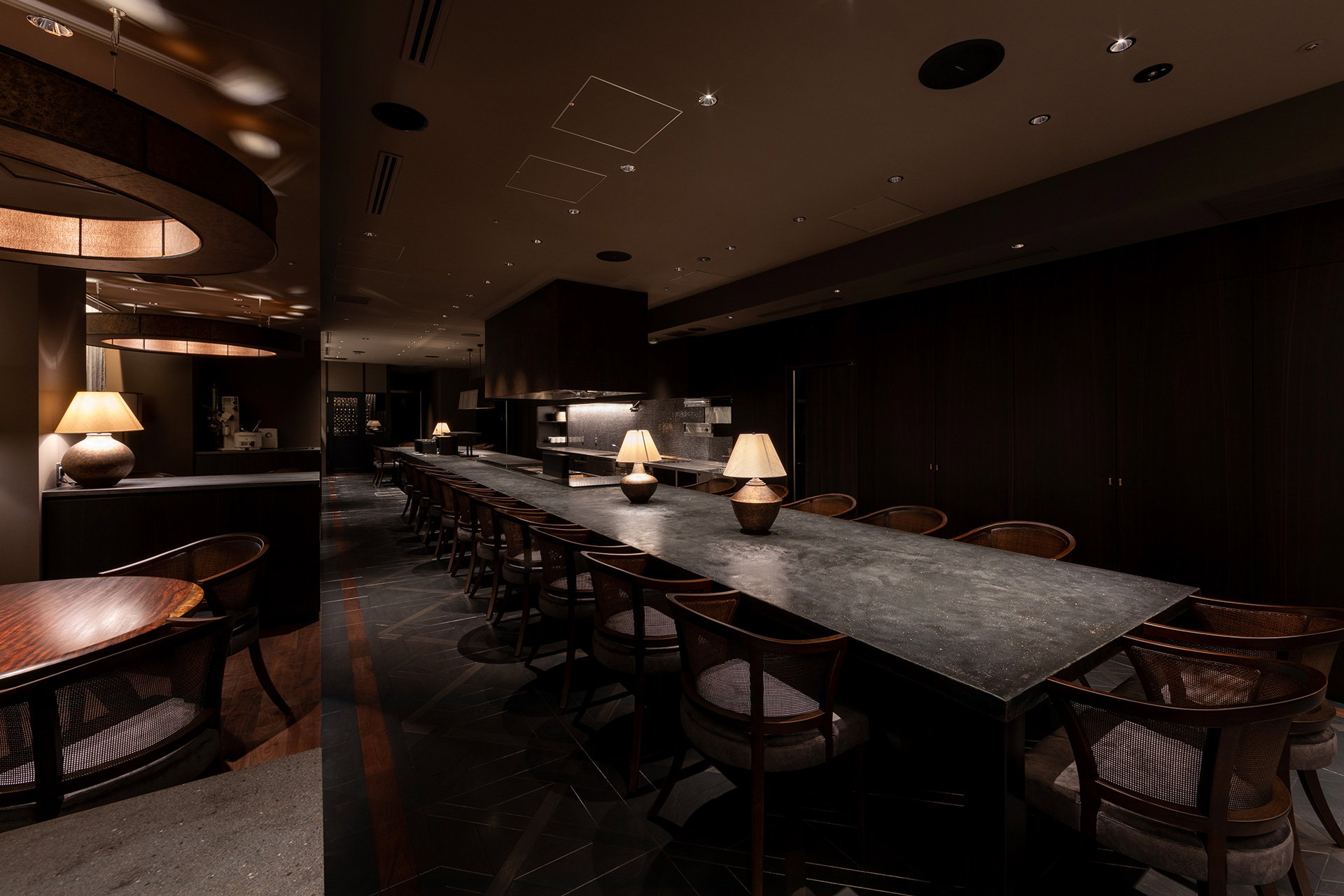
Masakichi sits off the usual tourist corridors in a residential stretch of Megurohoncho, and that location defines the bar’s temperament. Rather than relying on a performance-heavy counter, the venue favors a room-led model: warm materials, considered lighting and deliberate seating shape the experience. The result is a quiet, design-forward space that emphasizes discretion and craft. It reads as a local, slightly secretive address where the interior itself communicates intention; arriving here feels like entering a thoughtfully composed living room rather than a stage for theatrics.
Best For
Masakichi is best for low-key evenings where atmosphere matters as much as the drink. Its residential siting and emphasis on a room-driven interior make it well suited to date nights or after-work drinks with colleagues who appreciate discretion and craft. Because the bar is positioned outside high-traffic circuits, it also appeals to local regulars seeking a calm, considered place for a late-evening drink. Masakichi offers a quietly designed environment with attentive, unhurried service.
Ordering Tips
Expect the interior, not a single bartender, to be the primary draw: seating and lighting are the architecture here. Because Masakichi favors a room-led format over a counter performance, plan to settle in and savor a measured pace rather than jump from drink to drink. Approach the menu with an openness to quietly made, carefully considered options. Visitors should also note that the bar sits off the tourist circuits; it rewards those who come prepared to enjoy a restrained, intimate evening rather than a boisterous night out.
Venue details
Ambiance
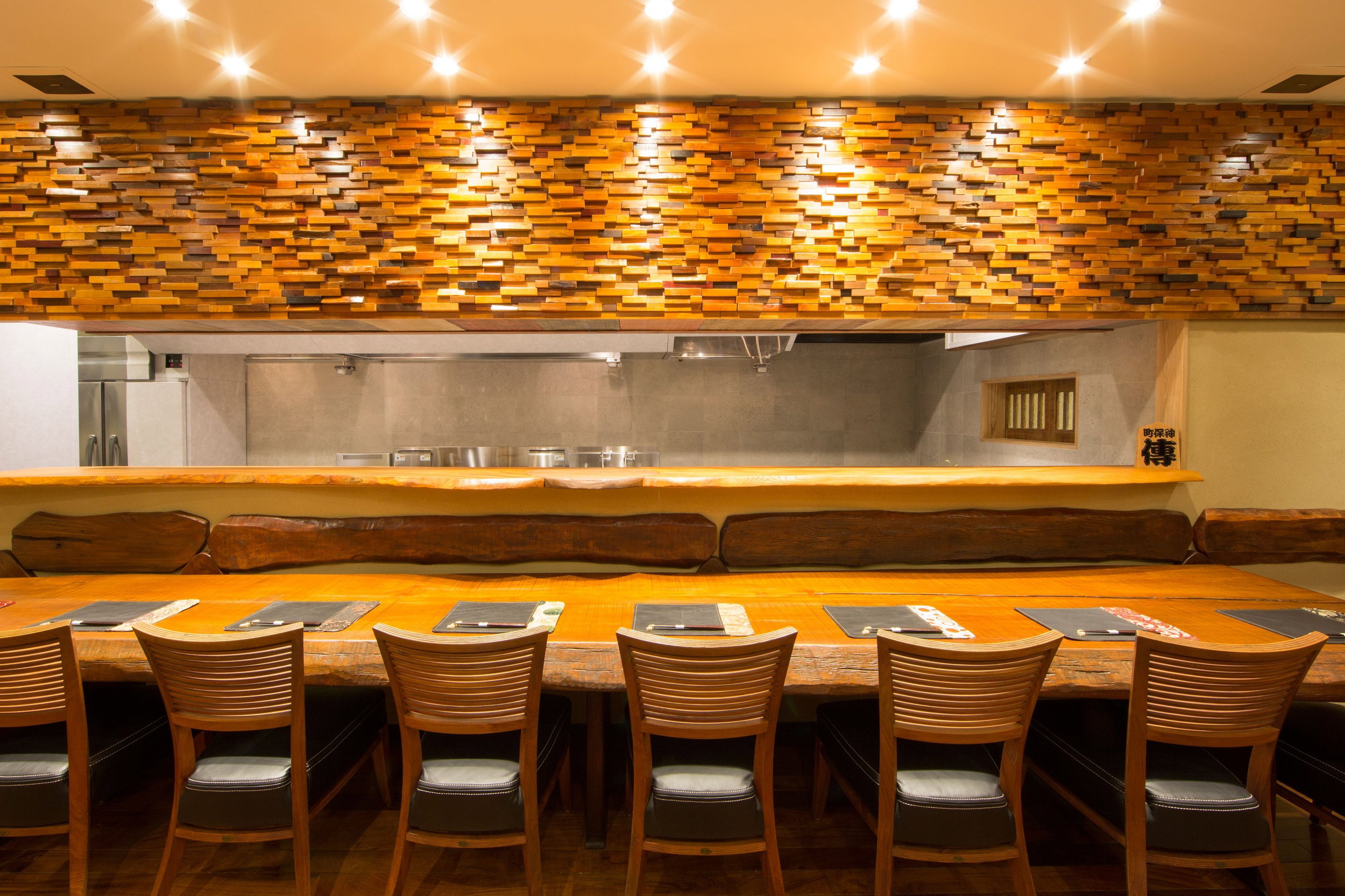
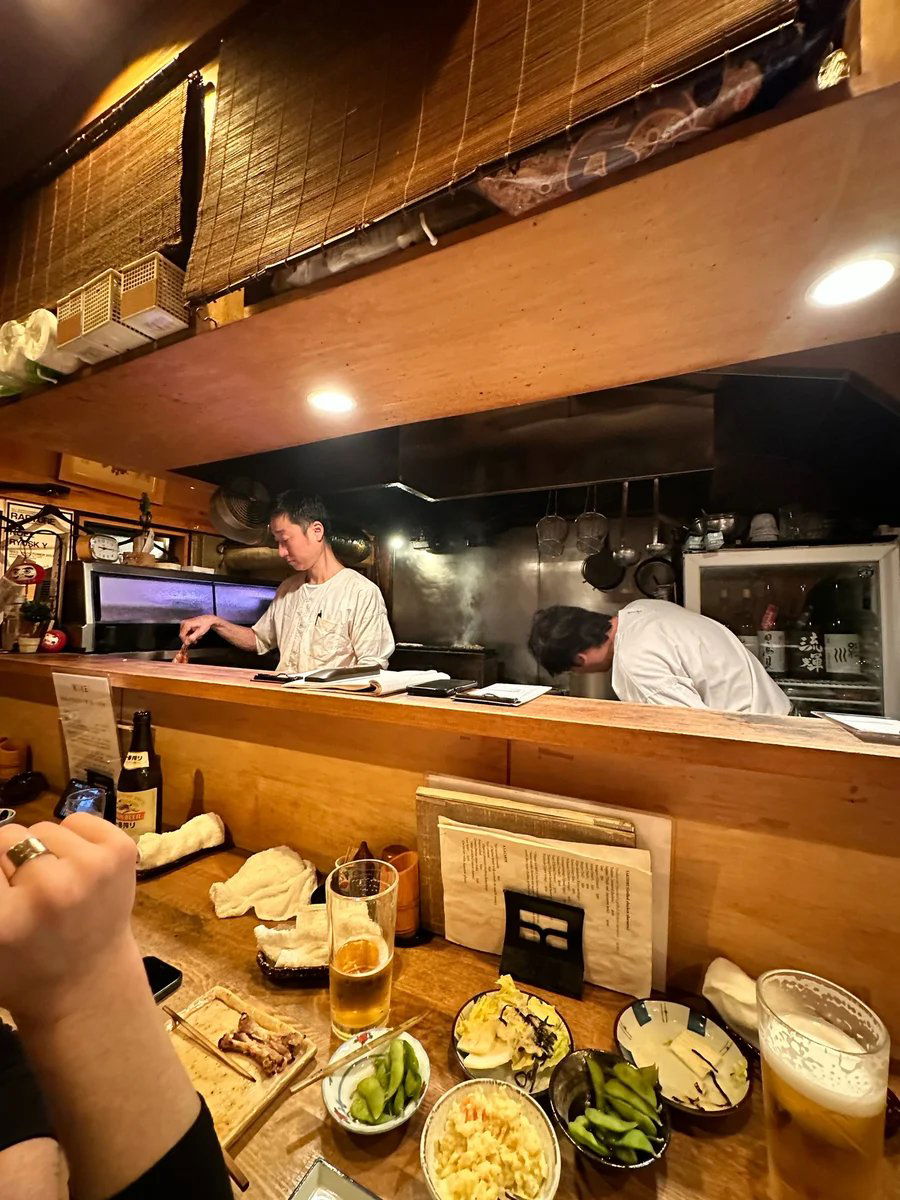
Smoky, intimate atmosphere filled with the distinct aroma of binchotan charcoal; tight quarters with a single counter create a buzzing, casual energy where the grill is the clear center of operation.
Tags
Vibe
Best For
Experience
Format
At the Bar
- Bar Category
- Sake Bar
Know before you go
Know Before You Go
- Getting there
- 5 Chome-2-8 Megurohoncho, Meguro City, Tokyo 152-0002, Japan
Planning details
Location
5 Chome-2-8 Megurohoncho, Meguro City, Tokyo 152-0002, Japan · Directions
Also consider
Also Consider
- Panacee, Notable alternative
- Kinfolk Lounge, Notable alternative
- A10, Notable alternative
- Winestand Waltz, Notable alternative
- Bar Martha, Notable alternative
Bar context
Compared with Panacee, Kinfolk Lounge, A10, Winestand Waltz, and Bar Martha, Masakichi is the lower-commitment choice. Pick it for an easy Meguro plan, not for a night where the bar itself needs to carry the itinerary.
For cocktail-focused drinkers, A10 is the cleaner cross-shop because it reads more clearly as a drinks-led decision. Winestand Waltz is the better comparison if the group is more interested in wine-bar energy than cocktails. Bar Martha is a stronger pick when atmosphere is the reason to go.
If booking ease matters, Masakichi has the advantage: it suits a looser evening better than a venue that demands advance planning. If value for money is the question, the safer call is to use it as a casual stop and save the more intentional spend for Panacee or Kinfolk Lounge when their mood or location fits the night more clearly.
Explore Tokyo
Around this place
Discover more on Pearl
Unlock the full Masakichi guide in Pearl, including awards, comparisons, FAQs, planning details, and nearby places.
Compare Masakichi
| Venue | Location | Awards |
|---|---|---|
| Masakichi | Tokyo | No published awards |
| Panacee | Tokyo | No published awards |
| Kinfolk Lounge | Tokyo | No published awards |
| A10 | Tokyo | No published awards |
| Winestand Waltz | Tokyo | No published awards |
| Bar Martha | Tokyo | No published awards |
How Masakichi Tokyo compares with similar nearby venues.
FAQ
Frequently Asked Questions
Is Masakichi good for groups?
Masakichi is open daily from 6 PM to 12 AM, but seating format and capacity should be checked.
Is Masakichi good for a date?
Masakichi may be worth considering for a casual evening in Tokyo, especially because it is open daily from 6 PM to 12 AM.