Hotel Chinzanso Tokyo
Bunkyō, Tokyo
Bar in Tokyo, Japan
 Book with Pearl
The Read
Price
$50–100per person
Why go
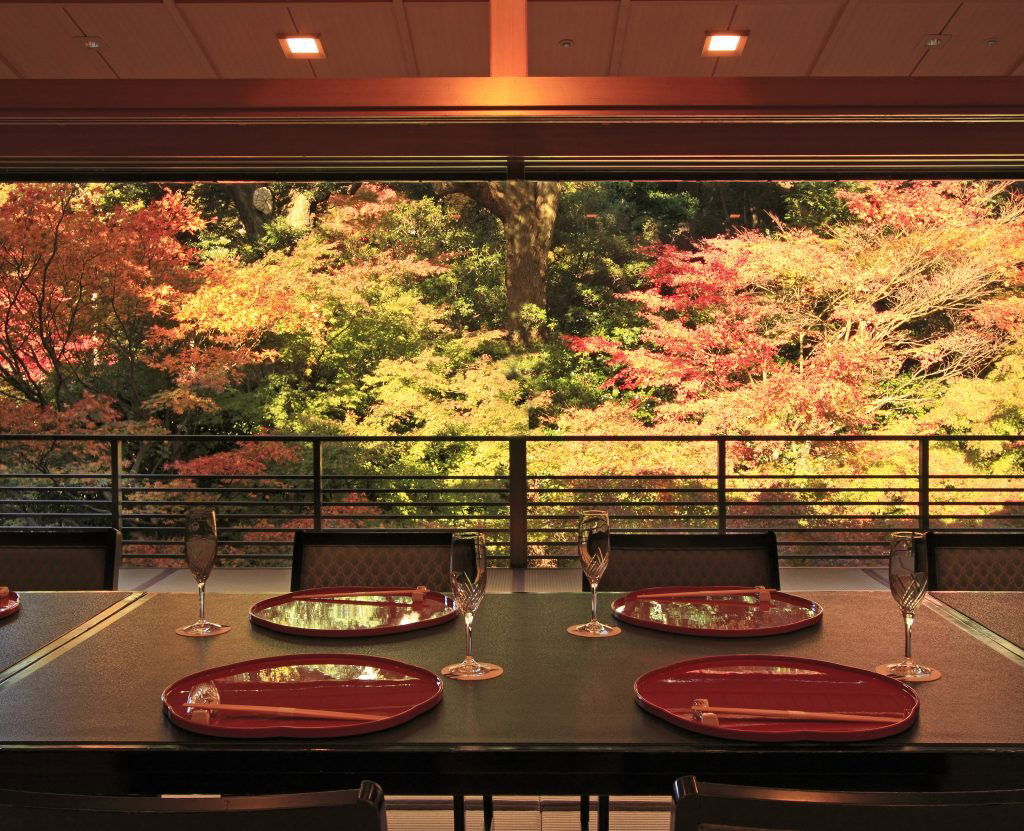
Seasonal garden setting is the reason to choose Hotel Chinzanso Tokyo. It suits travelers who want a quieter Tokyo base or a slower return visit, less so anyone prioritizing late-night bar access or the shortest route between central neighborhoods.
About Hotel Chinzanso Tokyo
Hotel Chinzanso Tokyo is a Tokyo venue with a smart casual dress code, so plan attire accordingly and check the venue's official channels before making firm plans.
Choose it when a Tokyo hotel setting fits your plans
Hotel Chinzanso Tokyo may suit travelers who want to include a hotel-based stop in a Tokyo itinerary rather than build the evening entirely around bar-hopping or restaurant-hopping.
The one confirmed style expectation is smart casual dress.
Where it fits in a Tokyo plan
For broader planning, you can start with our full Tokyo bars guide or use our full Tokyo restaurants guide. If you are comparing different kinds of Tokyo stops, you might also look at Bar Libre, Le Jardin, Le Marquis, KURAND SAKE MARKET, or Shinjuku Golden-Gai, depending on the kind of outing you want.
Planning details
- Location
- 2 Chome-10-8 Sekiguchi, Bunkyo City, Tokyo 112-8680, Japan
- Website
- hotel-chinzanso-tokyo.jp
- Phone
- +81 3 3943 1111
The take
The Take
The Vibe
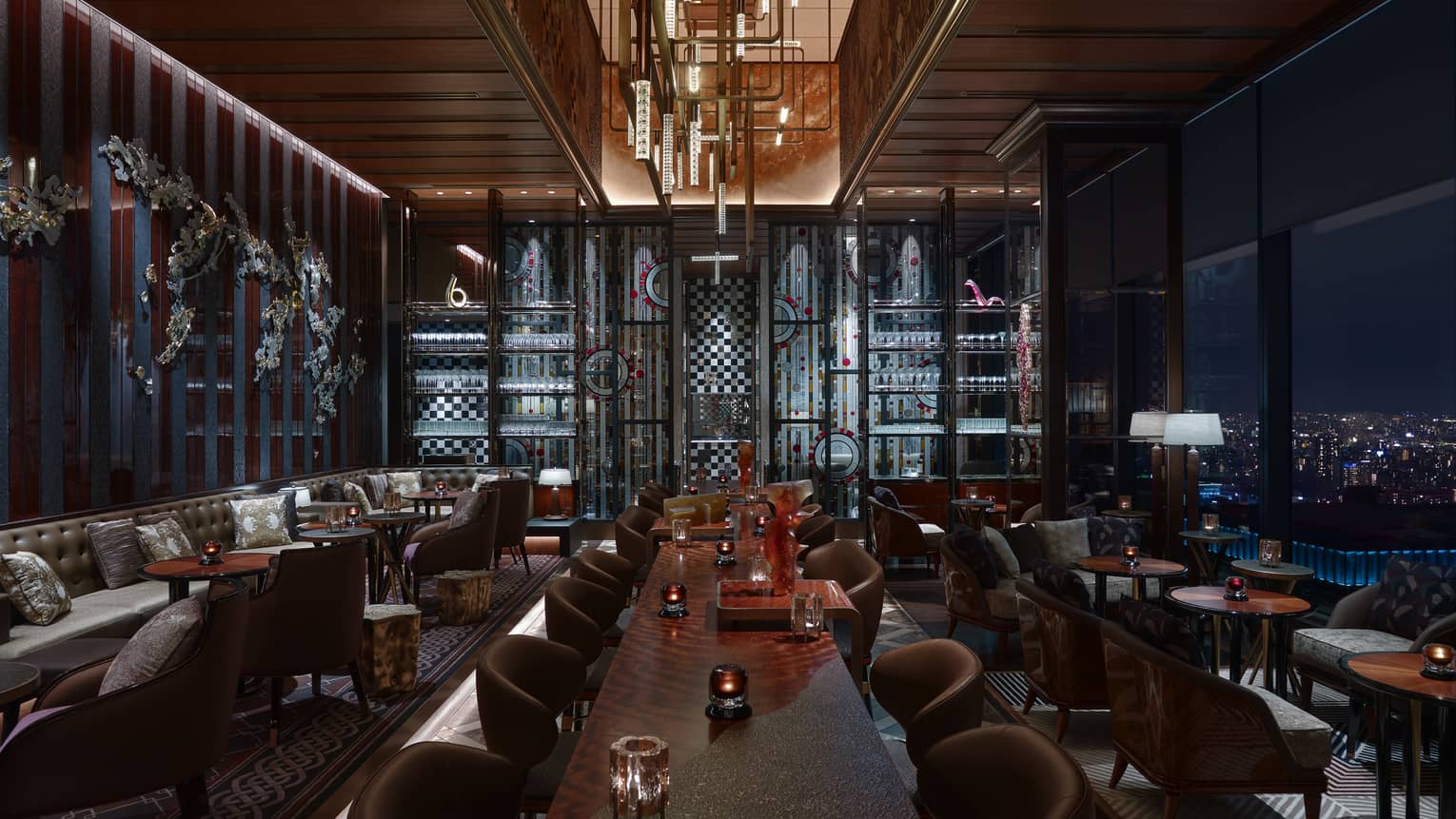
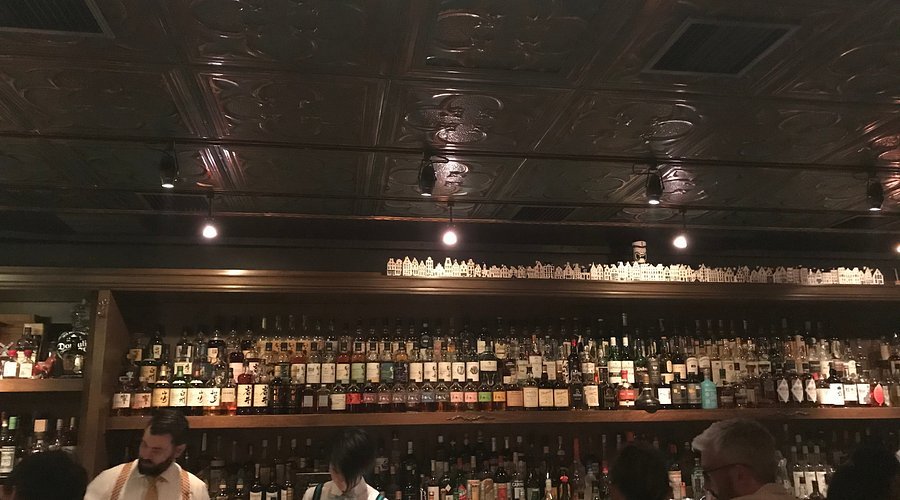
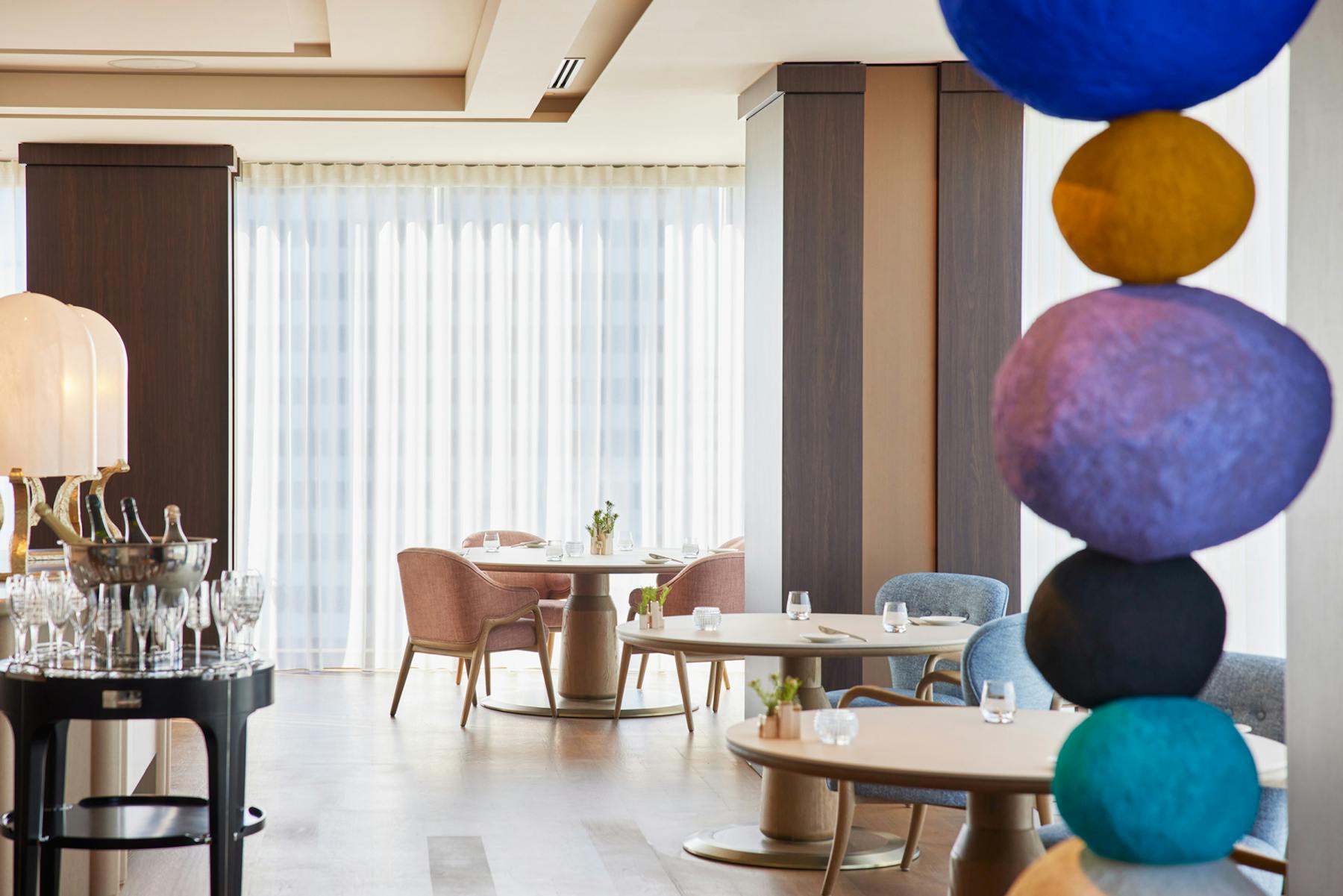
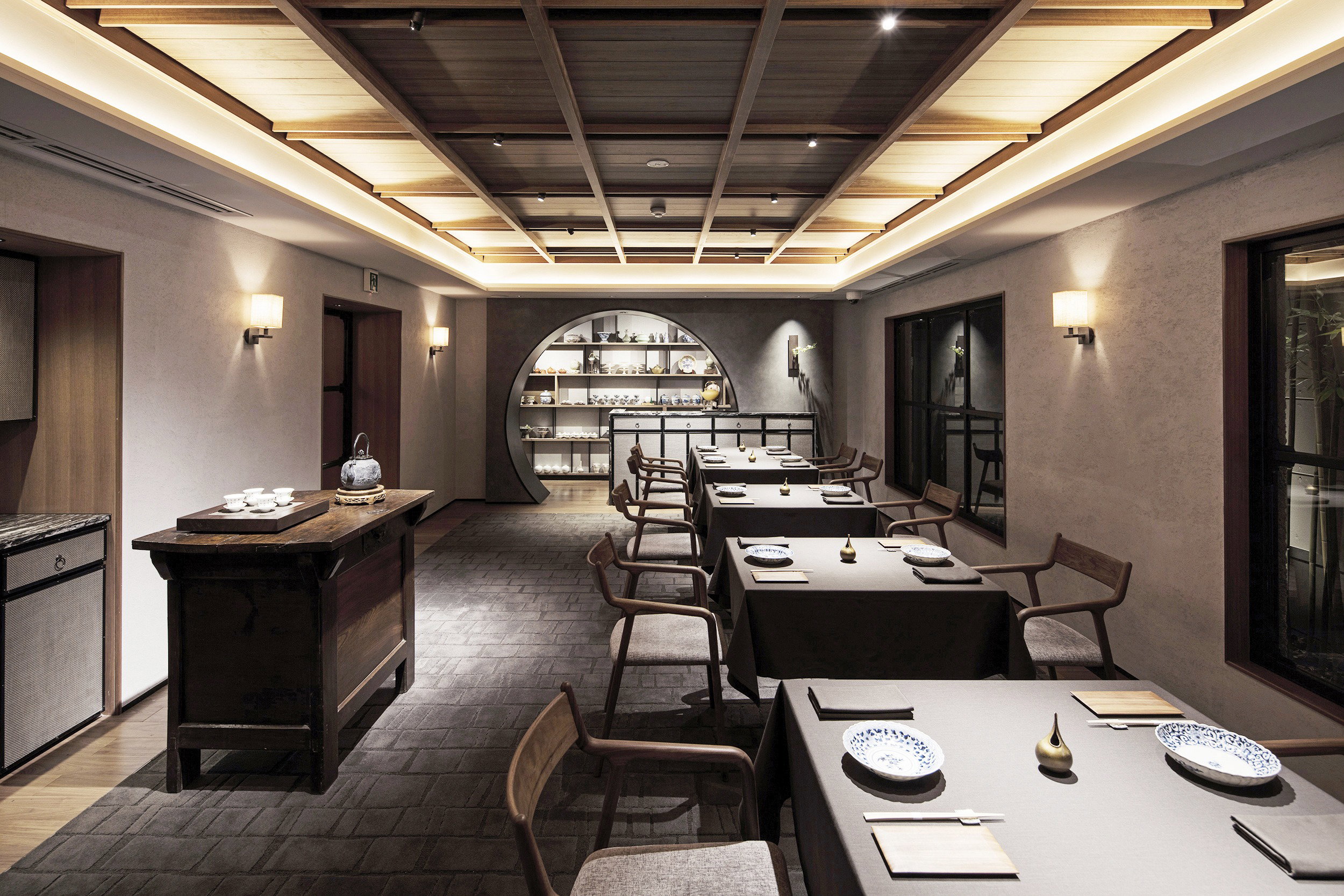
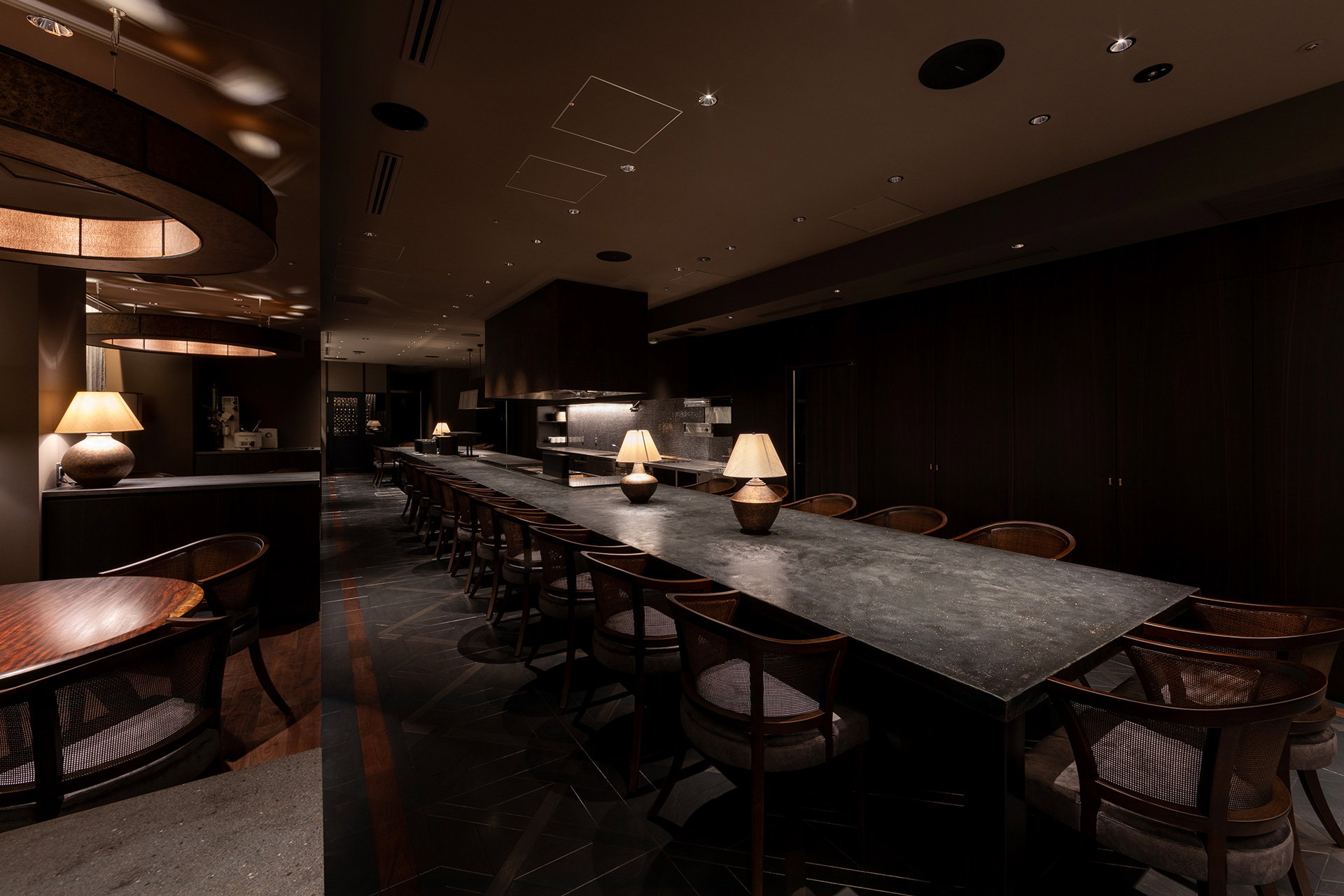
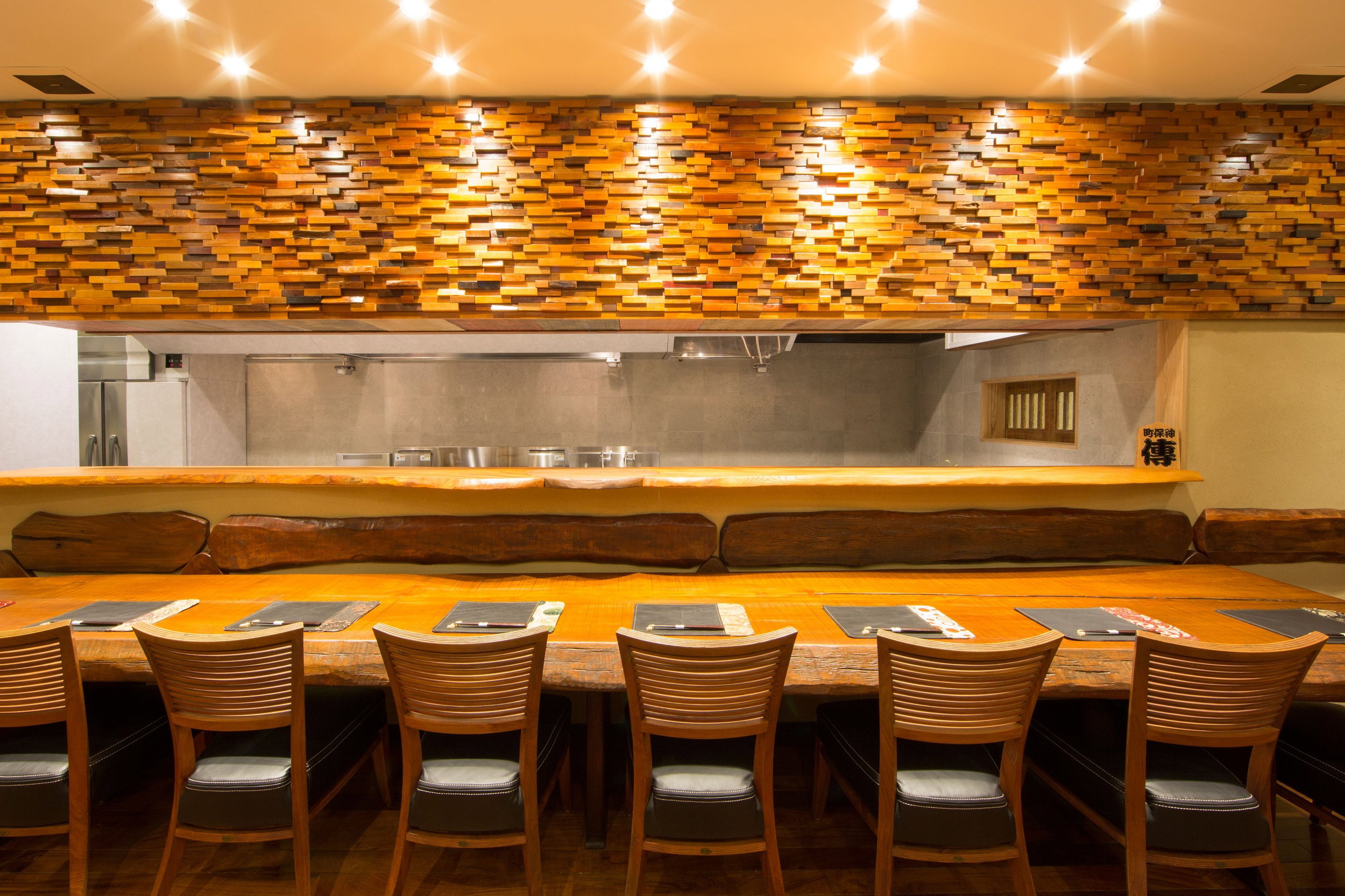
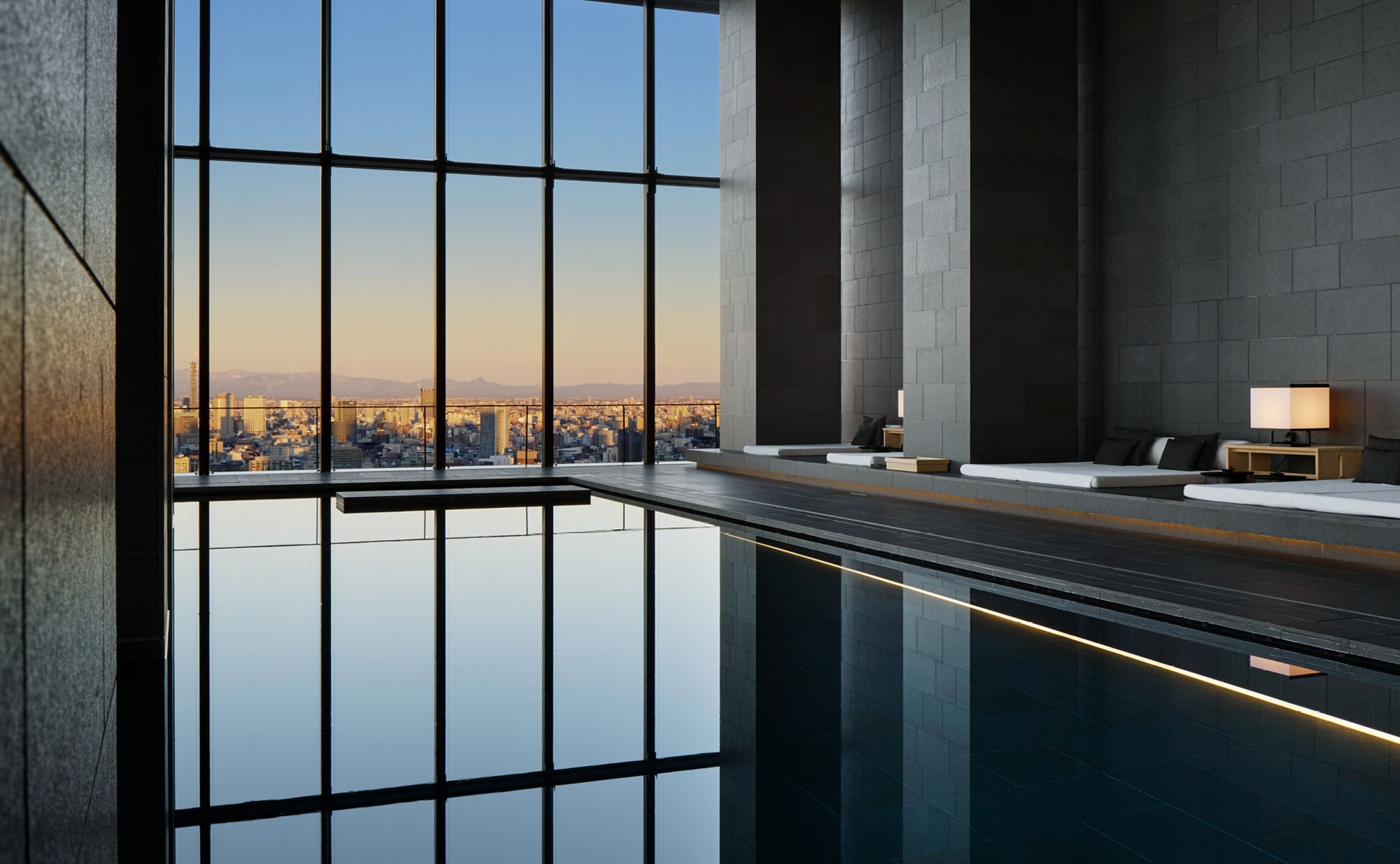
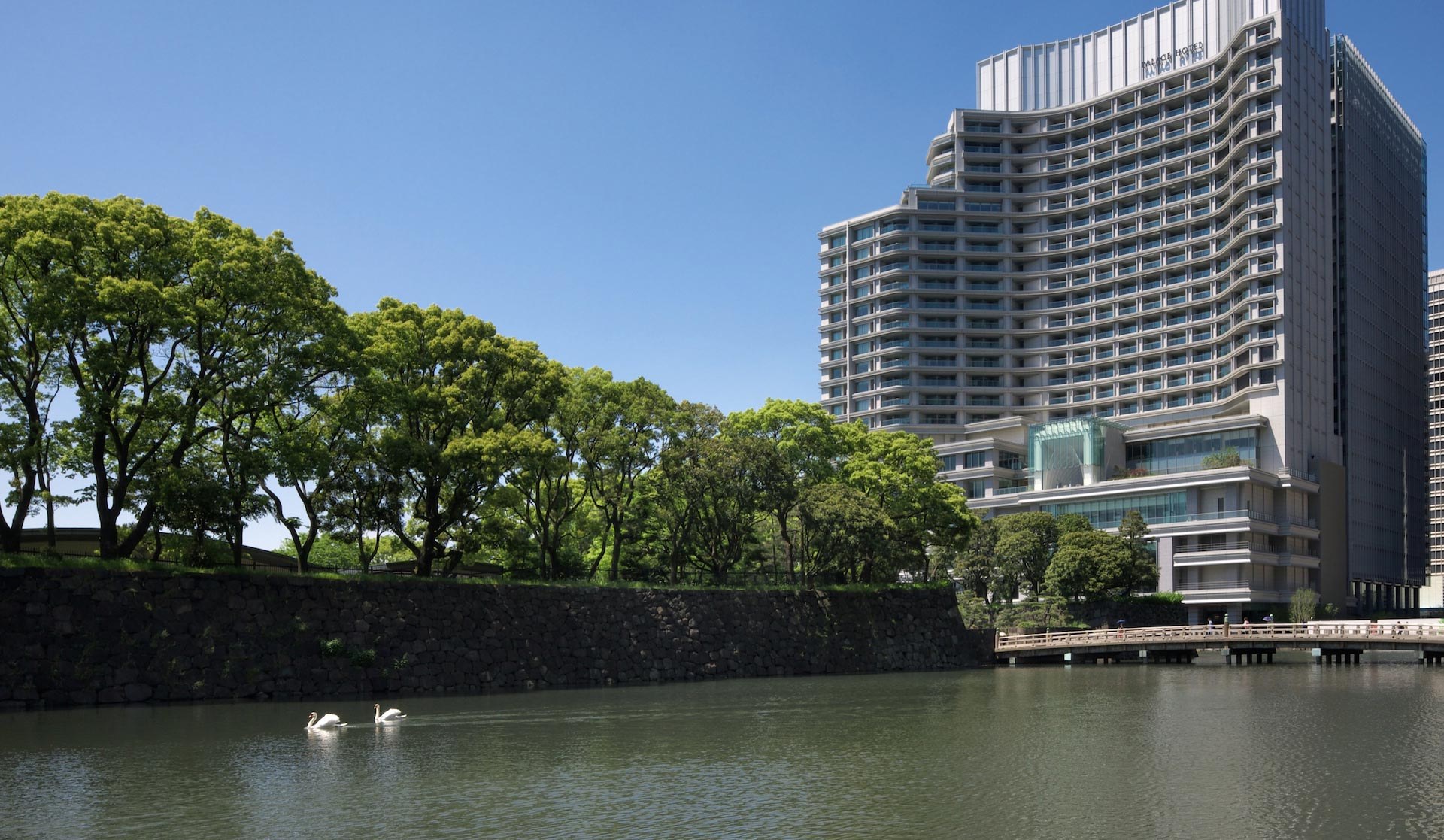
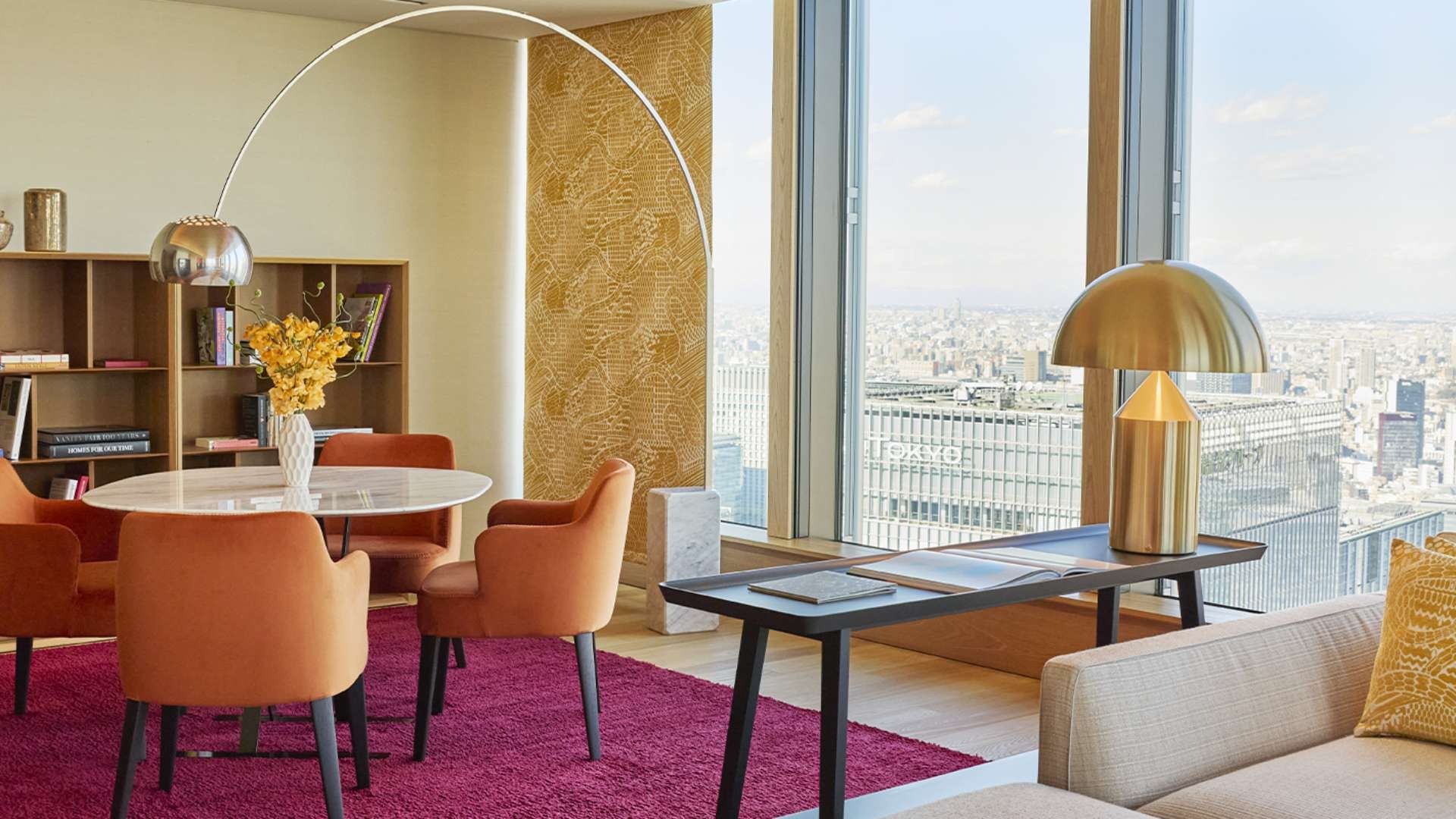
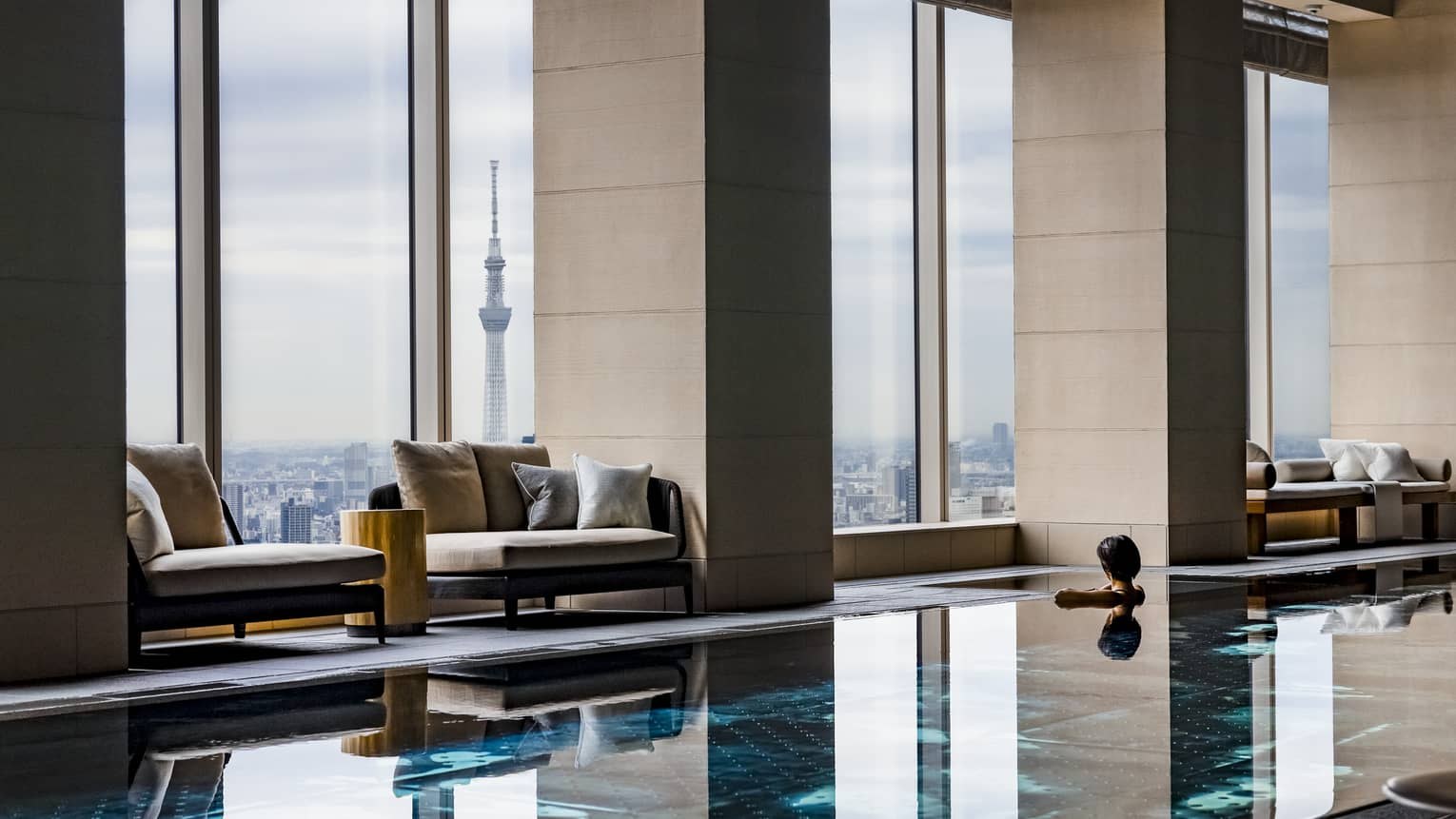
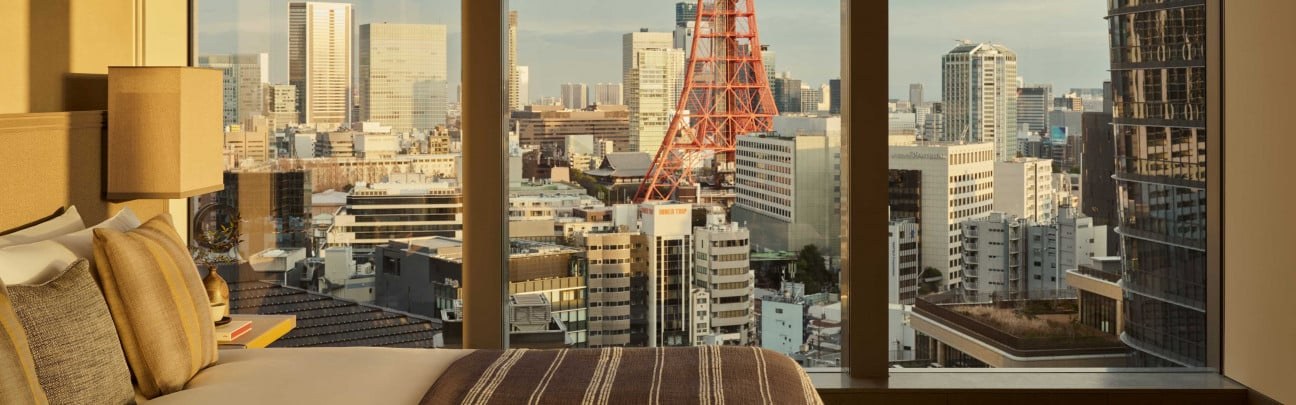
Hotel Chinzanso Tokyo's bar sits within a mature, deliberately preserved garden that reads more like a shrine precinct than a hotel amenity. The property leans into land and enclosure rather than skyline spectacle: mossy paths, ancient cedars, stone lanterns and a Kamakura-period pagoda create a strong sense of time and place. Interiors follow that argument, favoring depth and material memory over vertical drama. The result is a hushed, contemplative setting where quiet and historic gravitas shape the guest experience: an urban refuge that feels removed from Tokyo's usual rush.
Best For
This bar works especially well for intimate evenings and refined after-work drinks where the appeal is the setting as much as the service. The garden and estate give the space a calm, ceremonial quality, making it a natural fit for date nights and special occasions when privacy and atmosphere matter. For business visitors seeking a composed, low-key place to unwind, the drop in ambient city noise and the property's sense of enclosure provide a restorative pause between meetings and Tokyo's busier districts.
Venue details
Ambiance
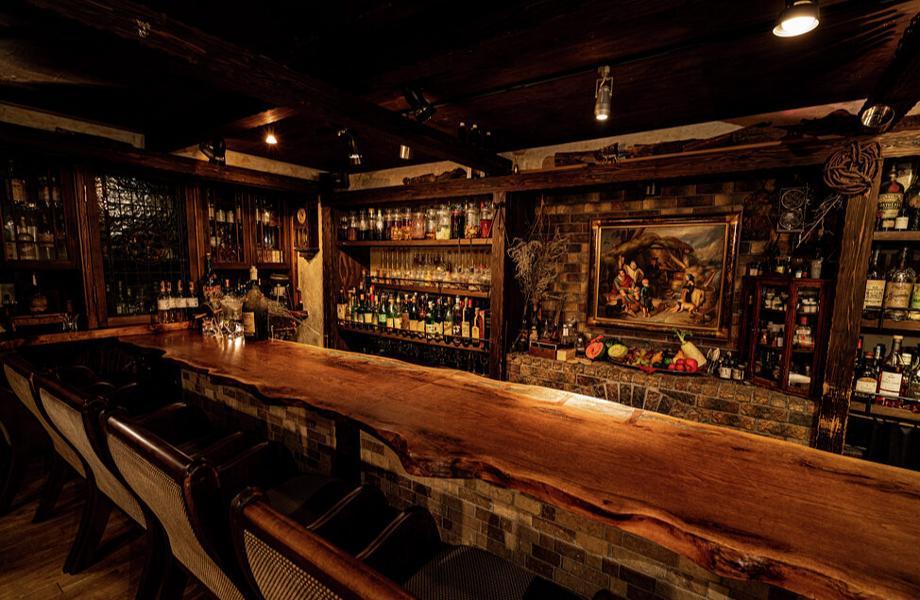
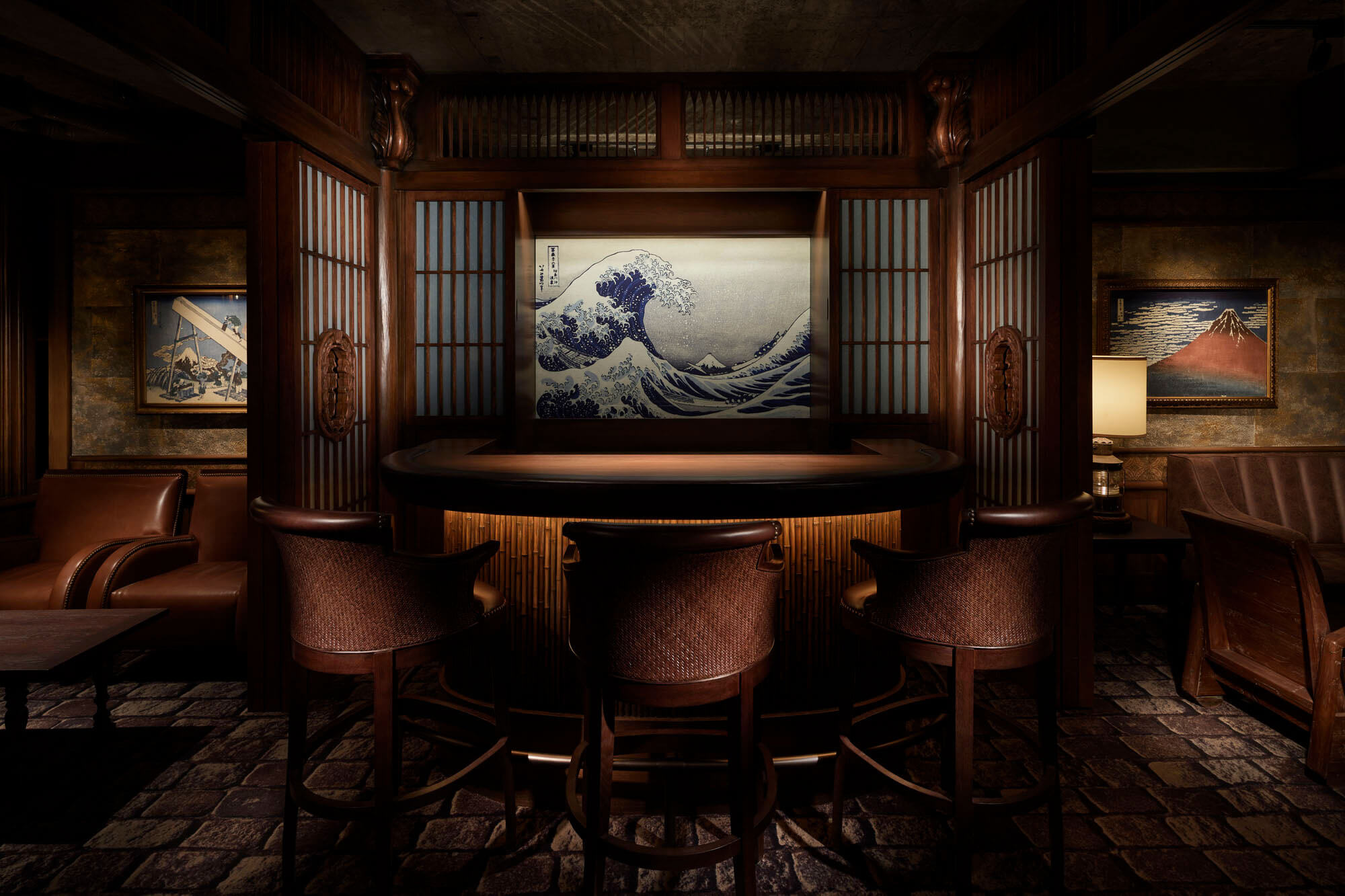
Sophisticated and elegant with classic mahogany décor reminiscent of a fine European home, offering a tranquil setting to unwind.
Tags
Vibe
Best For
Experience
Format
View
Accessibility
At the Bar
- Bar Category
- Hotel Bar
- Late Night
- Closes by Midnight
- Music
- Quiet Background
- Spirits Focus
- Whiskey
Signature Pours
- Camellia Martini
- Yang Guifei
Know before you go
Know Before You Go
- Getting there
- 2 Chome-10-8 Sekiguchi, Bunkyo City, Tokyo 112-8680, Japan
Planning details
Location
2 Chome-10-8 Sekiguchi, Bunkyo City, Tokyo 112-8680, Japan · Directions
Also consider
Also Consider
- Le Jardin, Notable alternative
- Le Marquis, Notable alternative
- Bar Libre, Notable alternative
- KURAND SAKE MARKET, Notable alternative
- Shinjuku Golden-Gai, Notable alternative
Bar context
How it compares in Tokyo
Pick Hotel Chinzanso Tokyo when ambiance is the priority and the evening benefits from a quieter garden setting. Le Jardin is the closer comparison for a polished, sit-down drinks mood, but the hotel has the stronger sense of escape if the plan is built around lingering rather than moving on quickly.
For cocktail focus, Le Marquis and Bar Libre are better cross-shops if the drink program matters more than the setting. They make more sense for readers who want the bar to be the main event, while Hotel Chinzanso Tokyo is better when the room, garden, and slower pacing carry the decision.
For value and ease, KURAND SAKE MARKET and Shinjuku Golden-Gai are more flexible choices. Choose them for a casual, lower-commitment night; choose the hotel when the occasion calls for calm, space, and a more composed Tokyo setting.
Explore Tokyo
Around this place
Discover more on Pearl
Unlock the full Hotel Chinzanso Tokyo guide in Pearl, including awards, comparisons, FAQs, planning details, and nearby places.
Compare Hotel Chinzanso Tokyo
| Venue | Location | Awards |
|---|---|---|
| Hotel Chinzanso Tokyo | Tokyo | No published awards |
| Le Jardin | Tokyo | No published awards |
| Le Marquis | Tokyo | No published awards |
| Bar Libre | Tokyo | No published awards |
| KURAND SAKE MARKET | Tokyo | No published awards |
| Shinjuku Golden-Gai | Tokyo | No published awards |
How Hotel Chinzanso Tokyo compares with similar nearby venues.
FAQ
Frequently Asked Questions
What is Hotel Chinzanso Tokyo known for?
Hotel Chinzanso Tokyo is a venue in Tokyo. The practical detail available here is a smart casual dress code.
Where is Hotel Chinzanso Tokyo located?
Hotel Chinzanso Tokyo is located in Tokyo.