
Folklore
Chiyoda, Tokyo
Bar in Tokyo, Japan
 Book with Pearl
The Read
Archive-Driven Cocktail Programme
Price
$30–50per person
Why go
Folklore is a Tokyo bar to plan around if you want a central Hibiya OKUROJI stop with Asia's Best Bars recognition. It is less suitable for diners who need confirmed food, outdoor seating, or published deal pricing, and better for a small-party cocktail stop after dinner in the Ginza-Hibiya area.
About Folklore
Folklore is a Tokyo venue recognized by World's 50 Best Asia's Best Bars, where it ranked #74 in 2024. It is best approached as a planned Tokyo bar stop rather than a venue chosen for a specific menu, price point, seating format, or service style.
A Tokyo stop with an Asia's Best Bars ranking
The practical case for Folklore is direct: it is in Tokyo, has smart casual dress guidance, and appears on World's 50 Best Asia's Best Bars at #74 for 2024. Use those details when deciding whether it belongs in an evening plan.
Choose Folklore for the venue itself rather than for a specific order, dinner plan, or group configuration. If the night needs dining, deals, outdoor seating, or a large-party setup, check directly before building the plan around it.
Who should prioritize it over another option
Prioritize Folklore if the goal is a Tokyo venue with a 2024 Asia's Best Bars ranking and smart casual positioning. Skip it, or check directly first, if the decision depends on a specific cuisine, dish, price, seating format, allergy accommodation, takeout, delivery, or lunch offering.
For a broader Tokyo night, use this as one stop in a tighter shortlist rather than the whole plan. Pearl's wider city guides are useful if this booking does not line up: Our full Tokyo bars guide, Our full Tokyo restaurants guide, Our full Tokyo hotels guide, Our full Tokyo wineries guide, and Our full Tokyo experiences guide.
If the plan is to compare across styles, also consider Folklore alongside other options such as Ginza Tsuboyaki-imo, La Nuit Blanche, Serpent, Tender Bar, and The Rendez-Vous Lounge.
Planning details
- Location
- 日比谷OKUROJI G27, 1-chōme-7-1 Uchisaiwaichō, Chiyoda City, Tokyo 100-0011
- Website
- jrtk.jp/hibiya-okuroji/shop/detail_00052
- Phone
- +81 3-6770-8785
The take
The Take
The Vibe
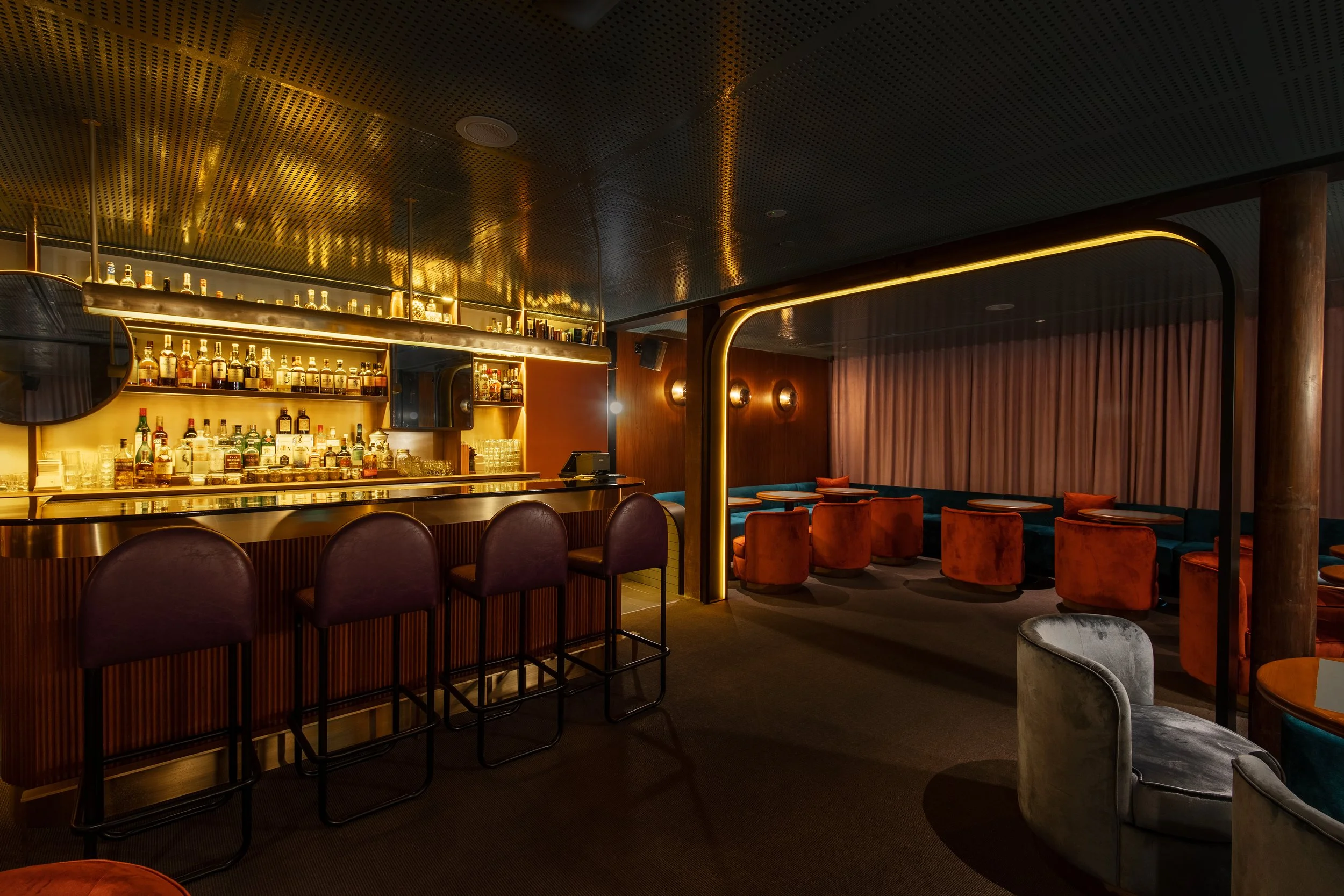
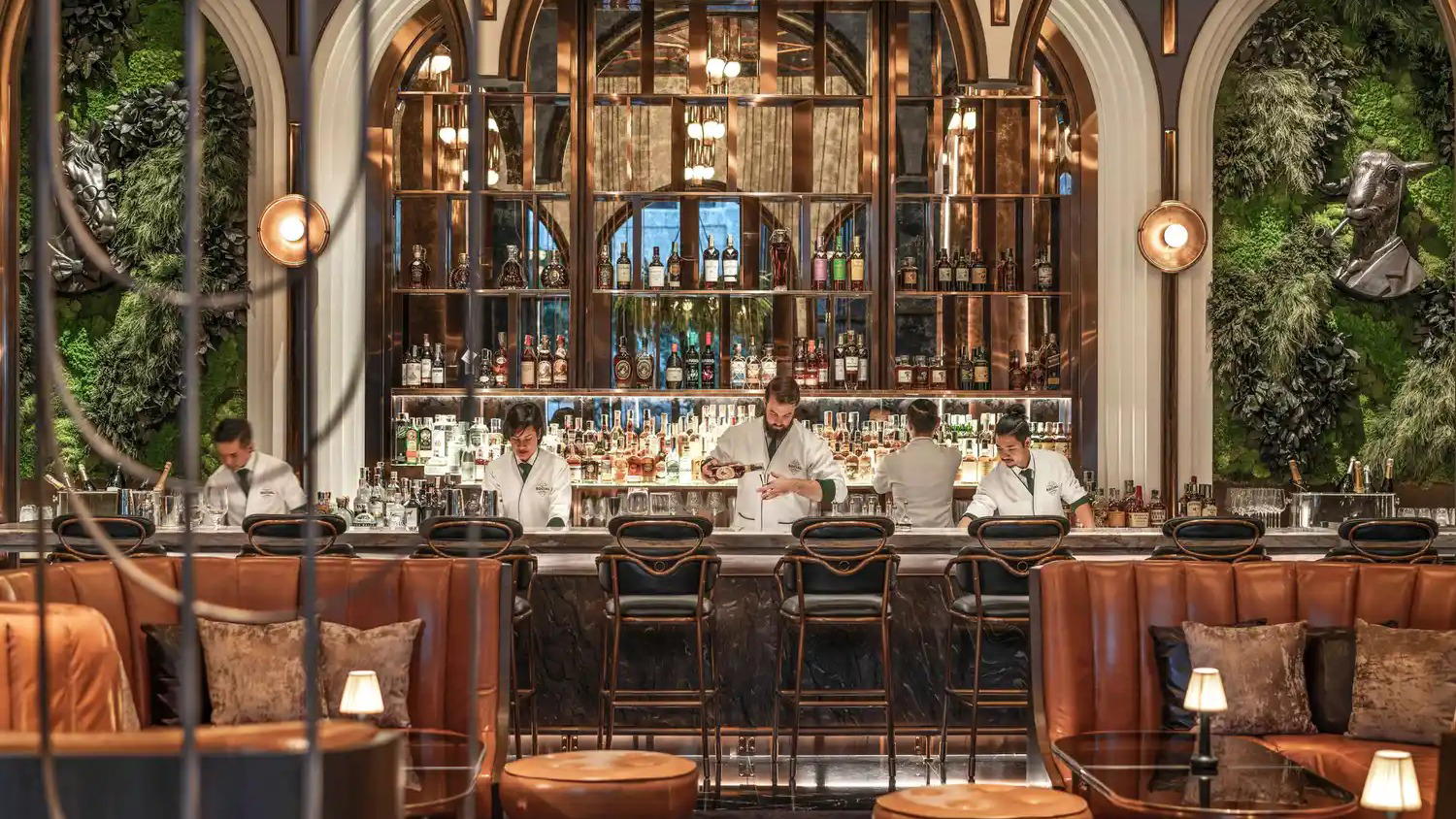
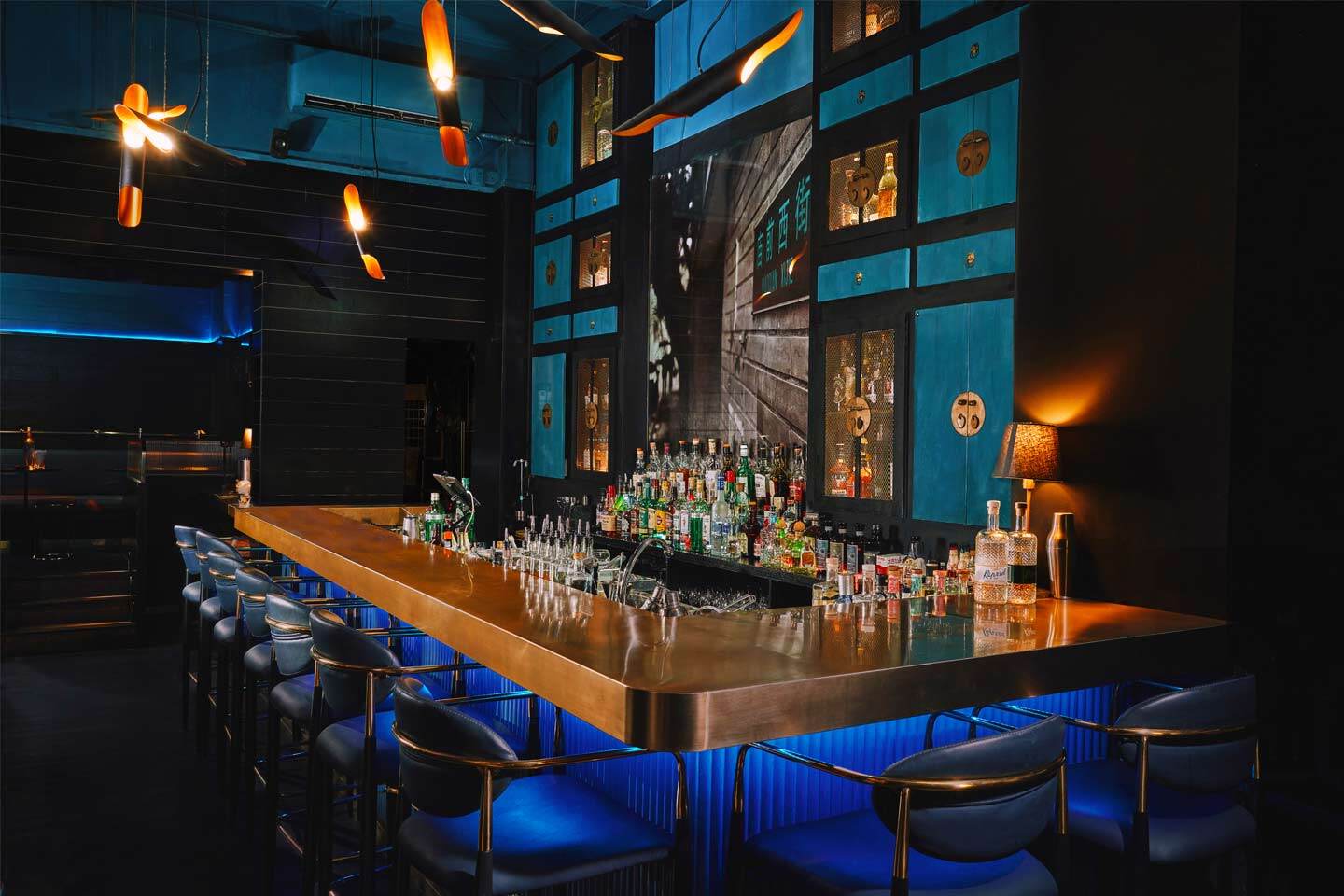
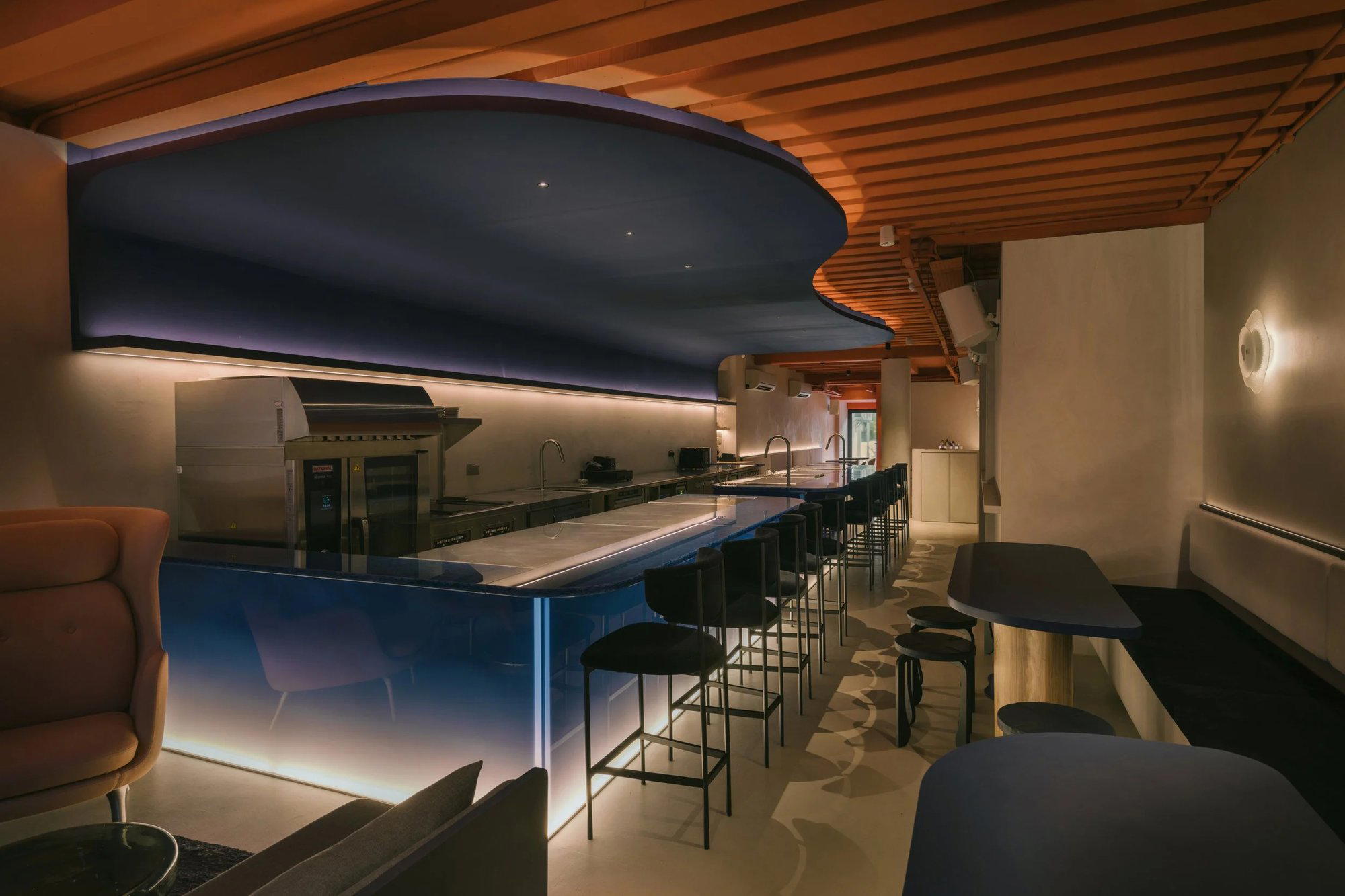
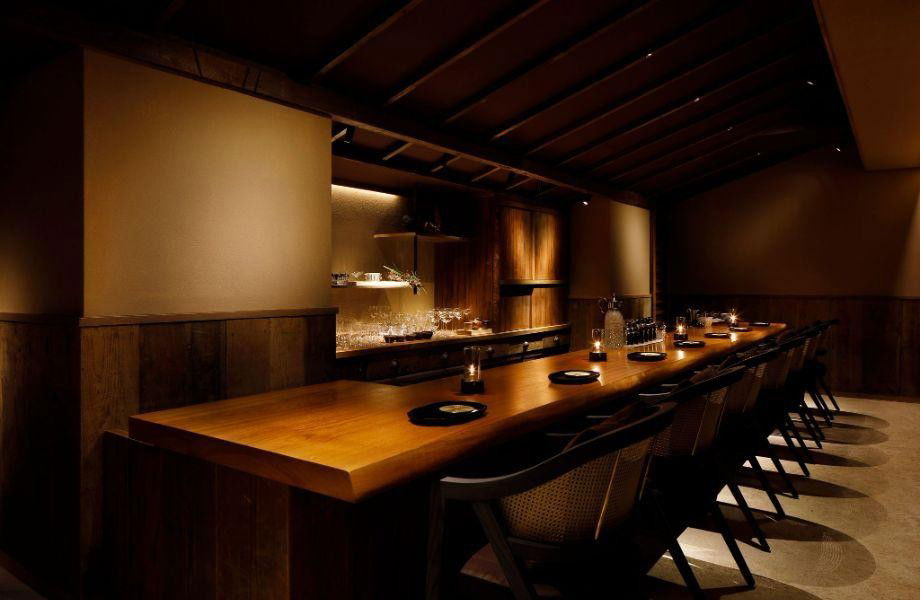
Folklore occupies a purposeful, workmanlike corner of Tokyo’s cocktail map. Set beneath redbrick railway arches in the Hibiya OKUROJI arcade, the bar leans into the location’s industrial-historic bones: raw materials, textured brick and a deliberate, considered character inform the mood more than theatrical nostalgia. It presents as a neighbourhood-adjacent specialist rather than a hotel-brand showcase or a retro speakeasy, attracting visitors who value craft and seriousness. The result is an intimate, quietly assertive place where the architecture and the bartending share the same restrained, exacting temperament.
Best For
Folklore suits guests who seek carefully made cocktails in a setting that reverberates with history. Its placement in Hibiya OKUROJI and the bar’s recognition on Asia’s extended 50 Best list signal a destination for date nights and small special occasions, and for cocktail enthusiasts exploring Tokyo’s evolving scene. The arcade location also makes it a natural stop for neighbourhood regulars and visitors who appreciate bars that prioritize technique and materiality over spectacle. Expect a focused, contemplative drinking experience rather than loud socializing or late-night revelry.
Ordering Tips
Expect meticulous, craft-focused cocktails rather than novelty theatrics. The write-up underscores a seriousness about the work happening inside and situates Folklore within Tokyo’s tradition of disciplined bartending, so approach the bar ready to engage with the bartender’s choices—ask about signature cocktails or the house approach to spirits and balance. The venue’s inclusion on an extended 50 Best list suggests a menu that rewards curiosity and attention, so lean into thoughtful recommendations from the staff rather than demanding trend-driven gimmicks.
Venue details
Ambiance
Austere and serene Japanese atmosphere with minimalist design using historic materials, combining tension and relaxation like a modern tea room.
Tags
Vibe
Best For
Experience
Format
At the Bar
- Bar Category
- Cocktail Bar
- Late Night
- Closes by Midnight
- Spirits Focus
- Sake, Shochu
Signature Pours
- Smoky Bonito
- Beauty & Snow
- Sparkling Sake Bellini
Know before you go
Know Before You Go
- Getting there
- 日比谷OKUROJI G27, 1-chōme-7-1 Uchisaiwaichō, Chiyoda City, Tokyo 100-0011
Planning details
Location
日比谷OKUROJI G27, 1-chōme-7-1 Uchisaiwaichō, Chiyoda City, Tokyo 100-0011 · Directions
Recognition and awards

Also consider
Where to go if Folklore does not line up
Try Tender Bar if the main goal is keeping a Tokyo bar night intact without anchoring it to one difficult booking. Try The Rendez-Vous Lounge if the group would be better served by a lounge-style fallback than a tighter cocktail-bar plan.
Bar context
How Folklore compares in Tokyo
Folklore has the clearest external recognition signal in this set, with World's 50 Best Asia's Best Bars #74 in 2024. That makes it the stronger pick for travelers who want a credentialed Tokyo bar in a central evening zone. La Nuit Blanche, Serpent, and Tender Bar are the cross-shops when the priority is simply securing a Tokyo bar plan rather than chasing the award signal.
For ambiance, choose Folklore when Hibiya OKUROJI's under-rail setting fits the night and the group is small. The Rendez-Vous Lounge is the more natural comparison if the brief is lounge-style comfort, while Ginza Tsuboyaki-imo reads as the more specific Ginza-area alternative when the night calls for something less cocktail-award driven.
On booking difficulty, treat Folklore as the least forgiving option in this group and line up a backup. If the point of the night is the credentialed bar, try Folklore first; if the point is keeping the evening easy, cross-shop Tender Bar or The Rendez-Vous Lounge before committing the whole plan to one hard seat.
Explore Tokyo
Around this place
Discover more on Pearl
Unlock the full Folklore guide in Pearl, including awards, comparisons, FAQs, planning details, and nearby places.
Compare Folklore
| Venue | Location | Awards |
|---|---|---|
| Folklore | Tokyo | 2024 Asia's 50 Best Bars · #74 |
| La Nuit Blanche | Tokyo | No published awards |
| Serpent | Tokyo | No published awards |
| Ginza Tsuboyaki-imo | Tokyo | No published awards |
| The Rendez-Vous Lounge | Tokyo | No published awards |
| Tender Bar | Tokyo | Pearl Recommended Bars |

How Folklore Tokyo compares with similar nearby venues.
FAQ
Frequently Asked Questions
Does Folklore have outdoor seating?
Does Folklore have happy hour deals?
Is Folklore good for a date?
Folklore may fit a date plan if the plan is centered on a Tokyo venue with smart casual dress guidance and a 2024 Asia's Best Bars ranking. If the date depends on a specific table setup, food menu, price point, or quieter format, check those details directly first.
Is Folklore good for groups?
If you are planning for a group or need a specific seating arrangement, contact Folklore directly before committing.