
Bar in Tokyo, Japan
Bar Centifolia
100Pearl PointsLate Azabujuban
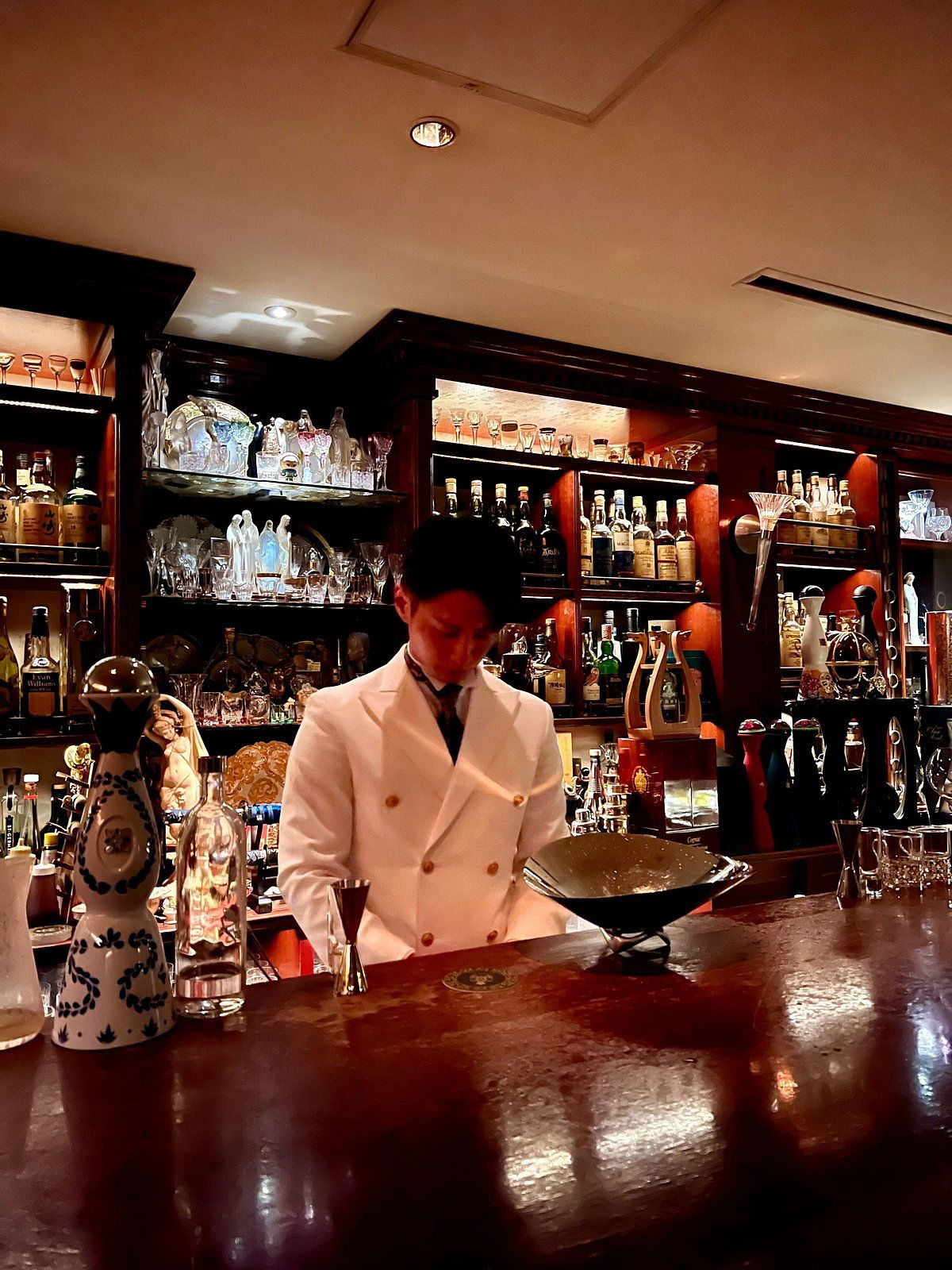
About Bar Centifolia
Bar Centifolia is a better pick for a late, small-group cocktail stop in Azabujuban than for dinner, happy hour, or a big night out with a crowd. Book it when location and late timing matter; cross-shop Gen Yamamoto, Tokyo Confidential, élevé, Maduro, and Janu Bar if you want a more clearly defined Tokyo bar concept.
Do not come to Bar Centifolia expecting an early-evening stop: the verified hours begin at 8:30 PM and run until 3 AM on every open day. It is closed on Wednesday, and its listed dress code is smart casual.
The case for considering it is simple. If the priority is a late-night bar in Tokyo, Bar Centifolia is worth shortlisting. The verified public detail is lean, so first-timers should not build expectations around a named house drink, food program, price range, seating layout, or award trail.
Choose it for a late Tokyo bar stop, not a fully defined evening plan
The useful planning signal is timing. Bar Centifolia opens at 8:30 PM and closes at 3 AM on Monday, Tuesday, Thursday, Friday, Saturday, and Sunday, with Wednesday closed. That makes it easier to place after dinner than before it.
Because no verified food program, price range, or signature cocktail list is attached, the smart move is to keep expectations tight. Go for the bar itself, not for a confirmed dinner plan or a published menu format. If the night needs a broader Tokyo plan, use Our full Tokyo bars guide alongside Our full Tokyo restaurants guide and Our full Tokyo hotels guide rather than making this the whole itinerary.
Who should pick it, and who should cross-shop
First-timers who want a late-night bar option in Tokyo should keep Bar Centifolia on the list, especially if an 8:30 PM to 3 AM window and smart-casual dress code fit the plan. Readers chasing a more defined concept can compare it with Gen Yamamoto, Tokyo Confidential, élevé, Maduro, and Janu Bar before committing.
For a wider evening plan, keep other Tokyo dining and nightlife research separate from the Bar Centifolia decision. The verified facts here are limited to Tokyo, the weekly hours, the Wednesday closure, and a smart-casual dress code.
Frequently Asked Questions
Does Bar Centifolia have happy hour deals?
There is no verified happy-hour information for Bar Centifolia. The confirmed planning detail is the schedule: it is open from 8:30 PM to 3 AM on Monday, Tuesday, Thursday, Friday, Saturday, and Sunday, and closed on Wednesday.
Is Bar Centifolia good for groups?
There is no verified group, seating, or room-layout information for Bar Centifolia. Plan based on its late-night Tokyo hours and smart-casual dress code, and confirm directly if group size matters.
Does Bar Centifolia have outdoor seating?
Outdoor seating is not verified for Bar Centifolia. Treat it as a Tokyo bar with confirmed late-night hours, and confirm seating details directly before you go.
Is Bar Centifolia good for a date?
It can fit a late-night Tokyo plan if the 8:30 PM opening, 3 AM closing time, and smart-casual dress code suit the occasion. No further date-specific service details are verified.
Is the food good at Bar Centifolia?
No verified food program or menu details are available for Bar Centifolia. If food is a priority, plan dinner separately and treat this as a bar stop unless you confirm otherwise directly.
Do I need a reservation at Bar Centifolia?
Reservation requirements are not verified. Check directly with Bar Centifolia before going, especially if your timing is fixed or you are planning around the late-night 8:30 PM to 3 AM window.
What's the crowd like at Bar Centifolia?
No verified crowd description is available. The grounded planning facts are that Bar Centifolia is in Tokyo, follows a smart-casual dress code, opens at 8:30 PM, closes at 3 AM on open days, and is closed on Wednesday.
Location
6F Ramieuse Azabujuban Building, 1-6-5 Azabujuban, Minato-ku, Tokyo, 106-0045, Japan
Tokyo, Japan
Compare Bar Centifolia
| Venue | Booking Difficulty |
|---|---|
| Bar Centifolia | Easy |
| Gen Yamamoto | Unknown |
| Tokyo Confidential | Unknown |
| élevé | Unknown |
| Maduro | Unknown |
| Janu Bar | Unknown |
Comparable nearby venues by cuisine and price for this tier.
Also Consider
- Gen Yamamoto, Notable alternative
- Tokyo Confidential, Notable alternative
- élevé, Notable alternative
- Maduro, Notable alternative
- Janu Bar, Notable alternative
How it compares with Tokyo cocktail peers
Bar Centifolia is the easier recommendation for a late Minato drink when the plan is simple: small group, cocktail focus, no need for a full dining component. Compared with Gen Yamamoto, it reads as the less ritualized choice; pick Gen Yamamoto when the drink format itself is the main event, and pick Bar Centifolia when the priority is a late Azabujuban stop.
Tokyo Confidential and élevé are better cross-shops for readers who want a more defined scene around the bar, while Bar Centifolia is the quieter decision if the night is already anchored in Minato. For hotel-bar energy, compare with Maduro and Janu Bar; those make more sense when ambiance and property setting matter as much as the drink in hand.
Value is hard to judge without a listed price range, so do not choose Bar Centifolia on savings alone. Choose it for timing and location. If the booking needs to impress a first-time Tokyo visitor, cross-shop the named peers first; if the night simply needs a late cocktail address in Azabujuban, Bar Centifolia is the cleaner fit.
Explore Tokyo
Save or rate Bar Centifolia on Pearl
Keep this venue in your Pearl passport, rate it after you visit, and track it alongside every other place you collect.