
Domaine Wine Cellars
Guangxin, Taipei
Bar in Taipei, Taiwan
 Book with Pearl
The Read
Price
$20–30per person
Why go
A wine-first Da'an basement pick for readers who want a calmer Taipei stop built around the bottle rather than a cocktail show. Go for conversation and the Star Wine List 2026 signal; choose a fuller bar or restaurant plan elsewhere if food, loud energy, or a set dinner format is the priority.
About Domaine Wine Cellars
Domaine Wine Cellars is a Taipei venue best planned around the basics: opening hours, a smart-casual dress code, and Star Wine List recognition in 2026. Use it as a planned wine-minded stop rather than assuming a specific cuisine, menu format, service style, or signature dish.
The practical details are straightforward: Domaine Wine Cellars is in Taipei, operates across the week with later hours on several weekdays, and has outside wine-list recognition. For address, room layout, food, prices, seating, chef, or reservation policy, check current details directly before going.
A Taipei stop for wine-minded plans, not an assumed full dinner
Domaine Wine Cellars is easiest to recommend when the decision is specific: a Taipei stop with Star Wine List recognition and smart-casual expectations. The safer plan is not to assume a full dining format unless a current menu has been checked in advance, because the clearest reason to consider it is the wine-list recognition rather than a named cuisine, chef, or signature dish.
That makes the fit more practical than prescriptive. It may suit guests who want a planned Taipei stop and are comfortable confirming details before arrival. It is less certain as the anchor for a full dinner plan, a large-group meal, or a night built around specific service expectations.
Plan it with the Taipei hours
Use the hours as the main planning tool: Monday 10 AM–6 PM; Tuesday through Thursday 10 AM–12 AM; Friday 10 AM–1 AM; Saturday 10 AM–3 PM; and Sunday 10 AM–6 PM. Readers building a wider trip can use Our full Taipei restaurants guide, Our full Taipei bars guide, Our full Taipei hotels guide, Our full Taipei wineries guide, and Our full Taipei experiences guide to decide where Domaine Wine Cellars fits.
For other Taipei options, compare the role you want from the night rather than assuming the same format everywhere. Draft Land, Fermented by Tseng House, Justin's Wine & Bistro, Under Lab, and Wu can be considered as separate Taipei references depending on the kind of stop you are planning.
Planning details
- Location
- 106, Taiwan, Taipei City, Da’an District, Section 4, Ren'ai Rd, 383號地下1樓
- Website
- domaine.com.tw
- Phone
- +886 2 2776 0066
The take
The Take
The Vibe
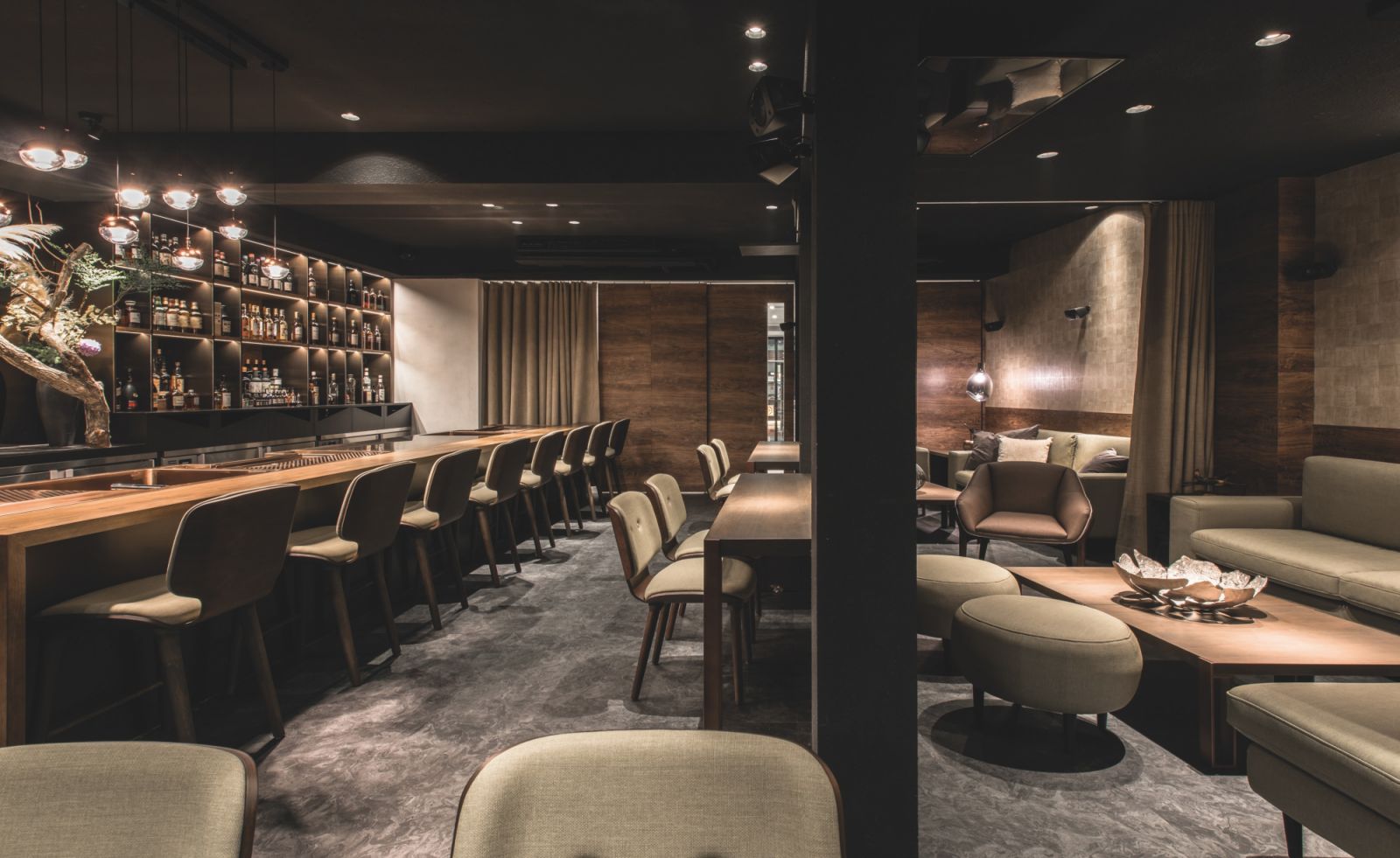
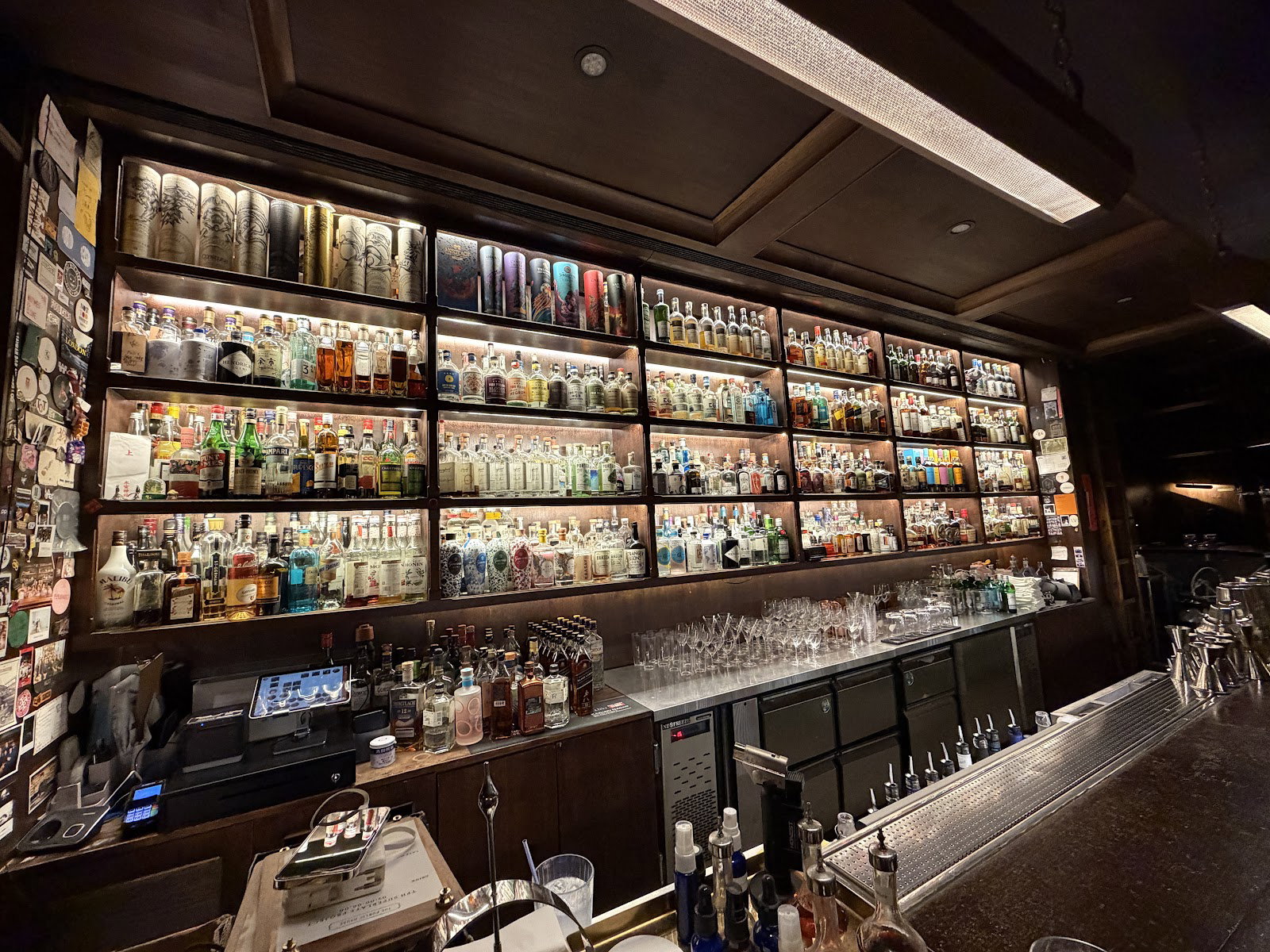
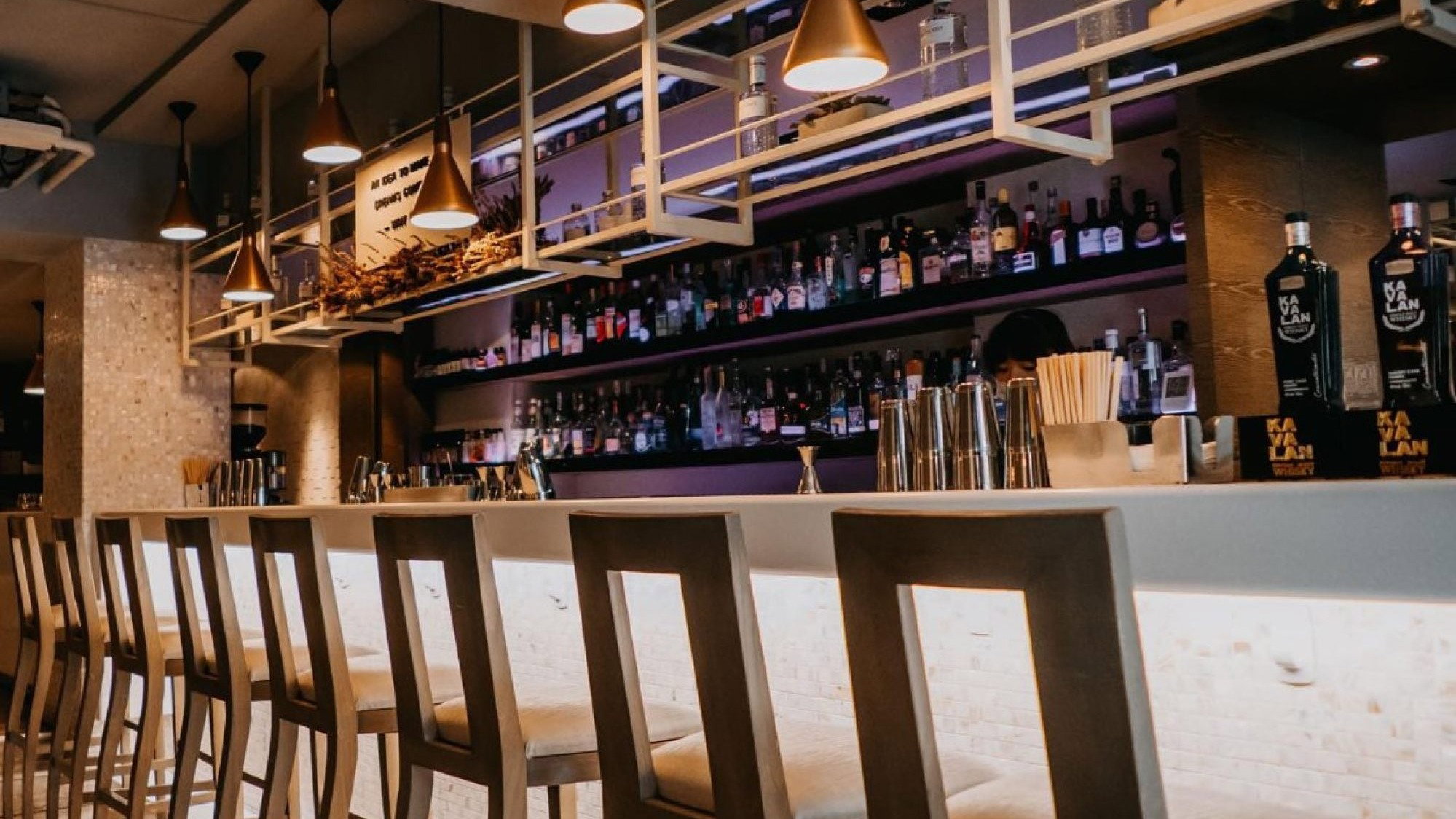
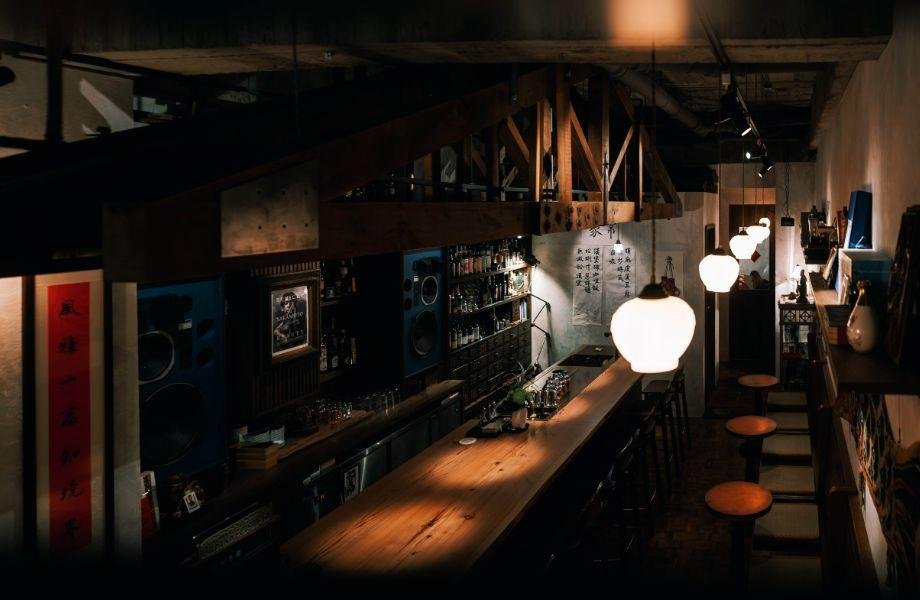
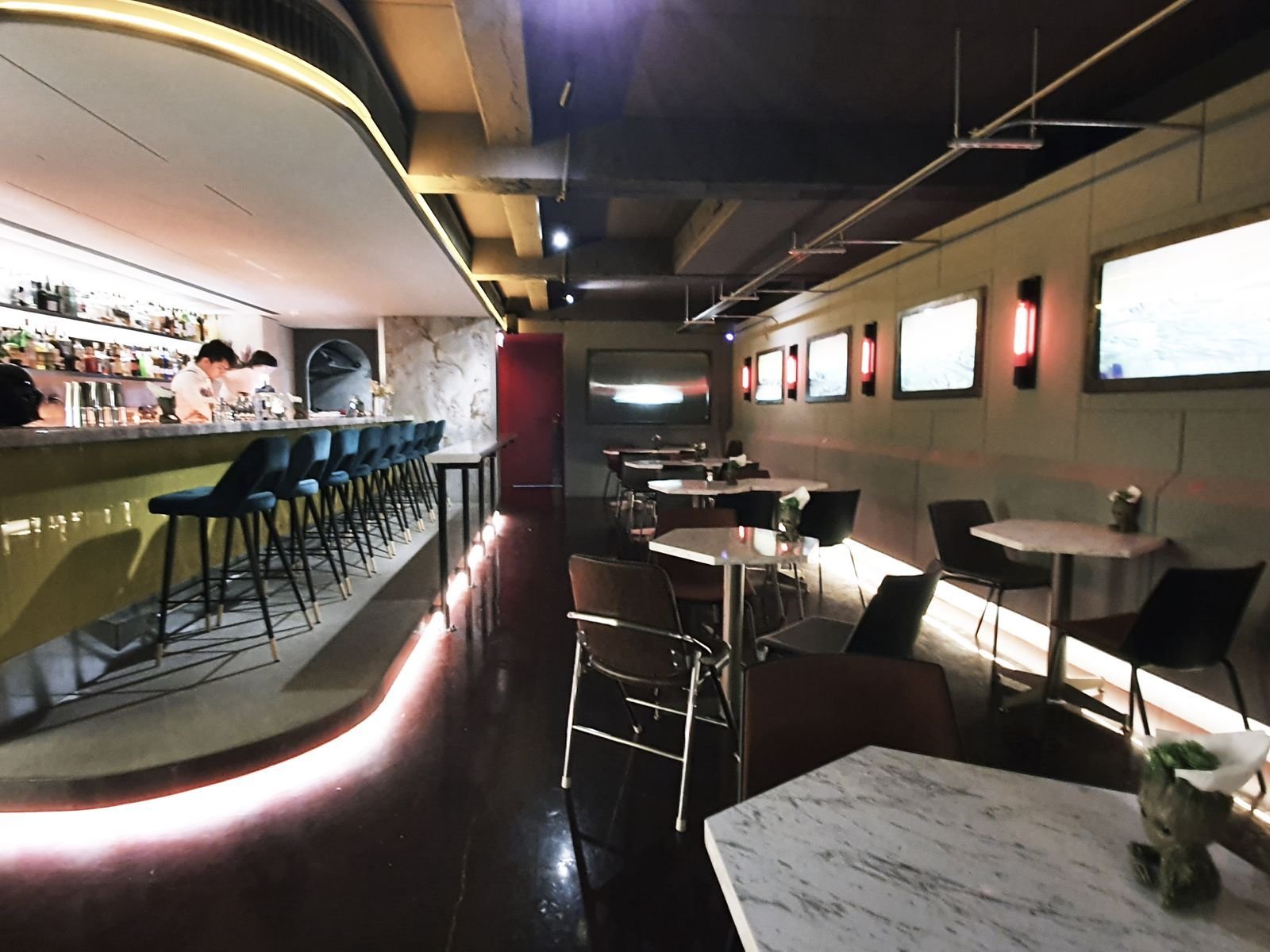
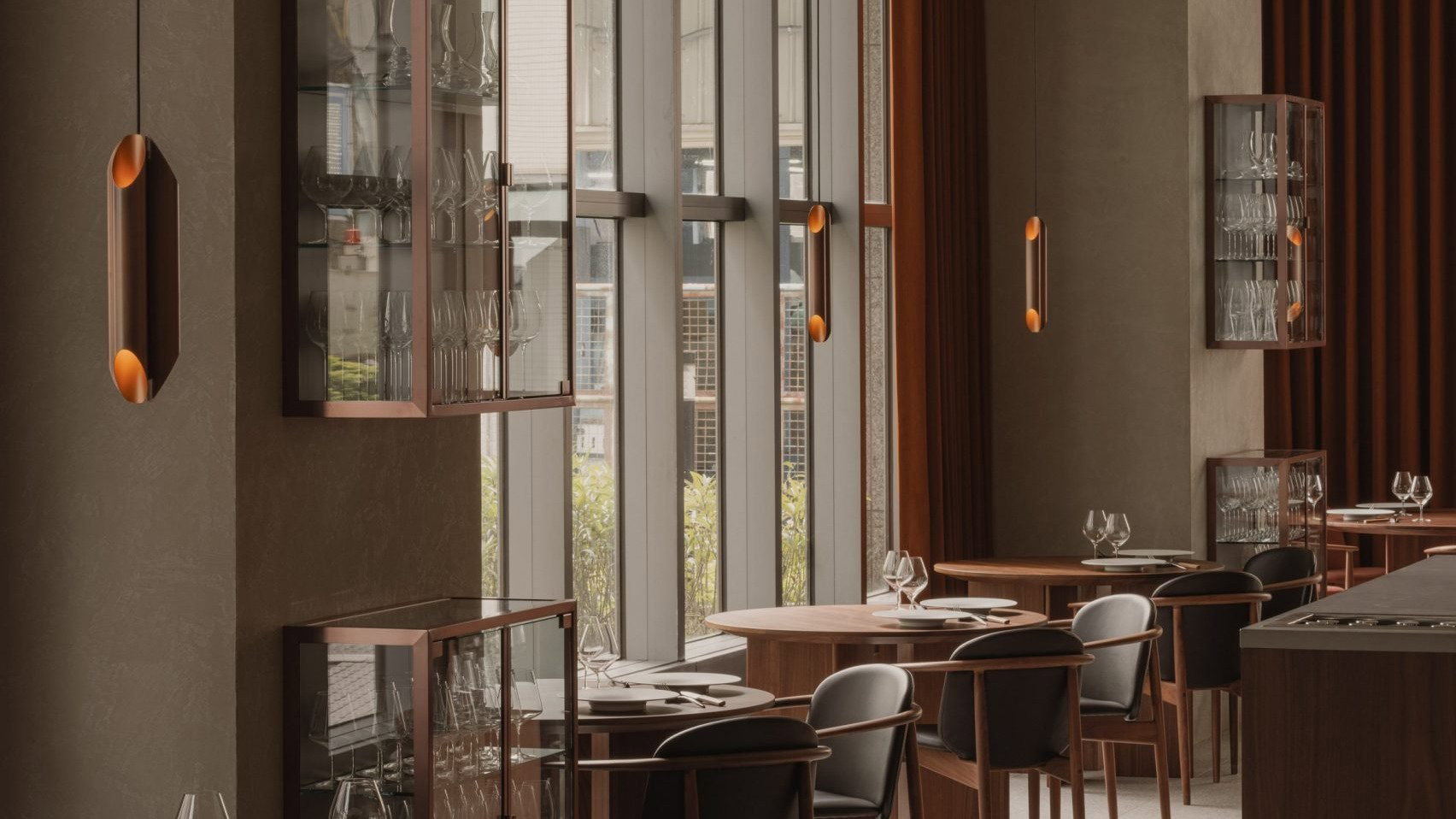
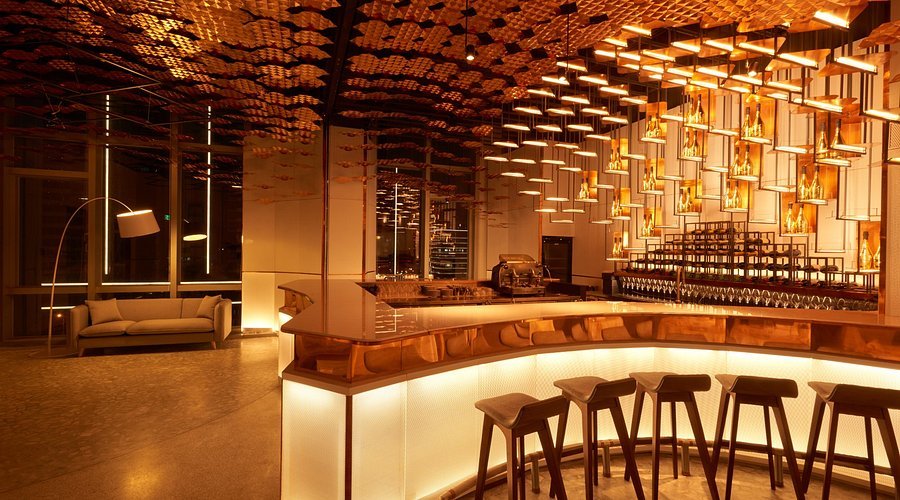
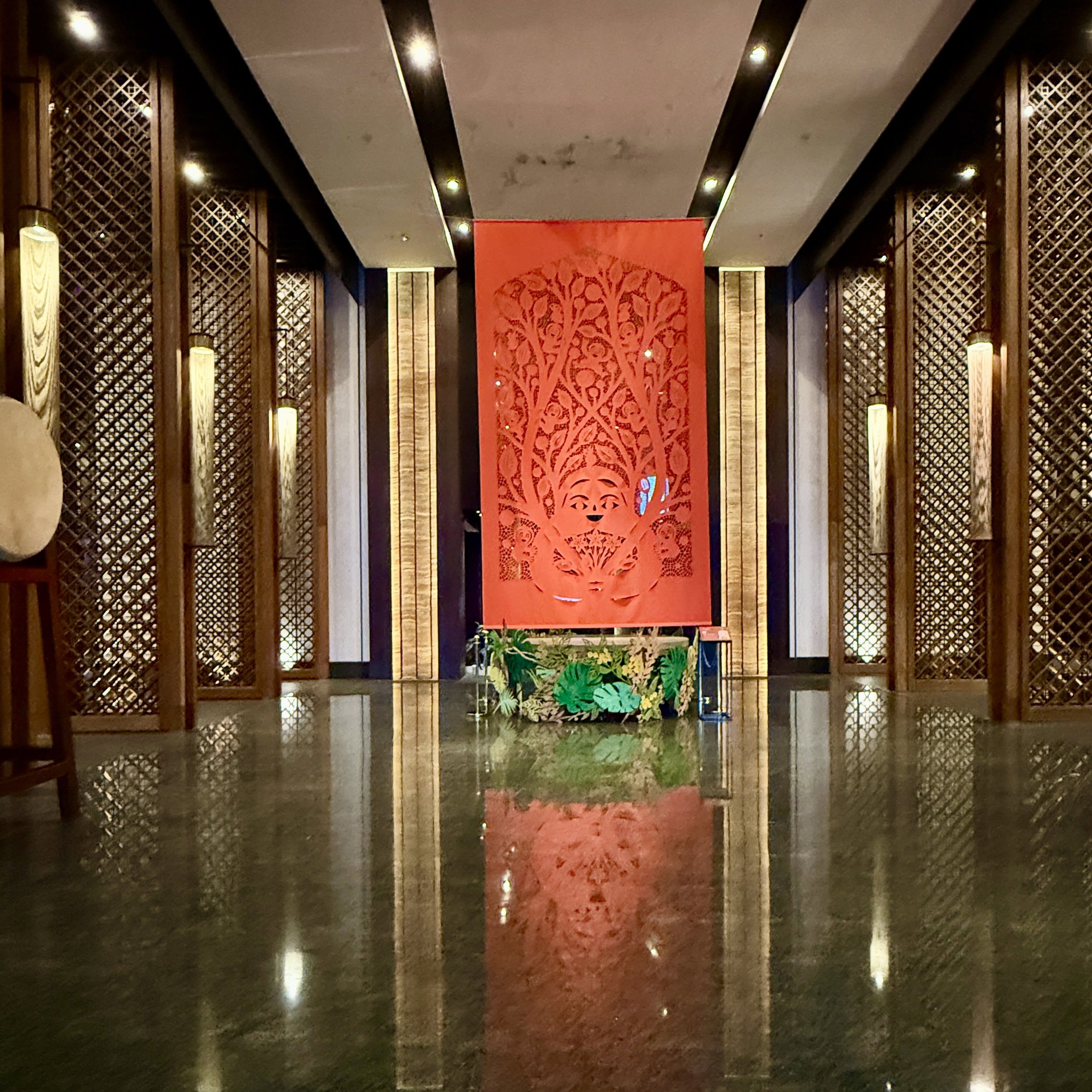
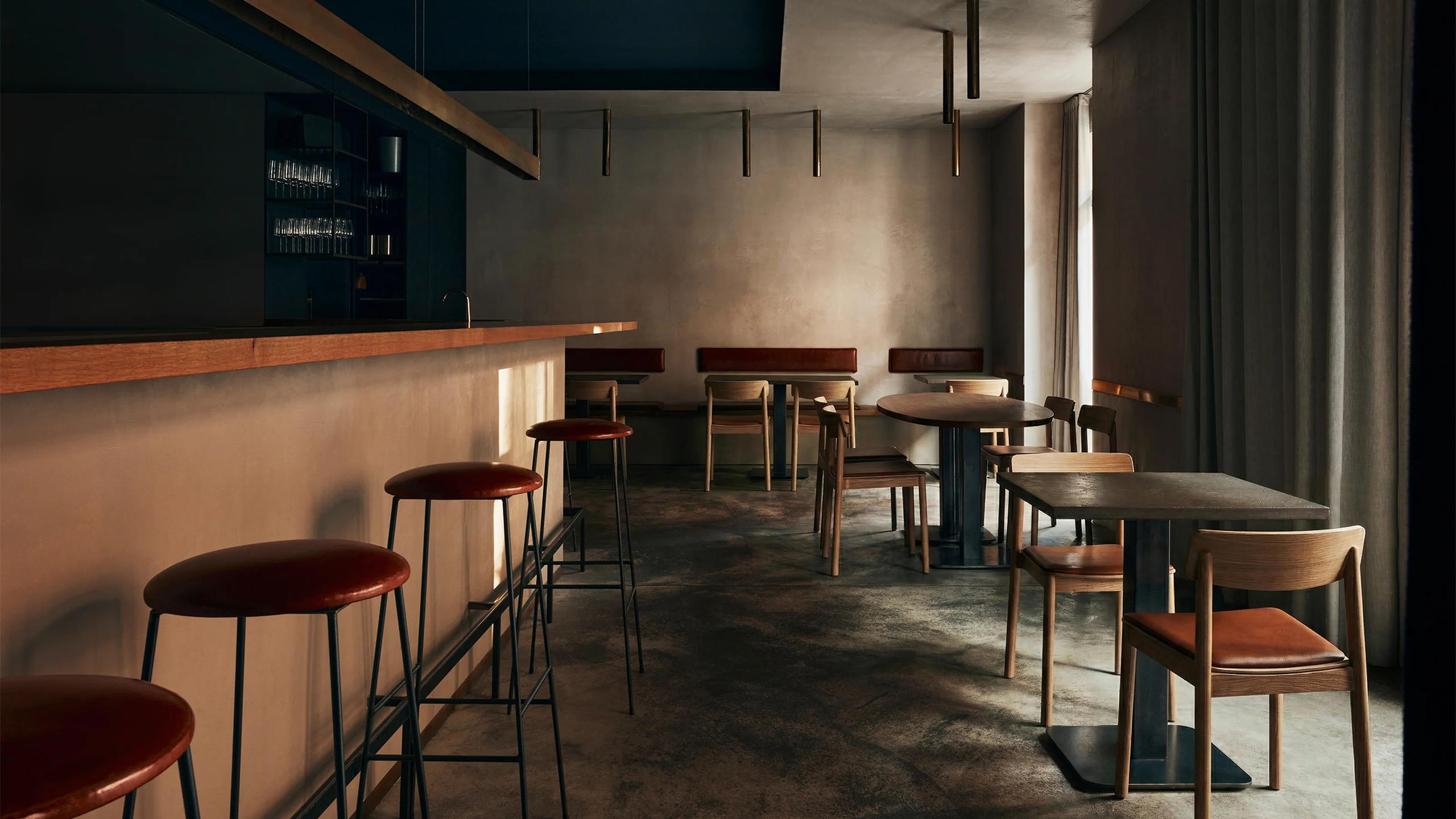
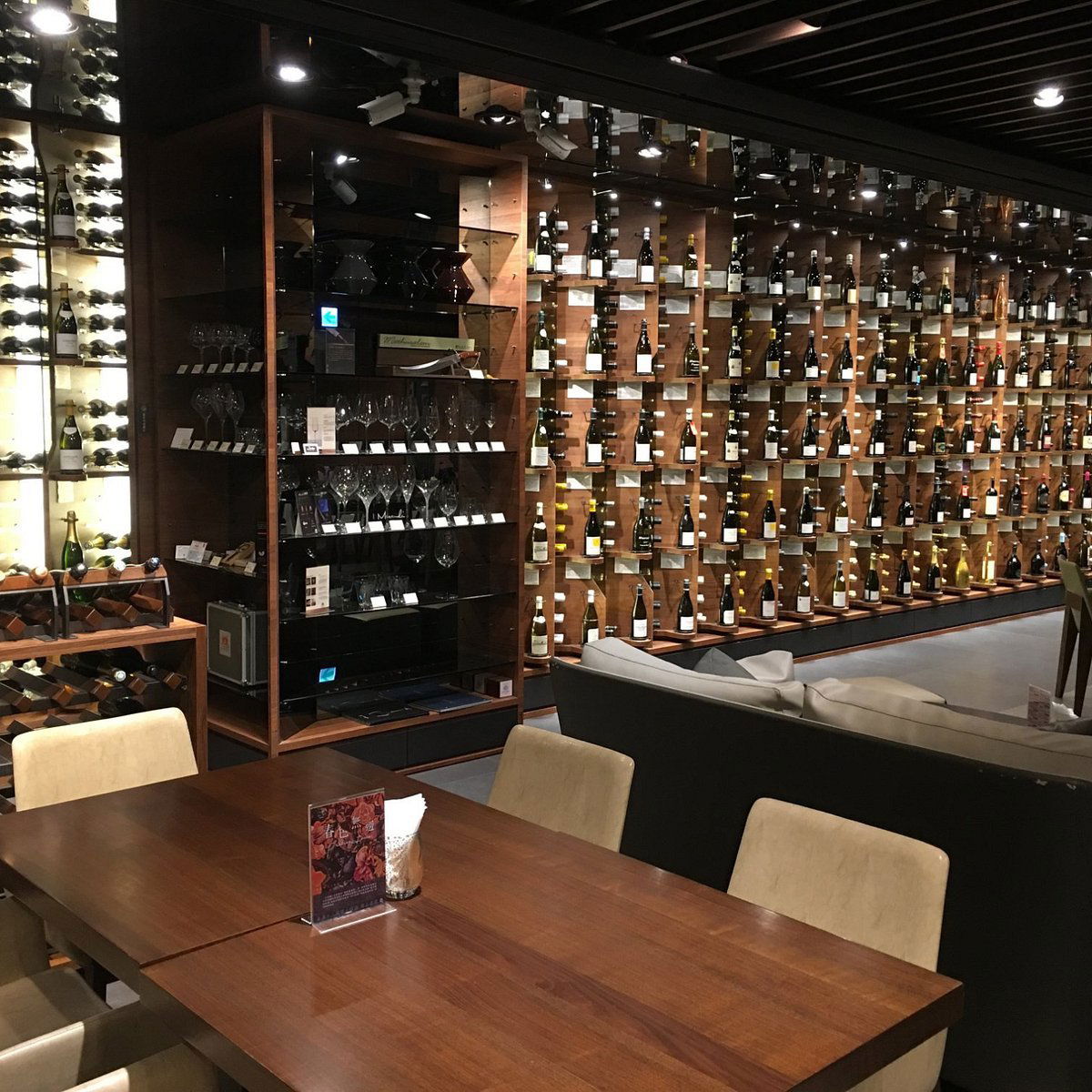
Domaine Wine Cellars presents a restrained, cellar-first personality that privileges bottles over bar theatrics. Tucked one floor below street level on Ren'ai Road, the space feels cooler and markedly quieter on arrival; the descent into the basement signals an immediate change of pace. Rather than staging cocktails for spectacle, the room is organised around an active inventory—shelves of available stock that read as working cellar rather than props. The result is a classic, intimate wine bar with a European merchant-bar logic: sober, focused and quietly confident rather than flashy or performative.
Best For
This is a destination for people who want their night centred on wine rather than on loud service or showy cocktails. Because the venue doubles as an importer and warehouse, it suits diners and drinkers who appreciate genuine selection—small, thoughtful parties, couples seeking a quiet evening, and solo visitors interested in tasting. The evening arrival and basement setting favour low-key conversations and close study of labels, so it’s especially well suited to occasions where the bottle and the discussion around it are the priorities rather than large, boisterous groups.
Ordering Tips
Treat the shelves as the point of service: the bottles on the racks are inventory, not decoration, so ask staff to show what’s actually available by the glass and by the bottle. The importer-bar model means the by-the-glass list reflects current stock rather than a curated off-site list, so enquire about recent arrivals and house imports. Because the space privileges the collection over hospitality theatre, lean on the team’s knowledge for recommendations tied to what’s in the cellar rather than broad-menu signatures.
Venue details
Ambiance
Comfortable and spacious setting with a welcoming atmosphere ideal for wine sipping and light bites.
Tags
Vibe
Best For
Experience
Format
At the Bar
- Bar Category
- Wine Bar
- Late Night
- Open Until 2am
Know before you go
Know Before You Go
- Getting there
- 106, Taiwan, Taipei City, Da’an District, Section 4, Ren'ai Rd, 383號地下1樓
Planning details
Location
106, Taiwan, Taipei City, Da’an District, Section 4, Ren'ai Rd, 383號地下1樓 · Directions
Recognition and awards

Also consider
If this is not the right fit
For a more dinner-capable wine plan, try Justin's Wine & Bistro. For a lower-friction group drinks plan, Draft Land is the better backup.
Bar context
How it compares in Taipei
Choose Domaine Wine Cellars when the night should center on wine and conversation. Draft Land is the easier casual drinks choice for groups that want speed and a lighter decision load, while Wu and Under Lab are better fits when the priority is a more constructed bar experience.
For a wine-adjacent meal, Justin's Wine & Bistro is the safer cross-shop because the bistro framing gives dinner more weight. Fermented by Tseng House is the more specific choice for drinkers interested in fermentation-led ideas rather than a classic cellar feel.
Booking difficulty is the main advantage here: this reads as easier to work into a Taipei evening than a high-demand cocktail plan. If the group wants a polished, wine-led stop in Da'an, start here; if the night needs pace, spectacle, or a firmer food plan, cross-shop one of the peers above first.
Explore Taipei
Around this place
Discover more on Pearl
Unlock the full Domaine Wine Cellars guide in Pearl, including awards, comparisons, FAQs, planning details, and nearby places.
Compare Domaine Wine Cellars
| Venue | Location | Awards |
|---|---|---|
| Domaine Wine Cellars | Taipei | Star Wine Lists 2026 |
| Under Lab | Taipei | 2026 Asia's 50 Best Bars 51-100 · #992025 Asia's 50 Best Bars · #73Tatler Best Bars Asia-Pacific 20252024 Asia's 50 Best Bars · #72 |
| Wu | Taipei | No published awards |
| Draft Land | Taipei | 2020 World's 50 Asia's Best Bars · #262019 World's 50 Asia's Best Bars · #45 |
| Fermented by Tseng House | Taipei | No published awards |
| Justin’s Wine & Bistro | Taipei | No published awards |


How Domaine Wine Cellars Taipei compares with similar nearby venues.
FAQ
Frequently Asked Questions
Is Domaine Wine Cellars good for groups?
For group plans, confirm seating, private rooms, and availability directly, and use the published hours to choose a realistic time. Justin's Wine & Bistro is another Taipei option to compare when planning a broader night out.
Is the food good at Domaine Wine Cellars?
This is a wine-led recommendation: Domaine Wine Cellars has Star Wine List (2026) recognition. Do not treat it as a guaranteed food-first plan unless you have checked current details directly.
What's the best time to go to Domaine Wine Cellars?
Use the hours to plan: Tuesday through Thursday run 10 AM–12 AM, Friday runs 10 AM–1 AM, Monday and Sunday run 10 AM–6 PM, and Saturday runs 10 AM–3 PM. Later visits fit best on the days with later closing times. Draft Land is another Taipei venue to consider if you are comparing options for the same night.
Do I need a reservation at Domaine Wine Cellars?
Check the reservation policy directly with Domaine Wine Cellars, especially if timing matters or you are visiting with other people. Under Lab is another Taipei reference point to consider when comparing where to go.
Is Domaine Wine Cellars good for a date?
It can work as a date option if its essentials match your plan: Taipei location, smart-casual dress code, and hours that vary by day. If food, seating, or service format matter, confirm current details before making it the center of the night. Wu or Draft Land may also be worth comparing for a Taipei outing.