
Bar in St Paul, United States
Dragon Star Oriental Foods
100ptsSpecialty Asian Retail
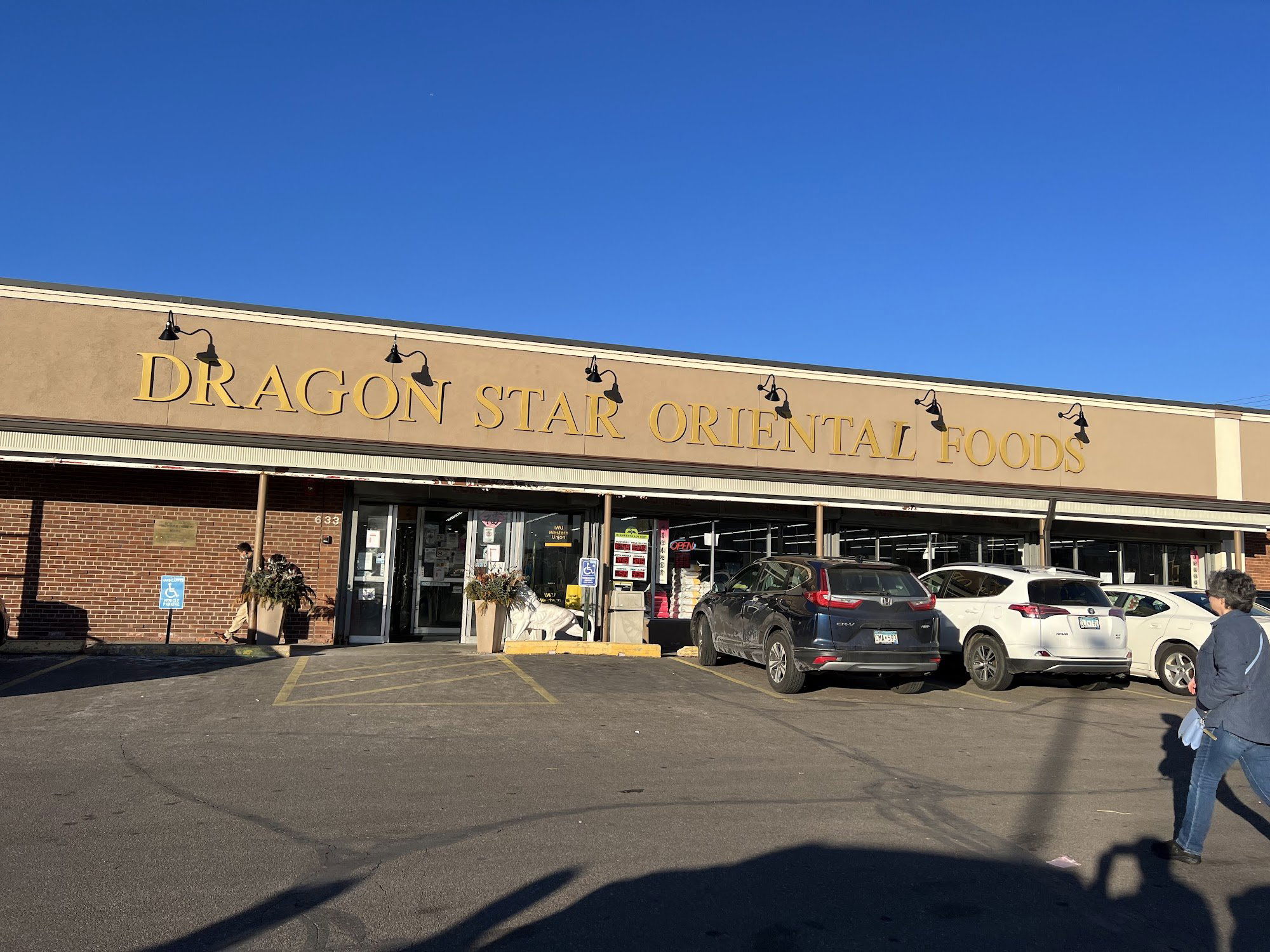
About Dragon Star Oriental Foods
Dragon Star Oriental Foods on West Minnehaha Avenue occupies a corner of St. Paul's food scene where Asian grocery culture and neighborhood retail overlap. The address at 633 W Minnehaha Ave places it within reach of several distinct Twin Cities dining and drinking circuits, making it a practical anchor for anyone piecing together a day across the city's west-side corridors.
West Minnehaha and the Rhythm of St. Paul's Neighborhood Food Streets
St. Paul's food and drink identity has never been built primarily around destination flagships. It accrues, instead, through a dense concentration of neighborhood-scale operations — grocery importers, small-format bars, family-run kitchens — spread across corridors like West Minnehaha Avenue, Selby, Grand, and University. Dragon Star Oriental Foods, at 633 W Minnehaha Ave, sits inside that logic. The address is less a marquee location than a working one: a stretch of St. Paul where everyday food retail and community commerce share the block with newer beverage-focused venues that have drawn wider attention over the past decade.
That neighborhood context matters when placing Dragon Star within the city's broader food map. The Twin Cities have developed a nationally recognized Southeast Asian food corridor, particularly across St. Paul, shaped by decades of Hmong, Vietnamese, Lao, and East Asian immigrant communities establishing retail, wholesale, and restaurant infrastructure. Oriental food stores in this context are rarely passive backdrop , they function as supply nodes for home cooks, restaurants, and food producers across the metro. The ingredient sourcing culture embedded in shops like this one has shaped what ends up on the tables of some of the more visible kitchens in the area.
The Cocktail Dimension: How Ingredient Access Shapes Drink Culture
One of the more consequential shifts in American cocktail culture over the past fifteen years has been the movement of bartenders into specialty grocery and import retail , not as customers in passing, but as deliberate collaborators and sourcing strategists. The bars that have earned sustained recognition in cities like Chicago, New York, San Francisco, and Honolulu have done so partly by building ingredient programs that pull from Asian grocery infrastructure in ways that mainstream liquor distributors cannot replicate. Kumiko in Chicago has built a program around Japanese aesthetic principles and spirits; Bar Leather Apron in Honolulu draws on the Pacific's layered produce and spirit culture; Superbueno in New York City mines Latin American grocery depth for cocktail applications. The common thread is that serious drink programs treat specialty grocery as a creative resource, not a convenience stop.
St. Paul's cocktail scene is smaller and less documented internationally than those cities, but the underlying dynamic is the same. Venues operating with any ambition toward Asian-influenced or produce-forward drink menus in the Twin Cities rely on retail infrastructure concentrated in the city's Asian commercial corridors. Shops like Dragon Star are embedded in that supply chain. The tamarind pastes, lychee syrups, fresh galangal, dried citrus peels, and specialty vinegars that appear in the more considered local bars often originate from this category of retailer. For drinkers and bartenders alike, knowing where that ingredient flow comes from is part of understanding how the city's drink culture actually functions.
Further afield, the same relationship between specialty grocery access and cocktail program quality shows up at venues like Jewel of the South in New Orleans, where the bar's historically grounded approach to ingredient sourcing parallels what the leading St. Paul venues are doing at a smaller scale, and at Julep in Houston, where regional produce specificity defines the cocktail identity. Even ABV in San Francisco and The Parlour in Frankfurt demonstrate that technically demanding cocktail programs are consistently built on access to specialty and imported ingredients that general retail cannot supply.
Placing Dragon Star in the St. Paul Drinking and Dining Circuit
For visitors building a day or evening across St. Paul's west side, the West Minnehaha corridor connects naturally to several venues worth placing on the same itinerary. Bang Brewing Company represents St. Paul's small-batch brewing culture with a locally embedded approach that mirrors the neighborhood-scale retail model Dragon Star occupies. Brunson's Pub offers a more classic neighborhood bar format, while Bennett's Chop and Railhouse operates in a more structured dining register. Cafe Latte, long established on Grand Avenue, anchors the daytime end of a circuit that can move between grocery, coffee, and evening drink stops without requiring significant transit.
The geography of St. Paul rewards this kind of lateral movement. Unlike Minneapolis, which has consolidated more of its food and drink activity into identifiable destination clusters, St. Paul distributes its most interesting eating and drinking across corridors that reward walking or short drives rather than a single concentrated neighborhood. Dragon Star sits within that distributed logic, useful in practical terms but also representative of the food retail layer that underpins the city's more celebrated venues. For a broader map of where to eat and drink across the city, the full St. Paul restaurants guide covers the range from neighborhood grocery anchors to the venues drawing outside attention.
What the Address Tells You About St. Paul's Food Infrastructure
633 West Minnehaha Avenue is not a tourist address. It is a working commercial strip in a part of St. Paul where the food supply chain is visible rather than concealed. That visibility is informative. Cities with healthy food cultures tend to have legible ingredient infrastructure , places where the sourcing that makes restaurant and bar programs possible is accessible to anyone who looks. The Asian grocery sector in St. Paul is one of the more developed in the upper Midwest, a consequence of decades of community investment and demographic depth that comparable-sized cities in the region often lack.
For the reader planning a St. Paul visit with any interest in the city's food or drink scene beyond the obvious flagships, that infrastructure is worth understanding. The leading cocktail programs in any city draw on specialty ingredient sources that don't appear on menus or press releases. The most interesting home cooking comes from the same places. Dragon Star Oriental Foods, at its West Minnehaha address, is part of the supply infrastructure that makes both possible in St. Paul.
Planning Your Visit
Dragon Star Oriental Foods is located at 633 W Minnehaha Ave, St. Paul, MN 55104. Current hours, phone contact, and website details are not confirmed in our records; verifying directly before visiting is advisable, particularly for first-time trips. The address places it within the west-side corridor that connects to several of St. Paul's neighborhood bars and restaurants, making it practical to combine with stops at nearby venues on the same day.
Frequently Asked Questions
What cocktail do people recommend at Dragon Star Oriental Foods?
Dragon Star Oriental Foods is an Asian grocery retailer rather than a cocktail bar, so drink recommendations in the conventional bar sense do not apply here. Its relevance to St. Paul's cocktail culture is indirect but real: the specialty ingredients available at shops in this category, including Asian citrus, preserved fruits, and flavored syrups, feed into the drink programs at bars across the Twin Cities. For cocktail venue recommendations in St. Paul, the full St. Paul guide covers the city's bar circuit in more detail.
What should I know about Dragon Star Oriental Foods before I go?
Dragon Star Oriental Foods operates as an Asian grocery retailer at 633 W Minnehaha Ave in St. Paul, within a corridor that has a long history as part of the city's Asian food retail and supply network. Current hours and pricing are not confirmed in available records, so checking ahead before a first visit is advisable. The location sits within reach of several St. Paul neighborhood venues, making it a practical stop within a wider west-side food and drink itinerary. No specific awards or critical recognitions are on record for this location.
Is Dragon Star Oriental Foods a good source for specialty Asian ingredients in the Twin Cities?
St. Paul's Asian grocery sector is among the most developed in the upper Midwest, shaped by decades of Hmong, Vietnamese, Lao, and East Asian community investment across the city. Dragon Star Oriental Foods at West Minnehaha Avenue sits within that network of specialty food retailers that supply both home cooks and commercial kitchens across the metro. No inventory details are confirmed in our records, but the address places it within a corridor where specialty ingredient access has historically been stronger than in comparable upper Midwest cities. For context on the broader St. Paul food scene, the full St. Paul restaurants guide provides additional orientation.
Related editorial
- How travel will be redefined by 2040The Death of Tourism as We Know It: Why 2040 Will Demand a Completely Different Kind of Traveler Let me be direct: the version of travel most of us grew up dreaming about — cheap flights, crowded lan
- Asia's 50 Best Restaurants 2026: The Chairman and Wing Go 1-2 from the Same BuildingThe Chairman takes No. 1 and Wing climbs to No. 2 at Asia's 50 Best Restaurants 2026. Both operate from the same Hong Kong building. Here's what it means.
- Four Seasons Yachts Debut: 95 Suites, 11 Restaurants, and a March 2026 Maiden VoyageFour Seasons I launches March 20, 2026, with 95 suites, a one-to-one staff ratio, and 11 onboard restaurants. Worth tracking if you want hotel-grade service at sea.
Save or rate Dragon Star Oriental Foods on Pearl
Keep this venue in your Pearl passport, rate it after you visit, and track it alongside every other place you collect.