

The Woolpack Inn
Slad
Bar in Slad, United Kingdom
 Book with Pearl
The Read
Price
$20–30per person
Why go
A practical Slad pick for a relaxed pub meal or drink-led evening, especially if flexibility matters more than a formal wine-bar programme. The Good Food Guide 2025 nod gives the food a useful credibility signal, but book it for atmosphere, ease, and village-pub pacing rather than a highly structured dining brief.
About The Woolpack Inn
The Woolpack Inn is a Slad venue with a casual dress code and daily opening from 12 PM to 12 AM. It is open every day, is in Slad, and appears in The Good Food Guide 2025 as GFG Good.
Use it as a relaxed Slad option rather than as a venue with a tasting-menu format, named chef, published signature dishes, or a specific drinks programme. While it supports an easy, casual plan, details such as cuisine style, prices, reservations, seating capacity, or special menus are not available.
A Slad choice for an easy repeat visit
For someone who has been once, the next move is to use it as an anchor stop in Slad. Start with broader Slad dining research if food is the priority, look separately for drink-first alternatives, and check accommodation options if the evening needs an overnight base.
The food has a credible external signal from The Good Food Guide 2025, which matters because there is no specific chef, cuisine label, or named signature dishes. That means the safer recommendation is not “go for one dish”; it is “go when a casual Slad setting is the right format.” If the main goal is a specialist bar or a tightly defined drinks brief, compare more deliberately with other options.
Better for a casual Slad plan than a highly specific brief
On the drinks question, be clear about expectations. It does not feature a long by-the-glass list, rare pours, or sommelier-led pacing. For a more drinks-specific comparison, look separately at options such as The Grape Escape and Experimental Cocktail Club.
Use timing to shape the experience. The Woolpack Inn is listed as open from 12 PM to 12 AM every day, so there is flexibility to plan around the kind of visit you want. Larger parties or visits at busier times should confirm practical details directly rather than assuming availability from the public hours alone.
If Slad is only one stop, widen the day rather than forcing a single venue to do everything. For broader comparisons, consider other options such as The Bell at Selsley, The Hive, The Grape Escape, Experimental Cocktail Club, or Whatley Manor.
Planning details
- Location
- Slad Rd, Slad, Stroud GL6 7QA, United Kingdom
- Reservations
- Book on SevenRooms
- Website
- thewoolpackslad.com
- Phone
- +44 1452 234290
The take
The Take
The Vibe
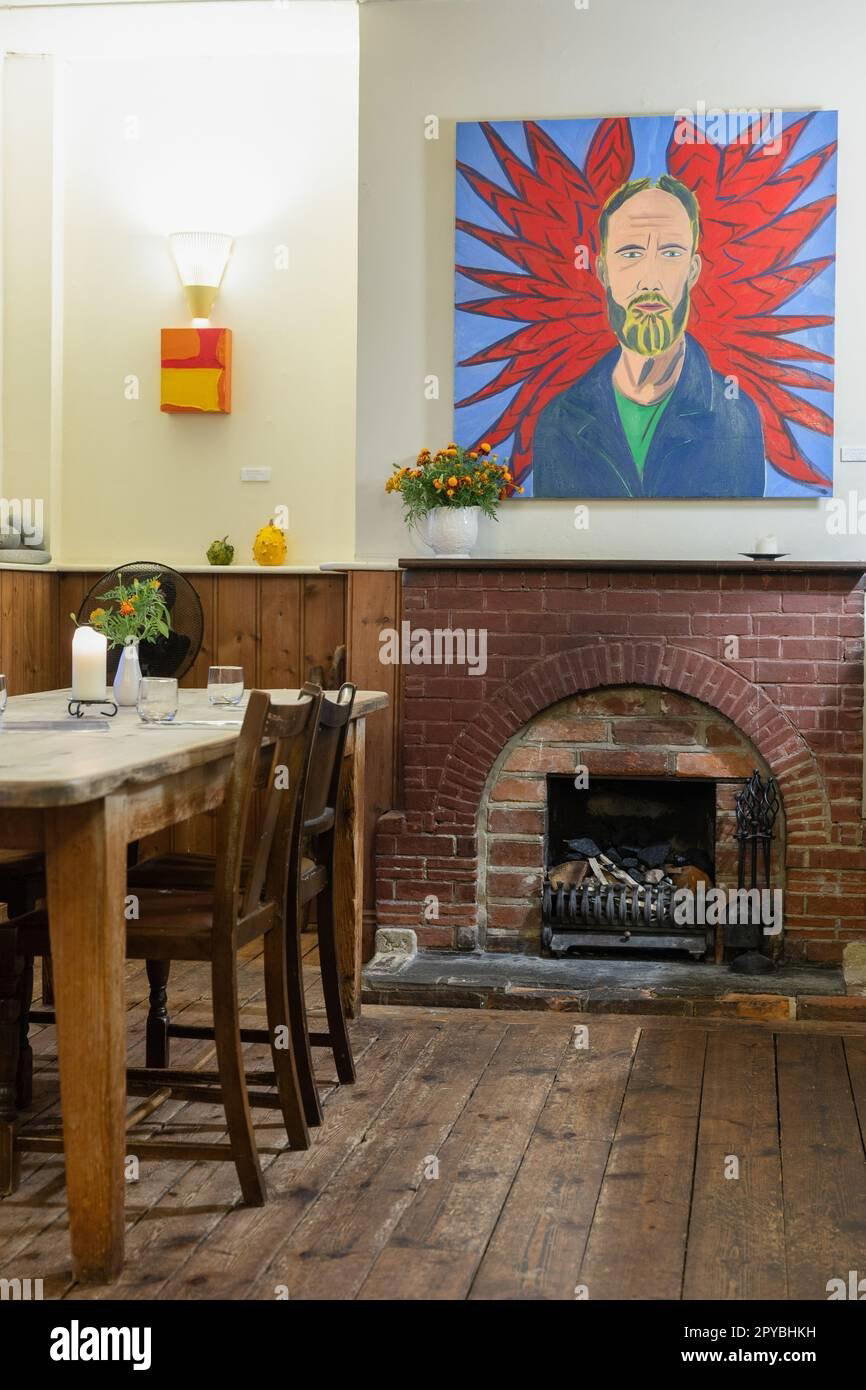
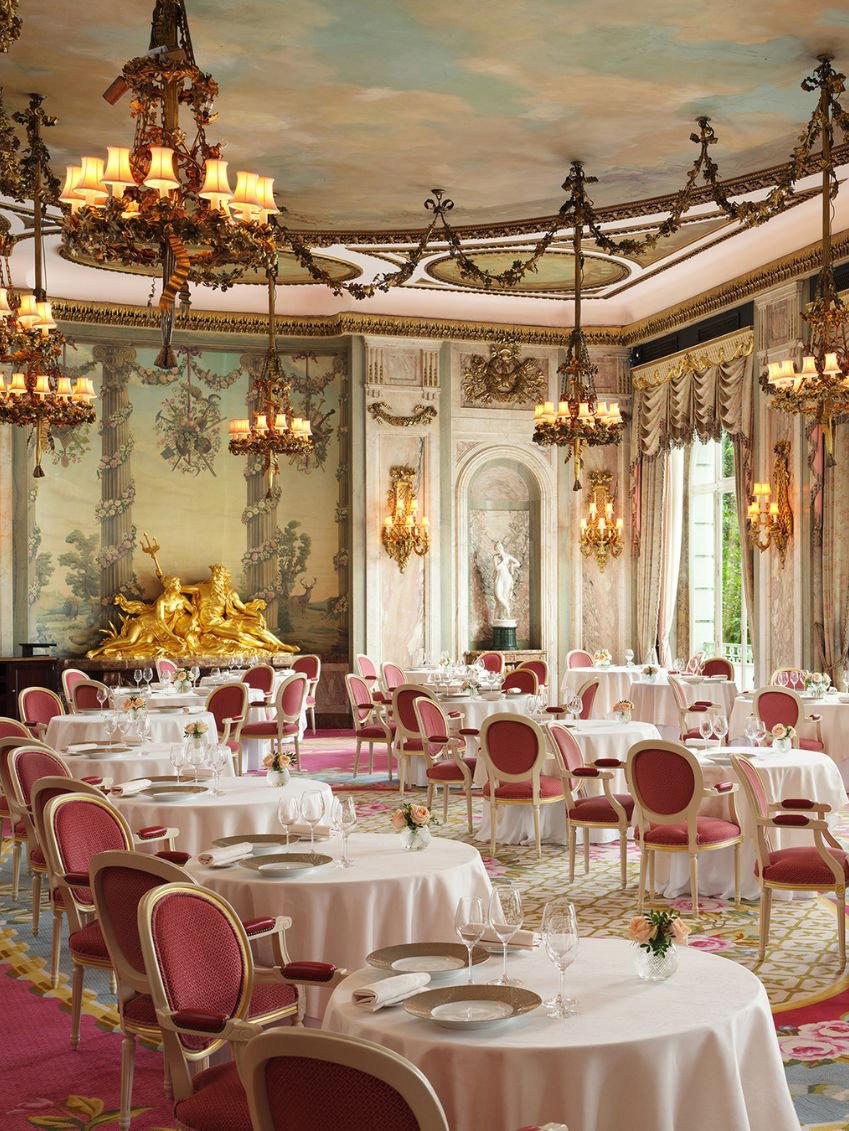
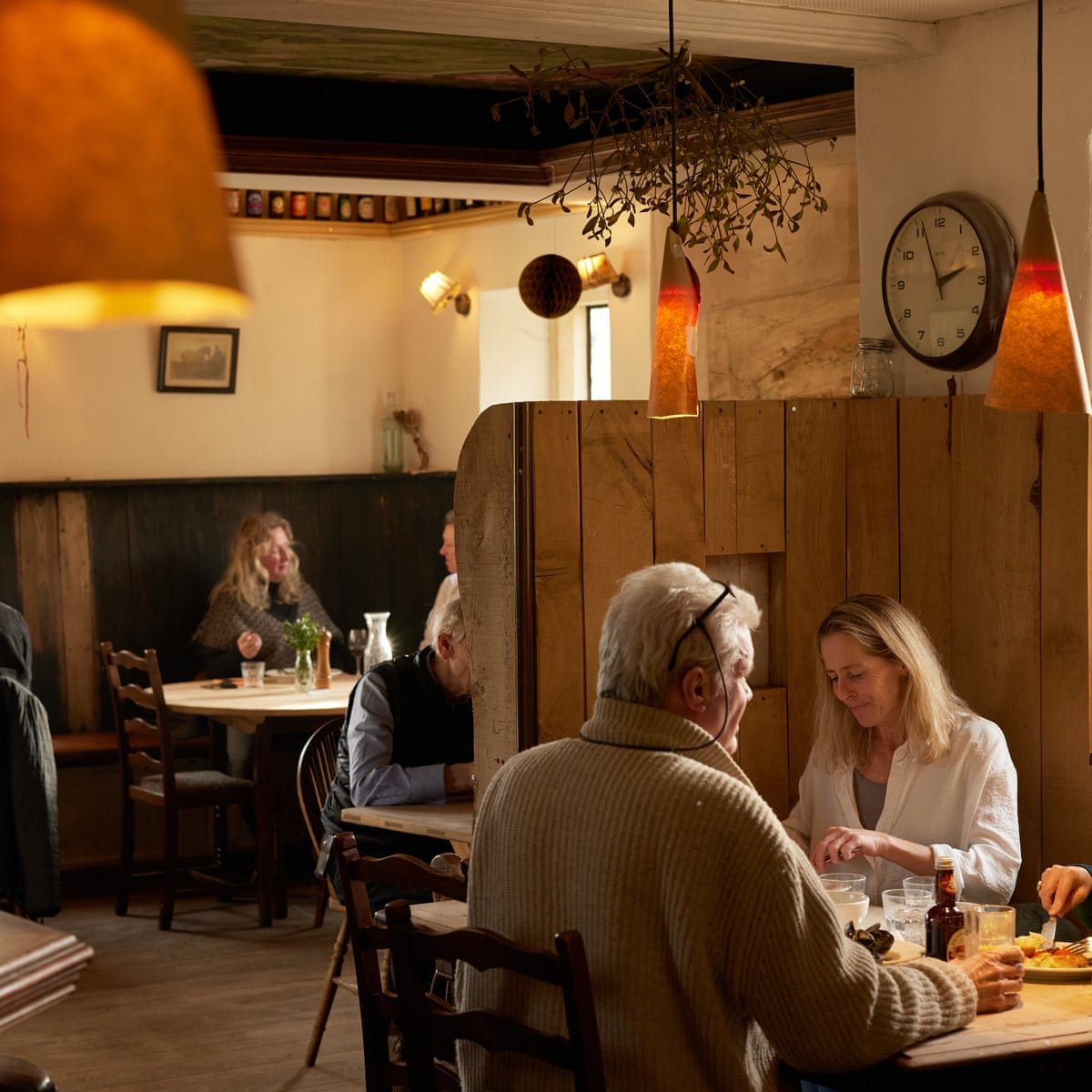
The Woolpack Inn reads like a slice of Cotswold history: a stone exterior and low-ceilinged rooms that feel accumulated rather than curated. Small, worn-wood dining rooms and a mural of the Slad valley create an intimate, quietly charming atmosphere. Literary touches — a cabinet of Laurie Lee books and the pub’s association with Cider with Rosie — fold local culture into the décor, while posies from the walled kitchen garden lend a lived-in warmth. The overall effect is an old, characterful village inn where time and place are as much part of the experience as the drinks.
Best For
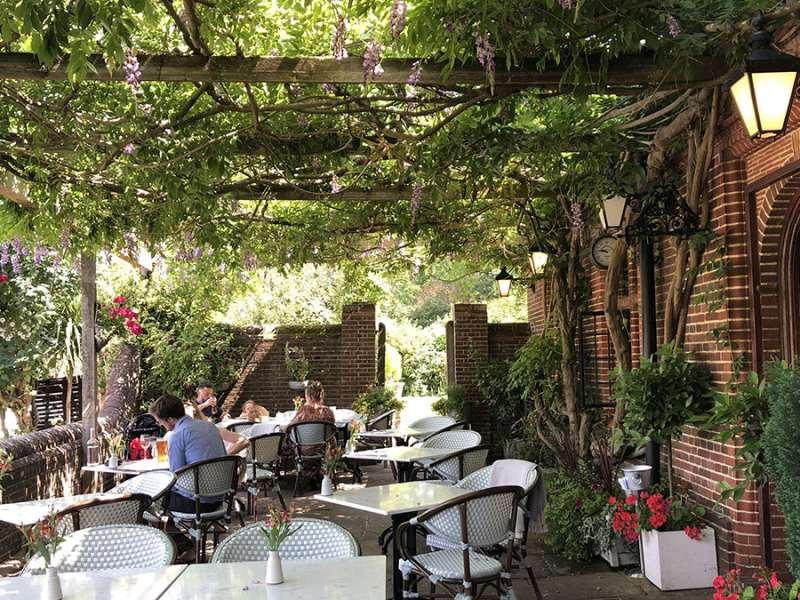
The Woolpack is best for relaxed, informal visits — think after-work pints and casual hangouts with friends or fellow travellers exploring the valley. Its small rooms and bar seating encourage conversation and local company rather than formal dining. The pub also serves as a point of interest for literary-minded visitors who want to trace Laurie Lee’s connections to the place, and the garden makes it a pleasant stop when the weather allows. This is a place to linger modestly rather than race through a meal.
Ordering Tips
Cider is the default recommendation here: properly made local cider runs on tap alongside bottled, fancier versions, and the drinks programme explicitly prioritises cider over wine. Order a local tap cider to align with the pub’s character and the region’s apple-growing tradition; it’s presented as the most coherent choice with everything else about the place. If you prefer something else, the menu acknowledges wine, but cider is the defining, go-to option.
Venue details
Ambiance
Cozy and characterful with candlelit tables, roaring log fires, shabby historic charm, and valley views.
Tags
Vibe
Best For
Experience
Format
View
At the Bar
- Bar Category
- Pub
- Late Night
- Closes by Midnight
Know before you go
Know Before You Go
- Getting there
- Slad Rd, Slad, Stroud GL6 7QA, United Kingdom
Planning details
Location
Slad Rd, Slad, Stroud GL6 7QA, United Kingdom · Directions
Recognition and awards

Also consider
Where to go if this is not the right fit
If the night is wine-first, try The Grape Escape before forcing The Woolpack Inn into a specialist wine-bar role. If the group wants cocktails rather than a pub meal, Experimental Cocktail Club is the cleaner match.
For a more polished occasion, compare Whatley Manor. For a similarly relaxed pub alternative outside Slad, look at The Bell at Selsley.
Bar context
How it compares
The Bell at Selsley is the closest comparison for a pub-led outing: choose it when the group wants a similar low-pressure format and is willing to look beyond Slad. The Woolpack Inn is the easier default if staying in the village matters and the plan is built around a relaxed meal with drinks rather than a destination detour.
The Grape Escape is the smarter cross-shop for a wine-first night, while Experimental Cocktail Club is the better fit when cocktails are the point of the evening. The Woolpack Inn works better when the brief is pub atmosphere, food, and flexible timing, not a specialist drinks programme.
The Hive and Whatley Manor suit readers who want a more planned experience. Pick The Woolpack Inn when booking ease and informality matter; look to Whatley Manor when the occasion calls for a more polished setting and a higher-commitment plan.
Explore Slad
Around this place
Discover more on Pearl
Unlock the full The Woolpack Inn guide in Pearl, including awards, comparisons, FAQs, planning details, and nearby places.
Compare The Woolpack Inn
| Venue | Location | Awards |
|---|---|---|
| The Woolpack Inn | Slad | 2026 Estrella Damm Top 100 Gastropubs · #42026 National Pub & Bar Awards Venue Winners · #10The Good Food Guide 2025 |
| The Bell at Selsley | Selsley | No published awards |
| Experimental Cocktail Club | Cheltenham | Top 500 Bars 2025 · #2182012 World's 50 Best Bars · #26 |
| The Hive | Tetbury | No published awards |
| The Grape Escape | Cheltenham | No published awards |
| Whatley Manor | Malmesbury | No published awards |


How The Woolpack Inn Slad compares with similar nearby venues.
FAQ
Frequently Asked Questions
Does The Woolpack Inn have happy hour deals?
Happy hour deals are not listed for The Woolpack Inn in Slad. Instead, consider these facts: casual dress, daily 12 PM to 12 AM opening, and its Good Food Guide 2025 GFG Good listing.
Is The Woolpack Inn good for groups?
It can suit a casual group plan if the hours work for you, because The Woolpack Inn is listed as open from 12 PM to 12 AM every day. For larger parties, confirm practical details directly before going.
What's the crowd like at The Woolpack Inn?
The crowd is not specified. It is in Slad, has a casual dress code, and opens daily from 12 PM to 12 AM.
Is the food good at The Woolpack Inn?
It has a credible food signal: The Woolpack Inn appears in The Good Food Guide 2025 as GFG Good. Details on specific dishes, cuisine style, chef, and prices are not available.
Is The Woolpack Inn good for a date?
It may work for a relaxed, casual date if you want a Slad setting and the daily 12 PM to 12 AM hours suit your plan. If you want a more formal experience, compare it with another option such as Whatley Manor.
Do I need a reservation at The Woolpack Inn?
Reservation requirements are not listed. Because it is a Good Food Guide 2025 GFG Good venue, it is sensible to check directly before making firm plans.
What's the best time to go to The Woolpack Inn?
It is open from 12 PM to 12 AM every day. Choose a time based on whether you want an earlier or later visit, and confirm any practical details directly if timing is important.