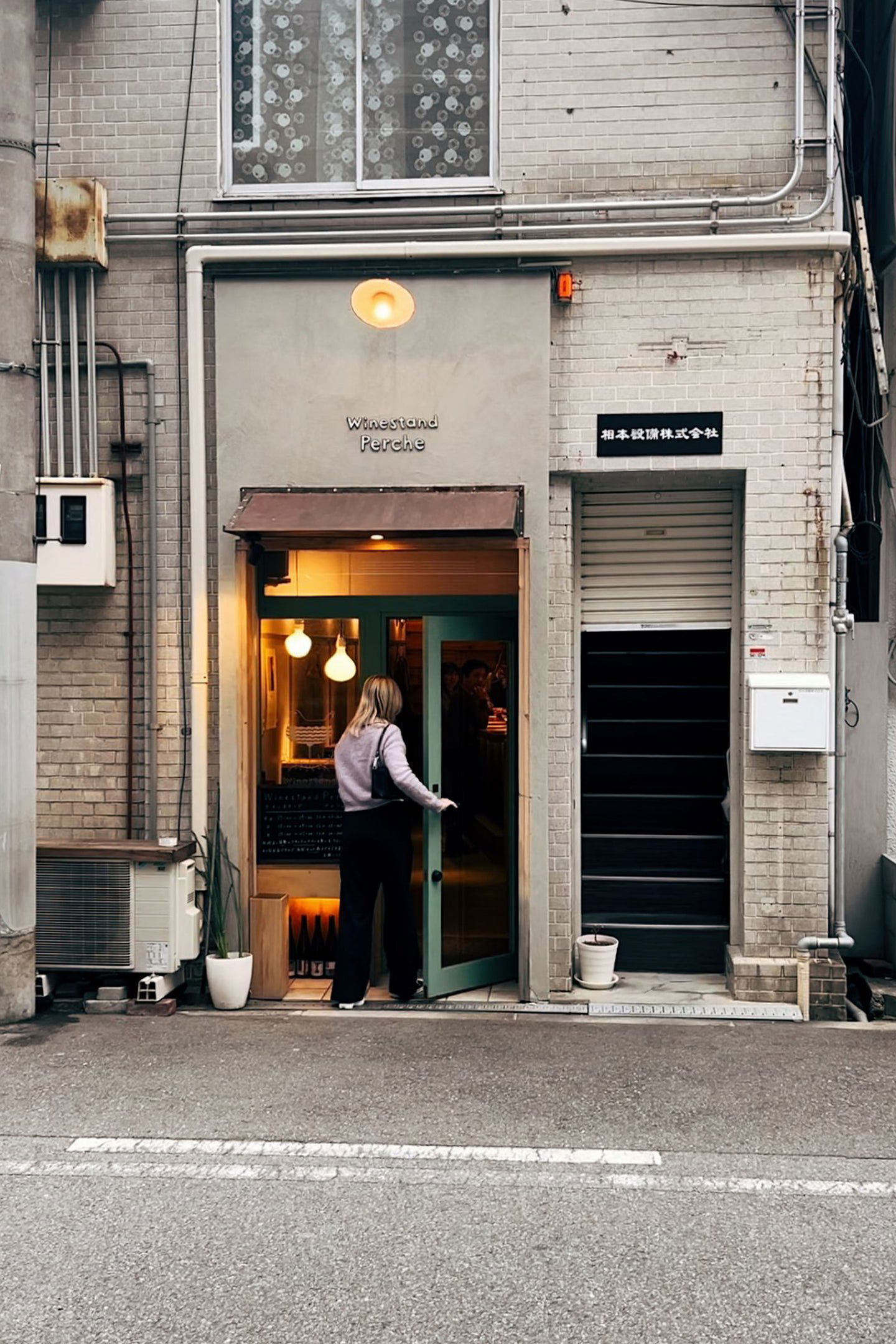

Winestand Perche
Kita, Osaka
Bar in Osaka, Japan
 Book with Pearl
The Read
Price
$20–30per person
Why go
Winestand Perche is the Osaka pick for a wine-focused night in Tenma, especially as a second stop rather than a full dinner plan. Star Wine List recognition gives it a clear quality signal; choose it over cocktail-led bars when the group wants glasses, conversation, and a less formal late-evening option.
About Winestand Perche
Star Wine List (2026) recognition makes Winestand Perche in Osaka worth noting. It is a casual venue, closed Monday, open from 5 PM to 12 AM Tuesday through Friday, open from 3 PM to 12 AM Saturday, and open from 3 PM to 9 PM Sunday. Use it when those hours and a relaxed dress code fit the plan.
Beyond those basics, cuisine, seating, pricing, reservations, service style, and menu format are not specified. That makes Winestand Perche better treated as a direct Osaka option to check against your timing rather than as a venue to choose for a specific chef, dish, format, or crowd profile.
Go when the timing fits
The grounded reason to keep Winestand Perche on the shortlist is its Star Wine List (2026) recognition and its listed hours. It is open until midnight Tuesday through Saturday, which can make it useful for later plans in Osaka. Sunday is shorter, ending at 9 PM, and Monday is closed.
If you are planning a full meal around the evening, use our full Osaka restaurants guide before treating this as the entire plan. It does not establish a lunch service, a dinner menu, a tasting format, or a specific food identity.
Who should choose it over another Osaka venue
Choose Winestand Perche if the hours, casual dress code, Osaka location, and Star Wine List (2026) recognition match what you need. If the night depends on cocktails, seating format, outdoor space, dietary accommodations, or a particular price point, those details should be checked directly before you go.
For a broader night out, use our full Osaka bars guide to compare other options in the city. For trip planning beyond the venue decision, stay decisions belong in our full Osaka hotels guide, while other dining in Osaka can be considered separately.
The verdict: Winestand Perche is worth considering for a casual Osaka visit when the hours and Star Wine List (2026) recognition are enough to make it fit the plan. Do not rely on assumptions about food, pricing, reservations, seating, or a specific service format.
Planning details
- Location
- 2 Chome-3-2 Tenma, Kita Ward, Osaka, 530-0043, Japan
- Website
- instagram.com/winestand_perche?igsh=eHVsbnluamk0OW1v
The take
The Take
The Vibe
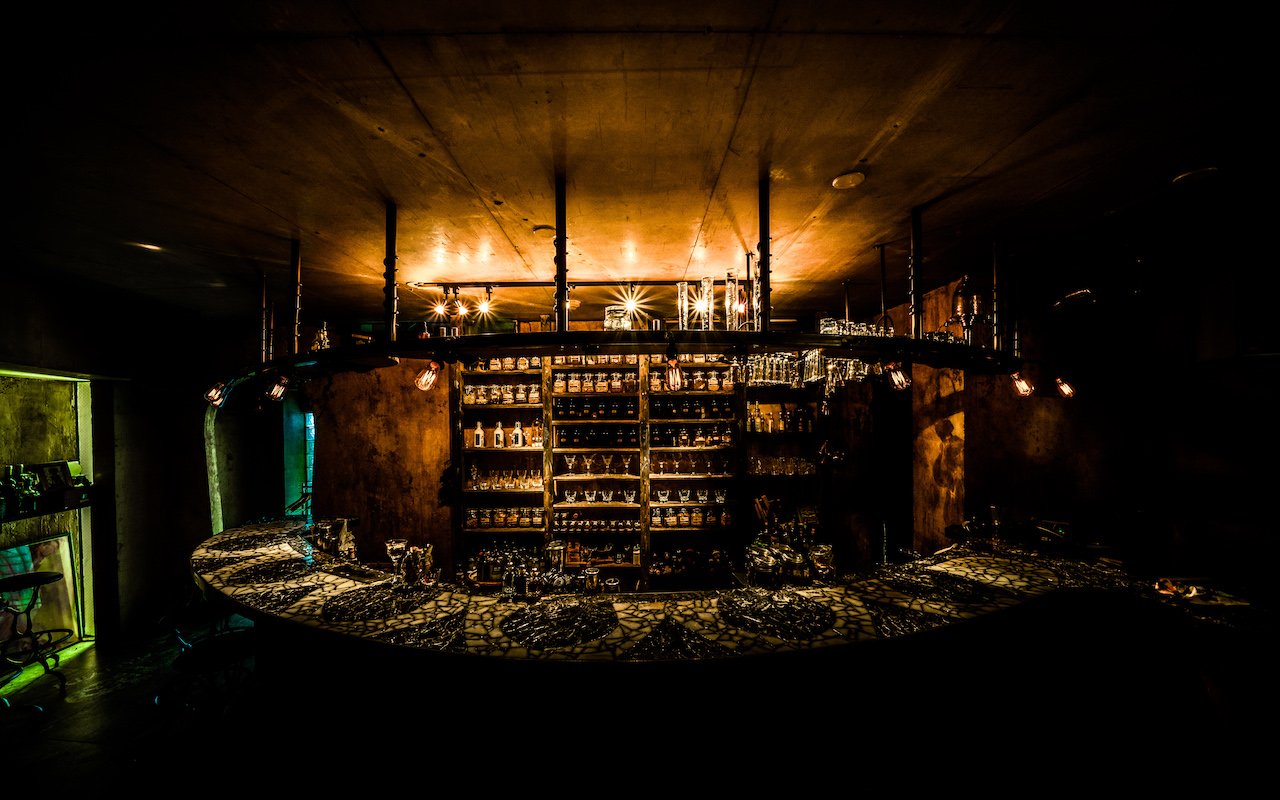
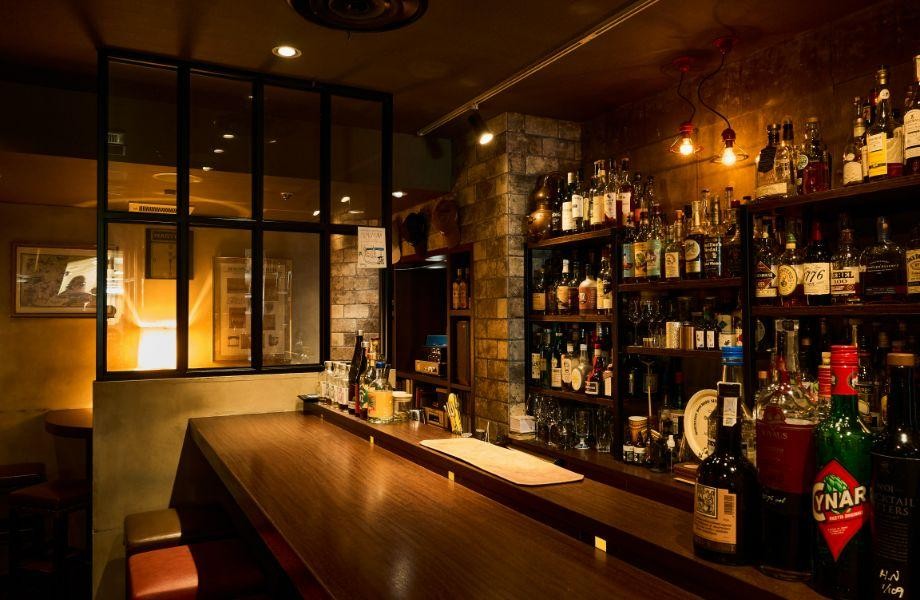
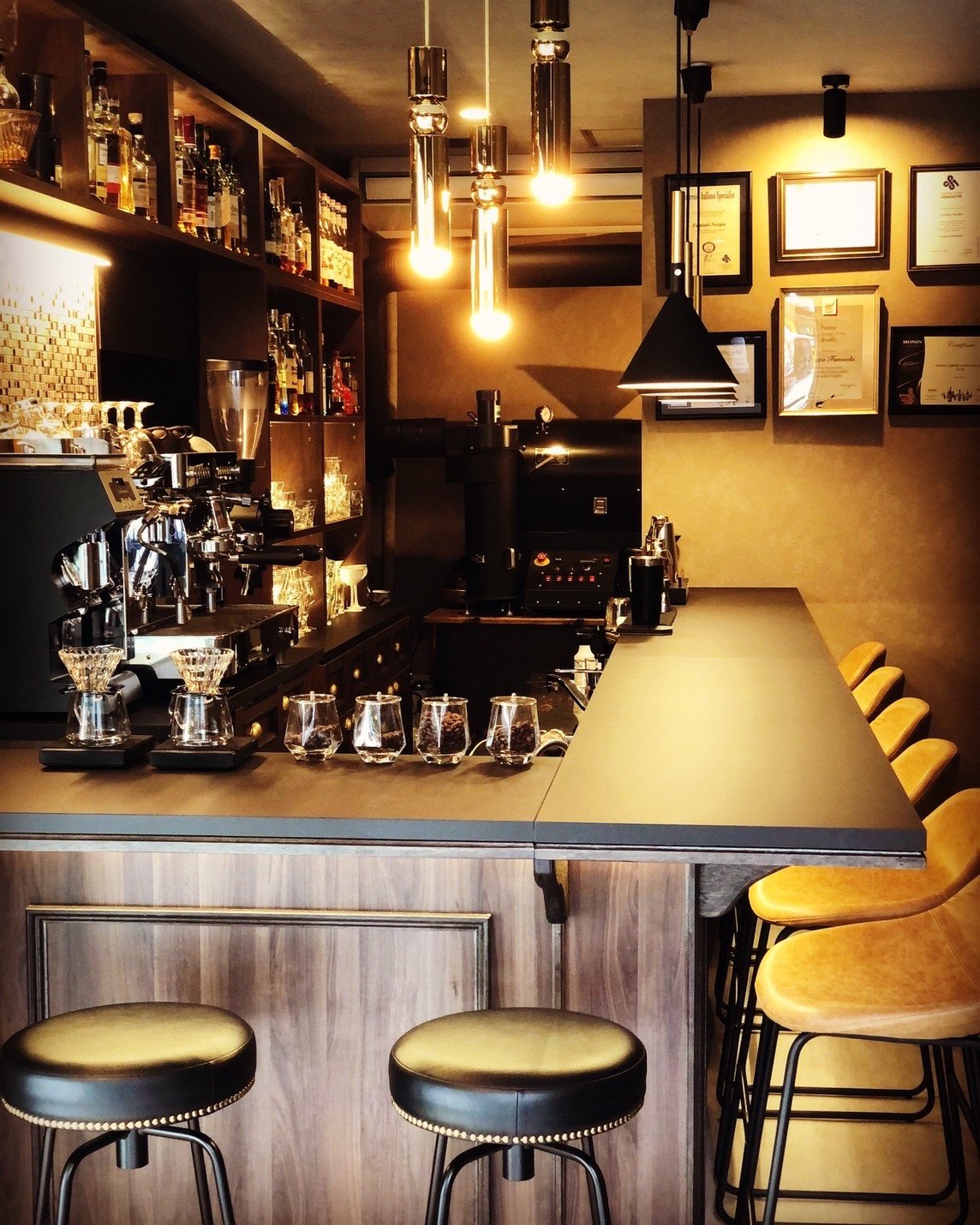
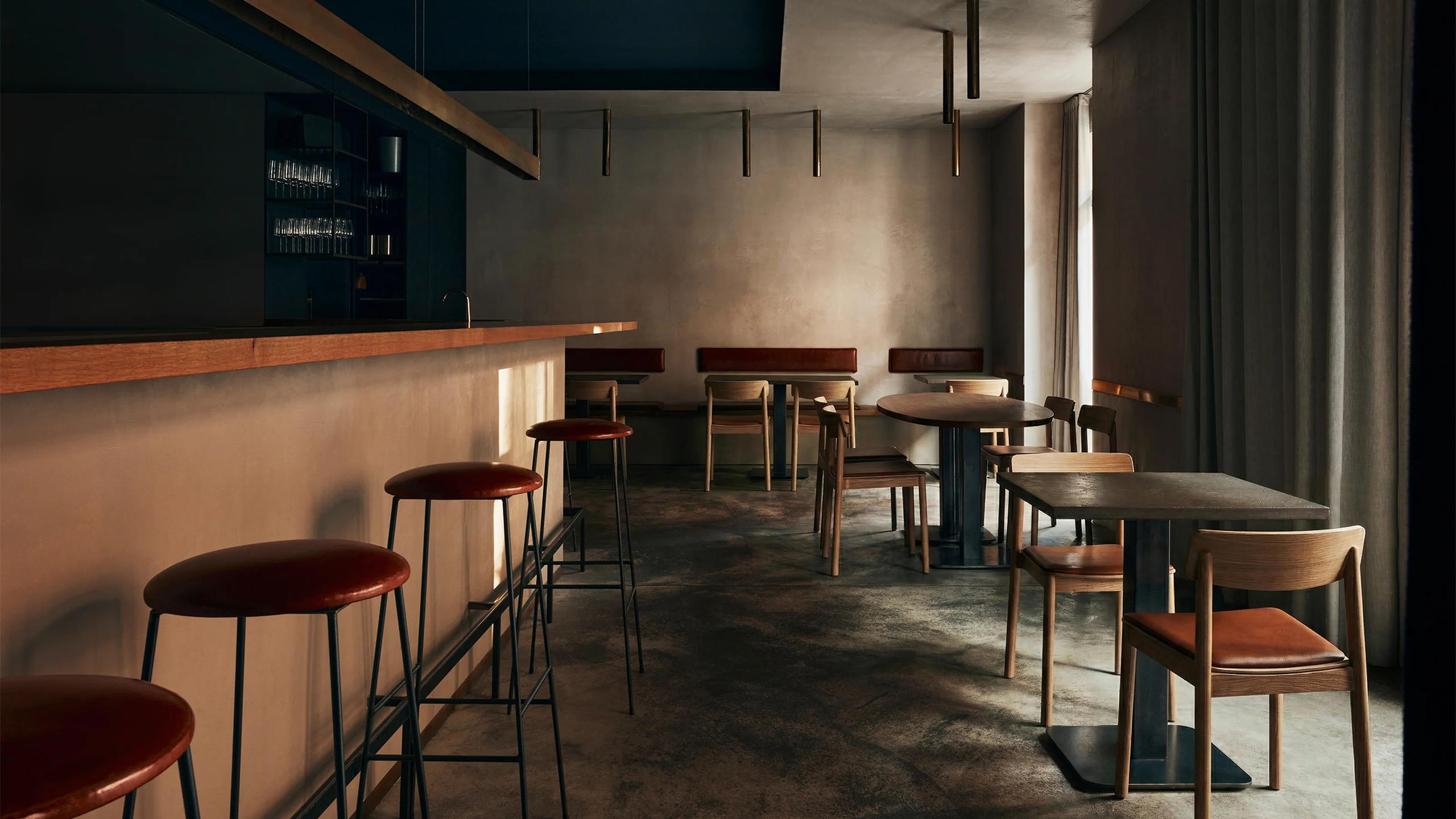
Winestand Perche operates in a compact, standing-bar format that foregrounds wine and conversation over ceremony. The space leans into izakaya-derived informality: a counter with very limited seating and a handful of small tables produces a relaxed, easygoing pace where guests move between glasses rather than courses. The programme is rooted in Osaka’s natural-wine moment, so the mood combines approachable conviviality with a serious cellar-minded focus. It feels unstudied and low-key by design—intimate and informal, with staff-and-guest dialogue about bottles playing a central role in the room’s energy.
Best For
This is a pick for solo explorers and small groups who want to drink rather than dine. It suits after-work stopoffs and anyone curious about natural wine—especially those who enjoy learning through conversation at the counter. The standing format makes it easy to pop in for a glass or linger through several pours without committing to a formal tasting menu. It’s not a destination for multi-course, white-tablecloth meals; instead it’s best when approached as a social, wine-forward pause within Tenma’s dense bar ecosystem.
Ordering Tips
Approach the counter and let the staff guide you: the bar’s strength is in approachable, offbeat bottles, and the team expects to talk through skin-contact and natural-wine options. Pacing is informal—guests typically move through glasses at their own speed—so ask for smaller pours if you want to sample widely. Treat it like an izakaya-style drink stop: be ready to chat, accept recommendations, and pick a couple of contrasting glasses rather than a single, course-style pairing. The layout lowers the barrier to trying unfamiliar bottles, so be inquisitive.
Venue details
Ambiance
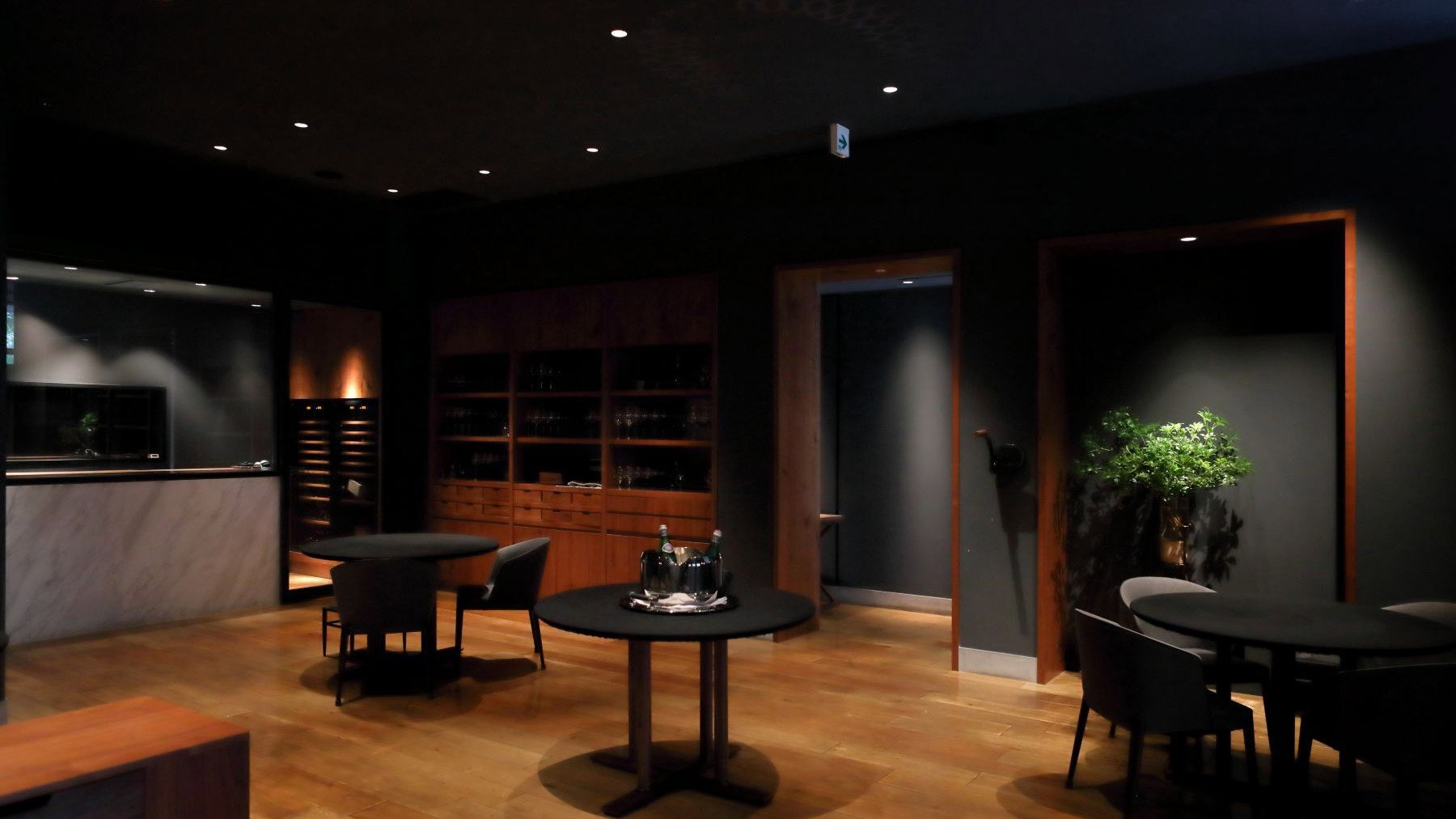
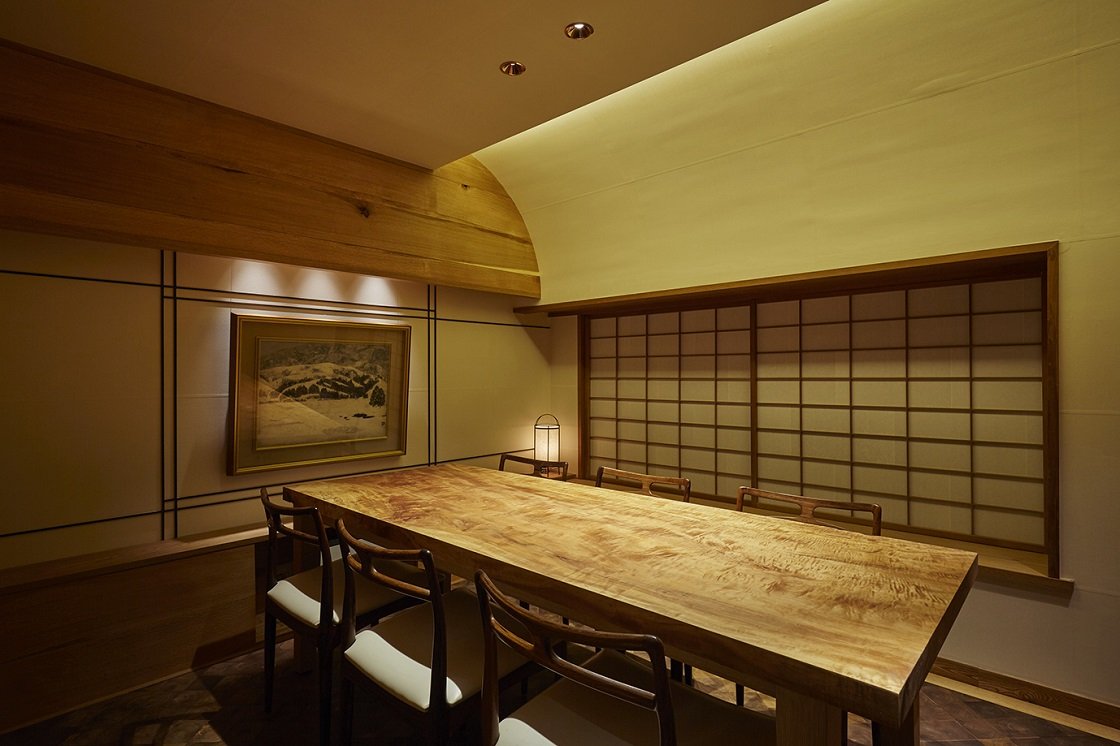
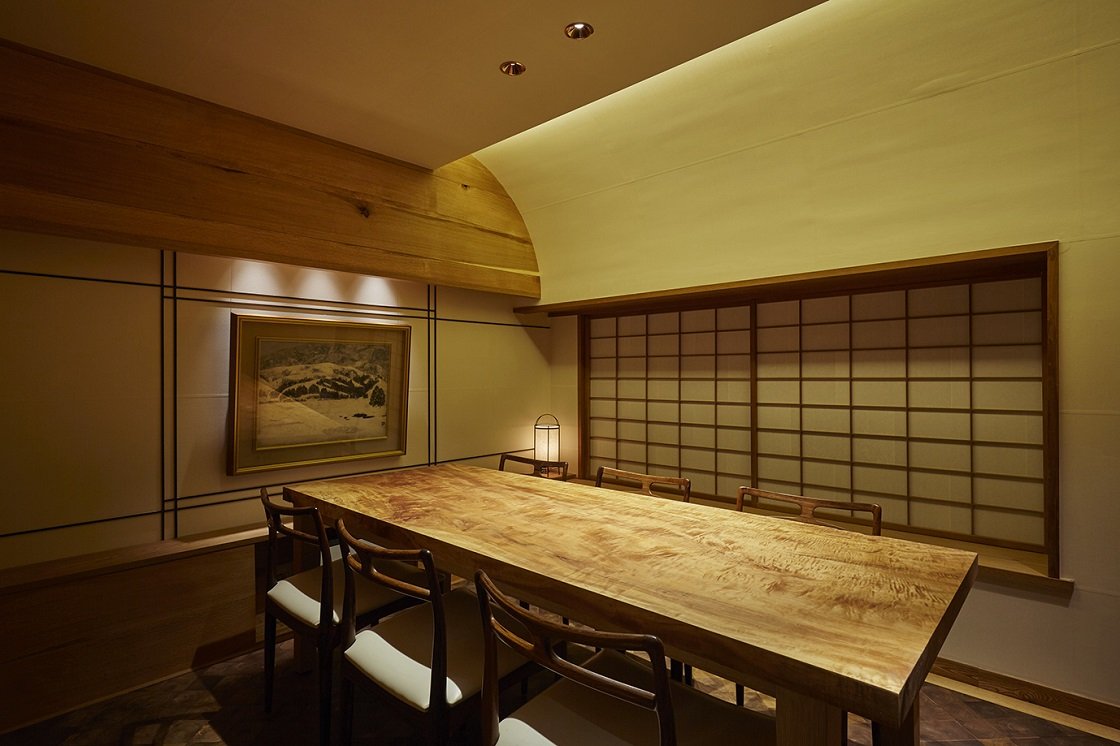
Stylish and cozy standing bar with counter space, offering an intimate and welcoming atmosphere for wine enthusiasts.
Tags
Vibe
Best For
Experience
Format
At the Bar
- Bar Category
- Wine Bar
Know before you go
Know Before You Go
- Getting there
- 2 Chome-3-2 Tenma, Kita Ward, Osaka, 530-0043, Japan
Planning details
Location
2 Chome-3-2 Tenma, Kita Ward, Osaka, 530-0043, Japan · Directions
Recognition and awards

Also consider
Also Consider
- Nikolaschka, Notable alternative
- anchovy butter(アンチョビバター), Notable alternative
- Buffet & Lounge The Park, Notable alternative
- Bar Old Imperial Bar, Notable alternative
- Nijiri, Notable alternative
Bar context
How it compares in Osaka
Winestand Perche is the wine-led choice in this set. Compared with Nikolaschka and Nijiri, it is the clearer pick when the night is built around glasses rather than a broader bar format. Booking difficulty is listed as easy, so it is also the safer backup when a tighter cocktail room is not worth the planning effort.
Buffet & Lounge The Park is the better fit for a hotel-lounge mood or a more conventional group plan, while Winestand Perche makes more sense for two people who want Tenma energy and a wine-specific reason to stop in. Bar Old Imperial Bar should be the cross-shop for a more formal, classic-bar evening.
If food is the anchor, anchovy butter(アンチョビバター) is the more relevant comparison, though it sits outside the Osaka metro context provided here. Winestand Perche wins for late-evening flexibility and wine intent; choose the peers when the occasion needs more atmosphere, hotel polish, or a food-first plan.
Explore Osaka
Around this place
Discover more on Pearl
Unlock the full Winestand Perche guide in Pearl, including awards, comparisons, FAQs, planning details, and nearby places.
Compare Winestand Perche
| Venue | Location | Awards |
|---|---|---|
| Winestand Perche | Osaka | Star Wine Lists 2026 |
| Nikolaschka | Osaka | No published awards |
| anchovy butter(アンチョビバター) | Osaka Shi | No published awards |
| Buffet & Lounge The Park | Osaka | No published awards |
| Bar Old Imperial Bar | Osaka | No published awards |
| Nijiri | Osaka | No published awards |
How Winestand Perche Osaka compares with similar nearby venues.
FAQ
Frequently Asked Questions
Is Winestand Perche good for a date?
It can be a fit for a casual Osaka plan if the hours work for you. Winestand Perche has a casual dress code, Star Wine List (2026) recognition, and listed hours from Tuesday through Sunday.
Do I need a reservation at Winestand Perche?
Does Winestand Perche have outdoor seating?
Is Winestand Perche open late?
Yes. Winestand Perche is open until 12 AM Tuesday through Saturday. Sunday hours are 3 PM to 9 PM, and Monday is closed.
Does Winestand Perche have happy hour deals?
What's the crowd like at Winestand Perche?
The confirmed details are the Osaka location, casual dress code, Star Wine List (2026) recognition, and the listed opening hours.