Zutto Japanese American Pub
Tribeca-Civic Center, New York City
Bar in New York City, United States
 Book with Pearl
The Read
Price
$30–50per person
Why go
Zutto Japanese American Pub is a practical Tribeca choice when the plan calls for casual Japanese-American pub energy rather than a destination cocktail, wine, or splurge dinner. It is easy to book and better for flexible meetups than special occasions; for spirits, Brandy Library is the sharper nearby alternative, while Terroir Tribeca is stronger for wine.
About Zutto Japanese American Pub
Zutto Japanese American Pub is a New York City venue with a casual dress code and daily hours. For planning, it works best as a direct, casual option; if details such as specialty, awards, chef, menu format, price point, or beverage program matter to the outing, check with the venue before going.
The practical facts are simple: Zutto Japanese American Pub is open Monday through Thursday from 11:30 AM to 10 PM, Friday from 11:30 AM to 11 PM, Saturday from 12 PM to 11 PM, and Sunday from 12 PM to 10 PM. For plans built around a more specific brief, compare it with other named options: Brandy Library, Terroir Tribeca, Tamarind Tribeca, Puffy's Tavern, and SAAQI may each serve a different kind of outing.
Use it as a casual New York City option, not a special-occasion anchor
Zutto Japanese American Pub is best framed as a simple planning option in New York City. Avoid assuming a particular service style, menu structure, price level, reservation difficulty, or drinks focus unless you confirm directly with the venue before going.
For explorers building a broader New York City list, this is one venue to consider alongside other dining and bar choices. Pair the decision with Our full New York City bars guide or Our full New York City restaurants guide if the group is choosing by category first. Travelers comparing the rest of the trip can also use Our full New York City hotels guide, Our full New York City wineries guide, and Our full New York City experiences guide for broader planning.
Who should choose it over the other named options
Choose Zutto Japanese American Pub when the basics fit the plan: New York City, casual dress, and hours that run daily into the evening. If the group needs a clearly defined comparison, Brandy Library, Terroir Tribeca, Tamarind Tribeca, Puffy's Tavern, and SAAQI are other named options to evaluate based on current needs.
Quick reference: best considered as a casual New York City option with daily evening hours; confirm menu, reservations, pricing, and other details directly before committing.
Planning details
- Location
- 77 Hudson St, New York, NY 10013
- Reservations
- Book on Resy
- Website
- zuttonyc.com/tribeca-location
- Phone
- +1 212 233 3287
The take
The Take
The Vibe
Zutto reads like a neighborhood izakaya translated through an American pub sensibility. The writing emphasizes a low-key, unshowy presence that attracts after-work crowds and regulars rather than theatrics. Food and drink are the point: small plates arrive in sequence, conversation and lingering govern the evening, and the kitchen’s restraint and technical focus keep things economical rather than indulgent. The result is a relaxed, intimate spot built around conviviality—an understated place to linger over drinks and share plates without the fuss of fine dining or the volume of a full-on nightlife destination.
Best For
This is a strong pick for evening socializing—after-work drinks, group dinners, and casual hangouts. The izakaya format is designed for sharing and pacing: diners order across the table and let the night unfold as drinks keep coming. Tribeca’s mix of residents and a nearby Financial District crowd makes Zutto convenient for both locals and those stopping by after work. It’s less about formal meal structure and more about communal rhythm, so it suits groups who want to graze, drink, and linger into the late hours.
Ordering Tips
Embrace the izakaya logic: order several small plates to share and space them out over the evening rather than committing to a single main. The kitchen sequences dishes across the table, so build variety—light, textural items alongside more substantial proteins—and let the pace be dictated by drinks and conversation. Plan for multiple rounds rather than one plated course, and consider arriving with a group so you can sample a broader range of the menu as the night unfolds.
Venue details
Ambiance
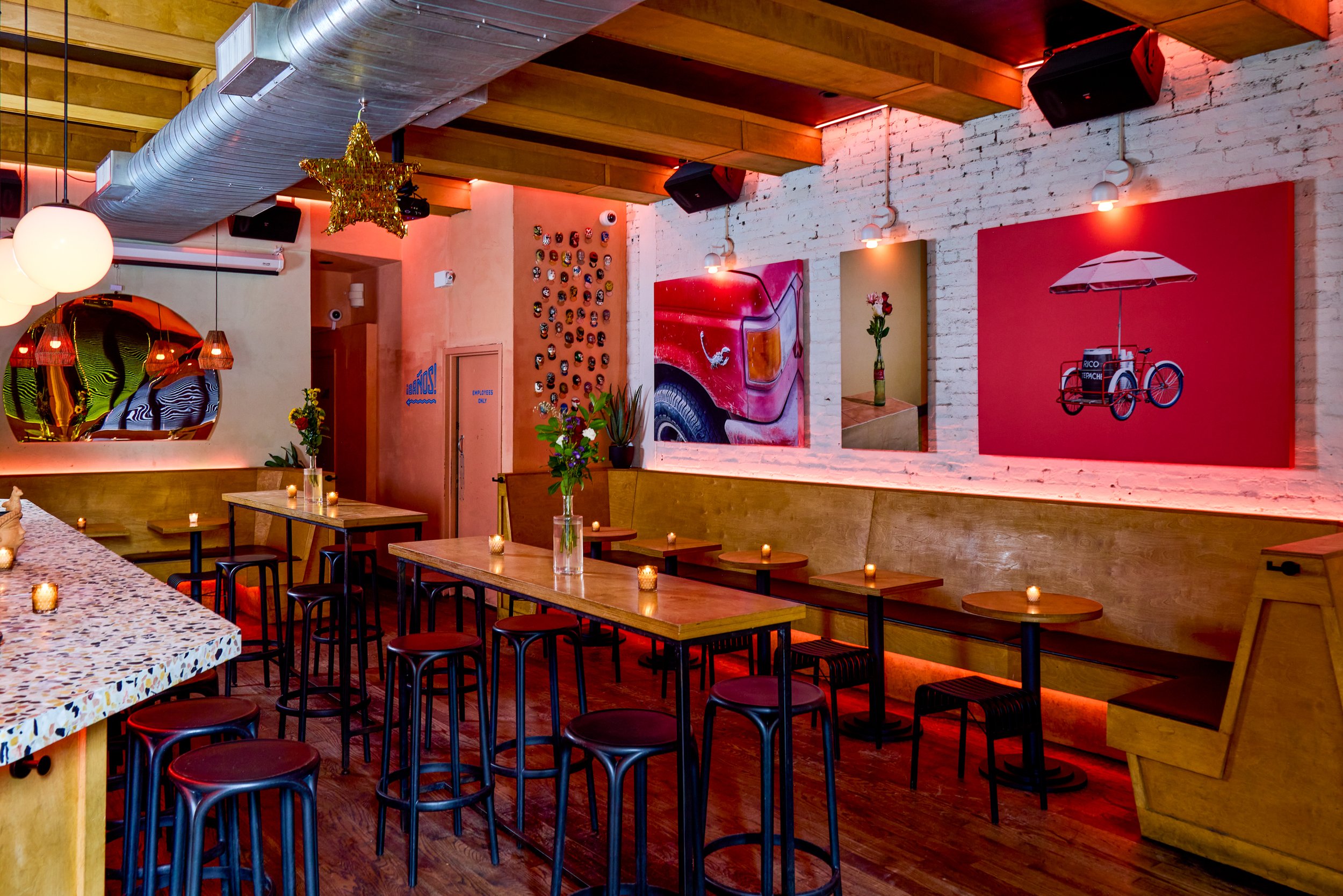
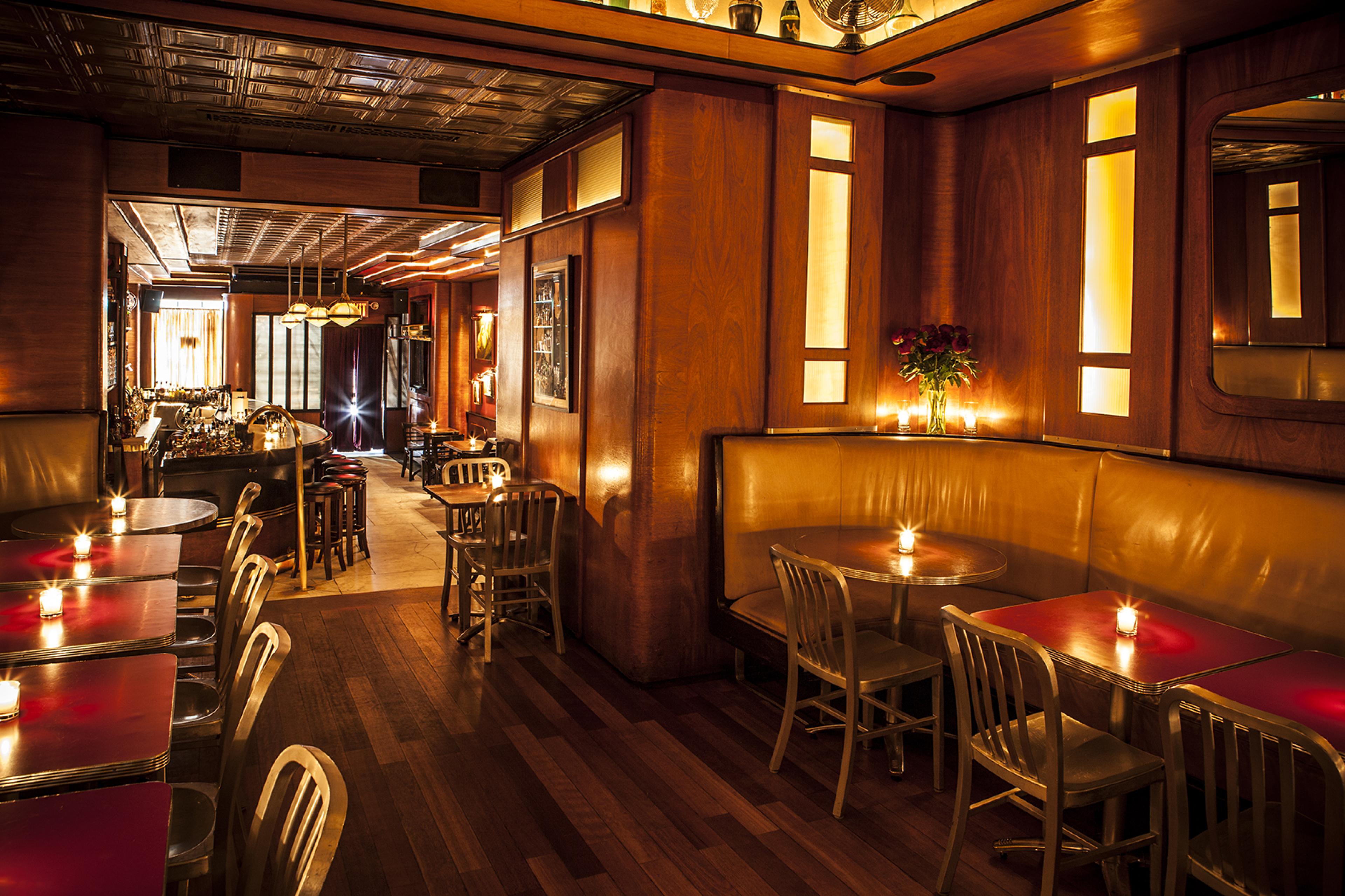
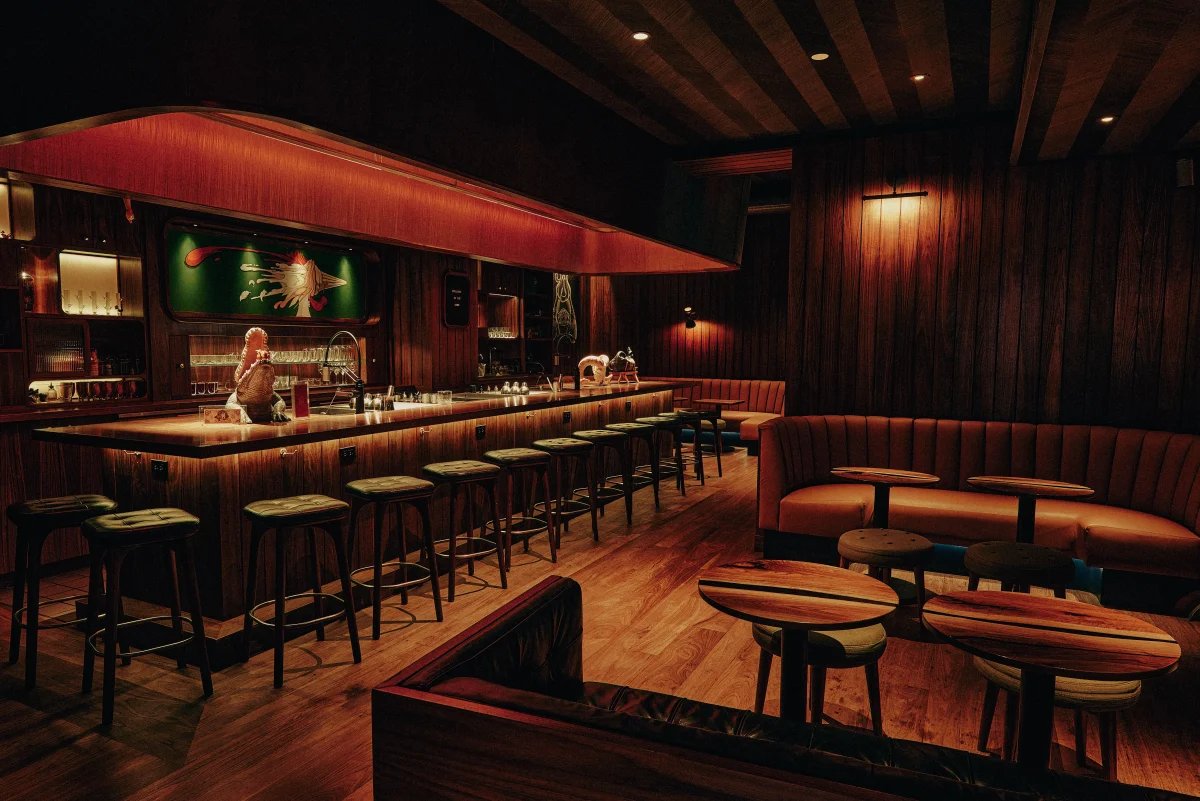
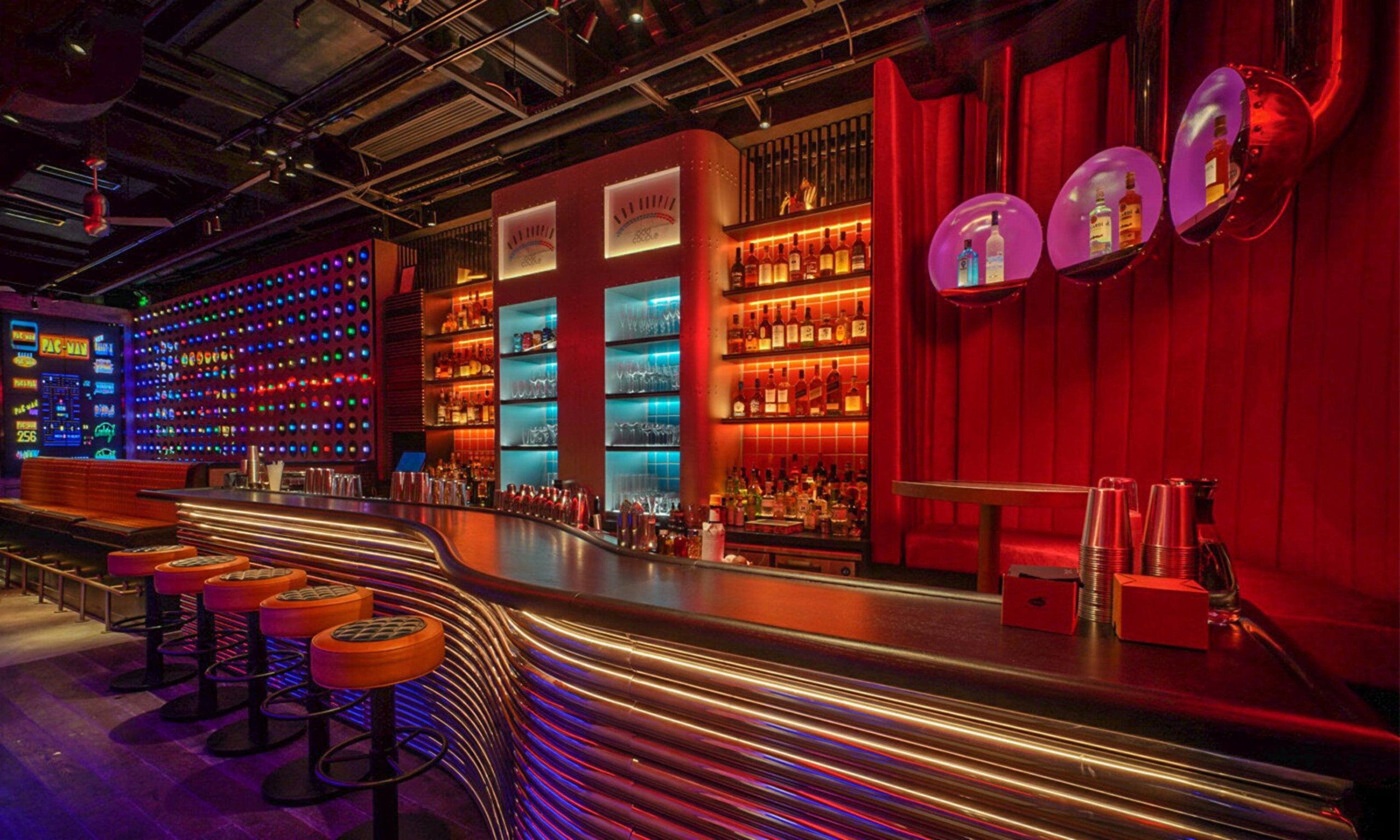
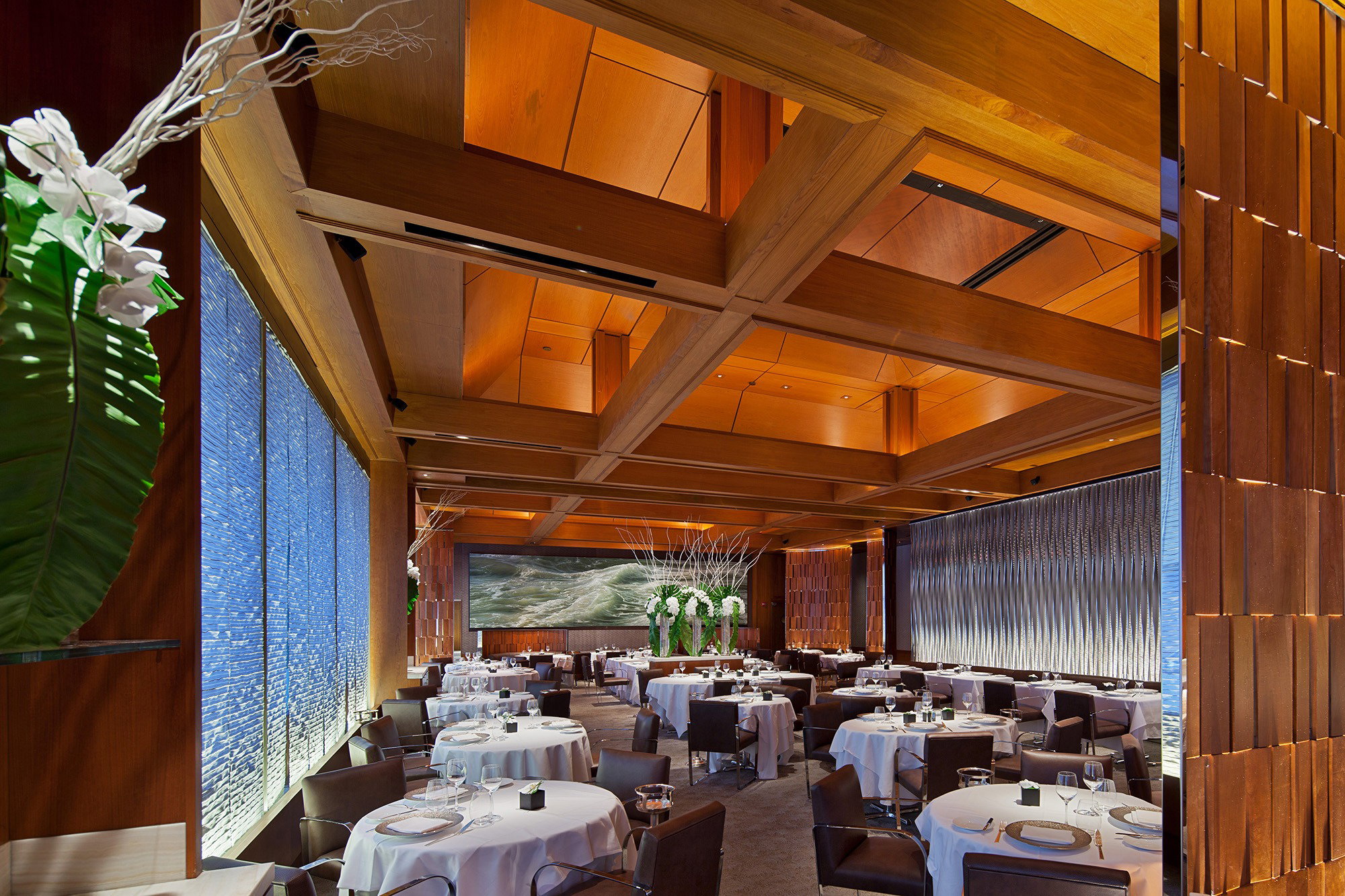
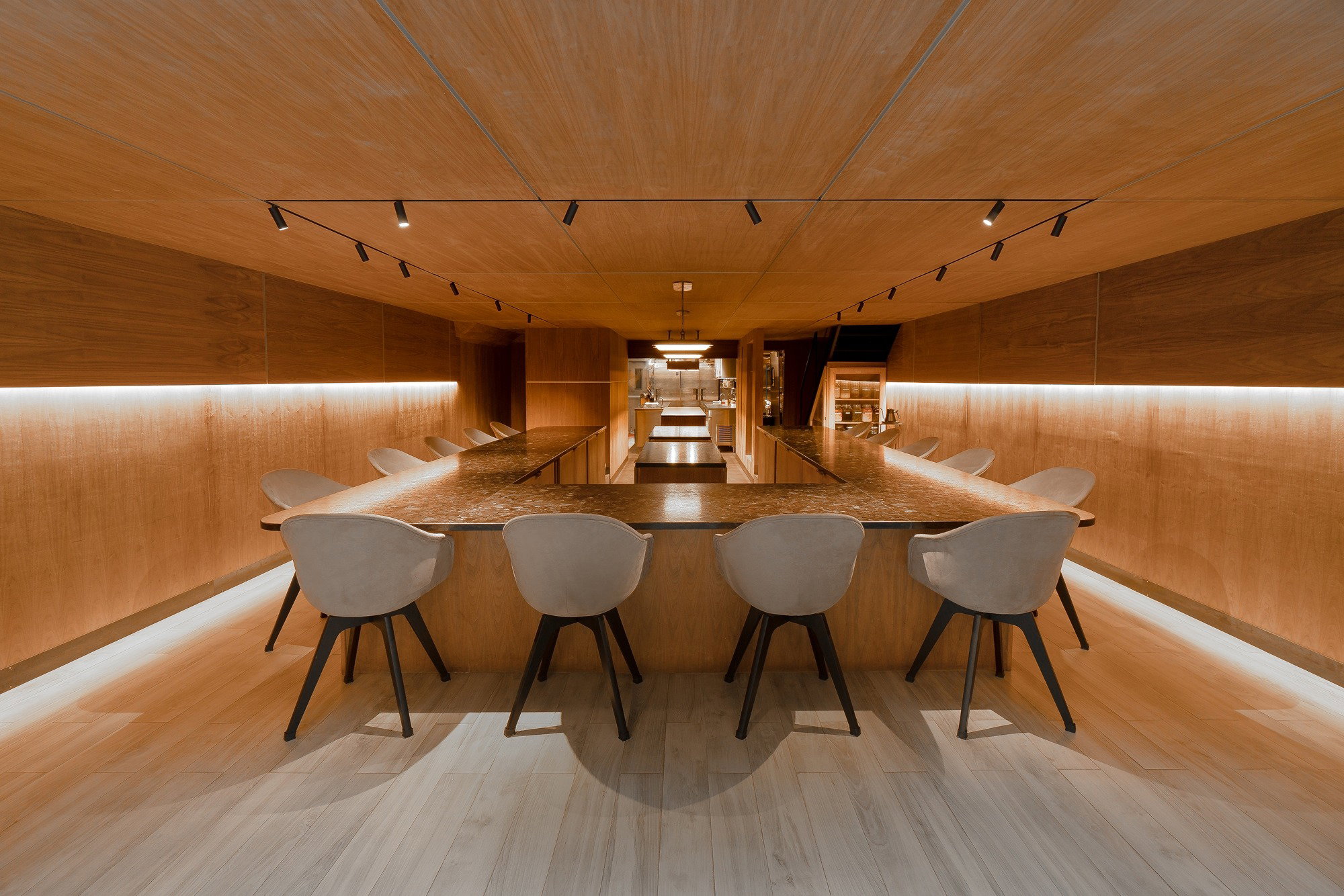
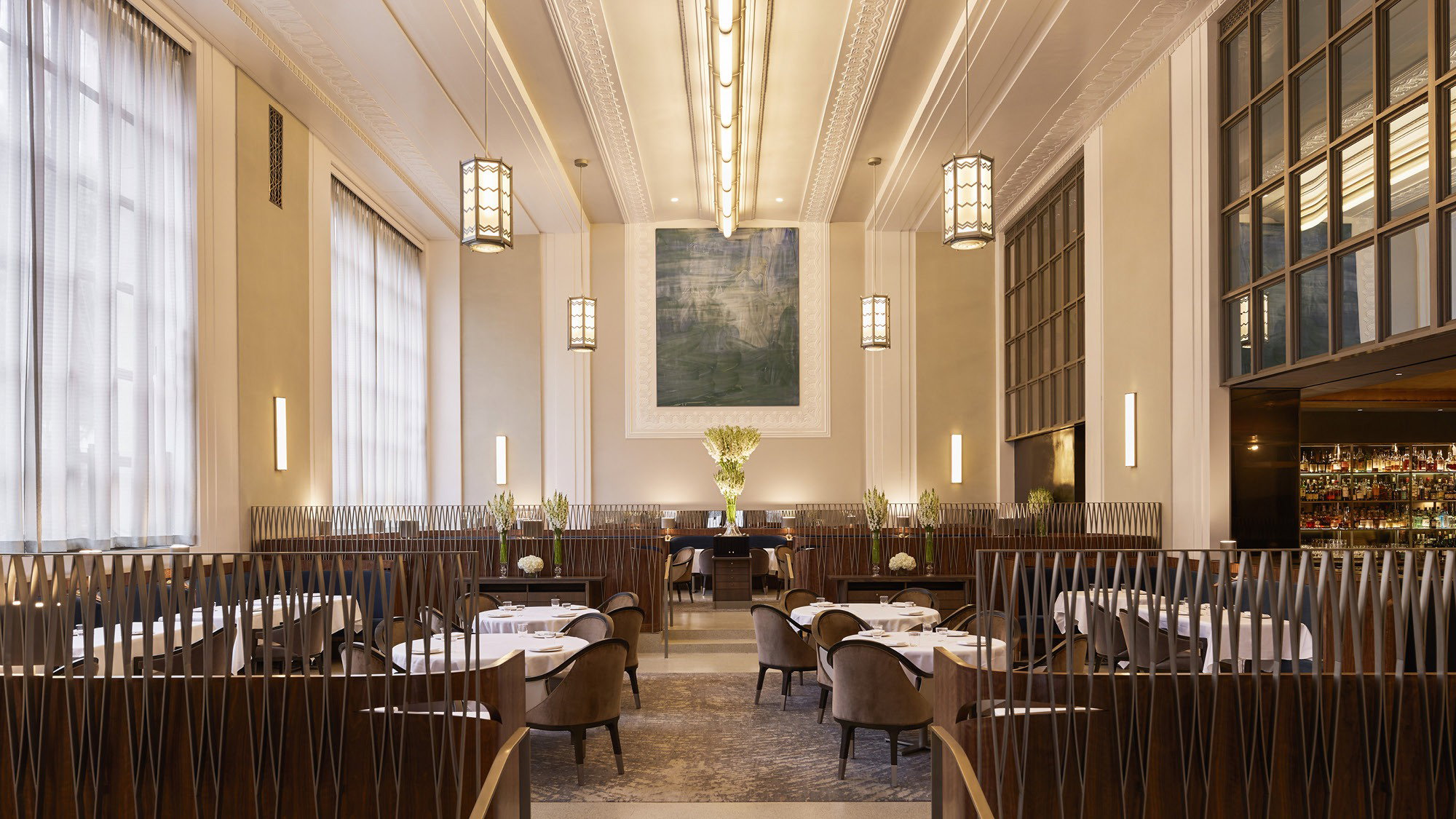
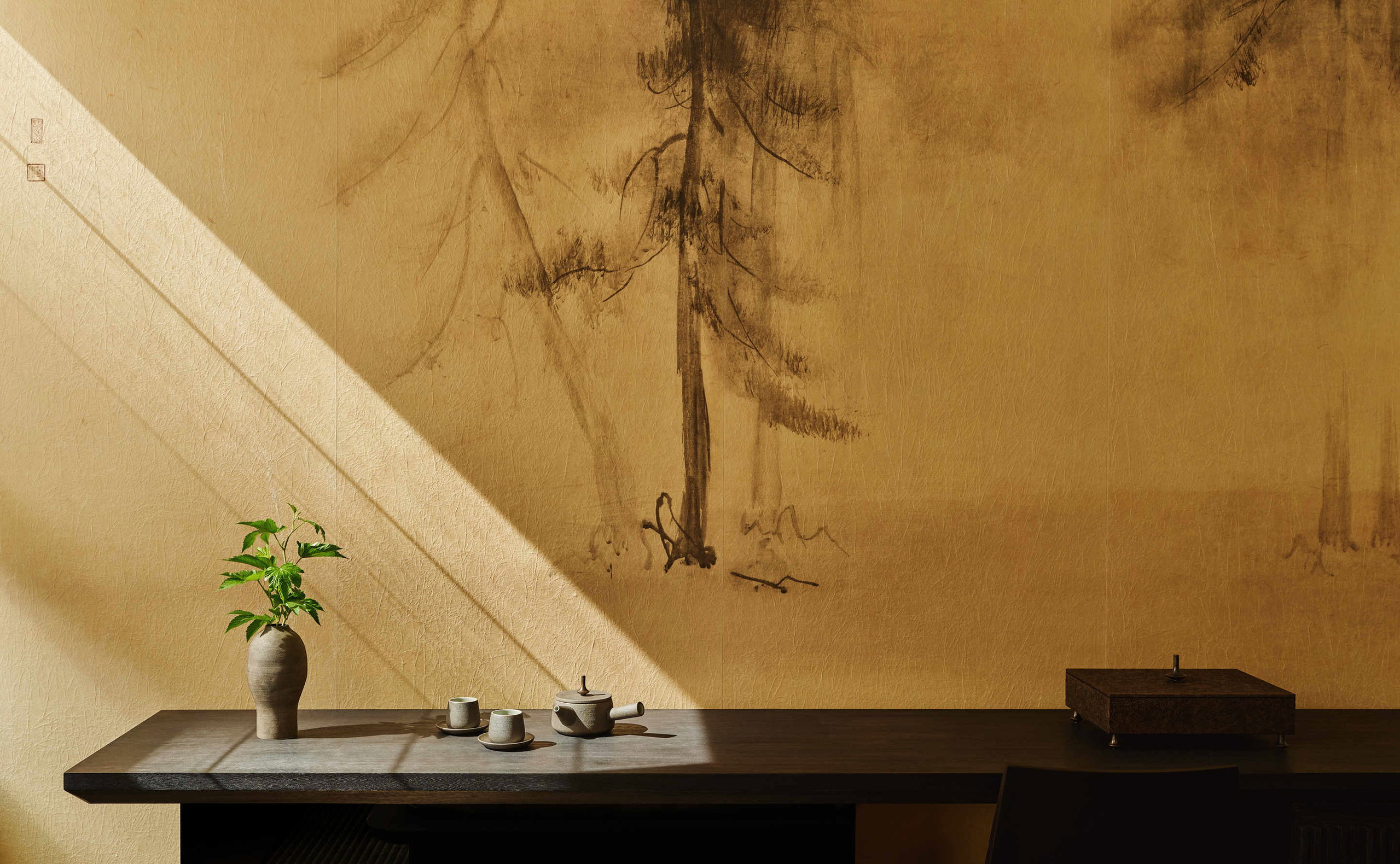
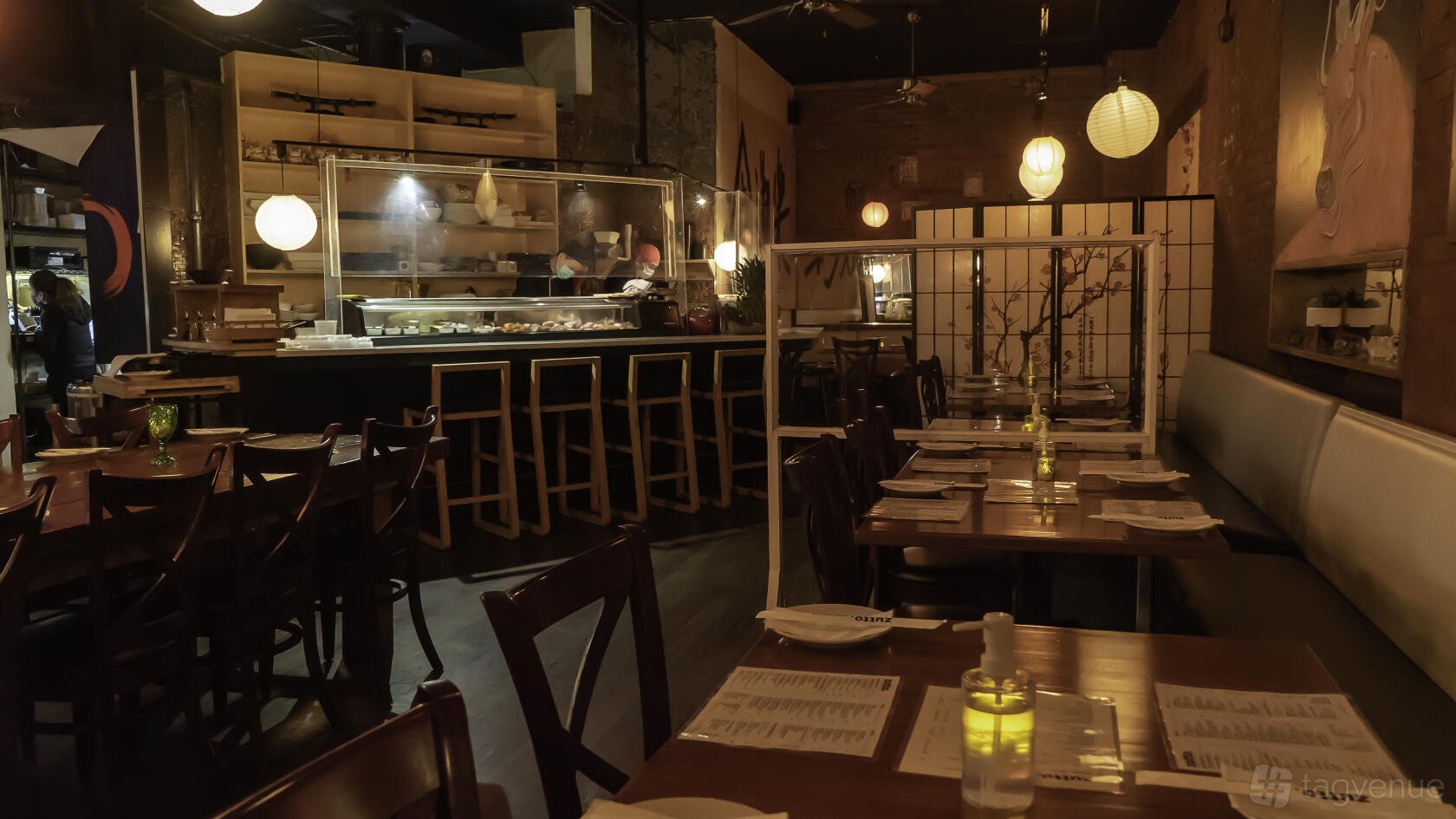
Cozy yet stylish atmosphere with exposed brick walls and Japanese-inspired decor, described as quiet, comfortable, and welcoming.
Tags
Vibe
Best For
Experience
Format
At the Bar
- Bar Category
- Pub
- Late Night
- Closes by Midnight
Know before you go
Know Before You Go
- Getting there
- 77 Hudson St, New York, NY 10013
Planning details
Location
77 Hudson St, New York, NY 10013 · Directions
Also consider
Also Consider
- Puffy's Tavern, Notable alternative
- Tamarind Tribeca, Notable alternative
- Terroir Tribeca, Notable alternative
- Brandy Library, Notable alternative
- SAAQI, Notable alternative
Bar context
How it compares in Tribeca
Zutto Japanese American Pub is the easy, casual pick in this set: better for a flexible meal with drinks than for a night organized around a bar program. Brandy Library is the stronger choice if spirits are the point of the evening, especially for drinkers who want a deeper brown-spirit focus. Terroir Tribeca is the better call when wine is driving the decision.
For ambiance, Puffy's Tavern reads more directly as a tavern choice, while Tamarind Tribeca is more appropriate when the group wants a composed restaurant feel. SAAQI is the better cross-shop for a more contemporary bar night. Value depends on the occasion: Zutto is strongest when ease and neighborhood convenience matter more than polish or specialist depth.
Explore New York City
Around this place
Discover more on Pearl
Unlock the full Zutto Japanese American Pub guide in Pearl, including awards, comparisons, FAQs, planning details, and nearby places.
Compare Zutto Japanese American Pub
| Venue | Location | Awards |
|---|---|---|
| Zutto Japanese American Pub | New York City | No published awards |
| Puffy's Tavern | New York City | No published awards |
| Tamarind Tribeca | New York City | No published awards |
| Terroir Tribeca | New York City | No published awards |
| Brandy Library | New York City | No published awards |
| SAAQI | New York City | No published awards |
How Zutto Japanese American Pub compares with similar nearby venues.
FAQ
Frequently Asked Questions
What is Zutto Japanese American Pub known for?
Zutto Japanese American Pub is a New York City venue with a casual dress code and daily hours.
Where is Zutto Japanese American Pub located?
Zutto Japanese American Pub is located in New York City.
How can I contact Zutto Japanese American Pub?
Use the venue's official channels to confirm current contact details.