The Mercury Lounge
Lower East Side, New York City
Bar in New York City, United States
 Book with Pearl
The Read
Price
$20–30per person
Why go
A practical Lower East Side pick when ease matters more than a formal cocktail destination. The Mercury Lounge makes sense for casual drinks, small groups, and low-planning nights in New York City; cross-shop Superbueno for cocktail ambition or Mr. Purple for a bigger scene.
About The Mercury Lounge
The Mercury Lounge is a New York City venue with a casual dress code.
A New York City choice with a casual dress code
The planning detail to anchor on is simple: The Mercury Lounge lists a casual dress code. Check directly before making specific plans around price range, menu format, seating, awards, or beverage program. For comparison planning, Chinato, Dirty French, Lucien, Mr. Purple, and Superbueno are other named venues readers may want to consider as they compare options.
Book it with careful planning
Avoid planning around specifics such as hours, reservations, outdoor seating, food, drinks, or group capacity without checking ahead. The key takeaway is that The Mercury Lounge is in New York City and has a casual dress code. For anything more detailed, confirm directly with the venue before you go.
For broader planning, use Our full New York City bars guide alongside Our full New York City restaurants guide and Our full New York City hotels guide. Readers building a wider trip can also scan Our full New York City experiences guide and Our full New York City wineries guide.
Planning details
- Location
- 217 E Houston St, New York, NY 10002
- Website
- mercuryeastpresents.com/mercurylounge
- Phone
- +1 212 260 4700
The take
The Take
The Vibe
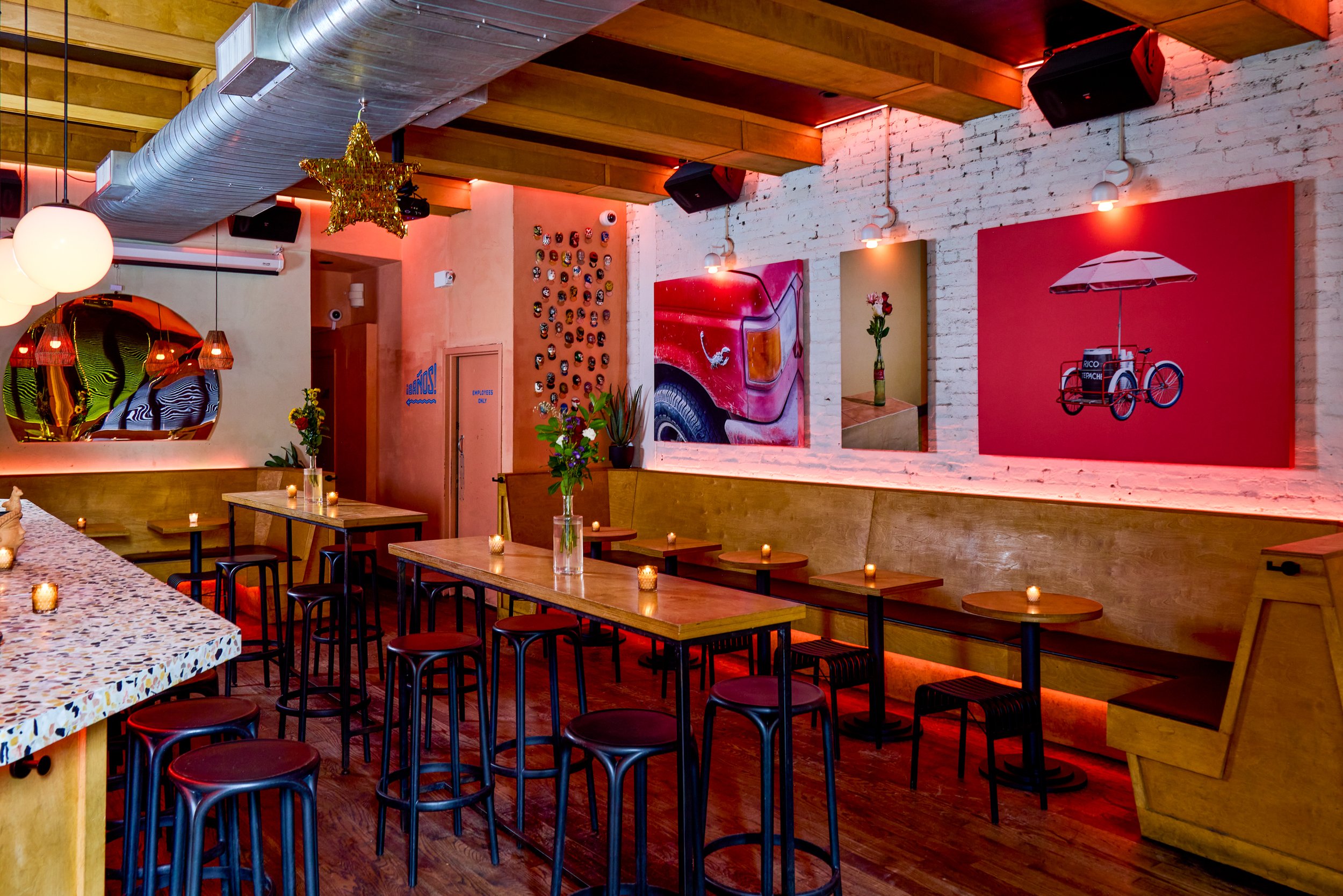
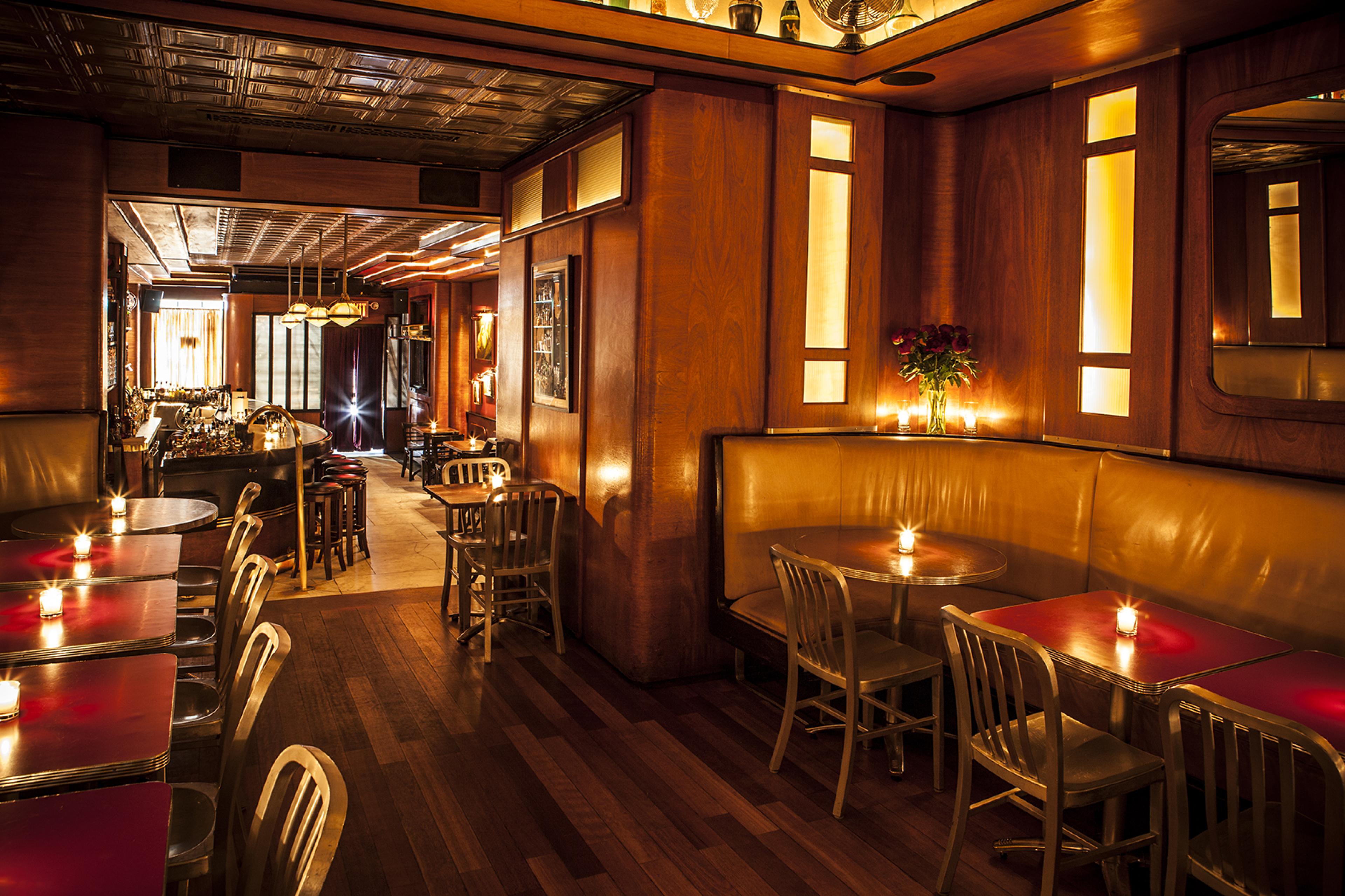
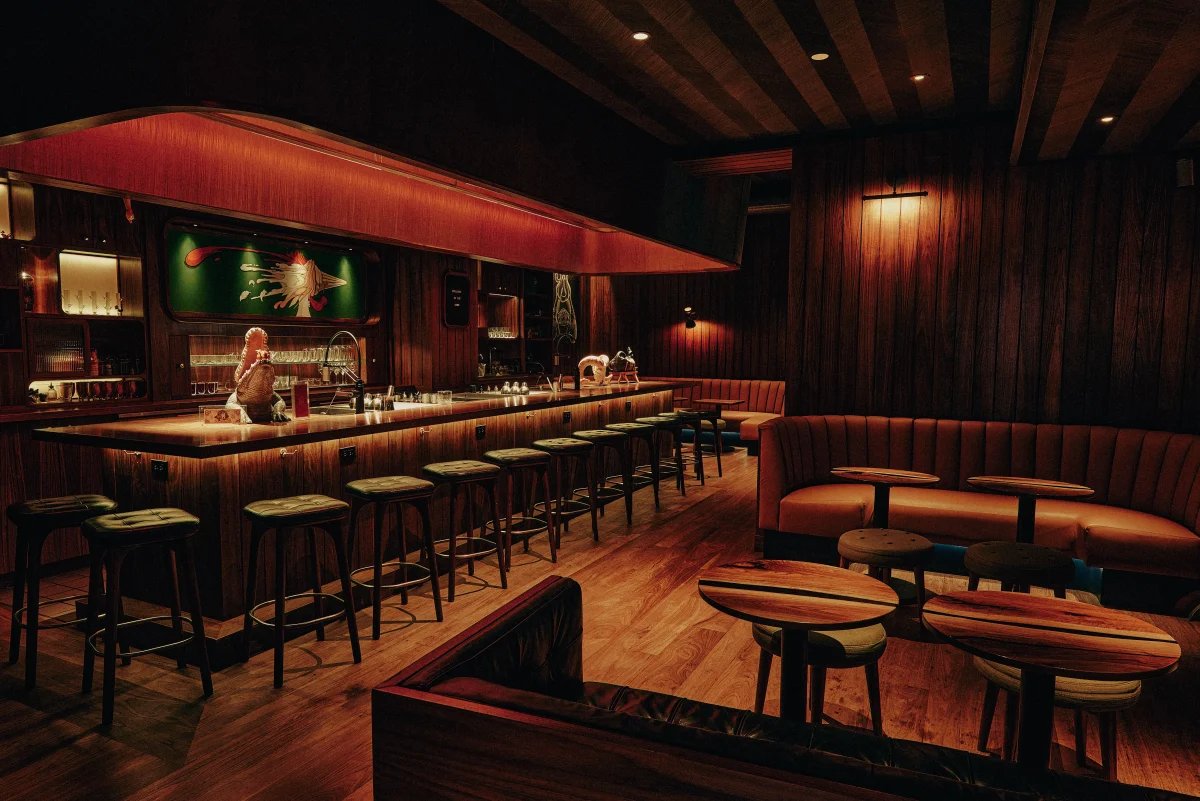
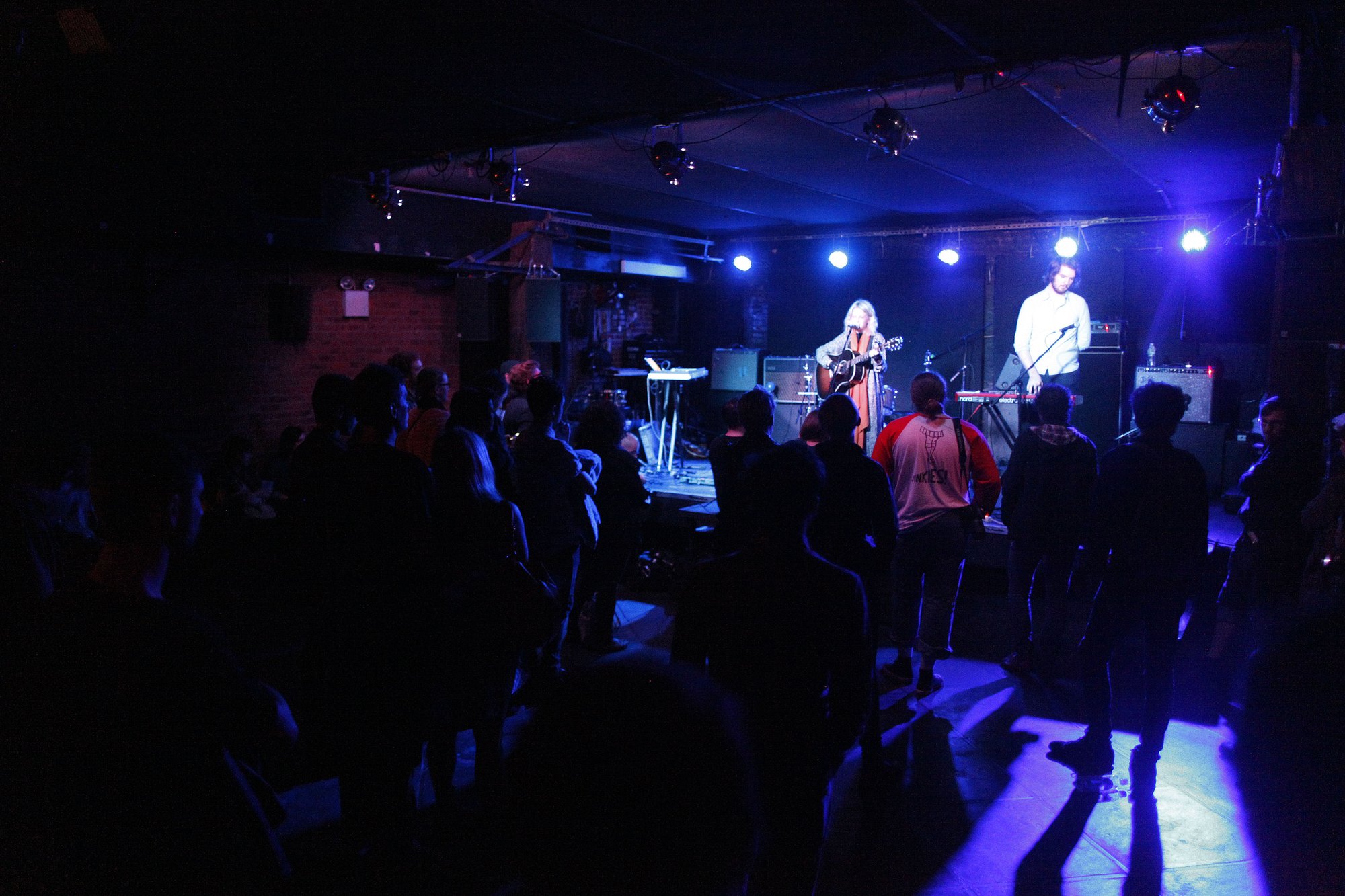
The Mercury Lounge is a compact, standing‑room live‑music room on East Houston Street that trades polish for proximity. Indie, punk and alternative acts play in a back room while a rowdy front bar hums with the neighborhood crowd. The space feels lively and unpretentious rather than curated or boutique; the emphasis is on the performance and the room’s long history of hosting early and mid‑career acts. Capacity is deliberately limited, which keeps the atmosphere immediate and intimate: you’re often right up against the stage rather than watching from a distance.
Best For
This is a destination for nights out to see emerging or up‑and‑coming bands, group outings that want high‑energy live music, and casual neighborhood evenings where the bar and the show overlap. It suits people who prioritize proximity to performers and a raw concert feel over refined table service or elaborate cocktails. Shows drive the evening here, so think ticketed live‑music nights and late‑night energy rather than a sit‑down dinner experience.
Ordering Tips
The routine at Mercury Lounge rewards early arrival: the front bar opens before the show and doors typically open about an hour before listed showtime, so getting there early helps you claim space before the back fills. Drinks are described as straightforward and priced for a neighborhood crowd — the music, not the cocktails, is the main event. If you want a good spot near the stage, plan to arrive as doors open and position yourself early; capacity is limited and the room fills from the front back.
Venue details
Ambiance
No-frills rock and roll presentation with intimate 250-person capacity, crystal clear sound system, and superb sightlines creating an up-close performer experience.
Tags
Vibe
Best For
Experience
Format
Accessibility
At the Bar
- Bar Category
- Lounge
- Late Night
- Open Until 2am
- Music
- Indie Rock, Alternative, Emerging Artists
- Live Music
- Yes
- Spirits Focus
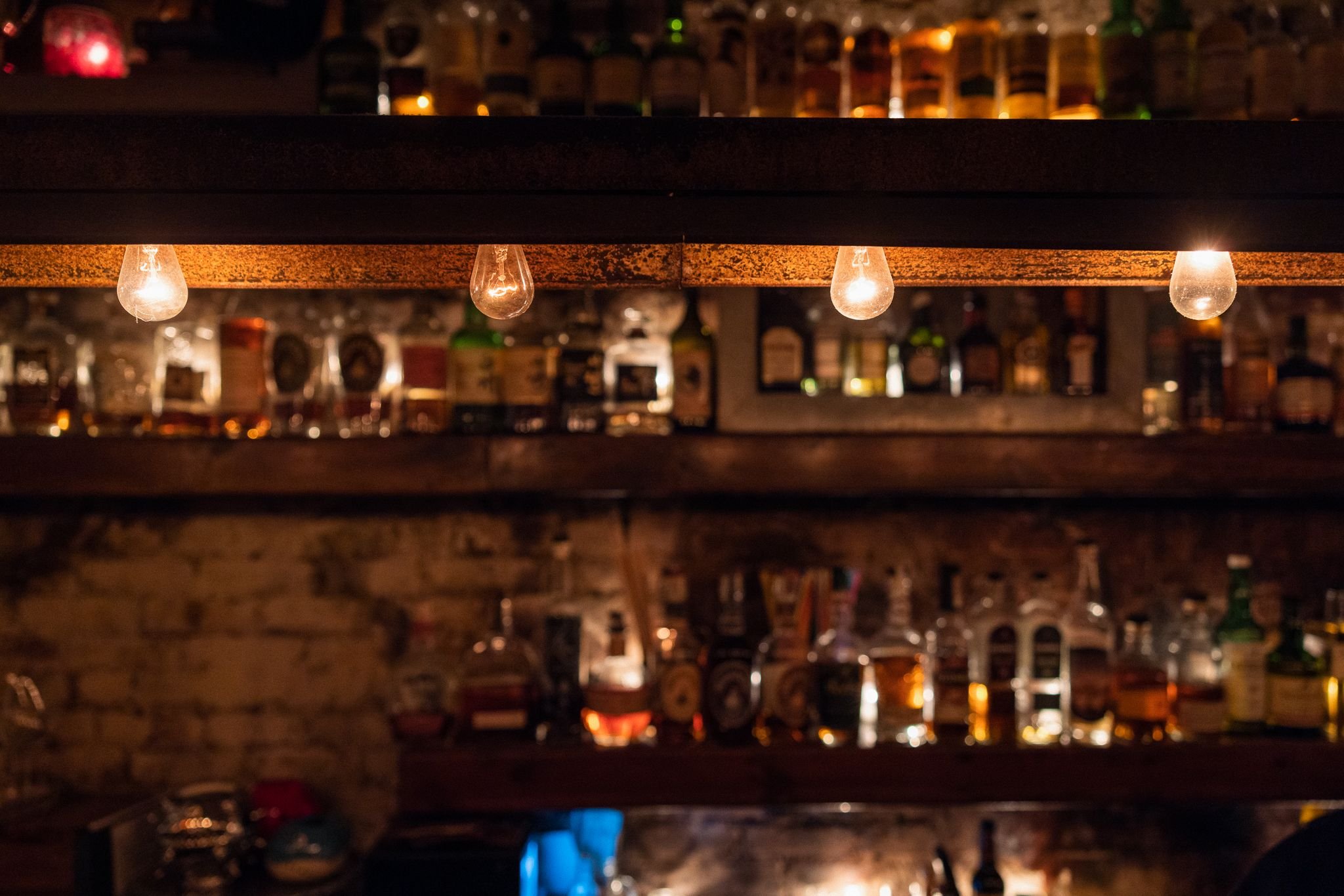
- Vodka, Gin, Tequila, Whiskey, Rum, Bourbon
Signature Pours
- Margaritas
- Mules
- Mojitos
Know before you go
Know Before You Go
- Getting there
- 217 E Houston St, New York, NY 10002
Planning details
Location
217 E Houston St, New York, NY 10002 · Directions
Also consider
Also Consider
- Dirty French, Notable alternative
- Chinato, Notable alternative
- Mr. Purple, Notable alternative
- Lucien, Notable alternative
- Superbueno, Notable alternative
Bar context
How it compares
Superbueno is the better choice if the drinks program is the reason for the booking. The Mercury Lounge is easier to approach and better for a casual Lower East Side stop, but Superbueno carries more cocktail-driven intent for readers who want the bar itself to be the point of the night.
Mr. Purple is the stronger pick for ambiance and a bigger social scene, while Lucien is better when the evening needs a more dining-adjacent downtown feel. Choose The Mercury Lounge when convenience and low-friction planning matter more than a polished room or a harder-to-book table.
Dirty French and Chinato make more sense when food is part of the decision. For a drinks-first, easy-booking night around East Houston Street, The Mercury Lounge is the simpler call; for a fuller meal or a more deliberate restaurant-bar experience, cross-shop those instead.
Explore New York City
Around this place
Discover more on Pearl
Unlock the full The Mercury Lounge guide in Pearl, including awards, comparisons, FAQs, planning details, and nearby places.
Compare The Mercury Lounge
| Venue | Location | Awards |
|---|---|---|
| The Mercury Lounge | New York City | No published awards |
| Dirty French | New York City | Star Wine Lists 20262026 Wine Spectator Best of Award of Excellence2026 OAD Casual in North America Recommended2025 World's Best Steaks 50 Best Steakhouses in North America · #322025 OAD Casual in North America Ranked · #6192025 Wine Spectator Best of Award of Excellence2024 OAD Casual in North America Ranked · #4302023 OAD Gourmet Casual Dining in North America Ranked · #1932023 OAD Casual in North America Recommended |
| Chinato | New York City | No published awards |
| Mr. Purple | New York City | No published awards |
| Lucien | New York City | No published awards |
| Superbueno | New York City | 2026 North America's 50 Best Bars · #9The 50 Best Bars 2026 — 51–100 · #61Tales Spirited Awards 2026 - Best U.S. Bar Team presented by William Grant & Sons - Best U.S. Bar Team presented by William Grant & Sons (Top Four Finalist)Tales Spirited Awards 2026 - Best U.S. Cocktail Bar by Gruppo Montenegro - Best U.S. Cocktail Bar by Gruppo Montenegro (Top Four Finalist)2026 OAD Casual in North America RecommendedTales Spirited Awards 2026 - Best U.S. Bar Team presented by William Grant & Sons - Best U.S. Bar Team presented by William Grant & Sons (Top 10 Nominee)Tales Spirited Awards 2026 - Best U.S. Cocktail Bar - Best U.S. Cocktail Bar (Top 10 Nominee)2025 James Beard Awards · #12025 North America's 50 Best Bars · #2 |








How The Mercury Lounge compares with similar nearby venues.
FAQ
Frequently Asked Questions
Does The Mercury Lounge have outdoor seating?
Does The Mercury Lounge have happy hour deals?
Do not plan around discounts unless the venue confirms them directly.
Is The Mercury Lounge good for a date?
Is the food good at The Mercury Lounge?
Do I need a reservation at The Mercury Lounge?
If your timing matters, check directly with The Mercury Lounge before you go. You can also compare plans with places such as Dirty French or Lucien.