Temple Bar
Greenwich Village, New York City
Bar in New York City, United States
 Book with Pearl
The Read
Price
$30–50per person
Why go
Temple Bar is a smart NoHo pick for a date or a focused cocktail stop, especially when the room matters as much as the drink. It is less useful as a food-led or group-first plan, so compare it with Jac's on Bond, ACME, or ATLA Noho depending on whether the night needs drinks, dinner, or both.
About Temple Bar
Temple Bar is a New York City venue with evening and late-night hours, plus a smart casual dress code. Use the hours below to plan arrival, and check directly with the venue for reservations, menu details, seating, pricing, or service format.
Planning a visit to Temple Bar in New York City
Timing is the key planning point. Temple Bar opens at 5 PM daily. It closes at 1 AM Monday through Wednesday, 2 AM Thursday through Saturday, and 12 AM on Sunday. That makes it most useful to evaluate as an evening or late-night stop in New York City, rather than as a lunch plan.
The dress code is smart casual. If menu, cocktails, chef, awards, price range, reservation policy, seating count, or takeout and delivery details matter to your decision, confirm them directly before building a night around the venue.
Who should consider it, and who should compare
Choose Temple Bar if the hours and smart casual dress code fit the kind of New York City evening you are planning. If you are comparing other New York City options, Jac's on Bond, ACME, ATLA Noho, Angelika Film Center & Cafe - New York, and YOSHINO • NEW YORK may be useful names to consider depending on the occasion, but confirm each venue's current details separately before deciding.
For broader planning, our full New York City venue guide is the right next stop. If the night requires a fuller restaurant plan, use our full New York City restaurants guide. For trip-building around the city, keep our full New York City hotels guide, our full New York City experiences guide, and our full New York City wineries guide separate from the venue decision.
Planning details
- Location
- 332 Lafayette St, New York, NY 10012
- Reservations
- Book on Resy
- Website
- templebar.co
The take
The Take
The Vibe
Temple Bar occupies a considered niche in NoHo, operating with the focused intent of both a cocktail bar and a dining room. The place feels like a purpose-built meeting of two disciplines: drinks that are programme-minded and food that is plotted to accompany them. The writing leans into restraint and craft rather than theatrics, so the overall impression is of a modern, quietly assured spot where design and tastefulness govern the experience. Patrons encounter a calibrated environment that privileges pacing and pairing, making the room feel thoughtful and intentionally composed.
Best For
This is an evening destination that works when you want a night out without juggling separate reservations for drinks and dinner. Temple Bar is best for dinner-oriented drinking, date nights, special occasions and celebrations where both cocktails and food matter equally. The menu logic explicitly treats drinks and small plates as a single system, so it’s ideal for lingering conversations and paced evenings—situations where you plan to stay longer and let well-timed bites reset the palate between drinks rather than speeding the night along.
Ordering Tips
Treat ordering here as a two-part decision: commit to the drinks programme and then choose food that intentionally complements and resets your tasting. The venue foregrounds snacks and smaller plates designed to extend, rather than interrupt, a cocktail-driven evening—so alternate thoughtfully between cocktails and bites. Opt for staggered small orders to manage pace and refresh the palate, and view the menu as a curated sequence rather than isolated courses; doing so aligns with the bar’s goal of making food an equal partner to its drinks.
Venue details
Ambiance
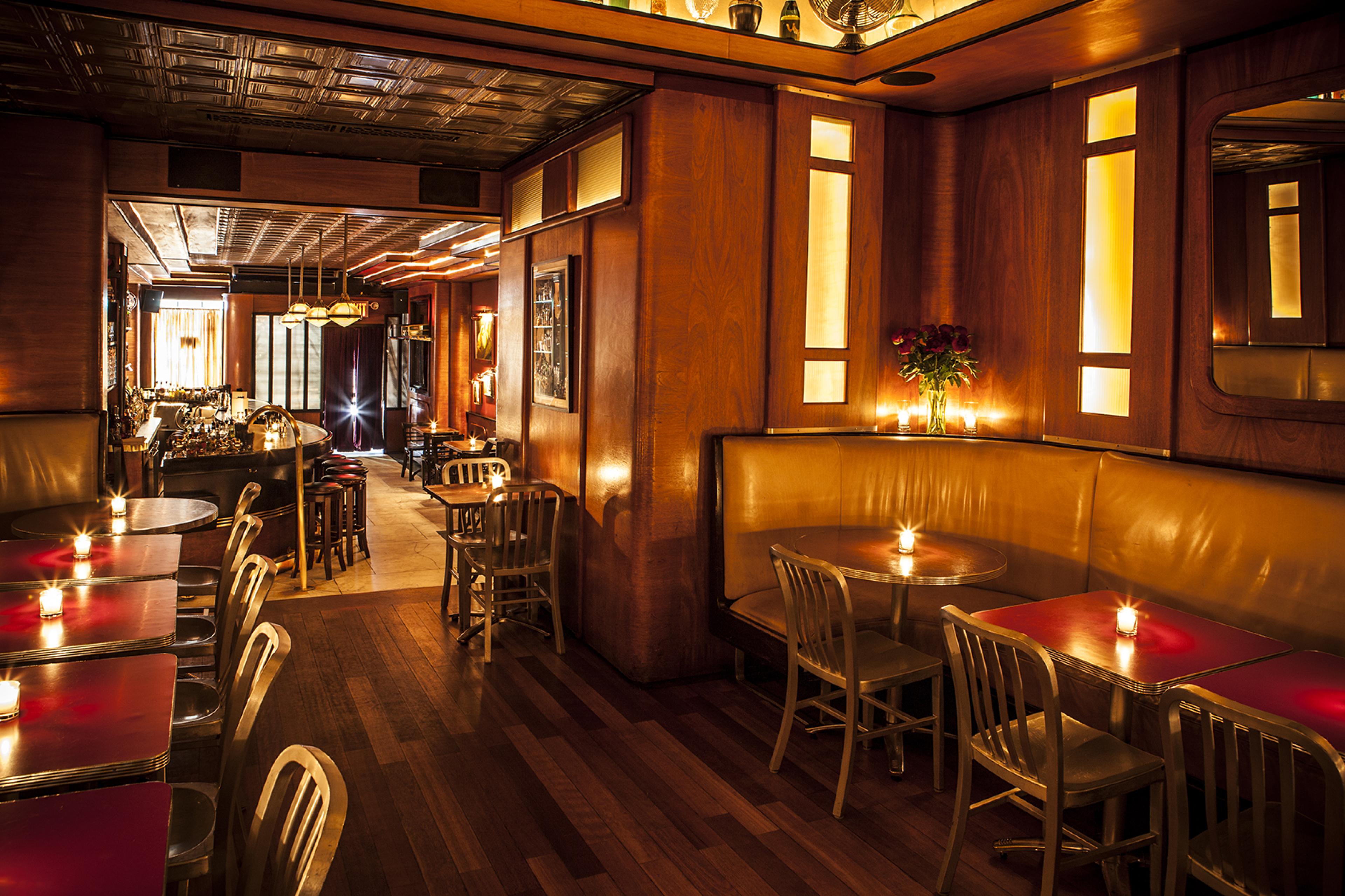
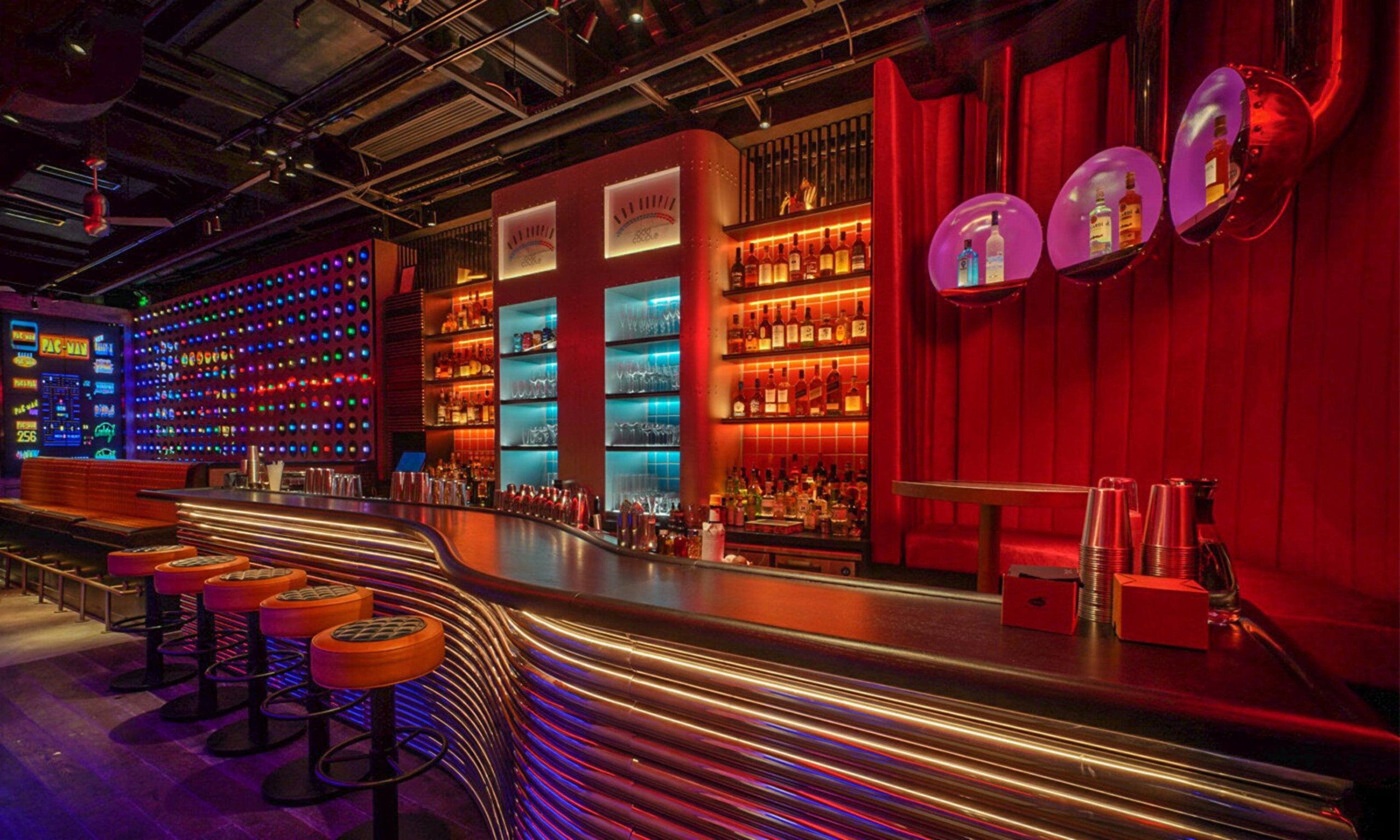
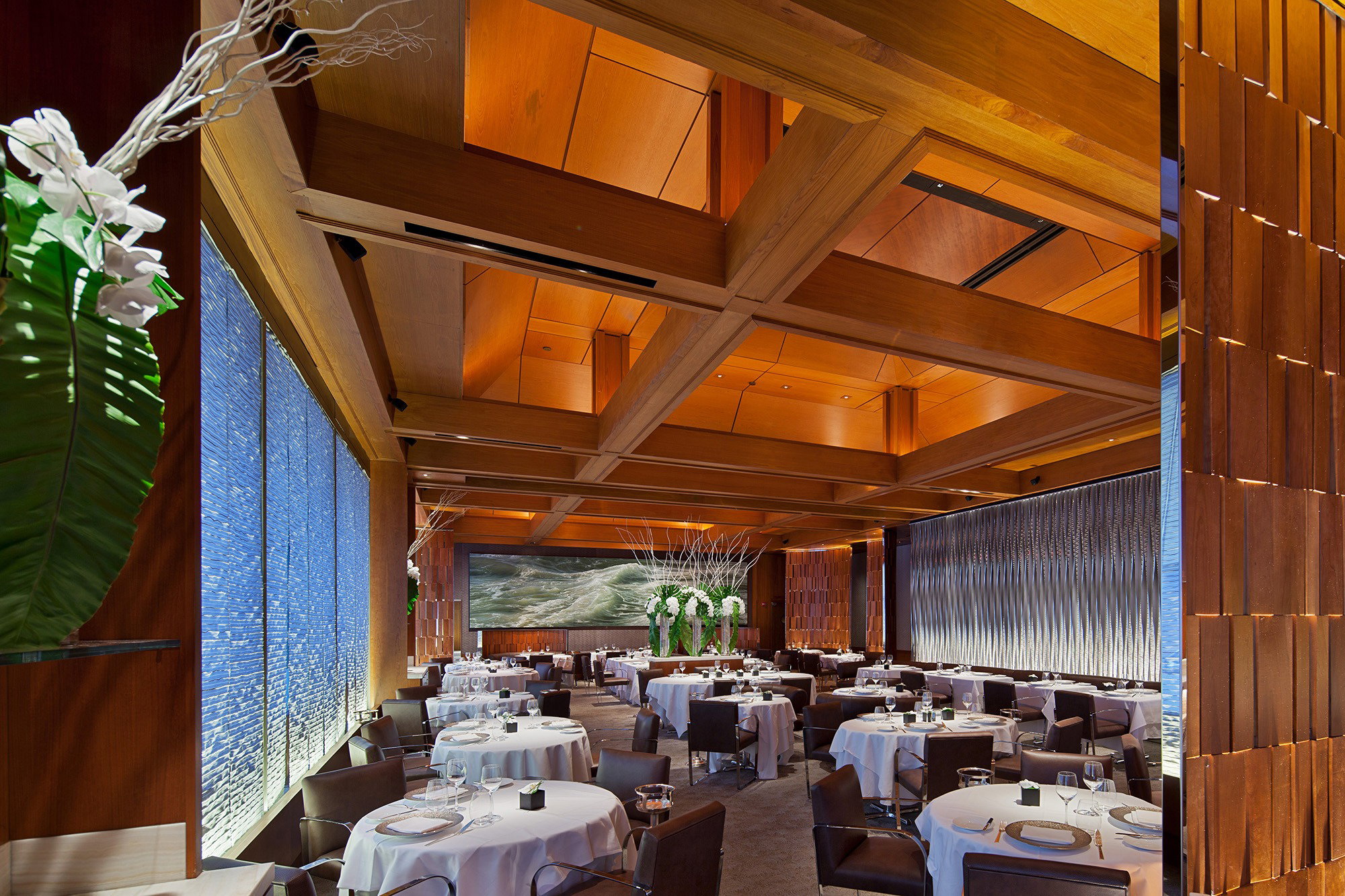
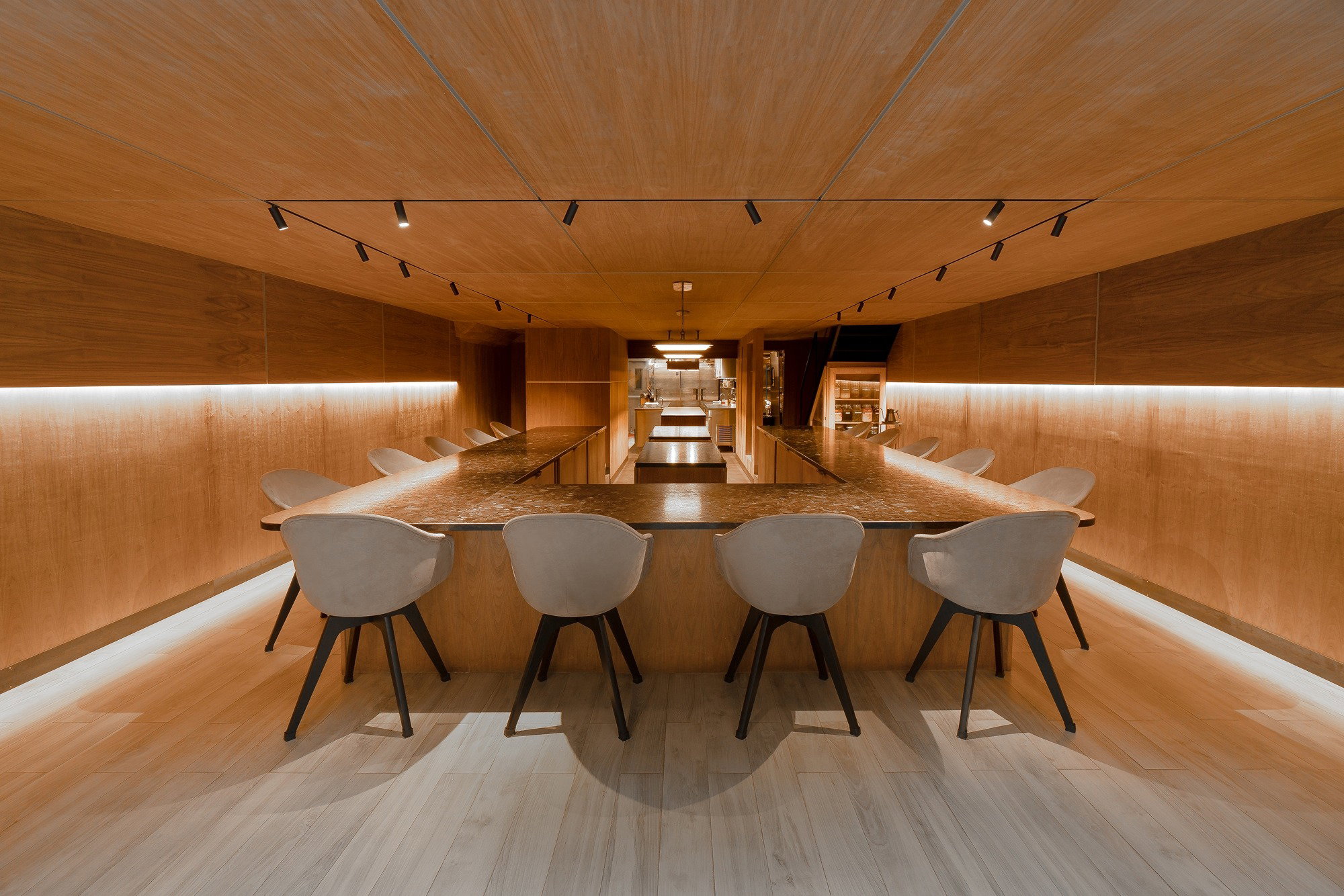
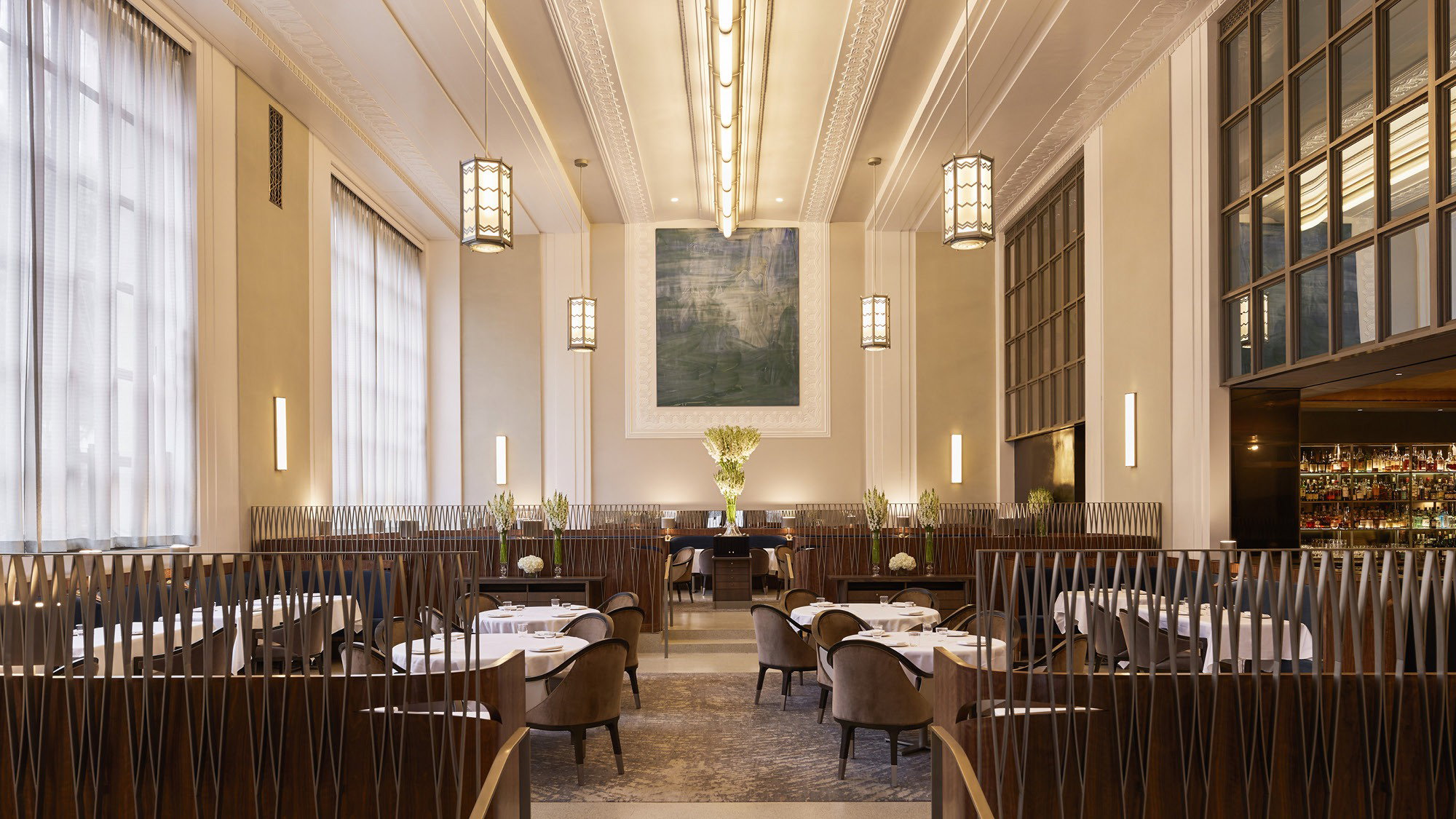
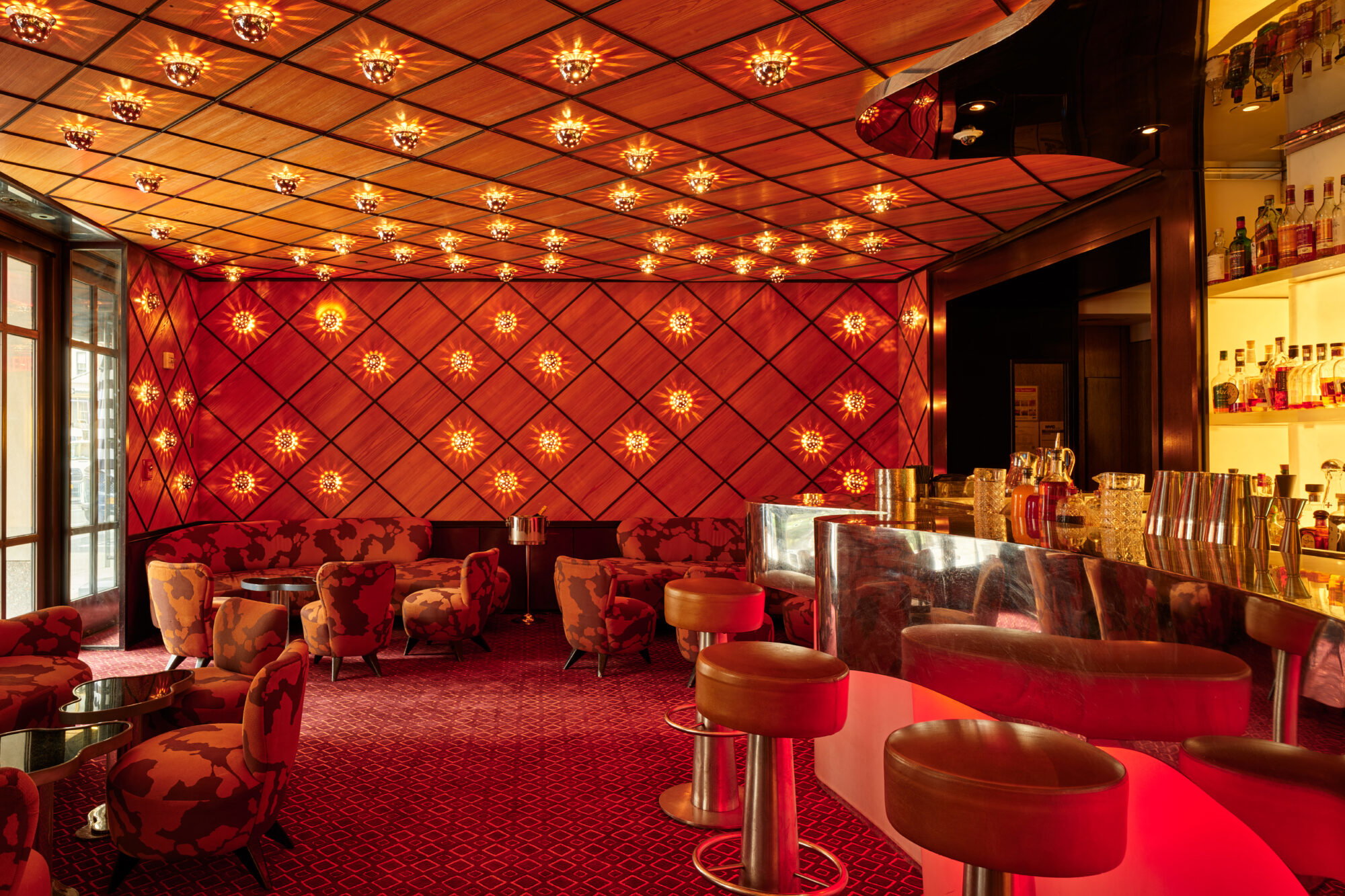
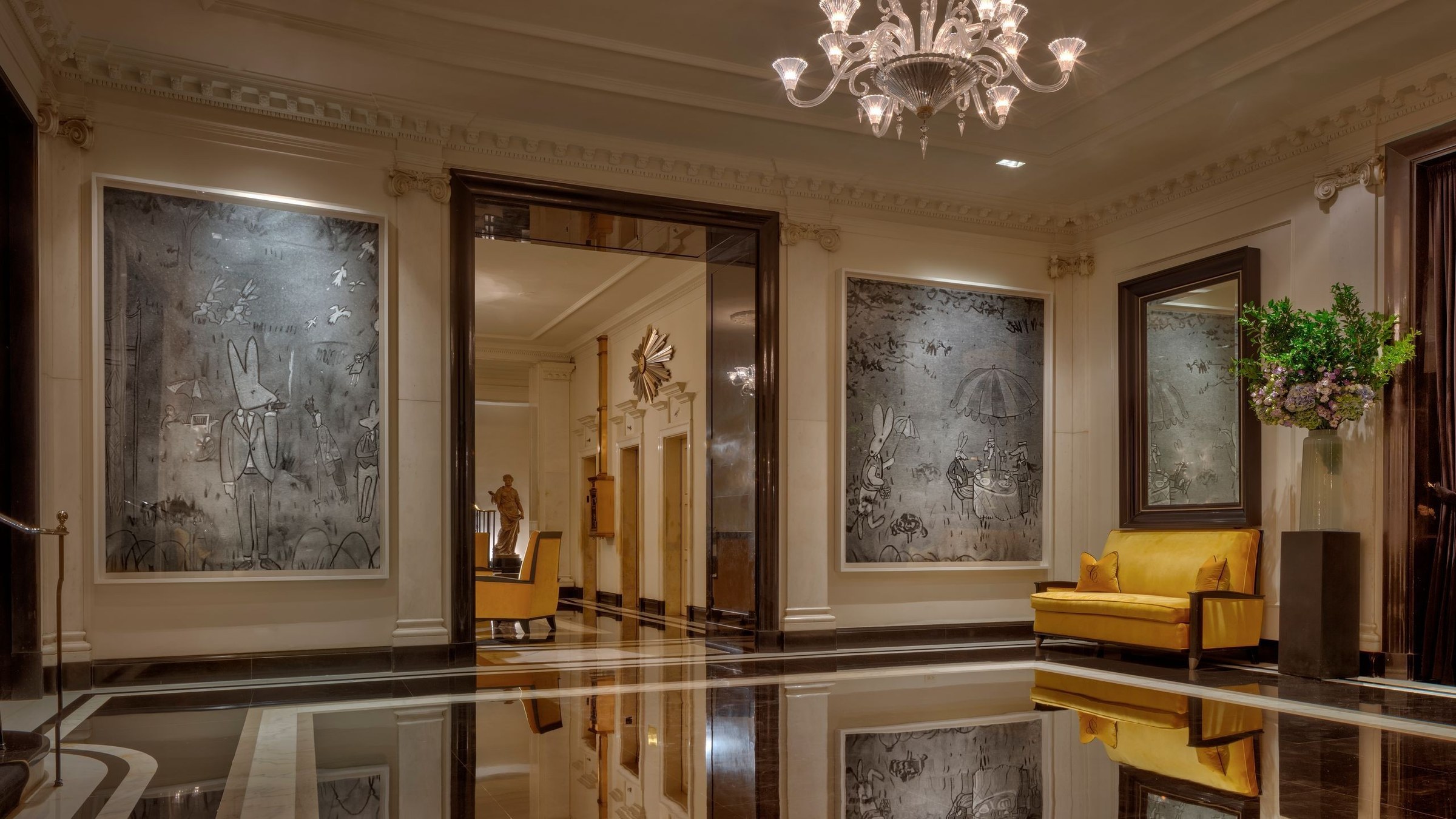
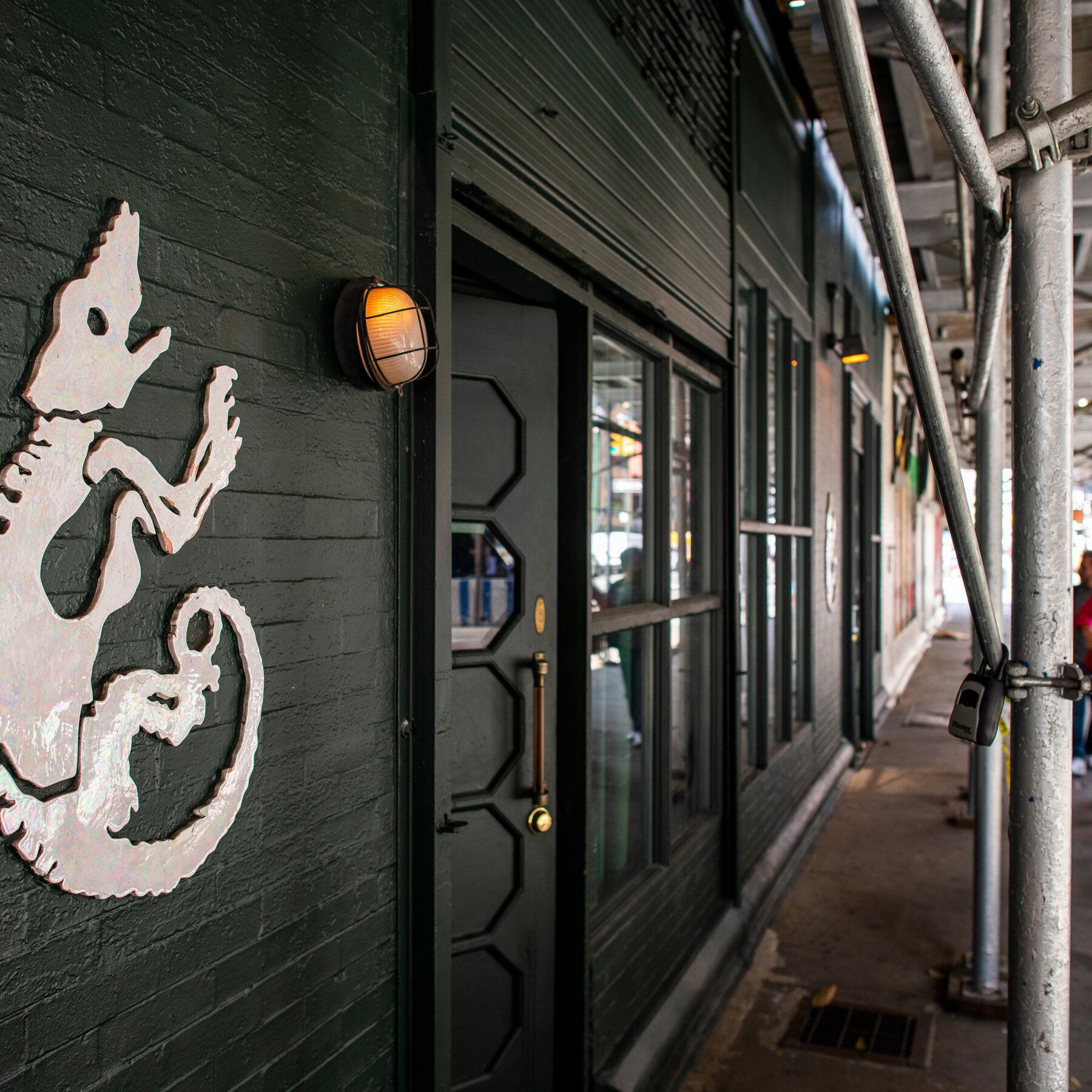
Dark and moody with dim lighting, mahogany walls, red velvet curtains, black and white tile flooring, and underlighting from below the bar creating a sexy, old-school speakeasy atmosphere.
Tags
Vibe
Best For
Experience
Format
Accessibility
At the Bar
- Bar Category
- Cocktail Bar
- Late Night
- Open Until 4am
- Music
- Rap and Hip Hop
- Spirits Focus
- Rum, Tequila, Vodka
Signature Pours
- Sgroppino
- Jalapeño Mojito
- Olive Oil Martini
- Red Hot Love Affair
- I Know Disco
- Spicy Flamingo
Know before you go
Know Before You Go
- Getting there
- 332 Lafayette St, New York, NY 10012
Planning details
Location
Also consider
Also Consider
- Jac's on Bond, Notable alternative
- ACME, Notable alternative
- ATLA Noho, Notable alternative
- Angelika Film Center & Cafe - New York, Notable alternative
- YOSHINO • NEW YORK, Notable alternative
Bar context
How it compares in NoHo and downtown
Temple Bar is the better choice when the priority is a polished cocktail-room feel and a smaller-party night. Jac's on Bond is the closest cross-shop for a downtown drinks plan, while ACME makes more sense when the evening needs a restaurant-adjacent rhythm rather than a bar-led one.
ATLA Noho is the smarter pick if food is central to the booking decision. Angelika Film Center & Cafe - New York is more practical around a film plan than a standalone cocktail night. YOSHINO • NEW YORK belongs to a higher-commitment dining occasion, so it is not a direct substitute unless the plan has moved far beyond drinks.
For value, Temple Bar works when the spend is buying atmosphere, location, and a focused drinks setting. If booking ease and flexibility matter more than mood, Jac's on Bond or ACME may be safer backups; if food quality is the deciding factor, start with ATLA Noho instead.
Explore New York City
Around this place
Discover more on Pearl
Unlock the full Temple Bar guide in Pearl, including awards, comparisons, FAQs, planning details, and nearby places.
Compare Temple Bar
| Venue | Location | Awards |
|---|---|---|
| Temple Bar | New York City | No published awards |
| Jac's on Bond | New York City | Pearl Recommended Bars |
| ACME | New York City | No published awards |
| ATLA Noho | New York City | No published awards |
| Angelika Film Center & Cafe - New York | New York City | No published awards |
| YOSHINO • NEW YORK | New York City | No published awards |

How Temple Bar compares with similar nearby venues.
FAQ
Frequently Asked Questions
Do I need a reservation at Temple Bar?
What's the crowd like at Temple Bar?
Temple Bar is in New York City, has a smart casual dress code, and opens at 5 PM daily.
What's the best time to go to Temple Bar?
Use the hours to plan. Temple Bar is open 5 PM–1 AM Monday through Wednesday, 5 PM–2 AM Thursday through Saturday, and 5 PM–12 AM Sunday.
Is the food good at Temple Bar?
Is Temple Bar good for a date?
Temple Bar may fit a date if you want a New York City venue with a smart casual dress code and evening to late-night hours.
Is Temple Bar open late?
Yes. Temple Bar is open until 1 AM Monday through Wednesday, until 2 AM Thursday through Saturday, and until 12 AM on Sunday.
Is Temple Bar good for groups?
Contact Temple Bar directly if you are planning for a group.