
Bar in New York City, United States
Sushi Seki
100ptsChelsea Counter Tradition
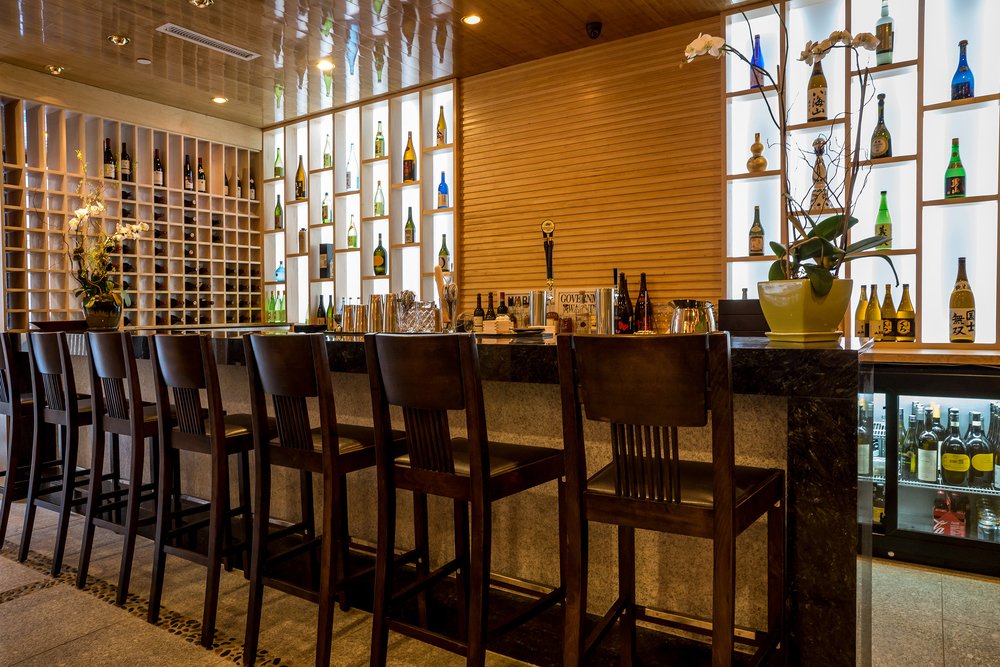
About Sushi Seki
On West 23rd Street in Chelsea, Sushi Seki occupies a corner of the city's sushi conversation that sits well outside the Midtown omakase corridor. The format draws repeat visitors rather than first-timers chasing novelty, and the Chelsea address places it in a neighbourhood more associated with galleries and cocktail bars than high-end Japanese dining.
Chelsea's Sushi Address, Away from the Omakase Corridor
Manhattan's premium sushi scene has long concentrated in a tight band stretching from Midtown to the Upper East Side, where landlord economics, corporate expense accounts, and hotel proximity have shaped a particular kind of counter experience: formal, expensive, and heavily booked months in advance. Chelsea operates on different terms. The neighbourhood's dining character is more mixed, its foot traffic shaped by the gallery district to the west and the residential density of the Flatiron edge to the east. Sushi Seki, at 208 West 23rd Street, sits in that context rather than against the backdrop of Midtown hotel rows, which changes the experience in ways that go beyond geography.
In a city where the sushi tier system has become increasingly rigid, with multi-hundred-dollar omakase counters at one end and conveyor-belt or delivery-optimised operations at the other, venues that occupy middle ground in Chelsea tend to attract a different kind of regular. The neighbourhood draws diners who have already worked through the Midtown and East Side prestige circuit and are now choosing convenience, familiarity, and neighbourhood belonging over the performance of booking a table at a name-recognition counter.
What Chelsea Means for This Kind of Dining
The West 20s have not historically been New York's primary Japanese dining corridor. That distinction belongs to the Midtown cluster around 49th to 56th Streets, and more recently to the concentration of high-end counters in the East 40s and 50s. Chelsea's sushi options have always been sparer, which means that a venue maintaining a sustained reputation here operates against less local competition and draws from a wider catchment. Diners arriving at West 23rd Street are more likely to have made a deliberate choice rather than picking the nearest counter in a block full of options.
That deliberateness tends to self-select for repeat visitors. The gallery crowd that populates the neighbourhood on weekend afternoons overlaps meaningfully with the kind of diner who has formed specific preferences about rice temperature, fish sourcing, and the relative merits of nigiri versus the more theatrical rolls that dominate lower-price-point menus. Chelsea's broader dining scene, which includes cocktail-forward spots that have contributed to the neighbourhood's reputation in the drinks world, creates a natural extension for an evening that starts with sushi and continues elsewhere. For broader context on where Sushi Seki sits within the city's dining options, the full New York City restaurants guide maps the wider picture.
Sushi in New York: Where a Chelsea Counter Sits in the Tier System
New York's sushi market has stratified sharply over the past decade. At the leading, a small cluster of counters with Michelin recognition and alumni networks tracing back to Japan command prices that put a single dinner well above $300 per person. Below that, a larger group of well-regarded neighbourhood counters operates in the $80 to $180 range depending on format, and below that, the city's enormous mid-market sushi infrastructure handles volume. Sushi Seki's positioning within that system is relevant context for any first-time visitor trying to calibrate expectations: a Chelsea address with an established local reputation places it outside the trophy-dining tier while still drawing a more considered clientele than the broader mid-market.
The comparison that matters here is not against the ultra-premium counters but against peer-level neighbourhood sushi in Manhattan. That peer set includes venues across the Upper West Side, the East Village, and portions of the West Village, all of which operate in broadly similar commercial and culinary territory. What distinguishes counters within that group tends to come down to fish sourcing relationships, the ratio of traditional nigiri to more embellished formats, and the degree to which the kitchen engages with Japanese technique rather than adapting to broad American preferences. These are the axes on which a venue like Sushi Seki gets evaluated by the diners who return regularly.
Drinking in the Neighbourhood
Chelsea and the surrounding streets have built a credible cocktail identity over the past several years, and a sushi dinner here pairs naturally with the area's bar options. New York's cocktail scene has moved toward technically focused programs, as venues like Superbueno and Amor y Amargo demonstrate. For those willing to range slightly further, the East Village counter culture offers its own register, from the low-key discipline of Attaboy NYC to the long-running Japanese-inflected format at Angel's Share. The Japanese-adjacent approach at Angel's Share, in particular, makes a coherent pairing with an evening that begins at a sushi counter. That alignment between sushi and Japanese or Japanese-influenced cocktail culture is not accidental: it reflects a broader dining literacy in the neighbourhoods where both types of venues cluster.
Further afield, the broader American cocktail circuit offers useful reference points for understanding how technically ambitious bar programs operate in different city contexts. Kumiko in Chicago applies Japanese technique to the cocktail format explicitly. Bar Leather Apron in Honolulu, Jewel of the South in New Orleans, Julep in Houston, ABV in San Francisco, and Allegory in Washington, D.C. each represent how city-specific cocktail identities have developed independently of New York's scene. The Parlour in Frankfurt on the Main extends that map internationally. These are the kinds of bars that the more engaged end of New York's dining-and-drinking circuit tends to track.
Planning a Visit
West 23rd Street between Seventh and Eighth Avenues is a direct reach from the 1, C, or E subway lines, with Chelsea's walkable grid making it easy to connect to adjacent neighbourhoods before or after. For a dinner that sits outside the omakase-reservation-months-ahead protocol, the booking approach here is less fraught than at the city's top-tier counters, though confirming availability in advance remains sensible for weekend evenings. Diners comparing options in the neighbourhood or planning a broader Chelsea evening should factor in the gallery district closing times and the relative density of dining options around the Meatpacking edge versus the calmer blocks closer to the High Line's southern end.
Frequently Asked Questions
- What drink is Sushi Seki known for?
- Sushi Seki's menu details are not fully documented in available records, but the venue's position in Chelsea, a neighbourhood with strong cocktail culture, means that sake and beer remain the standard pairing currency at sushi counters in this price tier. Japanese rice spirits and clean lagers align most naturally with the flavour register of traditional nigiri-focused menus.
- Why do people go to Sushi Seki?
- The venue draws a neighbourhood-loyal clientele that values a reliable sushi counter outside the Midtown prestige circuit. Its Chelsea address appeals to diners who have moved beyond trophy-booking behaviour and want a consistent, familiar experience without the formality or expense of the city's top-tier omakase seats.
- Do they take walk-ins at Sushi Seki?
- Booking policies are not confirmed in available data. In New York, neighbourhood sushi counters in the mid-tier range commonly accommodate walk-ins on weekday evenings while filling up on weekends. Calling ahead or checking for availability online before a Friday or Saturday visit reduces risk of a wait.
- Is Sushi Seki better for first-timers or repeat visitors?
- The venue's character, a neighbourhood counter in Chelsea rather than a destination-dining address, suits repeat visitors more naturally. First-timers exploring the city's sushi options might find more instructive contrast by comparing Sushi Seki against the Midtown omakase tier, where price and format differences are sharpest. That said, the lower-pressure environment of a Chelsea counter is a reasonable entry point for diners new to serious Japanese dining in New York.
- Is Sushi Seki actually as good as people say?
- Without current award documentation or verified critic assessments in available records, the most honest answer is that sustained local reputation in a competitive city is itself a signal. New York sushi counters without consistent quality rarely retain neighbourhood loyalty across years. Whether Sushi Seki clears the bar of its specific peer set is a call leading made by visiting rather than by aggregate rating.
- How does Sushi Seki compare to other Japanese restaurants in its part of Manhattan?
- Chelsea has historically had fewer high-end Japanese dining options than Midtown or the Upper East Side, which means Sushi Seki operates with less immediate local competition than a comparable venue in a denser Japanese dining corridor. That relative scarcity shapes its status: in a neighbourhood more associated with gallery openings and cocktail bars than with serious Japanese counters, a venue maintaining a consistent sushi reputation over time occupies a distinct position that would be harder to hold in a more crowded market.
More bars in New York City
- (SUB)MERCER(SUB)MERCER occupies a basement address on Mercer Street in SoHo, positioning it as a deliberate destination rather than a drop-in. The subterranean format tends to keep ambient noise lower than street-level alternatives, making it a reasonable call for groups of four or more. Book ahead for weekends and confirm group capacity directly with the venue.
- 1 OR 81 OR 8 on DeKalb Avenue is a low-key Fort Greene bar that works best for two people on a weeknight when the room is quiet enough for conversation. Walk-ins are easy, no advance planning required. If a specialist cocktail program is your priority, Attaboy or Amor y Amargo offer more defined experiences — but for a neighbourhood drink without the fuss, this delivers.
- 230 Fifth Rooftop Bar230 Fifth is the easiest rooftop bar in Midtown to walk into, and the Empire State Building views justify the trip. The crowd skews groups and tourists, and the drinks are solid rather than craft-focused. Go early on a weekday for the best version of the experience; after 9 PM on weekends it tips firmly into party-group territory.
- 4 Charles Prime Rib4 Charles Prime Rib is a compact, reservation-required West Village dining room built around a focused prime rib format. It works well for dates and pairs but is too small for groups of four or more. Booking is easy relative to Manhattan peers, and the narrow menu signals a kitchen that executes one thing consistently well.
- 44 & X Hell's KitchenA low-key Hell's Kitchen neighborhood bar-restaurant that earns its place for easy weeknight dates and pre-theatre dinners. Booking is simple, the room is intimate enough for conversation, and there's no dress pressure. Not a cocktail destination, but a reliable, pressure-free option in Midtown West when you want comfort over spectacle.
- 58-22 Myrtle Ave58-22 Myrtle Ave is a low-key Ridgewood neighborhood spot that rewards return visits more than first impressions. Easy to get into, with no reservation headaches, it suits regulars looking for an unpretentious room rather than a structured cocktail program. If a strong drinks list or kitchen ambition matters to you, look to Attaboy or Amor y Amargo instead.
Related editorial
- Best Fine Dining Restaurants in ParisFrom three-Michelin-star icons to the next generation of Parisian chefs pushing boundaries, these are the restaurants that define fine dining in the world's culinary capital.
- Best Luxury Hotels in RomeFrom rooftop terraces overlooking ancient ruins to Michelin-starred hotel dining, these are the luxury hotels that make Rome unforgettable.
- Best Cocktail Bars in KyotoFrom sleek lounges to hidden speakeasies, Kyoto's cocktail scene blends Japanese precision with global influence in ways you won't find anywhere else.
Save or rate Sushi Seki on Pearl
Keep this venue in your Pearl passport, rate it after you visit, and track it alongside every other place you collect.