
Bar in New York City, United States
Sushi Sasabune
100Pearl PointsQuiet Sushi Bet
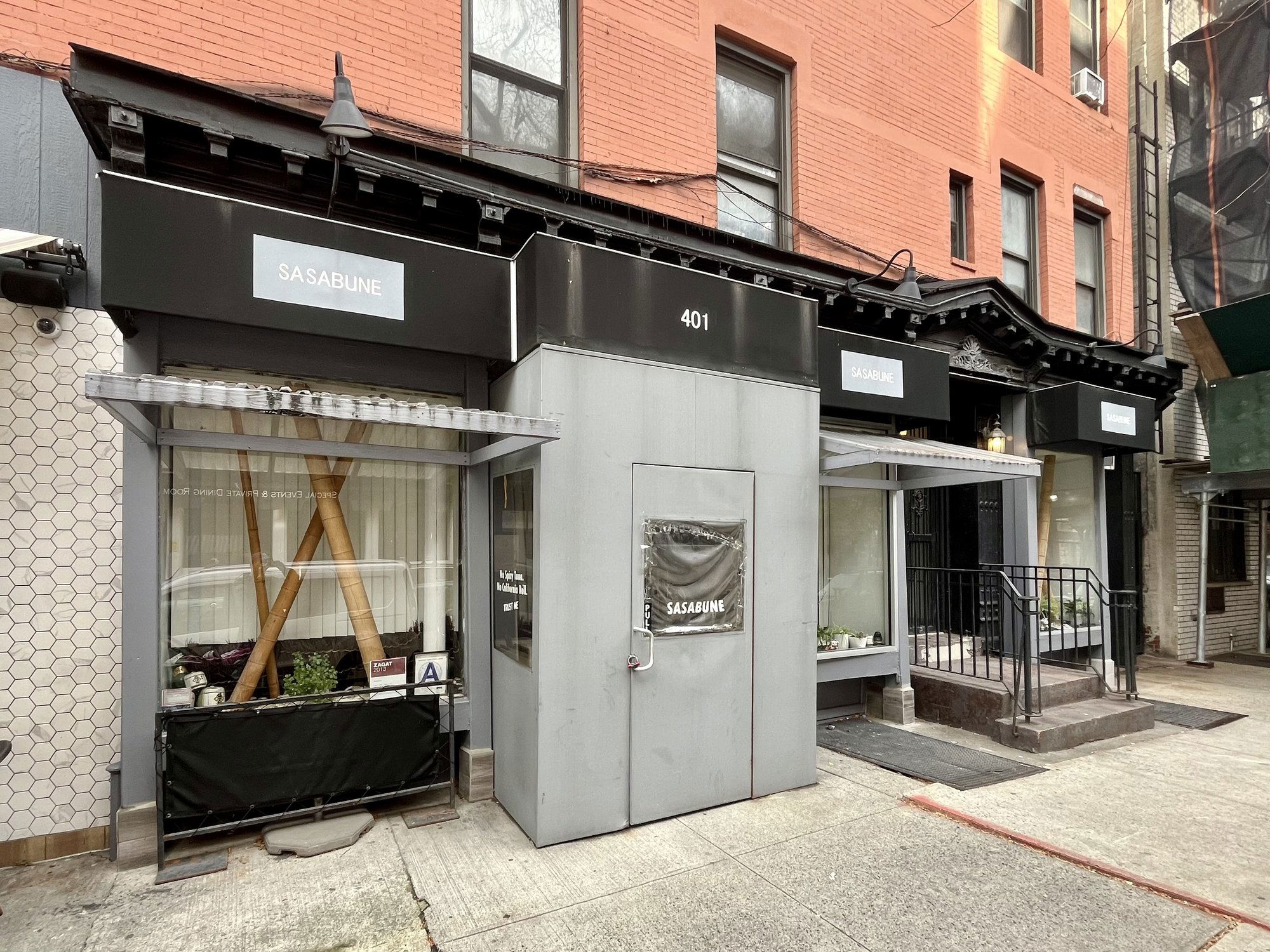
About Sushi Sasabune
Sushi Sasabune is worth considering when the plan is a focused Upper East Side meal rather than a drinks-led night. It suits dates and two-person catch-ups better than loose groups, especially if food is the main reason to go and the evening does not need a loud bar scene.
Should you plan for Sushi Sasabune in New York City? With the verified details limited to hours and a smart casual dress code, the safest read is to treat it as a scheduled meal rather than a loosely defined night out. It is a better fit when the group is aligned on timing, dress, and a contained plan.
The useful planning point is simple: check the schedule before building the night around it. Sushi Sasabune is open for dinner Monday through Saturday, with lunch listed Tuesday through Friday, and it is closed on Sunday. Treat those hours as the main confirmed guide for deciding whether it fits your itinerary.
Choose it for a planned meal, not a flexible bar night
The verified information supports a more planned visit: smart casual dress and set meal periods rather than an all-day or late-night format. That makes it easier to use as the anchor for an evening when the group wants a defined dinner window. It is less useful if the plan depends on late-night drinking, happy-hour flexibility, or drifting between several stops without a firm schedule.
For planning a broader night out, use Our full New York City restaurants guide when dinner is the anchor, then switch to Our full New York City bars guide if the evening needs a second stop. If the brief is more design-led or hotel-adjacent, Our full New York City hotels guide is the more useful lane.
Who should pick it, and who should cross-shop
Pick this when the group wants a New York City meal with clear hours and a smart casual expectation. Skip it if the brief is happy hour, late-night energy, or a place where drinks are the main event. In that case, compare it with other options and confirm current details directly before choosing the plan.
If plans are loose, compare the fit and current details with The Penrose Bar, Kaia Wine Bar, or NR. For a broader New York City outing, use other dining and bar options as itinerary tools rather than direct substitutes.
Quick reference: plan this for a New York City meal within the listed hours, not for happy-hour hunting, late-night drinking, or a large-group bar plan.
Frequently Asked Questions
Is Sushi Sasabune good for a date?
It can be, if the plan is a scheduled meal in New York City and the smart casual dress code suits the occasion. If you want a different kind of outing, compare current details with options such as The Penrose Bar before deciding.
Is Sushi Sasabune open late?
No, not compared with bars and late-night spots. Verified hours run until 9:30 PM Monday through Saturday, with Sunday closed, so this is better planned as a lunch or dinner stop within the listed hours rather than a late-night option.
Does Sushi Sasabune have outdoor seating?
Outdoor seating is not included in the verified details for Sushi Sasabune. Check the venue's official channels for the latest seating information before planning around that need.
Does Sushi Sasabune have happy hour deals?
Happy hour details are not included in the verified information for Sushi Sasabune. If deals or drinks are the priority, compare current details with options such as goodsugar or Plug Uglies UES and confirm directly.
Is the food good at Sushi Sasabune?
The verified information here does not include ratings, rankings, menu details, or awards. Use the confirmed hours and smart casual dress code to decide whether it fits your plans, and check current venue sources if you need more detail before booking.
What's the best time to go to Sushi Sasabune?
Use the verified hours as the guide: dinner is listed Monday through Saturday from 5:30–9:30 PM, lunch is listed Tuesday through Friday from 12–2 PM, and Sunday is closed. Choose the slot that best fits your schedule.
Location
401 E 73rd St, New York, NY 10021
New York City, United States
Compare Sushi Sasabune
| Venue | Booking Difficulty |
|---|---|
| Sushi Sasabune | Easy |
| Kaia Wine Bar | Unknown |
| NR | Unknown |
| Plug Uglies UES | Unknown |
| goodsugar | Unknown |
| The Penrose Bar | Unknown |
A quick look at how Sushi Sasabune compares on price and recognition.
Also Consider
- Kaia Wine Bar, Notable alternative
- NR, Notable alternative
- Plug Uglies UES, Notable alternative
- goodsugar, Notable alternative
- The Penrose Bar, Notable alternative
How it compares on the Upper East Side
Compared with Kaia Wine Bar and NR, Sushi Sasabune is the more meal-led choice. Kaia Wine Bar makes more sense when wine and conversation are the center of the night, while NR is the better pick when cocktails matter more than dinner pacing. Choose Sushi Sasabune when the food decision comes first.
Plug Uglies UES and The Penrose Bar are easier fits for casual drinks, larger groups, and a more flexible evening. They are better fallbacks when plans are not firm or when the group may want to stay later. Sushi Sasabune is better for a tighter two-person plan where the room does not need to create the energy.
goodsugar sits in a different lane entirely: use it for a lighter stop rather than a dinner anchor. If the goal is value for a full evening, compare how much of the night each venue can carry. Sushi Sasabune works when dinner is the event; the others work better when the night is built around drinks, flexibility, or a quick stop.
Explore New York City
Save or rate Sushi Sasabune on Pearl
Keep this venue in your Pearl passport, rate it after you visit, and track it alongside every other place you collect.